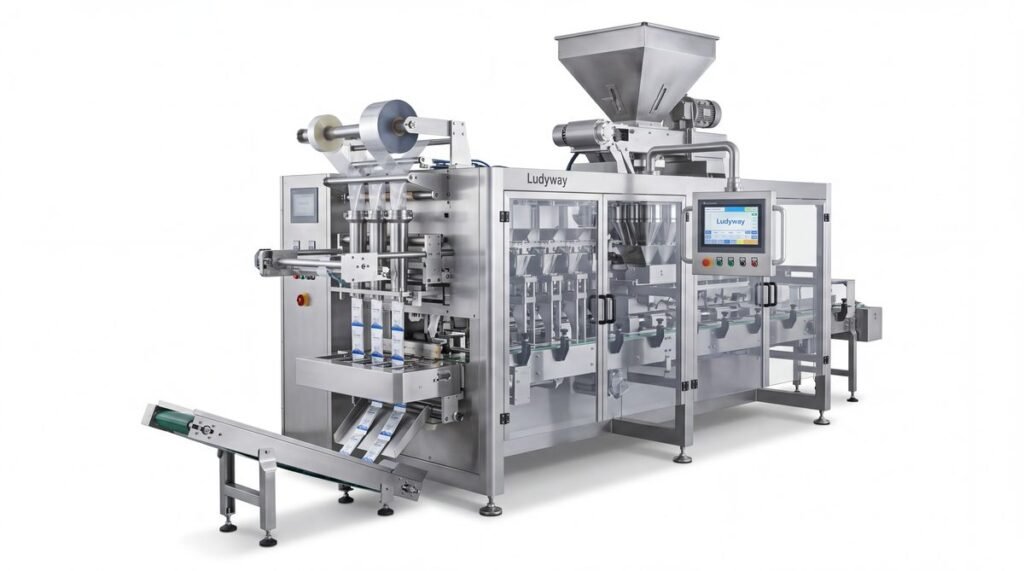
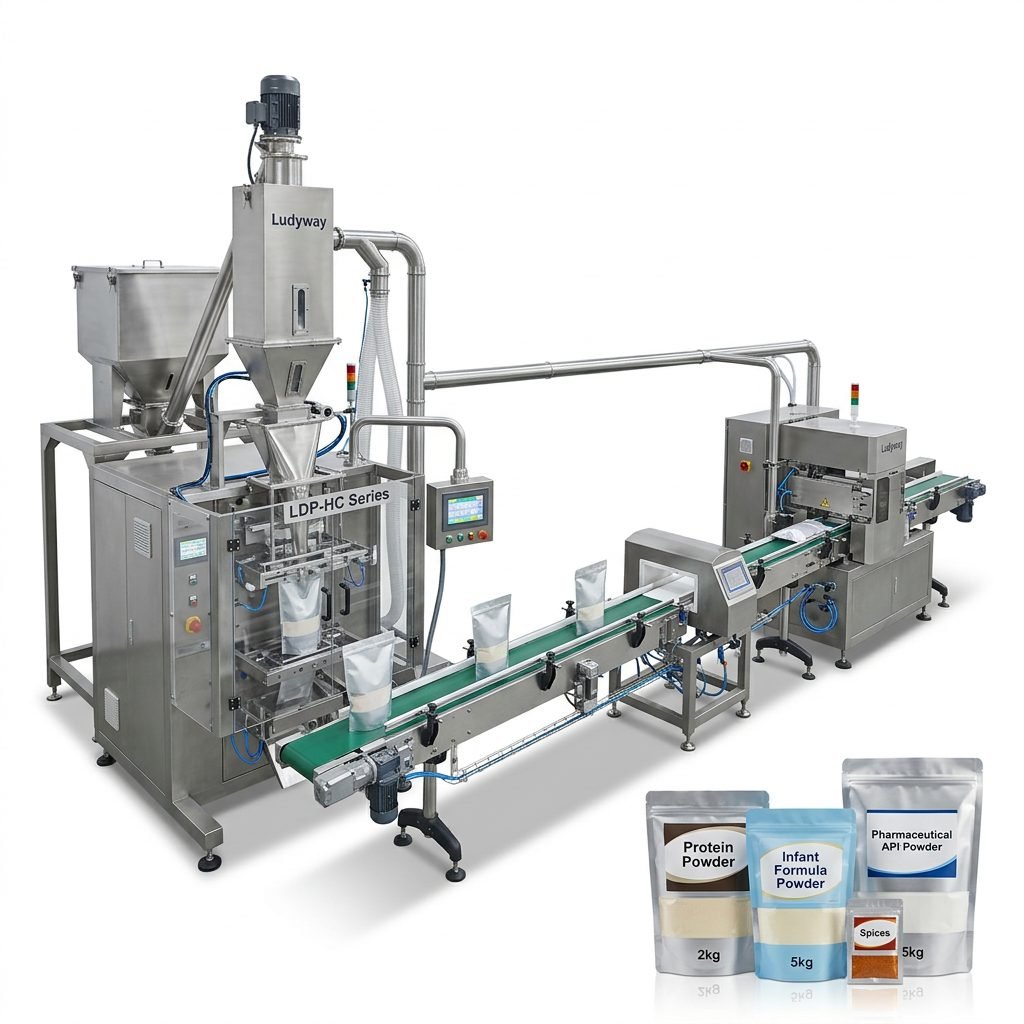
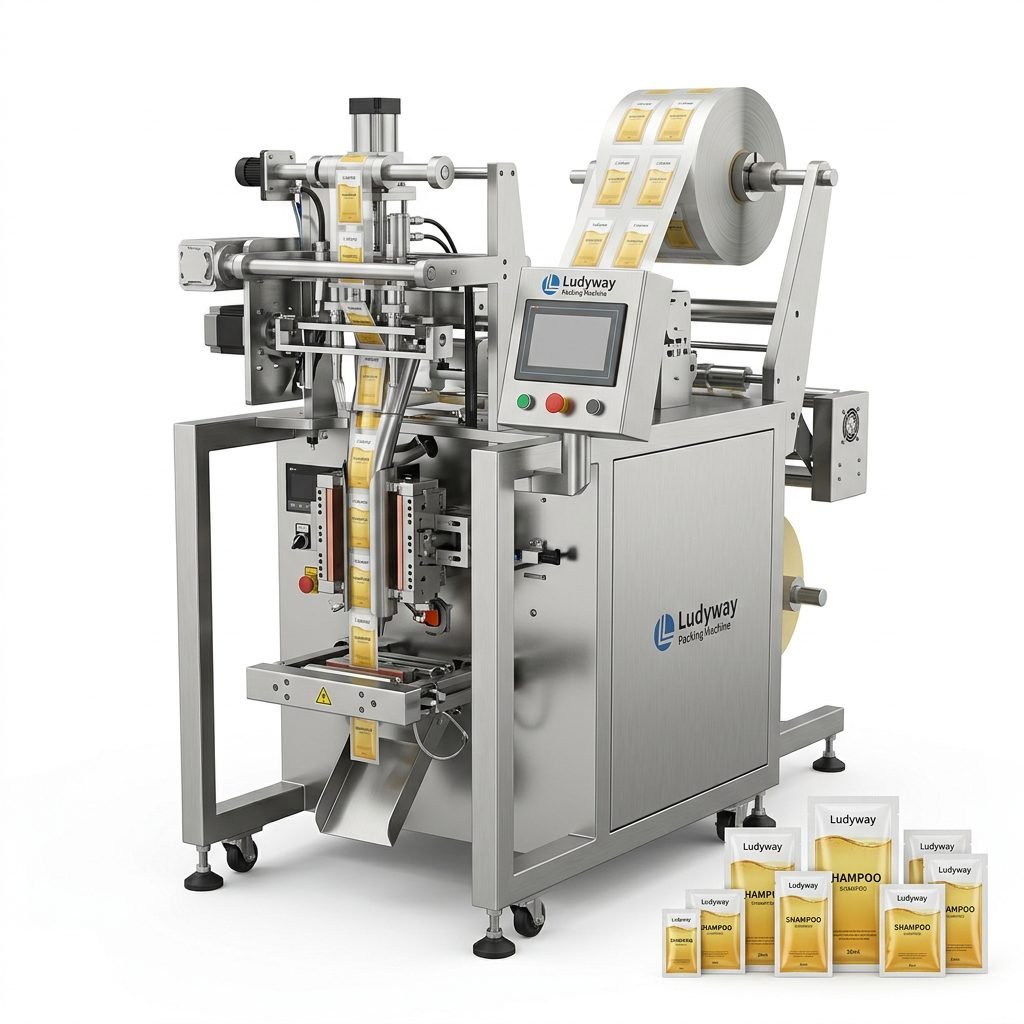
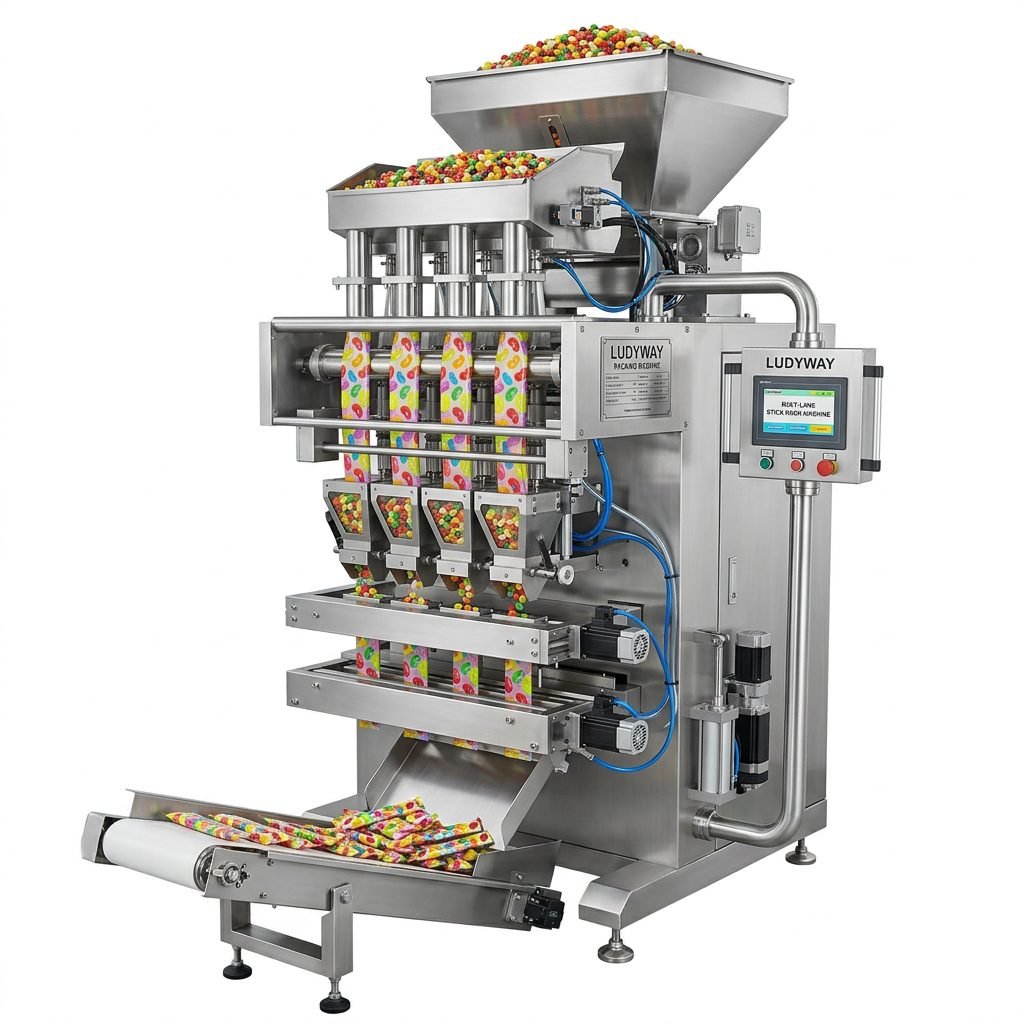
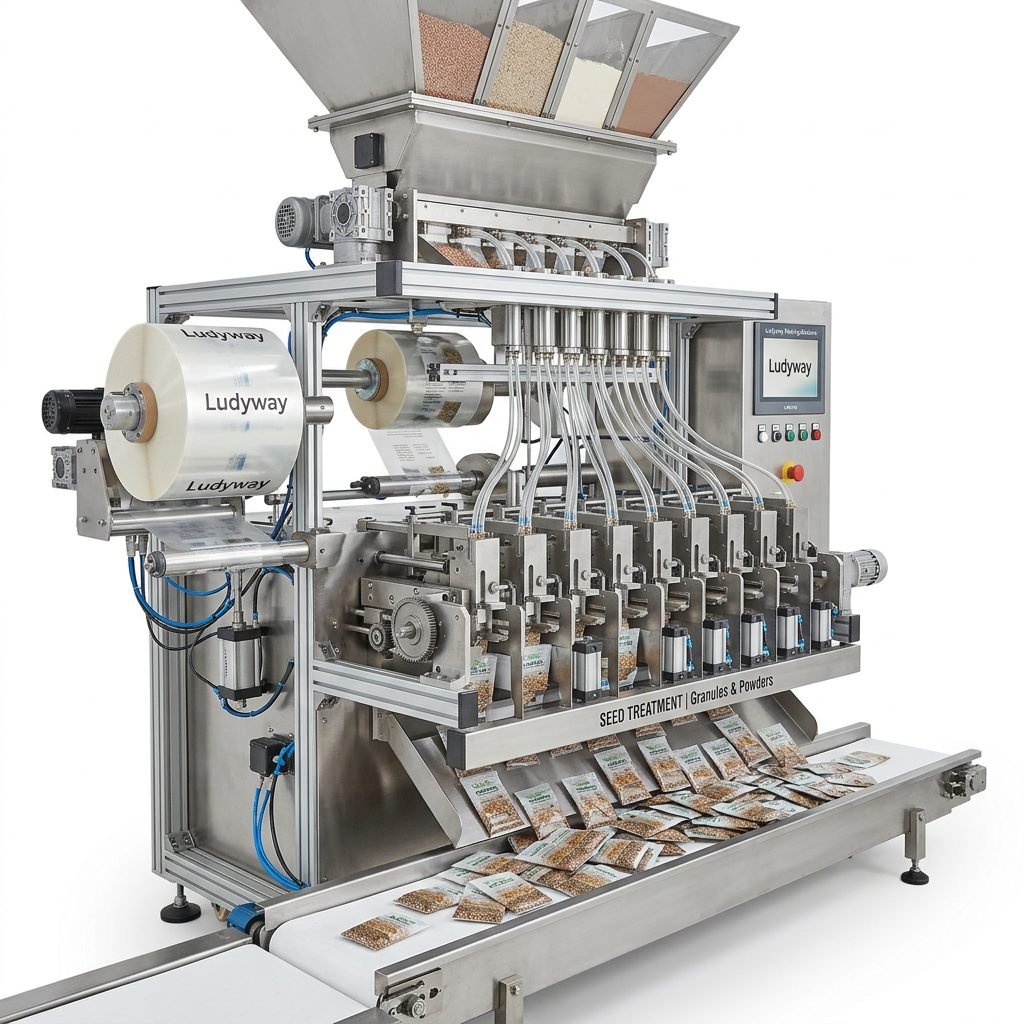
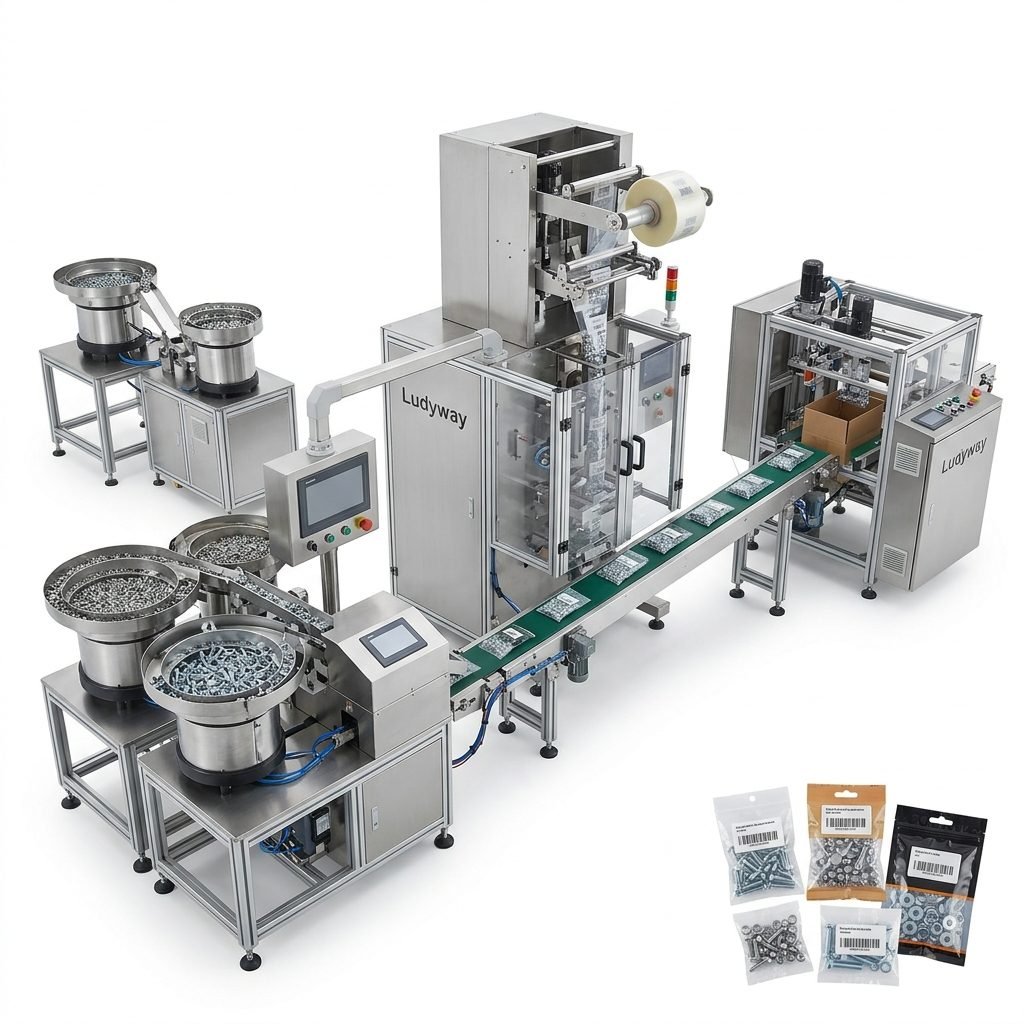
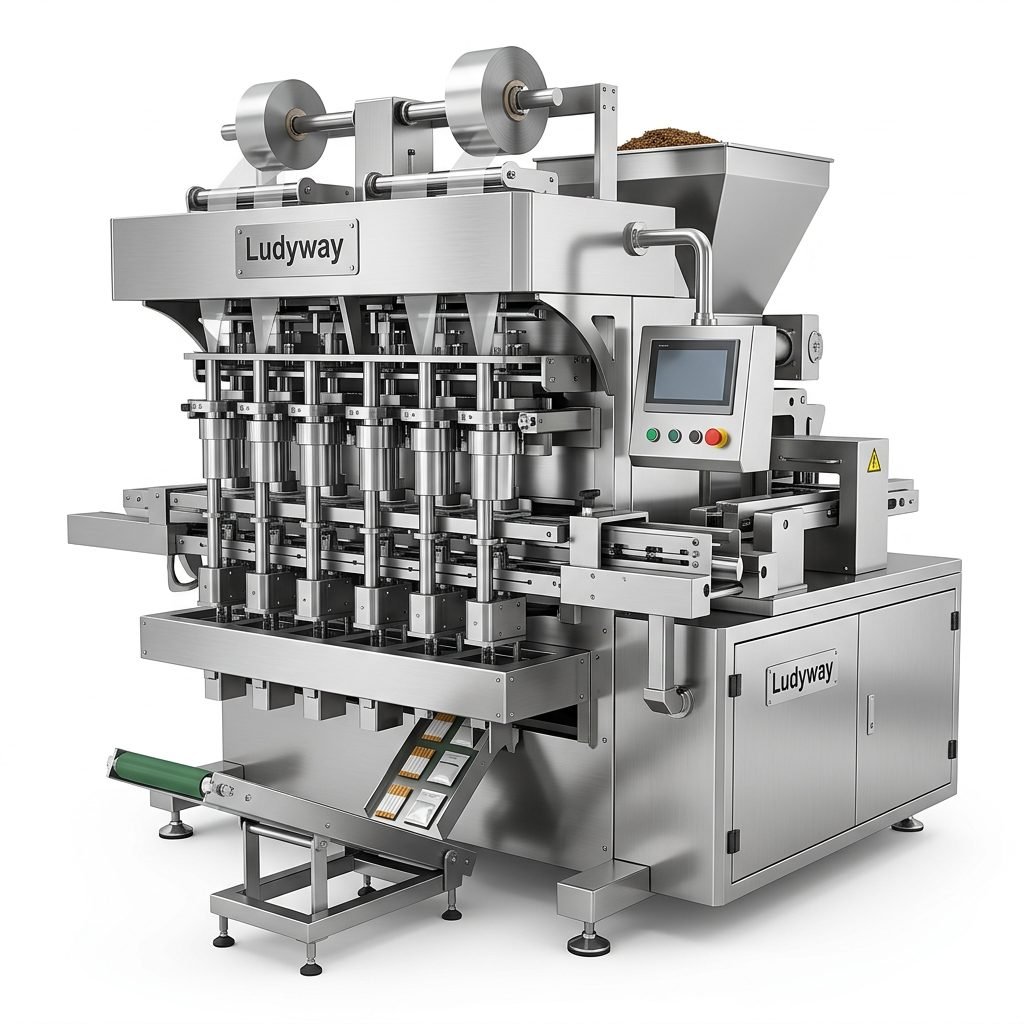
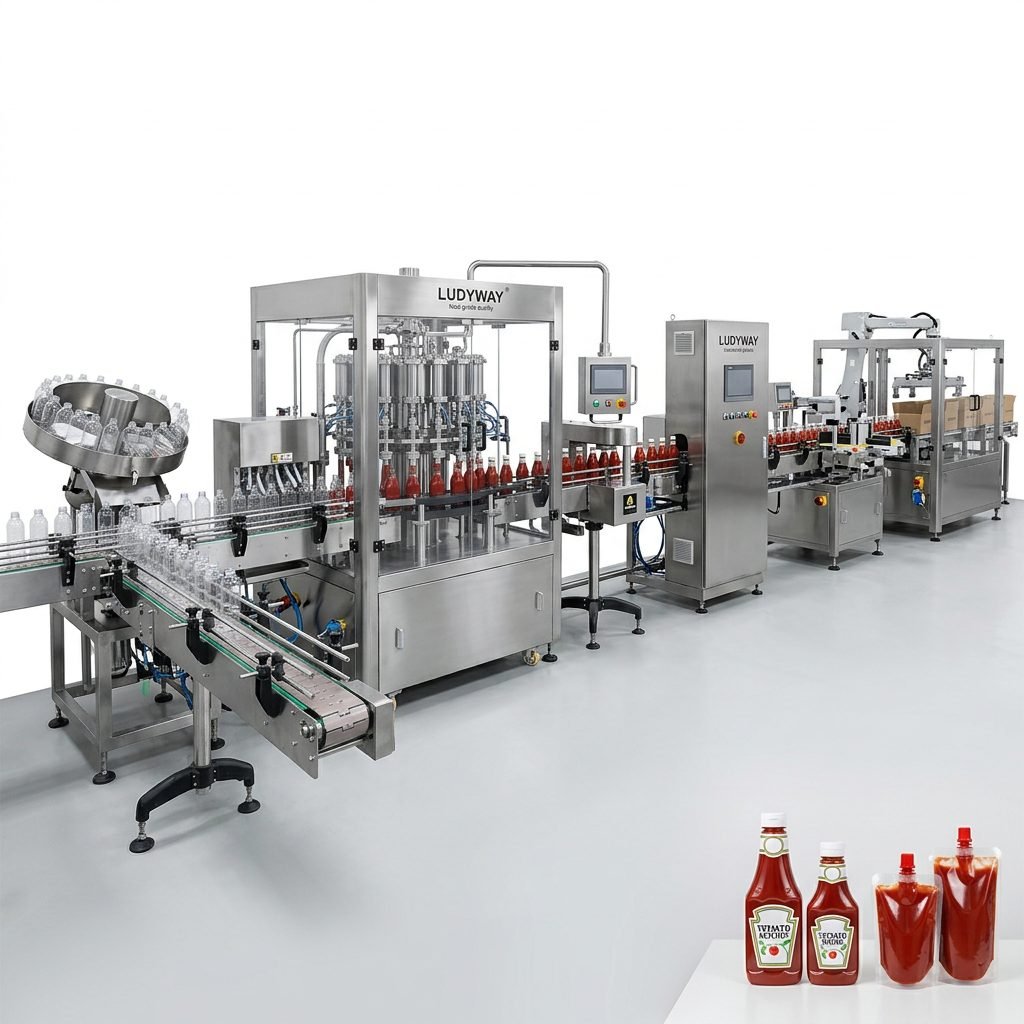
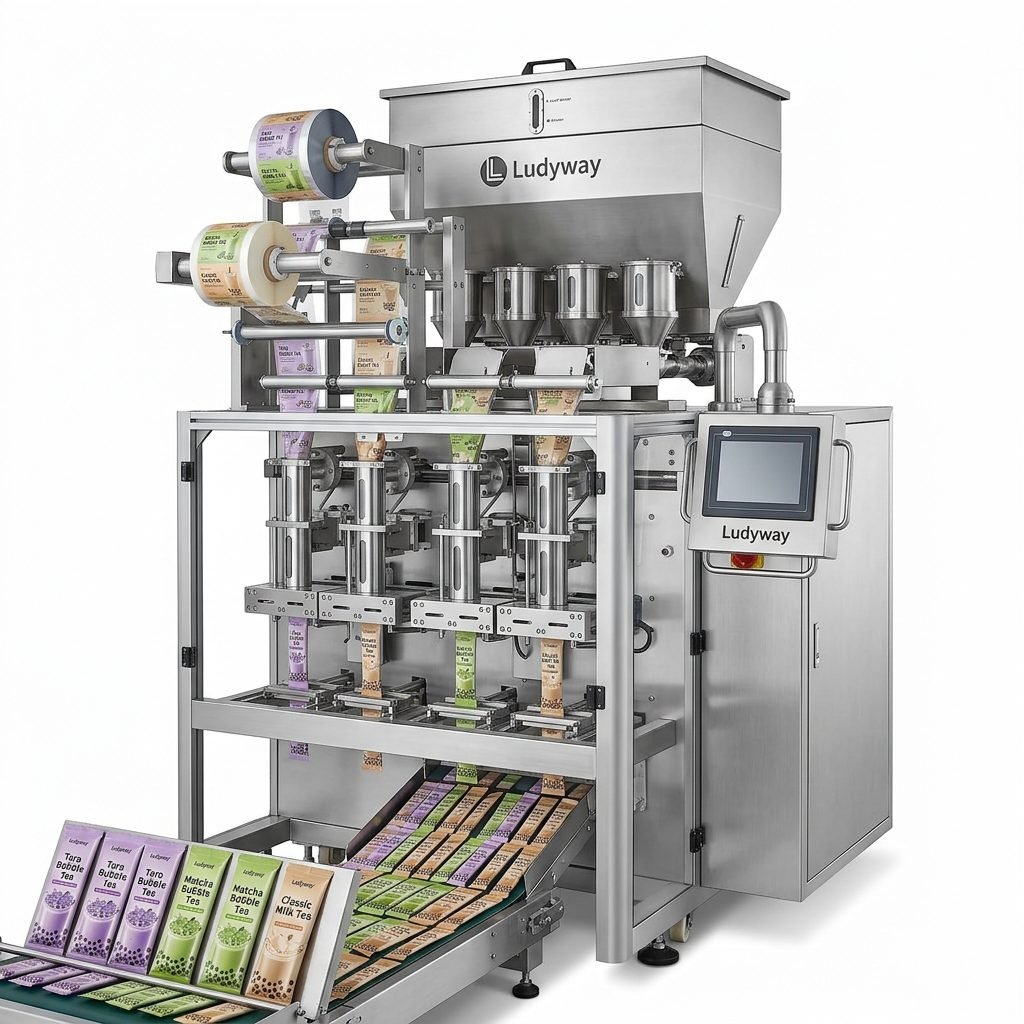
Regular maintenance is the foundation of packaging line efficiency and equipment longevity. For any manufacturer running sachet, stick pack, or multi-lane filling systems, a well-structured maintenance routine directly impacts production uptime, fill accuracy, and seal integrity. Without proper care, even the most robust packaging machinery will experience premature wear, inconsistent output, and costly unplanned downtime.
The goal of maintaining a continuous packaging machine goes beyond simply keeping it running. It involves systematic inspection, proactive part replacement, and consistent cleaning to preserve precision and prevent small issues from escalating into major failures. Below, we outline the most effective strategies to keep your equipment performing at its peak.
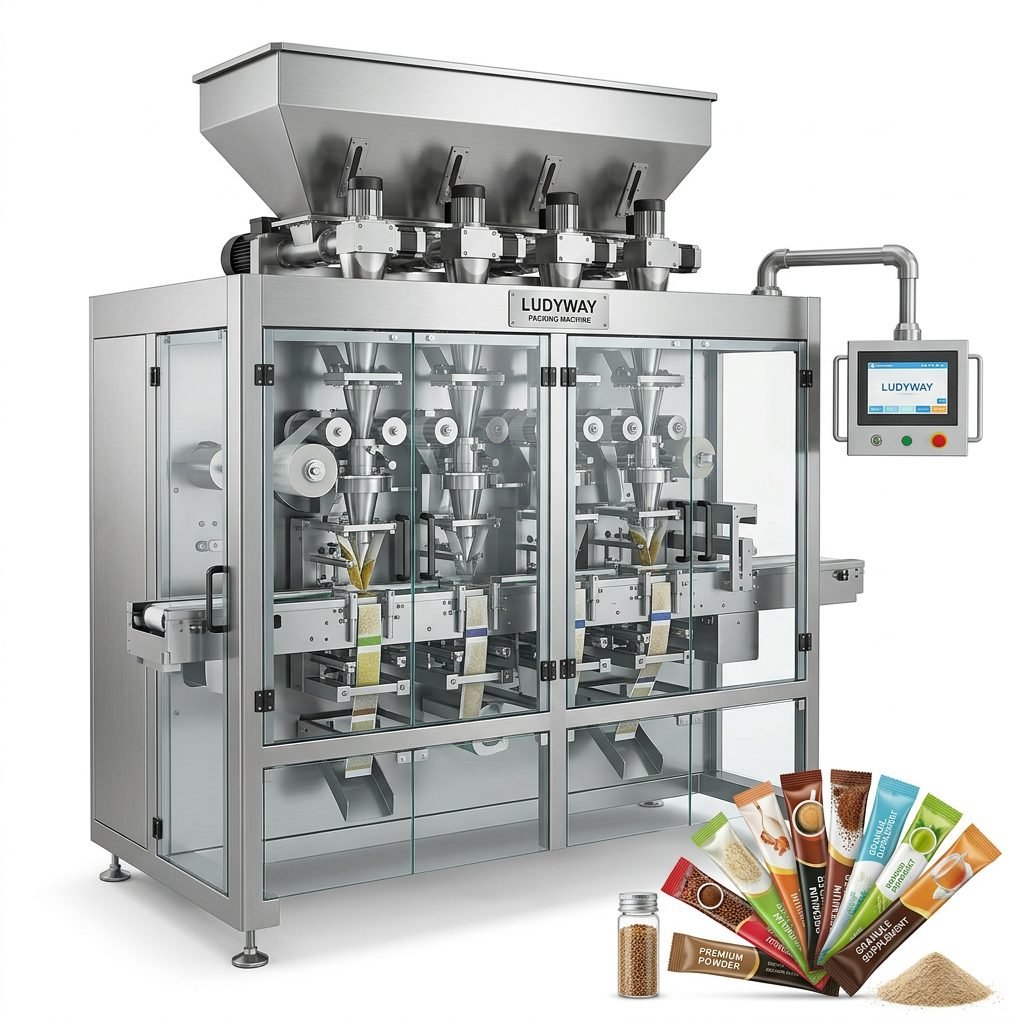
1. Establish a Daily Inspection Checklist
A consistent daily walkthrough of your packaging line helps catch early warning signs before they disrupt production. Train operators to observe and document the following key indicators during every shift:
- Seal integrity: Inspect pouch seals for wrinkles, leaks, or inconsistent impressions that may indicate temperature drift or jaw misalignment.
- Fill weight consistency: Monitor dosing accuracy across lanes; variation often signals wear in augers, pistons, or load cells.
- Unusual sounds or vibration: Grinding, squeaking, or rattling from conveyors, film unwinds, or sealing stations warrants immediate investigation.
- Film tracking and tension: Misaligned film causes crooked pouches and increases material waste.
- Sensor performance: Verify that registration marks, no-product / no-fill sensors, and safety interlocks are responding correctly.
2. Cleaning and Lubrication: The Core of Preventive Care
Contamination from product dust, film residue, and environmental debris is a leading cause of mechanical wear and electrical faults in high-speed packaging environments. A rigorous cleaning protocol paired with correct lubrication practices dramatically extends the service life of your packaging equipment.
Recommended Maintenance Schedule
| Frequency | Task | Key Focus Areas |
|---|---|---|
| Daily | Surface cleaning, visual inspection | Sealing jaws, film path, dust-prone zones |
| Weekly | Deep cleaning, lubrication check | Chain drives, bearings, guide rails, sensors |
| Monthly | Component inspection, belt tension | Belts, gears, pneumatic fittings, electrical connections |
| Quarterly | Precision calibration, wear-part replacement | Load cells, temperature controllers, timing belts |
| Annually | Full overhaul, control system diagnostics | PLC backup, servo tuning, structural alignment |
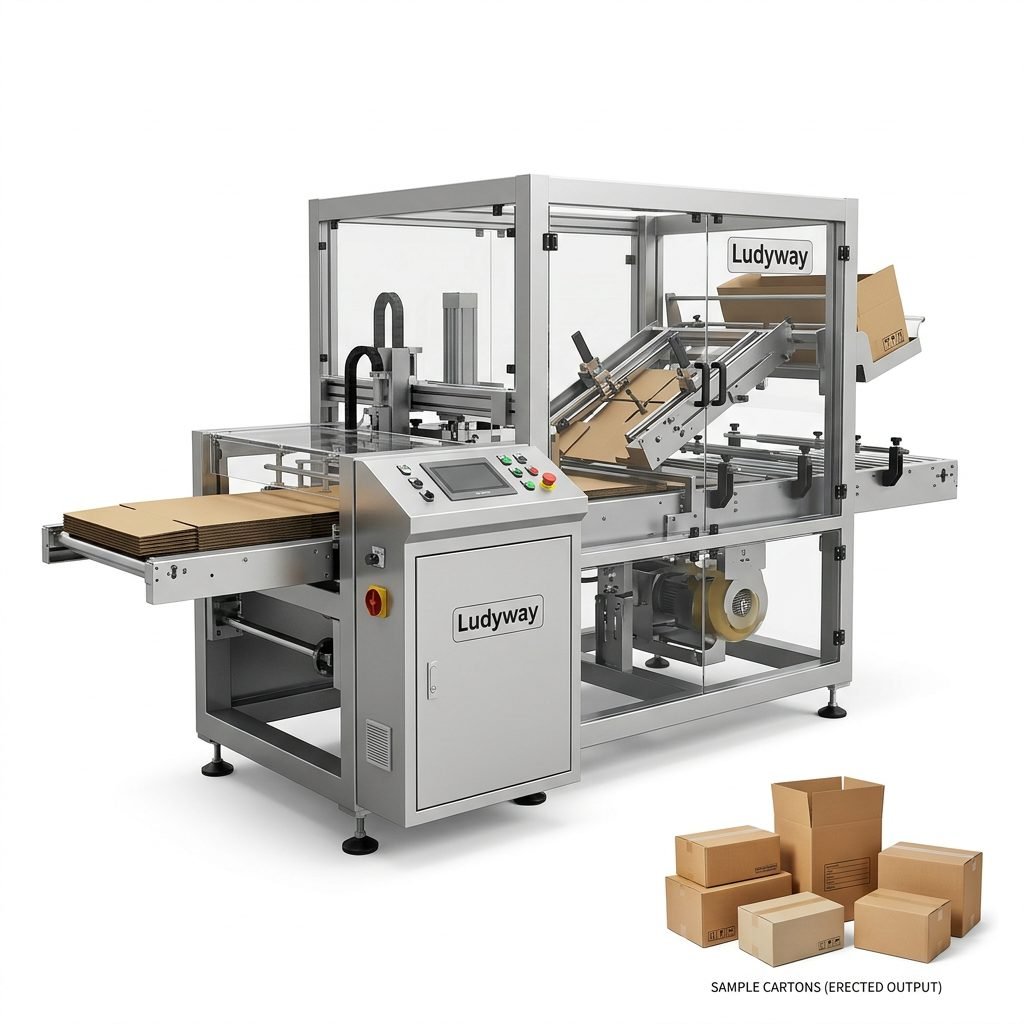
3. Critical Components That Demand Regular Attention
While every part of your packaging machine plays a role, certain components are especially prone to wear and have a direct impact on output quality. Prioritize these areas in your maintenance routine:
- Sealing jaws and heating elements: Clean off product residue and film deposits daily. Check thermocouple accuracy monthly to avoid cold seals or burn-through.
- Filling and dosing units: Whether auger, piston, or volumetric cup fillers, calibrate regularly to maintain portion accuracy. Inspect seals and O-rings for wear.
- Film transport and unwinding mechanisms: Worn rollers, misaligned guides, and inconsistent tension cause film waste and misregistration. Lubricate bearings and verify alignment.
- Pneumatic and vacuum systems: Check for leaks in air lines, clean filters, and drain moisture from compressed air systems to protect solenoid valves and actuators.
- Electrical panels and connections: Dust accumulation inside control cabinets can lead to short circuits and communication faults. Keep panels sealed and inspect terminals for tightness.
4. Troubleshooting Common Packaging Machine Issues
Even with disciplined maintenance, issues can arise. Knowing how to quickly diagnose symptoms minimizes downtime and prevents cascading equipment damage. Below are frequent problems and their likely root causes:
Film Tracking and Wrinkling
- Check roller alignment and clean any adhesive buildup on film guides.
- Verify that the film roll is centered and unwinding tension is uniform.
- Inspect the sealing jaw pressure balance; uneven force causes film distortion.
Inconsistent Fill Weights
- Calibrate the weighing system or dosing mechanism.
- Examine product flow characteristics — clumping or bridging affects fill consistency.
- Check for worn auger flights, dosing cups, or piston seals.
Seal Failures and Leaks
- Verify that sealing temperature matches the film specification; adjust dwell time if needed.
- Clean jaw surfaces thoroughly and inspect for scratches or uneven wear.
- Confirm that product contamination at the seal area is not interfering with proper bonding.
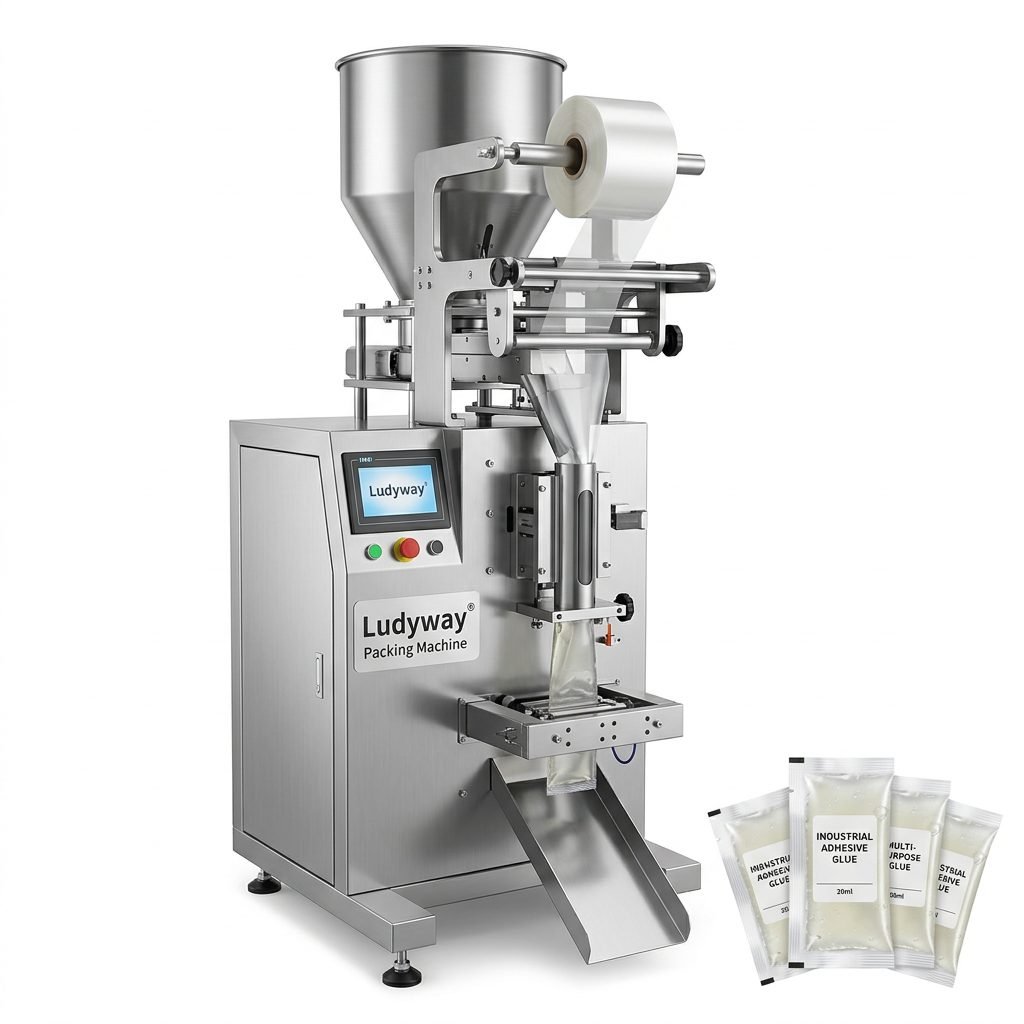
5. Implement a Preventive Maintenance (PM) Program
A reactive approach — fixing equipment only when it breaks — is incompatible with high-volume continuous packaging operations. A robust preventive maintenance program shifts your strategy from emergency repairs to planned interventions. Key elements of an effective PM program include:
- Documented maintenance logs: Record every inspection, cleaning, and part replacement to build a service history that reveals failure patterns.
- Spare parts inventory: Stock critical wear items — sealing jaws, belts, sensors, filters — to avoid extended downtime waiting for replacements.
- Scheduled shutdowns: Plan quarterly or bi-annual maintenance windows for deep servicing without disrupting urgent production demands.
- Performance metrics tracking: Monitor OEE (Overall Equipment Effectiveness), scrap rates, and mean time between failures (MTBF) to evaluate and improve maintenance outcomes.
6. Train Your Operators and Maintenance Team
The best maintenance protocol is only as effective as the people executing it. Investing in operator training ensures that daily inspections are thorough and that early warning signs are recognized and reported promptly. Skilled operators understand not just what to check, but why each parameter matters for overall packaging quality and machine health.
Similarly, maintenance technicians should receive ongoing education on the latest diagnostic tools, control software updates, and best practices recommended by organizations such as the Flexible Packaging Association. A knowledgeable team prevents small anomalies from becoming serious breakdowns.
7. When to Call for Professional Service Support
While in-house maintenance covers most daily and weekly needs, certain situations demand specialized expertise. Consider engaging professional service when you encounter:
- Persistent seal or fill issues that resist standard troubleshooting and recalibration.
- Servo drive or PLC communication errors requiring advanced diagnostics and firmware updates.
- Major mechanical overhauls involving structural realignment, bearing replacement, or gearbox servicing.
- Upgrades or retrofits aimed at expanding production capacity or accommodating new packaging formats.
Manufacturers like Ludyway, a leading packaging machine manufacturer with over 30 years of industry experience, provide comprehensive technical support and genuine spare parts to ensure that continuous packaging lines operate at peak efficiency throughout their service life.
8. Long-Term Strategies for Extending Machine Life
Beyond daily and weekly routines, adopting a lifecycle mindset toward your packaging equipment yields significant returns. Consider these long-term strategies:
- Environmental control: Maintain a clean, temperature-stable, and humidity-controlled production area to reduce stress on electronic components and film materials.
- Genuine spare parts: Using OEM-certified components preserves the engineering tolerances and safety compliance of your original equipment.
- Software and firmware updates: Keep control systems current to benefit from performance improvements and bug fixes released by the manufacturer.
- Periodic professional audits: Schedule an annual equipment audit by qualified technicians to identify hidden wear and recommend proactive upgrades.
A well-maintained continuous packaging machine delivers consistent product quality, lower total cost of ownership, and greater production reliability. By embedding these maintenance practices into your operational culture and knowing when to leverage professional support, you protect your investment and keep your packaging line running smoothly for years to come. For more detailed guidance on packaging industry best practices, consult recognized industry authorities and your equipment manufacturer’s service documentation.