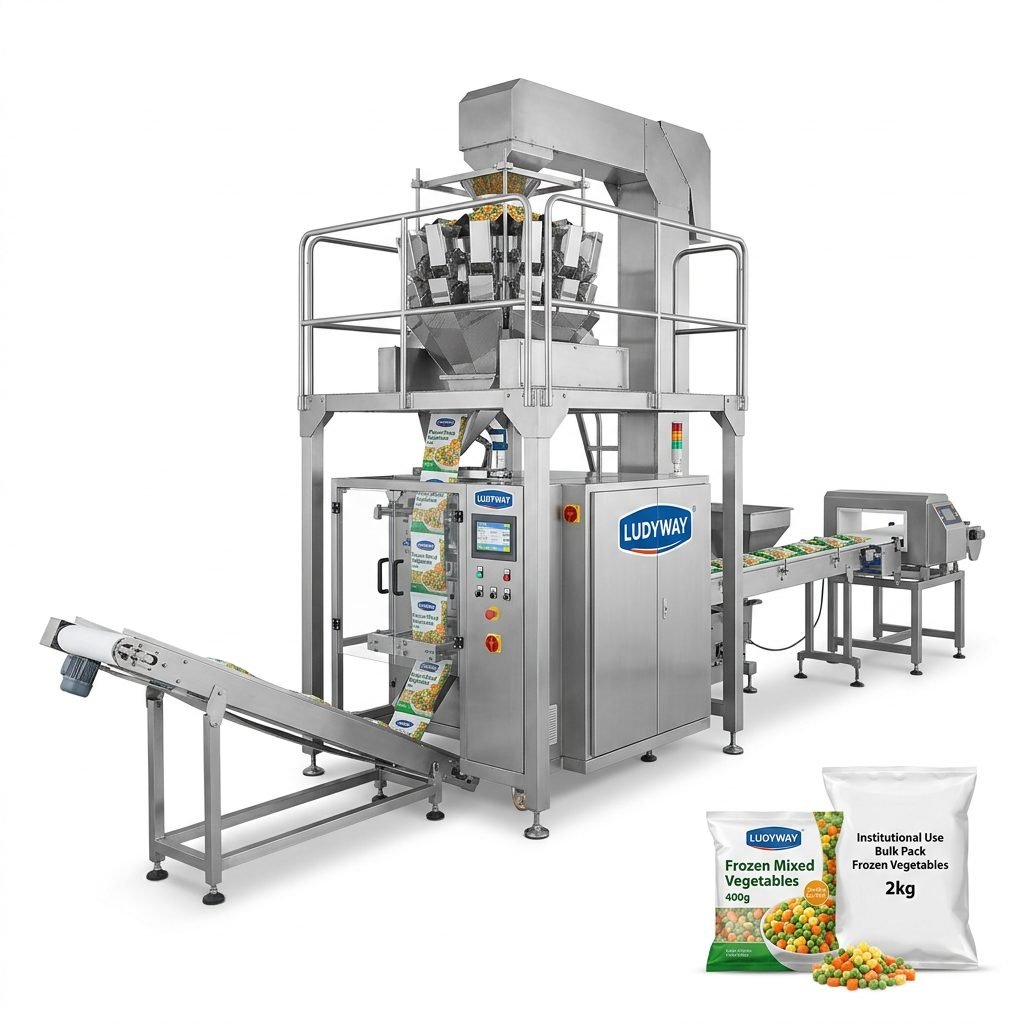
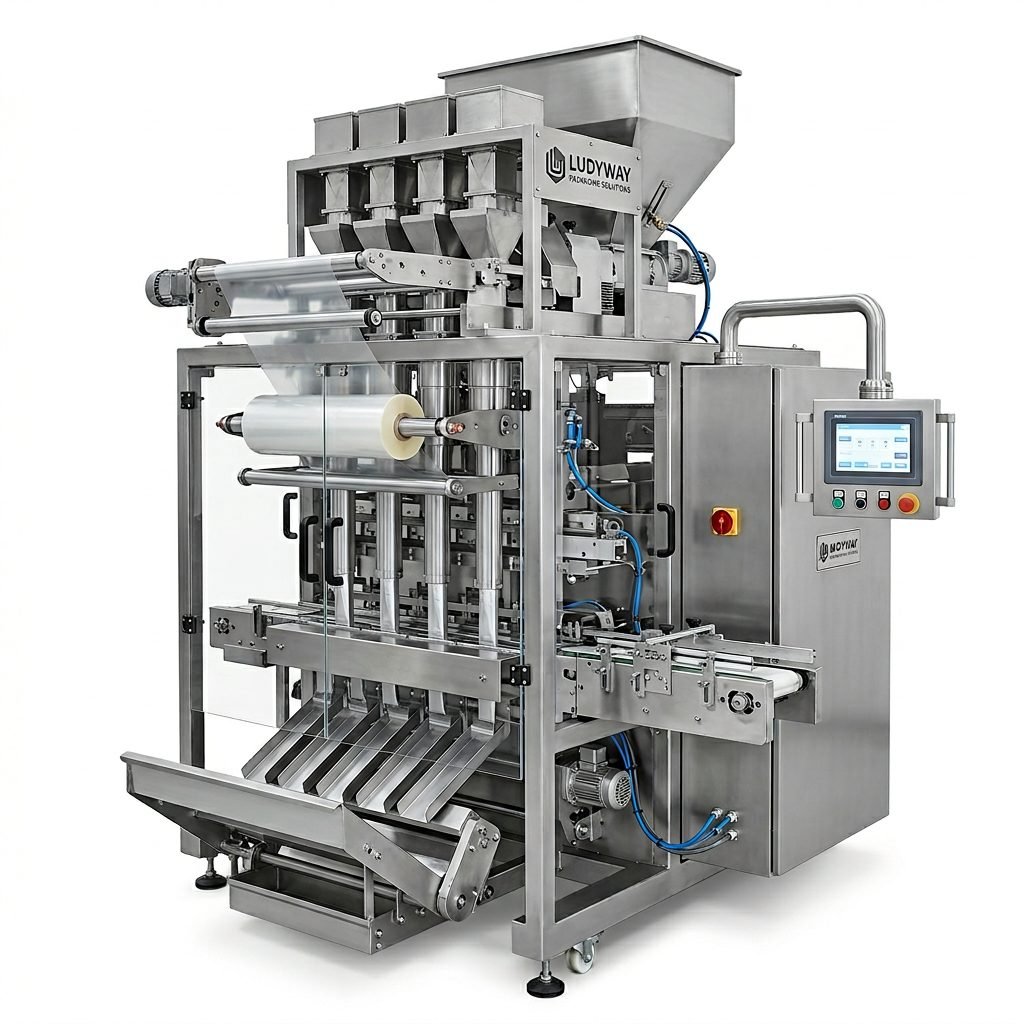
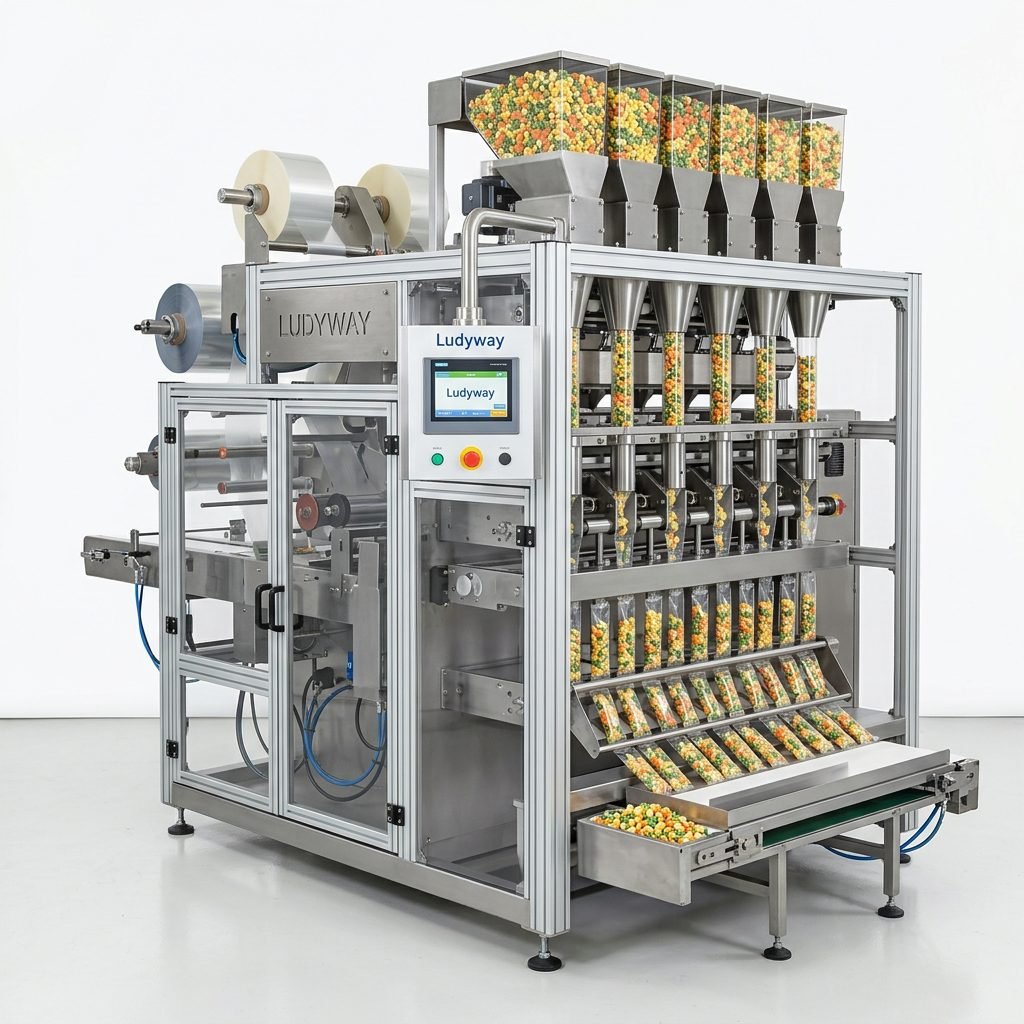
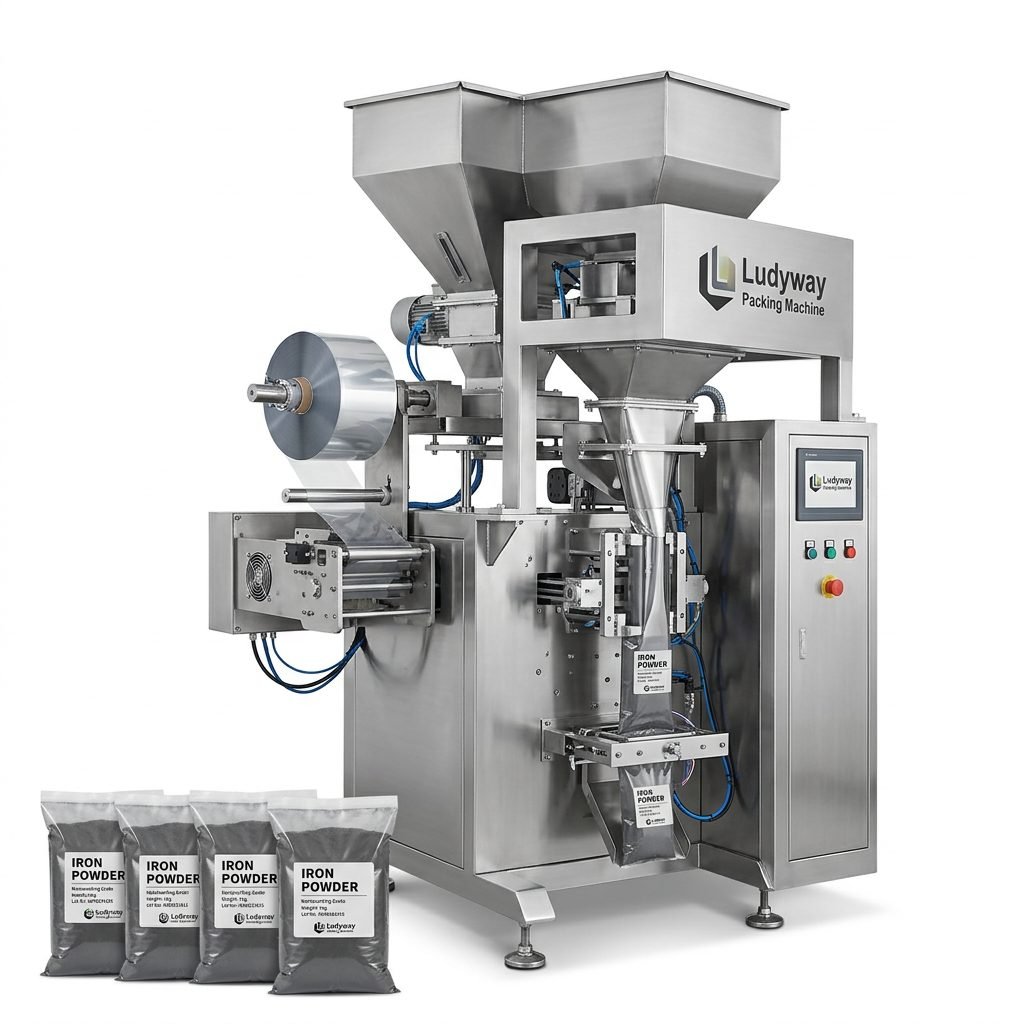
Regular maintenance of a cello tape packing machine is critical for ensuring consistent output, extending equipment lifespan, and reducing costly downtime. Whether you operate a small-scale packaging line or a fully automated packaging production system, following a structured maintenance routine helps prevent unexpected failures. Neglecting upkeep can lead to misaligned cutting blades, adhesive buildup, and inconsistent sealing — all of which compromise product quality and operational efficiency.
Daily Inspection Checklist
Performing daily inspections is the foundation of effective packing machine maintenance. Operators should complete a brief checklist at the start of each shift before running production. The following table outlines essential daily checks:
| Inspection Point | What to Check | Frequency |
|---|---|---|
| Cutting Blades | Sharpness, alignment, and adhesive residue | Every shift |
| Tape Feed Mechanism | Smooth feeding, no jamming or misalignment | Every shift |
| Sealing Rollers | Cleanliness, wear, and even pressure | Every shift |
| Electrical Connections | Loose wires, damaged cables, proper grounding | Daily |
| Safety Guards | All guards in place and functioning | Every shift |
| Air Pressure (if pneumatic) | Correct pressure levels, no leaks in hoses | Daily |
Cleaning Procedures for Optimal Performance
Adhesive residue is one of the most common causes of malfunction in cello tape packing machines. A consistent cleaning routine keeps moving parts functioning smoothly and prevents tape jams. Follow these cleaning guidelines:
- Remove adhesive buildup — Use a non-abrasive solvent recommended by the manufacturer to clean rollers and cutting blades. Avoid harsh chemicals that may corrode metal surfaces.
- Clean tape guides — Wipe down tape guides daily to ensure accurate tape alignment and feeding.
- Dust removal — Use compressed air to blow dust and debris from sensors, control panels, and hard-to-reach areas.
- Inspect the work area — Keep the surrounding area free of loose tape fragments, dust, and packaging material that could enter the machine.
- Lubricate after cleaning — Apply appropriate lubricants to moving parts after thorough cleaning, not before.

Lubrication Guidelines
Proper lubrication reduces friction, prevents premature wear, and ensures smooth mechanical operation. Using the right lubricant is just as important as the lubrication schedule itself. Below are key lubrication points for a typical cello tape packing machine:
- Bearings and shafts — Apply food-grade or manufacturer-specified grease every 200 operating hours.
- Chain drives — Use light machine oil to prevent rust and maintain flexibility; check tension weekly.
- Cutting blade pivot points — A drop of light oil every 40 hours prevents sticking and ensures clean cuts.
- Gears and cams — Inspect for wear and apply grease sparingly to avoid attracting dust and debris.
- Avoid over-lubrication — Excess lubricant can drip onto packaging materials and cause contamination.
Common Issues and Troubleshooting
Even with regular maintenance, occasional issues may arise. Identifying and resolving problems quickly minimizes downtime. Refer to the troubleshooting table below for common symptoms and recommended actions:
| Problem | Probable Cause | Recommended Action |
|---|---|---|
| Tape jamming frequently | Adhesive buildup on rollers or guides | Clean all tape path surfaces thoroughly |
| Uneven or crooked cuts | Dull or misaligned cutting blades | Sharpen or replace blades; realign cutting mechanism |
| Inconsistent tape length | Worn feed rollers or sensor malfunction | Calibrate sensors and inspect feed rollers |
| Machine vibrating excessively | Loose mounting bolts or worn bearings | Tighten all bolts; replace worn bearings |
| Sealing pressure too weak | Spring tension loss or roller wear | Adjust or replace springs and rollers |

Scheduled Maintenance Timeline
Beyond daily checks, a comprehensive maintenance schedule ensures long-term reliability. Following industry-standard packaging machinery guidelines, here is a recommended timeline:
Weekly Tasks
- Inspect all belts for tension and signs of cracking.
- Verify sensor calibration with test cycles.
- Clean air filters on pneumatic systems.
- Check all emergency stop buttons for proper function.
Monthly Tasks
- Lubricate all specified points according to manufacturer recommendations.
- Inspect electrical wiring and tighten any loose terminal connections.
- Test cutting blade alignment with precision measuring tools.
- Review error logs and address recurring issues.
Quarterly Tasks
- Replace worn belts, seals, and gaskets proactively.
- Perform a full calibration of all sensors and measuring systems.
- Inspect and clean motor ventilation and cooling components.
- Evaluate overall machine performance metrics against baseline data.
Annual Overhaul
- Complete disassembly of critical components for inspection.
- Replace all bearings, even if they appear functional.
- Update firmware and software for automated control systems.
- Conduct a full safety audit and compliance review.
The Importance of Professional Servicing
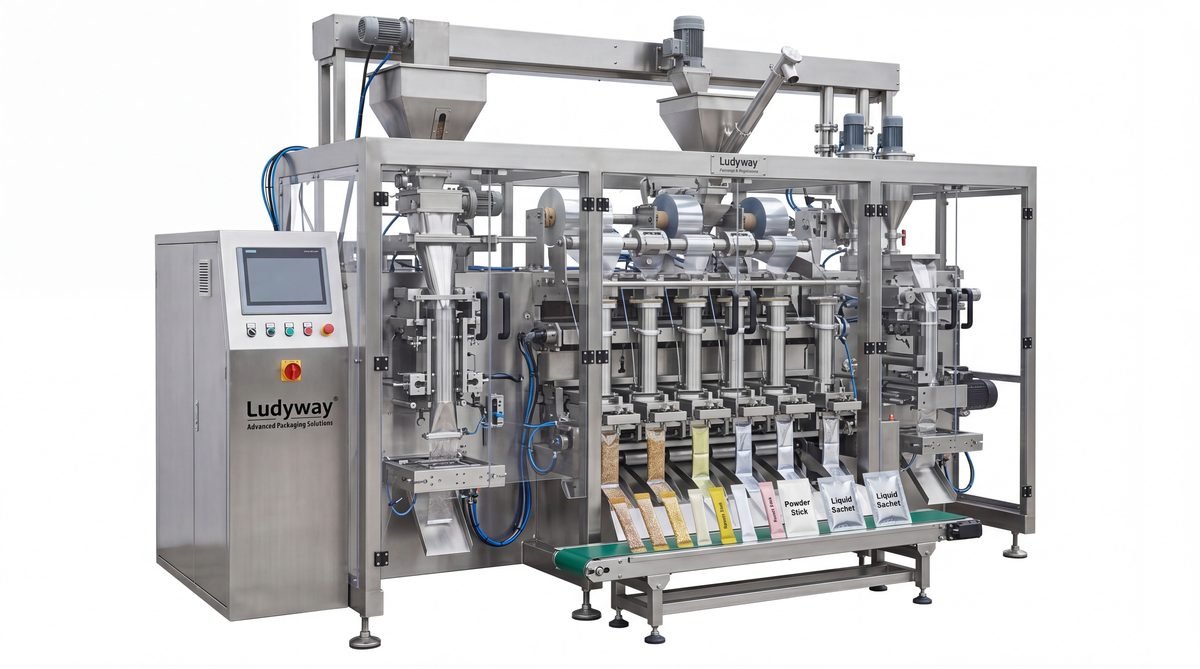
While routine maintenance can be handled by trained operators, certain tasks require professional expertise. Annual servicing by a qualified technician ensures that internal components — such as gearboxes, servo motors, and precision cutting assemblies — are properly assessed. For businesses seeking reliable packaging machine solutions, selecting equipment from an experienced manufacturer simplifies long-term maintenance. Ludyway, one of the largest packaging machine manufacturers in China, designs its machines with easy-access service panels, modular components, and comprehensive after-sales support — factors that significantly reduce maintenance complexity over the equipment’s lifecycle.

Conclusion
Consistent and proactive maintenance of your cello tape packing machine is an investment in production reliability and product quality. By following a structured daily checklist, adhering to proper cleaning and lubrication procedures, and scheduling regular professional inspections, you can maximize uptime and extend the life of your equipment. For operators managing multiple production lines, implementing a documented maintenance log is highly recommended. Explore industry best practices for packaging machinery to stay updated on evolving standards and safety requirements.