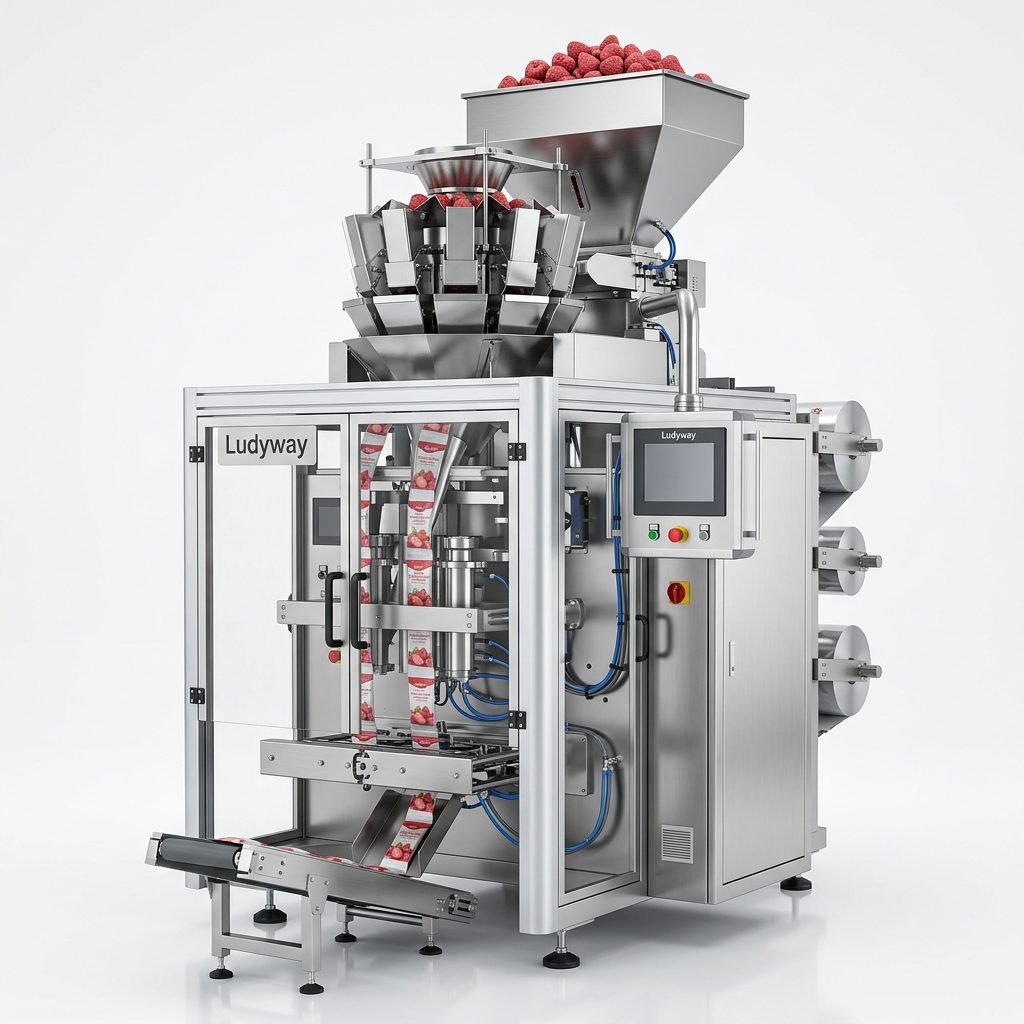
In today’s fast-paced manufacturing world, efficiency and reliability are paramount. A continuous packaging machine is a cornerstone of modern production lines, automating the process of filling and sealing products into pouches, sachets, or stick packs at high speeds. This guide delves into the essential aspects of these machines, exploring their various types, significant benefits, wide-ranging applications, and key factors to consider when making a selection. Understanding these elements is crucial for businesses aiming to optimize their packaging operations, reduce costs, and maintain consistent product quality.
Understanding the Core Types of Continuous Packaging Machines
The term “continuous packaging machine” encompasses a range of equipment designed for non-stop operation. The primary differentiation lies in the packaging format and the nature of the product being handled.
Vertical Form-Fill-Seal (VFFS) Machines
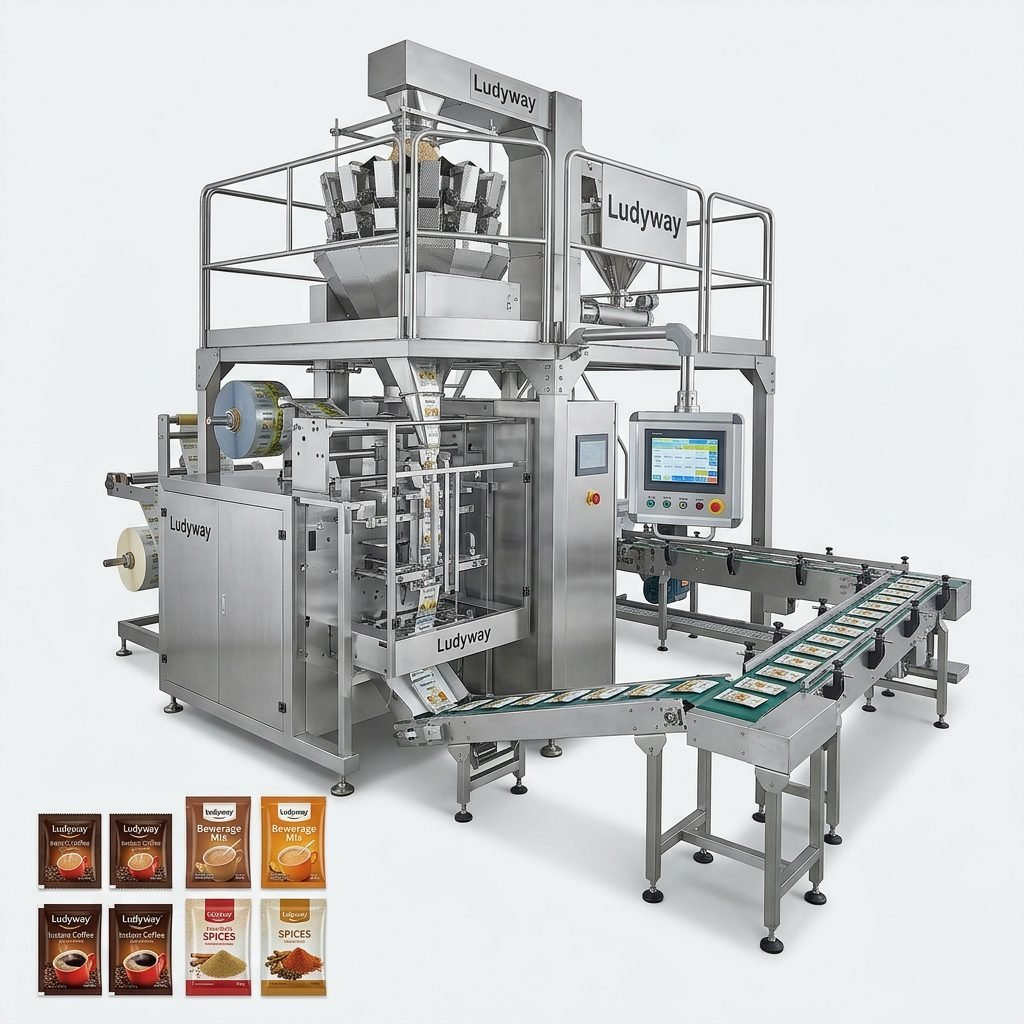
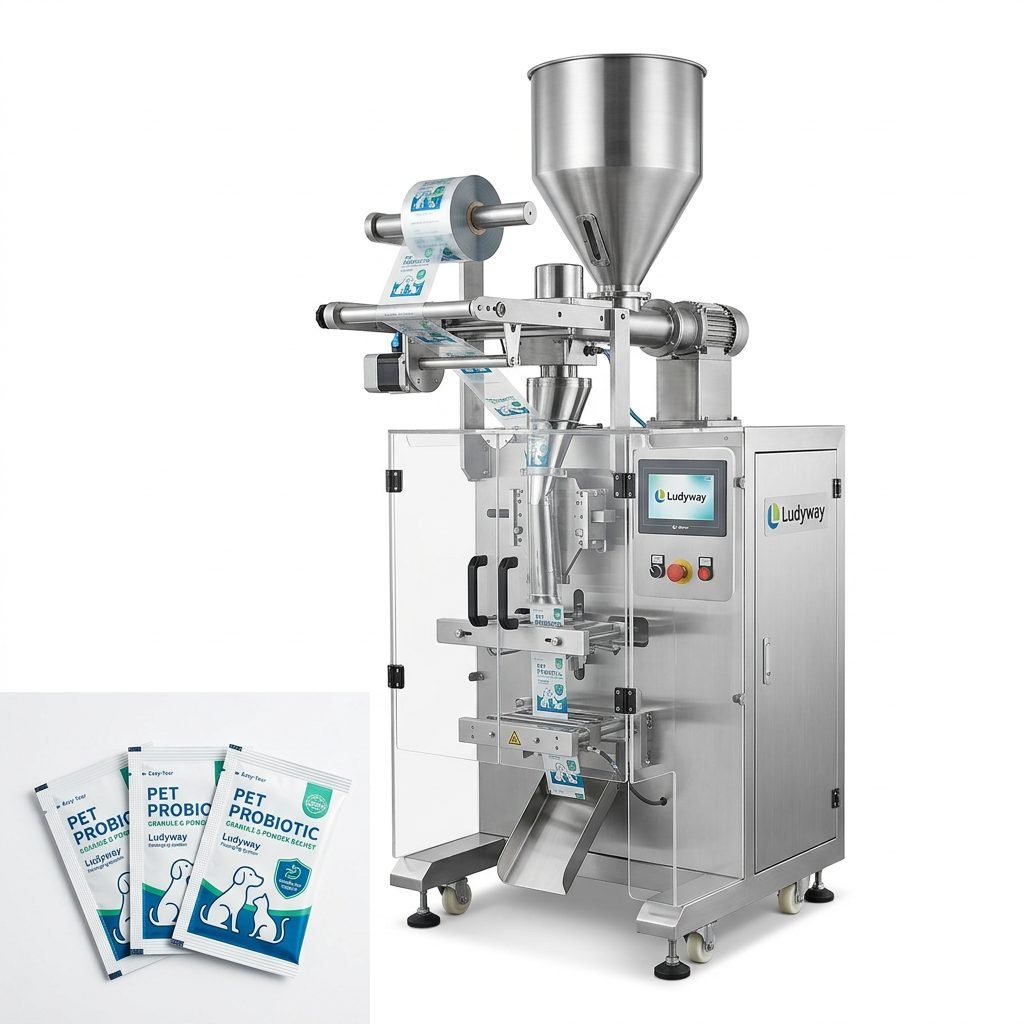
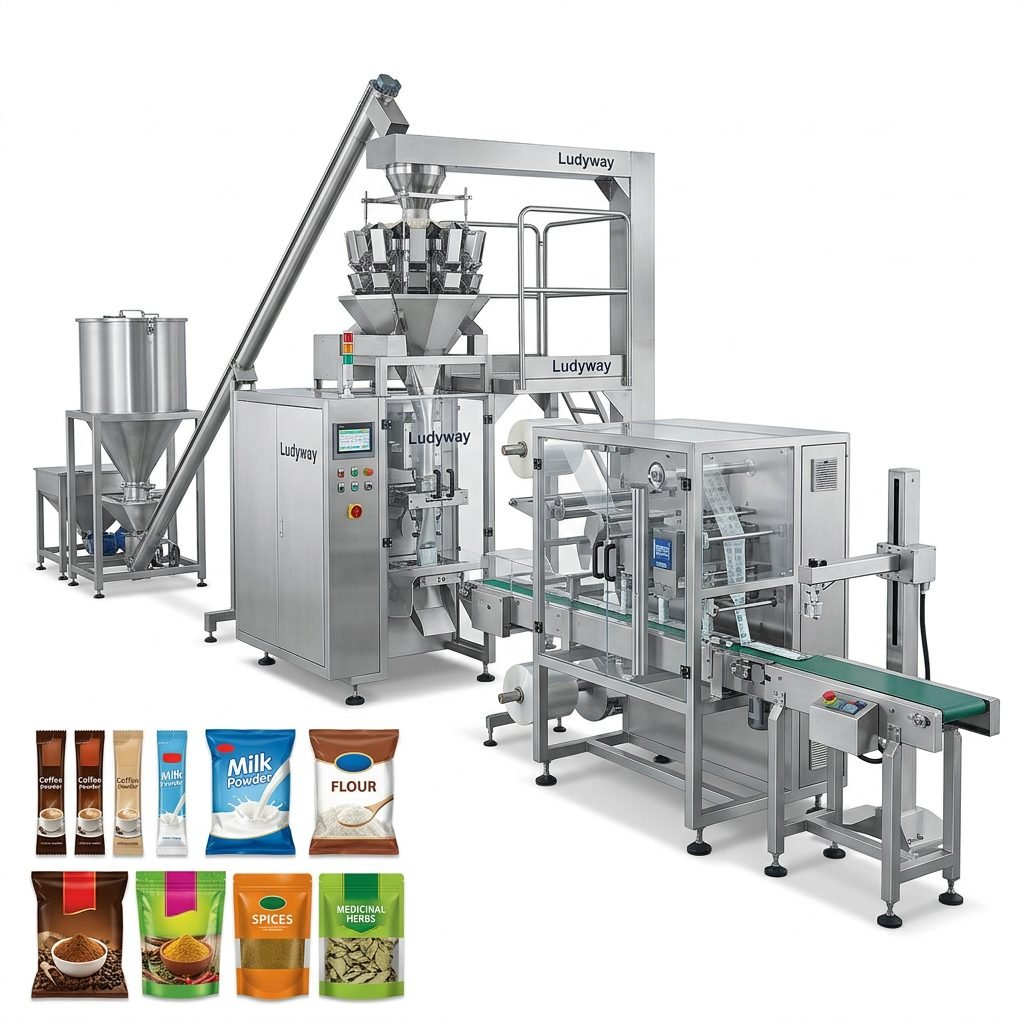
These are the most common type. A roll of flat packaging film is formed into a tube, filled with product, and then sealed vertically and horizontally to create individual packages. They are incredibly versatile and suitable for a vast array of products.
Horizontal Form-Fill-Seal (HFFS) Machines
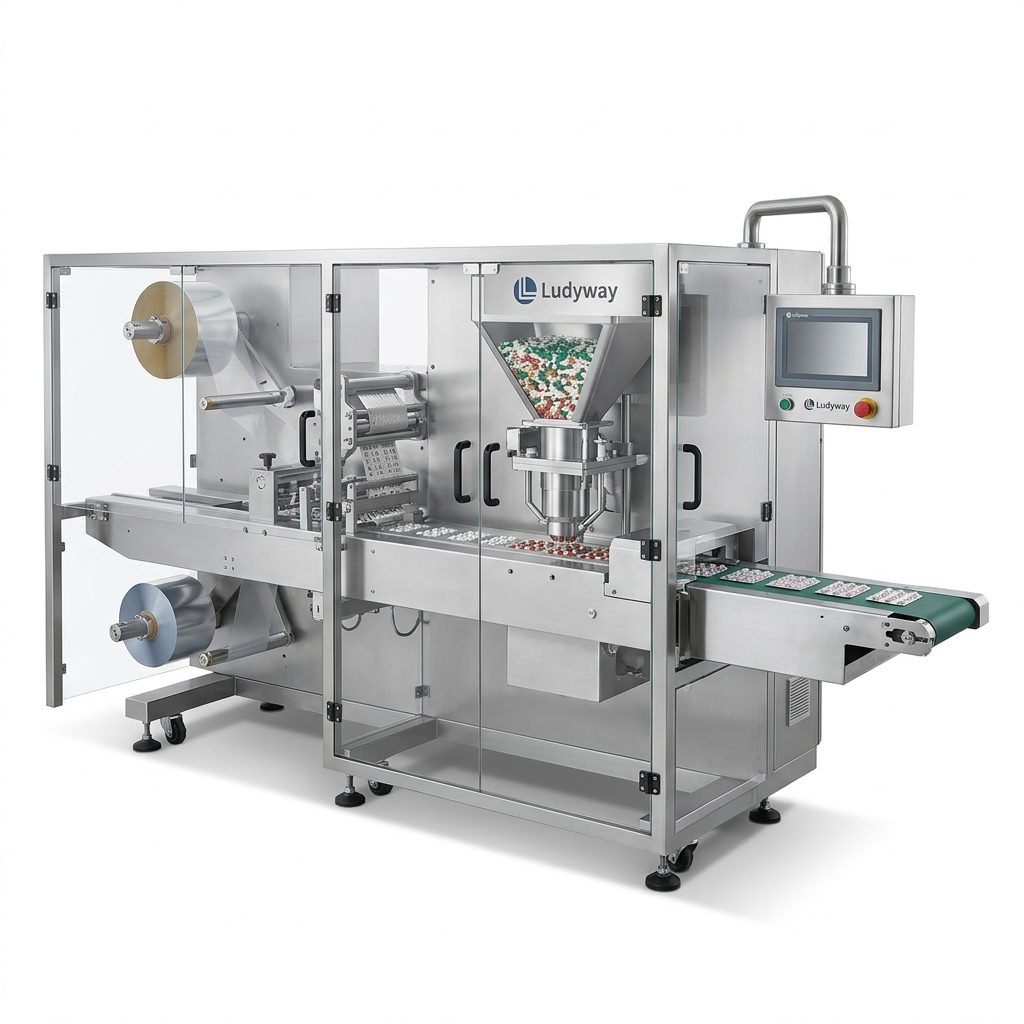
In HFFS machines, the film is fed horizontally. They are often used for more complex packaging shapes, multi-lane production (like stick packs), or when placing products like biscuits or bars into pre-formed cavities before sealing.
Liquid & Paste Filling Machines
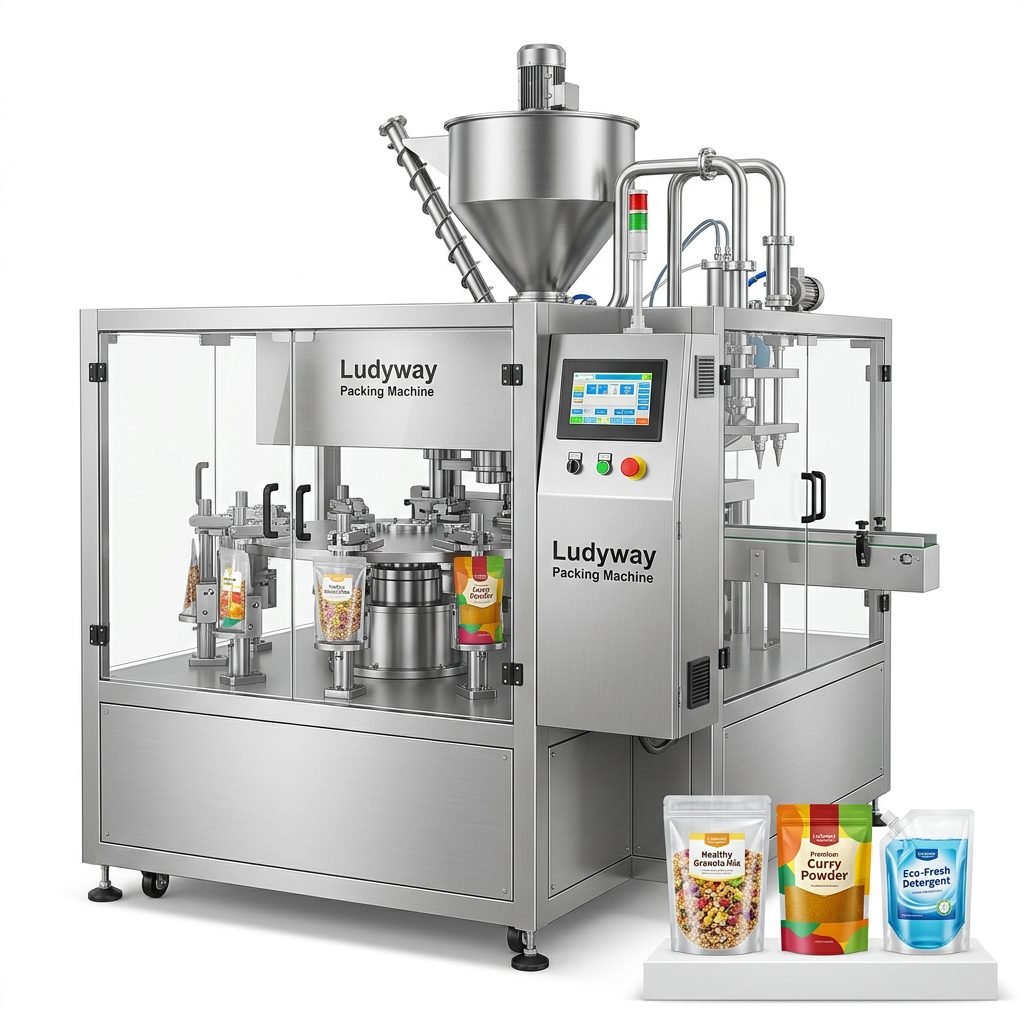
Specifically engineered for viscous products, these machines integrate precise filling systems—such as piston fillers or pump systems—with a continuous sealing mechanism. They are essential for sauces, creams, oils, and other liquid-based goods.
Multi-Lane Stick Pack & Sachet Machines
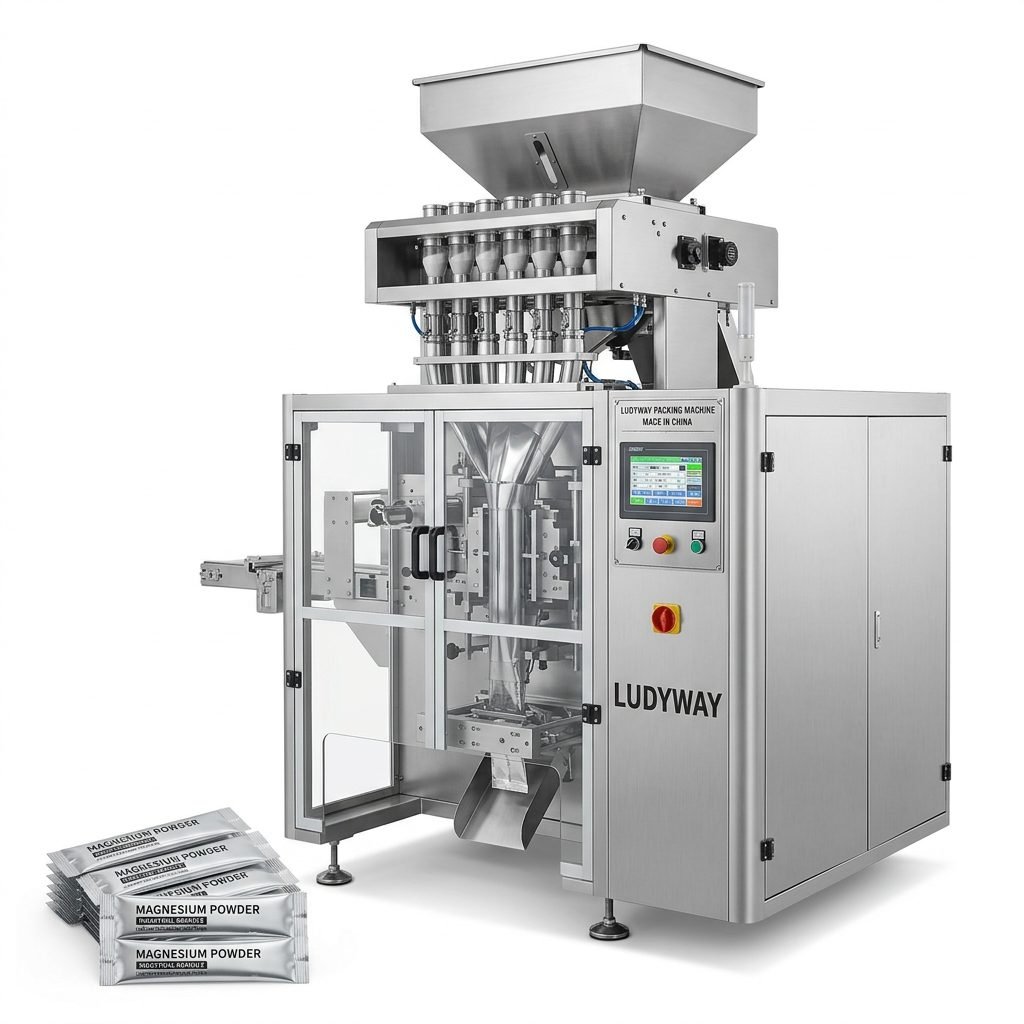
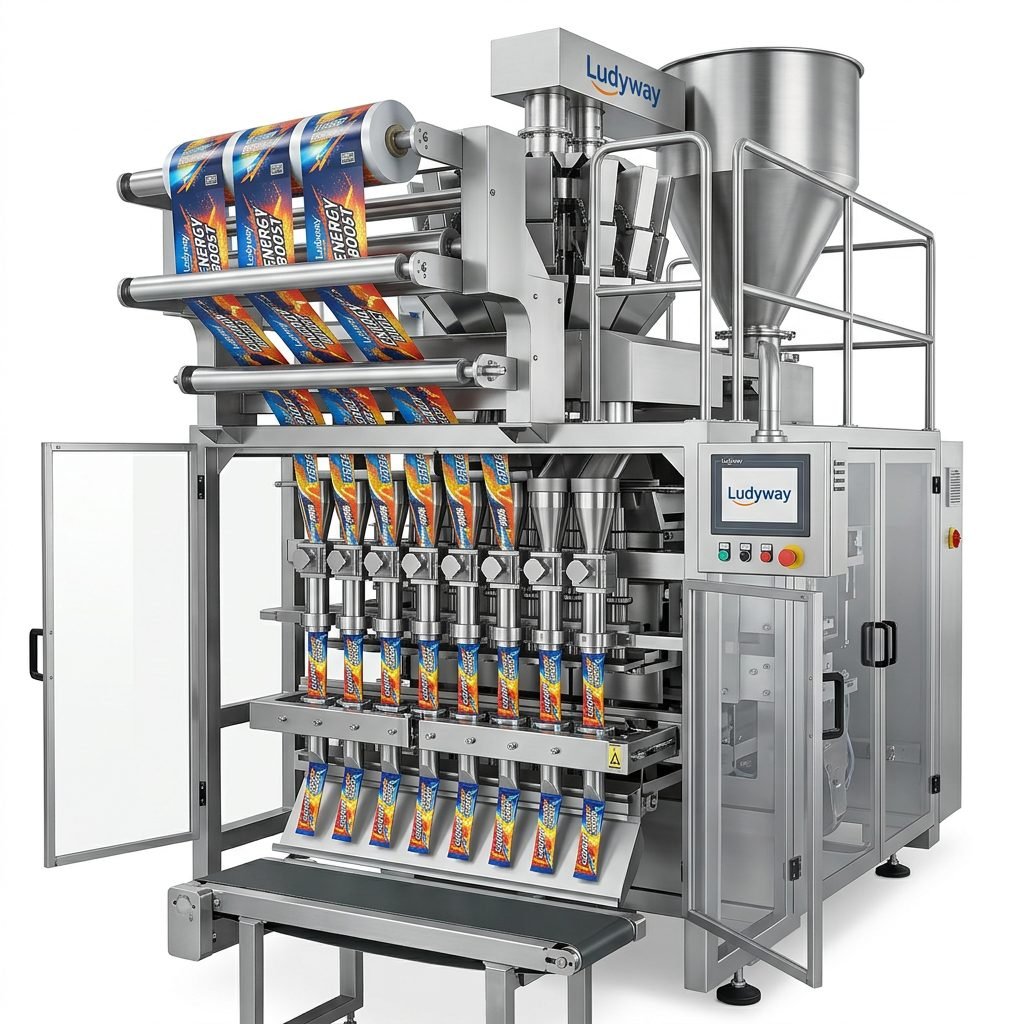
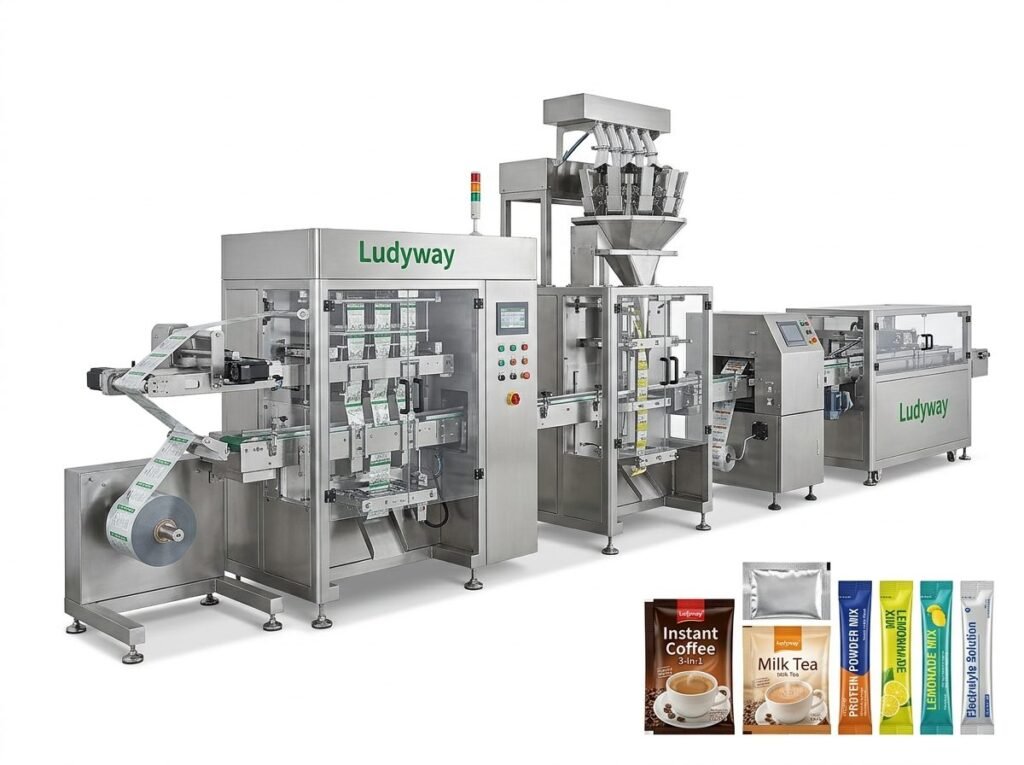
Designed for high-output production of small unit-dose packages, these machines run multiple lanes simultaneously. They are ideal for pharmaceutical powders, instant coffee, sugar, and condiments, offering excellent portion control and material savings.
Tangible Benefits of Automating with Continuous Packaging
Investing in a continuous packaging system translates into direct operational advantages that impact the bottom line.
➤ Dramatically Increased Production Speed: Manual or semi-automatic packaging simply cannot compete. Continuous machines can produce hundreds, even thousands, of packages per minute, meeting high-volume demands effortlessly.
➤ Consistent and Superior Packaging Quality: Automation eliminates human error in filling and sealing. Every package has precise weight accuracy and hermetic seals, enhancing product shelf life, safety, and brand presentation.
➤ Significant Reduction in Labor Costs: One machine, often operated by a single technician, can replace an entire line of manual workers. This reduces long-term labor expenses and minimizes reliance on seasonal or skilled labor availability.
➤ Enhanced Material Efficiency & Sustainability: Modern machines are engineered to minimize film waste through precise cutting and sealing. This not only reduces material costs but also aligns with sustainable packaging initiatives by lowering overall plastic consumption.
➤ Unmatched Operational Flexibility: Quick changeover mechanisms allow producers to switch between different package sizes, materials, or products with minimal downtime. This is vital for manufacturers running multiple SKUs.
Diverse Applications Across Global Industries
The versatility of continuous packaging machines makes them indispensable across numerous sectors.
- Food & Beverage: From snack foods and pasta to tea leaves and powdered drink mixes. Stick pack machines are ubiquitous for single-serve sugar, creamer, and instant soup.
- Pharmaceutical & Nutraceutical: Ensuring sterile, precise dosing of powders (like antibiotic sachets), granules, and effervescent tablets. The integrity of the seal is non-negotiable here.
- Personal Care & Cosmetics: Packaging shampoo sachets, lotion samples, facial cream sticks, and bath salts. Aesthetic, leak-proof packaging is critical.
- Agrochemical & Horticulture: Packaging seeds, fertilizers, and pesticides in sealed pouches that protect contents from moisture and contamination.
- Industrial & Chemical: For products like adhesives, lubricants, or reagents that require accurate, sealed portions for end-users.
A Strategic Guide on How to Choose the Right Machine
Selecting the optimal continuous packaging machine is a strategic decision. Here is a structured approach to guide your evaluation.
1. Precisely Define Your Product and Packaging Needs
Start with the fundamentals. What is the physical state of your product (granule, powder, liquid, solid)? What are its characteristics (hygroscopic, abrasive, viscous)? Determine your desired package type (stand-up pouch, flat sachet, stick pack), material (laminate, PET, PE), and required production speed (packages per minute).
2. Evaluate Machine Capabilities and Technology
Scrutinize the machine’s specifications. Look for precision filling systems (auger, volumetric cup, piston) that match your product’s accuracy requirements. Assess the sealing system’s reliability and ability to handle your chosen film. Consider hygiene features (e.g., stainless steel construction, easy-clean design) if needed for food or pharmaceutical use.
3. Prioritize Reliability and Supplier Support
The machine’s uptime is your profit. Investigate the build quality, reputation of core components (like PLCs and servos), and the manufacturer’s track record. Comprehensive after-sales support—including installation, operator training, readily available spare parts, and responsive technical service—is as crucial as the machine itself. A partner like Ludyway Machinery, with decades of industry experience, can provide this essential reliability and global support.
4. Analyze Total Cost of Ownership (TCO)
Look beyond the initial purchase price. Calculate the TCO by factoring in energy consumption, expected maintenance costs, changeover times, material waste rates, and the potential cost of downtime. A slightly higher initial investment in a robust, efficient machine often yields a much lower TCO over its lifespan.
5. Plan for Future Growth and Flexibility
Choose a machine that can grow with your business. Can it be easily upgraded or integrated with other line equipment (like cartoners or case packers)? Does the supplier offer customized solutions for future product lines? Opting for a modular or scalable system protects your investment.
Conclusion and Final Recommendations
Implementing a continuous packaging machine is a transformative step toward industrial efficiency and product consistency. By carefully analyzing your specific product requirements, production goals, and long-term business strategy, you can select a system that delivers maximum return on investment. Partnering with an experienced and reliable supplier who offers robust machines and unwavering technical support is the key to a successful, hassle-free automation journey. For businesses looking to explore advanced automated packaging lines, conducting thorough research and requesting product demonstrations are essential final steps.
Frequently Asked Questions (FAQs)
What is the main difference between vertical (VFFS) and horizontal (HFFS) continuous packaging machines?
The primary difference is the direction of film travel and the package formation. VFFS machines form a bag vertically from a single roll of film, ideal for free-flowing products like granules and powders. HFFS machines feed film horizontally and are often better for placing formed or solid items into pre-made pockets, commonly used for multi-lane stick packs or blister-like packaging.
How do I determine the right production speed (PPM) for my needs?
Calculate your current and projected future daily/weekly output requirements. Factor in your available production hours and desired efficiency (accounting for changeovers and maintenance). It’s often advisable to choose a machine that operates at 15-20% above your peak current requirement to accommodate future growth without running at its absolute maximum capacity constantly.
Can one machine handle different types of packaging materials?
Yes, most modern continuous packaging machines are designed for material flexibility. However, switching between significantly different materials (e.g., from a thin laminate to a thick coextruded film) may require adjustments to sealing temperature, pressure, and timing. Quick-change sealing jaws and user-friendly parameter recipes stored in the HMI can greatly simplify this process.
What are the most critical maintenance routines for these machines?
Daily cleaning of product contact parts and the sealing area is paramount. Regularly check and clean photoelectric sensors, lubricate moving parts as per the manual, and inspect sealing jaws for wear or residue buildup. Scheduled professional maintenance, often provided by the supplier, should include thorough calibration of the filling system and inspection of mechanical drives.
How important is supplier after-sales service when purchasing?
Extremely important. The quality of after-sales support directly impacts machine uptime and longevity. Prioritize suppliers who offer comprehensive training, readily available spare parts, remote diagnostic capabilities, and a responsive service team. A strong service partnership ensures you can resolve issues quickly and keep your production line running smoothly.