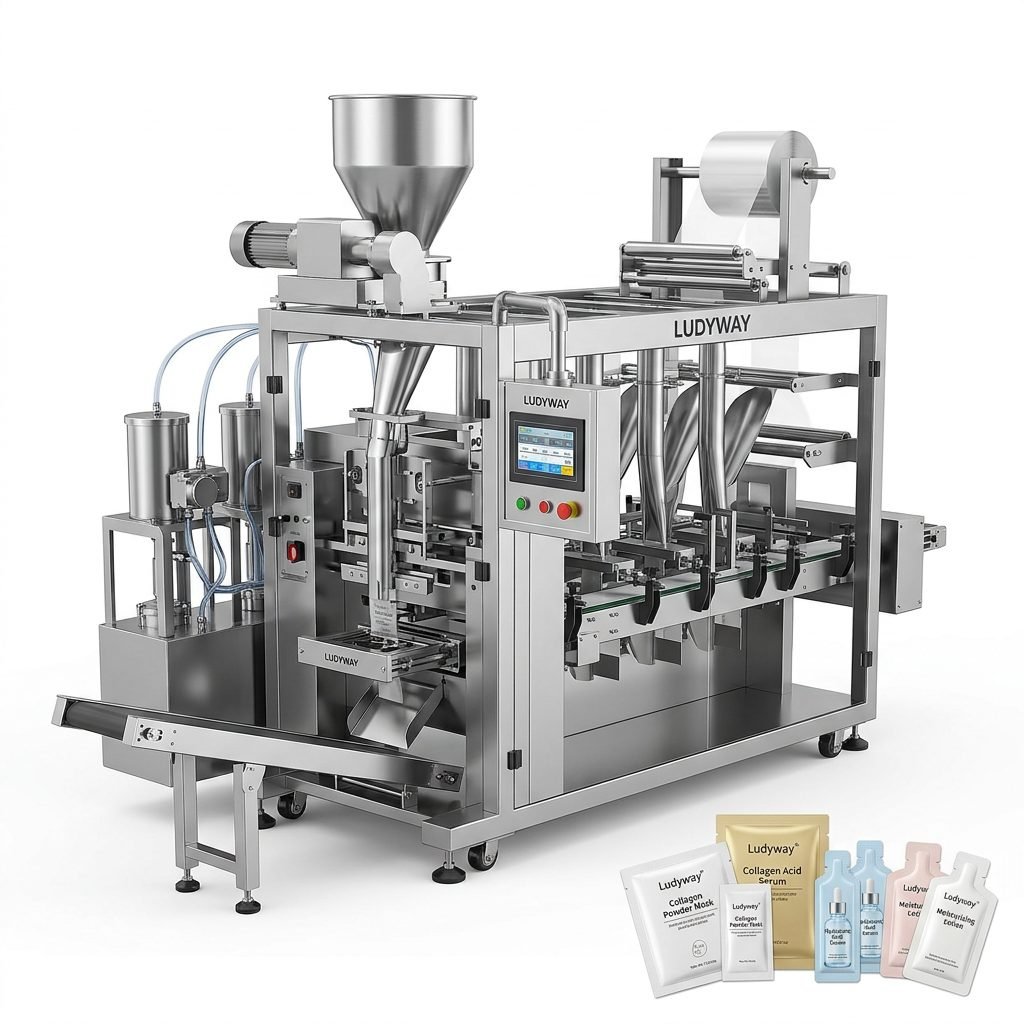
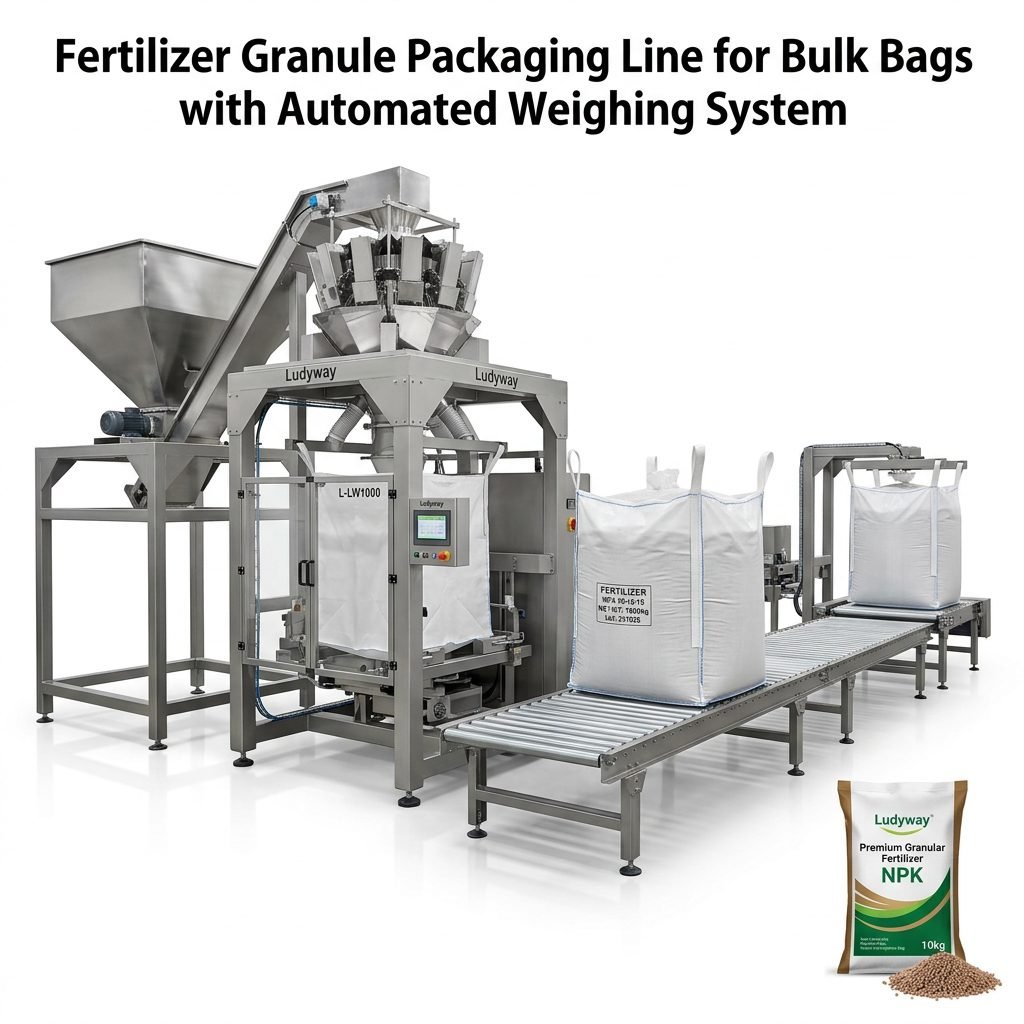
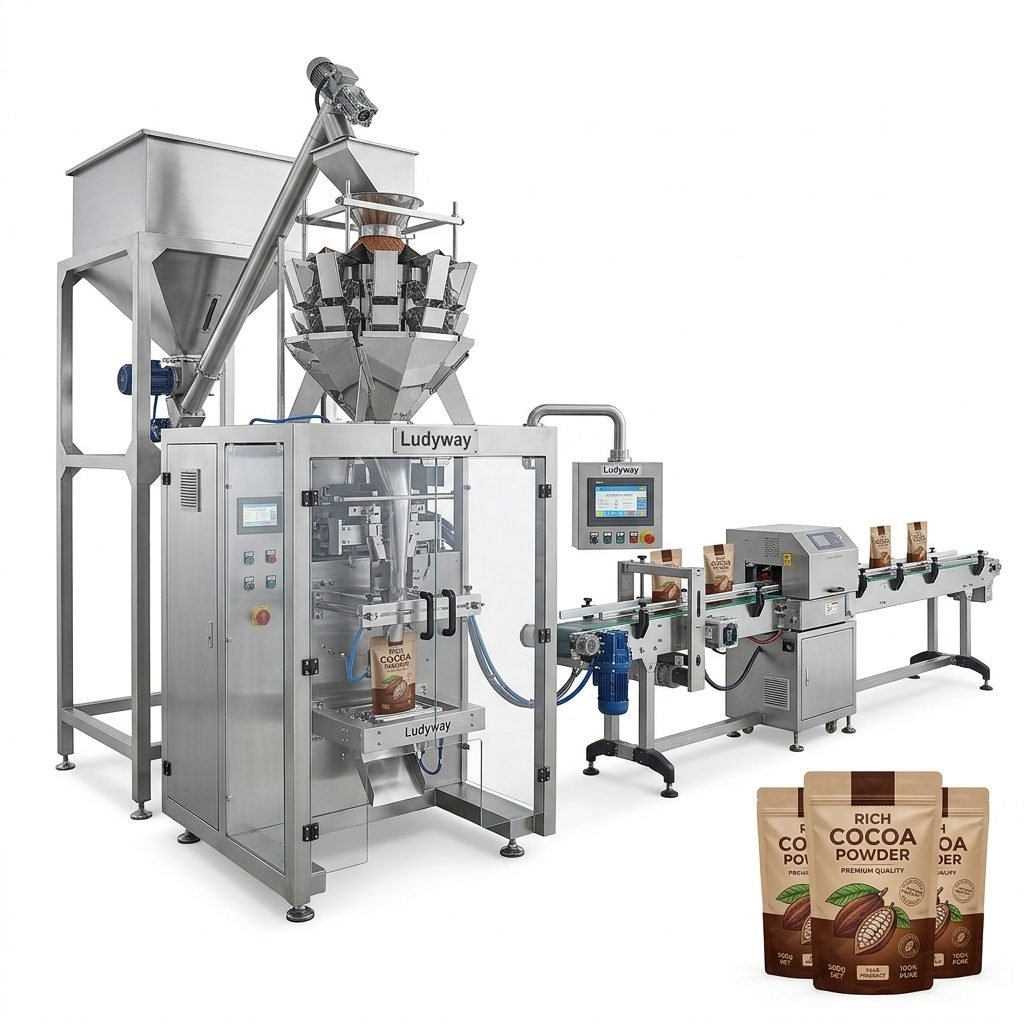
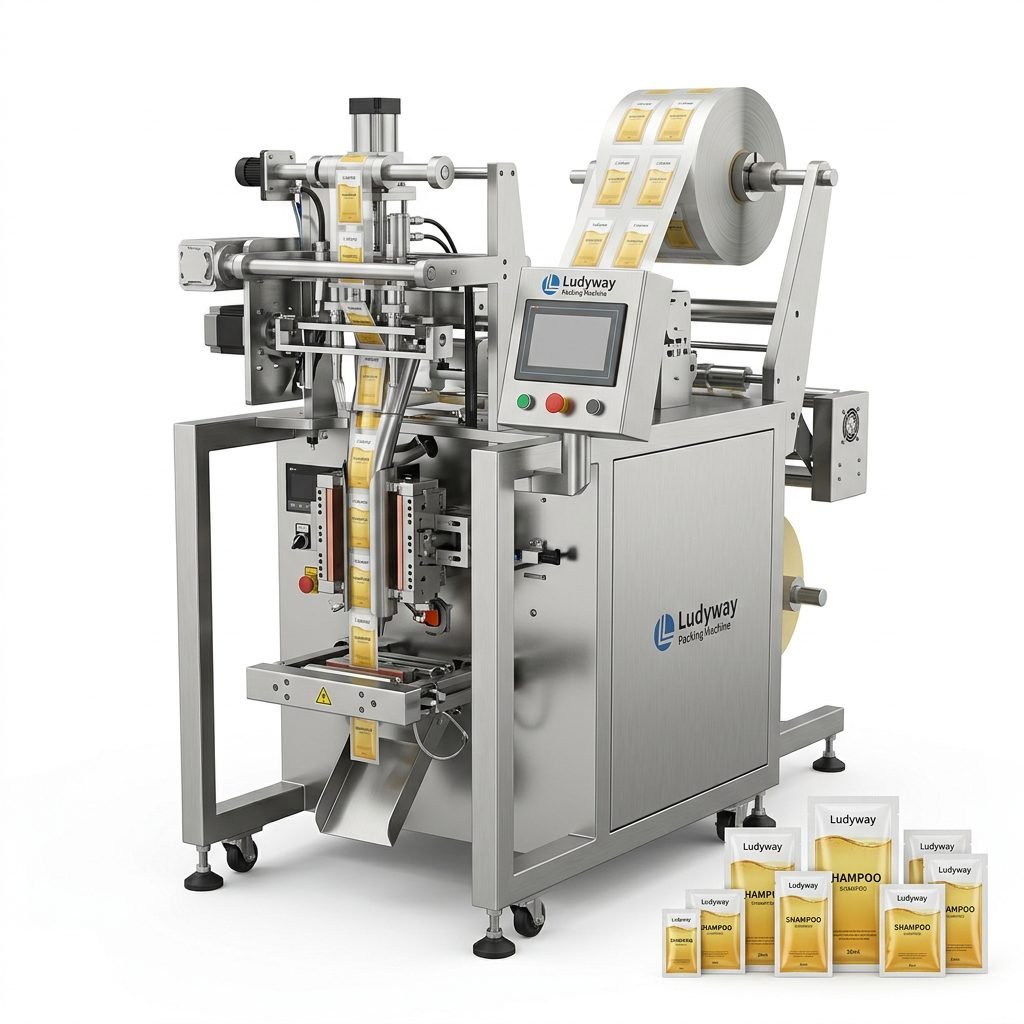
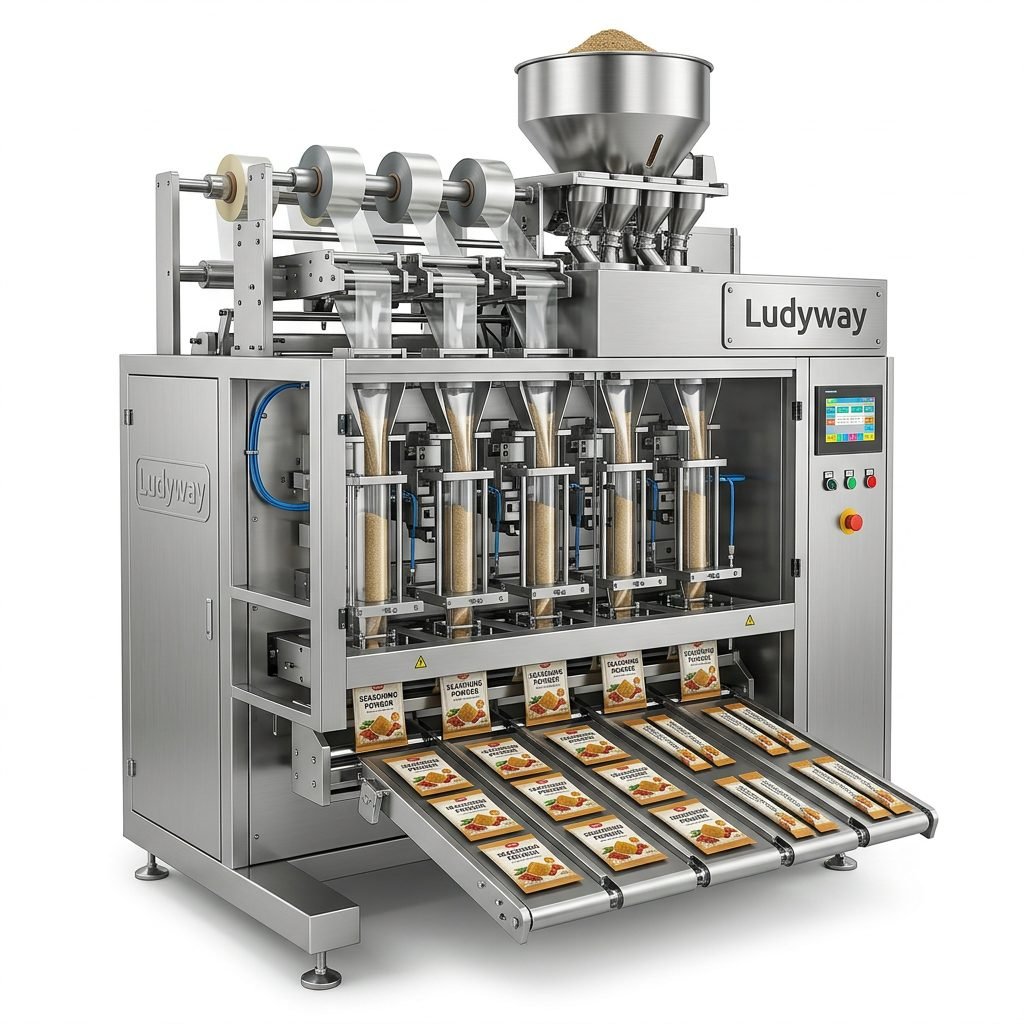
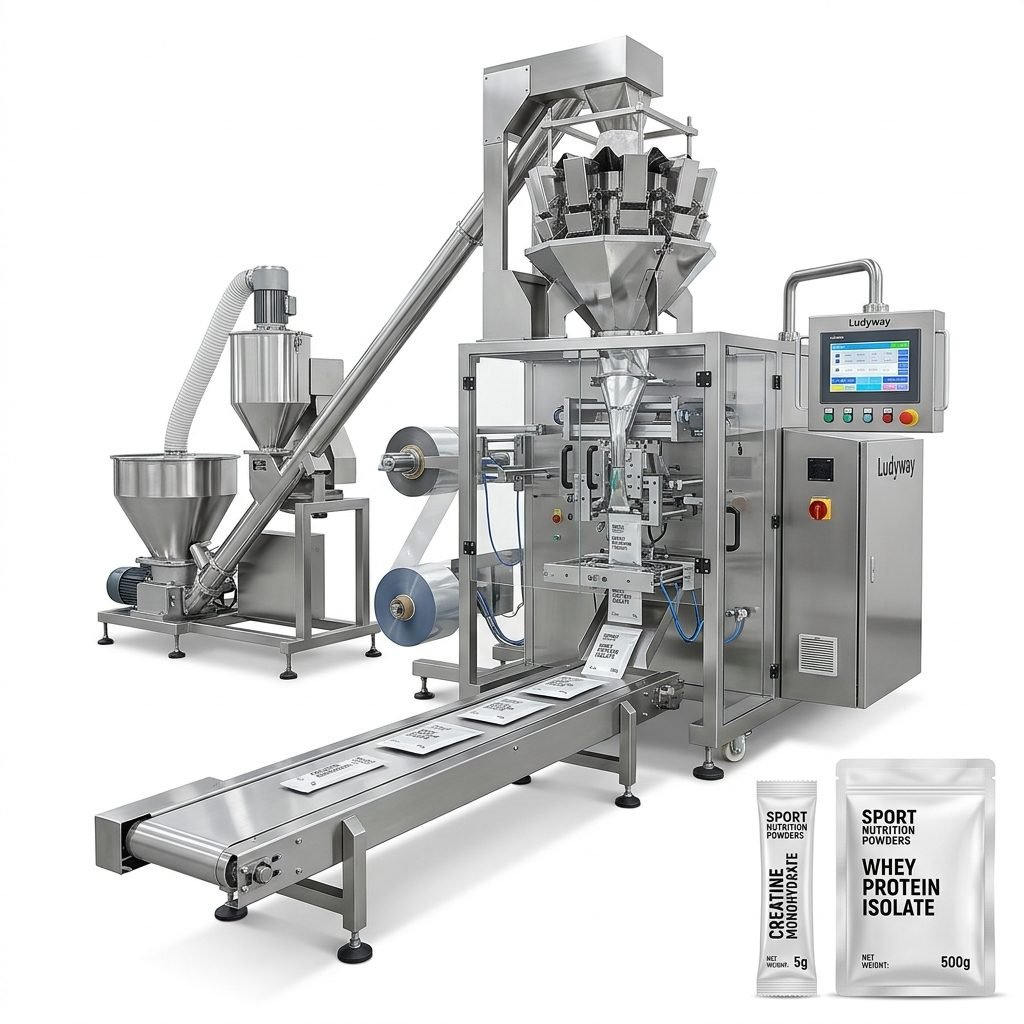
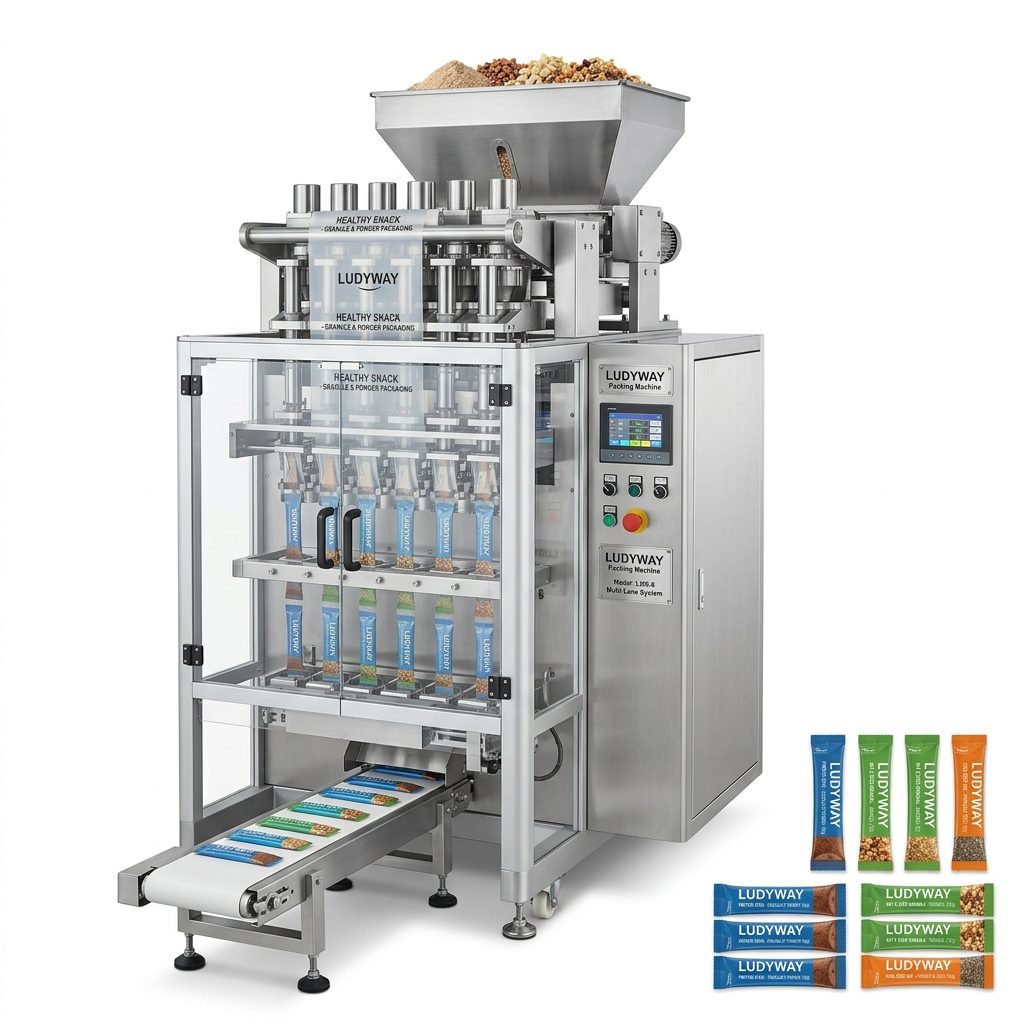
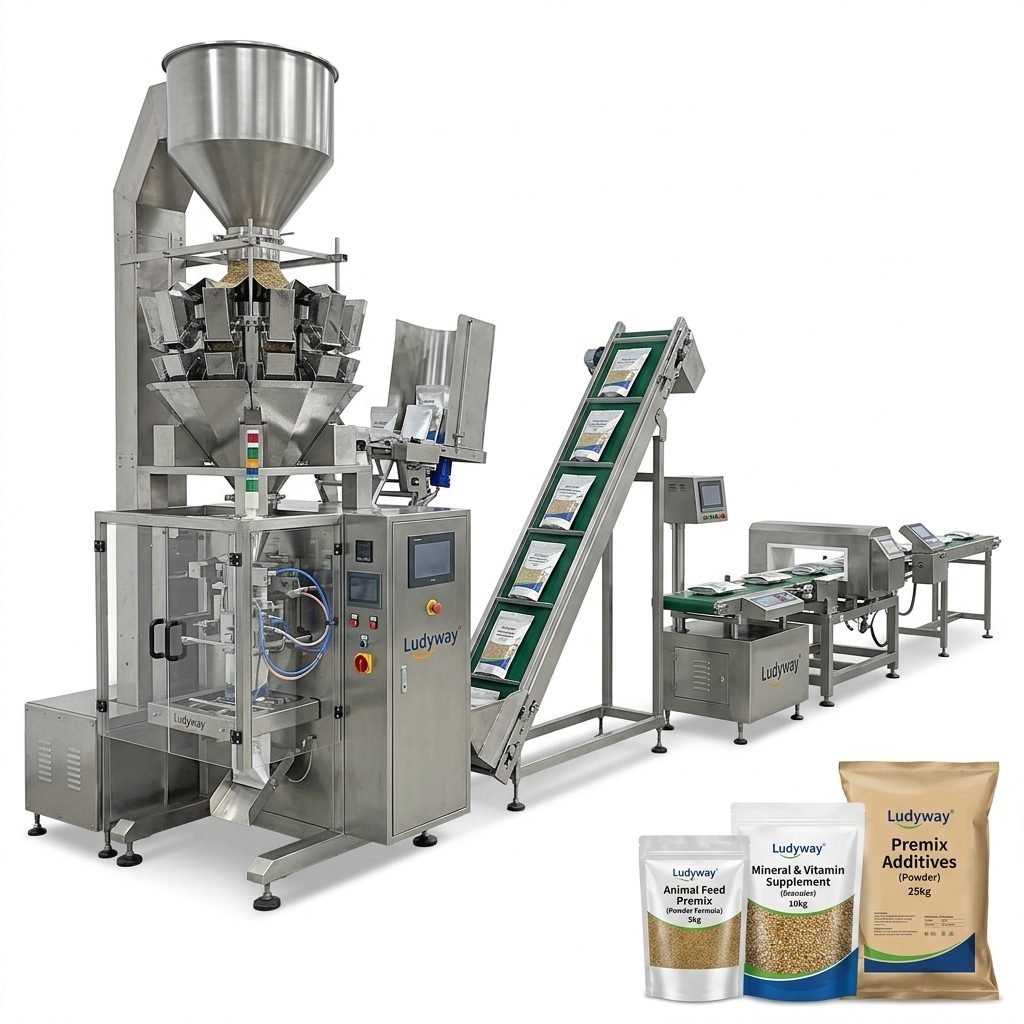
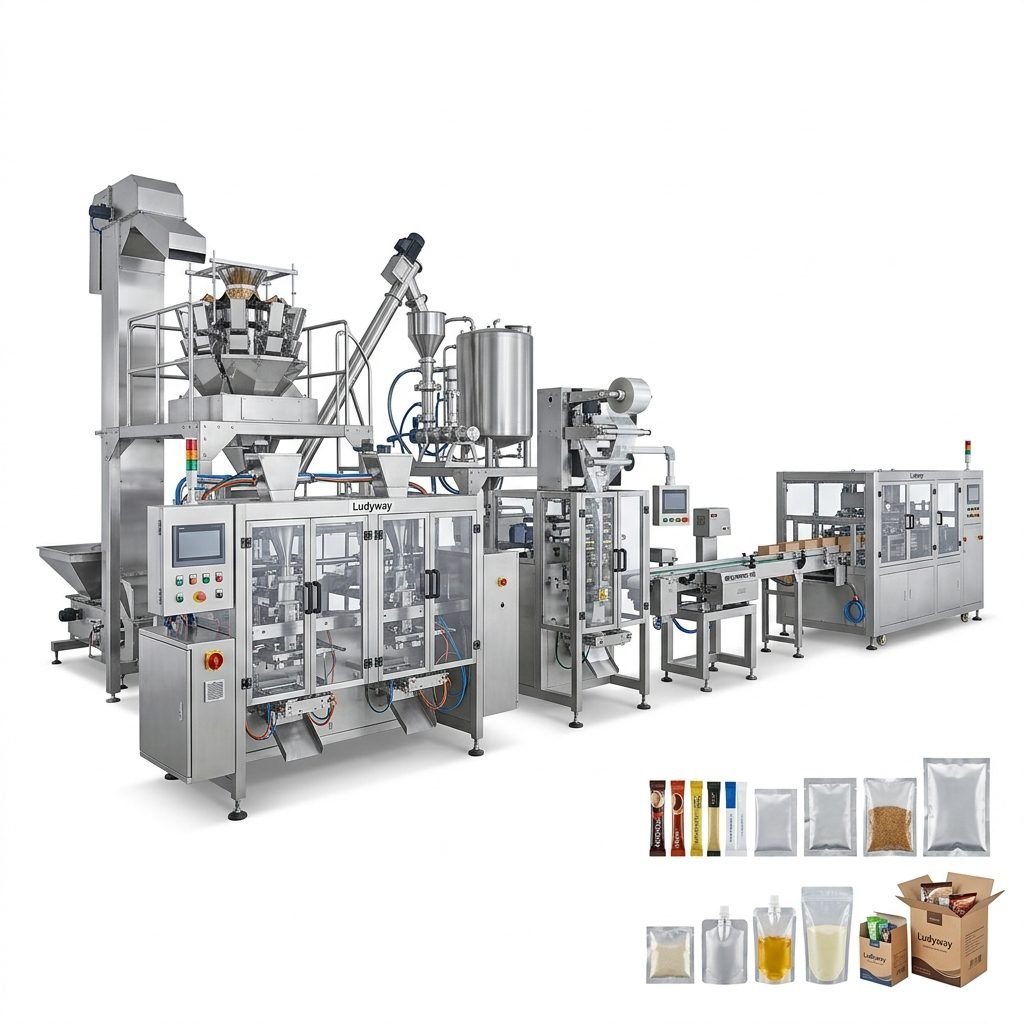
Regular maintenance of a seal packing machine is critical for ensuring consistent packaging quality, minimizing downtime, and extending equipment lifespan. Whether you operate a multi-lane sachet system or a high-speed stick pack line, a well-structured maintenance routine prevents costly breakdowns and preserves seal integrity—the cornerstone of product freshness and consumer safety. This guide outlines essential maintenance practices to keep your packaging equipment performing at peak reliability.
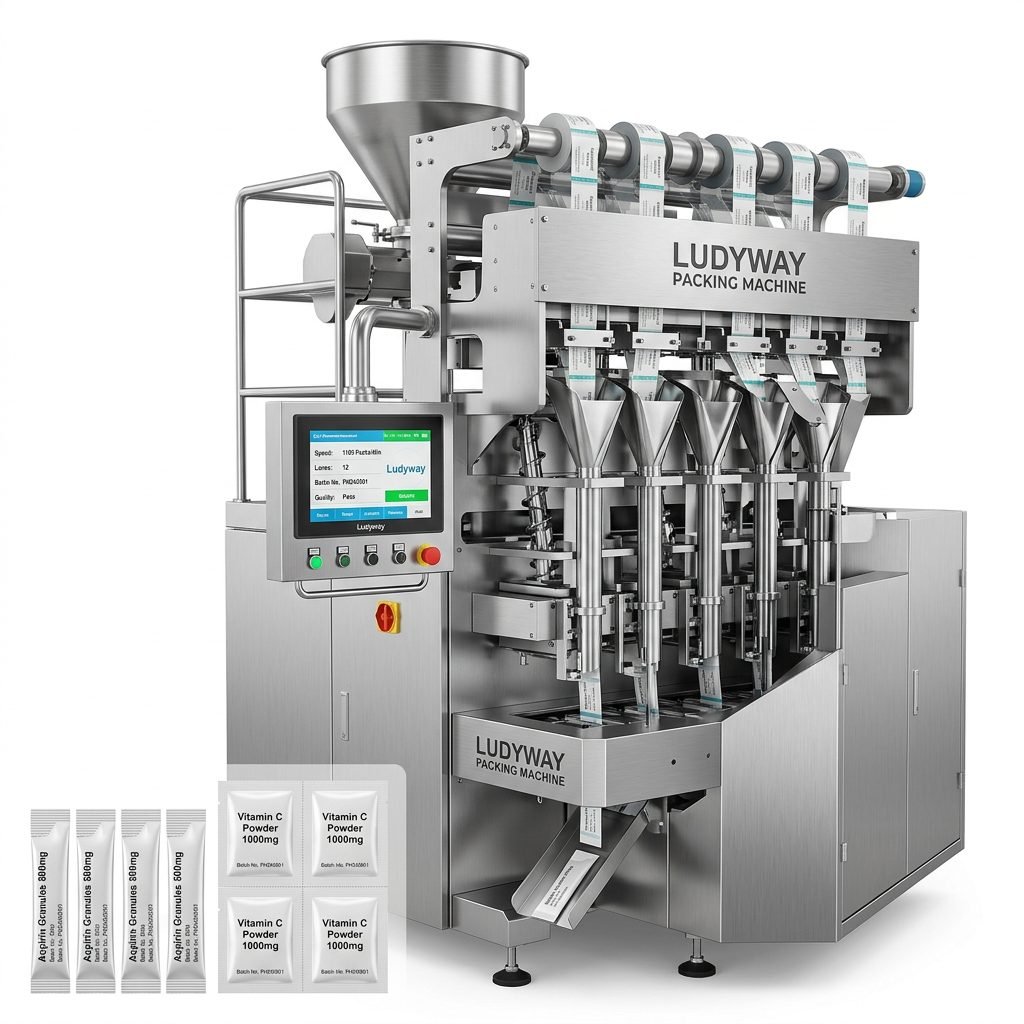
Daily Maintenance Checklist
A consistent daily inspection routine is your first line of defense against unexpected machine failures. Operators should perform these checks before every shift:
- Visually inspect all sealing jaws and heating elements for residue buildup or wear
- Check film feed alignment and tension to prevent wrinkling or misalignment
- Verify temperature controller readings match the set parameters for your packaging material
- Listen for unusual noises, vibrations, or irregular cycling patterns
- Inspect air pressure gauges and pneumatic connections for leaks
- Clean photoelectric sensors with a lint-free cloth to ensure accurate film registration
- Confirm emergency stop buttons and safety interlocks are fully operational
Cleaning and Sanitation Protocols
Thorough cleaning is essential, particularly in food, pharmaceutical, and health industry applications where hygiene standards are stringent. Residual product buildup on sealing surfaces directly compromises seal quality and can lead to contamination risks. Follow these cleaning guidelines:
- Daily: Remove dust, powder, and granule residues from all contact surfaces using approved food-grade cleaning agents
- Weekly: Deep-clean sealing bars with non-abrasive tools to remove carbonized deposits without scratching the surface
- Monthly: Clean and degrease drive chains, sprockets, and cam mechanisms
- Always disconnect power before cleaning electrical components and control panels
- Use compressed air to clear dust from hard-to-reach areas, but avoid blowing debris into sensitive bearings
For pharmaceutical-grade packaging lines, refer to PMMI packaging industry resources for validated cleaning procedures that meet regulatory compliance standards.

Lubrication Best Practices
Proper lubrication minimizes friction, reduces wear on moving components, and prevents overheating. However, over-lubrication can attract dust and cause premature bearing failure. Implement these lubrication practices:
Key Lubrication Points
| Component | Lubricant Type | Frequency |
|---|---|---|
| Sealing jaw bearings | Food-grade grease | Weekly |
| Cam followers and rollers | Light machine oil | Every 40 operating hours |
| Chain drives | Chain lubricant spray | Monthly |
| Linear guide rails | Light grease | Monthly |
| Pneumatic cylinders | Air tool oil (via lubricator) | Check reservoir weekly |
Always consult your machine’s technical manual for specific lubrication specifications, as requirements vary across different packaging machinery standards and models.
Common Seal Packing Machine Problems and Solutions
Even with diligent maintenance, issues can arise. Early diagnosis prevents extended downtime. Below are frequently encountered problems and their typical remedies:
Seal Quality Issues
- Weak or inconsistent seals: Check temperature settings, dwell time, and pressure. Worn sealing bars may need replacement.
- Leaking packages: Inspect for film contamination on sealing surfaces or damaged heating elements.
- Burned or distorted seals: Reduce temperature or increase cycle speed to prevent overheating.
Film Feeding and Tracking Problems
- Film wrinkling or creasing: Adjust tension controls and verify roller alignment.
- Misaligned printing or registration: Clean photoelectric sensors and recalibrate registration settings.
- Film breakage: Check for sharp edges on forming tubes or sealing jaws; ensure correct film gauge for the application.
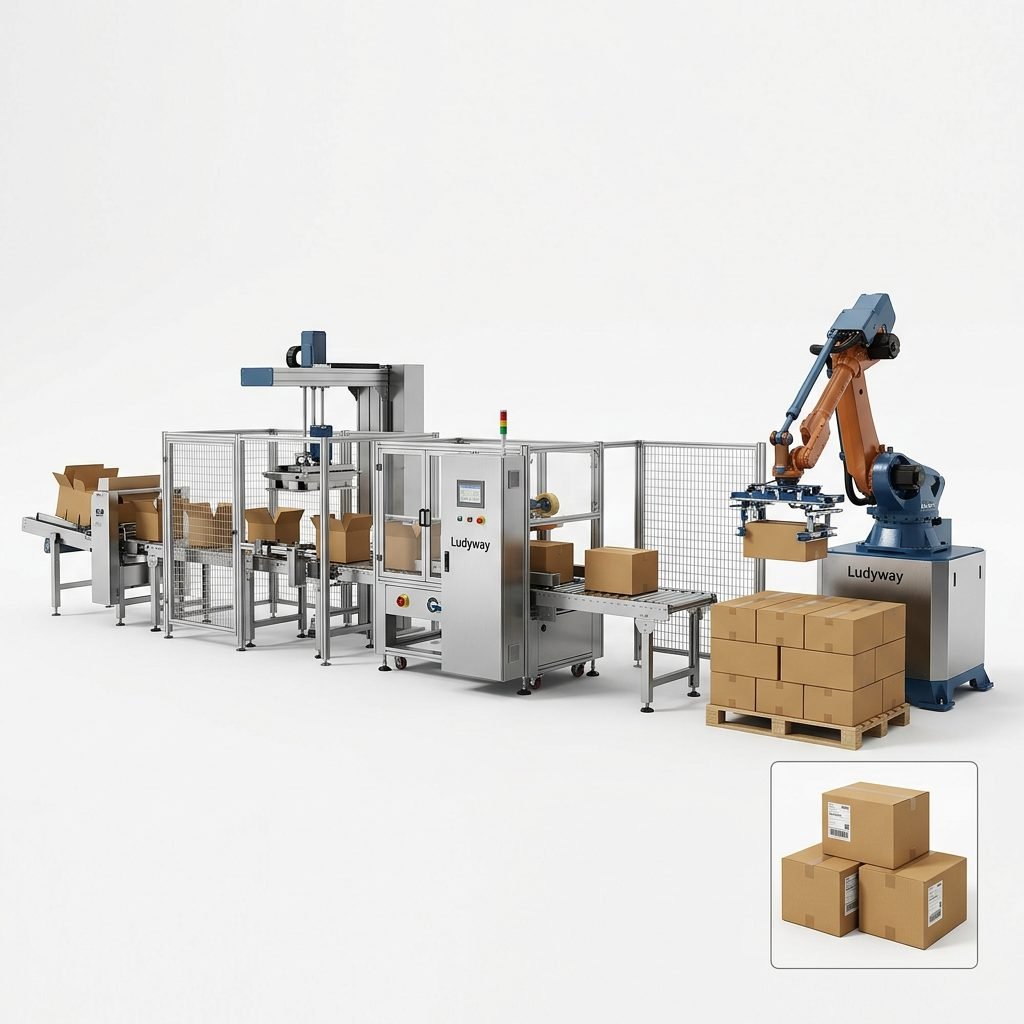
Preventive Maintenance Schedule
A structured preventive maintenance program dramatically reduces unplanned downtime. The table below provides a recommended schedule tailored to high-performance seal packing machines operating in demanding production environments.
| Interval | Maintenance Tasks | Responsible Party |
|---|---|---|
| Daily | Clean sealing surfaces, check temperatures, inspect sensors, verify safety devices | Machine Operator |
| Weekly | Lubricate bearings, inspect belts and chains, clean filters, check pneumatic systems | Maintenance Technician |
| Monthly | Calibrate temperature controllers, check electrical connections, inspect gearboxes | Maintenance Team |
| Quarterly | Replace worn sealing jaws, inspect drive motors, perform alignment checks | Senior Technician |
| Annually | Complete machine overhaul, replace all bearings and wear parts, electrical system audit | Manufacturer Service Team |
Adhering to this schedule ensures compliance with industry best practices outlined by organizations such as Flexible Packaging Association for packaging equipment reliability and safety.
When to Seek Professional Support
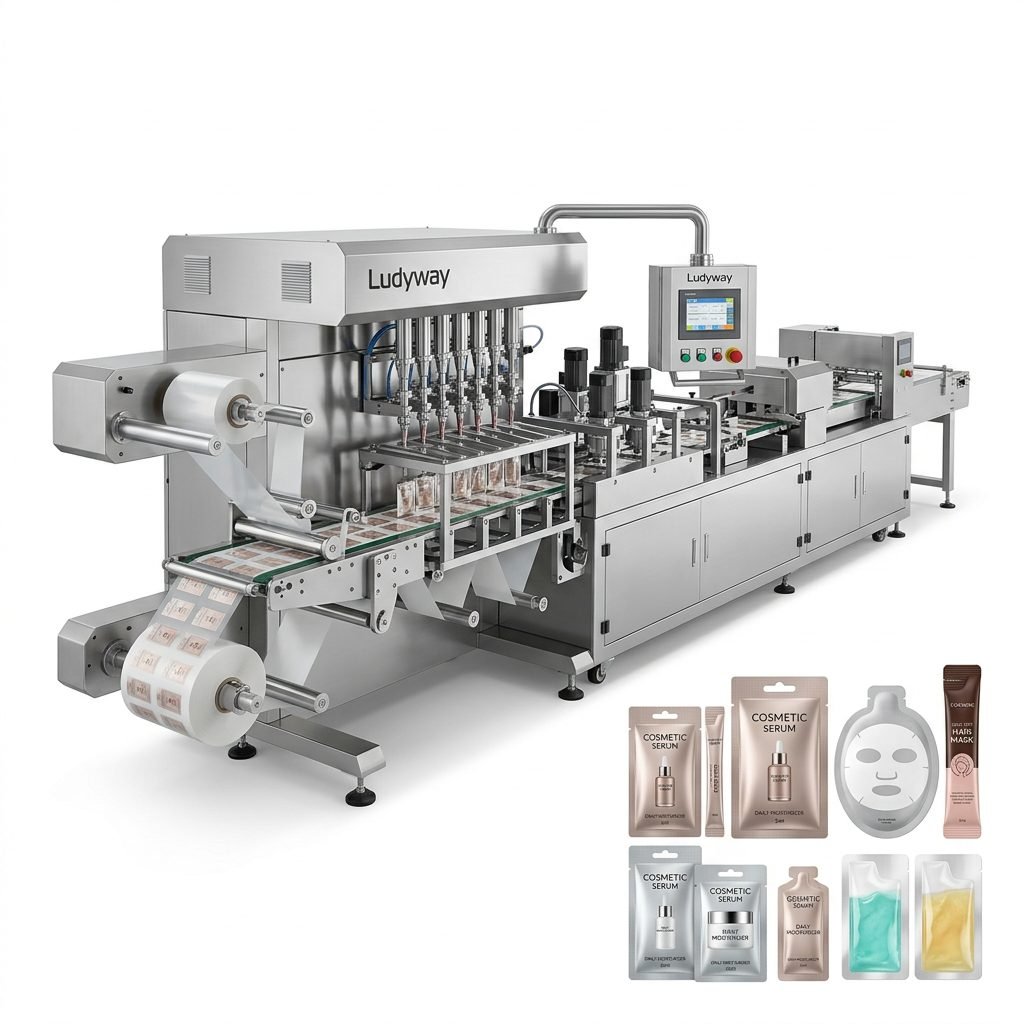
While routine maintenance can be managed in-house, certain situations demand expert intervention. Complex electrical faults, PLC programming issues, and major mechanical overhauls require specialized knowledge. Partnering with a reputable equipment manufacturer ensures access to genuine spare parts, certified technicians, and ongoing technical support. Ludyway—one of the largest packaging machine manufacturers in China with over 30 years of industry experience and a modern 20,000㎡ manufacturing facility—provides reliable packaging solutions and professional after-sales service for granule, powder, liquid, and pouch packaging applications across more than 100 countries. Their engineering team offers tailored maintenance training and rapid-response support to keep production lines running efficiently.
Key Takeaways for Long-Term Reliability
- Establish a documented daily, weekly, and monthly maintenance routine and assign clear responsibilities
- Use only approved cleaning agents and lubricants compatible with your packaging materials
- Maintain an inventory of critical spare parts—sealing jaws, heating elements, sensors, and belts
- Train operators to recognize early warning signs of equipment deterioration
- Schedule annual professional inspections through your equipment manufacturer or a certified service provider
- Keep detailed maintenance logs to track performance trends and predict component wear patterns
Consistent maintenance is the foundation of reliable seal packing machine performance. By implementing these essential practices, manufacturers can maximize productivity, ensure product safety, and protect their capital investment for years to come. For further guidance, consult the comprehensive resources available at PMMI – The Association for Packaging and Processing Technologies.