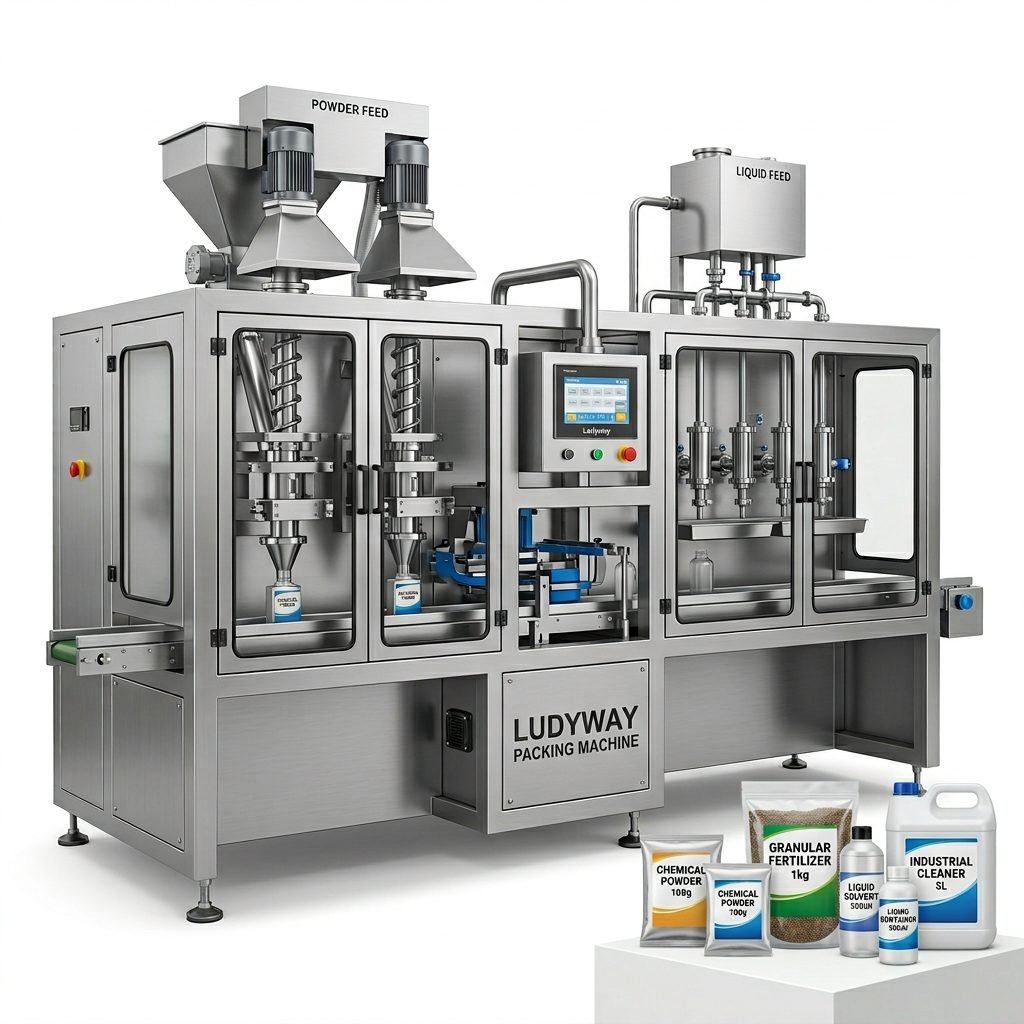
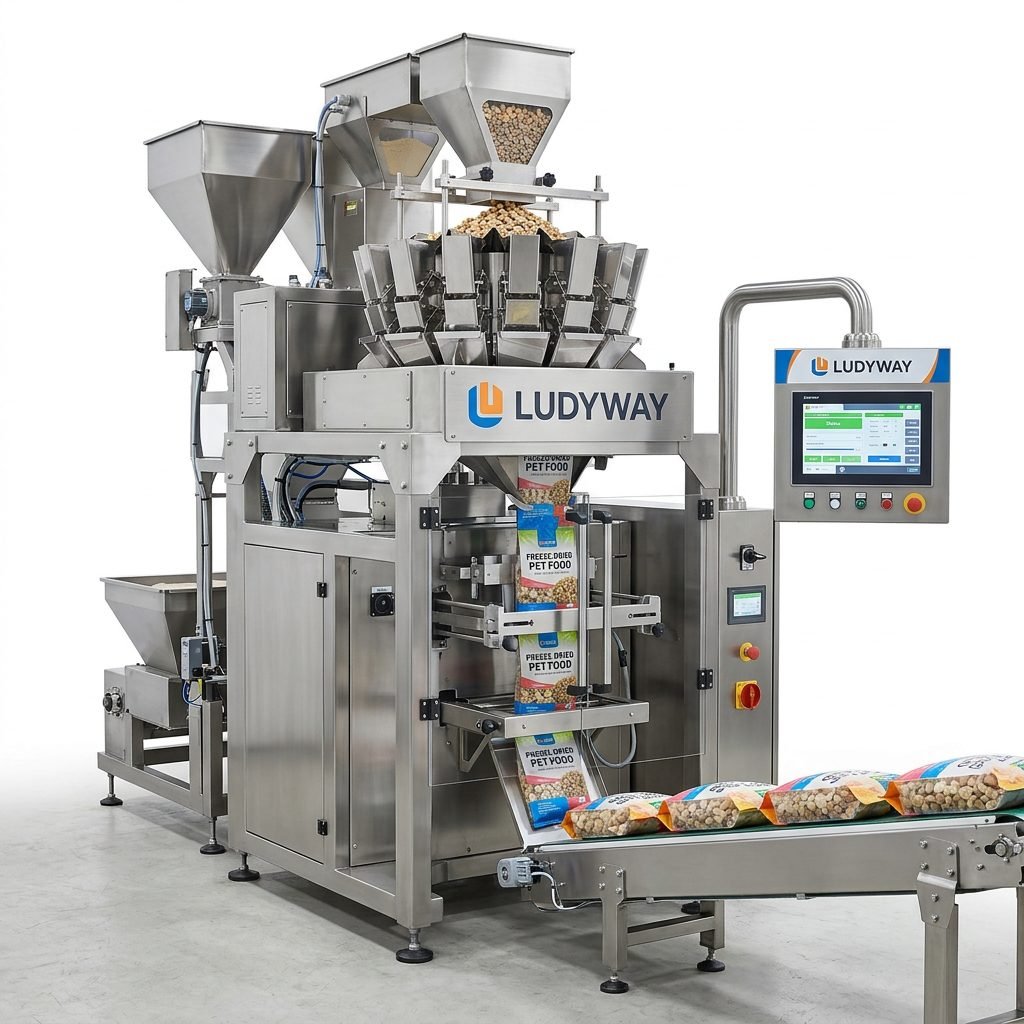
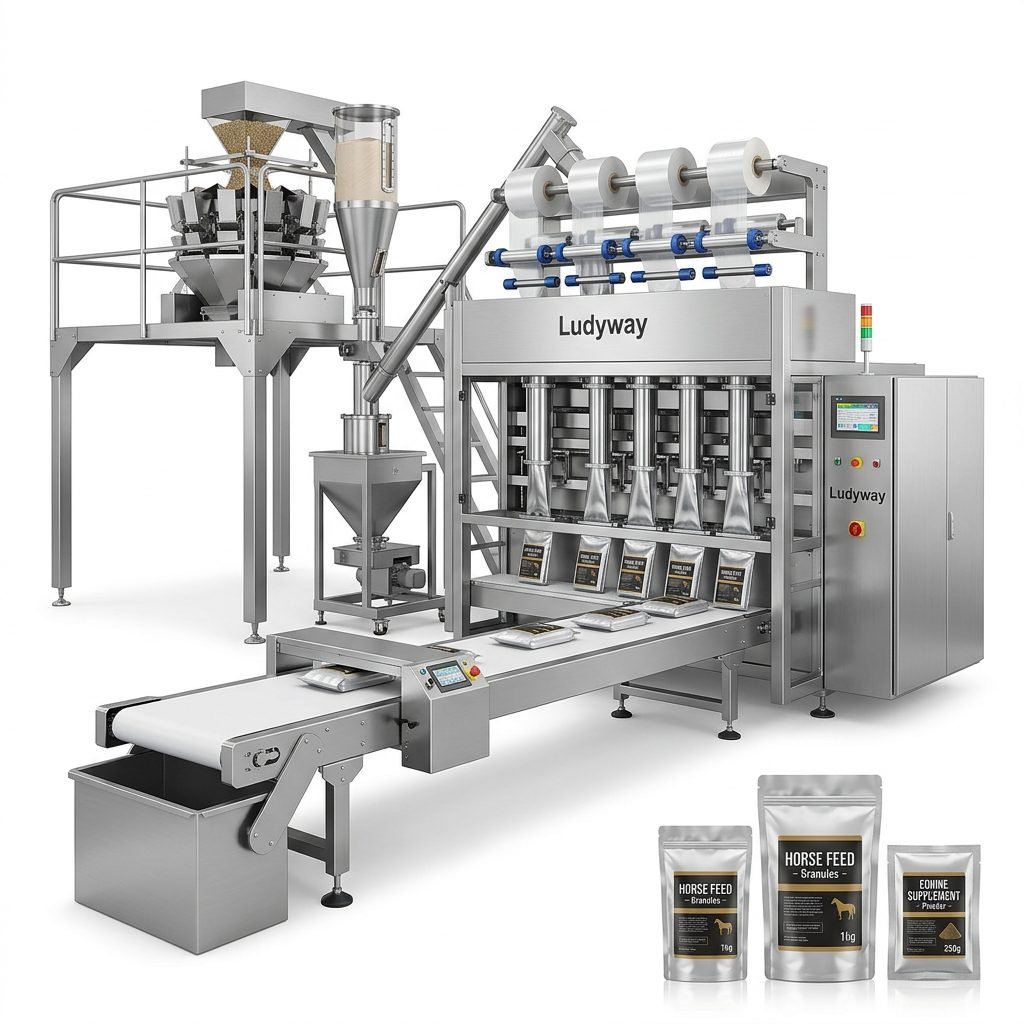
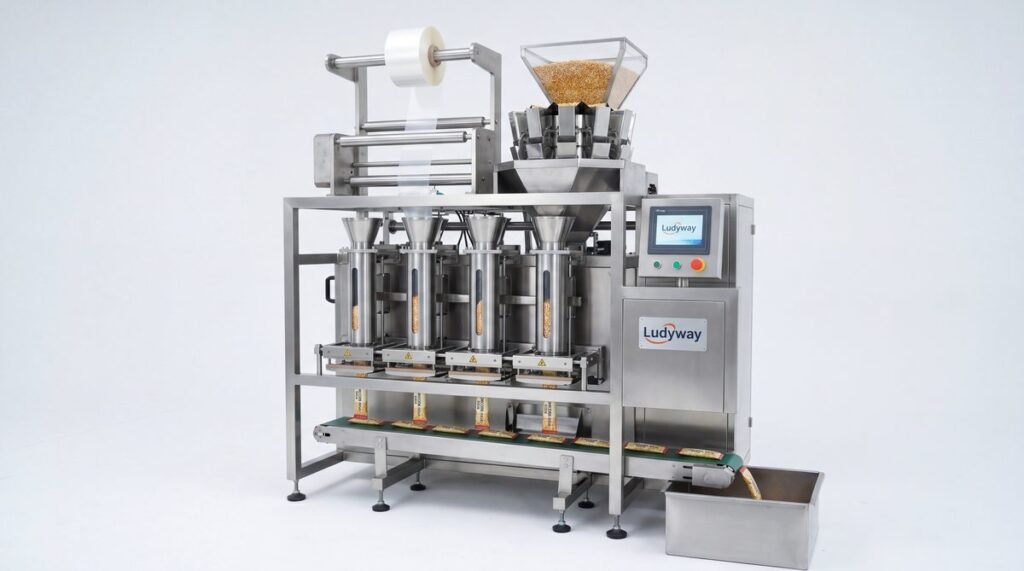
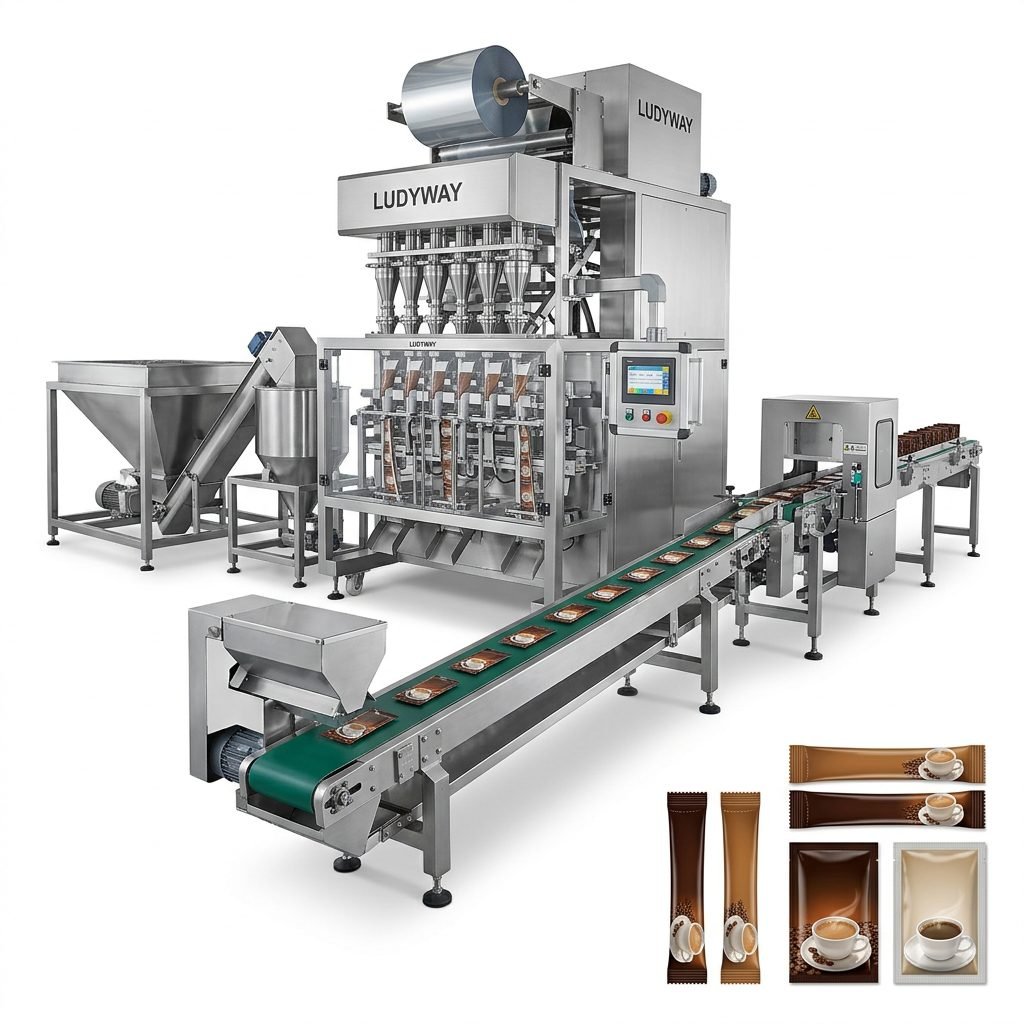
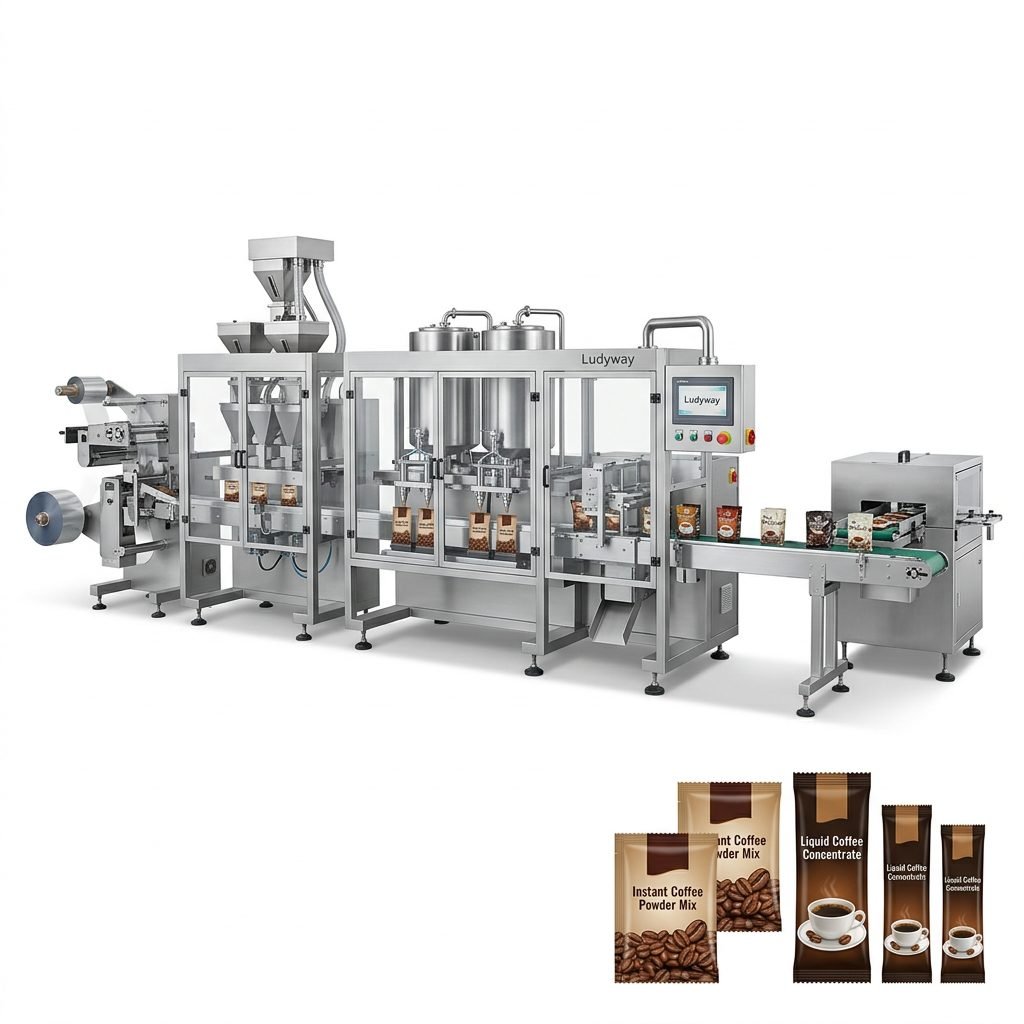
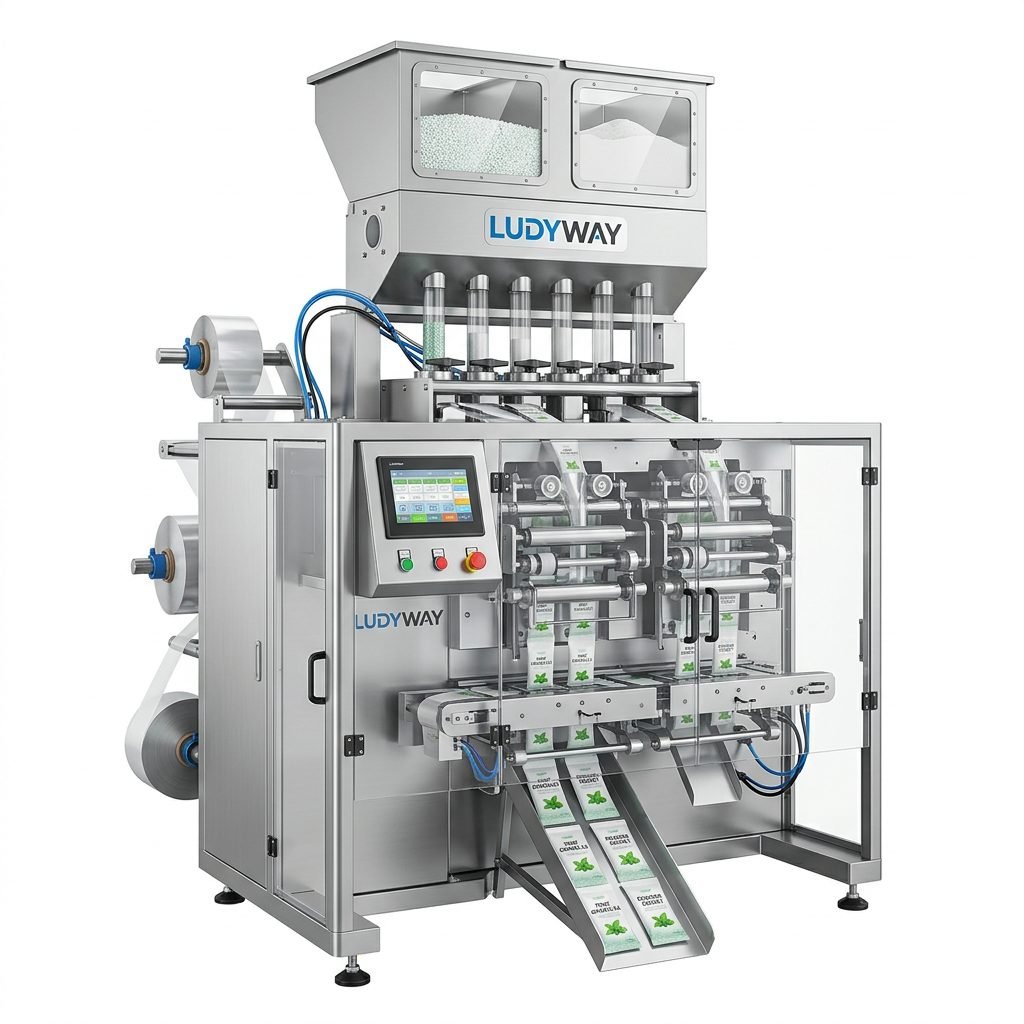
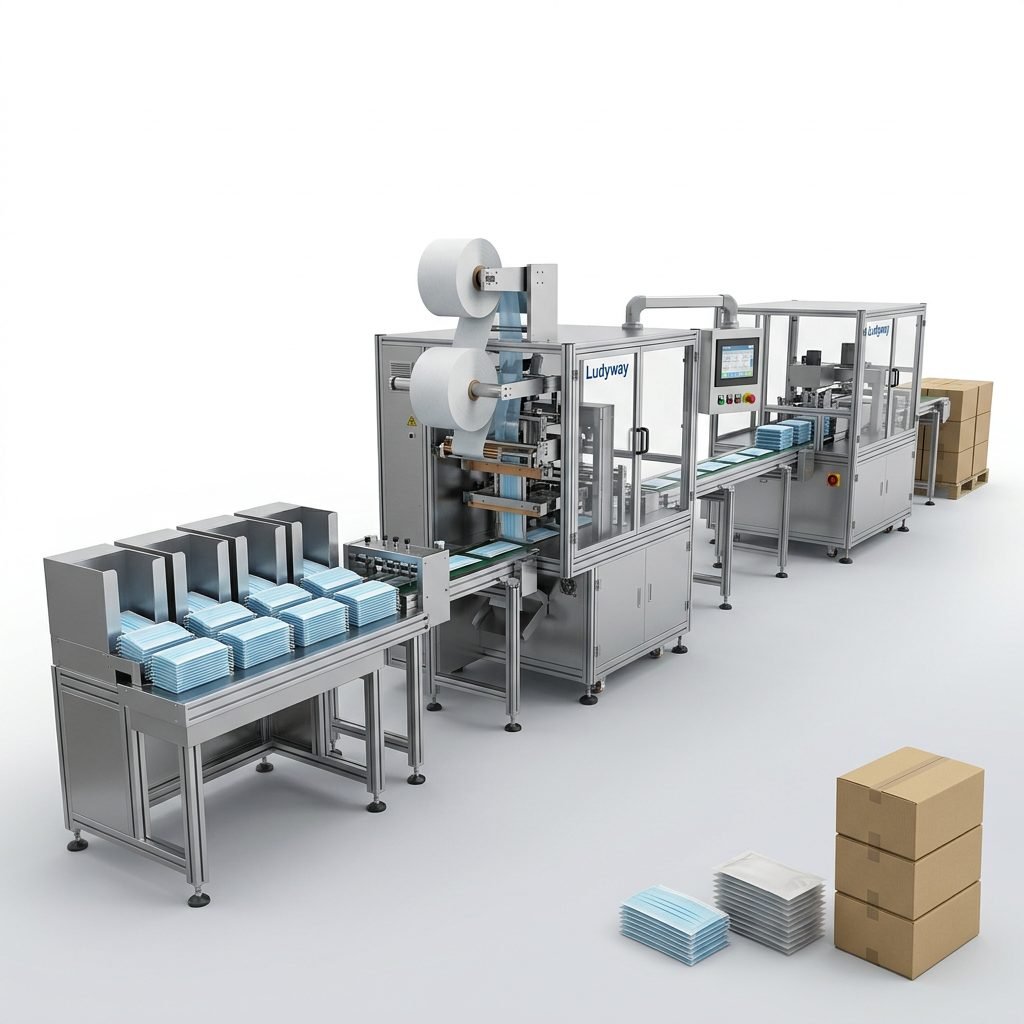
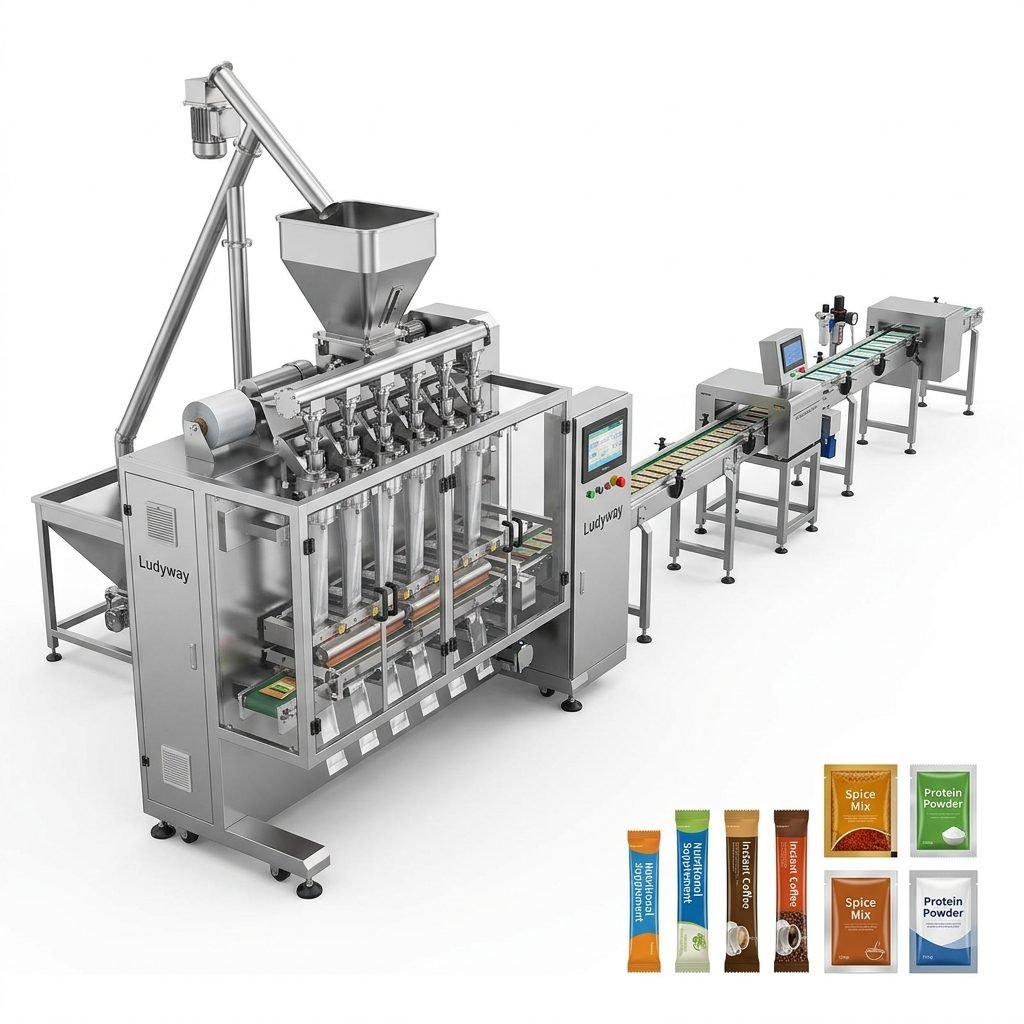
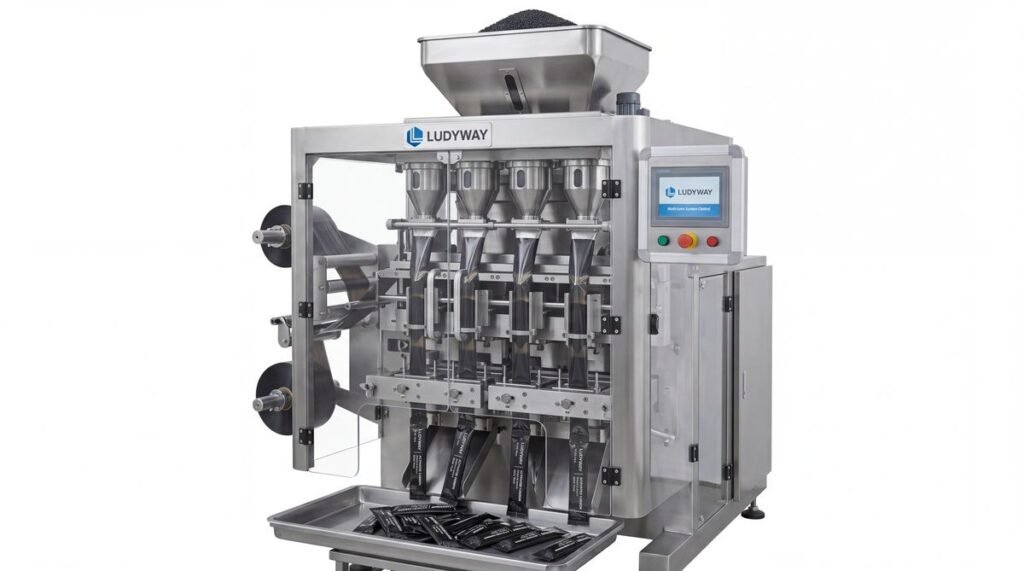
Proper maintenance is the foundation of reliable packaging operations. A well-maintained packaging machine not only ensures consistent output quality but also significantly reduces downtime and extends equipment lifespan. This guide covers essential maintenance practices to keep your goods packing machine performing at its best.

Why Regular Maintenance Matters
Neglecting routine upkeep can lead to unexpected breakdowns, costly repairs, and production delays. A proactive maintenance strategy helps you identify wear and tear before it escalates into major failures. Key benefits include reduced operational costs, improved safety, and consistent packaging quality. According to PMMI industry resources, preventive maintenance can lower overall equipment costs by up to 30% over the machine’s lifecycle.
Daily Inspection Checklist
Start every shift with a thorough visual inspection. This habit catches early warning signs and prevents minor issues from snowballing. A structured daily routine also builds operator familiarity with the equipment, making it easier to detect anomalies quickly.
- Check for loose bolts, screws, and fasteners on all accessible panels
- Inspect sealing jaws and cutting blades for residue buildup or uneven wear
- Verify that emergency stop buttons and safety guards are fully functional
- Examine pneumatic hoses and electrical cables for signs of cracking or abrasion
- Listen for unusual noises or vibrations during the initial startup cycle
- Confirm that display panels show correct temperature and pressure readings
Cleaning Protocols for Optimal Hygiene
Product residue is a common cause of mechanical friction and contamination. Establish a strict cleaning schedule tailored to the materials being packaged. Powder and granule machines require special attention to dust accumulation around sensors and sealing stations. Use food-grade cleaning agents when applicable to meet FDA packaging safety standards.
Lubrication Best Practices
Friction is the enemy of precision machinery. A consistent lubrication schedule keeps moving parts operating smoothly and reduces thermal stress. Different components require different lubricant types — always consult your machine’s manual for specifications. Over-lubrication can attract dust and cause buildup, while under-lubrication accelerates wear on bearings, chains, and cam mechanisms.
| Component | Lubricant Type | Frequency | Key Notes |
|---|---|---|---|
| Sealing jaw bearings | Food-grade grease | Weekly | Clean old grease before reapplying |
| Chain drives | Light machine oil | Bi-weekly | Check tension after lubrication |
| Linear guide rails | Thin-film lubricant | Monthly | Wipe rails clean before application |
| Pneumatic cylinders | Air tool oil (ISO VG 32) | Every 500 hours | Use inline lubricator if available |
Critical Component Maintenance
Certain parts demand closer attention due to their direct impact on packaging precision. The sealing system, in particular, requires meticulous care — worn-out sealing elements cause leaks, weak seals, and product spoilage. Similarly, sensors and photocells must remain clean and properly aligned to ensure accurate film registration and cut placement.
Sealing System Care
- Inspect Teflon coating on heat-sealing bars for scratches or peeling
- Clean sealing surfaces with a soft, non-abrasive cloth after each production run
- Replace thermocouples annually or when temperature fluctuations exceed ±2°C
- Calibrate temperature controllers against a certified thermometer quarterly
Film Feeding and Tension Control
Improper film tension leads to wrinkling, misalignment, and wasted material. Check dancer arms and tension rollers for smooth rotation. Verify that the photo-eye sensor reads registration marks accurately — misregistration causes off-center seals and unprofessional-looking packages. Refer to ISO packaging standards for dimensional tolerance guidelines that can inform your quality checks.
Preventive Maintenance Scheduling
A structured preventive maintenance program keeps your equipment in peak condition. Rather than reacting to failures, schedule downtime for planned inspections and part replacements. This approach aligns with industry best practices recommended by organizations like the PMMI Business Intelligence group.
| Interval | Maintenance Tasks | Responsible Party |
|---|---|---|
| Daily | Visual inspection, cleaning, basic lubrication checks | Machine operator |
| Weekly | Deep cleaning, chain tension adjustment, sensor alignment | Maintenance technician |
| Monthly | Bearing inspection, belt replacement if worn, electrical connection tightening | Maintenance team leader |
| Quarterly | Full calibration, gearbox oil change, comprehensive safety audit | Senior engineer |
| Annually | Major overhaul, replacement of wear-prone parts, software update | Manufacturer service team |
Troubleshooting Common Issues
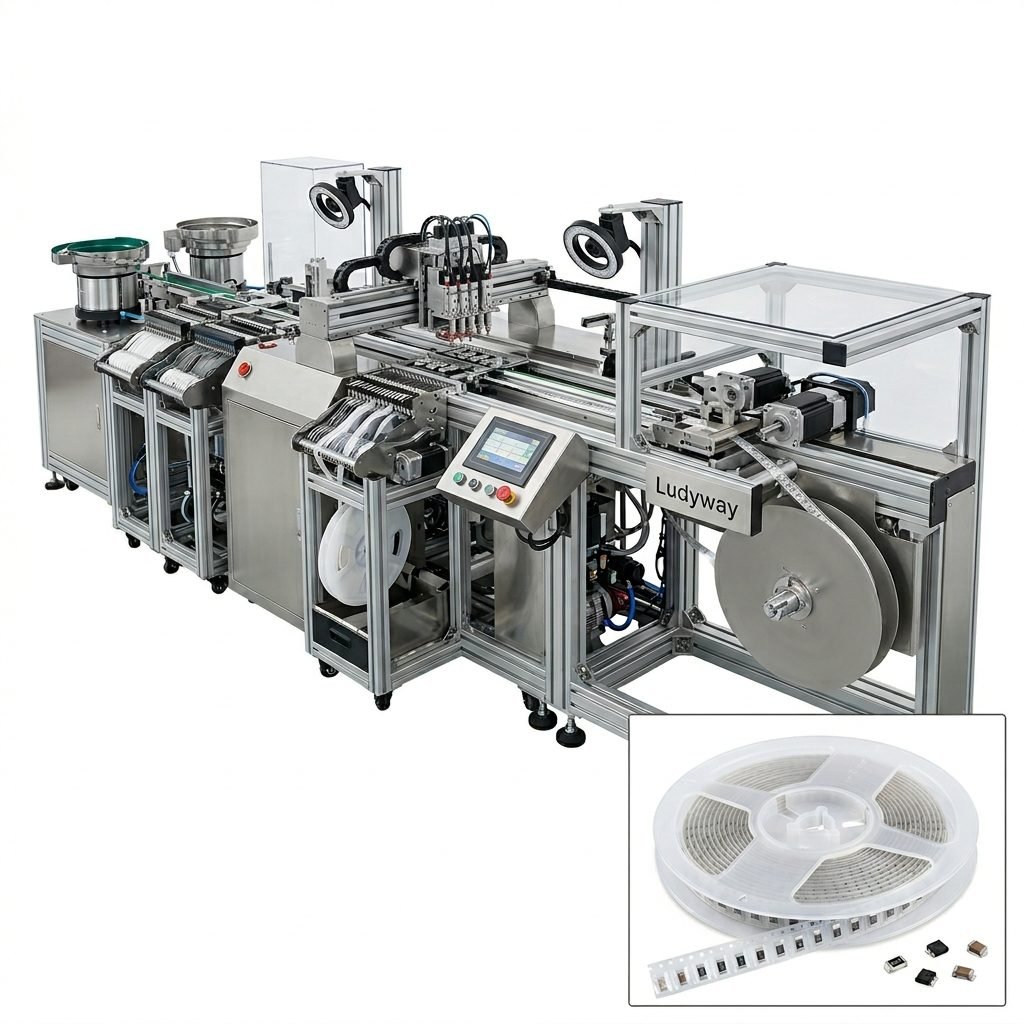
Even with diligent maintenance, occasional problems arise. Knowing how to diagnose and address them quickly minimizes production losses. Common symptoms often point to specific root causes that experienced operators can identify through pattern recognition.
Seal Integrity Problems
Weak or inconsistent seals typically stem from three primary causes: incorrect temperature settings, contaminated sealing surfaces, or worn-out sealing elements. If seals appear wrinkled or uneven, first verify the temperature setpoint matches the film specification. Next, clean the sealing jaws thoroughly. If problems persist, inspect the Teflon coating and replace damaged components promptly.
Inaccurate Filling Weights
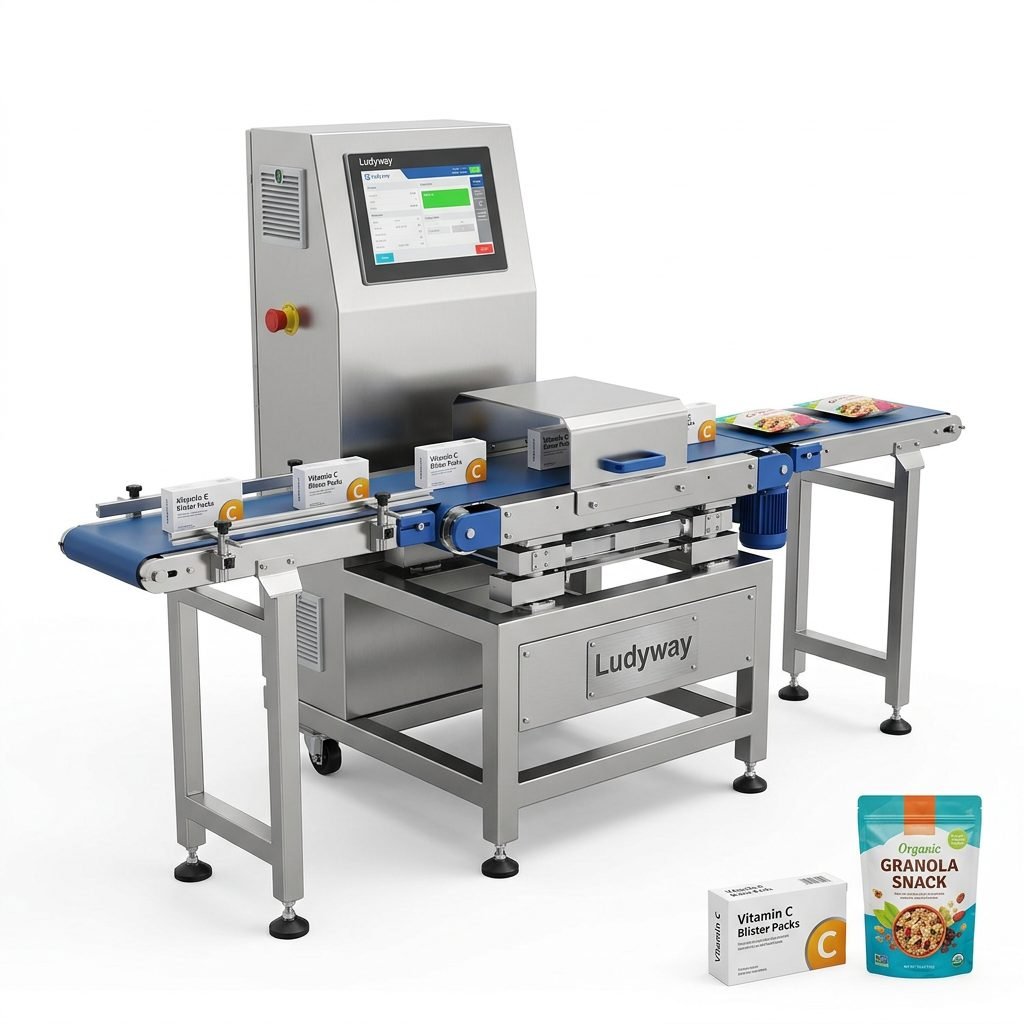
Weight variations often indicate issues with the dosing mechanism or feed system. Check for bridging in the hopper, worn auger screws, or inconsistent product density. Calibrate the weighing system weekly and verify that vibratory feeders operate at consistent amplitudes. For precision applications, integrating a dynamic checkweigher with automatic feedback control can dramatically improve fill accuracy.
Film Tracking Errors
When film wanders off-center, inspect the entire web path from unwind to sealing station. Misaligned rollers, uneven tension, or a worn edge guide sensor can all contribute to tracking problems. Clean all roller surfaces with isopropyl alcohol to restore grip, and verify that the unwind brake provides consistent resistance throughout the roll diameter.
The Value of Professional Support
While in-house maintenance handles day-to-day upkeep, periodic professional servicing ensures deeper mechanical integrity. Experienced technicians bring specialized diagnostic tools and genuine spare parts that extend equipment life. Companies like Ludyway, a major packaging machine manufacturer with over 30 years of industry expertise, offer comprehensive after-sales support including remote diagnostics, on-site servicing, and operator training programs that help businesses maintain peak equipment performance across all their packaging lines.
Spare Parts Management
Strategic spare parts inventory prevents extended downtime. Maintain a well-organized stock of critical wear components to enable rapid replacement when needed. A thoughtful parts management approach also helps control maintenance costs by allowing you to order during regular procurement cycles rather than paying premium prices for emergency shipments.
- Heating elements and thermocouples for sealing systems
- Cutting blades and Teflon tape for jaw assemblies
- Drive belts, timing belts, and conveyor bands
- Common bearing sizes used across multiple machine sections
- Sensor modules and photocells for registration and safety systems
- Pneumatic seals, O-rings, and gasket kits
Documentation and Record-Keeping
Thorough maintenance logs create accountability and reveal long-term patterns. Record every service activity, including the date, technician name, work performed, parts replaced, and any observations about component condition. Over time, this data helps predict failure intervals and optimize your preventive maintenance schedule. Digital maintenance management systems simplify tracking and can automatically generate work orders based on runtime hours or calendar intervals.
Operator Training for Maintenance Awareness
Well-trained operators serve as the first line of defense against equipment deterioration. They interact with the machine daily and can detect subtle changes that indicate developing problems. Invest in comprehensive training that covers not just operation but also basic troubleshooting, cleaning procedures, and the importance of reporting unusual observations promptly. A culture of shared responsibility for equipment care significantly improves overall maintenance outcomes.
Final Thoughts on Reliable Performance
Maintaining a goods packing machine requires consistent effort, but the return on investment is substantial. Reduced downtime, lower repair costs, consistent packaging quality, and extended equipment lifespan all contribute to a healthier bottom line. By following the practices outlined in this guide — daily inspections, scheduled lubrication, critical component care, and professional servicing — you build a foundation of reliable, predictable production that supports long-term business growth.
Related Resources:
- PMMI State of the Industry Reports — Latest packaging industry data and trends
- Flexible Packaging Association Resources — Technical guides for flexible packaging operations
- ISO 11607 Packaging Standards — International standards for packaging quality and validation
- FDA Food Contact Substances Guidance — Regulatory information for food-safe packaging