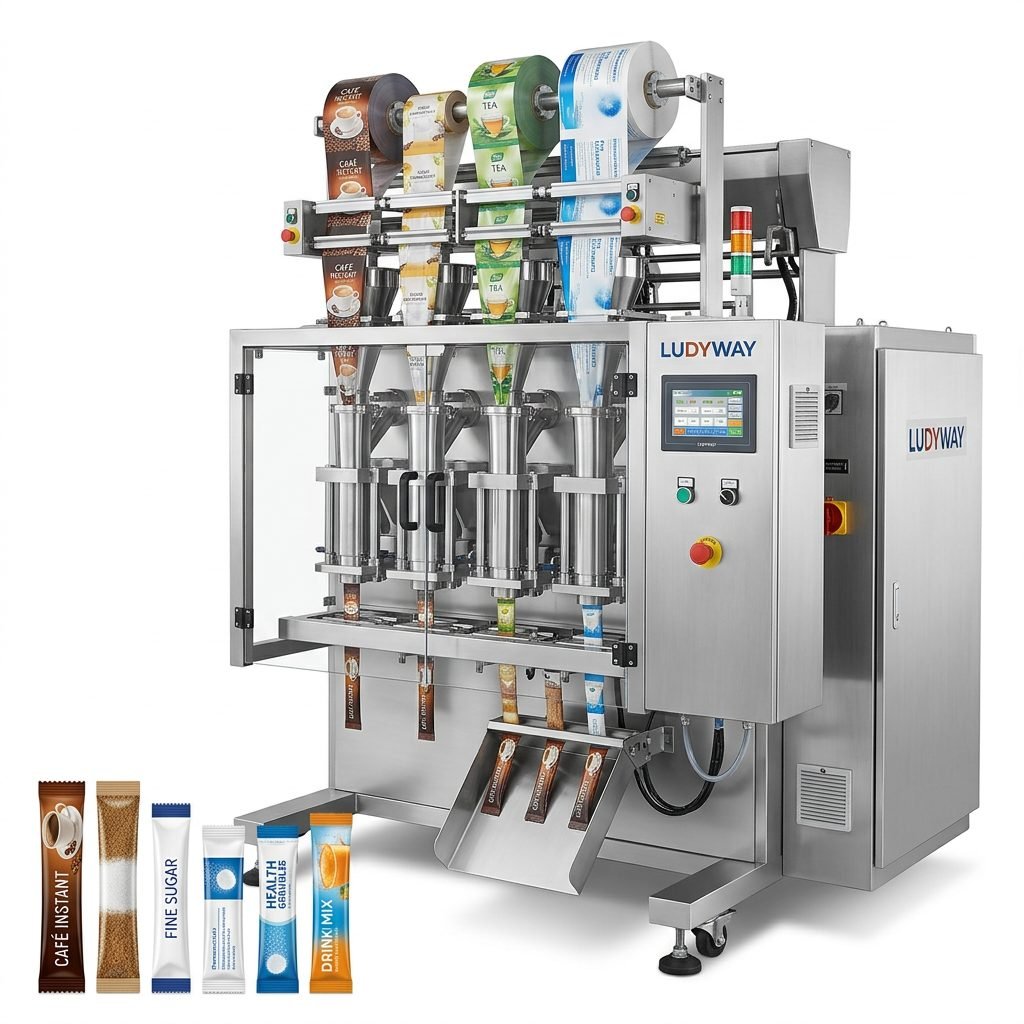
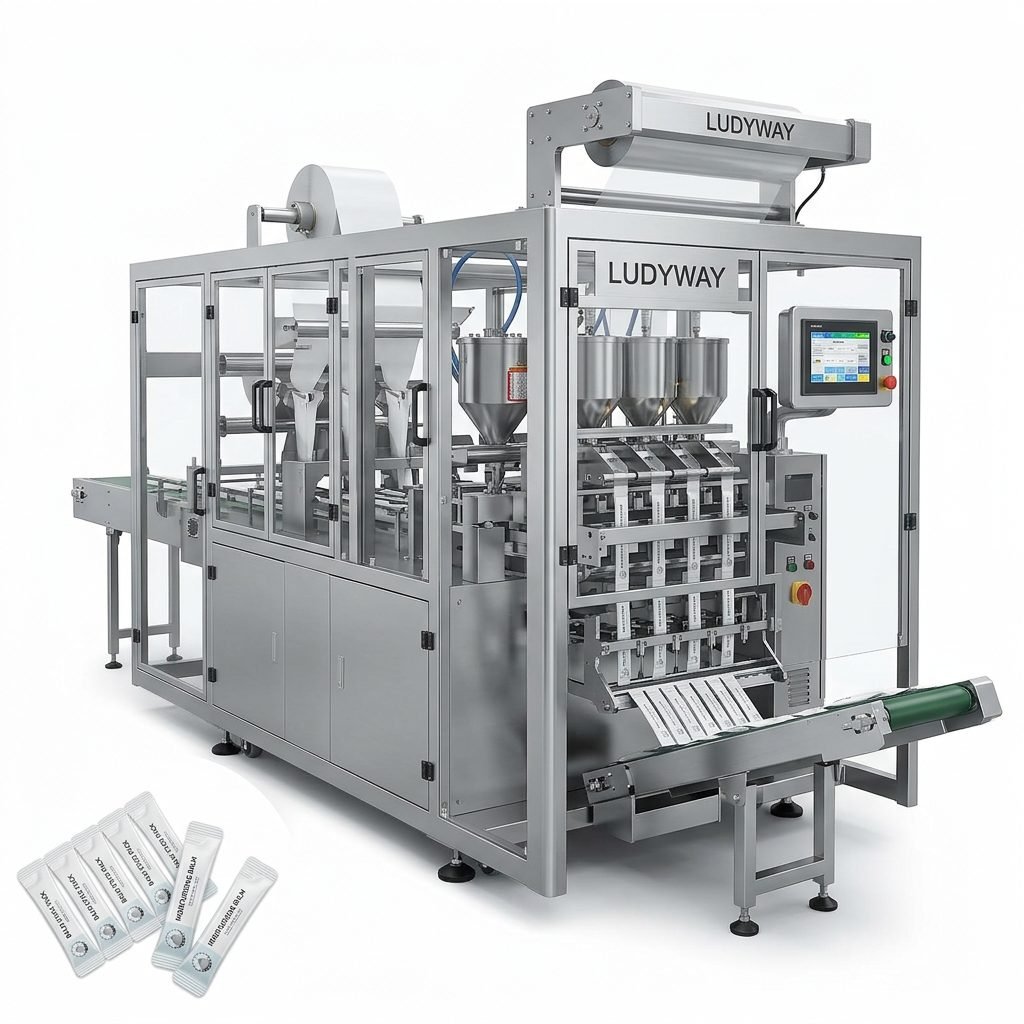
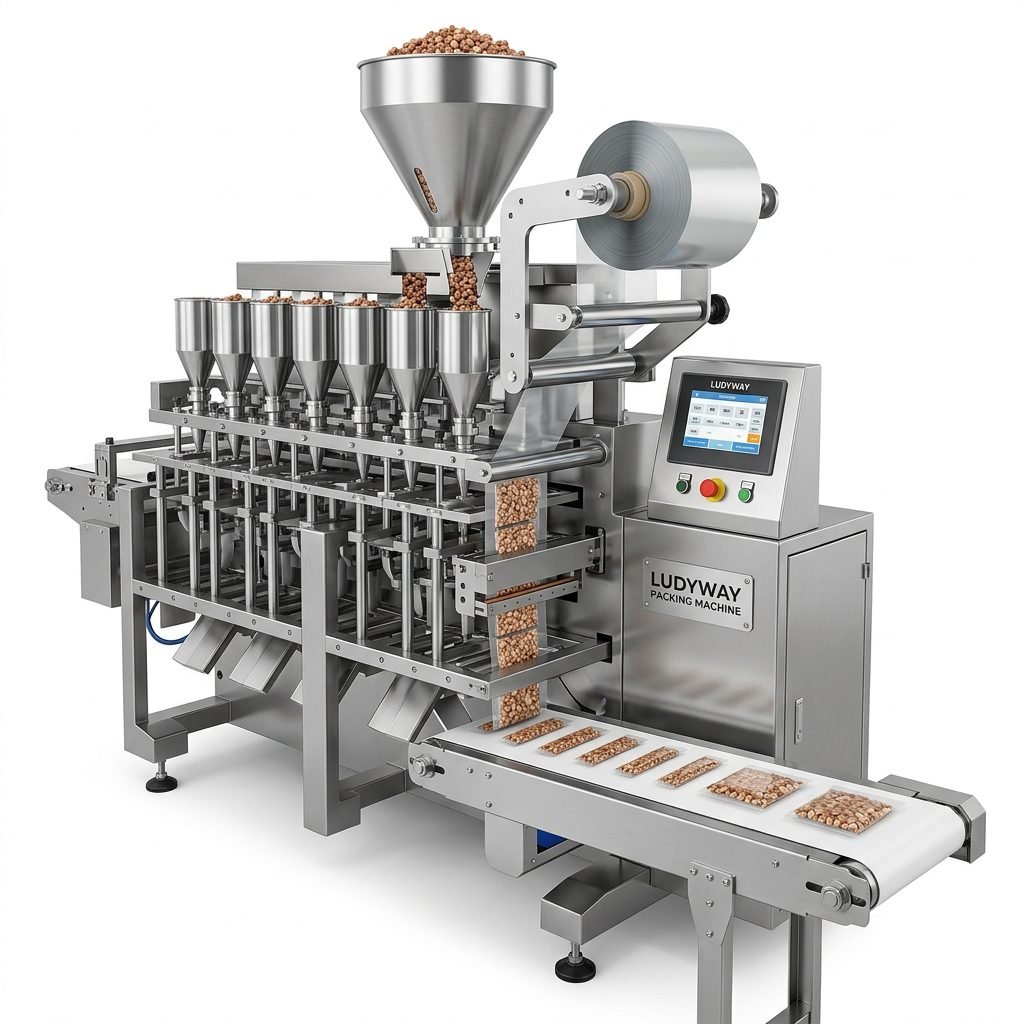
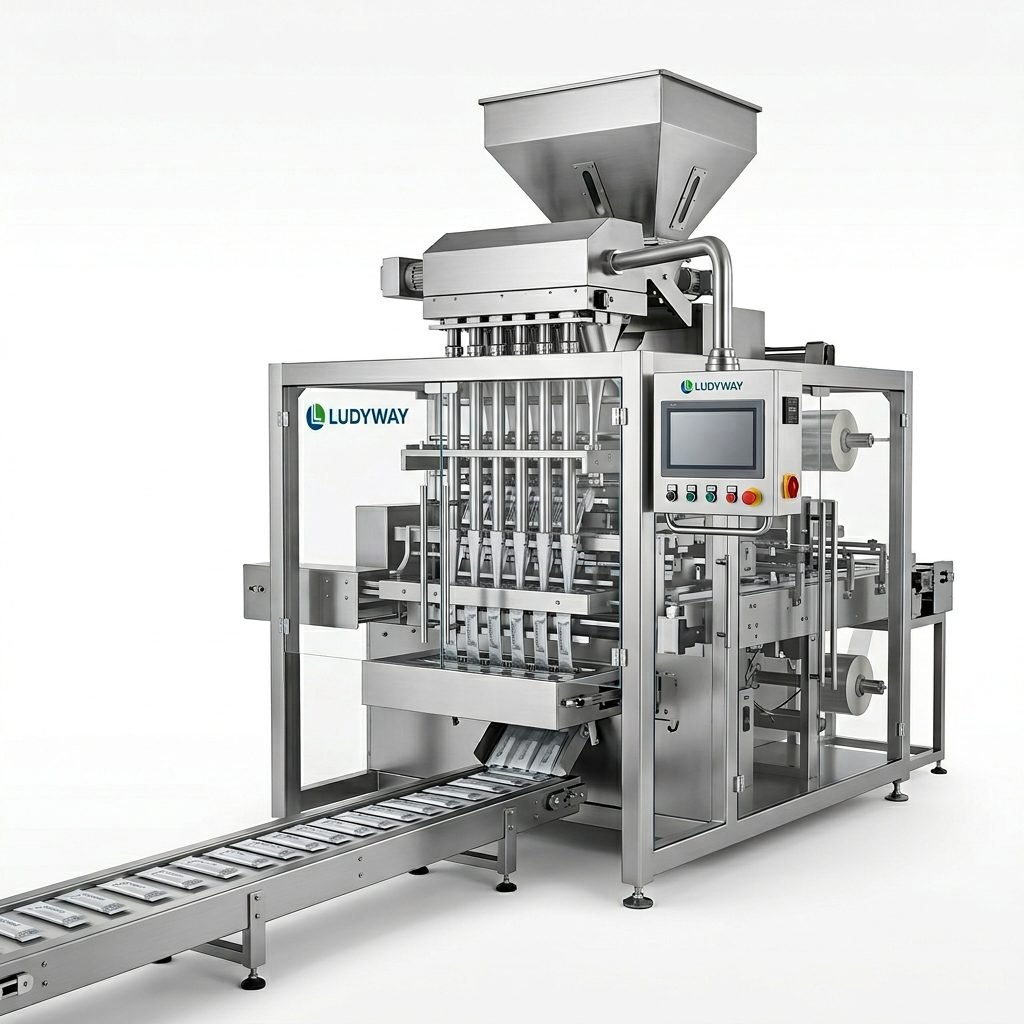
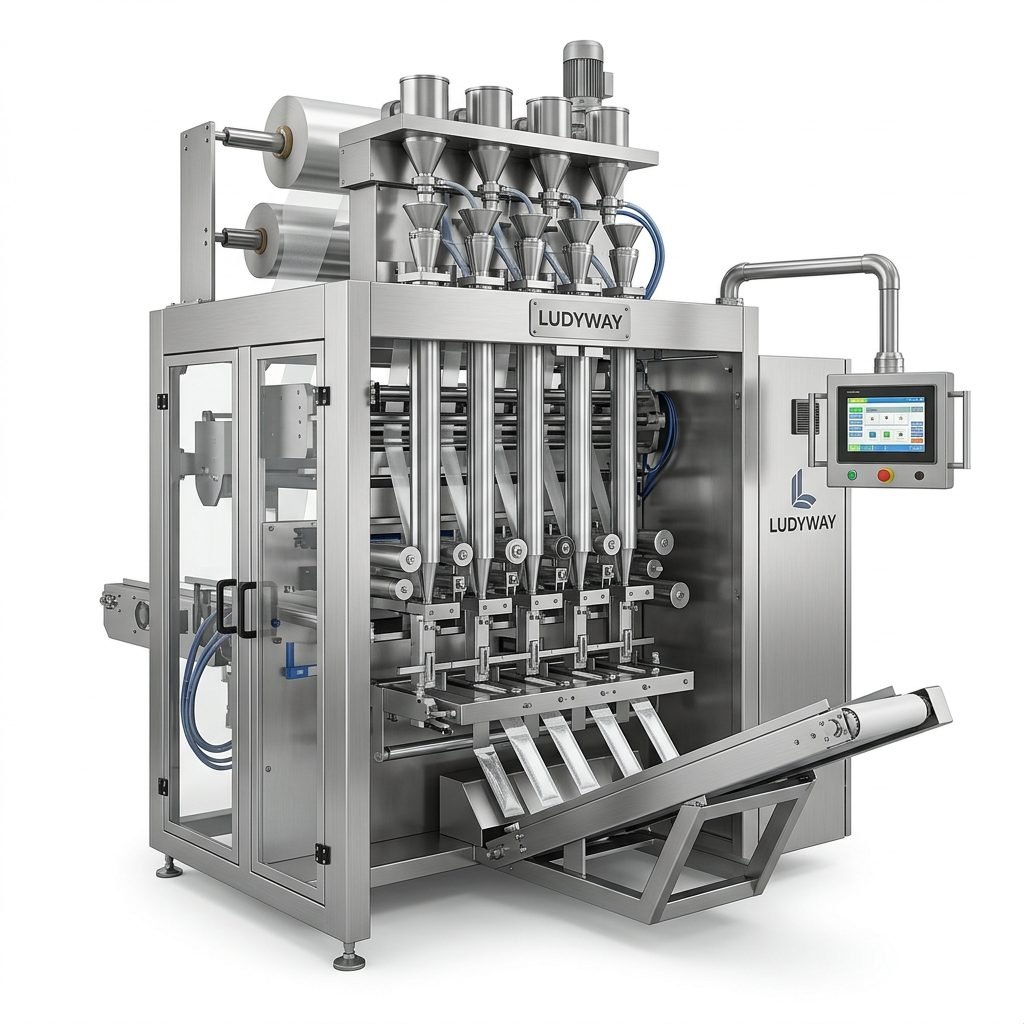
Maintaining a pure water packaging machine is essential for ensuring product safety, extending equipment lifespan, and meeting strict hygiene standards in the bottled water industry. Without a consistent cleaning and maintenance routine, mineral buildup, bacterial growth, and mechanical wear can compromise both production efficiency and water quality. This guide provides practical, step-by-step recommendations to help you keep your pure water packaging machine running at peak performance.
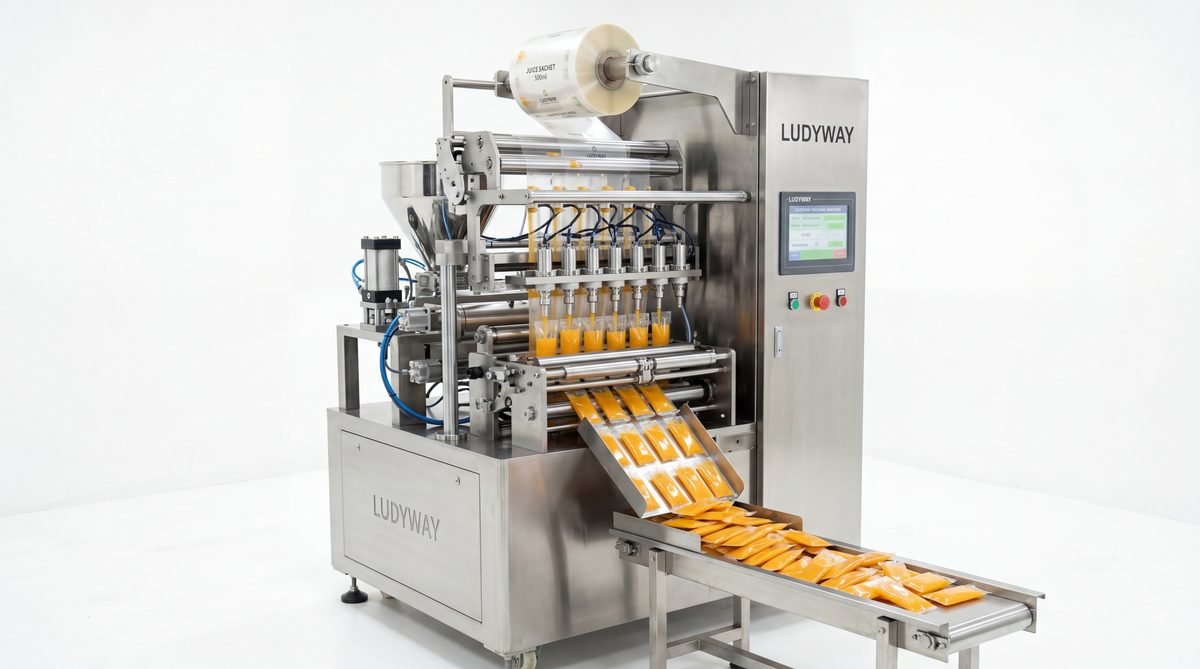
Understanding the Importance of Regular Maintenance
Pure water packaging equipment operates in a high-hygiene environment where even minor contamination can lead to product recalls or regulatory issues. Regular maintenance not only prevents unexpected downtime but also ensures compliance with FDA food packaging and food contact substances regulations. A well-maintained machine delivers consistent fill accuracy, reliable seal integrity, and optimal throughput — all critical factors for profitable operations.
Daily Cleaning Procedures
Daily cleaning forms the foundation of your maintenance program. At the end of each production shift, operators should follow these essential steps:
- Flush the filling system with purified water to remove any standing water and prevent microbial growth.
- Clean all product contact surfaces including filling nozzles, tubes, and sealing jaws using food-grade sanitizers approved for potable water applications.
- Inspect and wipe down the external surfaces of the machine, paying special attention to areas where dust or packaging material debris may accumulate.
- Check and empty any drip trays or collection pans to prevent overflow and contamination.
- Examine sealing elements for residue buildup that could affect seal quality on subsequent runs.
Weekly Deep Cleaning Checklist
Weekly maintenance goes beyond surface cleaning to address components that experience gradual buildup or wear over extended operation:
- Disassemble and thoroughly sanitize filling nozzles and manifolds using recommended cleaning solutions.
- Inspect all filters in the water supply line and replace if discoloration or reduced flow is detected.
- Clean and lubricate chain drives, guide rails, and transfer mechanisms according to manufacturer specifications.
- Verify that all safety sensors, emergency stops, and interlocks are functioning correctly.
- Check conveyor belt tension and alignment to prevent tracking issues.

Monthly Preventive Maintenance Schedule
A structured monthly inspection program helps identify potential issues before they cause costly breakdowns. Use the following table as a reference for your maintenance team:
| Component | Maintenance Action | Frequency | Priority Level |
|---|---|---|---|
| Filling Pump & Valves | Inspect for wear, clean diaphragms, check calibration | Monthly | High |
| Sealing Jaws & Heaters | Clean surfaces, check temperature accuracy, inspect Teflon coating | Bi-weekly | High |
| Pneumatic System | Drain moisture from air lines, check pressure regulators, inspect cylinders | Monthly | Medium |
| Electrical Connections | Tighten terminals, inspect wiring for damage, test control panel functions | Monthly | Medium |
| Conveyor System | Lubricate bearings, check belt wear, verify speed settings | Monthly | Medium |
| Sensors & Photocells | Clean lenses, test response times, recalibrate as needed | Monthly | High |
Critical Component Care and Attention Points
Several components on a pure water packaging machine require special attention due to their direct impact on product quality and packaging integrity:
Filling System Maintenance
The filling system is the heart of your operation. Inaccurate fill levels can lead to customer complaints and regulatory non-compliance. Regularly calibrate your filling system and document all adjustments. For piston fillers, inspect O-rings and seals monthly. For gravity or vacuum fillers, verify that all valves open and close completely without sticking.
Sealing Mechanism Inspection
Seal integrity is non-negotiable for pure water products. A compromised seal can introduce contaminants and cause leaks during distribution. Check seal temperature profiles weekly and replace worn heating elements promptly. Test seal strength using a pull tester or burst test method on sample packages from each production run.
Common Issues and Troubleshooting Tips
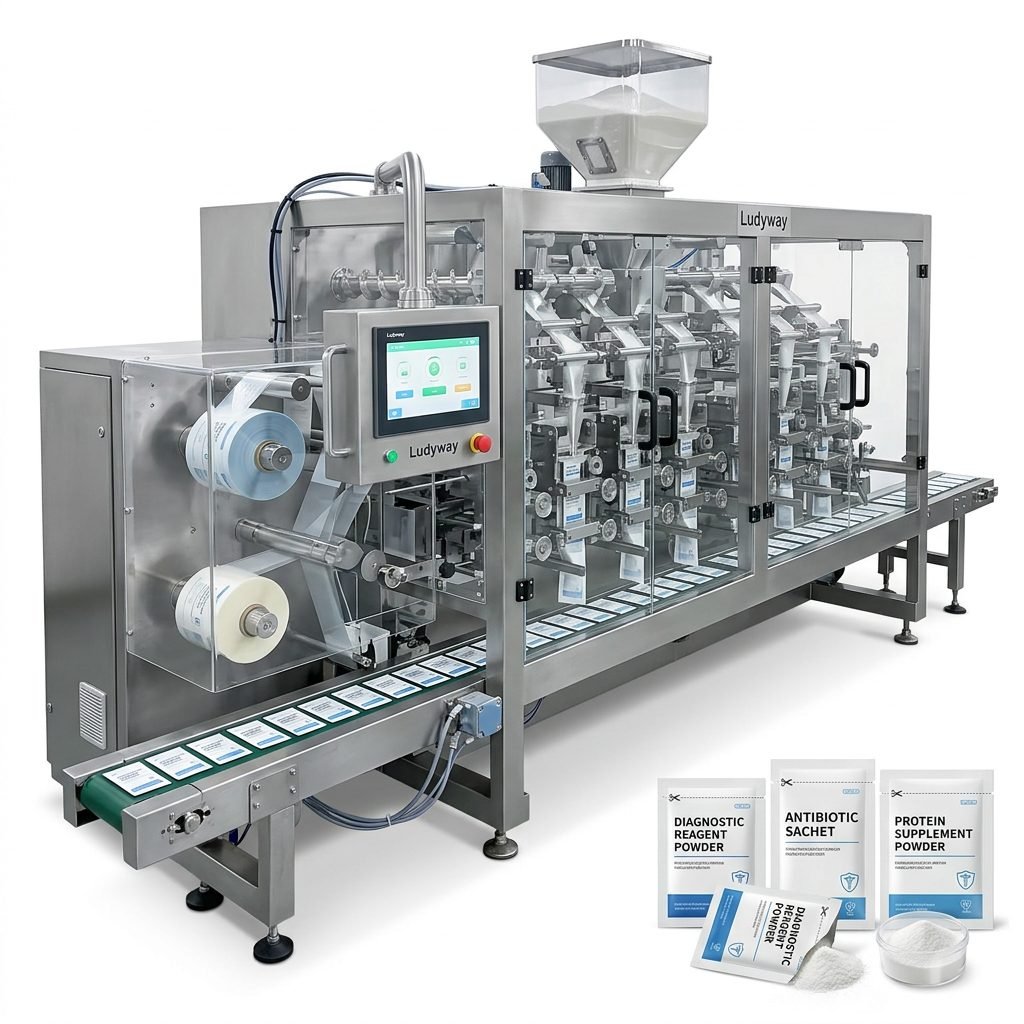
Even with diligent maintenance, occasional issues may arise. Here are solutions to the most frequent problems encountered with pure water packaging equipment:
- Inconsistent fill volume: Check for air in the product line, verify pump calibration, and inspect for worn piston seals or damaged valve seats.
- Poor seal quality: Verify temperature settings, clean sealing jaws thoroughly, and check for worn or damaged Teflon coating on heat seal bars.
- Machine vibration or noise: Inspect all mechanical connections, tighten loose fasteners, and check for bearing wear in rotating components.
- Film tracking problems: Verify film roll alignment, check tension settings, and inspect guide rollers for damage or debris accumulation.
- Intermittent sensor faults: Clean sensor lenses, check wiring connections, and verify that reflectors are properly positioned and free of condensation.
Sanitation Best Practices for Pure Water Applications
Pure water packaging demands exceptional sanitation standards. Follow these best practices to maintain hygienic production conditions:
- Implement a CIP (Clean-in-Place) protocol where possible to minimize disassembly and reduce contamination risks during manual cleaning.
- Use only food-grade lubricants on all components that may have incidental contact with product or packaging materials.
- Maintain a detailed sanitation log documenting cleaning activities, sanitizer concentrations, and verification results.
- Train all operators on proper hygiene practices including hand washing, protective clothing requirements, and contamination prevention procedures.
- Regularly test water quality at the filling point to verify that your purification and distribution system maintains required standards, as outlined by ISO packaging standards.
When to Engage Professional Service Support
While routine maintenance can be handled by trained in-house personnel, certain situations require professional intervention. Contact qualified service technicians when you encounter:
- Persistent fill accuracy issues that cannot be resolved through standard calibration.
- Recurring seal failures across multiple film batches or machine settings.
- Unusual electrical behavior including frequent breaker trips or control panel errors.
- Major mechanical repairs requiring specialized tools or manufacturer-specific parts.
- Annual comprehensive inspections that include advanced diagnostics and performance optimization.
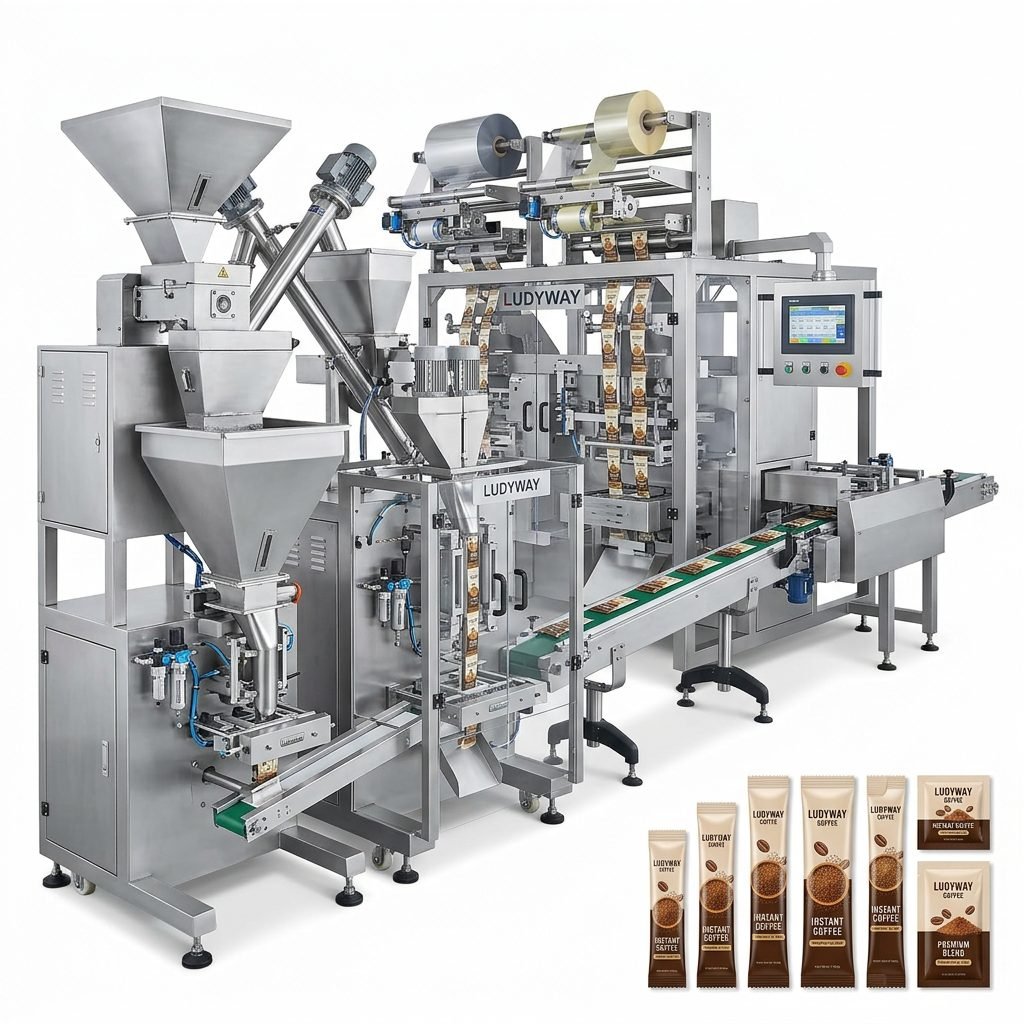
As a leading packaging machine manufacturer, Ludyway provides comprehensive after-sales support including technical assistance, spare parts supply, and on-site service to help customers maintain optimal machine performance throughout the equipment lifecycle. For more information on industry best practices, you can also refer to resources from the PMMI – The Association for Packaging and Processing Technologies and the Flexible Packaging Association.
Documentation and Record Keeping
Maintaining thorough maintenance records is essential for regulatory compliance and operational excellence. Your documentation system should include:
- Daily cleaning checklists signed by operators and verified by supervisors.
- Monthly inspection reports detailing component conditions and any corrective actions taken.
- Calibration records for filling systems, temperature controllers, and weighing equipment.
- Spare parts inventory tracking consumption rates and reorder points for critical components.
- Training logs confirming that all operators have received current instruction on maintenance procedures and safety protocols.
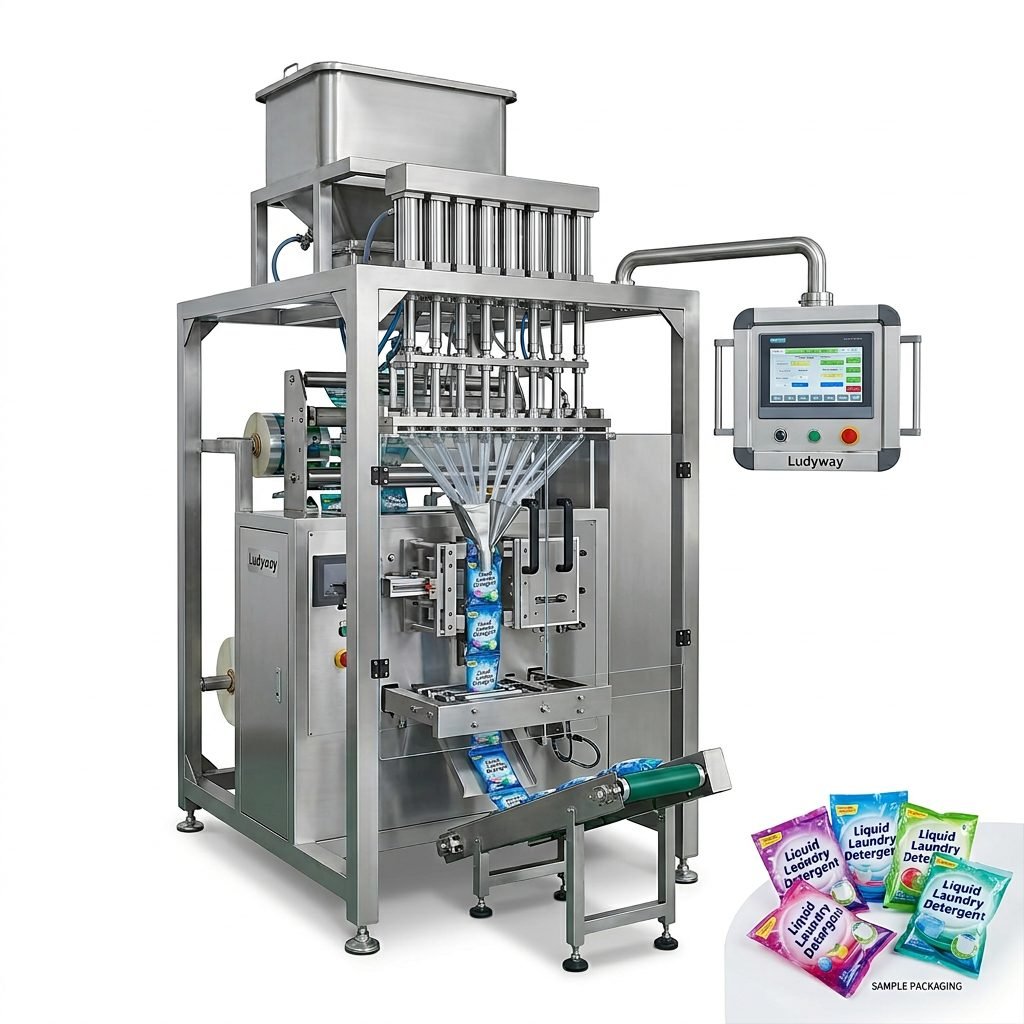
Implementing a structured maintenance program for your pure water packaging machine is an investment that pays dividends through increased uptime, consistent package quality, and extended equipment life. By following the daily, weekly, and monthly routines outlined in this guide, you can significantly reduce the risk of unexpected breakdowns while maintaining the highest standards of product safety. Remember that a proactive approach to maintenance is always more cost-effective than reactive repairs, and proper documentation ensures your operation remains audit-ready at all times.