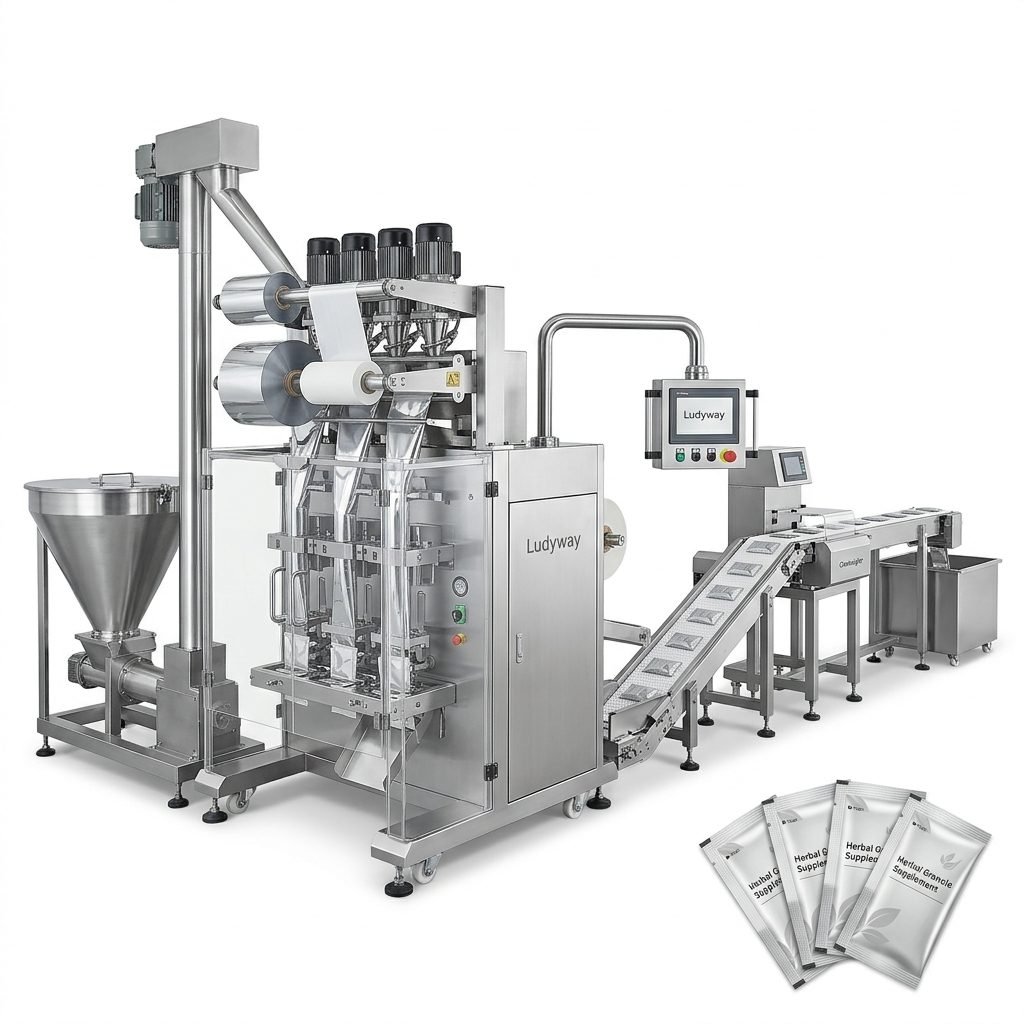
Circle packaging machinery is a cornerstone of modern manufacturing, enabling the efficient, hygienic, and consistent packaging of a vast array of products. This specialized equipment is designed to handle items with a circular or cylindrical form factor, from tablets and capsules to batteries and small hardware. Understanding the different types, their applications, and the key benefits is crucial for any business looking to optimize its packaging line.
Understanding Circle Packaging Machinery
At its core, circle packaging machinery automates the process of counting, collating, and sealing circular products into various packaging formats. This automation is vital for maintaining high-speed production, ensuring accuracy, and minimizing human contact with the product, which is especially important in industries like pharmaceuticals and food.
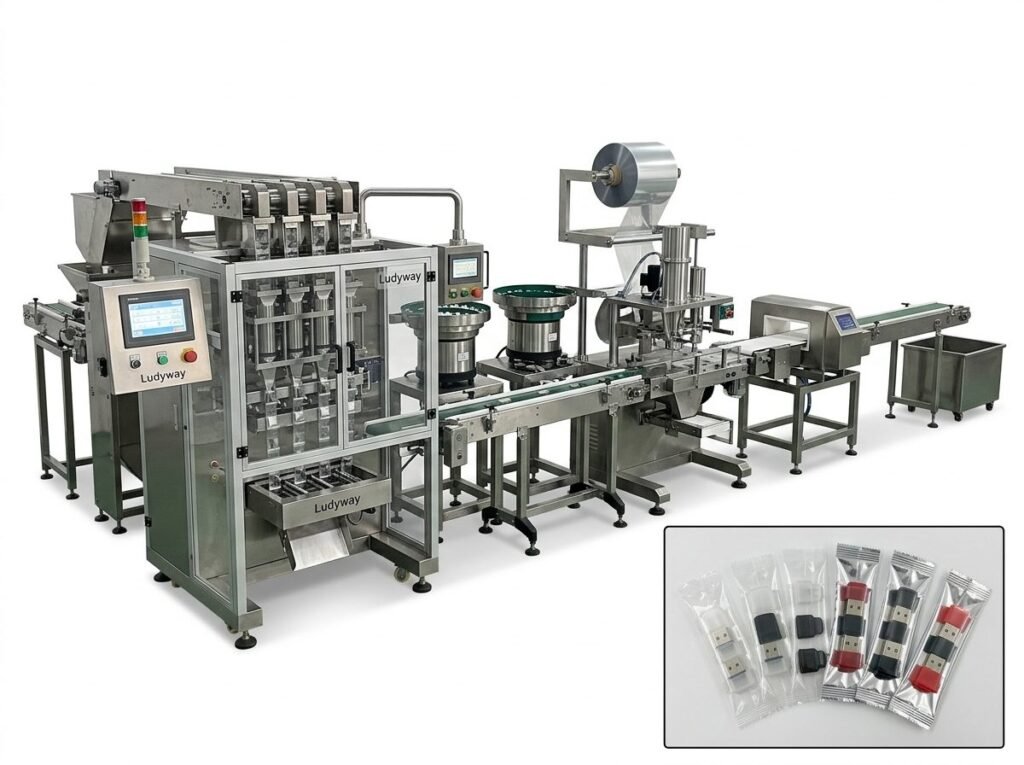
Key Principle: These machines typically use vibratory bowls, counting discs, or vision systems to orient and feed products. They then transfer them into pre-formed blisters, sachets, or stick packs before applying heat or pressure to seal the packaging material.
Primary Types of Circle Packaging Machines
The technology is categorized based on the packaging style it creates. Each type serves distinct market needs and product requirements.
Blister Packaging Machines
These are the most common for solid, unit-dose products. A forming station heats a plastic web (like PVC or Aclar) and uses a mold to create cavities (blisters). The circular products are dropped into these cavities, and a lidding material (foil or paper) is heat-sealed on top. This type offers excellent product protection, visibility, and tamper evidence. Leading suppliers offer high-speed rotary blister lines capable of handling millions of units per day.
Stick Pack & Sachet Packaging Machines
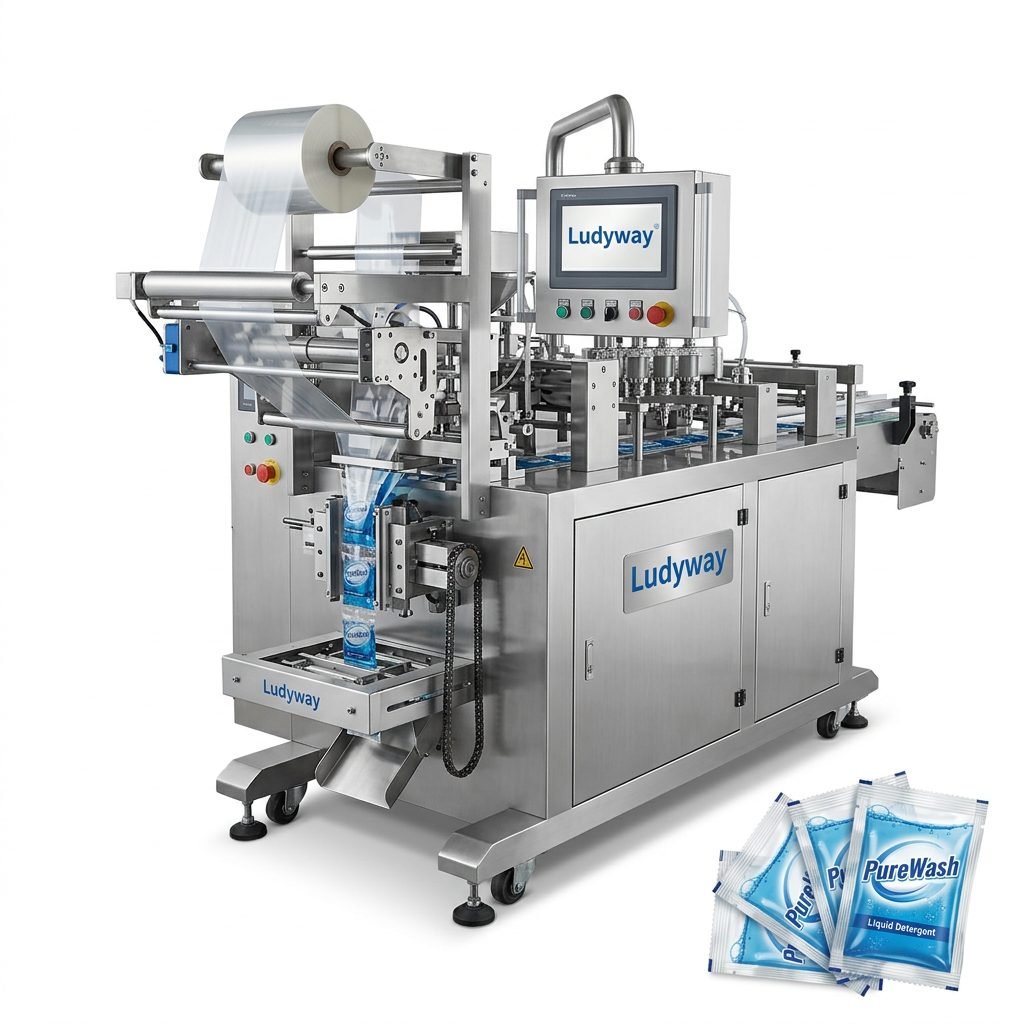
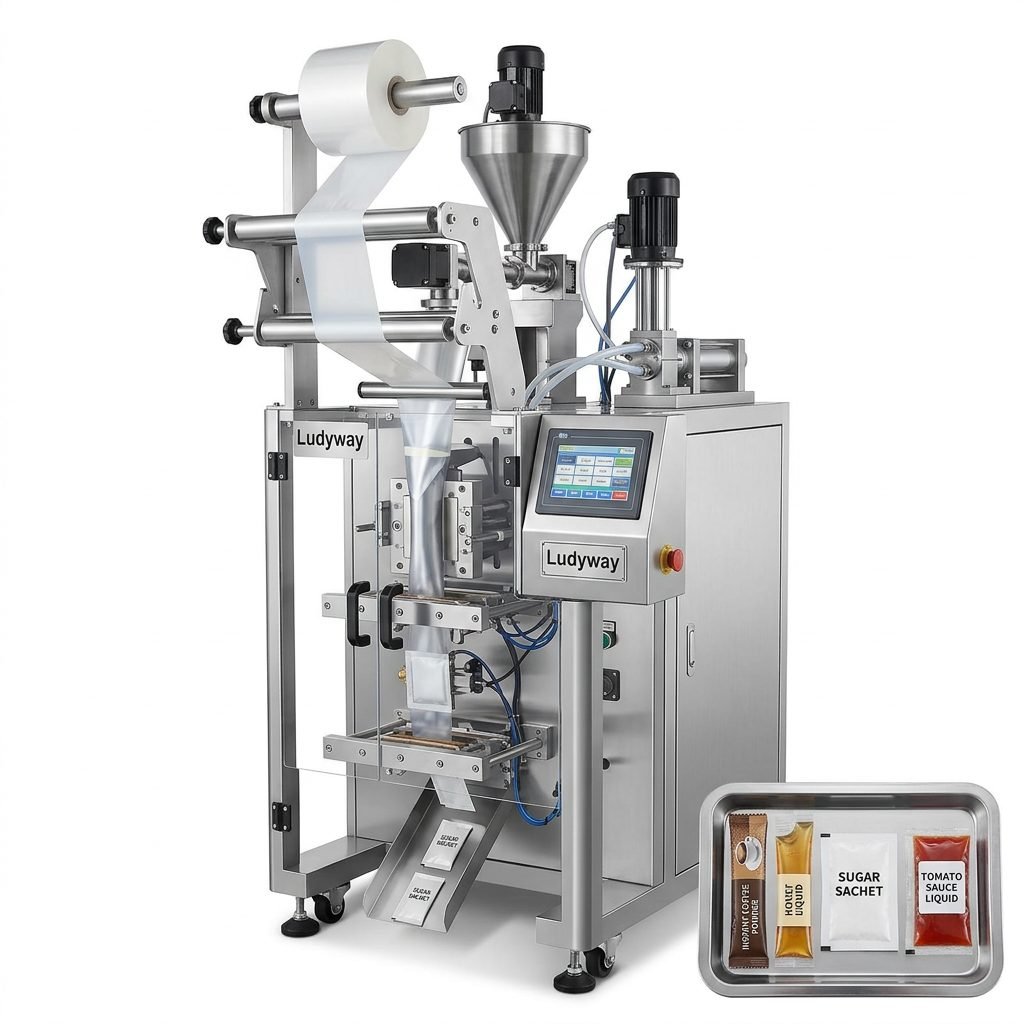
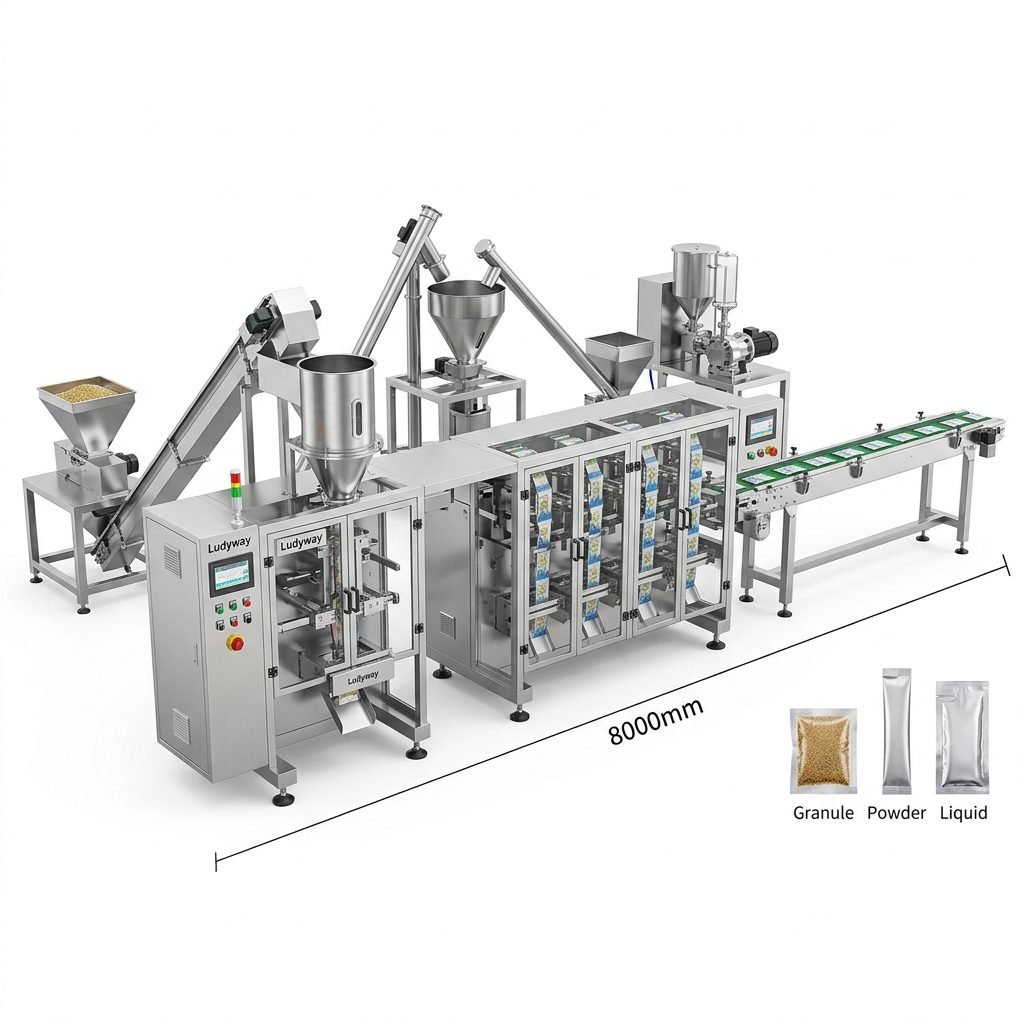
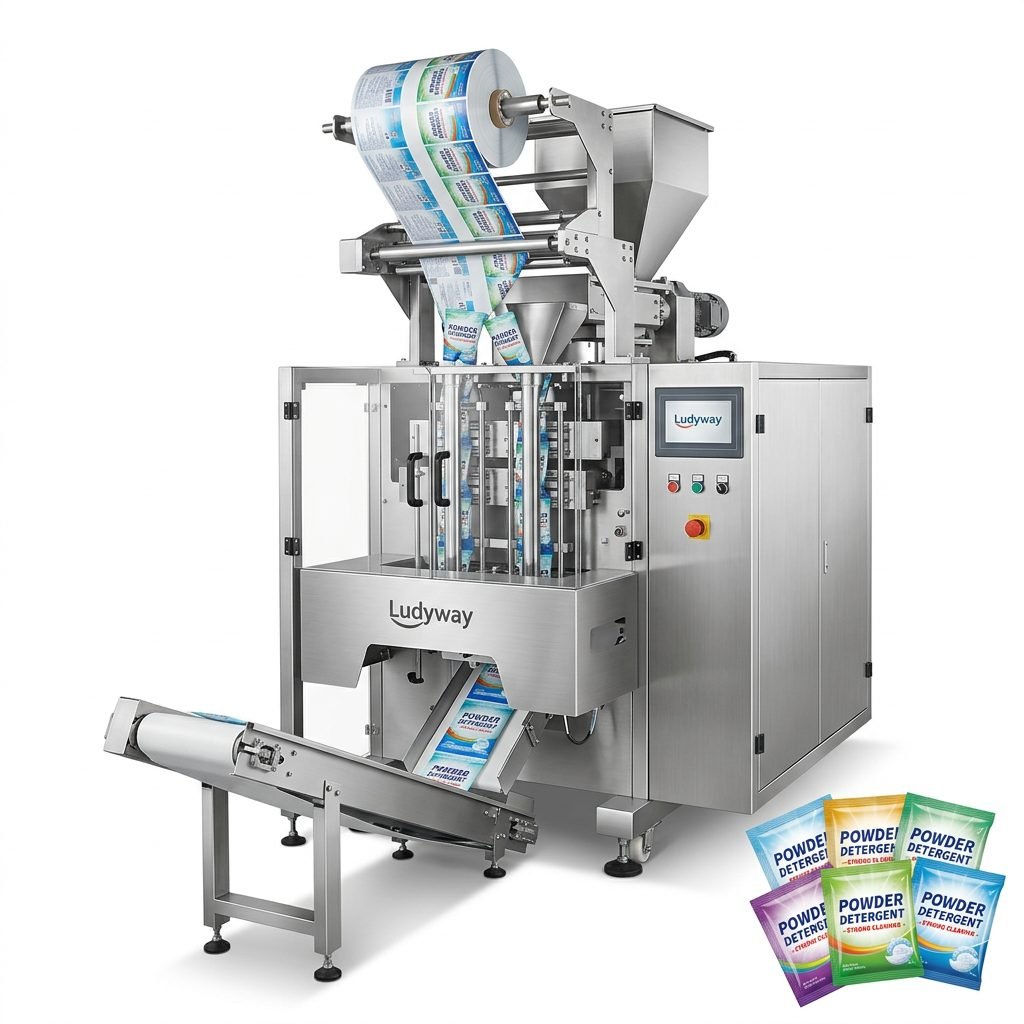
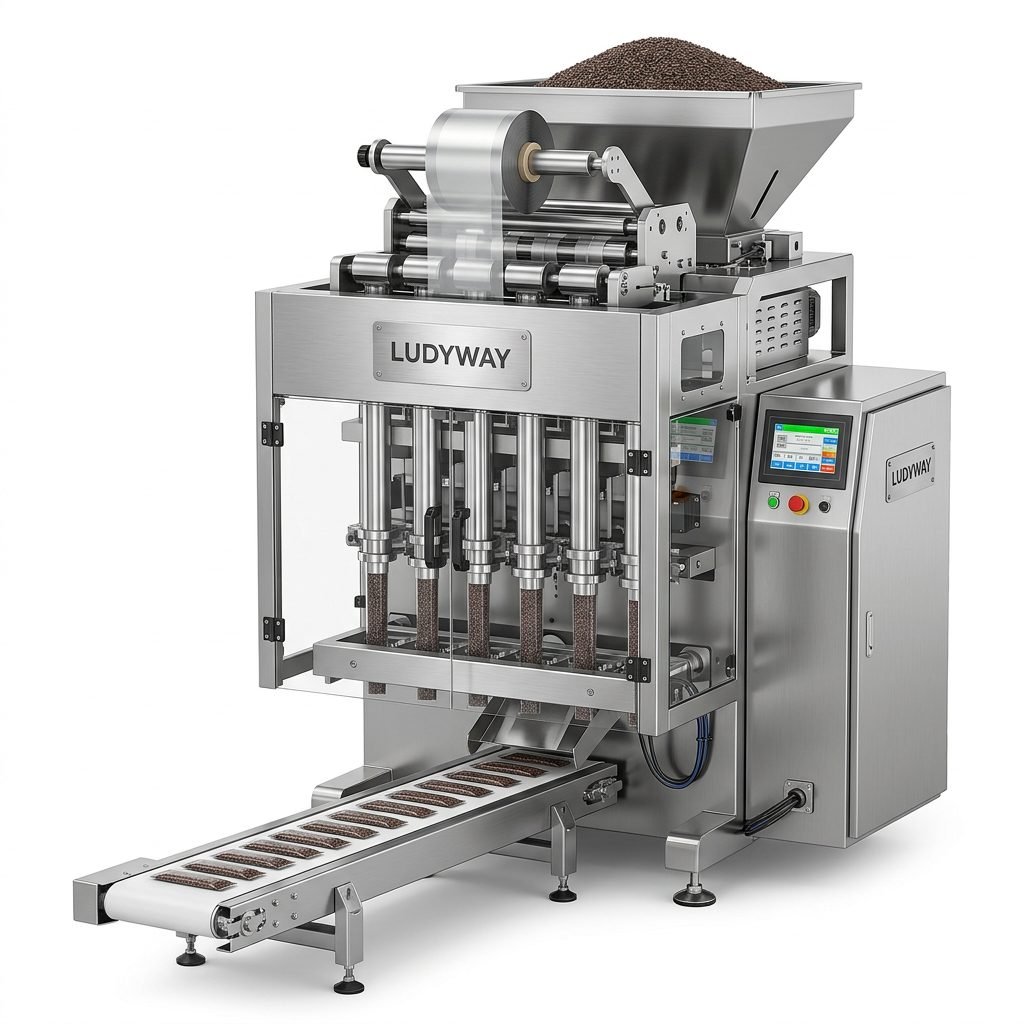
Ideal for single-serving powders, granules, or liquids. The machine forms a tube from a roll of laminated film, fills it with a measured dose of the product, and then seals and cuts it into individual sticks or sachets. While not exclusively for circles, they perfectly package items like effervescent tablets or powdered drink mixes in a compact, portable format.
Counting and Filling Machines
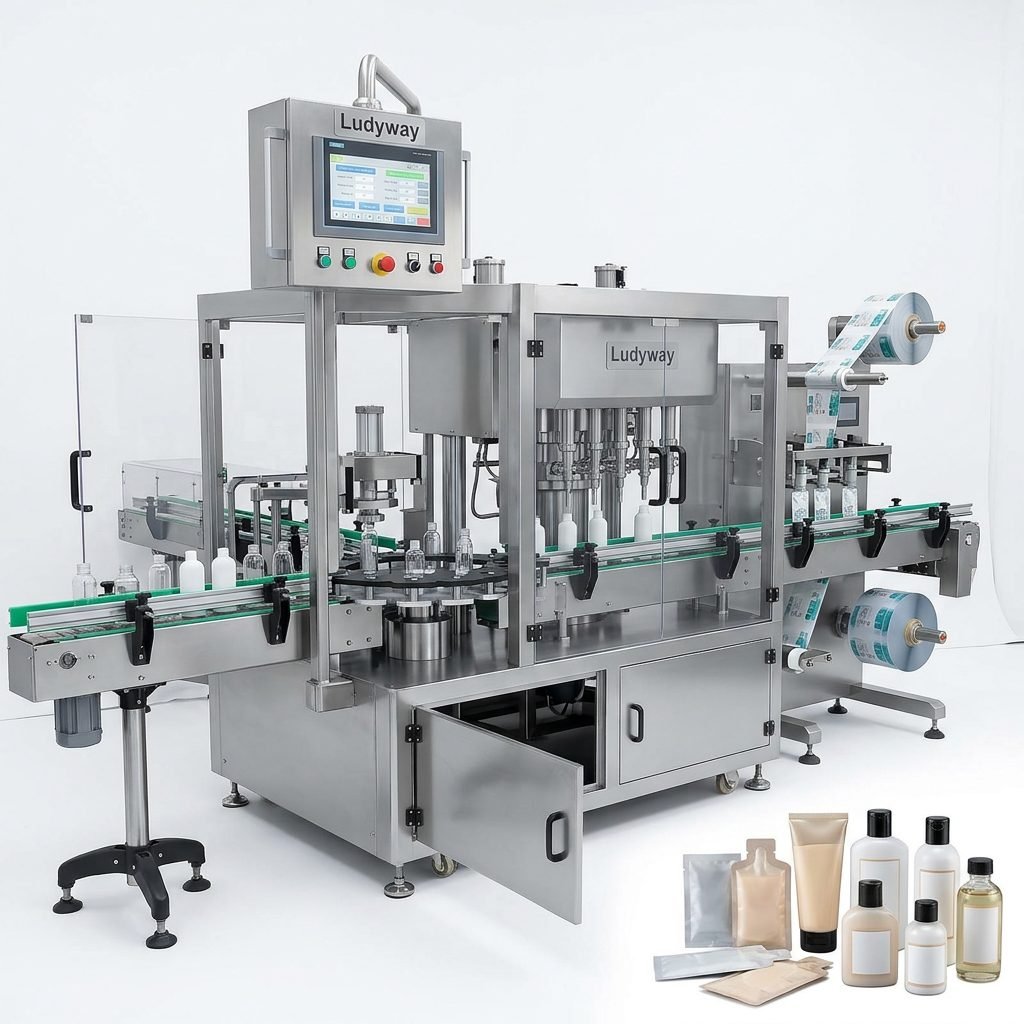
This category focuses on accurately counting a predetermined number of circular items (like tablets or candies) and depositing them into bottles, jars, or pouches. They often integrate with capping and labeling systems to form a complete bottling line. Precision counting is critical here to comply with regulatory standards and maintain consumer trust.
➤ Industry Spotlight: Pharmaceuticals
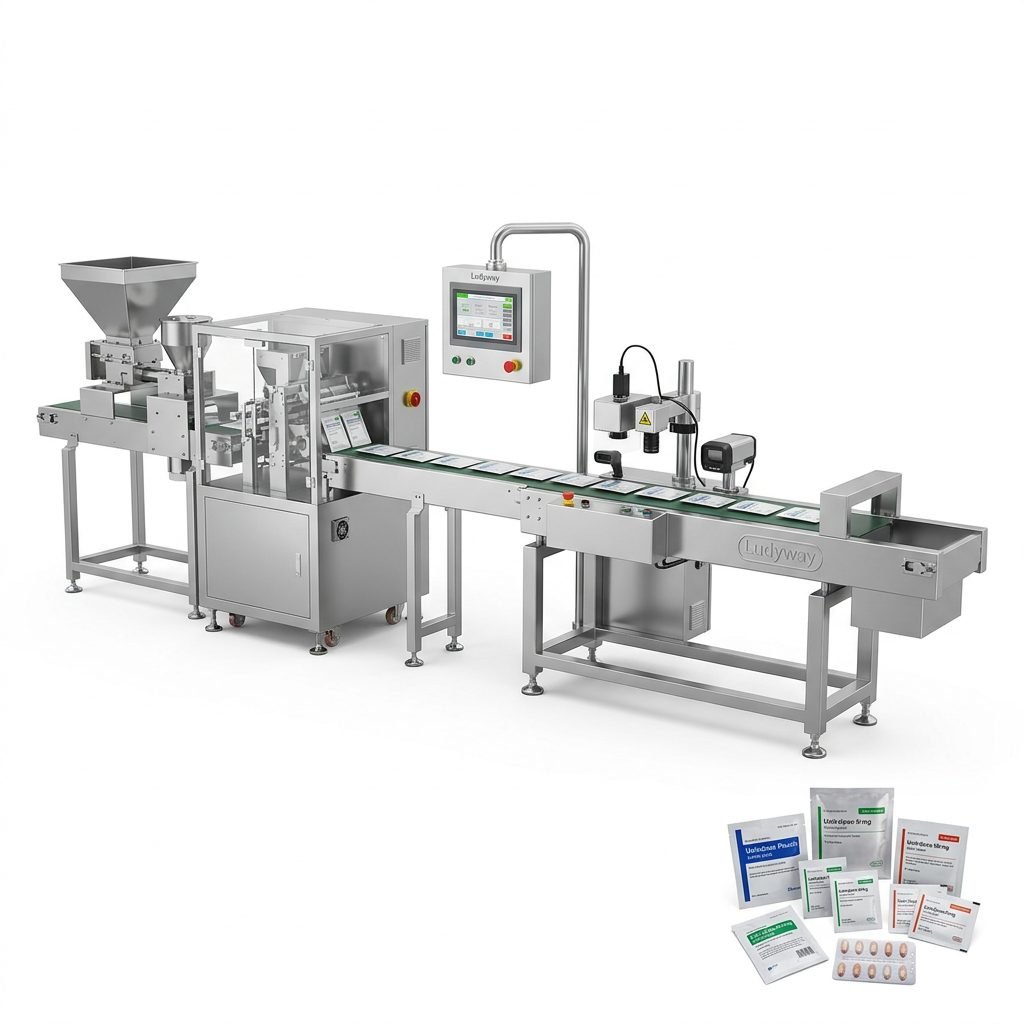
In the pharmaceutical sector, circle packaging machines must adhere to stringent Good Manufacturing Practice (GMP) standards. Machines are often constructed with stainless steel for easy cleaning and sanitization, feature validated counting systems to prevent errors, and include comprehensive track-and-trace capabilities for serialization.
Core Applications Across Industries
The versatility of circle packaging machinery makes it indispensable in several key sectors.
- Pharmaceuticals: Packaging tablets, capsules, lozenges, and medicated candies in blisters or bottles.
- Food & Beverage: Packaging mint candies, chewing gum, bottle caps, drink powders, and single-serve coffee discs.
- Healthcare & Nutraceuticals: Handling vitamin tablets, supplement capsules, and effervescent products.
- Electronics & Hardware: Counting and packaging batteries, LEDs, nuts, washers, and other small circular components.
- Cosmetics: Packaging small soap discs, bath beads, and similar round personal care items.
Tangible Benefits for Your Business
Investing in automated circle packaging technology delivers a strong return on investment through multiple channels.
1. Dramatically Increased Efficiency & Output: Machines operate continuously at high speeds, far surpassing manual packaging. This allows businesses to scale production to meet demand without proportionally increasing labor costs.
2. Unmatched Accuracy and Consistency: Automated counting eliminates human error, ensuring every package contains the exact number of items. This reduces product giveaway and protects against costly recalls, particularly in regulated industries.
3. Enhanced Product Protection and Hygiene: The automated, sealed process creates a barrier against moisture, contamination, and tampering. This extends shelf life and is essential for product safety in food and pharma. Modern machinery designs prioritize cleanability and compliance with hygiene standards.
4. Significant Material and Labor Cost Savings: While the initial investment is required, the long-term savings are substantial. Precise material usage reduces waste, and automation lowers dependency on large packaging teams, allowing staff to be redeployed to higher-value tasks.
5. Improved Brand Presentation: Machines produce neat, professional, and uniform packages every time. This consistency enhances brand perception on the retail shelf and builds consumer confidence in the product’s quality.
Essential Buying Tips for Your Investment
Selecting the right machine requires careful consideration of your specific needs.
1. Define Your Core Requirements
Start by listing your non-negotiables: Product dimensions (diameter, thickness), required packaging speed (packs per minute), packaging format (blister, sachet, bottle), and film/foil materials you plan to use. This will immediately narrow down your options.
2. Prioritize Machine Flexibility and Changeover
If you run multiple products or package sizes, look for machines with quick-change tooling and easy-to-program settings. Modular designs allow for future upgrades, protecting your investment as your business grows.
3. Evaluate Build Quality and Compliance
Inspect the construction materials. Stainless steel contact parts are a must for food and pharmaceutical use. Ensure the machine meets relevant safety (CE, UL) and industry-specific (GMP) standards for your market.
4. Scrutinize After-Sales Support
The supplier’s support is as important as the machine itself. Inquire about warranty terms, availability of spare parts, technical support (remote and on-site), and training for your operators. A supplier with a strong global service network is invaluable.
5. Request a Live Product Test
Never buy based on specifications alone. Arrange to send your actual product and packaging materials to the supplier for a performance test. This demonstrates the machine’s capability and reveals any potential handling issues before purchase.
Partnering with an experienced provider like Ludyway Machinery, which brings over a decade of focused expertise in packaging automation, can streamline this entire process. Their experience in delivering turnkey solutions for global manufacturers ensures you get a system tailored to your operational goals.
Frequently Asked Questions (FAQs)
Q1: What is the main difference between a blister pack machine and a stick pack machine for circular products?
A: Blister machines create rigid, thermoformed plastic cavities for solid items like tablets, offering high protection and visibility. Stick pack machines form flexible, sealed tubes from film, ideal for single-dose powders or granules that may contain a circular tablet component. The choice depends on your product’s physical form and market requirements.
Q2: How important is machine flexibility for a small business?
A: It is critical. Even a small business may have multiple SKUs. Investing in a machine with quick size changeovers and adaptable tooling prevents future bottlenecks and avoids the need for a separate machine for each new product, maximizing your return on investment from day one.
Q3: Can one machine handle different sizes of circular products?
A> Yes, most machines are designed with this in mind. However, it requires changing parts like vibratory bowl tracks, forming molds, or counting discs. The speed and complexity of this changeover process is a key factor to compare when evaluating different machine models.
Q4: What are the key maintenance requirements for these machines?
A: Regular maintenance includes daily cleaning to prevent product residue buildup, lubrication of moving parts as per the manufacturer’s schedule, and inspection of wear items like sealing jaws, punches, and feed tracks. A good preventive maintenance plan is essential for uptime and longevity.
Q5: How do I ensure the machine meets regulatory standards for my industry?
A> Clearly communicate your industry (e.g., FDA-regulated food, pharmaceutical) to the supplier upfront. Request documentation of compliance, such as certificates for materials in contact with product, GMP design features, and risk assessment reports. Reputable suppliers will be transparent and able to provide this information.