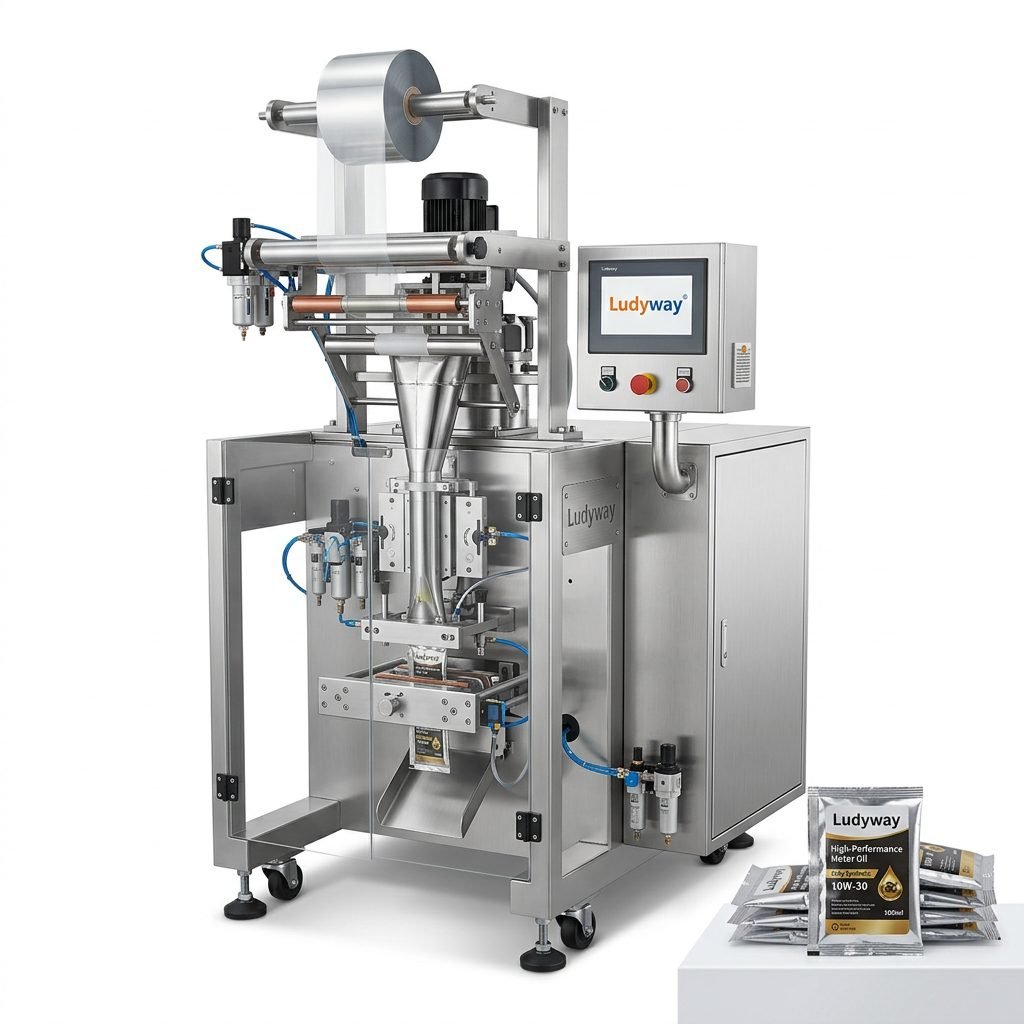
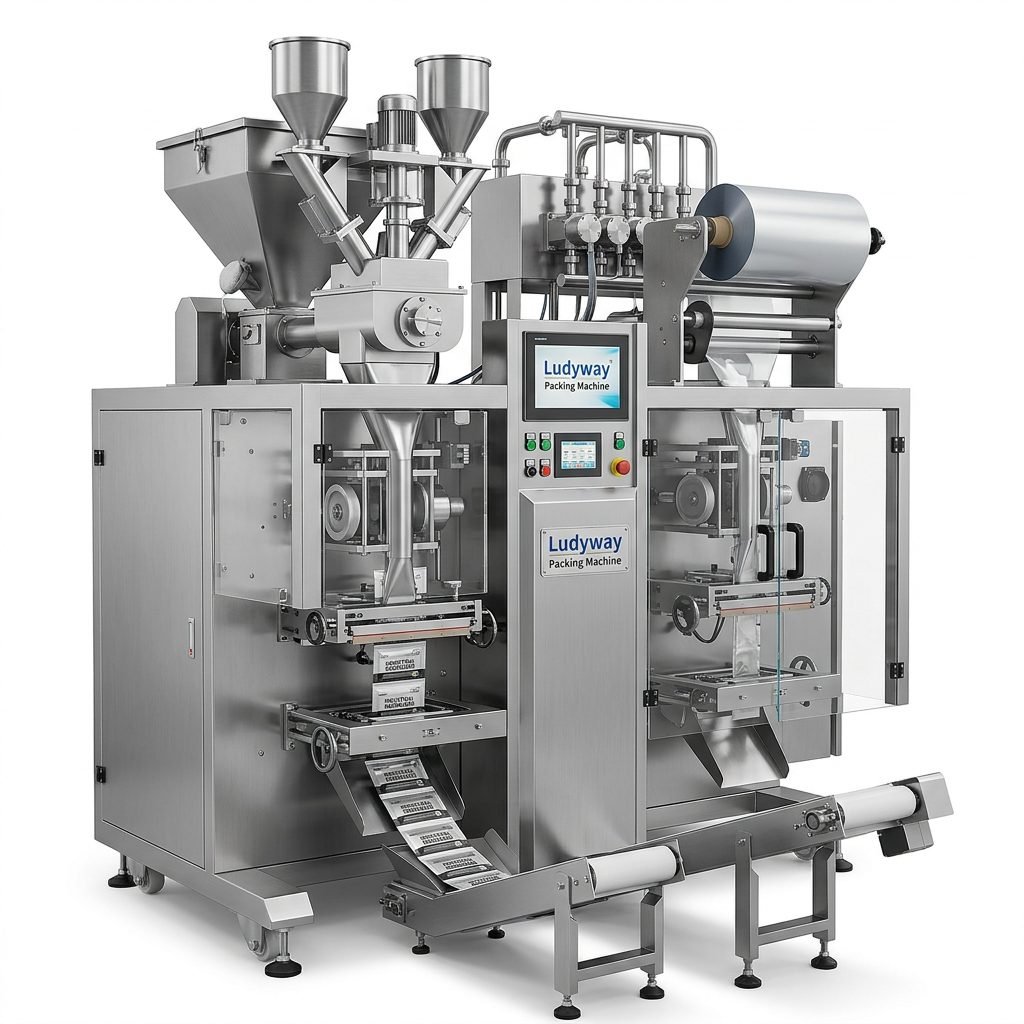
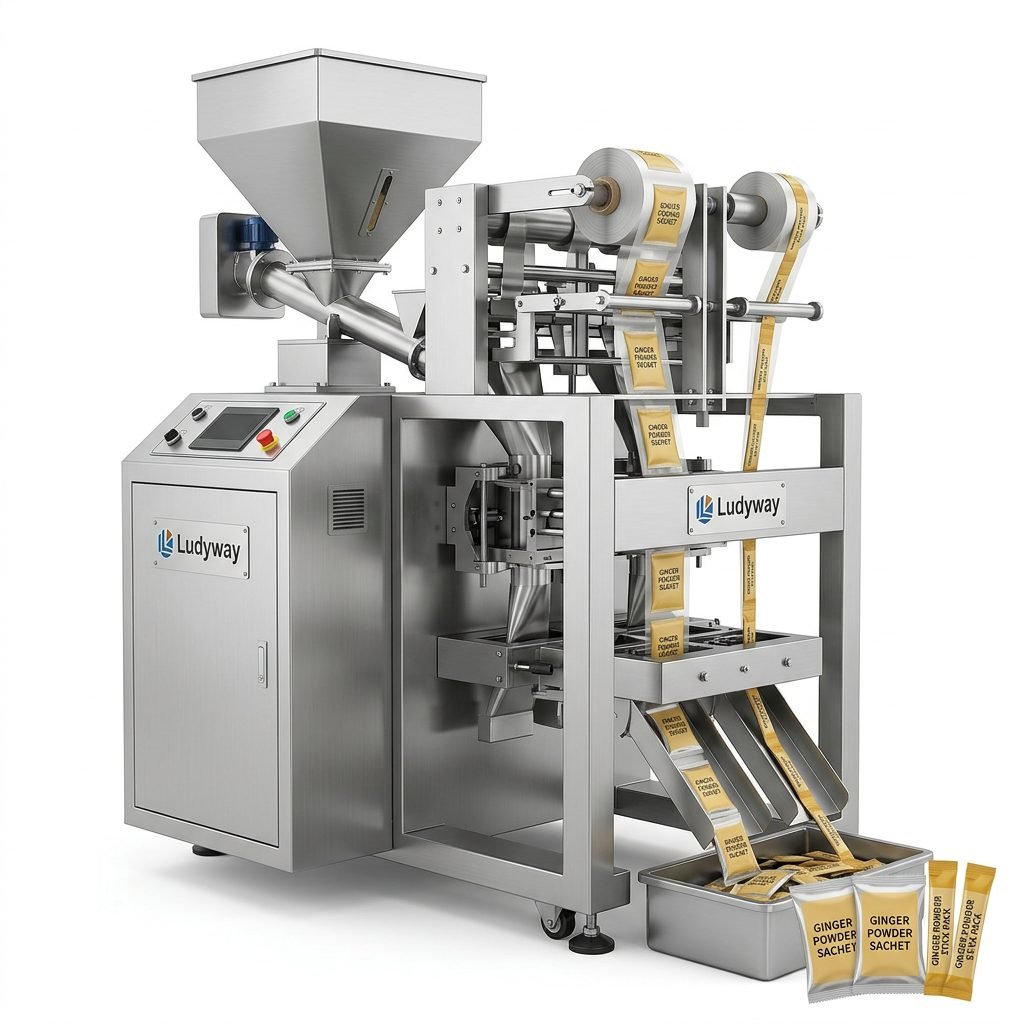
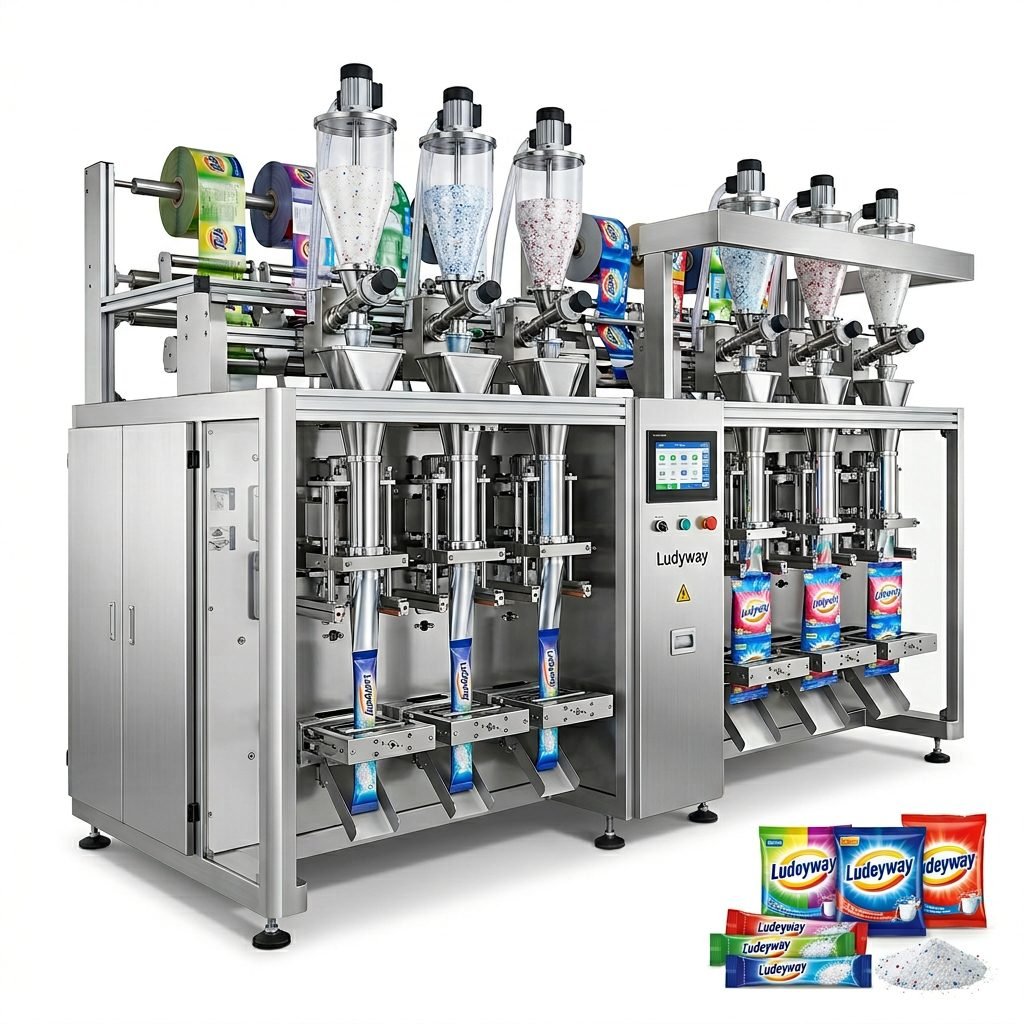
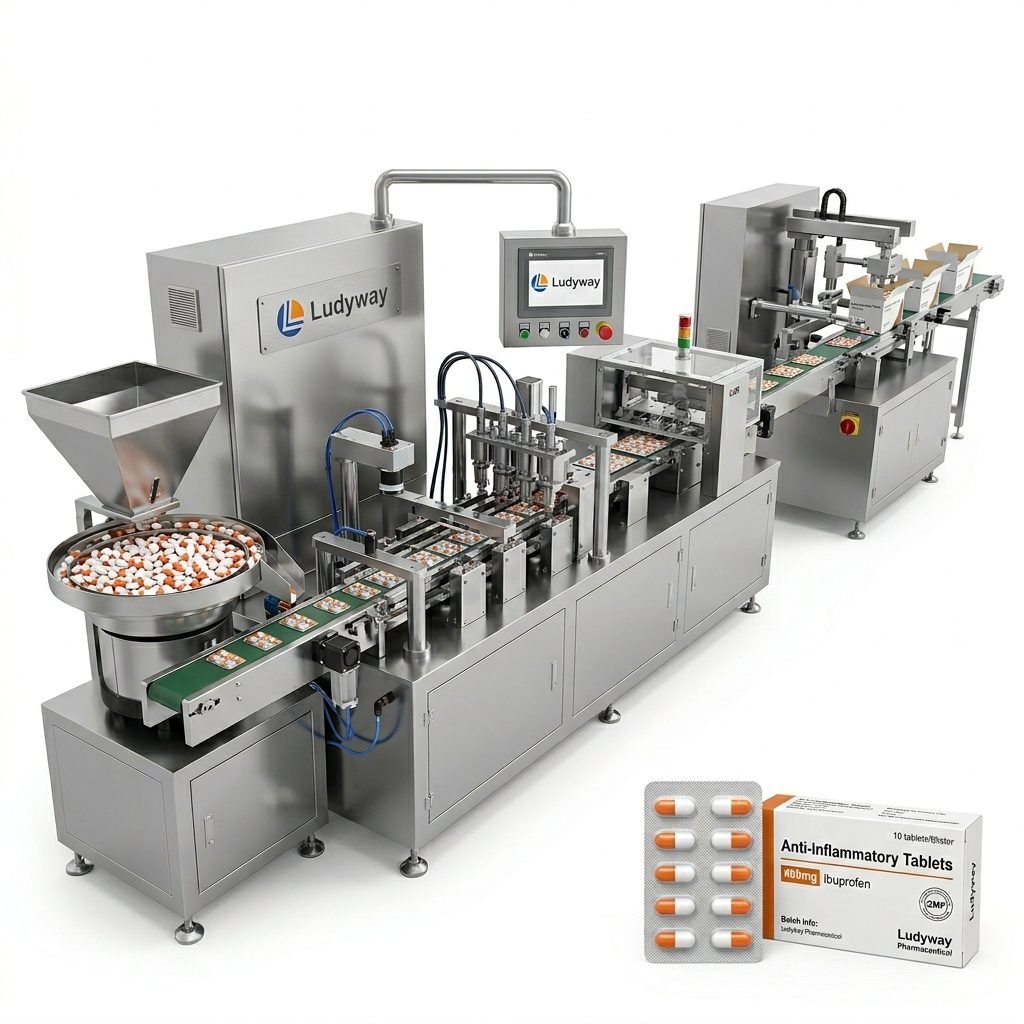
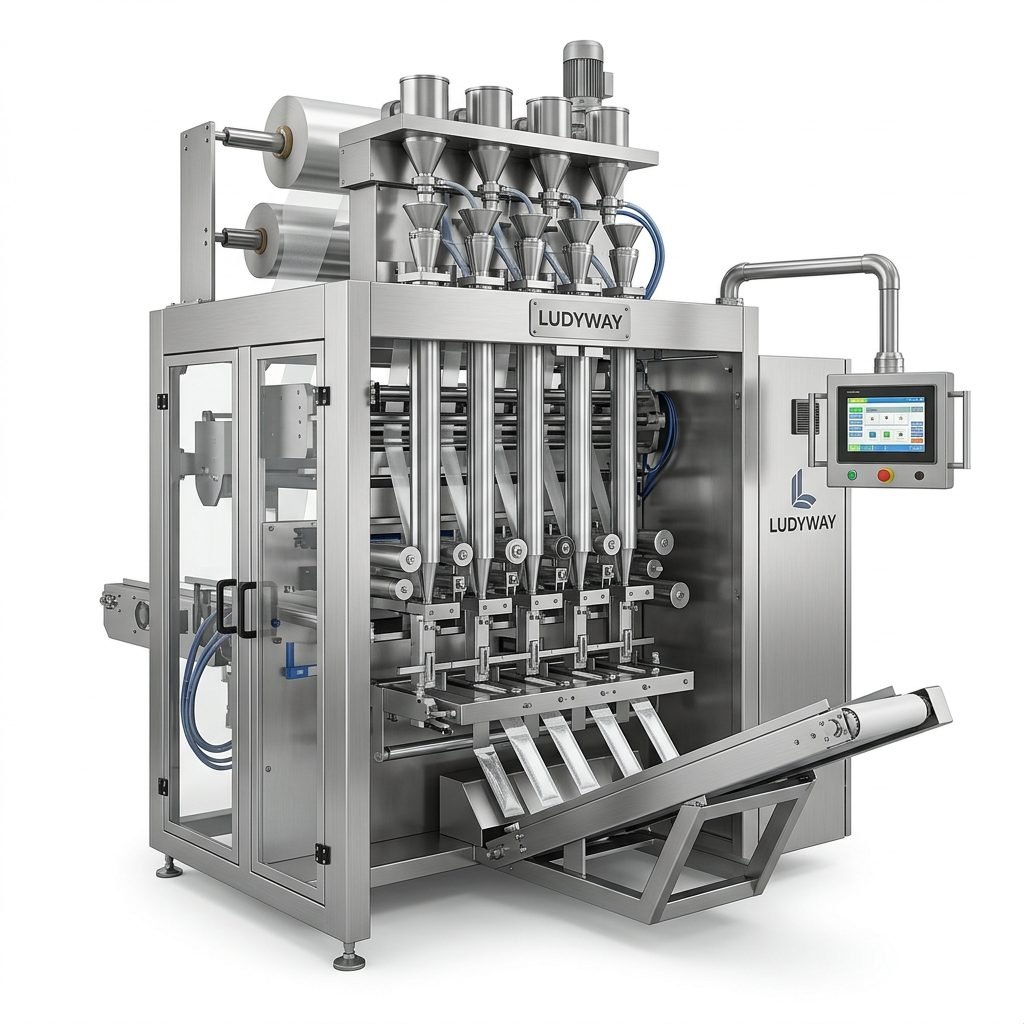
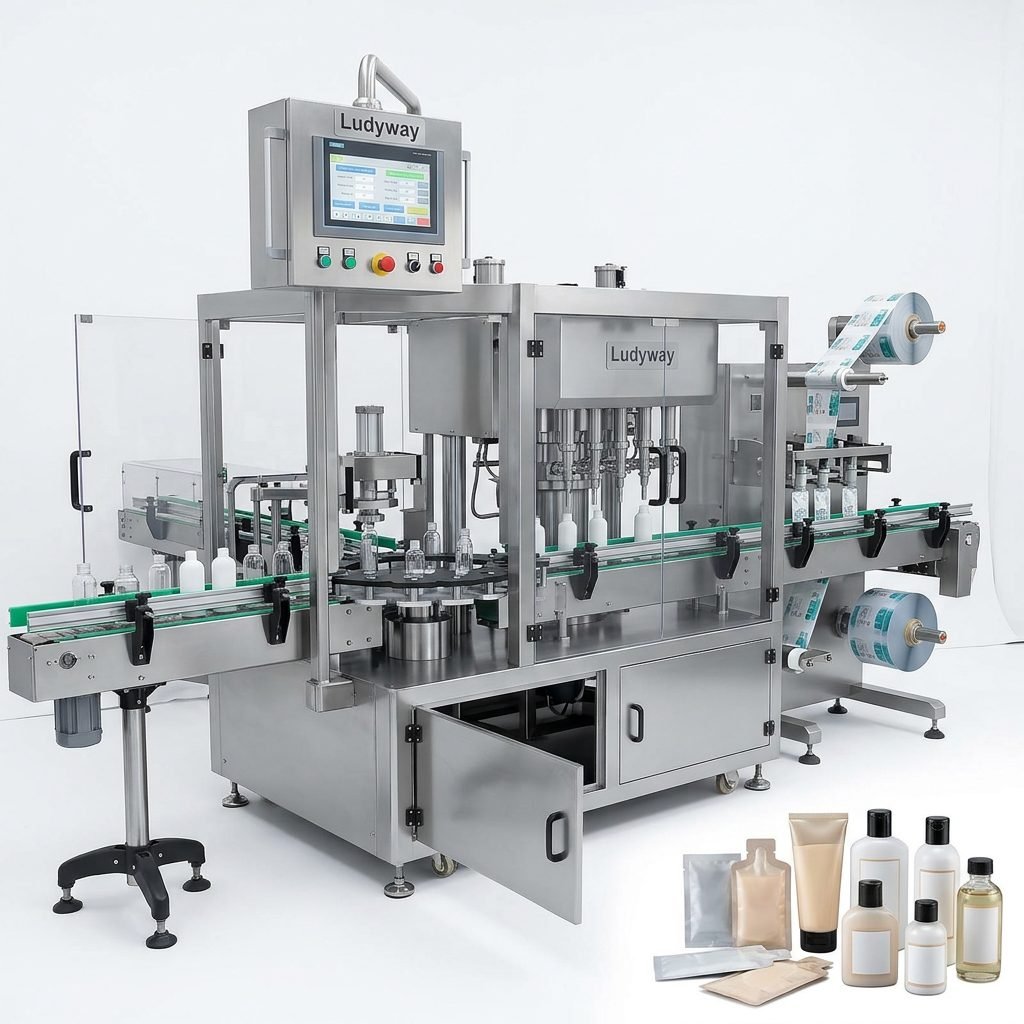
Proper maintenance of a spaghetti packaging machine is the single most important factor in ensuring consistent production output, minimizing costly downtime, and extending equipment lifespan. Whether you operate a multi-lane stick pack system or a high-speed granule packaging line for long pasta, implementing a structured maintenance routine directly impacts your bottom line. Neglecting routine care can lead to unexpected breakdowns, product waste, and compromised packaging integrity — issues no food manufacturer can afford. This guide outlines essential maintenance practices that every production team should follow to keep equipment running at peak performance.
According to industry data from the State of the Industry Reports, proactive maintenance strategies significantly reduce total cost of ownership for packaging machinery. Understanding your machine’s critical components and how they interact is the first step toward building an effective maintenance program.

Daily Cleaning Procedures for Spaghetti Packaging Equipment
A daily cleaning protocol is the foundation of any reliable maintenance program. Spaghetti, being a dry granular food product, generates dust and fine particles during the packaging process. These particles accumulate on sensors, sealing jaws, and moving components, potentially causing malfunctions or contamination risks. Your daily routine should include the following steps:
- Remove residual product from hoppers, feeding trays, and filling nozzles using compressed air or a vacuum system — never use water near electrical components
- Wipe down all stainless steel surfaces with food-grade cleaning agents to prevent starch buildup and bacterial growth
- Inspect and clean photoelectric sensors that control film registration and pouch positioning; dust accumulation here is a leading cause of misalignment errors
- Clear film path rollers of any adhesive residue or debris that could affect film tension and sealing quality
- Check and empty dust collection trays if your machine is equipped with an integrated dust extraction system
Compliance with food packaging and food contact substance regulations requires that all cleaning procedures meet established hygiene standards. Documentation of daily cleaning activities is equally important for audit readiness.
Lubrication: Protecting Critical Moving Parts
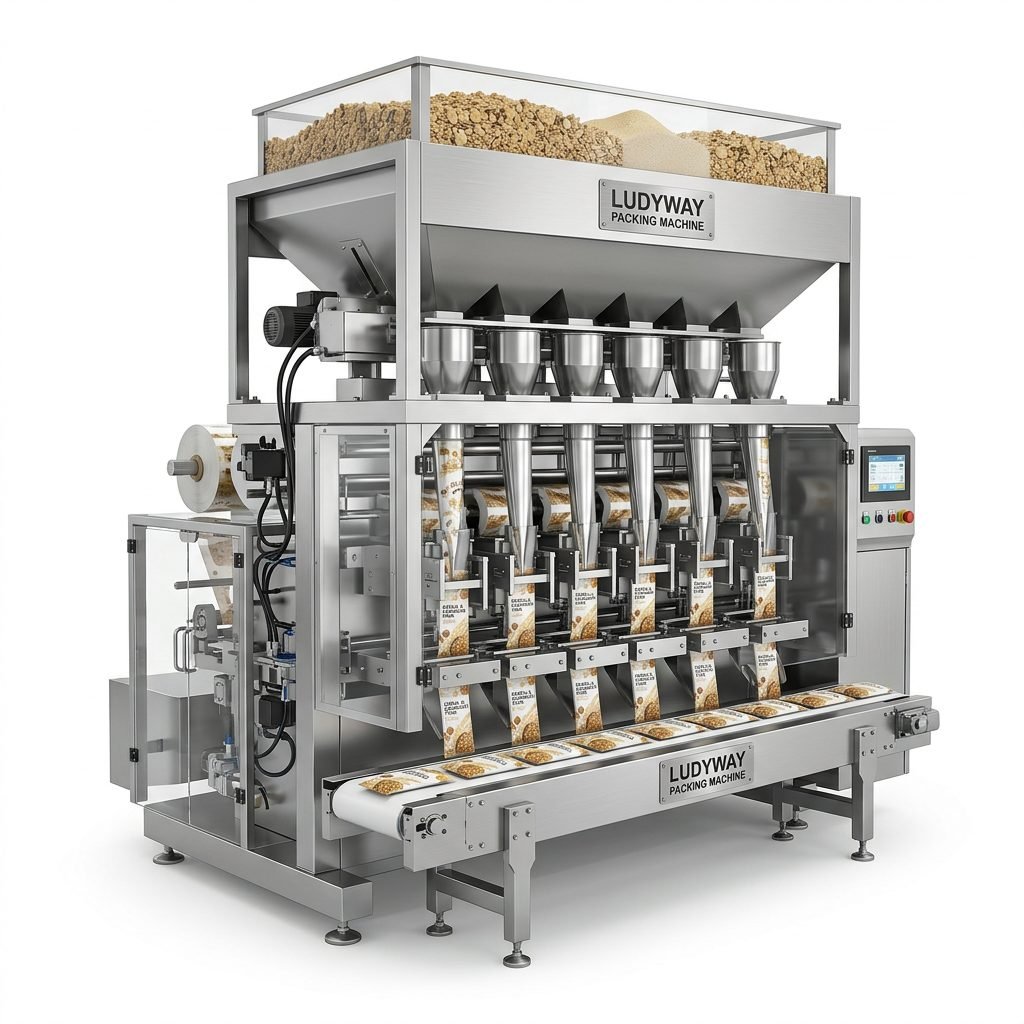
Proper lubrication is arguably the most critical preventive measure you can take. A spaghetti packaging machine contains numerous moving components — cam drives, bearing assemblies, chain drives, and sealing jaw mechanisms — all of which operate under continuous stress during high-speed production cycles. Without adequate lubrication, friction leads to accelerated wear, increased power consumption, and eventual component failure.
Key lubrication considerations include:
- Use only food-grade lubricants (H1 or H2 classification) for any lubrication points that may have incidental product contact
- Follow manufacturer-recommended intervals for each lubrication point — over-lubrication can be as damaging as under-lubrication
- Pay special attention to sealing jaw bearings, as these operate under both mechanical stress and elevated temperatures
- Inspect automatic lubrication systems weekly to ensure reservoirs are filled and distribution lines are not clogged
Equipment that meets ISO packaging standards typically includes detailed lubrication specifications in the technical documentation. Always reference your machine’s specific manual before applying any lubricant.
Inspection and Replacement of Wear Components
Every spaghetti packaging machine has components designed to wear over time and require eventual replacement. Identifying these parts before they fail is the essence of predictive maintenance. The most common wear items in granule and powder packaging equipment include:
| Wear Component | Typical Lifespan | Warning Signs |
|---|---|---|
| Sealing jaws / heating elements | 6-12 months | Inconsistent seal strength, visible wear patterns, temperature fluctuations |
| Cutting blades / knives | 3-8 months | Jagged cuts, incomplete separation, increased cutting resistance |
| Film feed belts and rollers | 8-18 months | Slipping, tracking issues, visible cracking or glazing |
| O-rings and gaskets | 4-12 months | Product leakage, air pressure loss, visible deformation |
| Sensor lenses and reflectors | 12-24 months | Frequent false readings, intermittent operation, slow response |
Maintaining an organized spare parts inventory for these critical wear items prevents extended downtime when replacements are needed. We recommend keeping at minimum one set of each wear component on hand at all times. Resources from the packaging industry resource library provide additional guidance on spare parts management strategies.
Calibration and Adjustment Procedures
Regular calibration ensures that your spaghetti packaging equipment maintains precise fill weights, consistent seal integrity, and accurate pouch dimensions. Over time, vibration and mechanical wear cause settings to drift, leading to product giveaway or underfilled packages — both of which are costly problems. Calibration should address the following systems:
- Weighing and dosing systems — Verify accuracy against a certified scale weekly; recalibrate load cells monthly or whenever product density changes
- Temperature controllers — Confirm that sealing jaw temperatures match setpoints using an external thermocouple; recalibrate PID parameters as needed
- Film tension control — Adjust dancer arm position and brake settings to maintain consistent film feed without stretching or wrinkling
- Pouch length registration — Verify that printed registration marks align correctly with cutting and sealing positions
Preventive Maintenance Schedule Overview
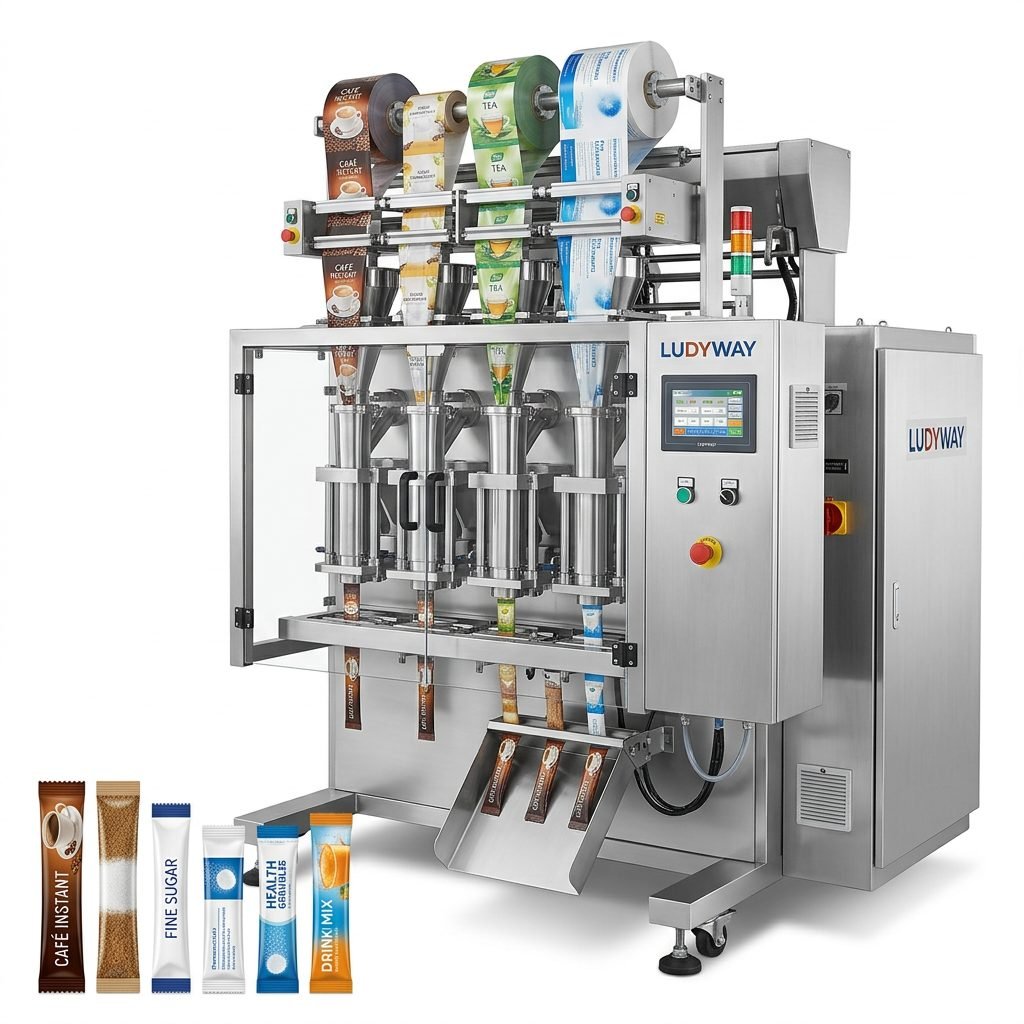
Establishing a structured maintenance calendar transforms reactive firefighting into planned, efficient operations. Below is a recommended schedule framework that can be adapted to your specific spaghetti packaging line configuration:
| Frequency | Maintenance Tasks | Responsible Party |
|---|---|---|
| Daily | Clean product contact surfaces, inspect sensors, check film alignment, verify seal quality | Machine Operator |
| Weekly | Lubricate bearings and chains, inspect wear components, clean electrical cabinets, verify safety systems | Maintenance Technician |
| Monthly | Calibrate weighing systems, check belt tension, inspect pneumatic systems, test emergency stops | Maintenance Supervisor |
| Quarterly | Replace worn sealing components, full sensor diagnostics, drive system inspection, software backup | Senior Technician |
| Annually | Complete machine overhaul, replace all wear parts, gearbox oil change, full electrical inspection | Manufacturer Service Team |
Troubleshooting Common Spaghetti Packaging Machine Issues
Even with diligent maintenance, issues can arise during high-volume production. Quick diagnosis and resolution are essential to minimize downtime. Here are some of the most frequently encountered problems and their likely causes:
- Inconsistent fill weights: Check for product bridging in the hopper, verify that the weighing system has been properly tared, and inspect the dosing auger or volumetric cup for wear
- Weak or leaking seals: Verify sealing temperature is within specification, inspect heating elements for hot spots, check that film tension is consistent, and ensure sealing jaws are clean and parallel
- Film tracking or wrinkling: Inspect all guide rollers for alignment, verify film roll is centered on the unwind mandrel, check tension settings, and ensure forming tube surfaces are smooth
- Intermittent machine stops: Look for dust accumulation on sensors, check all electrical connections, verify compressed air pressure is stable, and inspect safety interlock switches
- Excessive product breakage: Reduce filling speed, check for sharp edges in the product pathway, verify drop height is appropriate, and inspect that vibration settings are not too aggressive
Keeping a detailed maintenance logbook that records all issues, interventions, and parts replacements is invaluable for identifying recurring problems and optimizing your preventive maintenance program. Industry best practices for maintenance documentation align with guidelines published by the Association for Packaging and Processing Technologies (PMMI).

Operator Training: The Human Element of Machine Maintenance
No maintenance program can succeed without well-trained operators. The individuals running your spaghetti packaging equipment daily are your first line of defense against mechanical issues. They should be trained to recognize early warning signs such as unusual noises, vibrations, odor changes, or subtle variations in package quality. Comprehensive operator training should cover:
- Proper startup and shutdown procedures — Incorrect sequencing can damage sensitive components
- Basic troubleshooting skills — Empowering operators to resolve minor issues without calling maintenance
- Cleaning and sanitization protocols — Ensuring compliance with food safety requirements
- Documentation practices — Recording observations, maintenance activities, and any anomalies in the shift log
When investing in a spaghetti packaging machine or any granule packaging system, partnering with a manufacturer that provides comprehensive training and ongoing technical support makes a measurable difference in long-term equipment performance. Ludyway Packaging Machinery, one of the largest packaging machine manufacturers in China with over 30 years of industry expertise, supplies advanced packaging equipment along with professional technical support and training to customers in over 100 countries, helping businesses maintain optimal productivity and operational efficiency throughout the equipment lifecycle.
Implementing a Computerized Maintenance Management System (CMMS)
For operations running multiple packaging lines, a CMMS platform transforms maintenance from a manual, paper-based process into a data-driven operation. These systems track maintenance history, automatically generate work orders based on runtime or calendar intervals, manage spare parts inventory, and provide analytics that help identify trends in equipment performance. The return on investment typically comes through reduced unplanned downtime and extended asset life.
By following these essential maintenance practices — from daily cleaning and proper lubrication to scheduled component replacement and operator training — you can significantly extend the service life of your spaghetti packaging machinery while maintaining consistent, high-quality output. The most successful food manufacturers treat maintenance not as an expense but as a strategic investment in production reliability and product quality.