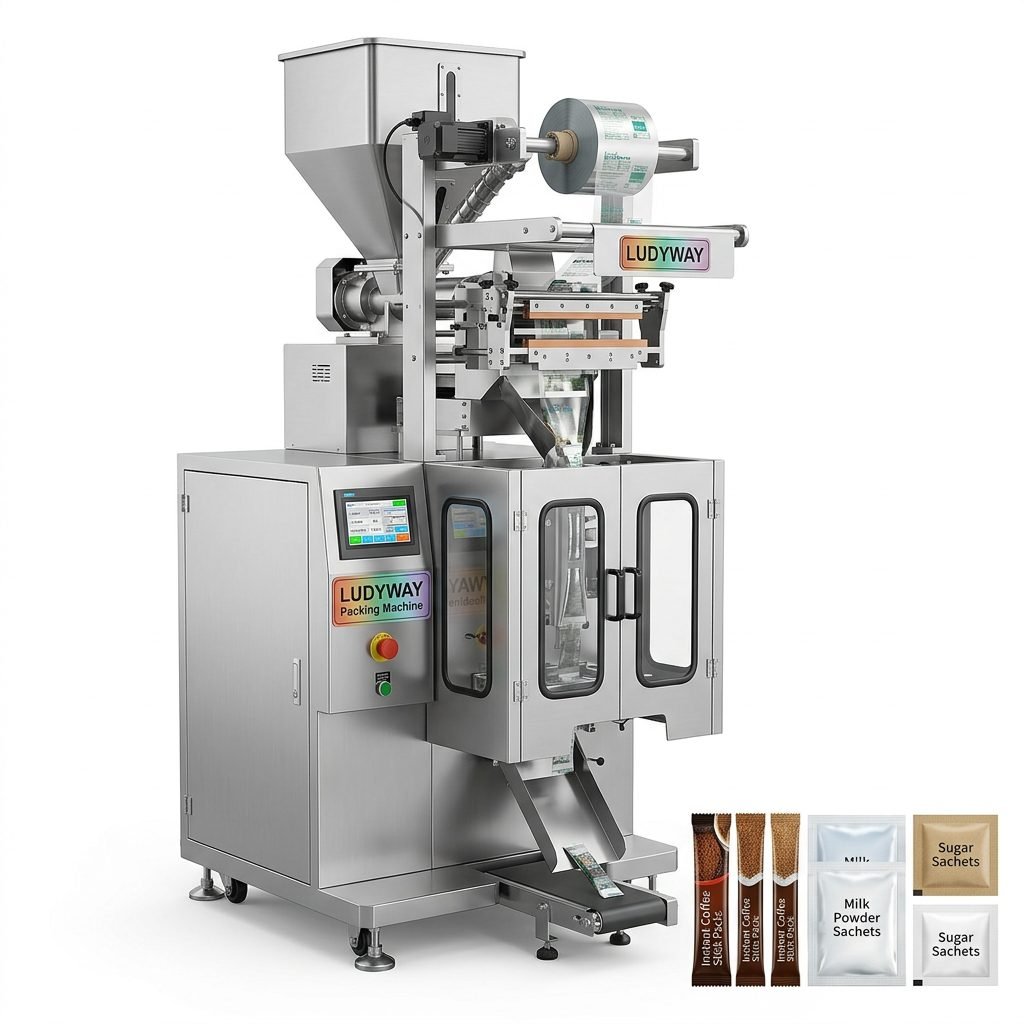
The African snack food market is experiencing unprecedented growth. With a rapidly expanding middle class, increasing urbanization, and a youthful population, the demand for packaged snacks is soaring. Setting up a local production line is no longer just an option—it’s a strategic imperative for capturing market share, reducing logistics costs, and ensuring product freshness. This comprehensive guide walks you through the essential steps of planning, procuring, and installing a high-efficiency snack food packaging machine production line in Africa.
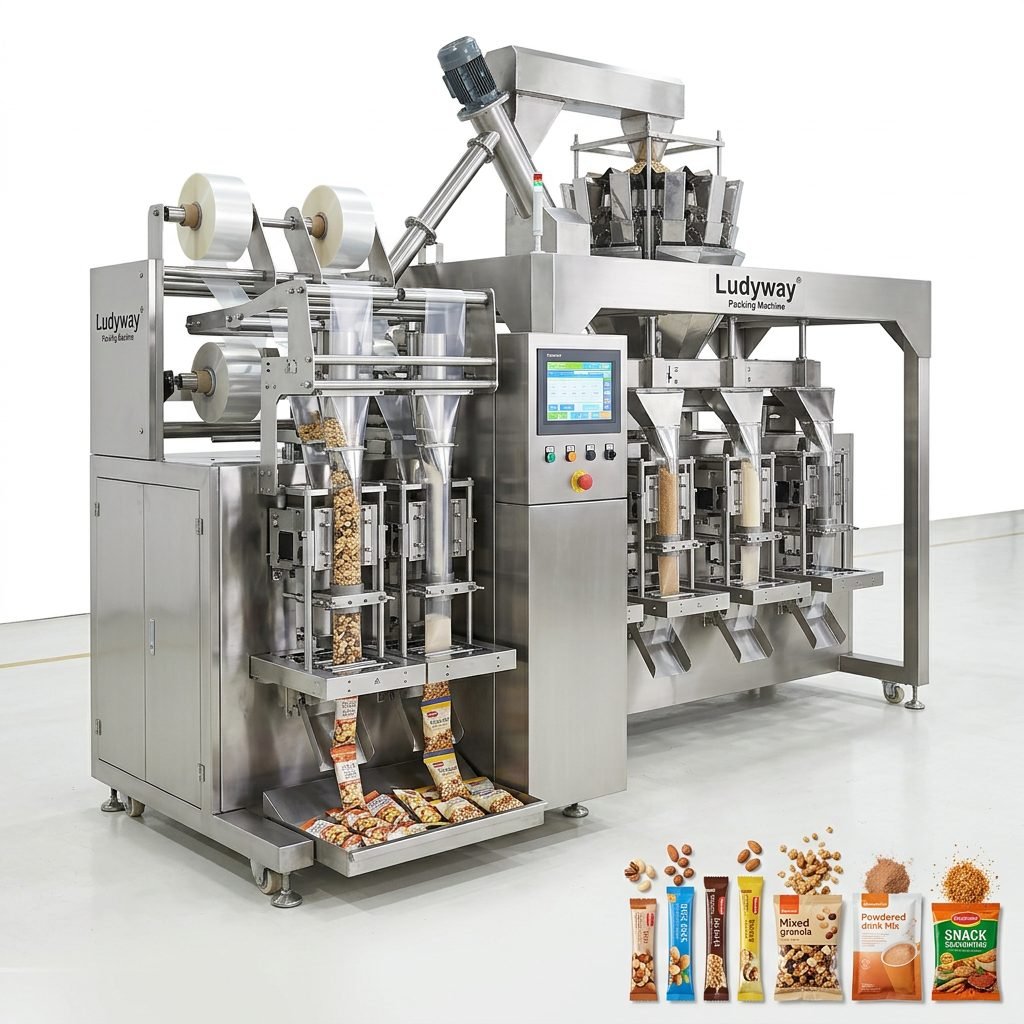
Understanding the African Snack Market Landscape
Before diving into machinery, a granular understanding of the target market is critical. The African continent is not a monolith; consumer preferences vary significantly from Nigeria to Kenya to South Africa. Common popular snack categories include extruded snacks, fried chips, nuts, and baked goods, often packaged in small, affordable sachets or pillow bags. Flexibility in packaging formats is essential to cater to both premium and mass-market segments.
Key operational factors demand specific machine features. The challenging environment, characterized by inconsistent power supply, high humidity, and dust, requires complete packaging line solutions that are robust, easy to maintain, and built with durable components. Machines designed with tropicalized electrical systems and stainless steel construction offer a distinct advantage.
Phase 1: Strategic Planning for Your Production Line
A successful setup begins long before any equipment is ordered. This phase defines the entire project’s scope and budget.
1.1 Defining Product Type and Packaging Format
Your product characteristics directly determine the right packaging technology. Is your snack a free-flowing granule (like roasted peanuts), a fragile chip, or a sticky powder? This dictates the feeding, weighing, and filling mechanism. Key packaging formats include:
- Pillow Bags: The most common and cost-effective format for chips and puffs.
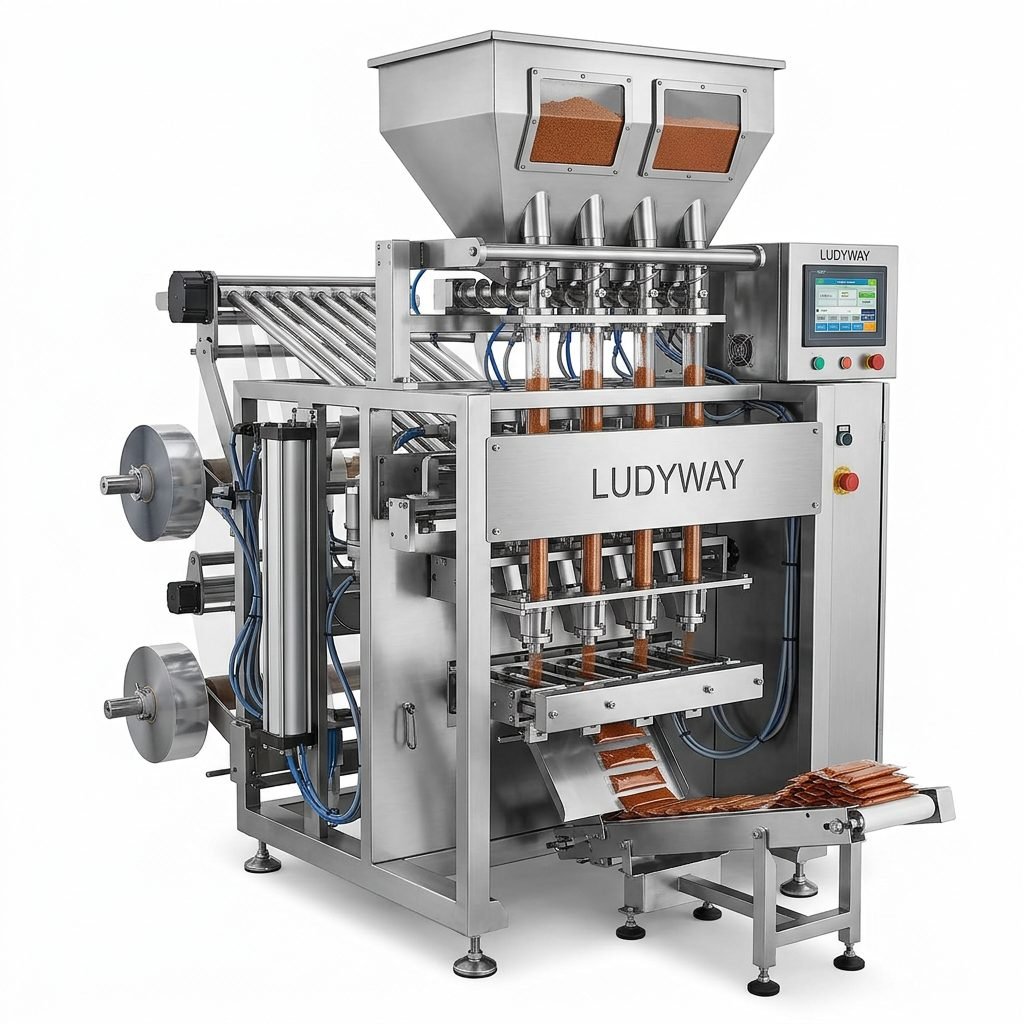
- Sachets & Stick Packs: Ideal for single-serve, affordable market segments, driving volume and brand trial.
- Quad Seal Bags: Offer premium shelf appeal and stability for higher-value snacks.
- Doypacks (Stand-up Pouches): Popular for resealable, premium products like dried fruit or granola.
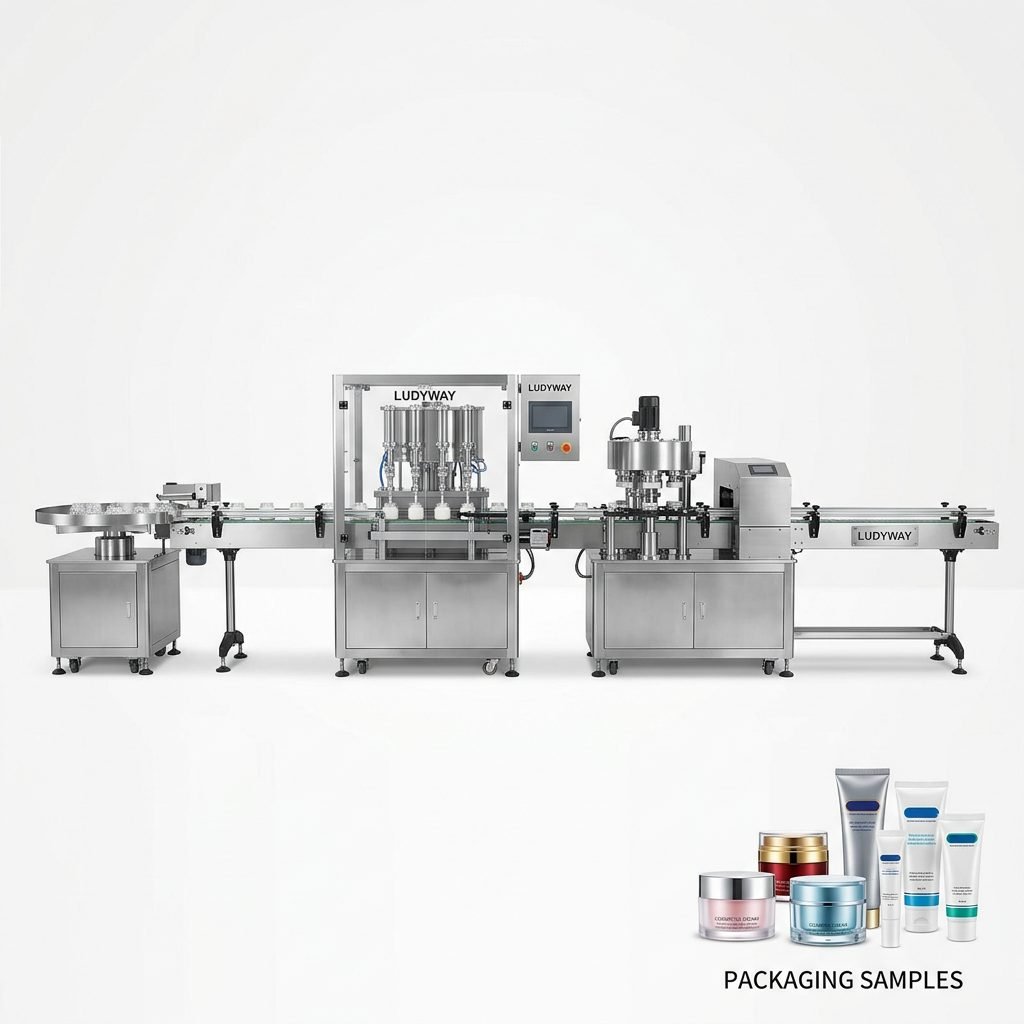
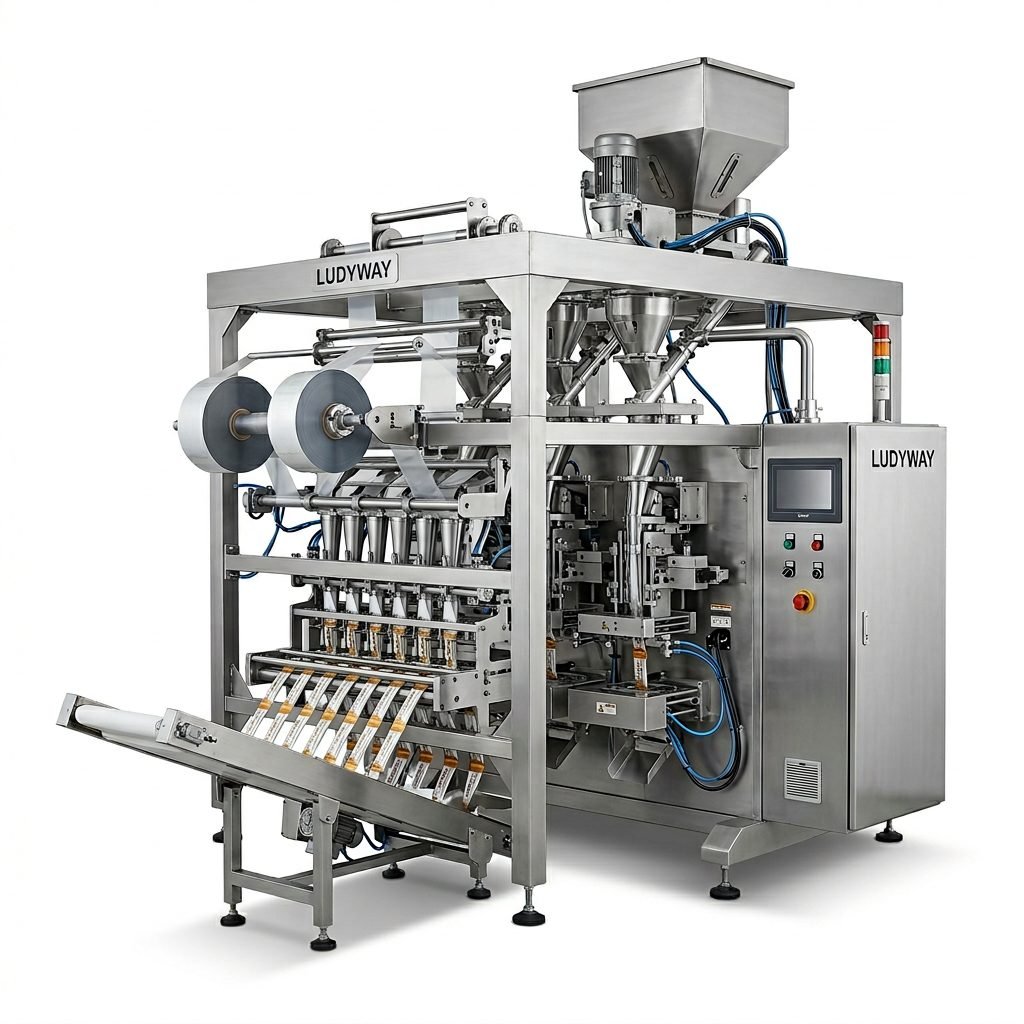
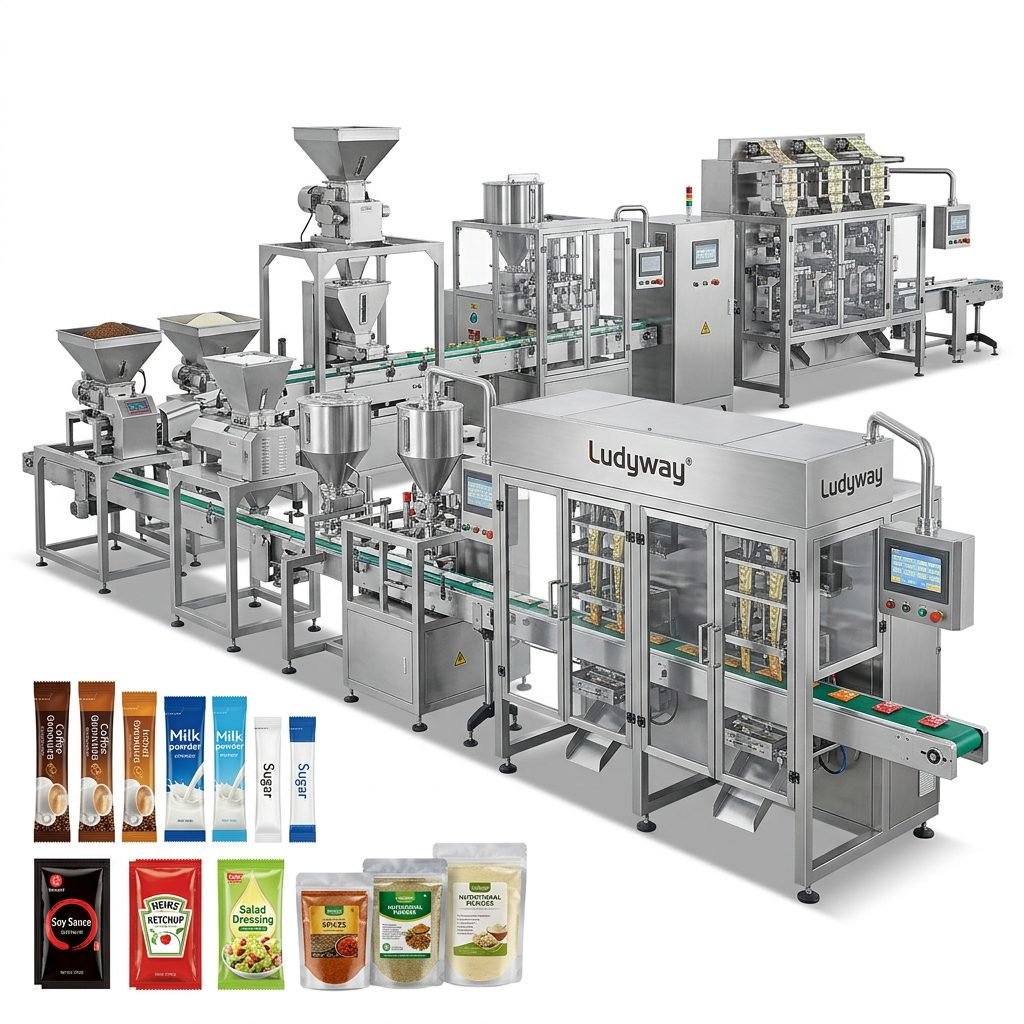
Selecting a multi-lane stick pack machinery can dramatically boost output for high-volume, single-serve products.
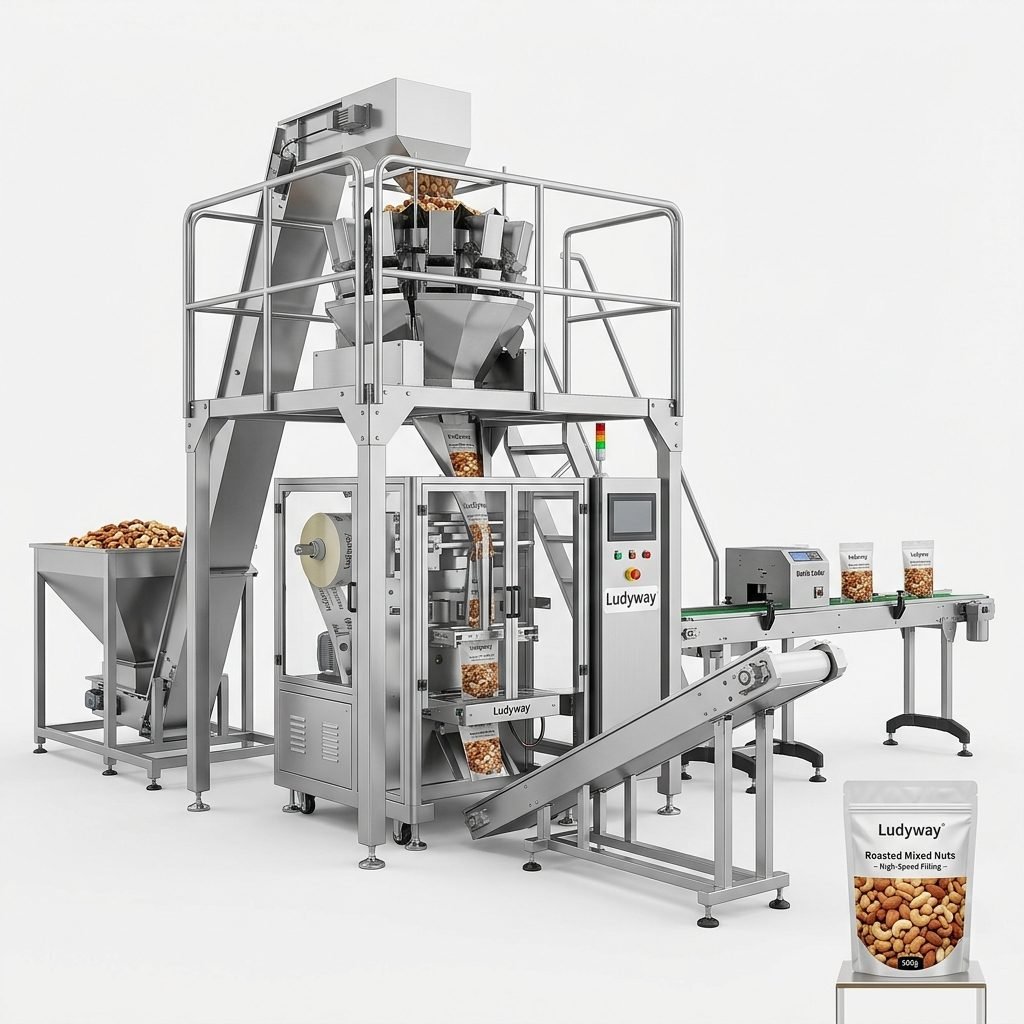
1.2 Calculating Optimal Production Capacity (kg/hr & packs/hr)
Estimate your peak demand over the next 3-5 years. It’s more cost-effective to machine that can scale with your growth. For instance, a medium-sized enterprise might target an initial capacity of 1,500-2,500 packs per hour, which a high-performance single-lane machine can achieve. Large-scale manufacturers aiming for mass distribution often require multi-lane systems exceeding 5,000-15,000 packs per hour.
Phase 2: Selecting the Core Packaging Machine Technology
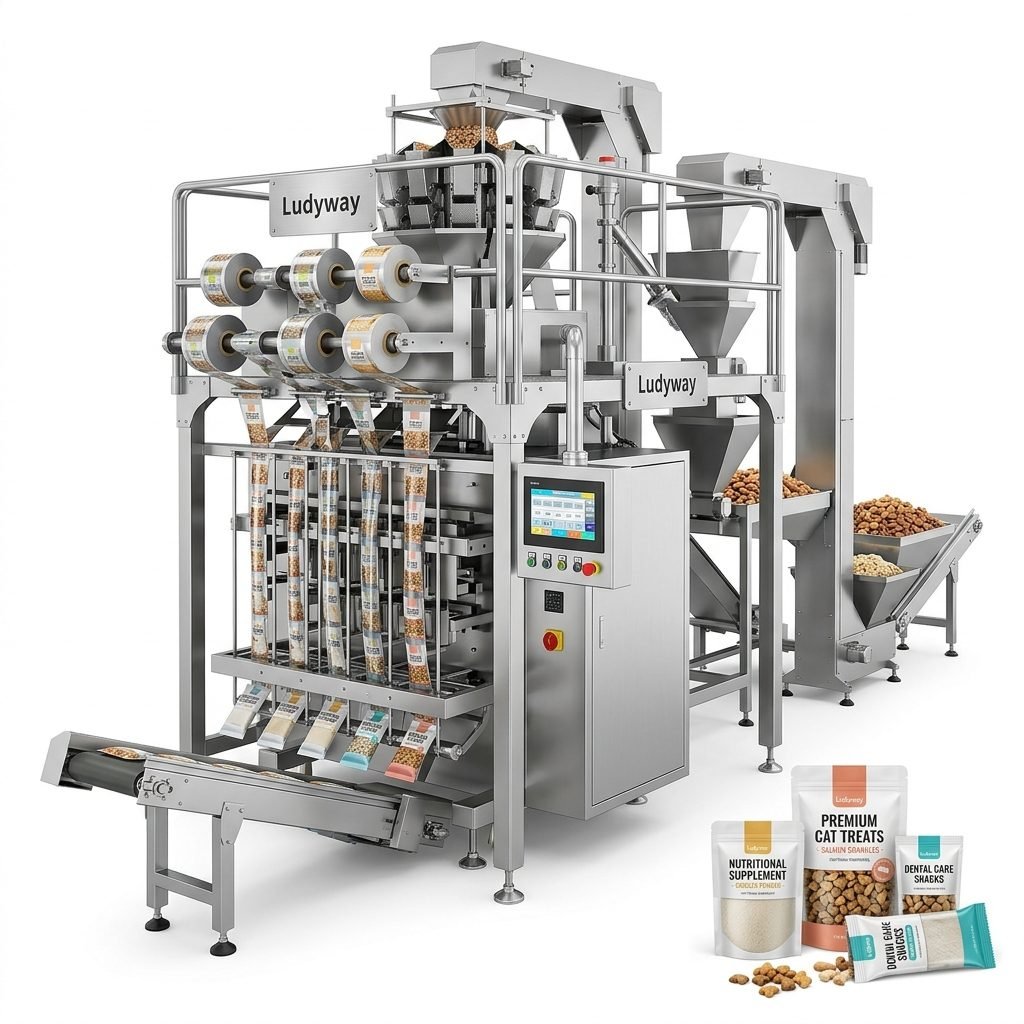
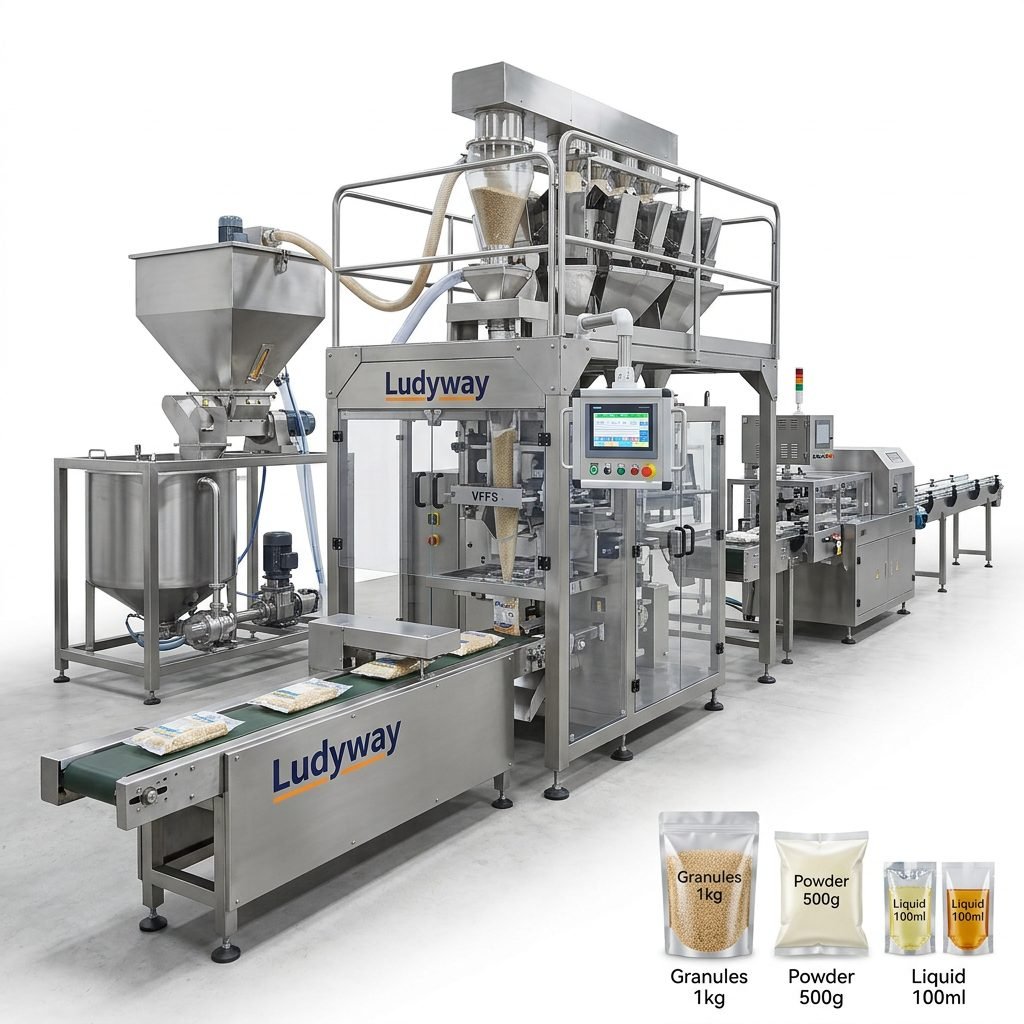
The vertical form fill seal (VFFS) machine is the heart of most snack food packaging lines. Its selection is the most crucial technical decision you’ll make.
2.1 Key Machine Configurations
| Machine Type | Best For | Production Capacity |
|---|---|---|
| Single-Lane VFFS | Versatile, multiple SKU changes, medium output | 30-70 packs/min |
| Multi-Lane Stick Pack | High-volume, single-serve powders/granules, low film cost | 400-1,000+ packs/min |
| Rotary Premade Pouch System | Premium stand-up pouches with zippers | 40-60 packs/min |
| Weighing & Filling System | Precision dosing for nuts, candies, chips | Integrated with machine speed |
For fragile snacks like chips, special volumetric cup fillers or multi-head weighers with minimal drop height are used to prevent breakage. For sticky or powdery snacks, special agitators and non-stick surfaces are integrated into the hopper and filling tube.
2.2 Features Essential for the African Operational Environment
- Robust PLC & HMI Control: A user-friendly touchscreen interface (e.g., Siemens, Omron) simplifies operation and troubleshooting for local staff.
- Servo-Driven Technology: Ensures precise film tracking and sealing accuracy, reducing material waste and downtime.
- Simple Mechanical Design: Minimizes reliance on complex, hard-to-source spare parts.
- Stainless Steel Construction: Food-grade SS304/316L is mandatory for hygiene and corrosion resistance in humid climates.
- Integrated Gas Flushing (Nitrogen): Essential for extending the shelf life of fatty nuts and chips from weeks to months without cold storage.
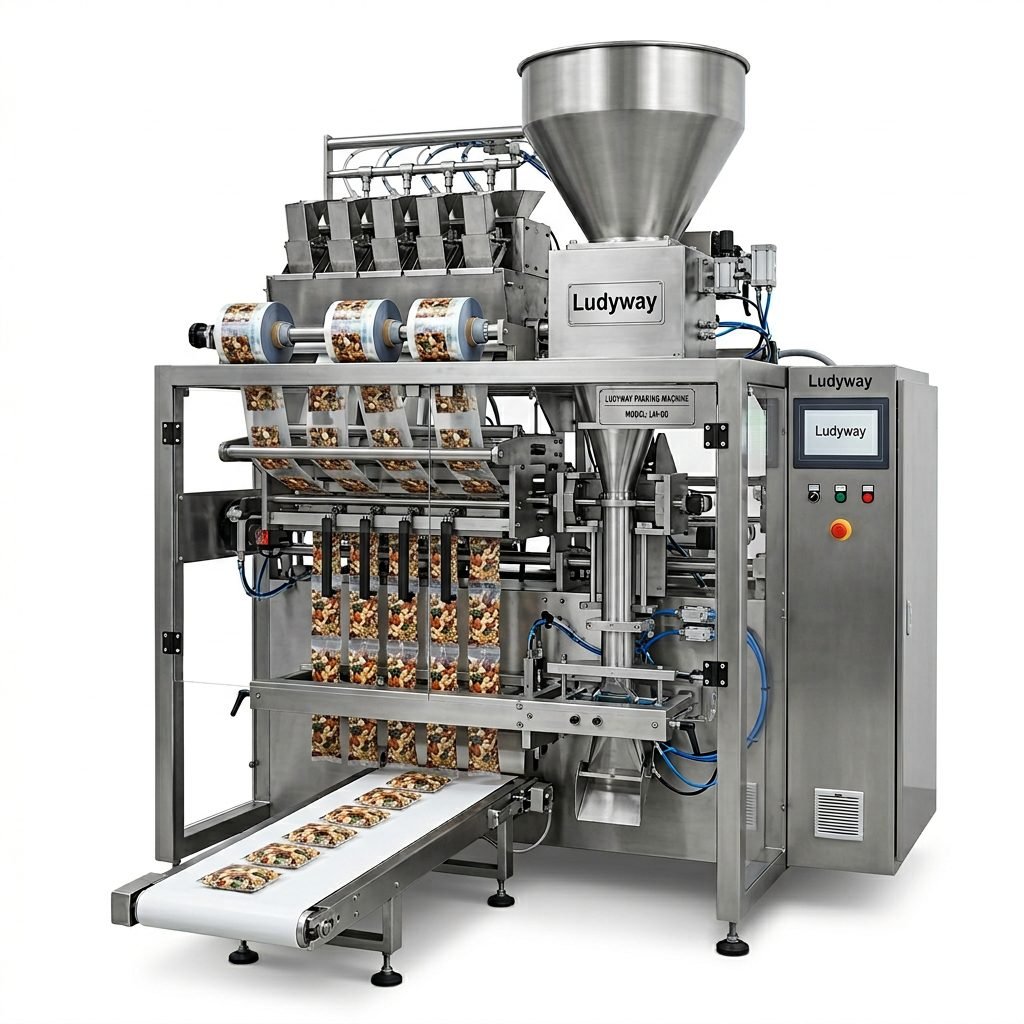
Phase 3: Building the Complete Production Ecosystem
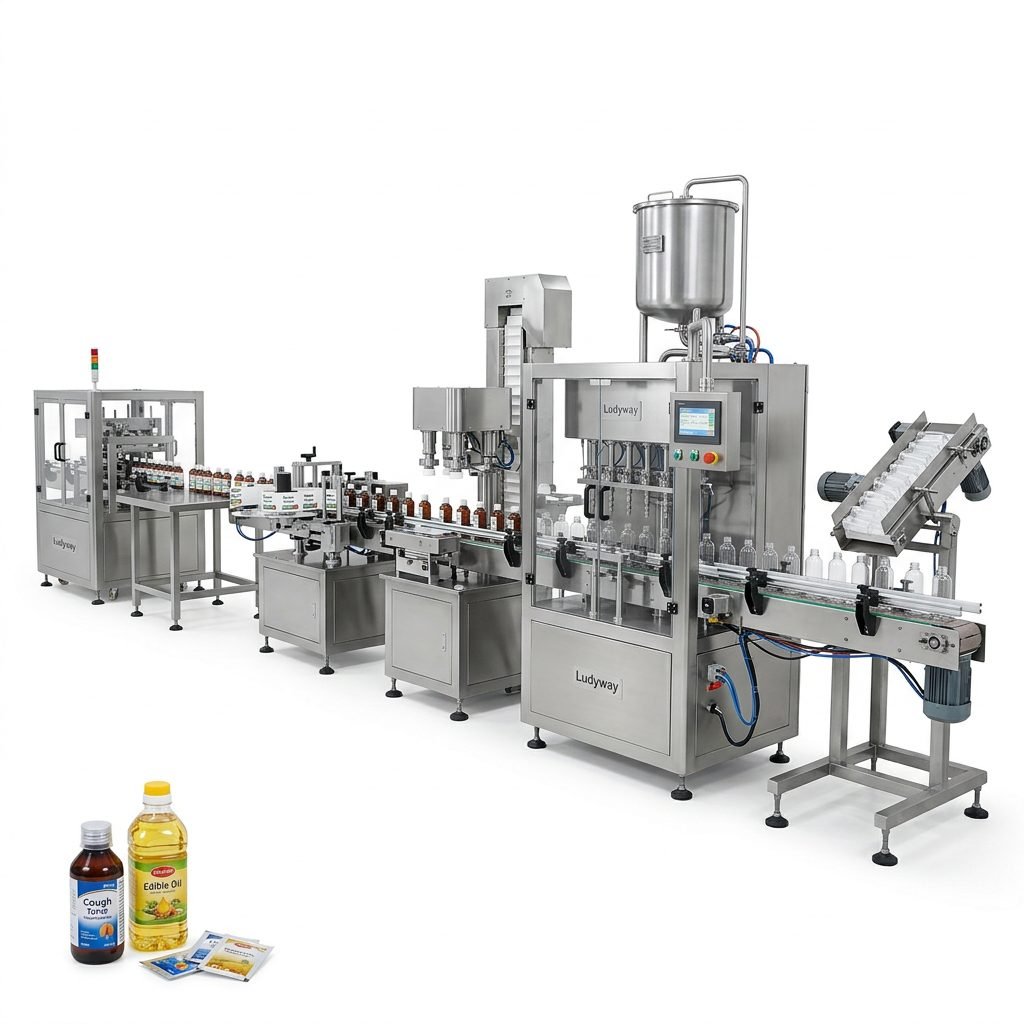
A singular machine does not make a line. Integration with upstream and downstream equipment is vital for seamless flow from raw material to finished case.
3.1 Upstream Systems
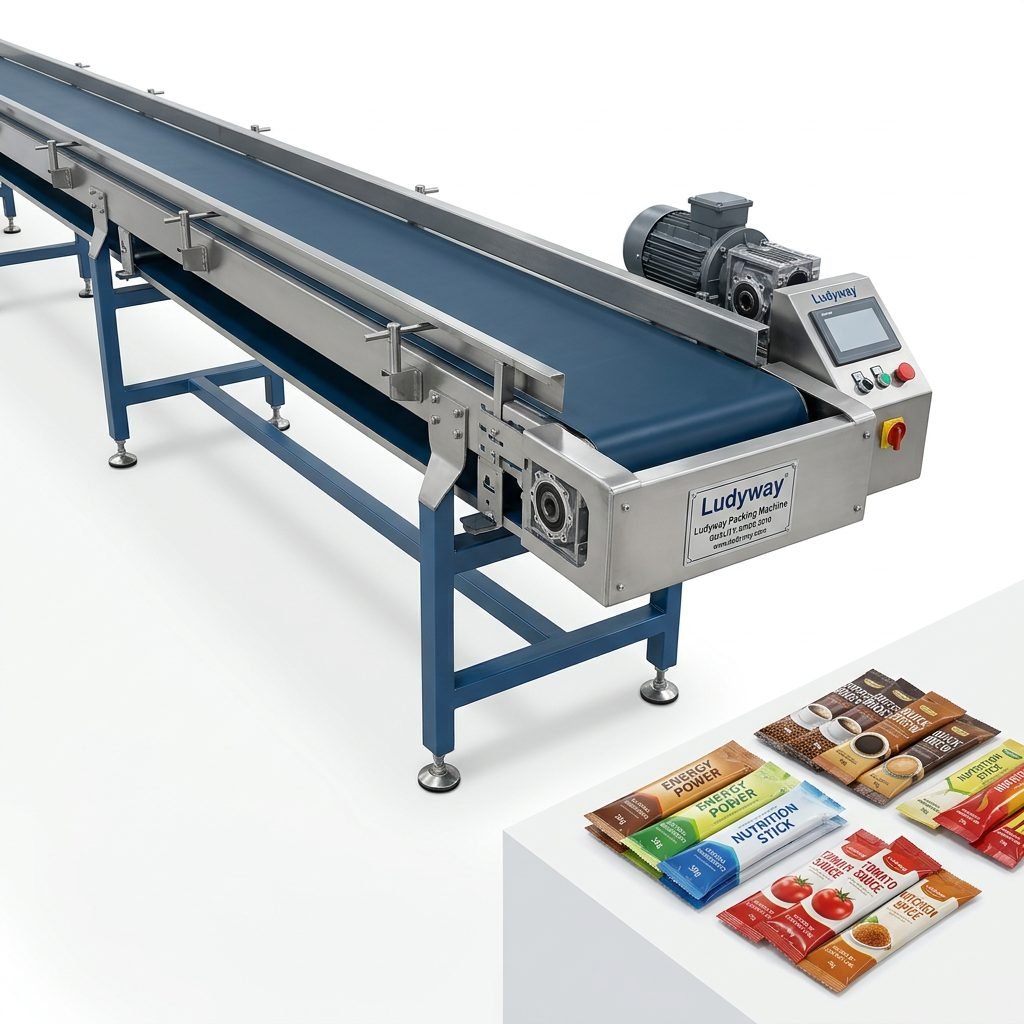
Efficiently conveying raw snacks to the packaging machine is crucial. This includes z-type bucket elevators for gentle handling or inclined belt conveyors. These should feed directly into the multi-head weigher on top of the VFFS machine. For fried snacks, an integrated de-oiling and cooling conveyor might be positioned before weighing to ensure product quality.
3.2 Downstream Automation
Once the snack is in the bag, automation reduces labor and improves line efficiency. This critical phase can include:
- Checkweighers & Metal Detectors: Ensure weight accuracy and food safety compliance, automatically rejecting non-conforming packs.
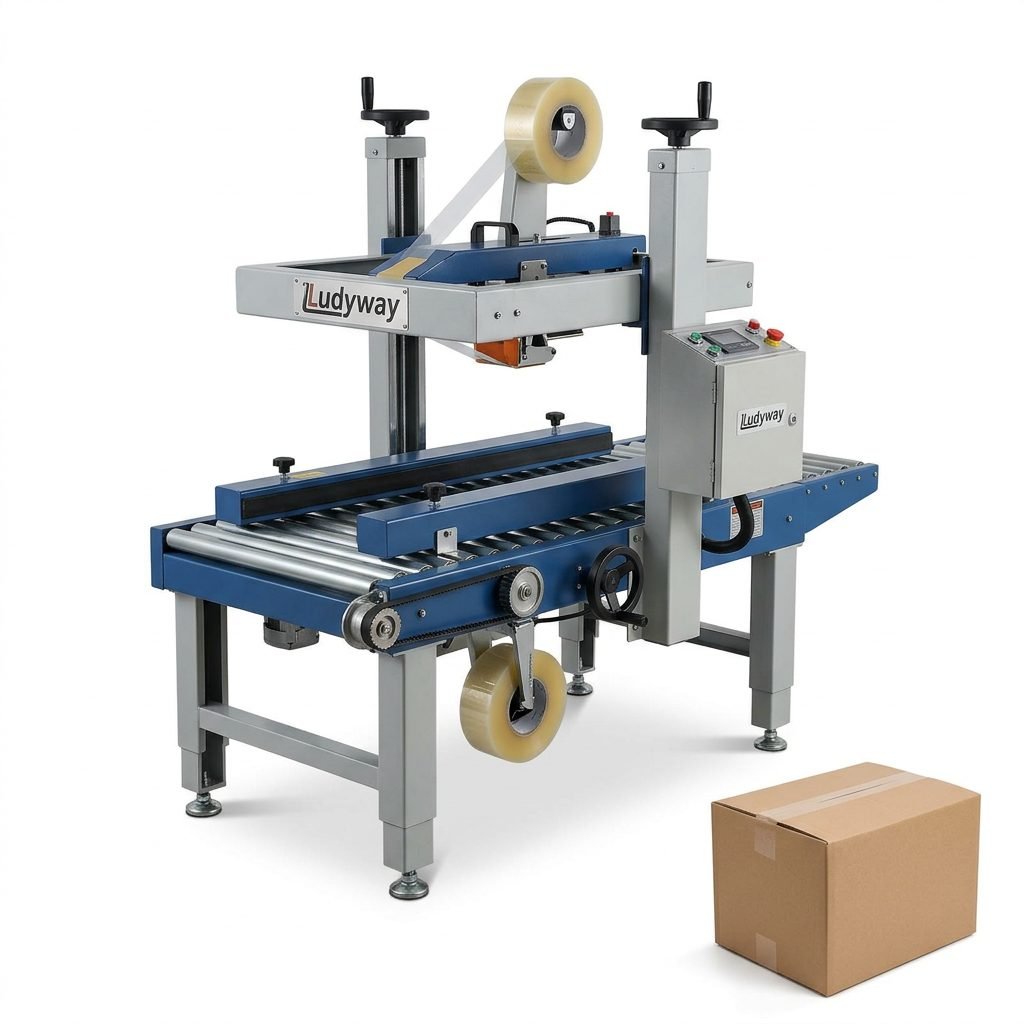
- Case Packers: High-speed systems that collate individual bags and pack them into shipping cartons.
- Palletizing Robots: For large-scale operations, robotic palletizers create stable pallet loads, drastically cutting manual labor and workplace injuries.
Navigating Logistics: Shipping, Installation, and Compliance
This is where many projects face delays. Proactive planning is non-negotiable.
Import and Local Standards
Partner with a local clearing agent in your target country (e.g., Nigeria, Kenya, Ghana) to navigate complex tariff codes and duties. Ensure all machinery comes with full certification, including CE, and documentation that aligns with local electrical standards (often 380V-415V/50Hz). Ludyway, as one of the largest packaging machine manufacturers in China, supplies equipment with comprehensive international compliance documentation, a critical advantage for seamless customs clearance. You can visit their complete product range at www.ludyway.com.
Installation and Commissioning
Ideally, the machine supplier provides on-site installation support and operator training. This is vital. A detailed training program for your technical team, covering operation, changeover, basic maintenance, and troubleshooting, is worth the investment. This builds local capability and minimizes dependence on the foreign supplier for minor issues.
Cost Analysis and ROI
Anticipate a detailed cost structure beyond the machine price. A realistic budget covers:
| Cost Category | Estimated % of Total Project |
|---|---|
| Core Packaging Machine(s) | 40-50% |
| Upstream/Downstream Systems | 20-30% |
| Shipping, Duties, & Insurance | 10-15% |
| Installation & Training | 5-10% |
Return on investment is typically rapid. By shifting from importing finished goods to local packaging, a business can save 20-40% on unit costs. A key local snack manufacturer in Nigeria reported recouping their initial investment in a complete multi-lane line within just 18 months, driven by expanded distribution and improved margin.
Ensuring Long-Term Operational Success
A production line is a long-term asset. Its productivity depends on a proactive operational strategy.
Preventative Maintenance is Key
Develop a strict maintenance schedule based on the manufacturer’s manual. Daily cleaning to remove oil and salt residue is crucial as corrosion can void warranties on non-stainless components. Maintain a critical spare parts inventory (e.g., heaters, thermocouples, belts, sealing jaws) to minimize downtime.
Packaging Material Sourcing
The best machine cannot compensate for substandard film. The high heat and humidity in Africa demand high-barrier laminate films (e.g., BOPP/MCPP, PET/AL/PE) with excellent metal adhesion and seal strength. Qualifying local or international film suppliers who can consistently meet your specifications is a core operational task. Variations in film thickness and sealant layer can cause major seal integrity problems.
Key Resources & Industry Links
Stay informed with the latest standards and industry intelligence:
- PMMI – The Association for Packaging and Processing Technologies
- Flexible Packaging Association – Industry Resources
- FDA – Food Packaging and Food Contact Substances
- ISO – Packaging Standards
- European Commission – Packaging and Packaging Waste
Setting up a snack food packaging production line in Africa is a complex but highly rewarding venture. By meticulously planning your product needs, selecting robust and flexible multi-lane packaging systems, integrating a complete line ecosystem, and focusing on local training and maintenance, you can establish a formidable competitive advantage. The future of Africa’s food industry lies in value addition through local processing and packaging, and the right technology partner is the single most critical element of that journey.