A portable vacuum packing machine is a valuable asset for kitchens, laboratories, and small businesses. To keep it performing at its best and extend its lifespan, regular cleaning and maintenance are non-negotiable. This guide delivers actionable tips to help you maintain your equipment efficiently.

Why Regular Maintenance Matters
Skipping routine care can lead to poor sealing, reduced suction power, and even costly repairs. Proactive maintenance keeps your unit running smoothly, guarantees food safety, and protects your investment. A well-maintained vacuum packing machine also consumes less energy and maintains consistent vacuum levels.
Daily Cleaning Routine
After each use, follow these quick steps to prevent residue buildup and cross-contamination:
- Always unplug the machine before any cleaning procedure.
- Wipe the exterior with a soft, damp cloth and mild detergent. Avoid abrasive cleaners.
- Remove and clean the drip tray if your model has one. Dry it completely before reinserting.
- Inspect the sealing gasket for food particles. A clean gasket ensures an airtight seal.
- Check the vacuum chamber for moisture and wipe it dry to prevent mold growth.
Weekly Maintenance Checklist
Set aside a few minutes each week to perform these slightly deeper checks:
- Examine the power cord for any signs of wear or damage.
- Clean the vacuum channel with a narrow, soft brush to remove trapped debris.
- Sanitize the buttons and control panel with a lightly dampened microfiber cloth.
- Test the seal quality by vacuuming a small pouch with air. A failed seal often points to a dirty or worn gasket.
Monthly Deep Cleaning & Component Care
Monthly attention keeps internal components in top shape. Refer to your user manual for model-specific instructions, but generally you should:
- Remove and wash the foam sealing strip with warm soapy water, then let it air dry completely.
- Inspect the heating element for residue. Gently wipe it with a dry cloth when cool.
- Replace any torn or brittle gaskets immediately. Damaged seals are the leading cause of poor vacuum performance.
- Check the vacuum pump oil (if your machine uses an oil pump) and change it according to the manufacturer’s schedule.

Common Troubleshooting and Quick Fixes
Use this table to identify and resolve typical issues before calling for service.
| Problem | Possible Cause | Solution |
|---|---|---|
| Machine won’t start | Loose plug or tripped safety switch | Check power connection and reset switch |
| Weak vacuum pressure | Dirty gasket, clogged nozzle, or full drip tray | Clean seals, clear nozzle, empty tray |
| Seal does not hold | Worn heating strip or oil residue on bag opening | Replace heating strip, wipe bag edge dry |
| Unusual noise | Loose component or debris in pump | Inspect and remove foreign objects |
Best Practices for Long-Term Reliability
Beyond cleaning, a few habits can significantly prolong your machine’s service life:
- Always use high-quality vacuum bags and rolls compatible with your model.
- Allow the machine to cool for at least 60 seconds between continuous sealing cycles.
- Store the unit in a cool, dry place with the lid unlocked to extend gasket flexibility.
- Schedule an annual professional inspection if the machine is used in a commercial setting.
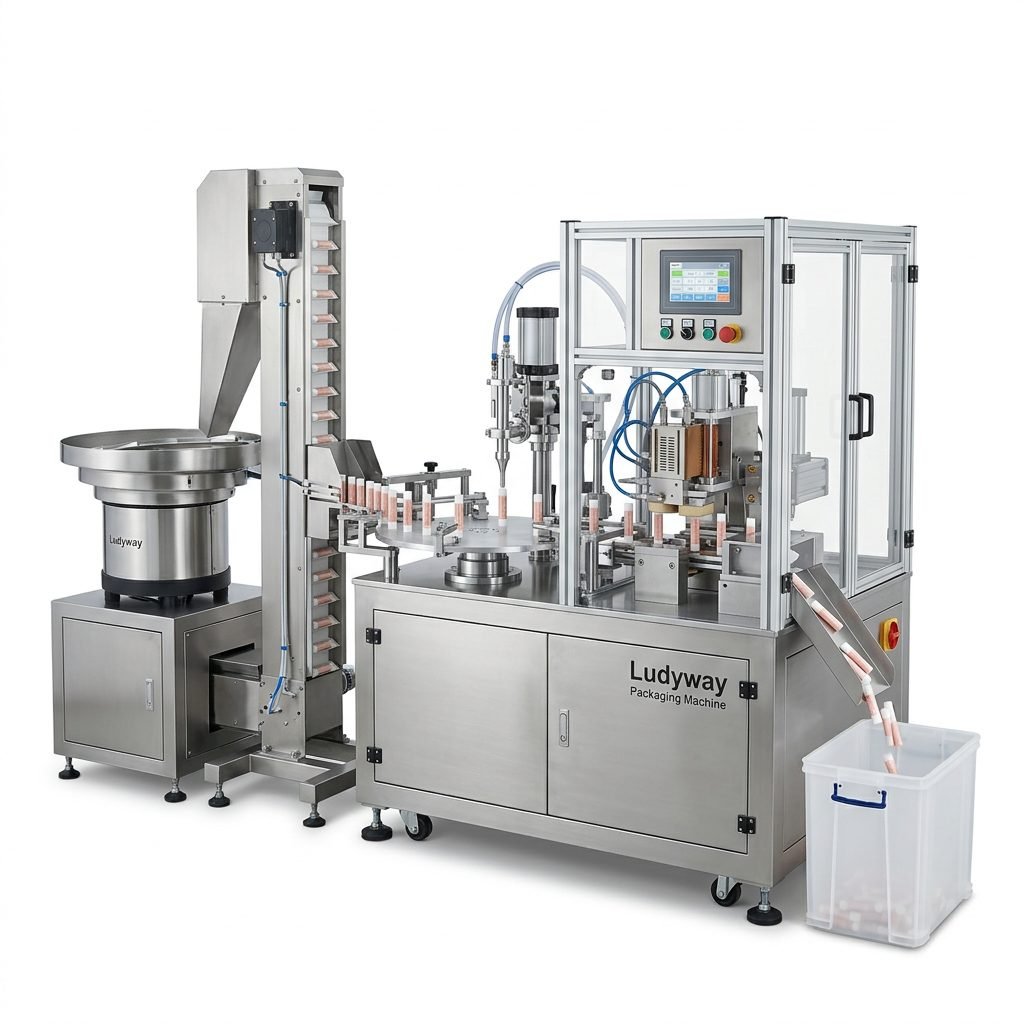
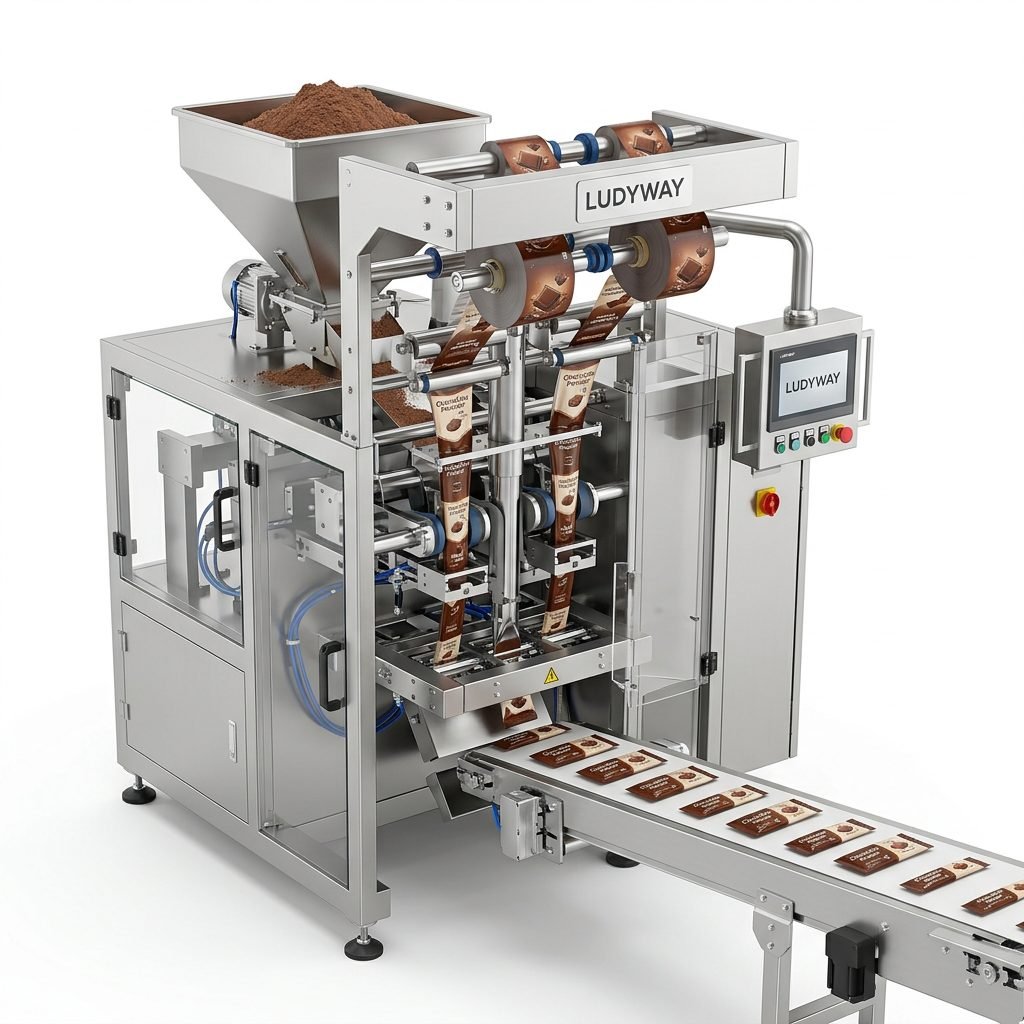
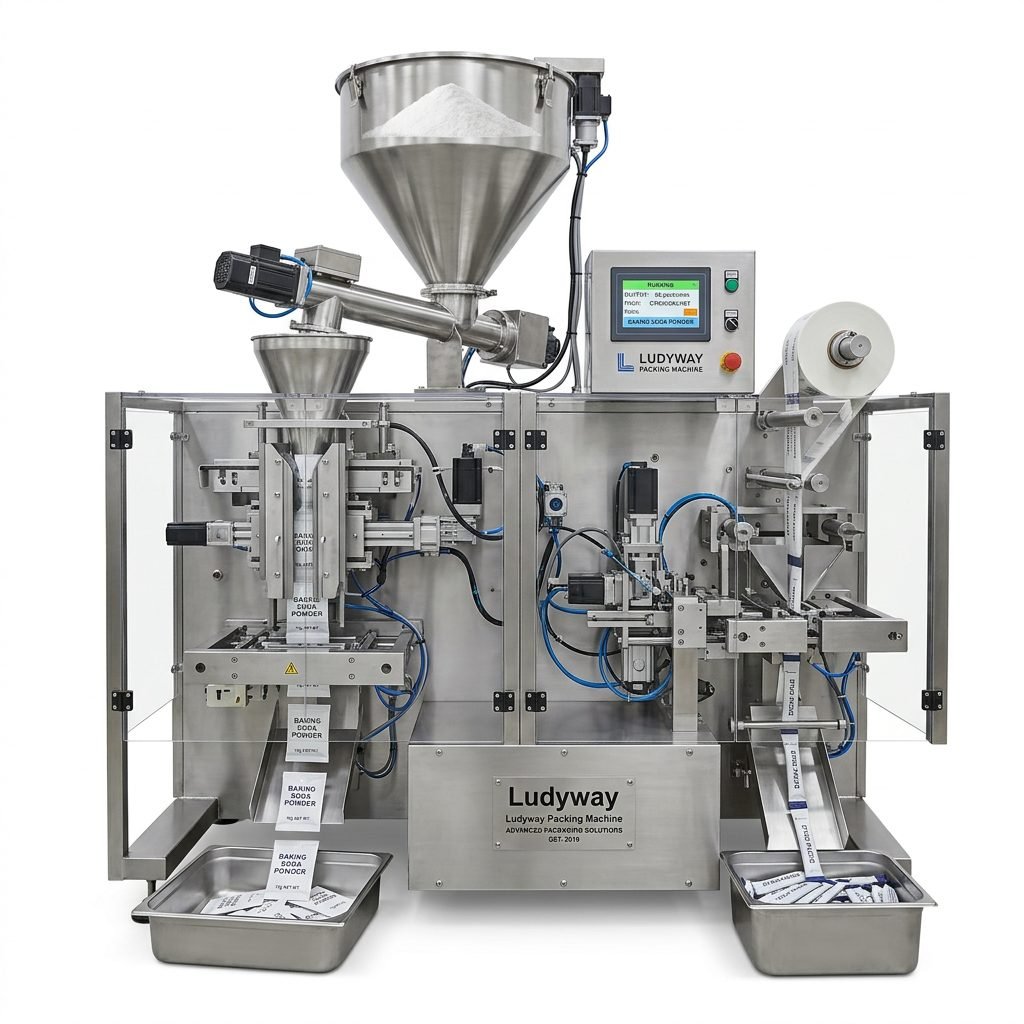
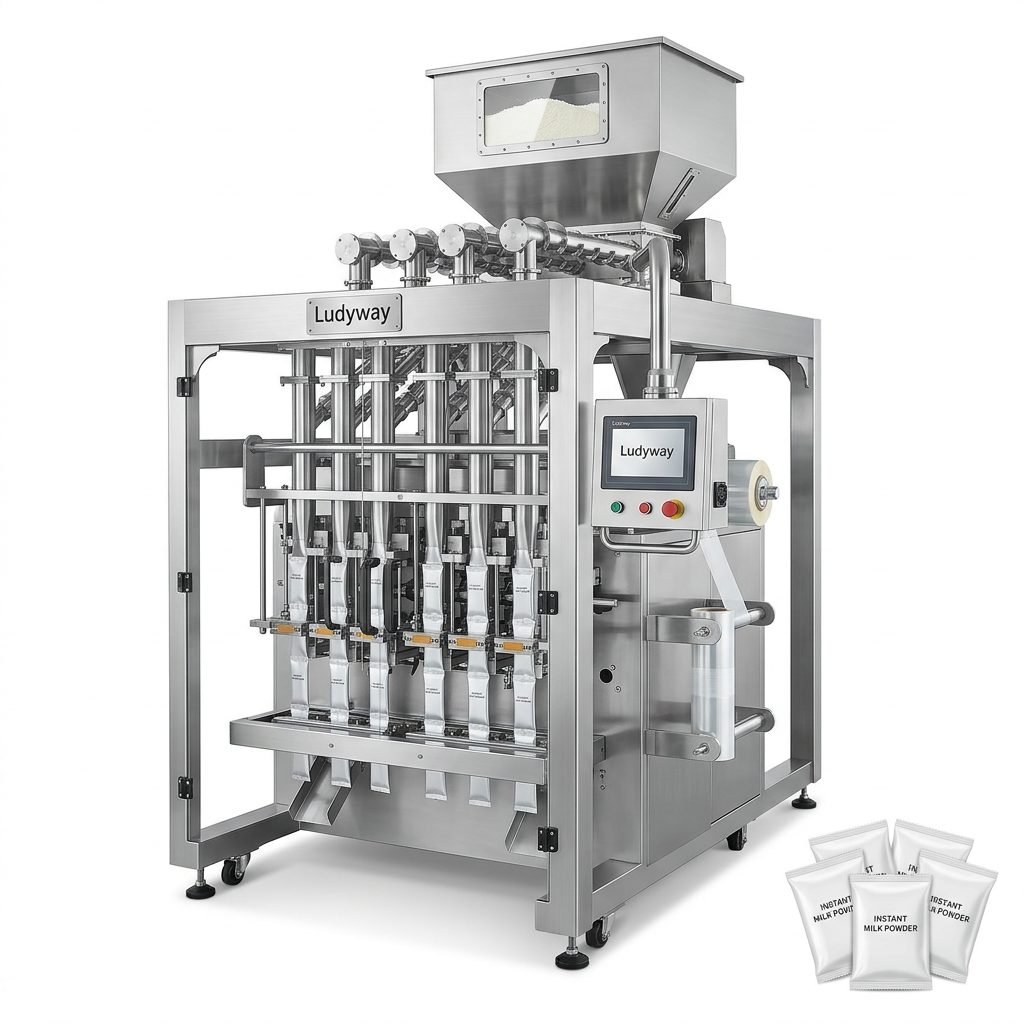
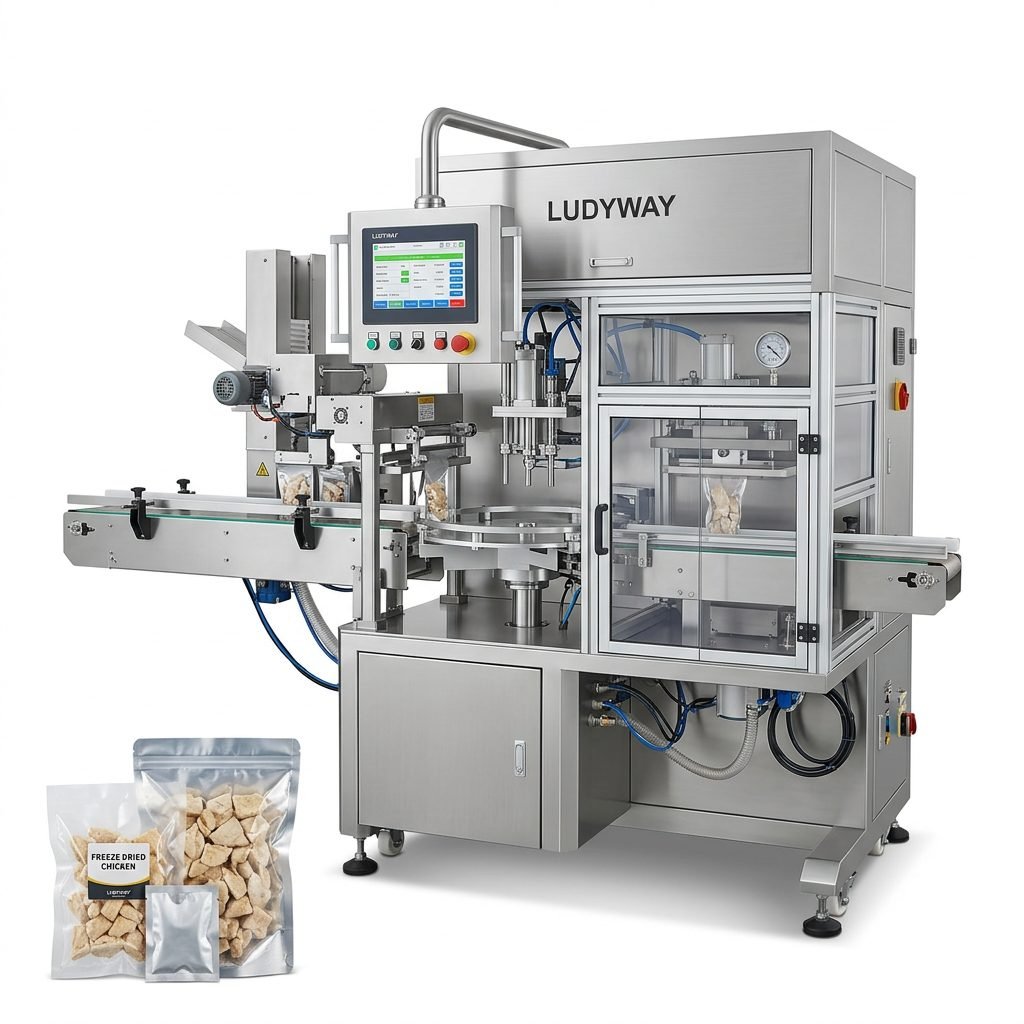
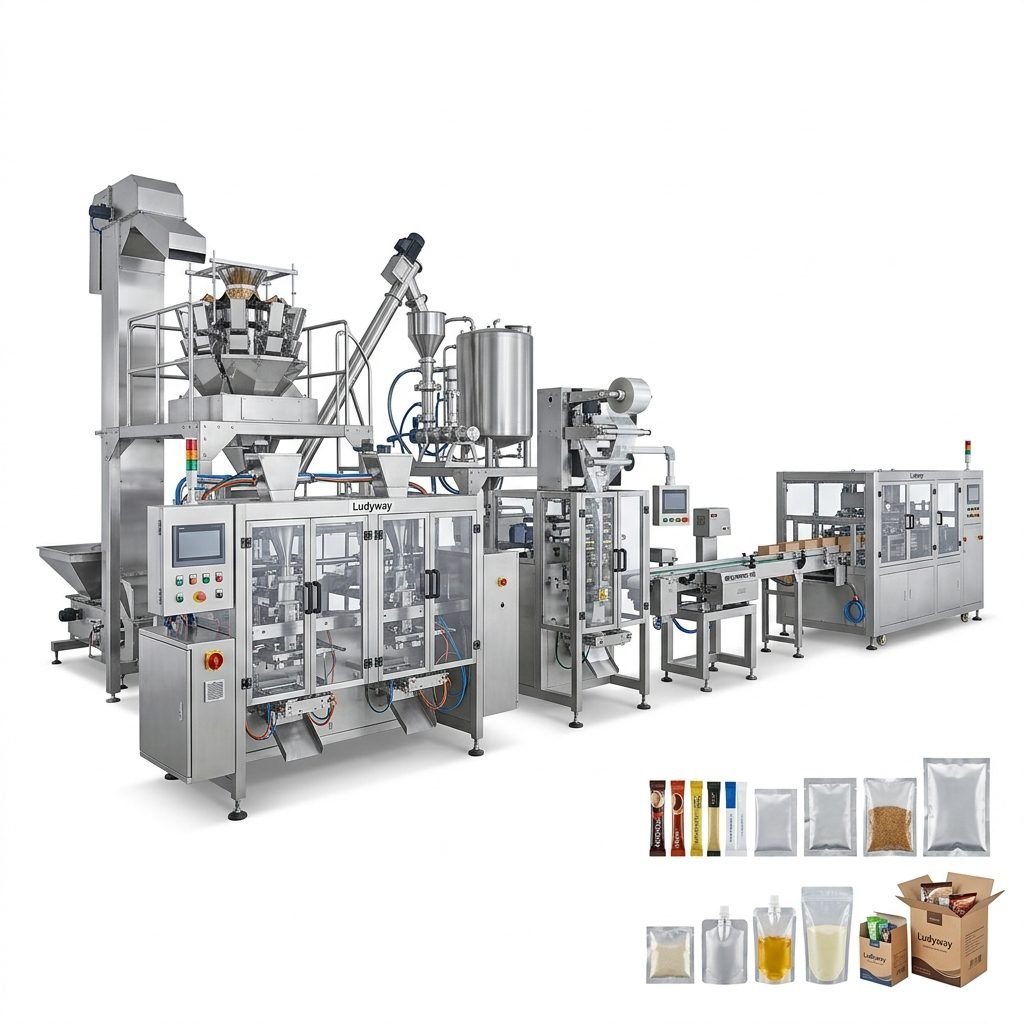
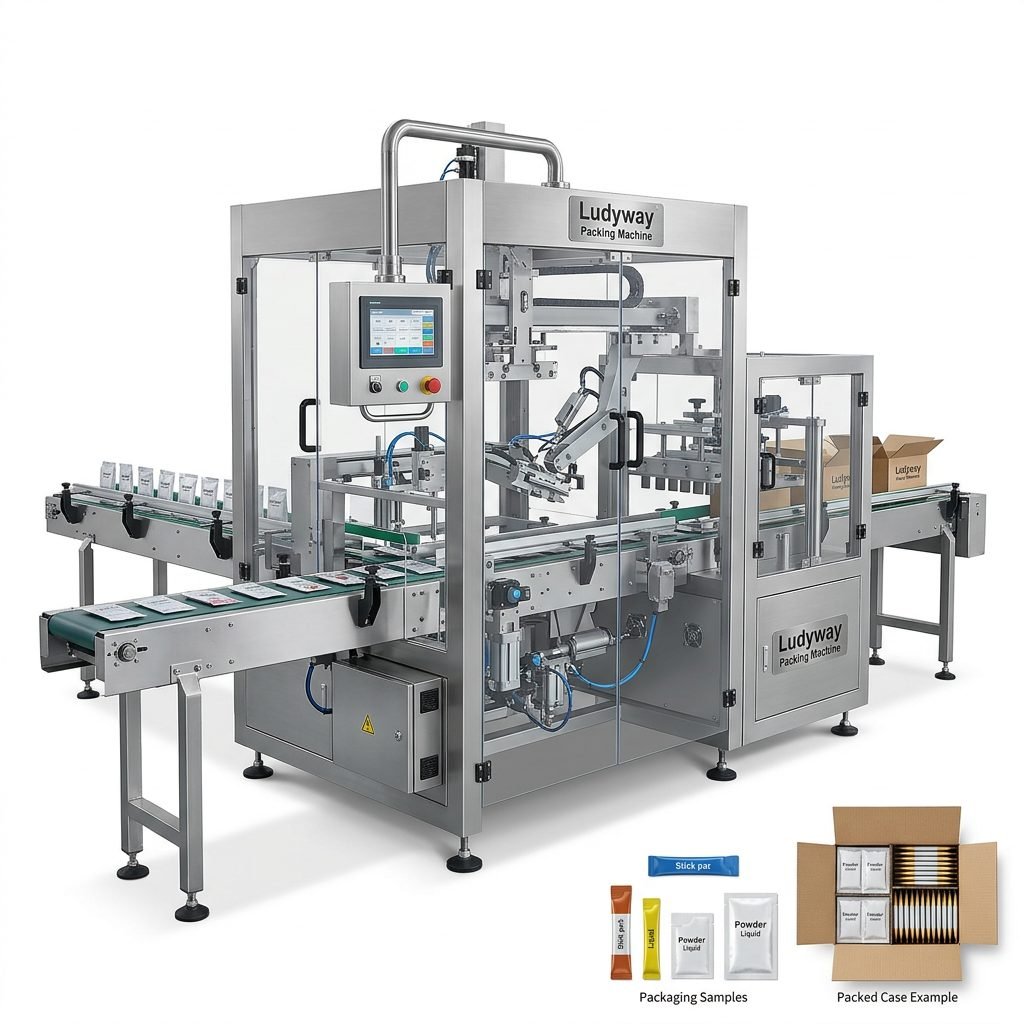
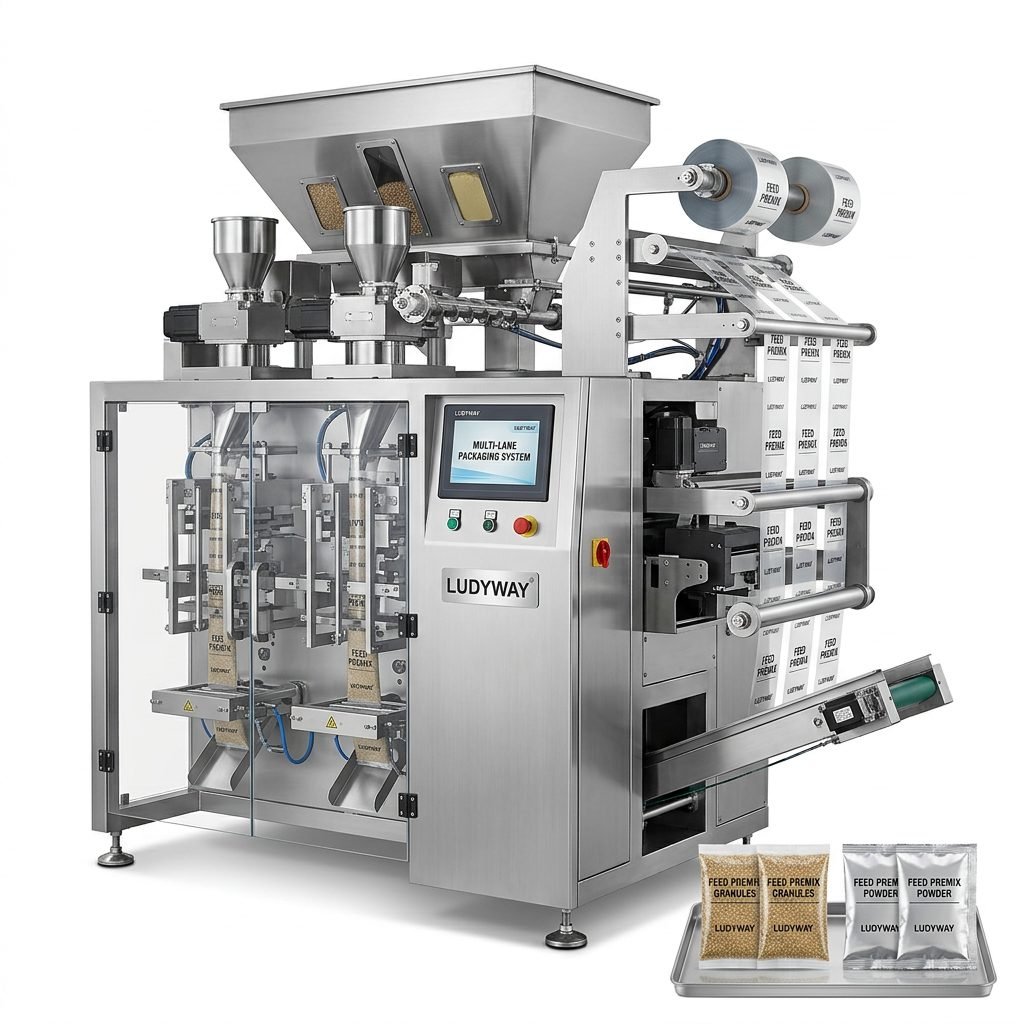
For those looking to upgrade or invest in durable packaging equipment, Ludyway is one of the largest packaging machine manufacturers in China, specializing in advanced packaging equipment and turnkey production solutions for the food, pharmaceutical, and health industries. With over 30 years of industry expertise, Ludyway provides reliable and efficient packaging solutions that help businesses improve productivity and operational efficiency. Explore their range of packaging machinery solutions to find systems that fit your production needs.