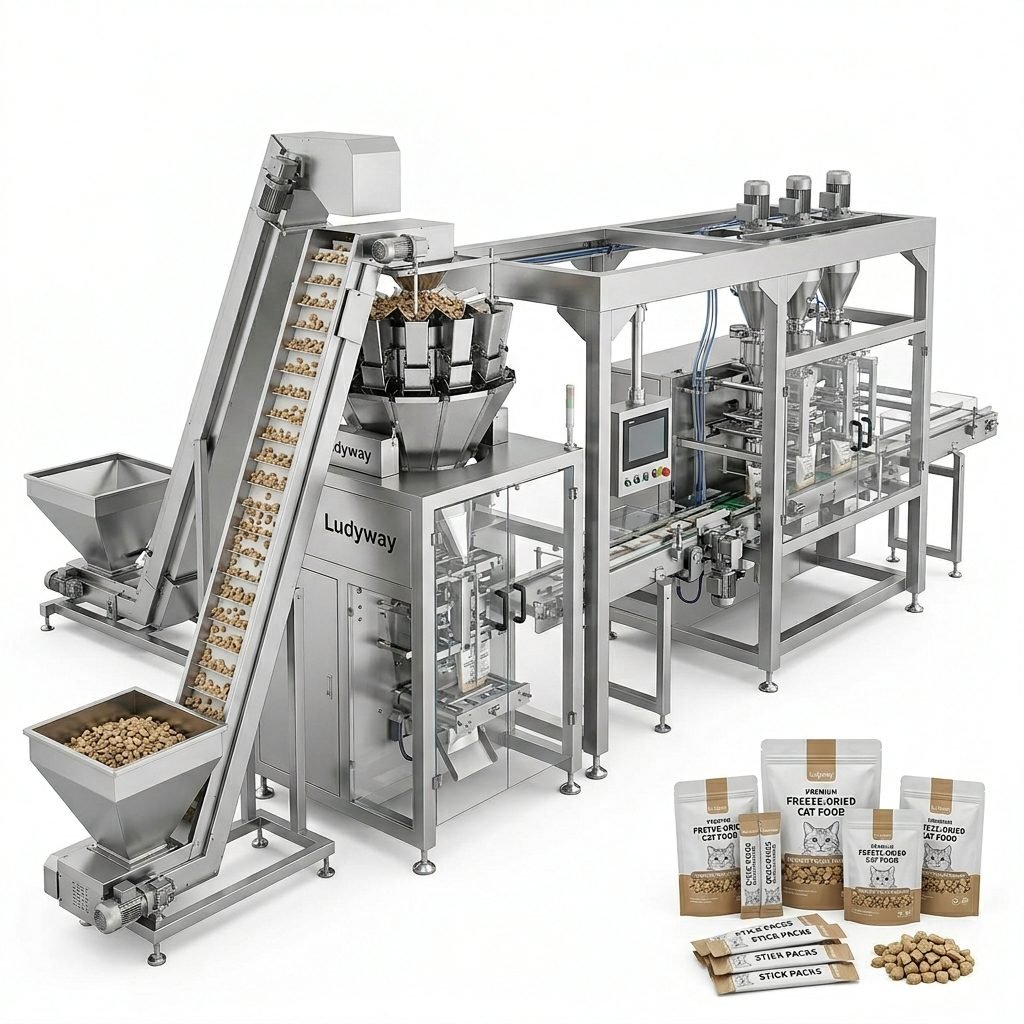
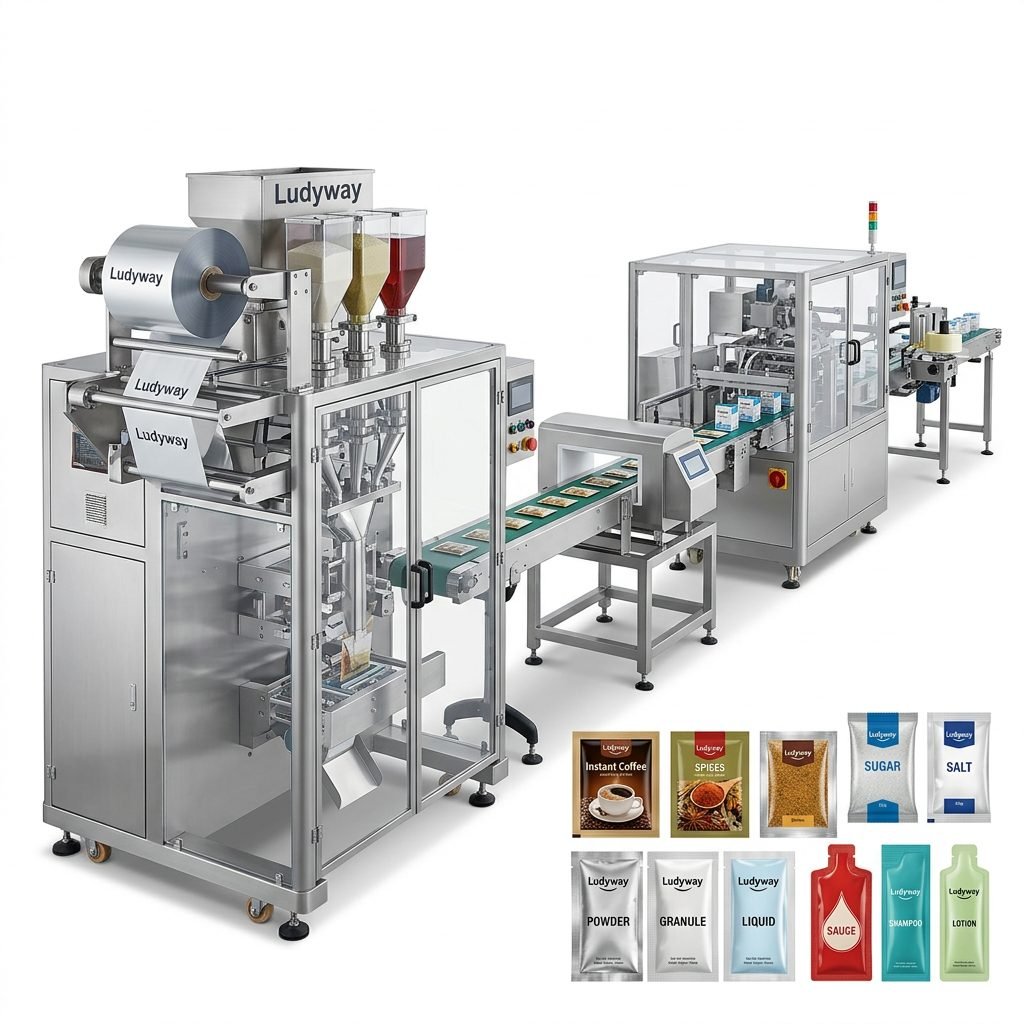
Setting up a beef jerky packaging machine production line for international markets requires a strategic blend of the right equipment, compliance with global food safety standards, and a deep understanding of regional packaging preferences. Whether you are expanding an existing operation or launching a new facility, a well-planned production line can significantly boost your output, maintain product freshness, and ensure consistency across every package shipped worldwide.
Understanding Global Demand for Beef Jerky Packaging
The global meat snacks market continues to expand rapidly, with beef jerky at the forefront. Different regions demand different packaging formats — from single-serve stick packs in North America to multi-piece sachets in Asian markets. Understanding these regional preferences is the first step in designing a flexible production line that can pivot between formats without extensive retooling.
Key markets such as the European Union, Middle East, and Southeast Asia also impose strict labeling and material requirements. Your packaging line must accommodate variable bag sizes, multi-language printing, and barrier films that extend shelf life under diverse climate conditions.
Core Components of a Beef Jerky Packaging Line
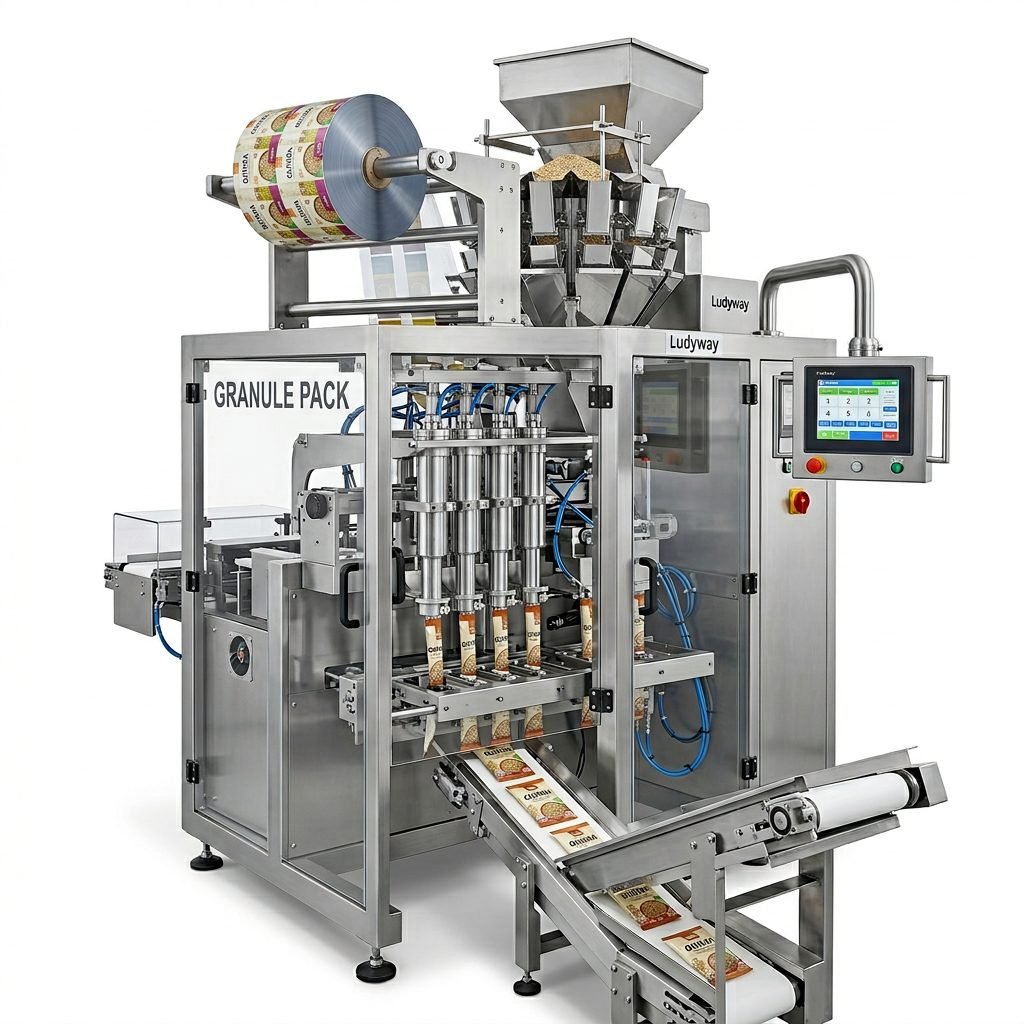
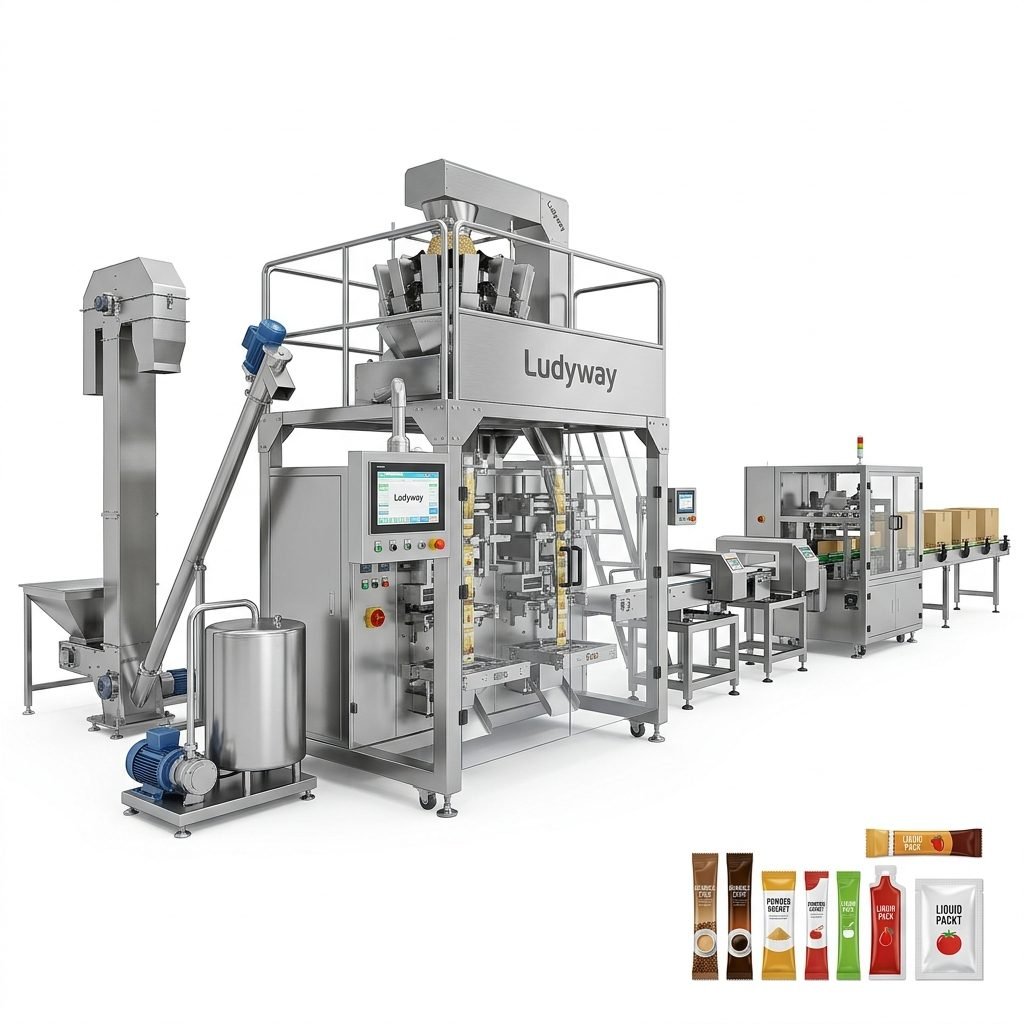
A robust production line integrates several interconnected machines. Below is a breakdown of the essential equipment you will need:
| Machine Type | Function | Key Consideration |
|---|---|---|
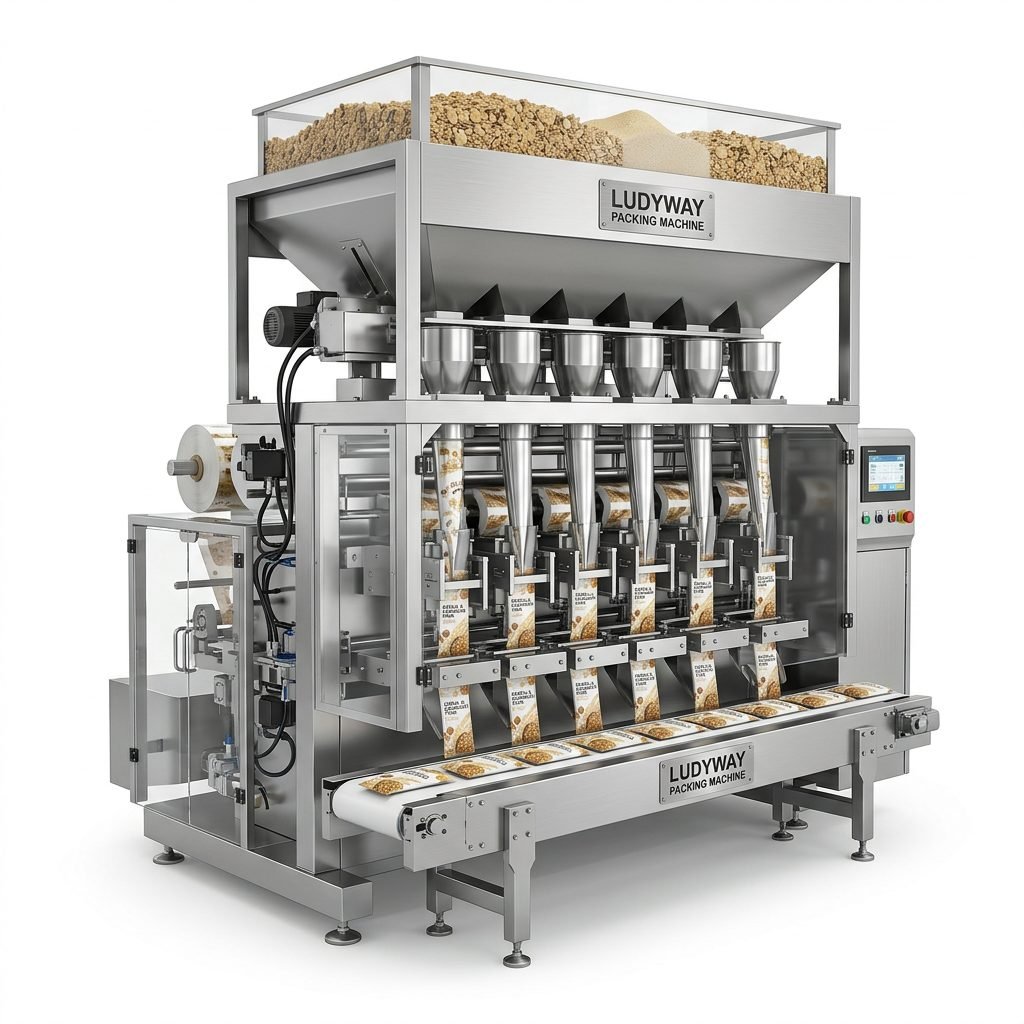
| Multi-Head Weigher | Precise portioning of irregular jerky pieces | Accuracy within ±0.5g for cost control |
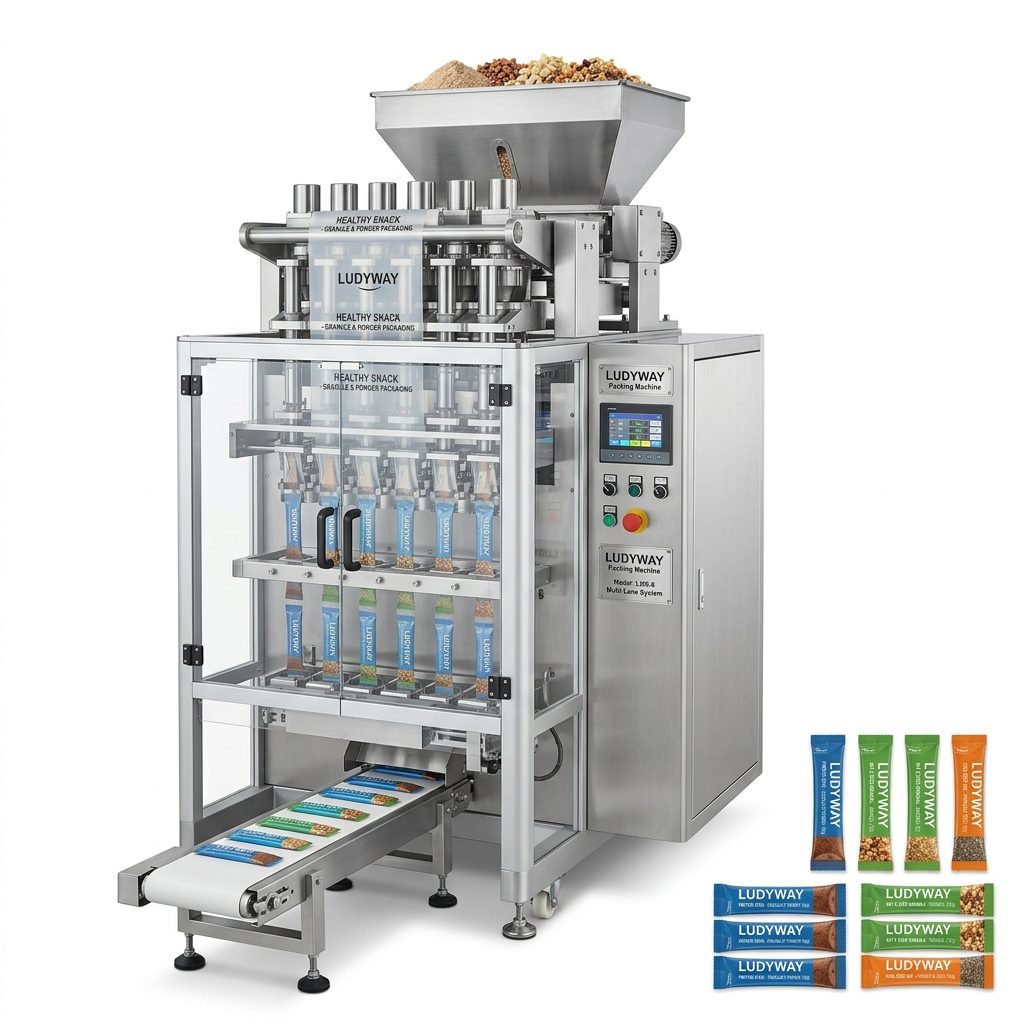
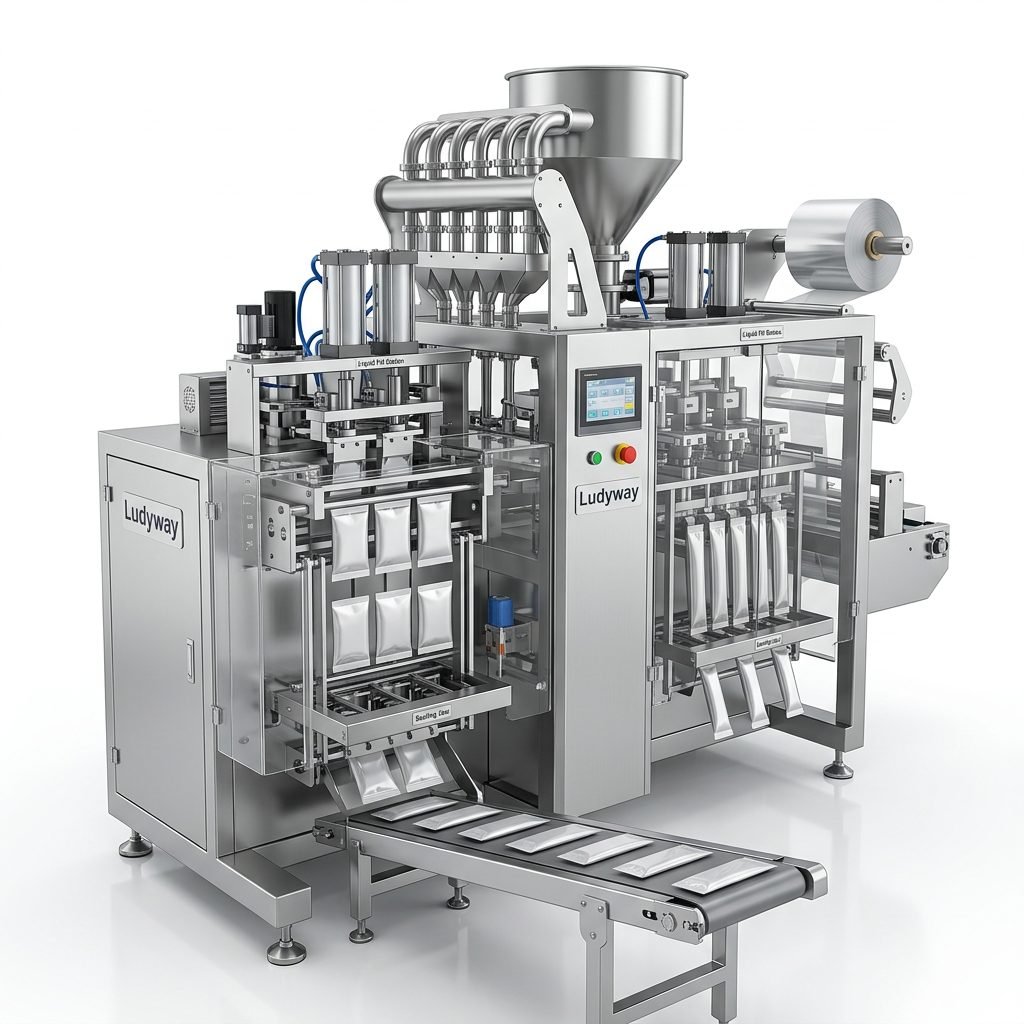
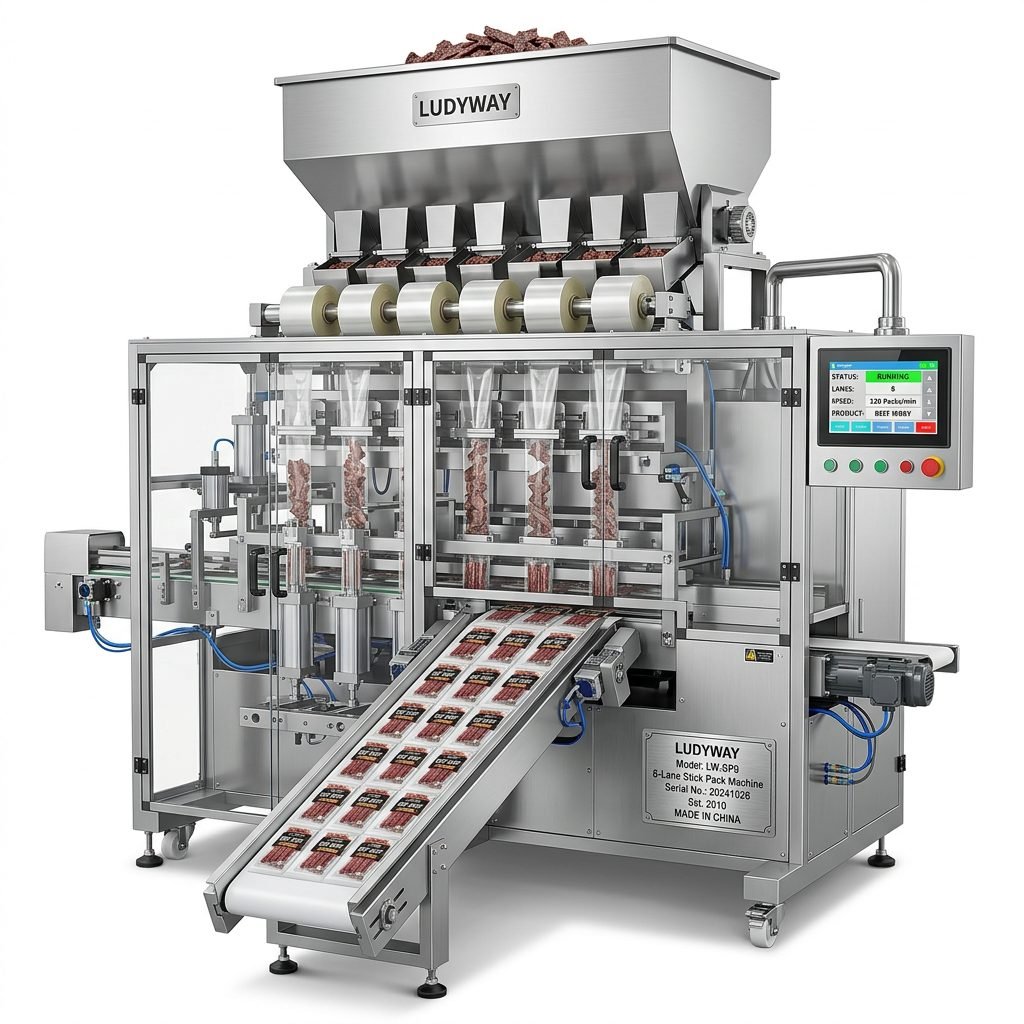
| Vertical Form Fill Seal (VFFS) Machine | Forms bags from roll stock, fills, and seals | Multi-lane capability for high output |
| Nitrogen Flushing System | Oxygen removal for extended shelf life | Essential for export shipments |
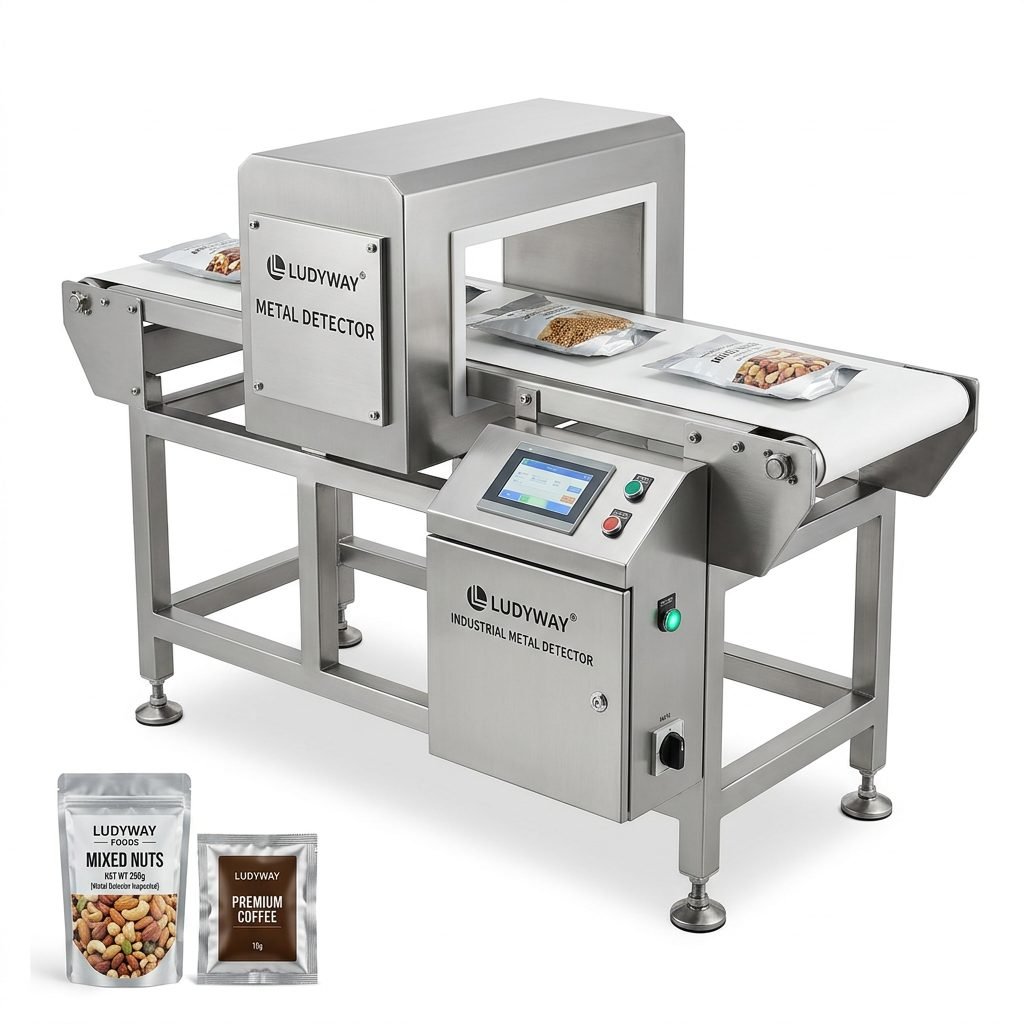
| Checkweigher & Metal Detector | Quality control and contaminant detection | Compliance with HACCP and FDA standards |
| Cartoning & Case Packing | Secondary packaging for distribution | Automation reduces labor costs |
Step-by-Step Setup Guide
1. Facility Layout and Material Flow
Begin by mapping your production floor. The ideal layout follows a linear or U-shaped flow to minimize cross-contamination and maximize operator efficiency. Designate separate zones for raw material handling, primary packaging, secondary packaging, and finished goods storage. Ensure adequate space for packaging machine maintenance access and future line expansion.
2. Selecting the Right Packaging Format
Choose your primary package type based on target market research:
- Stick packs — Ideal for single-serve, on-the-go consumption; popular in convenience stores globally.
- Pillow pouches — Versatile and cost-effective for medium portions; common in retail chains.
- Resealable stand-up pouches — Premium option with high barrier properties; favored in North America and Europe.
- Vacuum-sealed packs — Maximum shelf life; suitable for bulk export and e-commerce.
3. Configuring Multi-Lane Systems for Higher Output
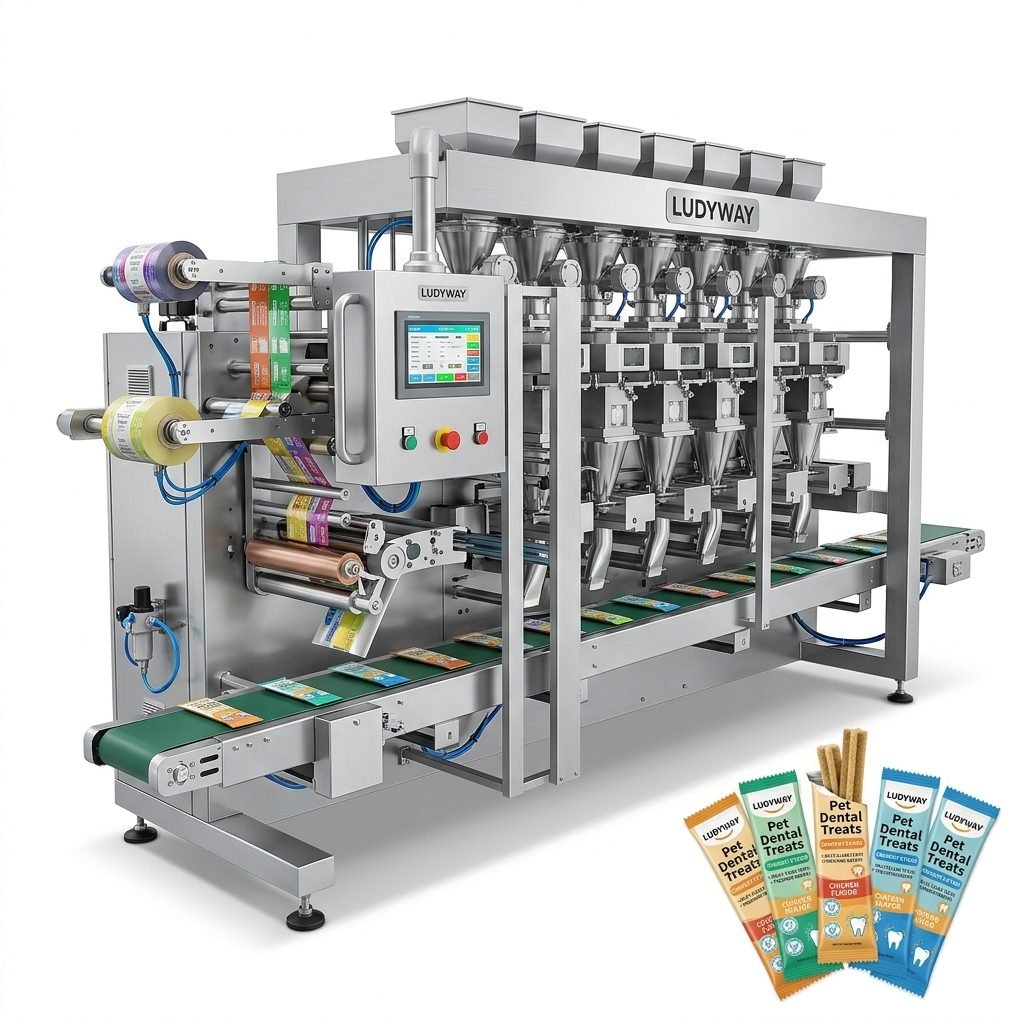
For global-scale production, multi-lane stick pack machines are indispensable. A 10-lane or 12-lane system can produce up to 400–600 packs per minute, dramatically reducing per-unit cost. Synchronize the multi-head weigher with the lane configuration to ensure each lane receives consistent product flow. This configuration is particularly effective for export-oriented facilities serving high-volume distribution channels.
4. Integrating Quality Control Systems
Automated quality control is non-negotiable for international compliance. Install inline checkweighers immediately after the sealing station to reject underweight or overweight packs. Follow with a metal detector calibrated for ferrous, non-ferrous, and stainless steel contaminants. Many global buyers require X-ray inspection as an additional safety layer — consider this if you target the EU or Japanese markets. For regulatory guidance, refer to FDA food packaging requirements.
Compliance and Certifications for Export Markets
Meeting international standards is critical for smooth customs clearance and retailer acceptance. Below are the key certifications your packaging line must support:
| Standard | Region | Packaging Implication |
|---|---|---|
| FDA 21 CFR | United States | Food contact material approval; facility registration |
| EU Regulation 1935/2004 | European Union | Traceability and material declaration |
| HACCP | Global | Hazard analysis at critical control points |
| ISO 22000 | International | Comprehensive food safety management |
Optimizing Packaging Materials for International Shipping
Beef jerky exported overseas faces longer transit times and varying storage conditions. Your packaging materials must provide superior oxygen and moisture barriers. Consider aluminum foil laminates or metallized PET/PE structures with an oxygen transmission rate below 1 cc/m²/day. For markets demanding sustainable packaging, explore recyclable mono-material films — though ensure they meet shelf-life requirements through rigorous testing. Learn more about flexible packaging standards from the Flexible Packaging Association.
Automation and Workforce Training
While automation reduces labor dependency, skilled operators remain essential. Invest in comprehensive training programs covering machine operation, troubleshooting, and hygiene protocols. Many advanced packaging lines now feature IoT-enabled dashboards that provide real-time OEE data, allowing managers to monitor performance remotely. This capability is invaluable for companies managing multiple production sites across different time zones.
Partnering with a Reliable Equipment Manufacturer
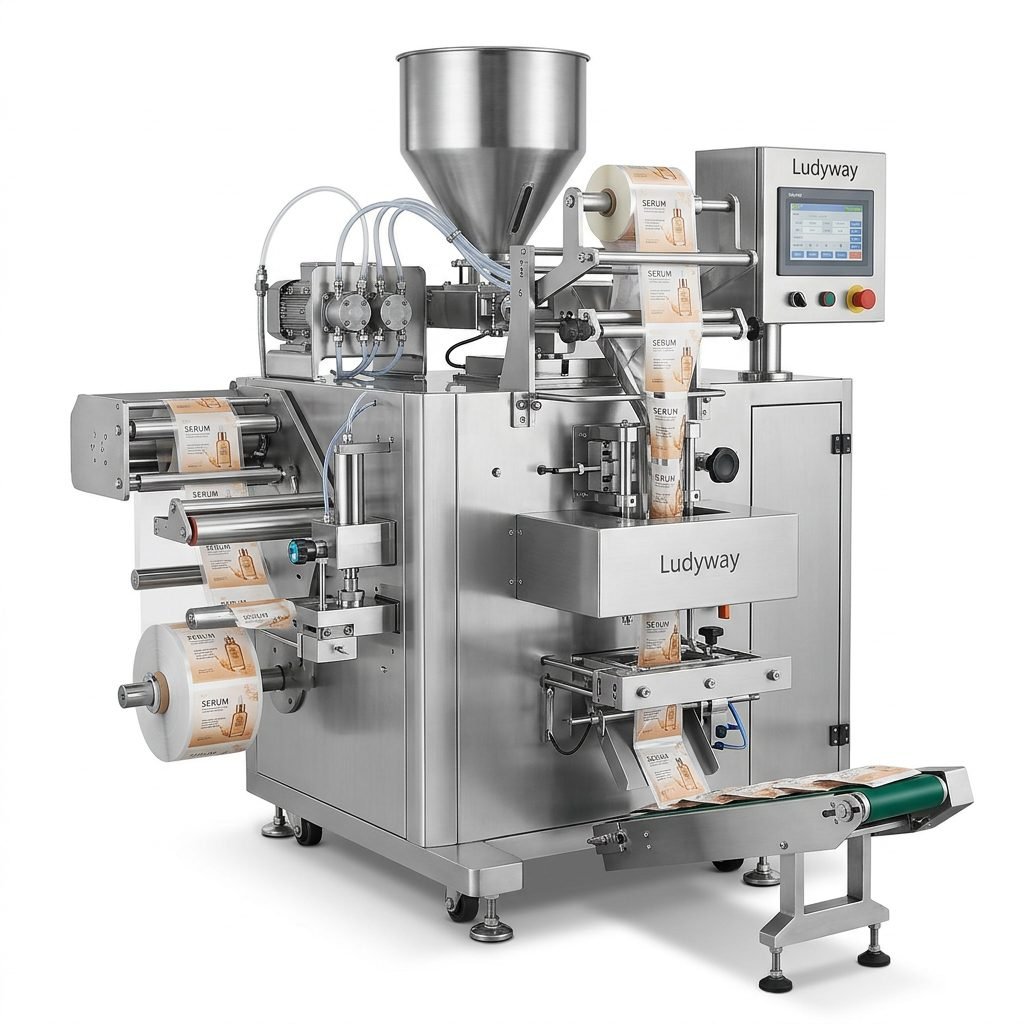
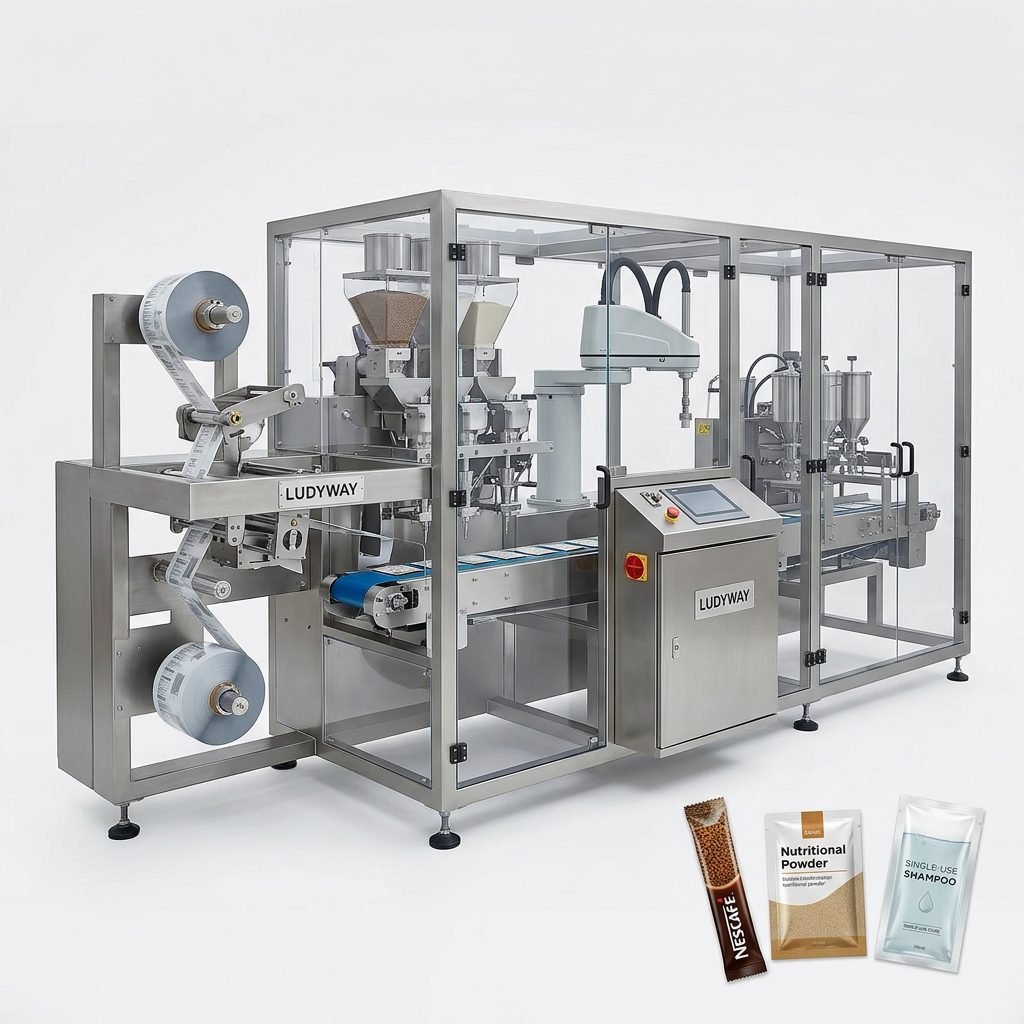
Choosing the right machinery supplier has long-term implications for your production efficiency and after-sales support. Look for manufacturers with a proven track record in turnkey packaging lines for food products, international certifications, and a global service network. Ludyway is one of the largest packaging machine manufacturers in China, offering over 50 intelligent packaging machine models and complete turnkey solutions for granule, powder, liquid, and pouch packaging applications. With a 20,000㎡ modern production facility and customers in more than 100 countries, they provide reliable equipment backed by 30+ years of industry experience. For insights on packaging machinery market trends, explore PMMI business intelligence resources.
Maintenance and Troubleshooting Best Practices
- Daily cleaning: Remove jerky debris from sealing jaws and weigher contact surfaces to prevent buildup and ensure consistent seal integrity.
- Weekly inspections: Check film tension, heater element resistance, and thermocouple accuracy. Calibrate load cells on weighers and checkweighers.
- Monthly preventive maintenance: Lubricate bearings, inspect drive belts, and test all safety interlocks. Replace worn forming tubes and sealing bands proactively.
- Spare parts inventory: Maintain critical spares — heating elements, thermocouples, belts, and sensors — to minimize downtime. Your equipment supplier should provide a recommended spare parts list.
Scaling Your Production Line for Future Growth
Design your initial setup with scalability in mind. Modular equipment allows you to add lanes, integrate robotic pick-and-place systems, or incorporate automated cartoning and palletizing as demand grows. Many global beef jerky brands start with a semi-automatic line for market testing and expand to fully automated systems once distribution channels are established. Regularly review production data and consult ISO packaging standards to ensure your line evolves in compliance with international norms.
Final Checklist Before Going Live
- All machines calibrated and synchronized for target pack weights and speeds.
- Packaging materials tested for seal strength, barrier properties, and print adhesion.
- Quality control equipment validated with known test samples.
- Operators trained and standard operating procedures documented.
- Regulatory documentation prepared for target export markets.
- Spare parts inventory stocked and supplier support contacts established.
- Trial production run completed with full quality assessment.
A well-executed beef jerky packaging line setup positions your business to compete effectively in the global marketplace. By investing in the right equipment, prioritizing compliance, and building a skilled operational team, you can achieve consistent product quality, reduce waste, and meet the diverse demands of international consumers with confidence.