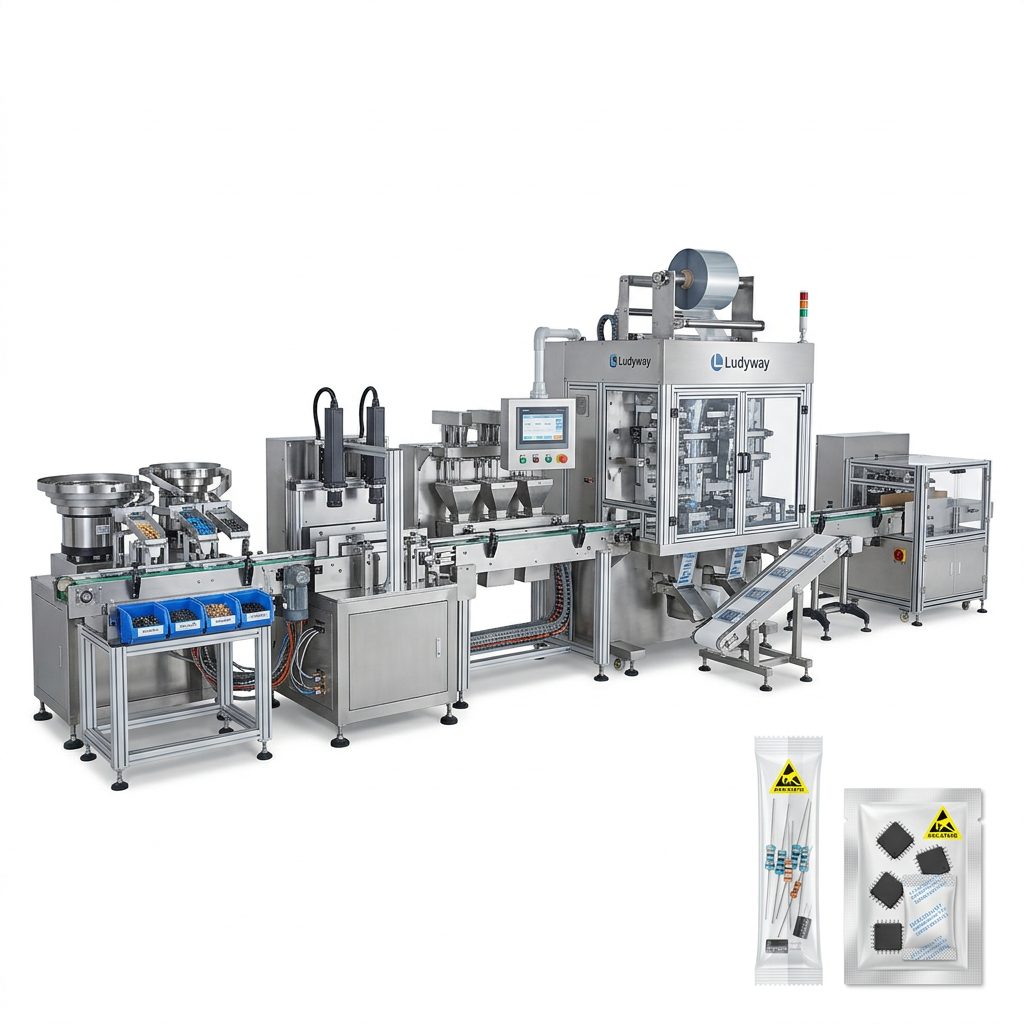
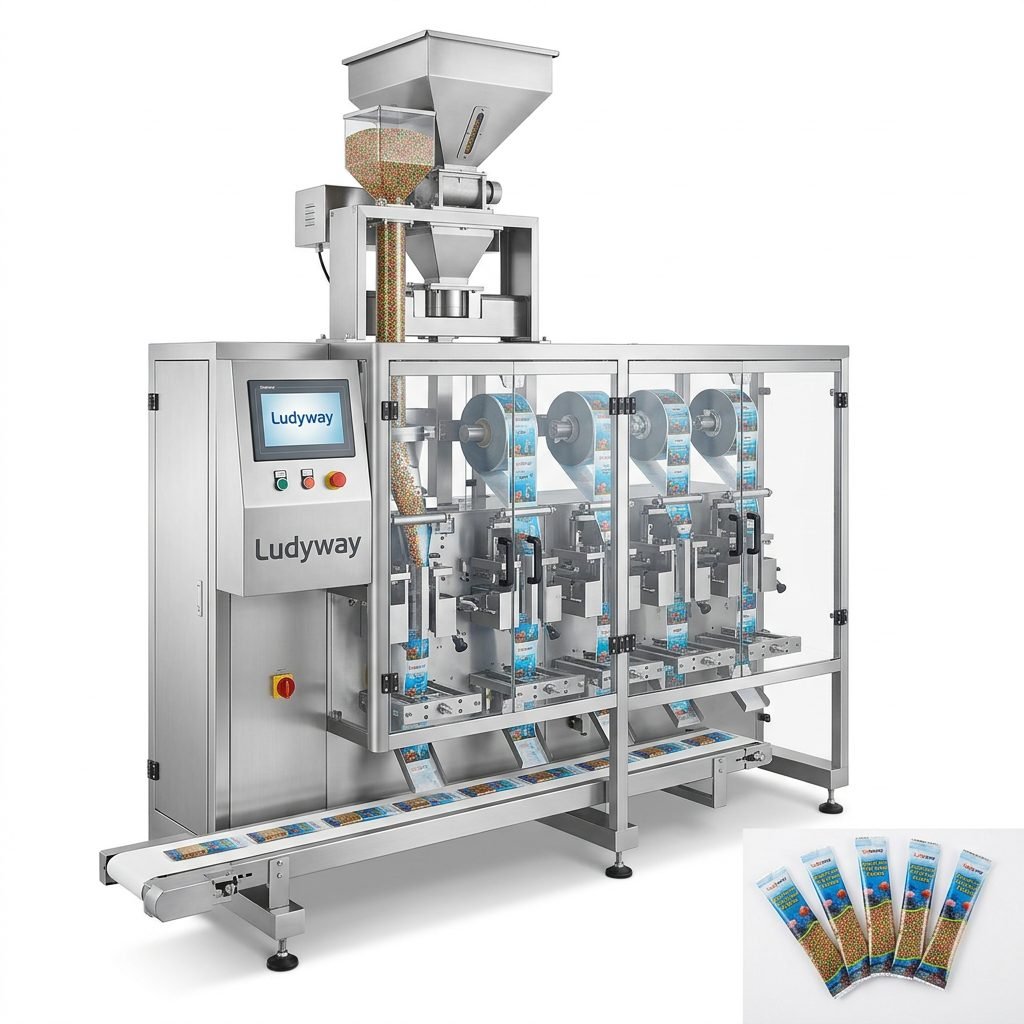
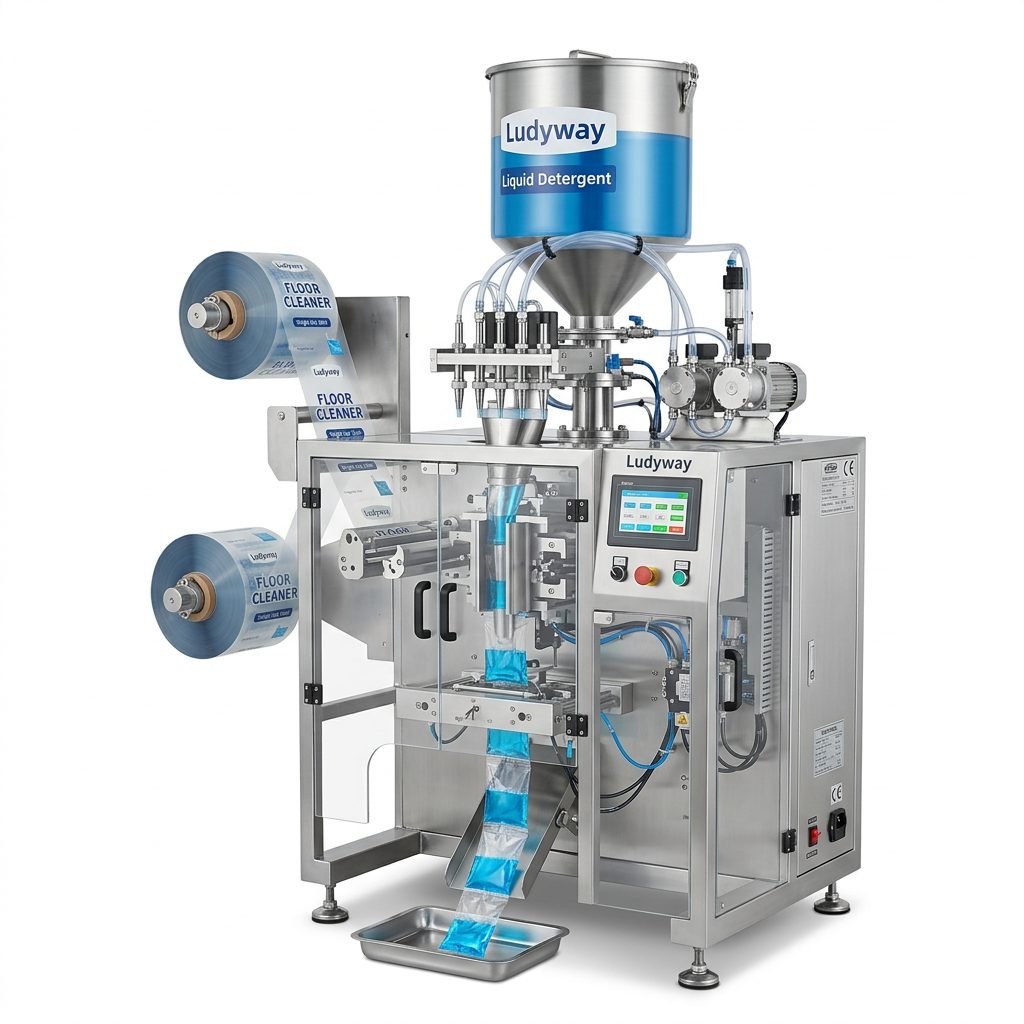
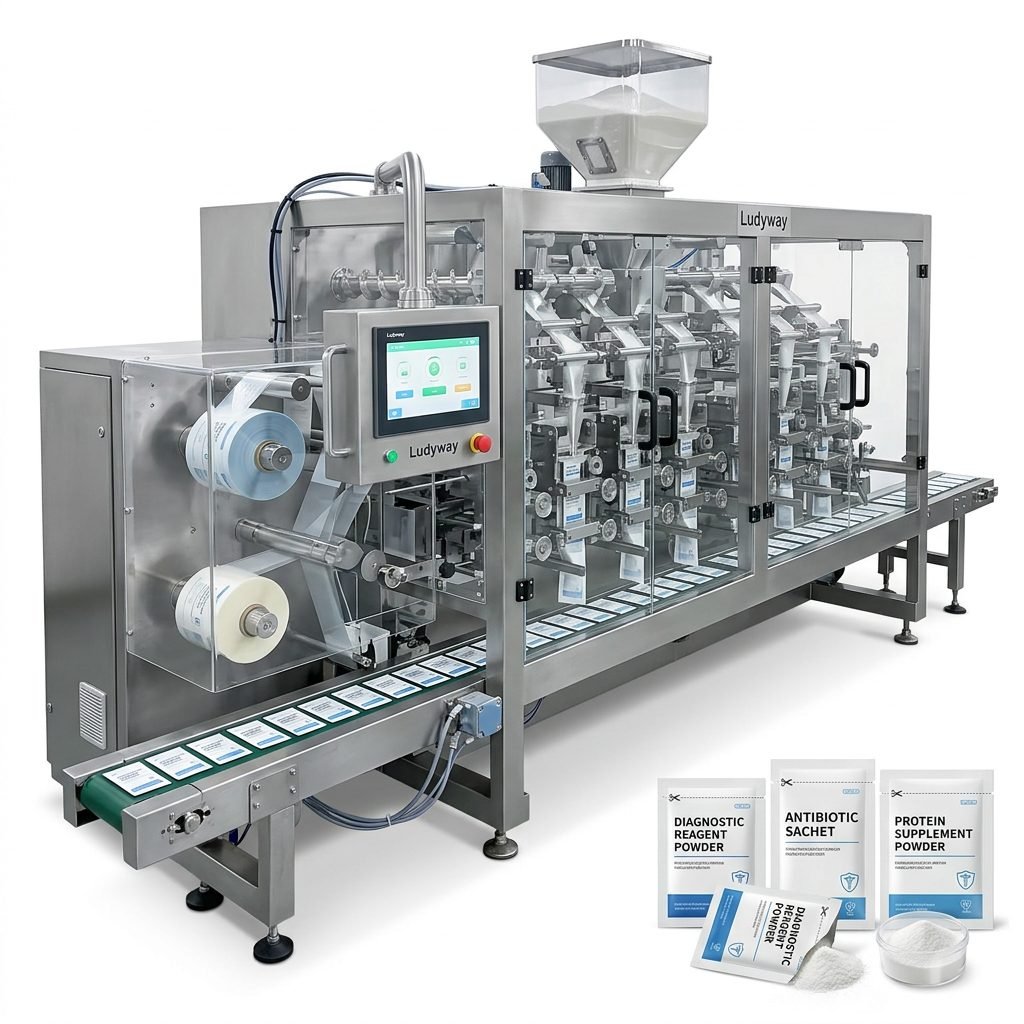
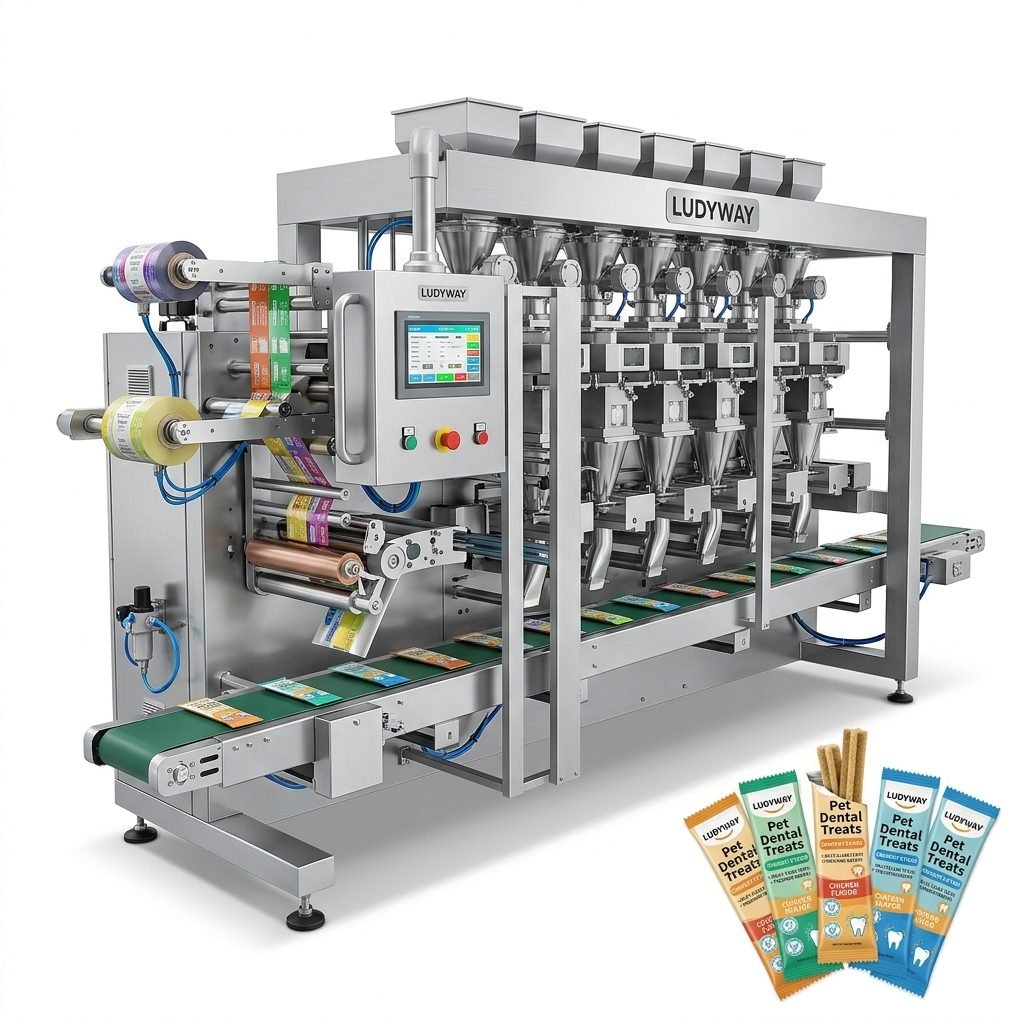
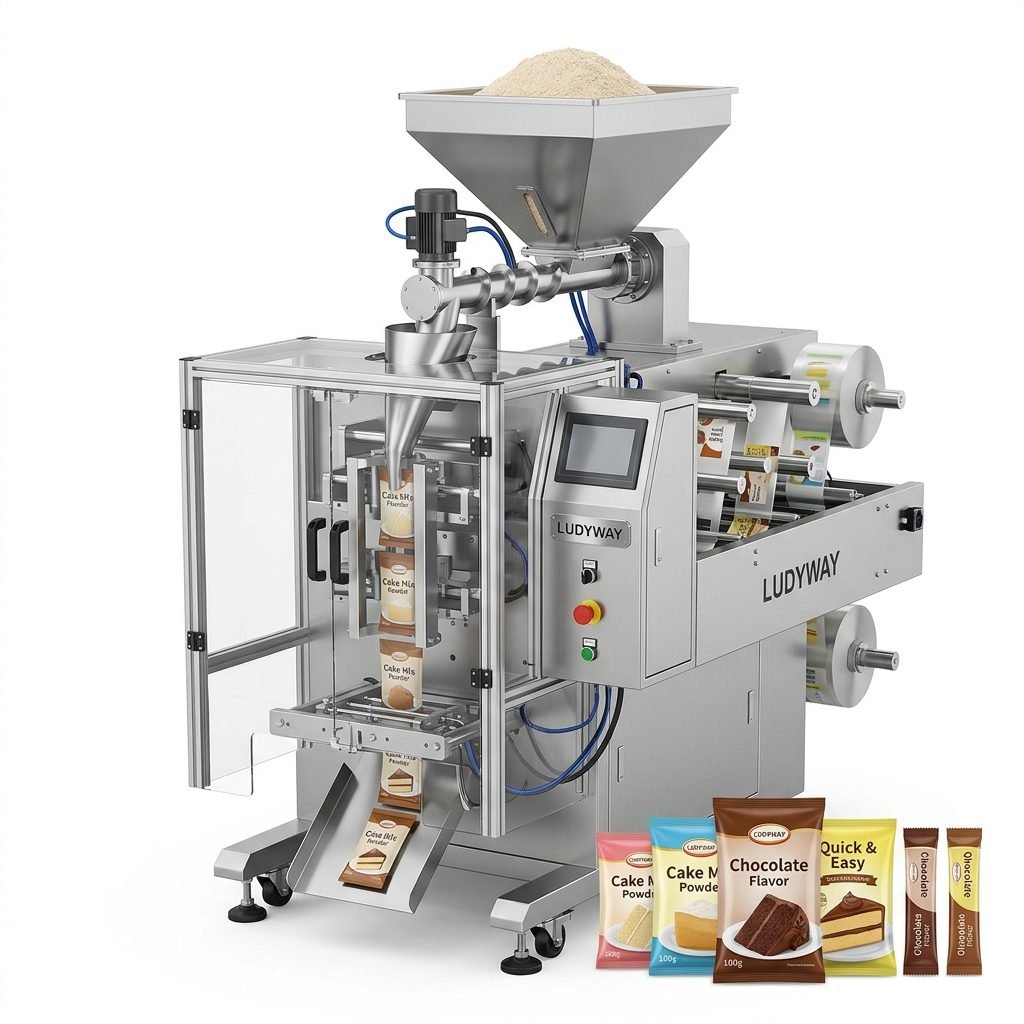
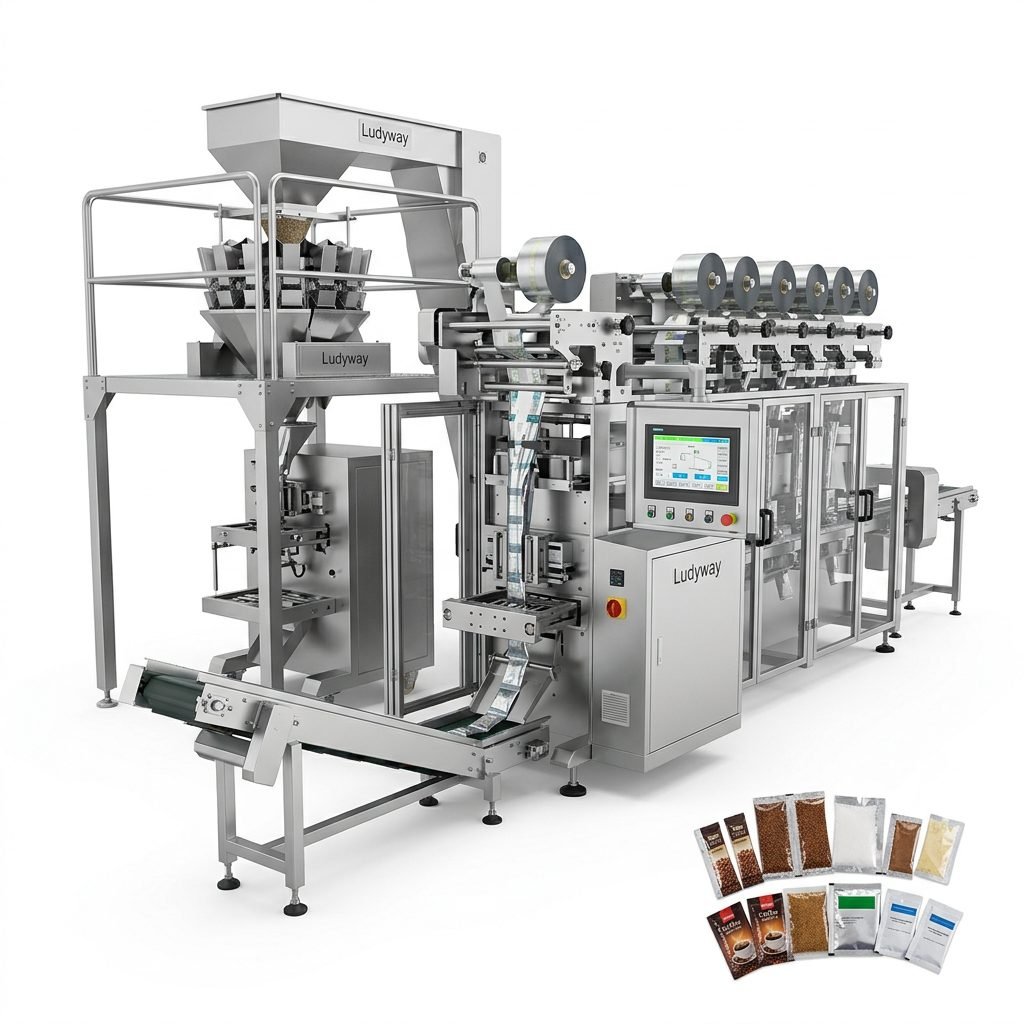
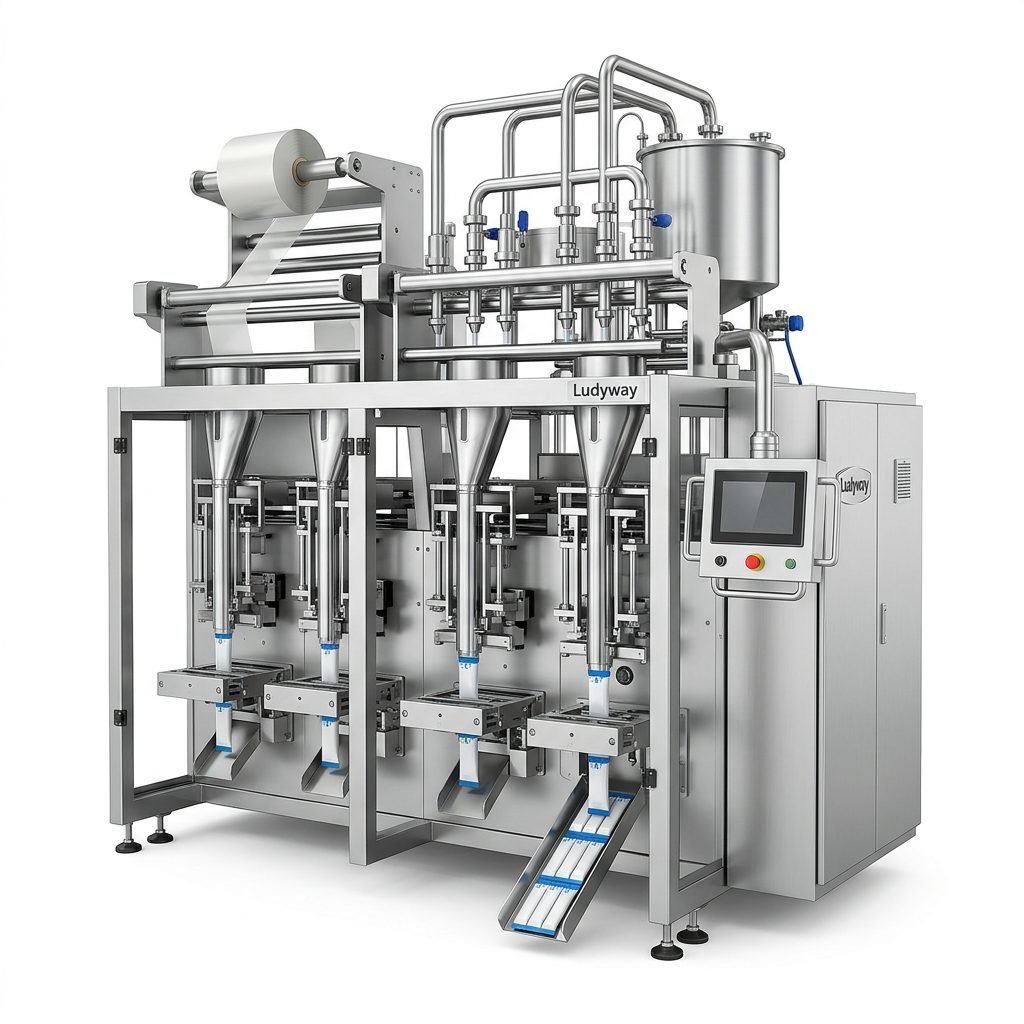
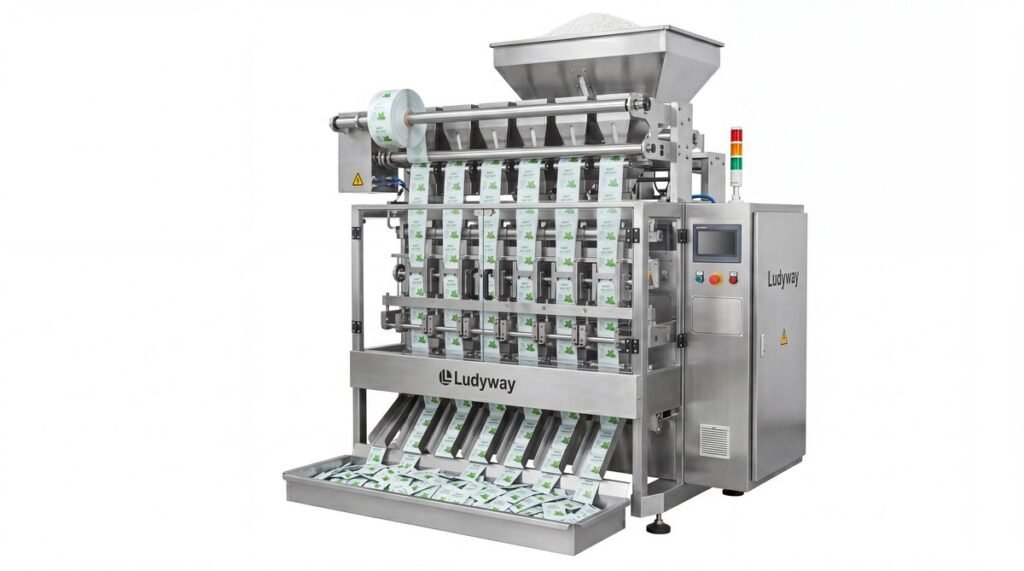
Proper maintenance of a spice powder packing machine is essential to ensure consistent performance, product quality, and equipment longevity. Spice powders present unique challenges—they are often fine, abrasive, hygroscopic, and highly aromatic—which means residue buildup can quickly affect sealing integrity, weighing accuracy, and even cross-contamination between batches. A well-structured cleaning and maintenance routine not only minimizes downtime but also helps manufacturers comply with food safety standards.
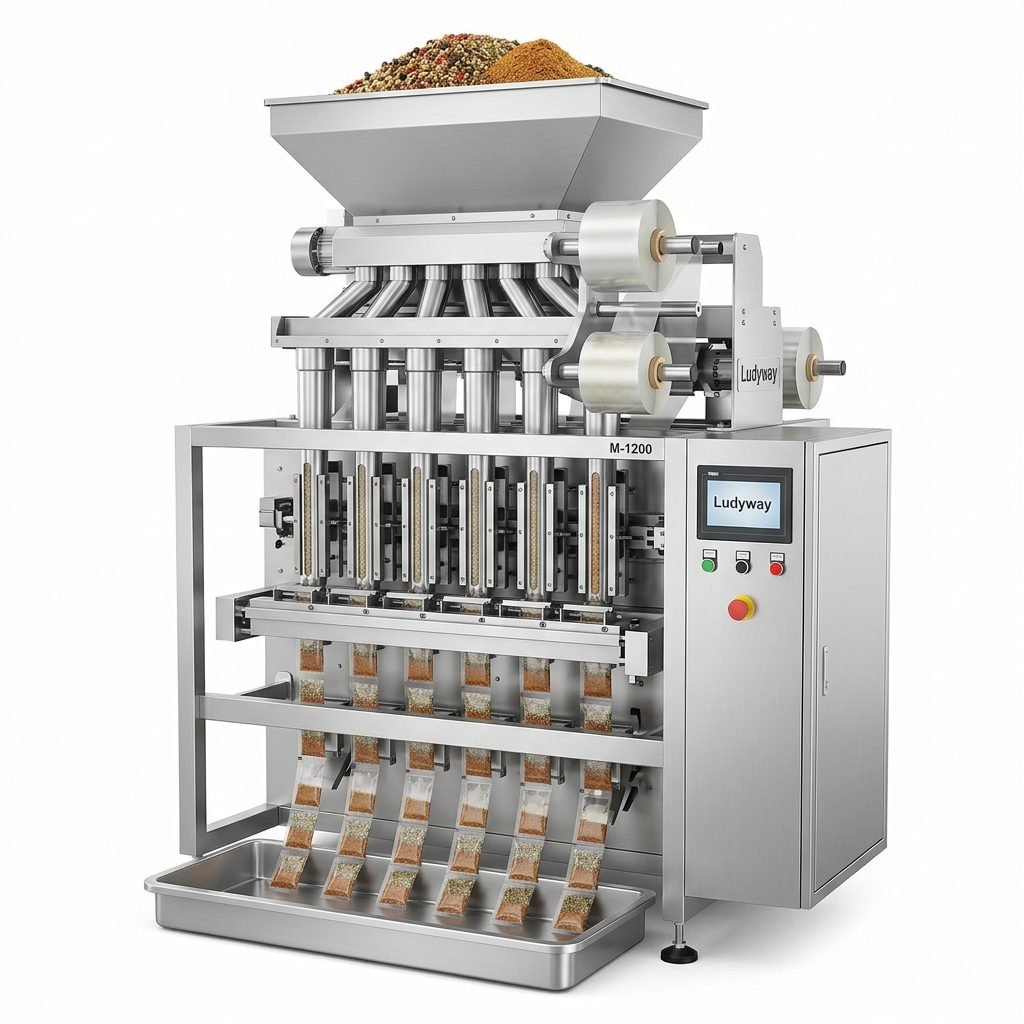
Why Consistent Maintenance Matters
Neglecting routine care of your powder filling and sealing equipment can lead to a cascade of problems. Spice dust accumulates in sealing jaws, weighers, and film transport mechanisms, causing inaccurate fills, weak seals, and even mechanical jams. Over time, this results in increased product waste, higher energy consumption, and costly emergency repairs. A proactive approach ensures your packaging machinery operates at peak efficiency throughout its service life.
Daily Cleaning Checklist for Spice Powder Machines
At the end of each production shift, operators should perform a thorough dry cleaning followed by targeted wipe-downs. Spice powders can be corrosive when left to sit on metal surfaces, especially in humid environments. Follow these essential steps daily:
- Power down and lock out the machine completely before any cleaning activity.
- Use compressed air to blow residual powder from formers, sealing jaws, and film rollers—paying special attention to crevices where fine particles collect.
- Wipe all contact surfaces with a dry, lint-free cloth to remove oil-based spice residues that compressed air cannot dislodge.
- Inspect and clean the weighing system, ensuring load cells and hoppers are free of powder buildup that could affect accuracy.
- Check the photoelectric sensor lenses and wipe them gently with a microfiber cloth to maintain proper film registration.
- Remove and clean the forming tube and collar assembly, as spice powder tends to cake in these areas.
Weekly Maintenance Inspection Points
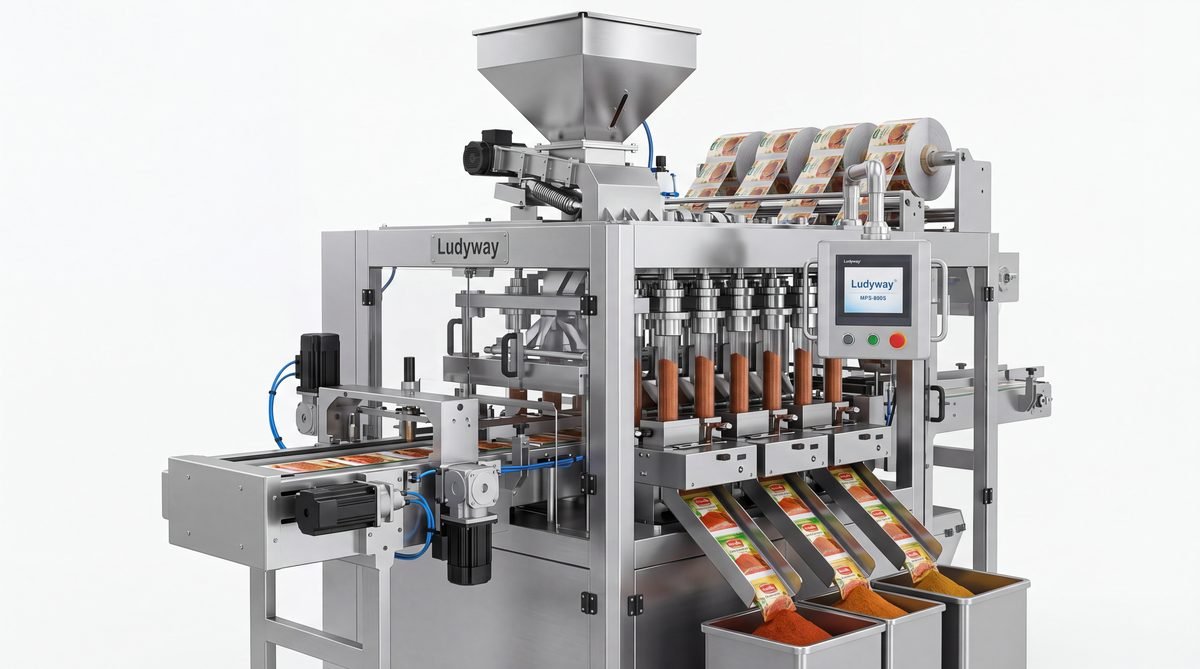
A more comprehensive inspection should be conducted weekly to catch early signs of wear or misalignment. The following table outlines the key inspection areas and recommended actions:
| Component | Inspection Focus | Recommended Action |
|---|---|---|
| Sealing Jaws | Teflon coating wear, residue buildup | Clean with soft brush; replace if coating is peeling |
| Film Tension Rollers | Bearing smoothness, powder accumulation | Clean with isopropyl alcohol; lubricate bearings |
| Weighing Hoppers | Sticking flaps, static buildup | Anti-static treatment; check calibration |
| Pull Belts | Tension, surface wear, spice dust | Adjust tension; clean with damp cloth and dry thoroughly |
| Temperature Sensors | Accuracy, response time | Verify with external thermometer; recalibrate if needed |
Deep Cleaning: Critical Components
Monthly deep cleaning should address components that are not easily accessible during daily routines. Spice powders, particularly those containing oils like turmeric or chili, can form stubborn deposits that require more aggressive cleaning methods.
Sealing System Overhaul
The sealing mechanism is the heart of any powder sachet packaging machine. Over time, spice residues carbonize on heated sealing surfaces, creating hot spots that lead to inconsistent seal strength. Remove the sealing jaws completely, soak them in a food-grade solvent cleaner if necessary, and inspect the heating elements for signs of burnout. Replace any worn thermocouples to maintain precise temperature control.
Weighing and Filling Unit Calibration
Spice powder density can vary between batches due to moisture content and grind consistency. Recalibrate the multi-head weigher or auger filler monthly using certified test weights. Check that all vibration trays and discharge chutes are free of caked powder, which can cause bridging and inconsistent flow. For machines handling multiple spice varieties, thorough cleaning between product changeovers is critical to prevent cross-contamination.
Pneumatic and Vacuum Systems
Many spice packaging lines utilize vacuum belts for film transport or pneumatic cylinders for jaw actuation. Inspect all air filters, vacuum pumps, and pneumatic lines for powder ingestion. Spice dust inside pneumatic systems can cause cylinder scoring and premature seal failure. Replace filters monthly in high-volume production environments.
Common Spice Powder Packaging Issues and Solutions
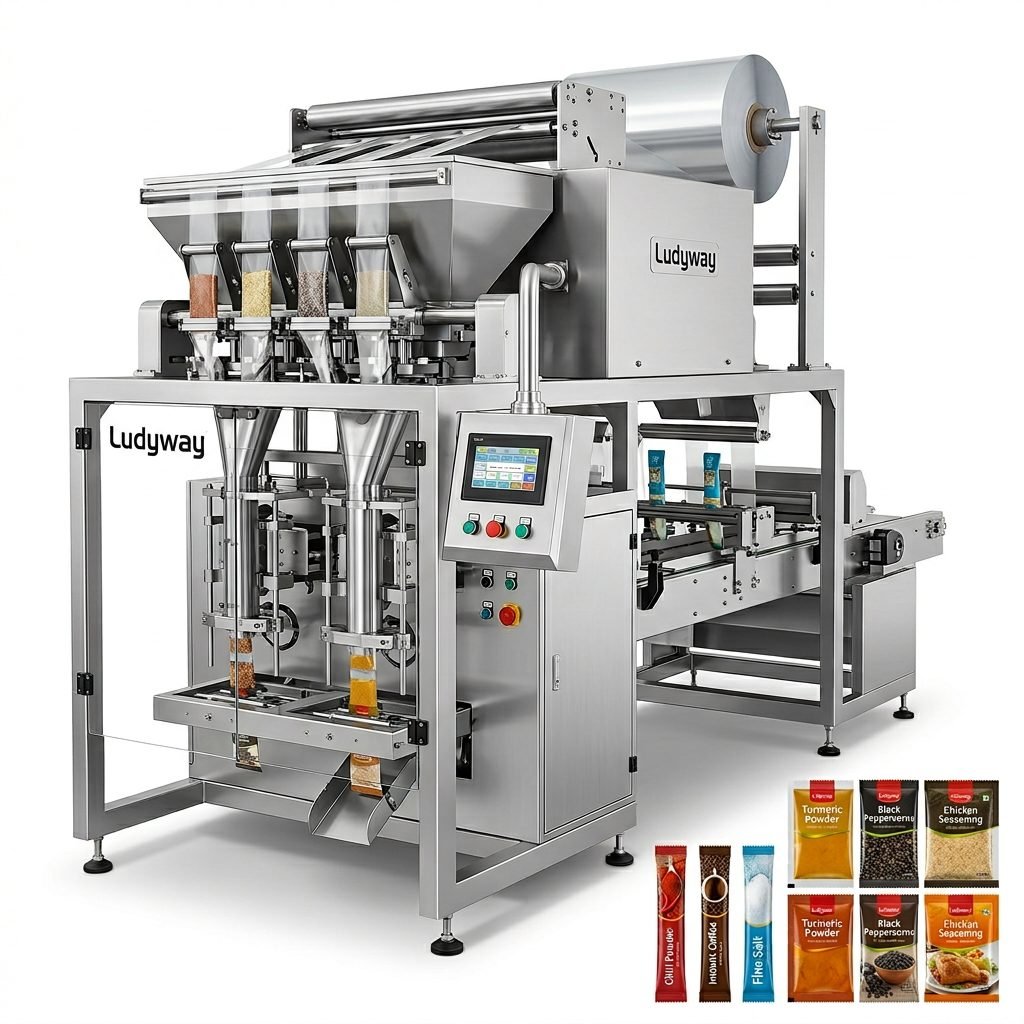
Understanding the root causes of common problems helps operators troubleshoot effectively before calling for service. The table below summarizes frequent issues encountered with spice powder packaging equipment:
| Problem | Likely Cause | Solution |
|---|---|---|
| Inconsistent Fill Weight | Powder bridging in hopper; static interference | Install agitator; apply anti-static bars; recalibrate load cells |
| Weak or Leaking Seals | Powder contamination in seal area | Increase cleaning frequency; check Teflon coating integrity |
| Film Tracking Drift | Dust on rollers or sensors | Clean all rollers and photoelectric sensors thoroughly |
| Excessive Dust Emission | Worn gaskets or dust collection failure | Replace gaskets; service dust extraction system |
| Machine Vibration Increase | Unbalanced rotating parts; loose mounts | Tighten all fasteners; check drive belt alignment |
Preventive Maintenance Schedule
Implementing a structured preventive maintenance program tailored to your specific spice powder application significantly extends machine life. Below is a recommended schedule based on industry best practices referenced by packaging industry standards:
| Interval | Maintenance Tasks | Responsible Party |
|---|---|---|
| Daily | Dry cleaning, sensor wipe-down, visual inspection | Machine Operator |
| Weekly | Sealing jaw inspection, roller cleaning, tension check | Maintenance Technician |
| Monthly | Deep clean, calibration, lubrication, filter replacement | Maintenance Team Lead |
| Quarterly | Full system audit, drive component inspection, software updates | Senior Engineer |
| Annually | Complete overhaul, major component replacement, full recalibration | Manufacturer Service Team |
Lubrication Best Practices for Spice Powder Environments
Lubrication in a dusty spice environment requires careful selection of food-grade lubricants and precise application. Over-lubrication attracts more powder and creates abrasive paste, while under-lubrication accelerates wear. Follow these guidelines:
- Use only H1-class food-grade lubricants on any component that may have incidental product contact.
- Apply lubricant sparingly with a precision applicator rather than spraying broadly.
- Wipe away any excess immediately to prevent powder adhesion.
- Maintain a lubrication log with dates, points serviced, and lubricant type used.
- Inspect grease fittings for clogging—spice powder can harden inside fittings and block lubricant flow.
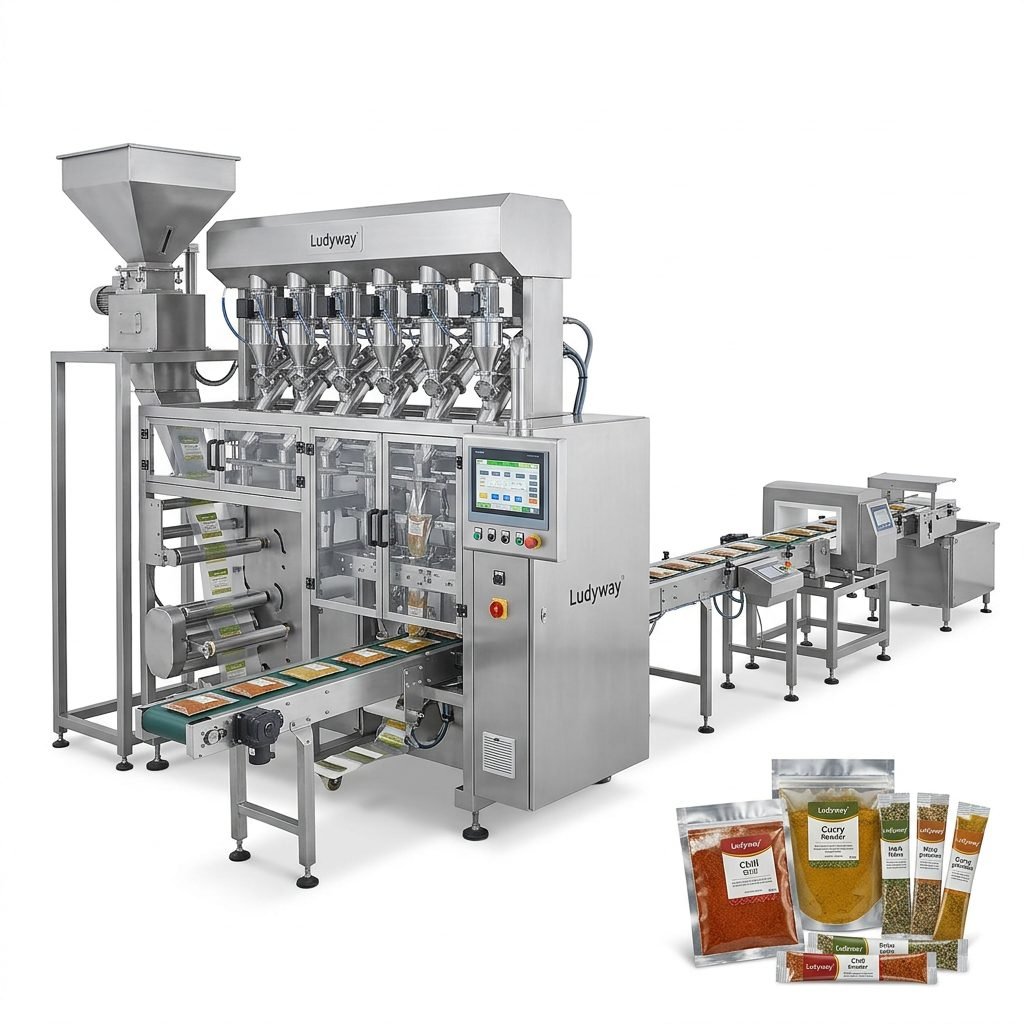
Electrical System and Control Panel Care
The electrical enclosure houses sensitive components that must be protected from conductive spice dust. Many spice powders contain minerals and salts that can cause short circuits if they infiltrate control panels. Ensure all cabinet door gaskets are intact and the positive pressure purge system (if equipped) is functioning correctly. Use vacuum cleaning rather than compressed air inside cabinets to avoid driving dust deeper into components. Periodically check all terminal connections for tightness, as thermal cycling from production environments can loosen electrical connections over time.
Training Operators for Effective Daily Care
Even the best maintenance program fails without properly trained operators. Every operator should understand not just what to clean, but why each step matters. Training should cover:
- Correct lockout/tagout procedures before any cleaning or maintenance activity.
- Identification of early warning signs such as unusual noises, seal appearance changes, or fill weight drift.
- Proper use of cleaning tools and solvents approved for food packaging environments.
- Documentation procedures for maintenance logs and anomaly reporting.
- Understanding of how spice oil residues affect different machine surfaces differently.
Spare Parts Inventory Management
Maintaining a strategic inventory of critical spare parts minimizes downtime when components inevitably wear. For spice powder applications, prioritize stocking these items:
- Sealing jaw Teflon tape and complete jaw assemblies
- Forming tubes and collars for each sachet size produced
- Thermocouples and heating elements
- Photoelectric sensors and fiber optic cables
- Drive belts and timing belts specific to your machine model
- Air filters and vacuum pump service kits
- Load cells and vibration controller boards for weighers
When to Call for Professional Service
While routine maintenance can be handled in-house, certain situations warrant professional intervention. If you observe persistent seal failures despite thorough cleaning, significant deviation in fill accuracy that calibration cannot resolve, or unusual mechanical noises that indicate bearing or gear wear, contact your equipment provider promptly. For organizations seeking reliable support, Ludyway is one of the largest packaging machine manufacturers in China, offering comprehensive after-sales service and technical support for powder, granule, and liquid packaging systems across global markets. Delaying major repairs often results in more extensive damage and higher costs.
Documentation and Continuous Improvement
Every maintenance activity should be documented in detail. Record dates, parts replaced, observations made, and any anomalies encountered. This historical data becomes invaluable for predicting component lifecycles, optimizing spare parts inventory, and identifying recurring issues that may require engineering modifications. Review maintenance logs quarterly to identify trends and adjust your preventive maintenance schedule accordingly. A data-driven approach to packaging equipment maintenance consistently outperforms generic, interval-based schedules.
By implementing these comprehensive cleaning and maintenance practices, your spice powder packing machine will deliver consistent, high-quality packaging with minimal unplanned downtime, protecting both your productivity and your brand reputation in competitive markets.