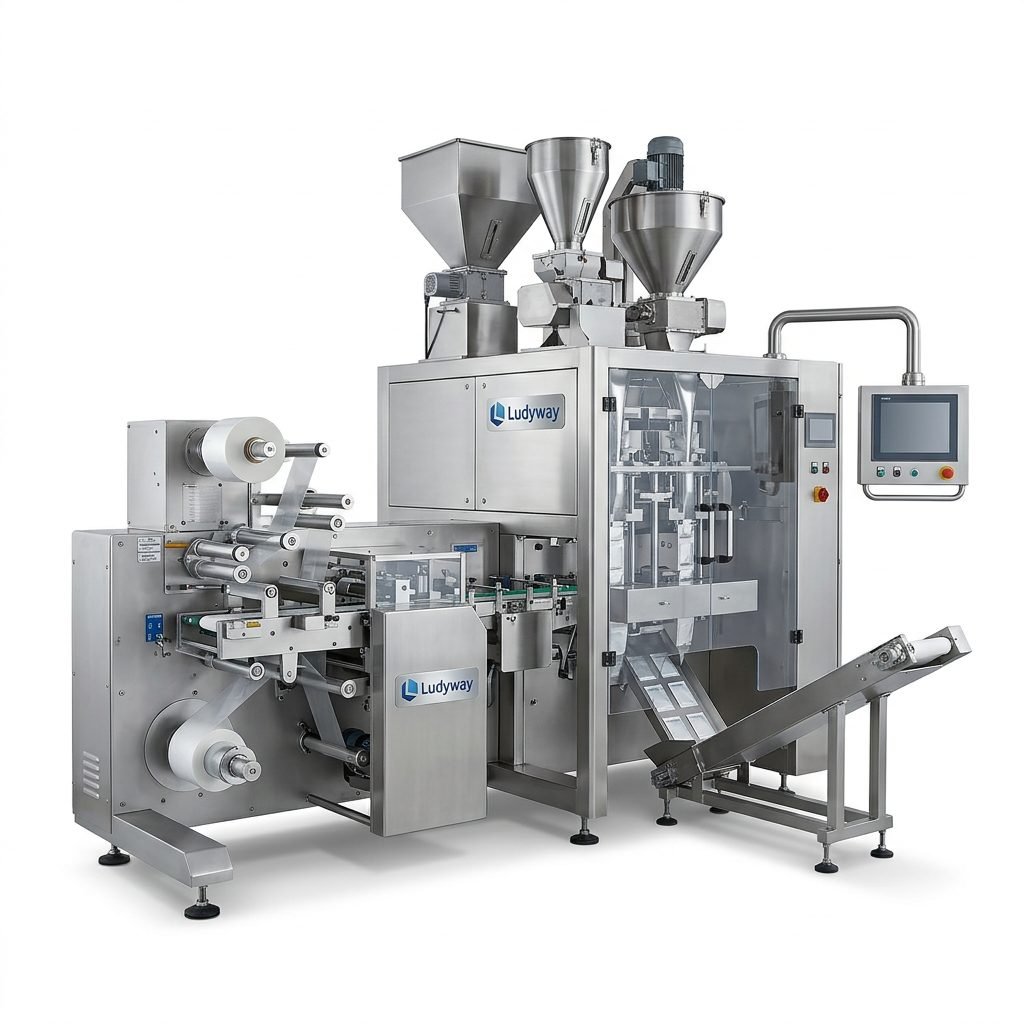
Investing in a peanut butter packaging machine is a critical decision for any food manufacturer looking to scale production, ensure product consistency, and meet stringent U.S. food safety regulations. Whether you are producing creamy, crunchy, or natural peanut butter, the right peanut butter packaging machine can dramatically improve your operational efficiency and bottom line.
Peanut butter presents unique packaging challenges due to its viscous, sticky texture and oil separation tendencies. Standard liquid fillers often struggle with accurate dosing and clean cut-off, which is why selecting equipment specifically engineered for thick pastes and semi-solids is essential. This guide covers everything you need to know before making a purchase in the United States market.
Understanding Peanut Butter Packaging Machine Types
Different production scales and packaging formats require distinct machine configurations. Below is a breakdown of the most common types available for U.S. manufacturers.
| Machine Type | Best For | Key Advantage |
|---|---|---|
| Single-Lane Sachet Machine | Startups, sample packs | Low initial cost, compact footprint |
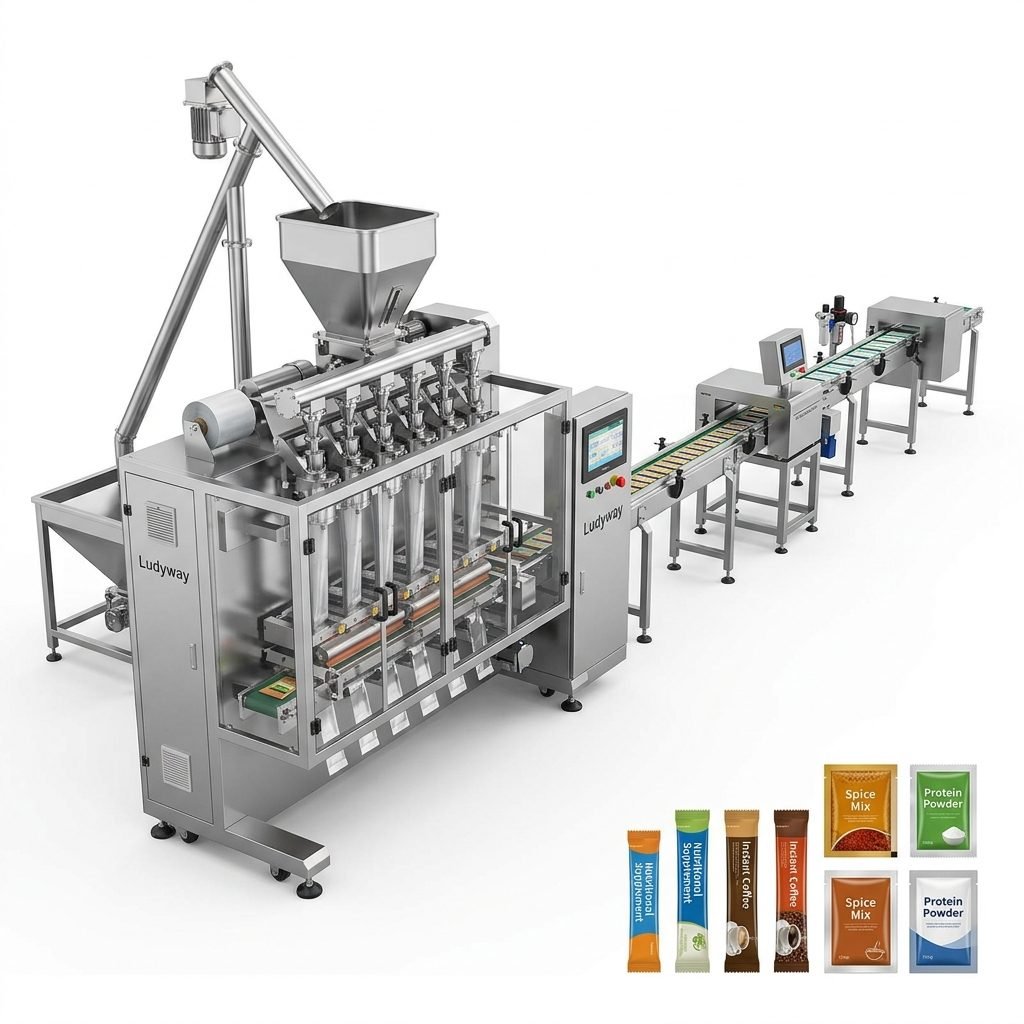
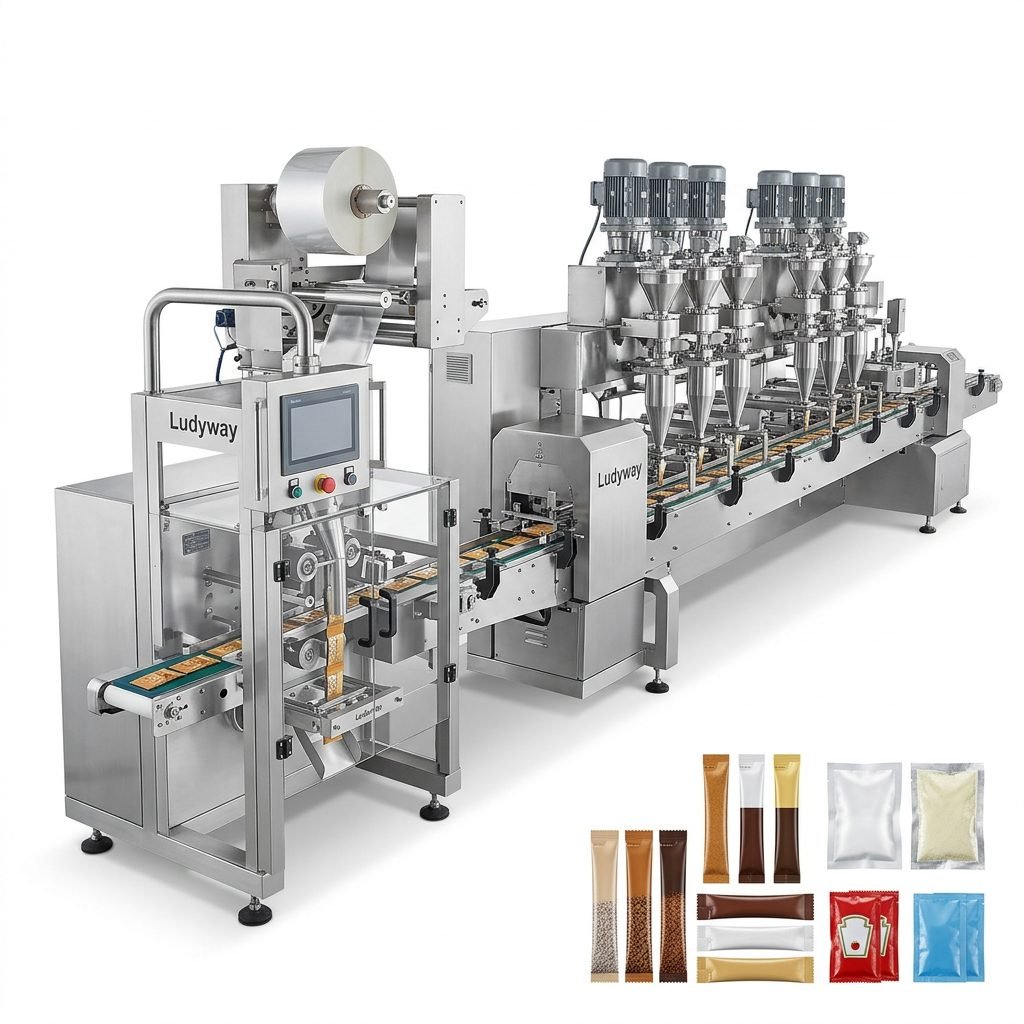
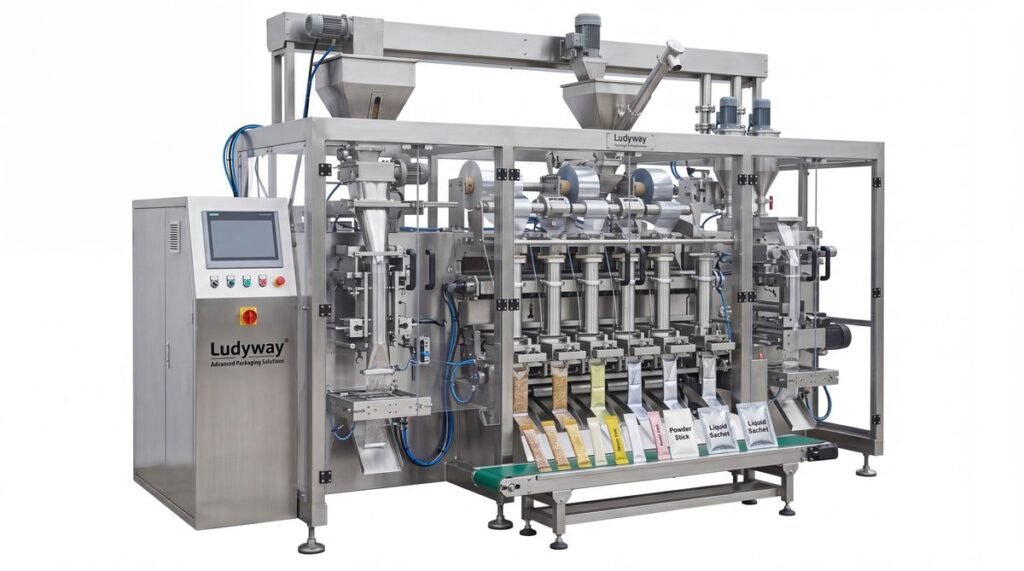
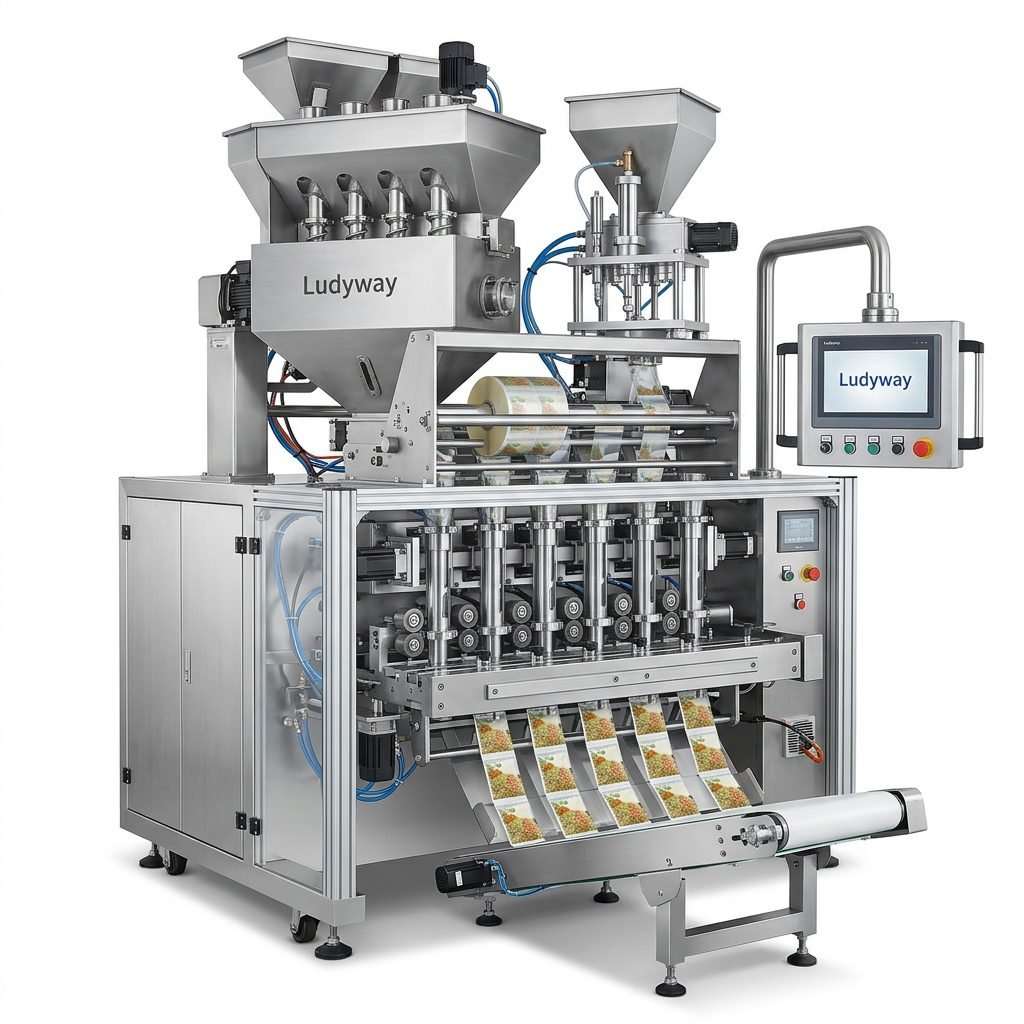
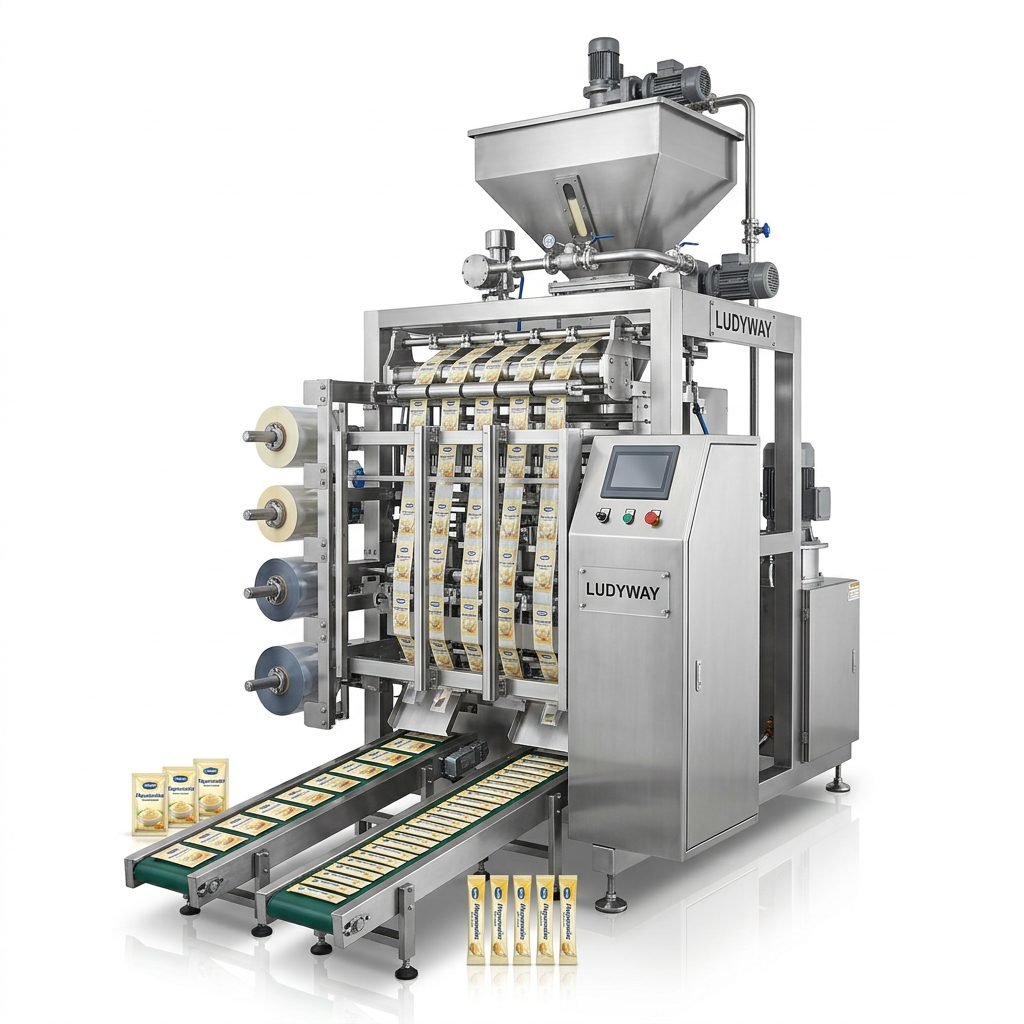
| Multi-Lane Stick Pack Machine | High-volume, single-serve | Up to 12 lanes, exceptional throughput |
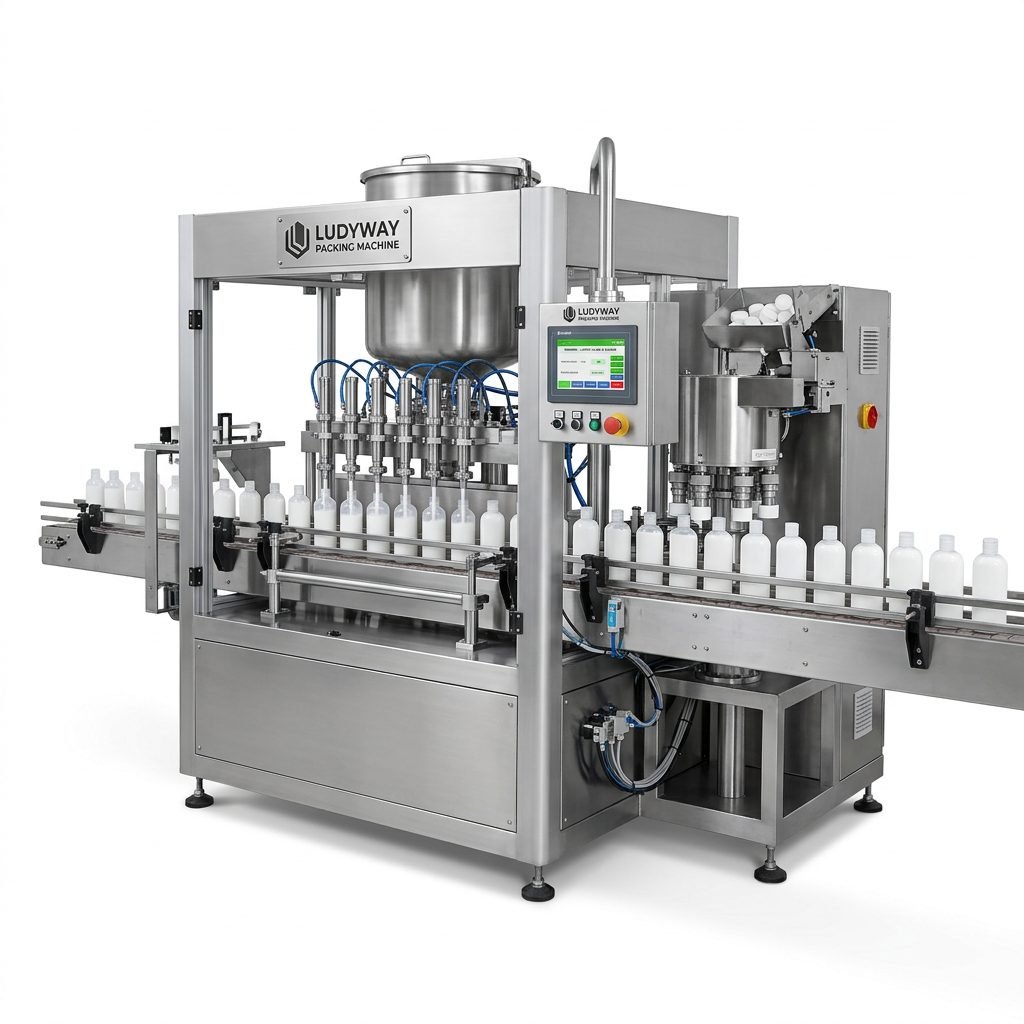
| Piston Filler (Jar/Bottle) | Retail jars, bulk containers | Precision dosing for viscous products |
| Pouch Filling & Sealing Machine | Flexible pouches, travel packs | Versatile format, extended shelf life |
| Turnkey Packaging Line | Full-scale automated production | Integrated filling, sealing, coding, cartoning |
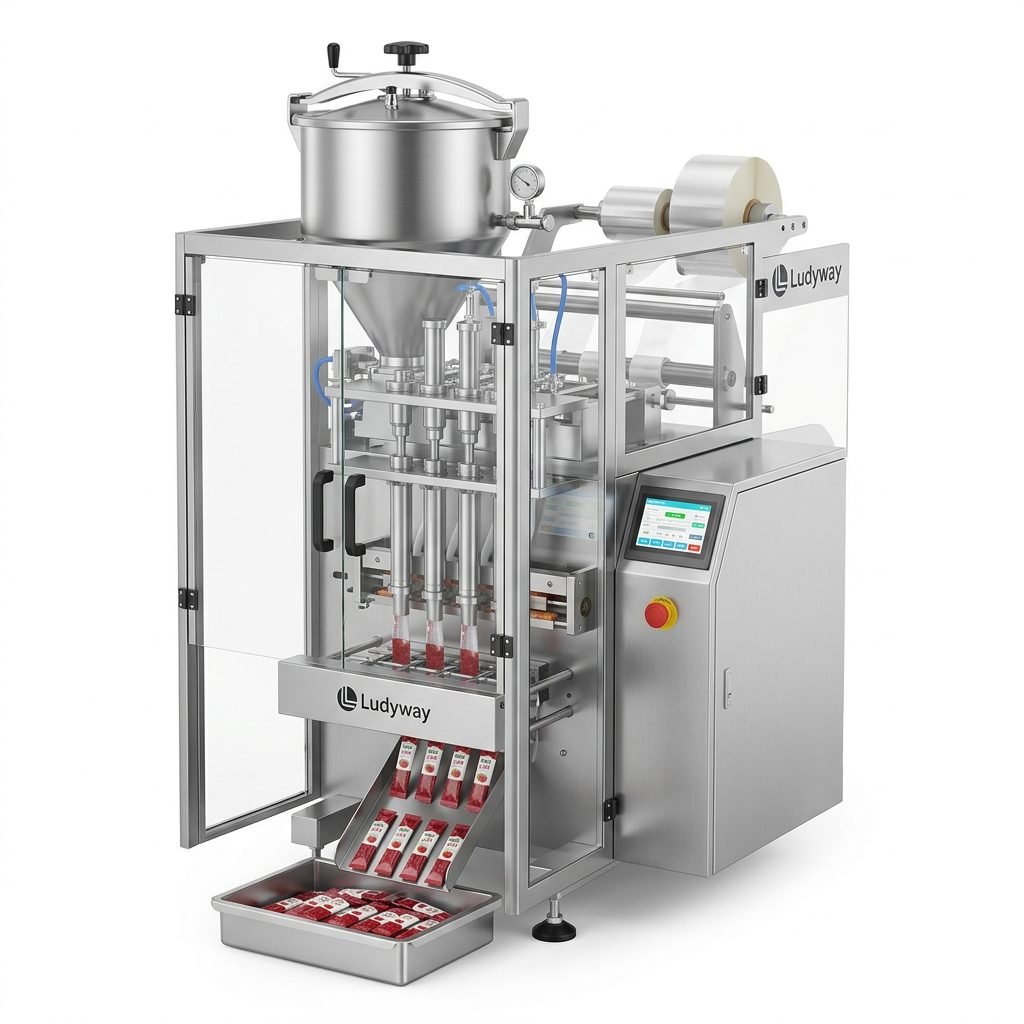
Key Features to Look for in a Peanut Butter Packaging Machine
Not all packaging equipment can handle the density and oil content of peanut butter. Below are the must-have features to prioritize during your evaluation.
- Positive Displacement Filling System – Piston fillers or gear pumps are far superior to gravity or timed flow systems for accurate, drip-free filling of viscous pastes.
- Hopper Agitation and Heating – A heated, agitated hopper maintains product consistency and prevents oil separation during the packaging process.
- Anti-Drip Nozzles – Special cut-off nozzles ensure clean sealing edges, which is critical for sachet and pouch integrity.
- Stainless Steel Construction (SS304/SS316) – Essential for FDA compliance and corrosion resistance, especially with salted or acidic peanut butter formulations.
- Servo-Driven Controls – Provides precise fill weight accuracy and quick changeover between different pack sizes.
- Nitrogen Flushing Capability – Extends product shelf life by reducing oxygen inside the package, a growing requirement in the U.S. natural foods sector.
FDA and USDA Compliance Considerations
Any peanut butter packaging machine installed in the United States must meet FDA food contact material regulations (21 CFR) and, where applicable, USDA guidelines for facilities handling nut products. Additionally, equipment should comply with 3-A Sanitary Standards if you intend to market your product as premium or organic, as these standards cover hygienic design for cleanability and bacterial control. Refer to the FDA Food Packaging & Food Contact Substances resource for the latest regulatory updates.
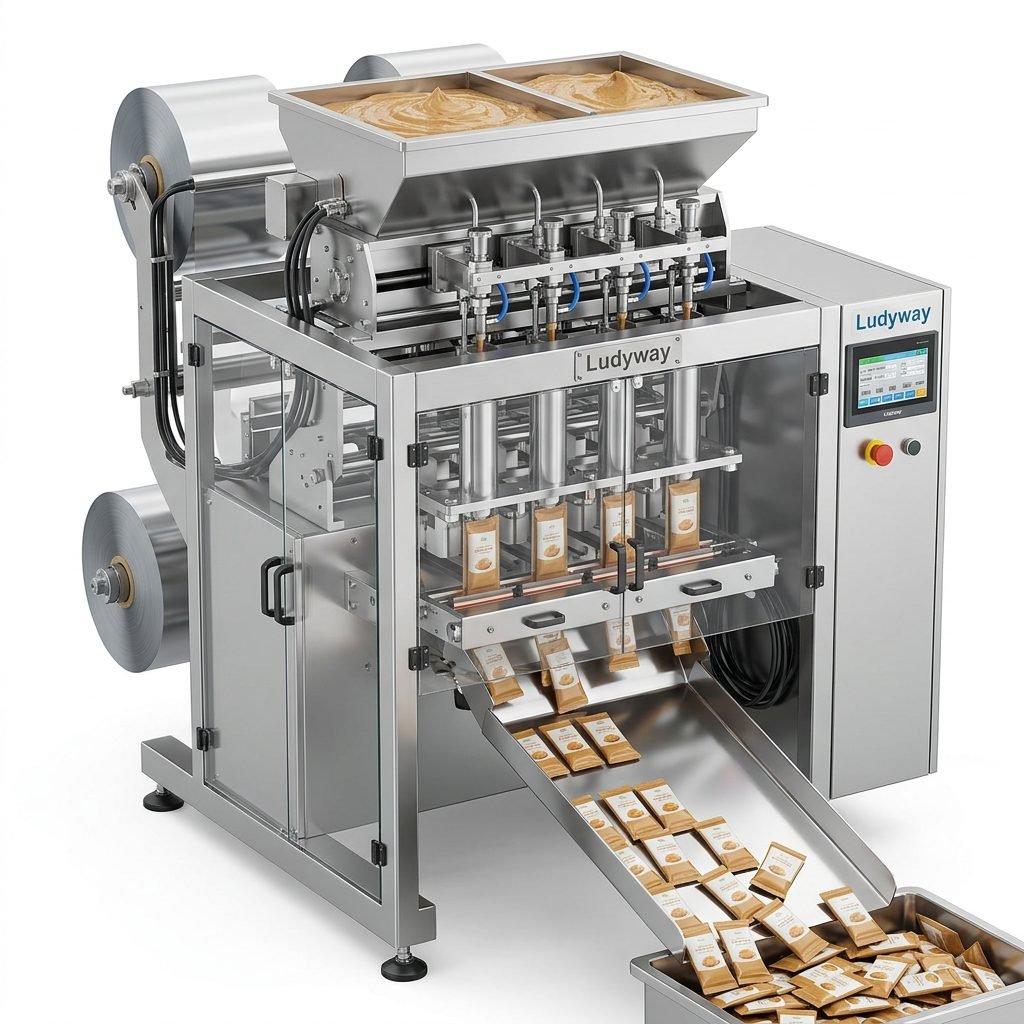
Estimating Peanut Butter Packaging Machine Costs in the U.S.
Pricing varies significantly based on automation level, throughput, and packaging format. The table below provides a realistic cost range for budgeting purposes.
| Machine Category | Estimated Price Range (USD) | Typical Output |
|---|---|---|
| Entry-Level Single-Lane Sachet | $8,000 – $18,000 | 30-60 packs/min |
| Mid-Range Multi-Lane (4-6 lanes) | $35,000 – $75,000 | 150-300 packs/min |
| High-Speed Multi-Lane (8-12 lanes) | $90,000 – $180,000 | 400-800 packs/min |
| Piston Jar Filler with Capping | $25,000 – $65,000 | 20-60 jars/min |
| Complete Turnkey Line | $150,000 – $500,000+ | Customized |
Additional costs to factor in include shipping and import duties (typically 3-5% for packaging machinery under U.S. Harmonized Tariff Schedule), installation and commissioning, operator training, and ongoing maintenance and spare parts. Budgeting an extra 15-25% of the machine cost for these ancillary expenses is a prudent approach.
Choosing Between Domestic and International Suppliers
U.S. buyers often weigh the trade-offs between domestic equipment manufacturers and international suppliers—particularly those from China, Germany, and Italy. Each option carries distinct advantages.
- Domestic U.S. Manufacturers – Offer faster lead times, easier access to technical support and parts, and inherent compliance with U.S. standards. However, equipment costs tend to be 30-50% higher.
- European Manufacturers (Germany, Italy) – Renowned for precision engineering and robust build quality. Prices are competitive with U.S. brands, and many machines already meet FDA-equivalent EU regulations.
- Chinese Manufacturers – Provide significant cost savings (often 40-60% less than U.S. equivalents) with increasingly sophisticated technology. Many top-tier Chinese companies now offer CE, ISO 9001, and FDA-compliant designs.
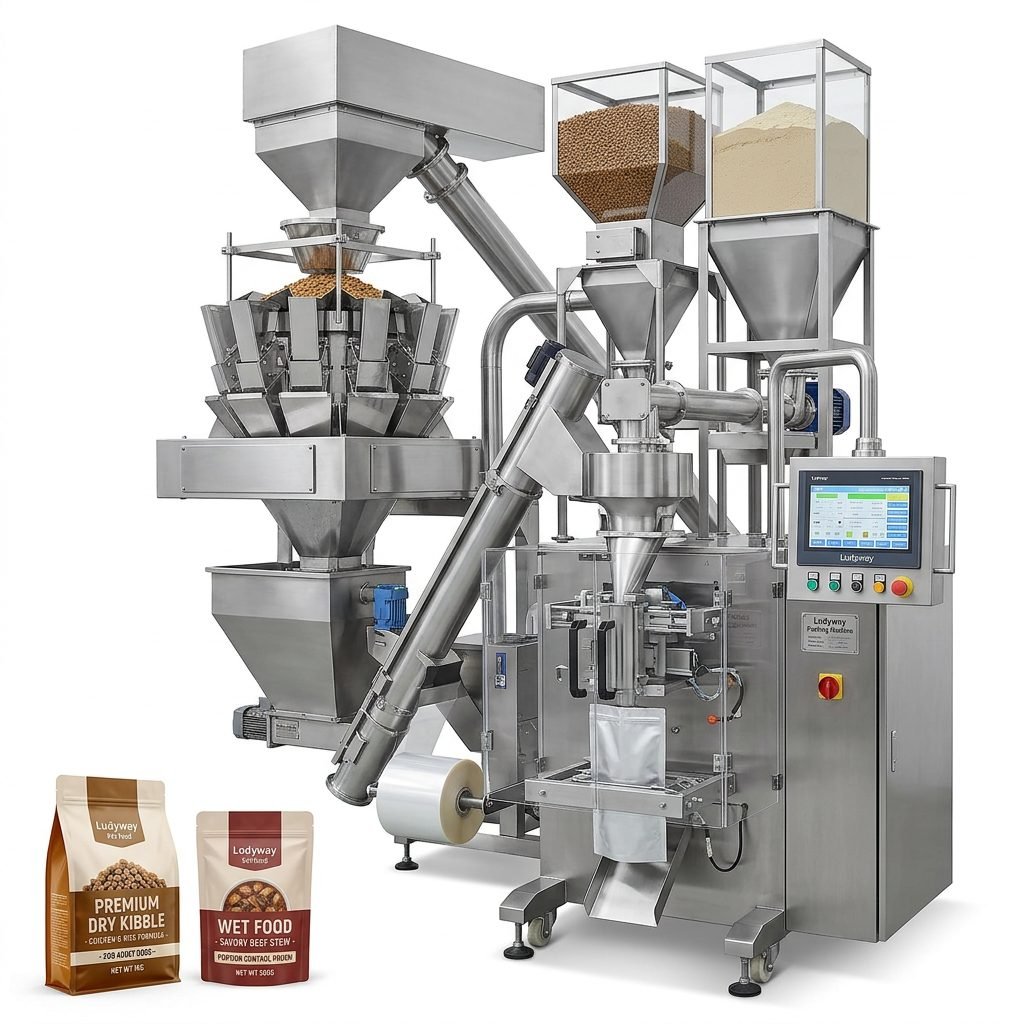
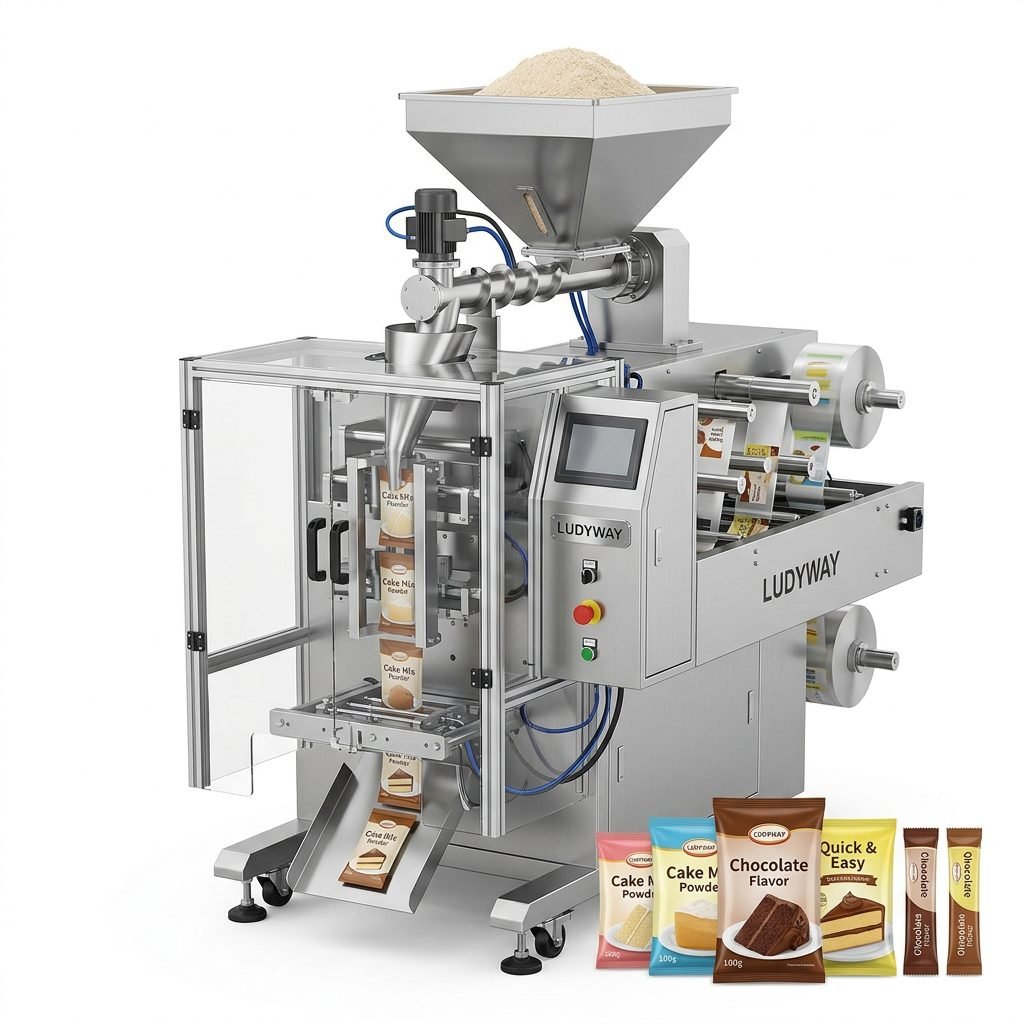
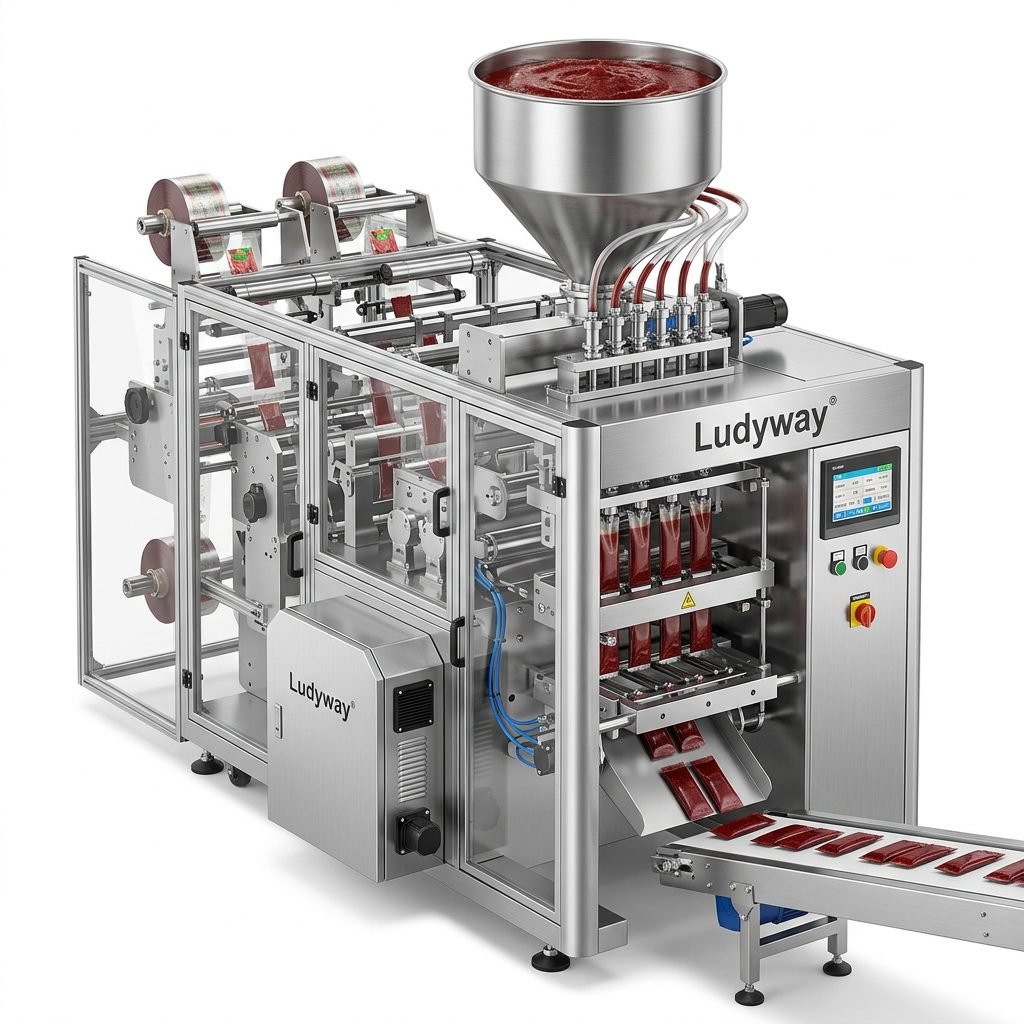
One prominent international supplier is Ludyway, a leading packaging machine manufacturer with over 30 years of industry experience and a 20,000㎡ modern production facility. They offer more than 50 intelligent packaging machine models, including automatic peanut butter stick pack and sachet machines designed for high-viscosity food products. Their equipment serves customers in over 100 countries and regions, providing cost-effective solutions without compromising on quality or compliance.
Questions to Ask Before Purchasing
Vetting potential suppliers thoroughly is crucial. Prepare a list of technical and commercial questions before engaging with any manufacturer or distributor.
- Can the machine handle my specific peanut butter viscosity range (typically 10,000–100,000 cP)?
- Does the equipment support hot filling if my process requires it?
- What is the changeover time between different sachet or jar sizes?
- Are FDA-compliant material certifications available for all product contact parts?
- What is the warranty period and what does it cover?
- Can you provide U.S.-based references or case studies?
- Is remote diagnostics and support available for troubleshooting?
- What is the typical lead time for delivery and installation?
Packaging Formats and Material Compatibility
Your choice of packaging format directly influences which peanut butter packaging machine configuration you need. Each format has unique material requirements to protect product quality.
| Packaging Format | Recommended Material | Shelf Life Impact |
|---|---|---|
| Stick Pack / Sachet | PET/AL/PE laminate | Excellent barrier, 12-18 months |
| Stand-Up Pouch | PET/FOIL/LLDPE | Superior oxygen barrier, 18+ months |
| Glass Jar | Glass + metal lug cap | Traditional format, premium appeal |
| Plastic Tub / Cup | PP or HDPE with foil seal | Cost-effective, 9-12 months |
For single-serve peanut butter portions, multi-lane stick pack machines have become the industry standard due to their speed, material efficiency, and growing consumer demand for on-the-go formats. Industry data from the Flexible Packaging Association shows that flexible packaging continues to outpace rigid formats in the nut butter category.
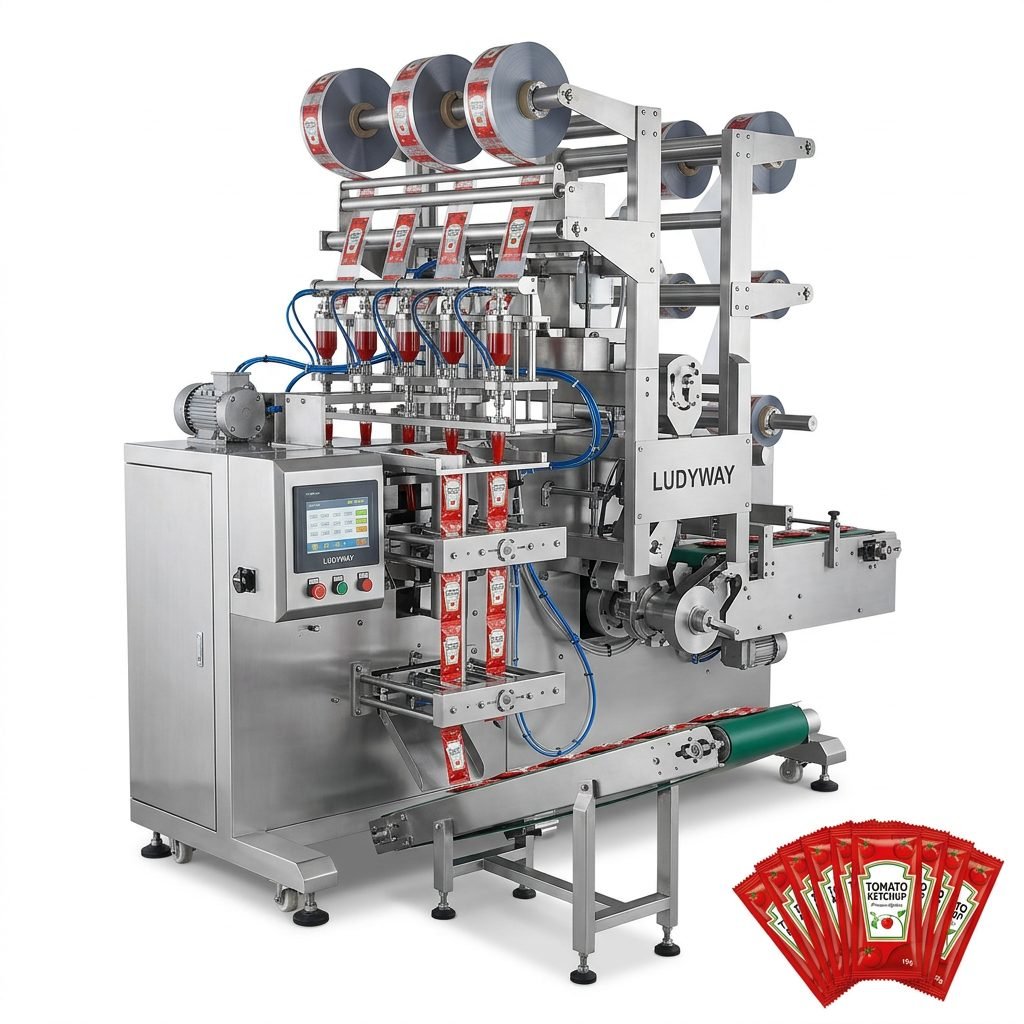
Automation and Integration: Building a Smart Packaging Line
Modern peanut butter packaging lines go far beyond the filling machine alone. Integrating upstream and downstream equipment creates a seamless, efficient workflow that reduces labor costs and minimizes human error. A fully automated line may include:
- Automatic feeding and dosing systems connected to mixing tanks
- Inline checkweighers and metal detectors for quality assurance
- Date coding and printing systems for traceability
- Automated cartoning and case packing machines
- Robotic palletizing systems for end-of-line handling
The PMMI Business Intelligence Library provides excellent resources on packaging automation trends and ROI calculations for food manufacturers considering line upgrades. Their State of the Industry reports consistently highlight the growing adoption of integrated packaging systems among U.S. food processors.
Maintenance and Long-Term Support
A peanut butter packaging machine represents a significant capital investment, and maximizing its lifespan requires a proactive maintenance strategy. Key considerations include:
- Availability of OEM spare parts and consumables within the U.S.
- Comprehensive operator training during installation and commissioning
- Clear preventive maintenance schedules with daily, weekly, and monthly checklists
- Access to remote technical support for rapid issue resolution
- Warranty terms covering both parts and labor
Many international manufacturers now maintain U.S.-based service partnerships or remote diagnostic capabilities that significantly reduce downtime risks. When comparing suppliers, inquire specifically about their after-sales support network in your region.
Making the Final Decision
Purchasing a peanut butter packaging machine in the United States requires balancing production needs, budget constraints, and regulatory compliance. By thoroughly evaluating machine specifications, supplier credentials, and total cost of ownership, you can make an informed investment that supports your brand’s growth for years to come.
We recommend requesting video demonstrations and, where possible, scheduling factory acceptance tests (FAT) before finalizing any purchase. If visiting overseas facilities is not feasible, many suppliers now offer virtual factory tours and live-streamed machine trials that provide transparency and build confidence in your decision.
For further guidance on packaging machinery standards, visit the PMMI Packaging Industry Resources page or explore the ISO Packaging Standards for international compliance frameworks applicable to food packaging equipment.