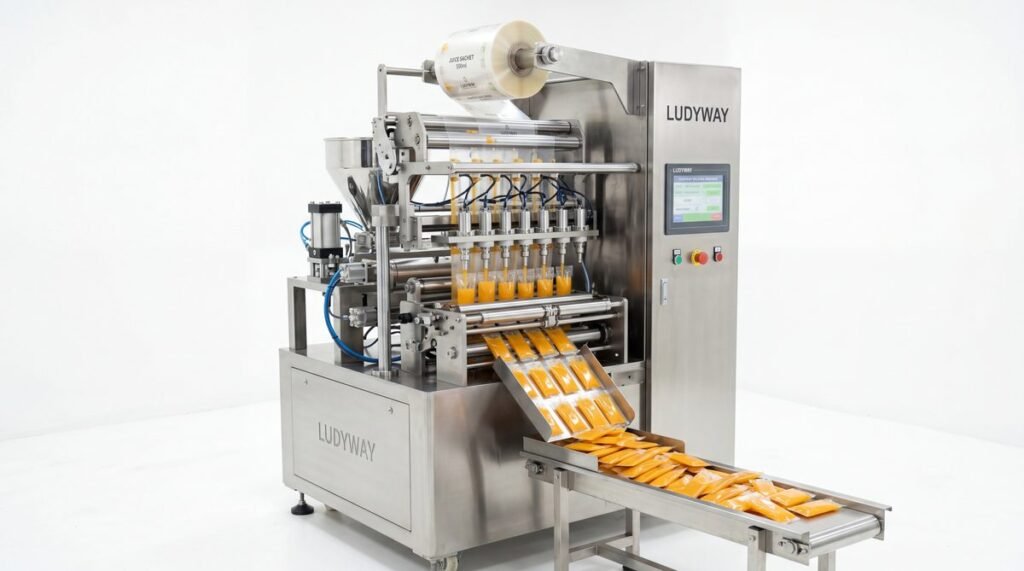
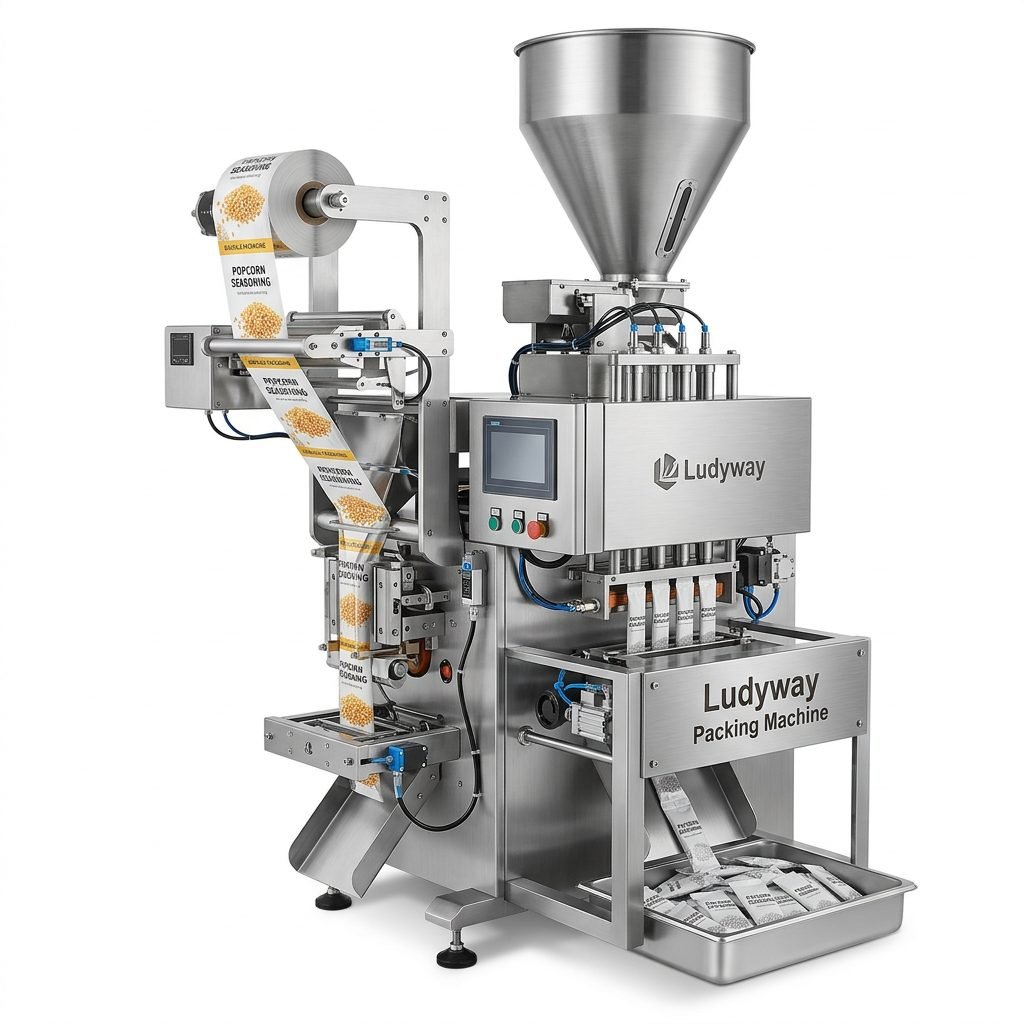
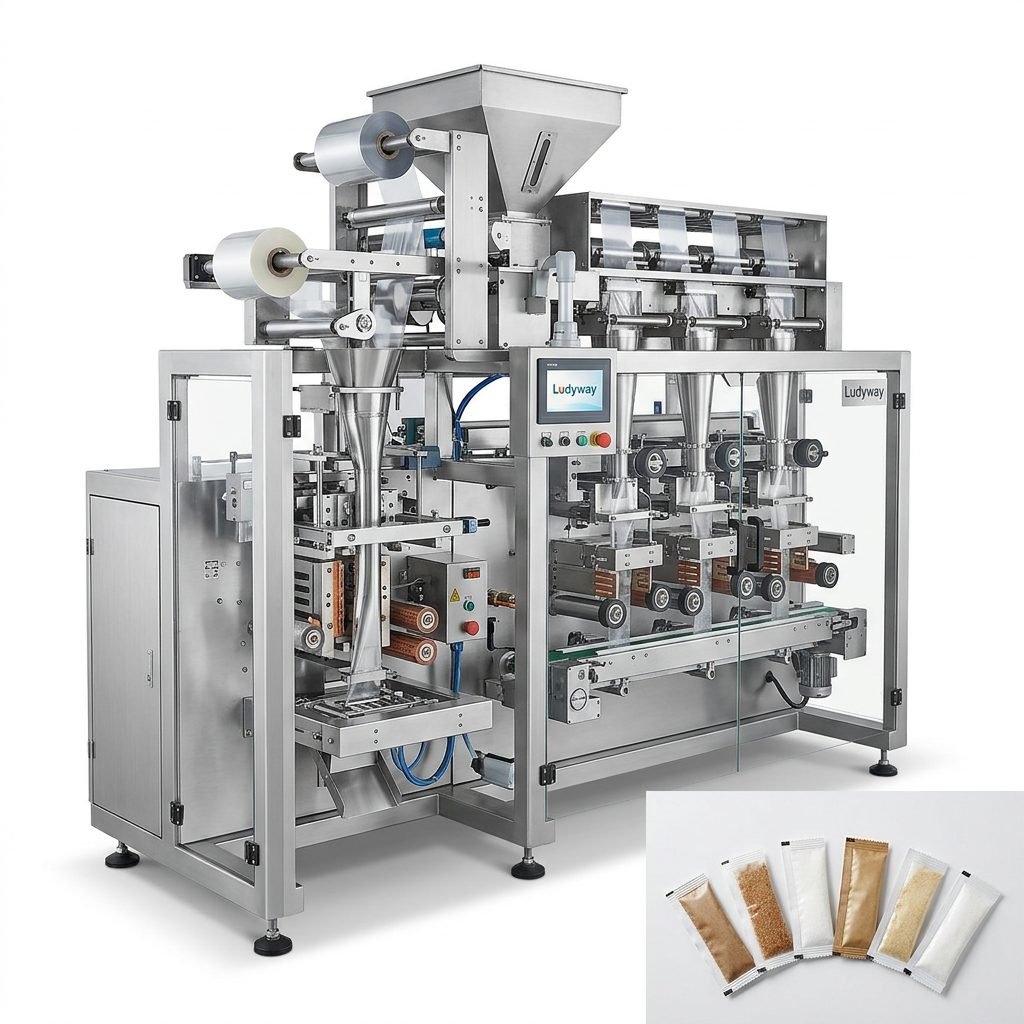
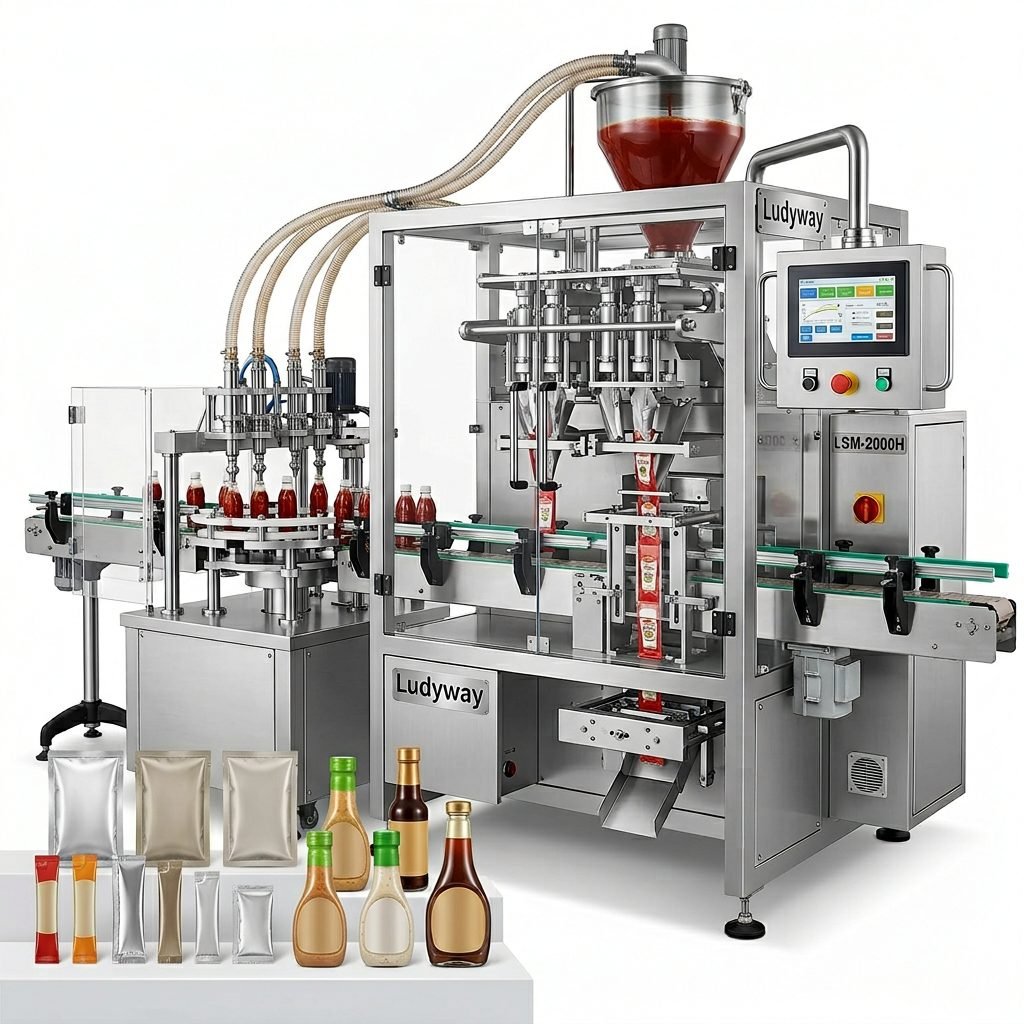
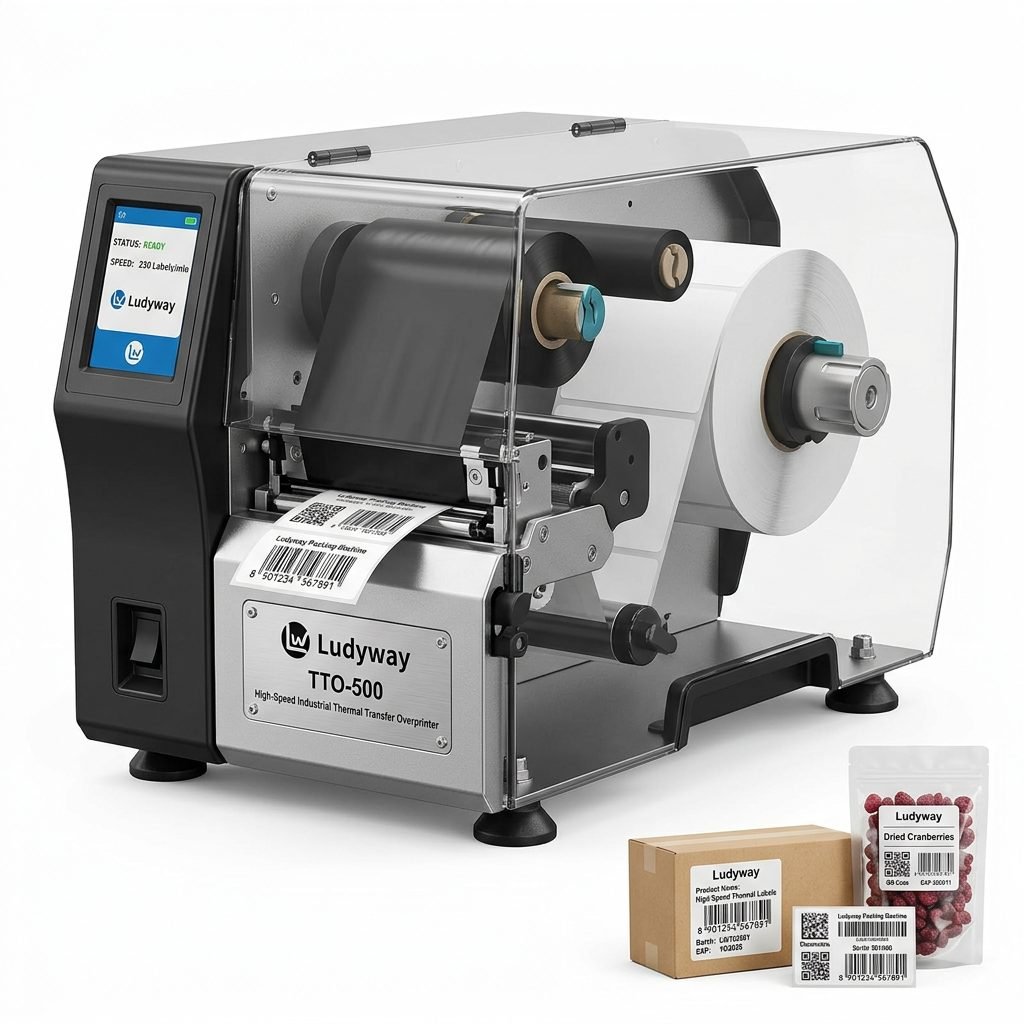
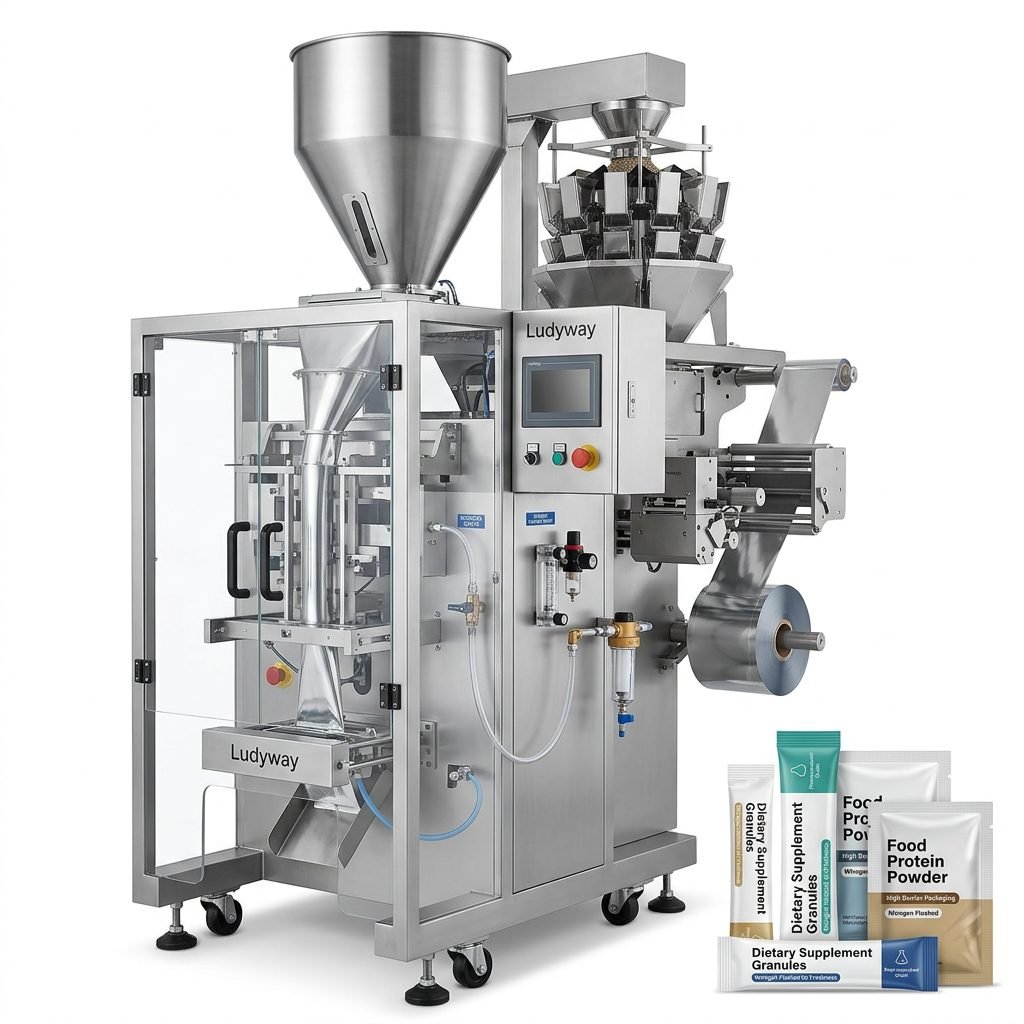
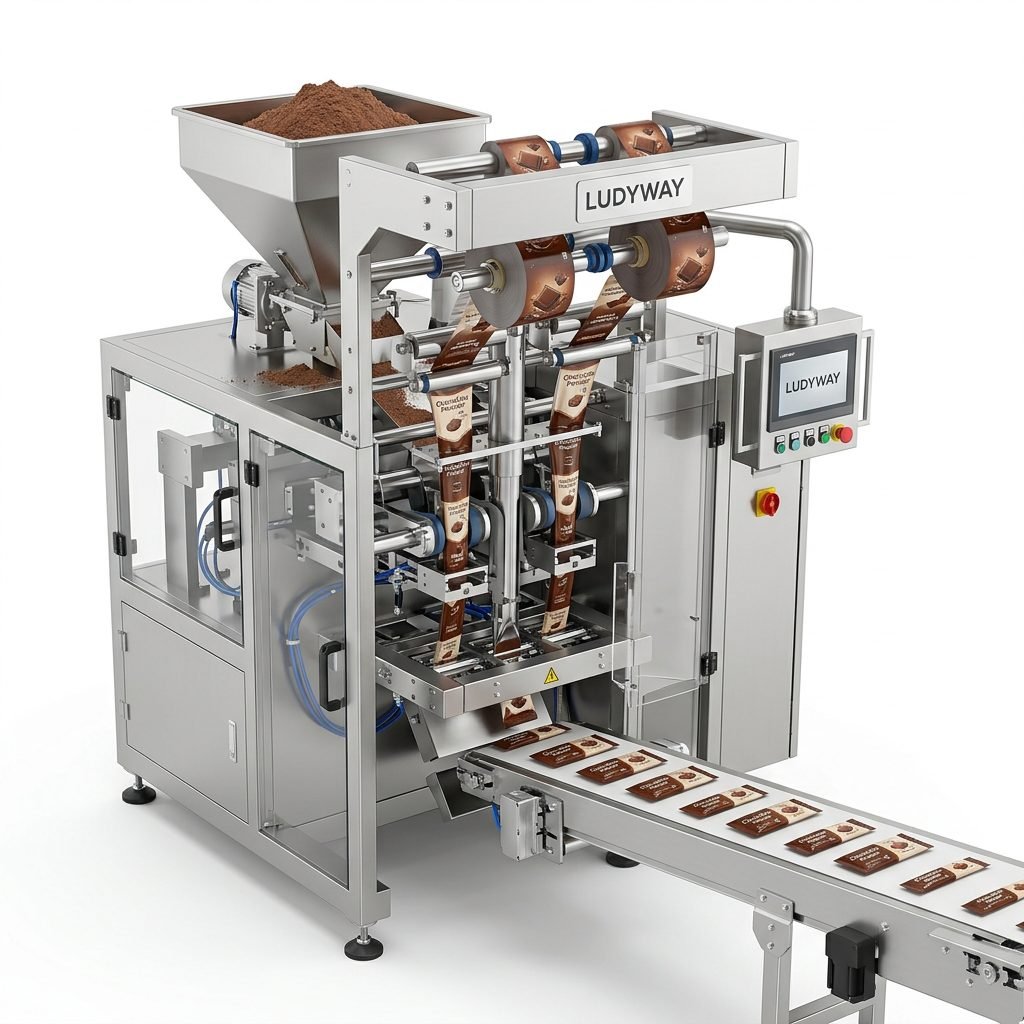
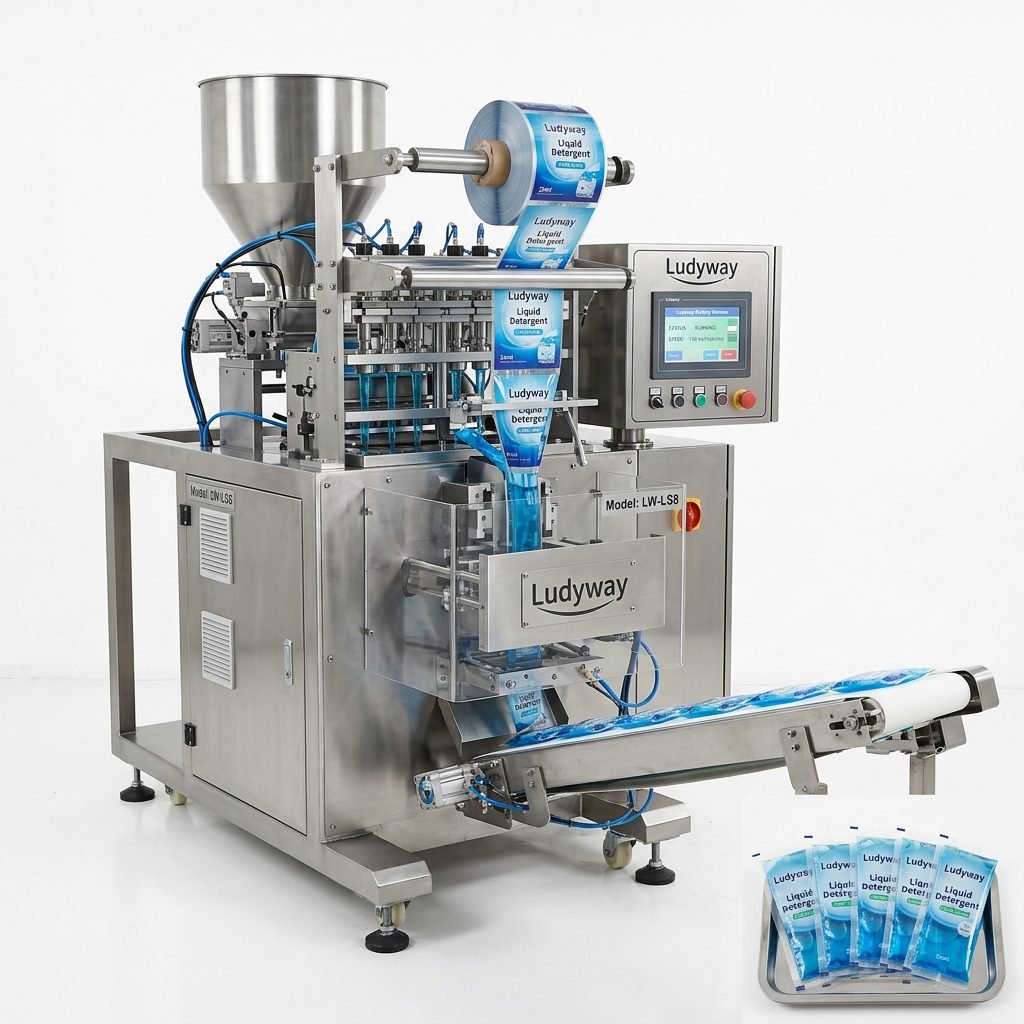
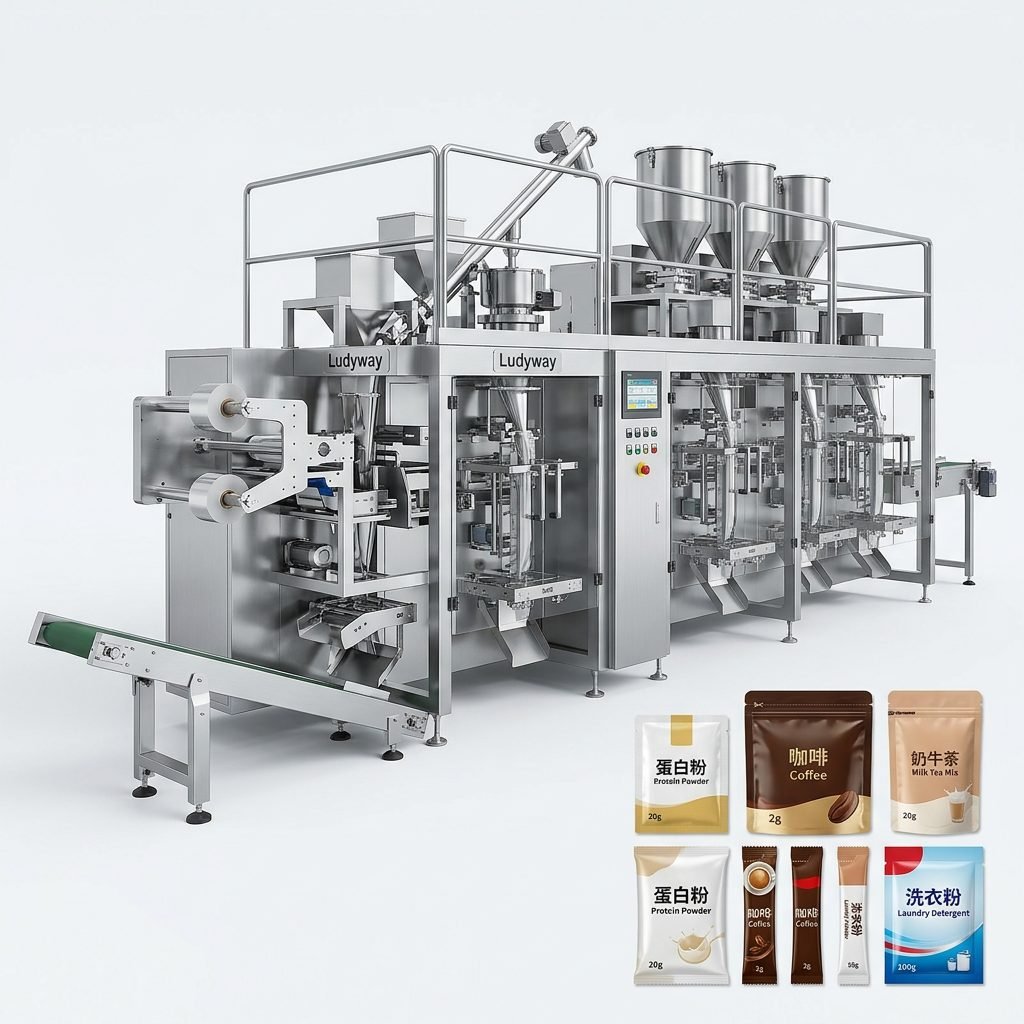
Regular maintenance is the cornerstone of packaging machine longevity and consistent output quality. Whether you operate a multi-lane stick pack machine, a vertical form-fill-seal system, or a high-speed sachet packaging line, a proactive upkeep routine prevents unplanned downtime, ensures operator safety, and protects your investment. Neglecting simple daily checks can lead to seal failures, inaccurate fills, and costly emergency repairs. This guide walks you through essential maintenance practices that keep your packaging machinery running at peak performance.
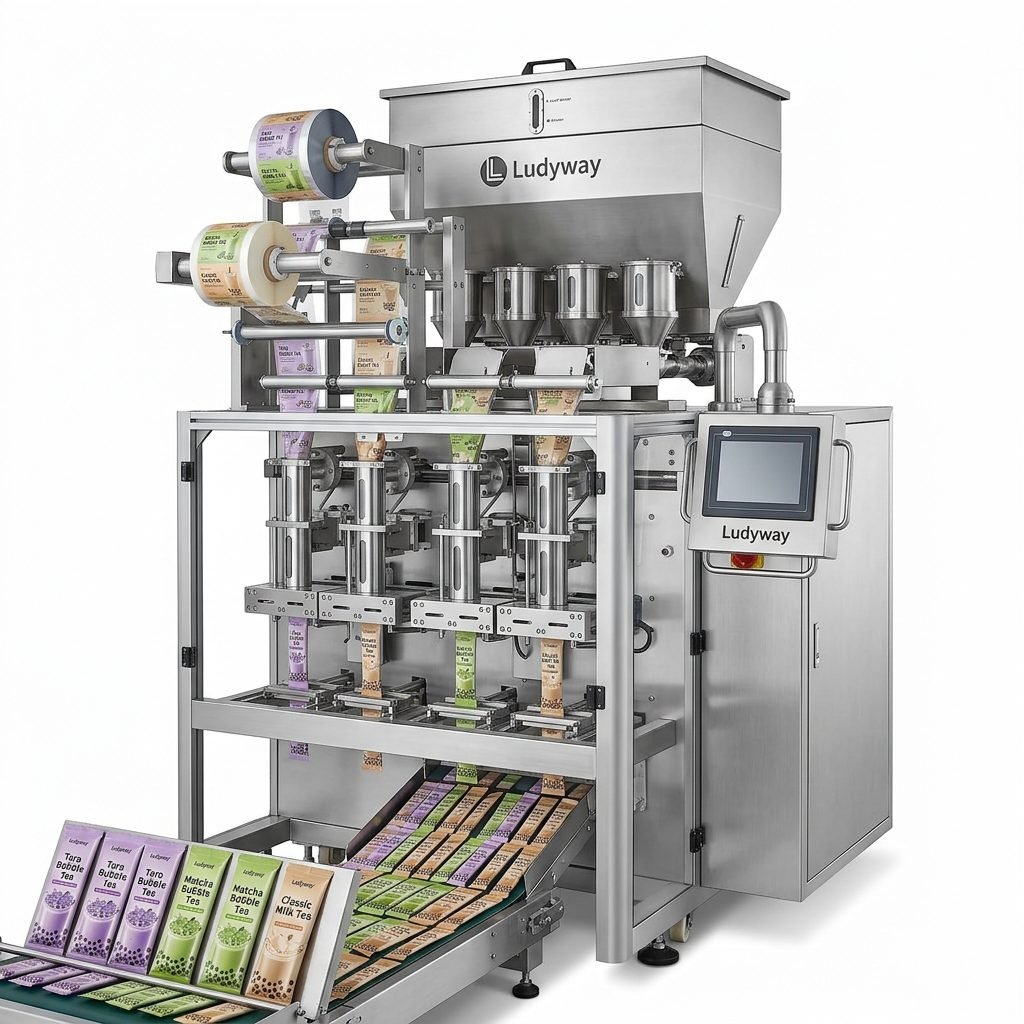
Daily Pre-Operation Inspection
A thorough daily inspection before starting your packaging line can identify minor issues before they escalate. This 10-to-15-minute routine should become a non-negotiable part of every shift.
- Check emergency stop buttons and safety interlocks to confirm they engage and disengage correctly.
- Inspect air pressure and pneumatic connections; low or fluctuating pressure often causes inconsistent sealing across lanes.
- Verify electrical connections and cable integrity, especially on multi-lane systems where vibration loosens terminals over time.
- Examine forming tubes and sealing jaws for product residue buildup—this is particularly critical on powder packaging machines where fine particles migrate into mechanisms.
- Review sensor alignment for film registration, pouch detection, and fill-level monitoring.
Cleaning Protocols for Different Product Types
Cleaning is not just about hygiene; it directly impacts mechanical performance. The cleaning method depends heavily on what you package.
Granule and Powder Applications
Fine powders like protein powder, spices, or pharmaceutical granules easily infiltrate bearings, sensors, and sealing areas. Use a vacuum system with HEPA filtration rather than compressed air, which can drive particles deeper into sensitive components. Pay special attention to the filling station and dust extraction ports on multi-lane packaging lines where cross-contamination risks are highest.
Liquid and Cream Applications
For liquid products such as shampoo sachets, sauce packs, or lotion samples, flushing the filling system with an appropriate cleaning solution after each batch prevents nozzle clogging and microbial growth. Inspect seals and gaskets weekly; aggressive cleaning agents used in certain industries accelerate rubber degradation.
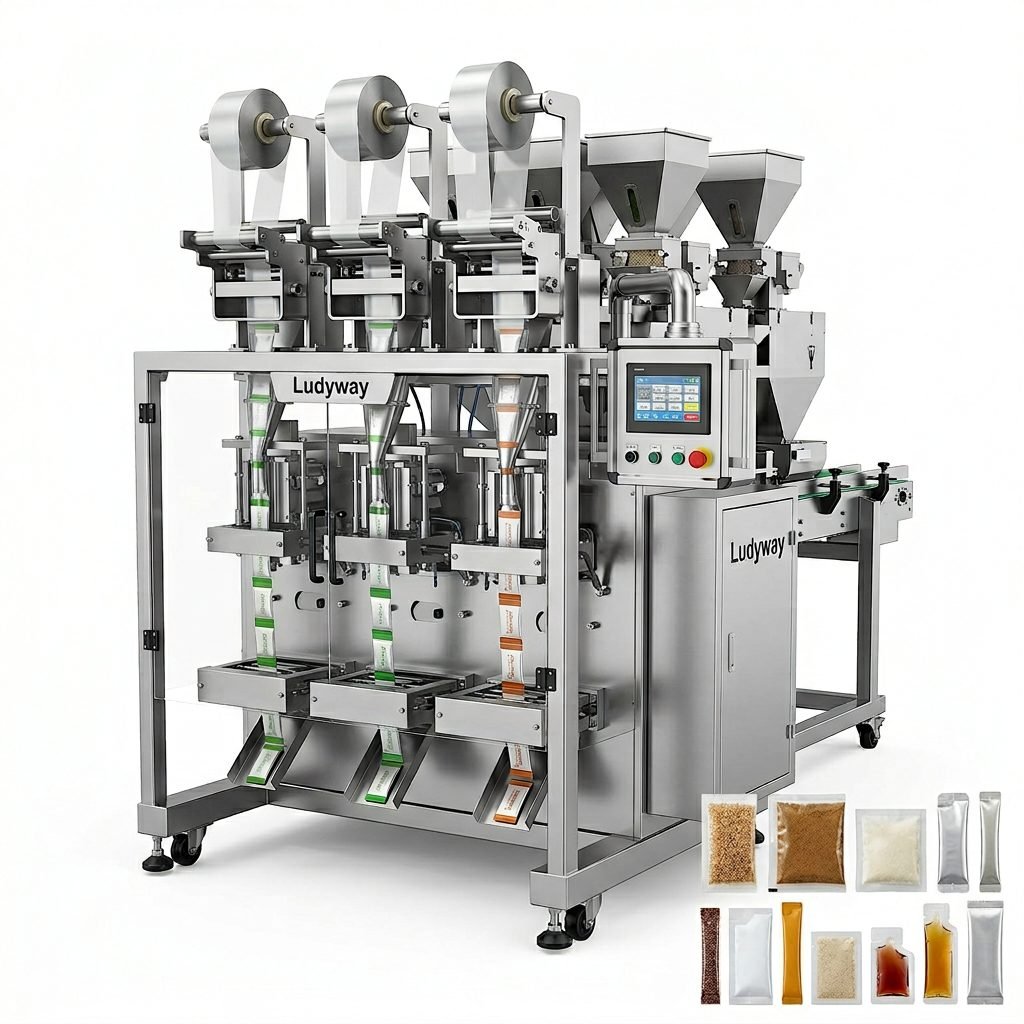
Lubrication and Mechanical Component Care
Proper lubrication reduces friction-driven wear on moving parts and prevents unexpected breakdowns during production runs. However, over-lubrication is as damaging as under-lubrication—excess grease attracts dust and forms abrasive paste on sliding surfaces.
- Sealing jaw bushings and cam followers: Apply food-grade grease weekly on high-duty-cycle lanes.
- Linear guides and ball screws: Lubricate according to the manufacturer’s specification; typical intervals range from 500 to 1,000 operating hours.
- Chain drives and timing belts: Inspect tension monthly and replace belts showing signs of cracking or elongation beyond 2%.
- Gearboxes: Check oil levels quarterly and perform a full oil change annually, using the viscosity grade recommended by the OEM.
Sealing System Optimization
The sealing mechanism is often the most failure-prone subsystem in flexible packaging equipment. A weak or inconsistent seal leads to leaks, product spoilage, and costly customer returns.
- Temperature calibration: Verify that set-point temperatures match actual jaw temperatures using a surface thermocouple monthly.
- Pressure distribution: Uneven pressure across multi-lane sealing bars can cause some lanes to seal perfectly while others fail—perform a dye-penetration test quarterly.
- Dwell time: As machine speed changes, adjust dwell time proportionally to maintain consistent heat transfer to the film.
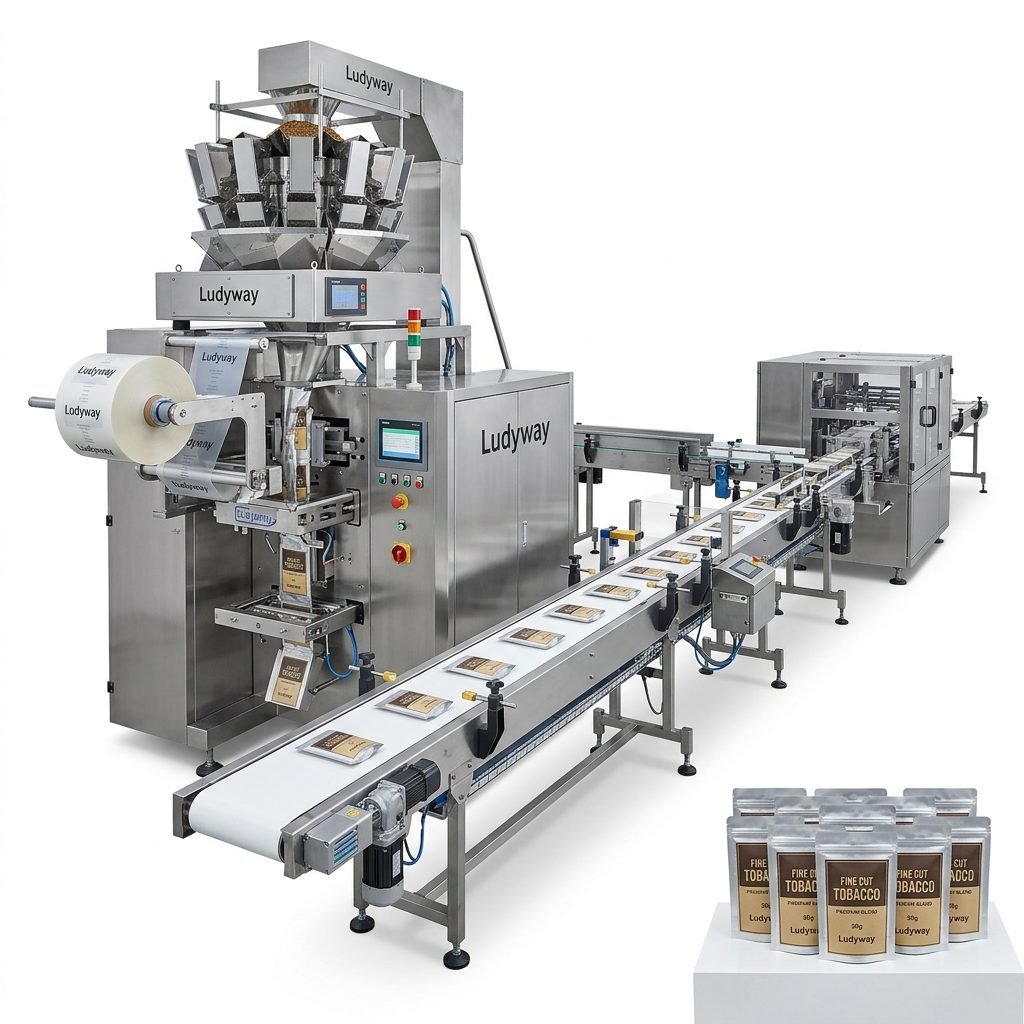
Recommended Maintenance Schedule
Following a structured maintenance calendar helps your team stay ahead of wear-related failures. The table below outlines a practical schedule adaptable to most packaging machine configurations.
| Interval | Maintenance Task | Responsible Team |
|---|---|---|
| Daily | Visual inspection, cleaning of filling zone, check air pressure | Machine Operator |
| Weekly | Lubricate sealing jaw bushings, inspect film registration sensors | Maintenance Technician |
| Monthly | Temperature calibration, belt tension check, sensor alignment verification | Maintenance Team Lead |
| Quarterly | Seal integrity testing, bearing inspection, pneumatic cylinder performance evaluation | Engineering Department |
| Annually | Full gearbox oil change, major component overhaul, software and firmware updates | OEM Service Team |
Troubleshooting Common Issues
Even well-maintained machines occasionally develop problems. Recognizing early warning signs allows for corrective action before production halts.
Inconsistent Fill Weights
Fluctuating fill weights often trace back to product bridging in the hopper, worn auger screws, or improper vibration settings on the feeding system. On multi-lane sachet packaging lines, verify that each lane’s dosing mechanism is individually calibrated rather than relying on a global setting.
Film Wrinkling or Misalignment
Wrinkled pouches typically indicate incorrect film tension, misaligned forming collars, or worn rollers. Adjust tension in small increments and allow several cycles before evaluating results. For multi-lane systems, individual lane tension adjustments may be necessary.
Intermittent Seal Failures
When seals fail unpredictably, check for temperature controller drift, inconsistent dwell time due to variable machine speed, or contamination on the sealing surfaces. A simple wipe-down of sealing jaws with a clean, lint-free cloth often resolves intermittent issues.
Spare Parts Inventory Planning
Keeping critical spare parts on hand drastically reduces downtime when components fail. The following items should always be stocked for your specific packaging machine model:
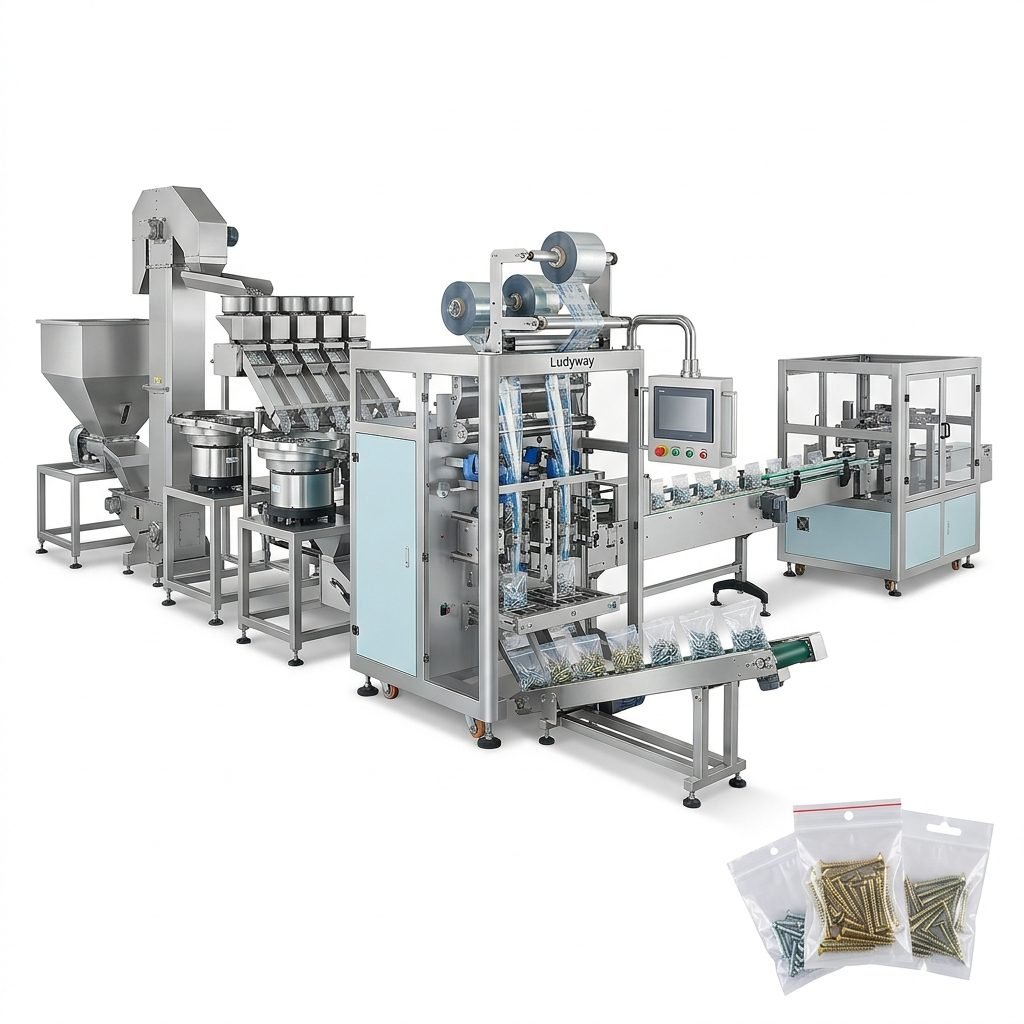
- Sealing jaws and heating elements — the highest-wear components on any form-fill-seal system.
- Forming tubes and collars — especially if you run multiple film widths or pouch formats.
- Belts, chains, and timing pulleys — inspect monthly and replace at the first sign of fatigue.
- Sensors and photocells — film registration and product-detection sensors degrade gradually; having calibrated spares prevents guesswork.
- Gaskets and O-rings — critical for liquid-filling systems where seal integrity directly impacts hygiene and fill accuracy.
- PLC backup modules and communication cables — electrical spares that protect against lengthy troubleshooting sessions.
The Role of Professional Support and OEM Partnerships
While in-house maintenance teams handle daily and weekly tasks effectively, annual overhauls and major repairs benefit significantly from OEM expertise. Manufacturers like Ludyway—one of the largest packaging machine manufacturers with over 30 years of industry experience—provide comprehensive after-sales support including technical training, remote diagnostics, and on-site service. Partnering with your equipment supplier for scheduled preventive maintenance visits ensures that machine-specific nuances are addressed by engineers who know the equipment intimately. This collaboration also keeps your team updated on the latest retrofits, packaging standards, and efficiency upgrades applicable to your production lines.
Documentation and Continuous Improvement
Every maintenance action should be logged. A well-maintained digital maintenance log reveals patterns—such as recurring seal failures on specific lanes or seasonal variations in pneumatic performance—that inform smarter scheduling. Track the following data points for each intervention:
- Date, time, and technician name.
- Machine running hours at the time of service.
- Specific components inspected, cleaned, lubricated, or replaced.
- Anomalies found and corrective actions taken.
- Parts consumed from inventory.
Review these logs quarterly with your maintenance and production teams. A data-driven approach transforms routine upkeep from a cost center into a strategic advantage that directly improves packaging machine OEE (Overall Equipment Effectiveness).
Key Takeaways
- Establish a daily pre-operation checklist and enforce it across all shifts.
- Match cleaning protocols to the product type—powder, granule, liquid, or cream—each presents unique contamination risks.
- Follow a structured lubrication schedule using food-grade lubricants where applicable and avoid over-lubrication.
- Calibrate sealing parameters monthly and perform dye-penetration testing quarterly to catch incipient seal failures.
- Maintain a critical spares inventory tailored to your specific machine configuration and production volume.
- Engage OEM support for annual overhauls and leverage supplier expertise for technical training and continuous improvement.
- Document every maintenance activity and use the data to refine preventive maintenance intervals and reduce unplanned downtime.
A disciplined maintenance program extends the service life of your equipment, protects product quality, and delivers consistent, profitable production year after year.