The price of a packaging printing machine can range from a few thousand dollars to well over six figures. That wide gap exists because the final cost depends on machine type, printing technology, speed, material compatibility, automation level, brand, and customization. If you are comparing suppliers or planning a new packaging line, understanding these cost drivers will help you avoid overpaying and choose a solution that fits your production goals.
In practical terms, buyers are usually not just paying for printing. They are investing in output quality, production stability, operating efficiency, maintenance convenience, and future scalability. That is why two machines with similar-looking functions may have very different prices.
Typical Packaging Printing Machine Price Range
Below is a general pricing guide for common packaging printing equipment. Actual prices vary by specification, region, and optional features.
| Machine Type | Typical Price Range | Best For | Notes |
|---|---|---|---|
| Manual or Semi-Automatic Code Printers | US$500–US$5,000 | Small batches, date coding | Low investment, limited output |
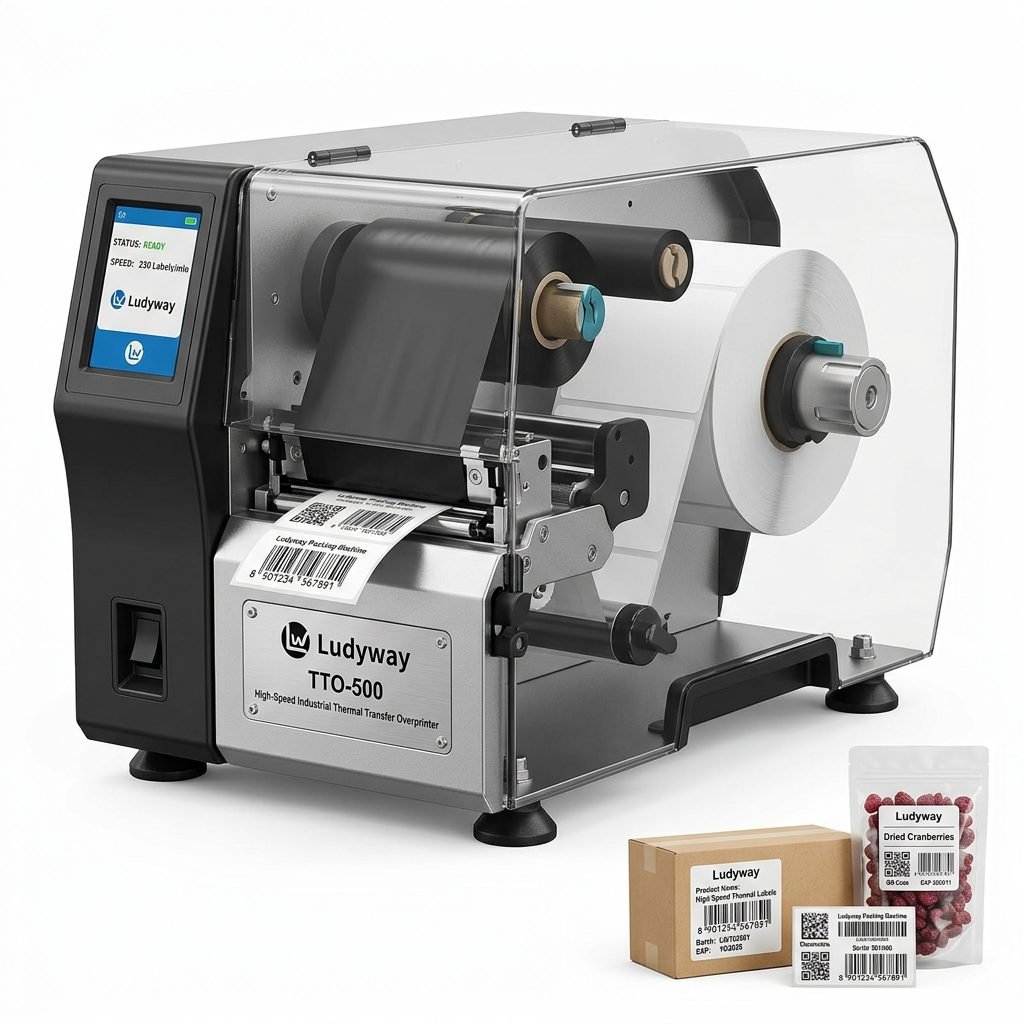
| Thermal Transfer Overprinters (TTO) | US$3,000–US$15,000 | Flexible films, labels, batch coding | Common for food and pharma packaging |
| Inkjet Coding Machines | US$2,000–US$20,000 | Variable data printing | Price depends on resolution and speed |
| Flexographic Printing Machines | US$20,000–US$150,000+ | High-volume packaging film and labels | Suitable for continuous industrial production |
| Gravure Printing Machines | US$80,000–US$500,000+ | Premium flexible packaging | High image quality, high setup cost |
| Digital Packaging Printers | US$10,000–US$200,000+ | Short runs, fast design changes | Great for customization and SKU variety |
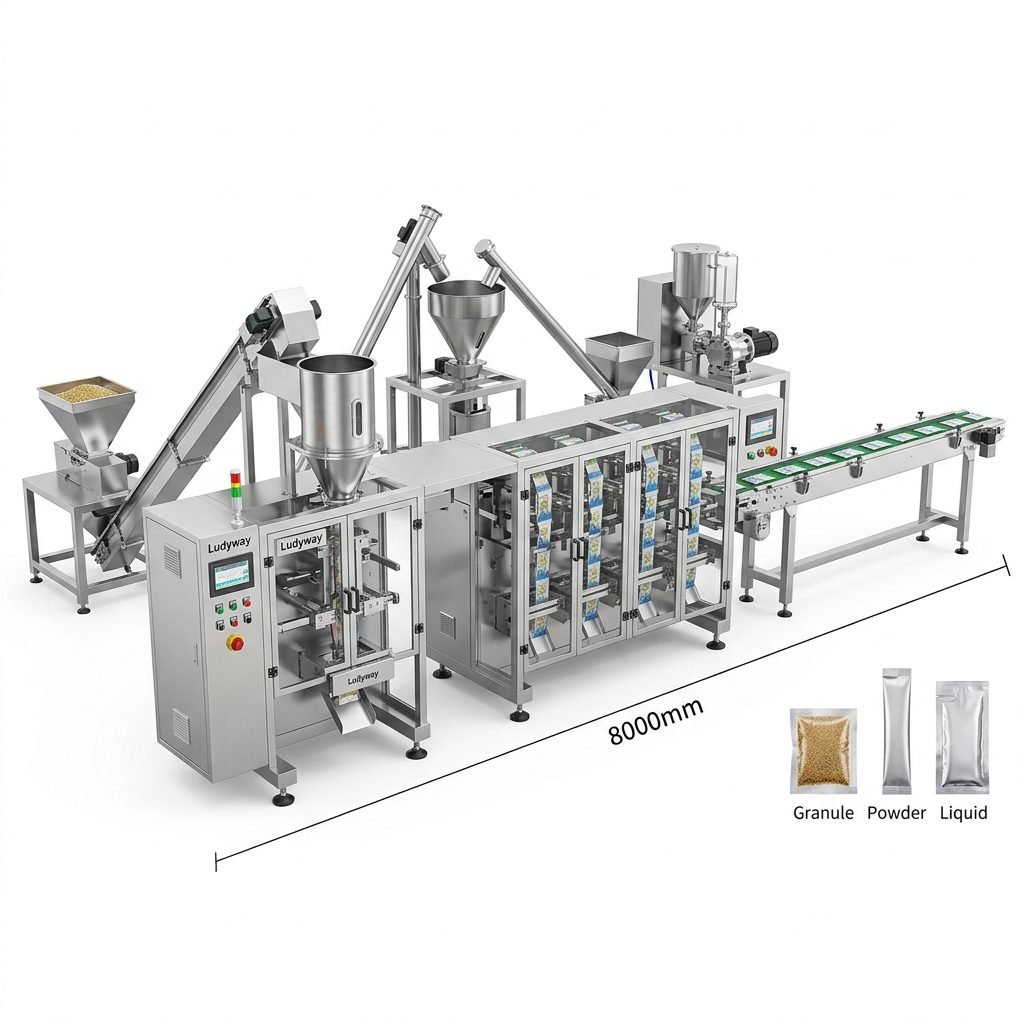
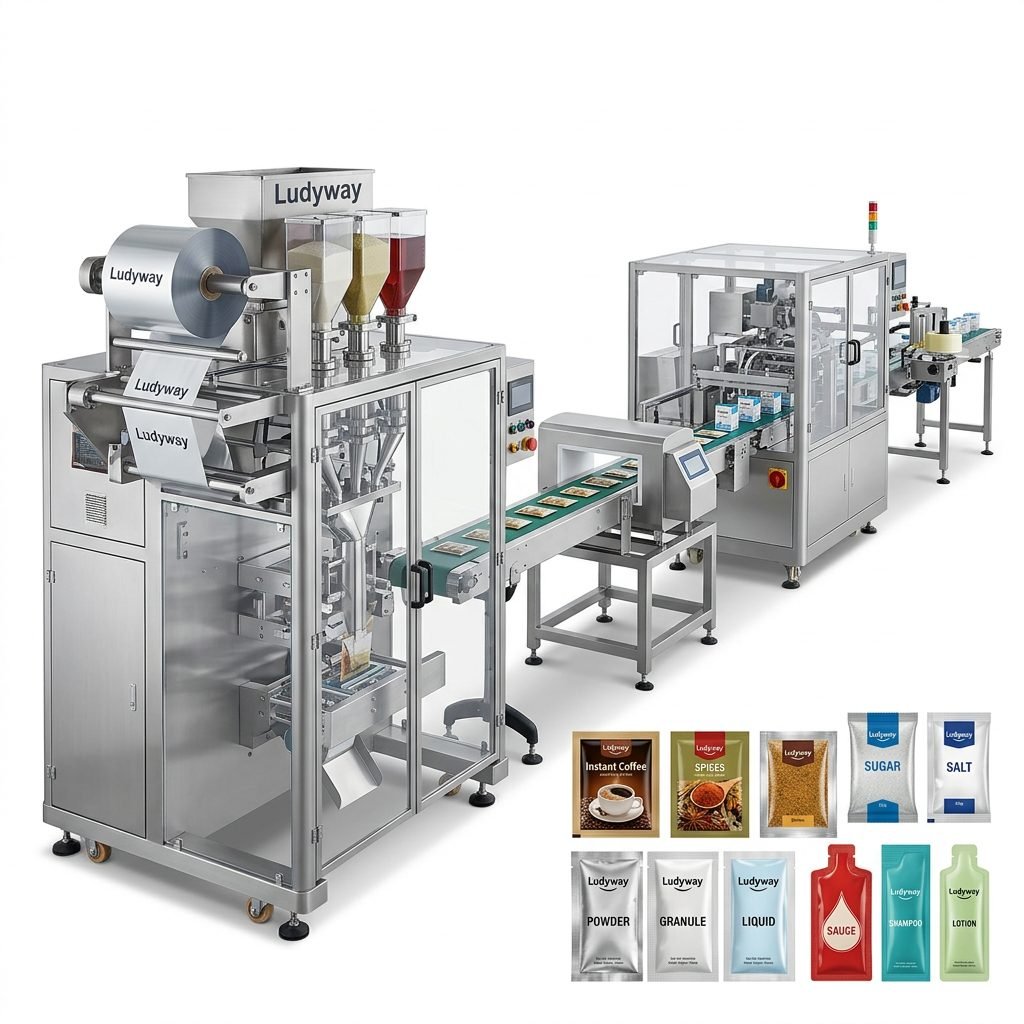
| Integrated Printing + Packaging Systems | US$30,000–US$300,000+ | Automated lines | Combines printing with filling, sealing, or labeling |
What Affects the Cost of a Packaging Printing Machine?
When buyers ask, “How much does a packaging printing machine cost?” the better question is, “What configuration do I actually need?” The following factors have the biggest impact on price.
1. Printing Technology
The biggest pricing factor is the printing method itself. Thermal transfer, inkjet, flexo, gravure, and digital systems each have different hardware structures, consumables, precision levels, and production capabilities.
- Thermal transfer printers are cost-effective for date codes, QR codes, and batch numbers.
- Inkjet printers are flexible and widely used for variable data.
- Flexographic printers are ideal for large-volume packaging film printing.
- Digital printers cost more upfront but reduce plate-making and setup time.
- Gravure systems offer premium print quality but require the highest investment.
2. Number of Colors
A single-color coding unit is far less expensive than a multi-color packaging printing system. Machines with more print stations require more complex registration control, drying systems, rollers, and tension management. As a result, more colors usually mean a significantly higher machine price.
3. Printing Speed and Output Capacity
Higher-speed machines cost more because they need stronger frames, more stable motors, better control systems, and improved accuracy at high production rates. If your factory runs long shifts or large order volumes, investing in speed can reduce long-term unit cost.
4. Material Compatibility
Different packaging materials demand different machine capabilities. Printing on paper, laminated film, aluminum foil, plastic pouches, labels, or cartons may require specialized components. Machines compatible with more substrate types usually carry a higher price tag.
5. Automation Level
Basic stand-alone printers are cheaper than fully integrated systems. Automation features that raise cost include:
- Automatic feeding and rewinding
- Servo-driven control
- Touchscreen HMI
- Automatic registration correction
- Vision inspection
- Reject systems
- ERP or production data connectivity
These features add to the initial investment, but they often improve consistency and reduce labor dependence.
6. Print Resolution and Accuracy
If your packaging requires fine graphics, small text, traceability codes, or pharmaceutical-grade labeling accuracy, machine cost will rise. Higher resolution components and precise control systems are more expensive, especially in regulated sectors.
7. Customization Requirements
Custom-built equipment nearly always costs more than standard models. Customization may include:
- Special bag or pouch dimensions
- Unusual film structures
- Integration with existing production lines
- Specific voltage and electrical standards
- Cleanroom or GMP-oriented design
- Special language interface or software functions
8. Brand, Manufacturing Quality, and Service Support
Machine prices also reflect the supplier’s engineering capability, quality control process, spare parts availability, and after-sales service. A lower-priced machine may seem attractive at first, but if it causes more downtime or lacks support, the total cost can become much higher over time.
Hidden Costs Buyers Often Overlook
The machine price is only part of the investment. Many companies underestimate the full ownership cost. Before making a purchasing decision, evaluate these additional expenses:
| Cost Item | Why It Matters |
|---|---|
| Shipping and logistics | Heavy equipment and international transport can add substantial cost |
| Installation and commissioning | On-site setup may require technician travel and training fees |
| Printing plates or tooling | Especially relevant for flexo and gravure printing |
| Consumables | Ink, ribbons, solvents, labels, and spare parts affect long-term budget |
| Maintenance | Regular servicing is essential for consistent print quality |
| Operator training | Complex machines need trained operators to prevent waste and downtime |
| Downtime risk | Poor reliability can become more expensive than a higher purchase price |
How to Match the Machine Price to Your Business Size
For Startups and Small Manufacturers
If you are just entering the market, a simple coding or entry-level digital printing solution may be the smartest choice. The goal should be low risk, fast setup, and enough flexibility to support product testing or short runs.
For Growing Brands
Mid-sized businesses usually need a better balance between price and productivity. In this stage, semi-automatic to fully automatic systems with stable speed, low changeover time, and higher print consistency often deliver the best return.
For Large-Scale Industrial Production
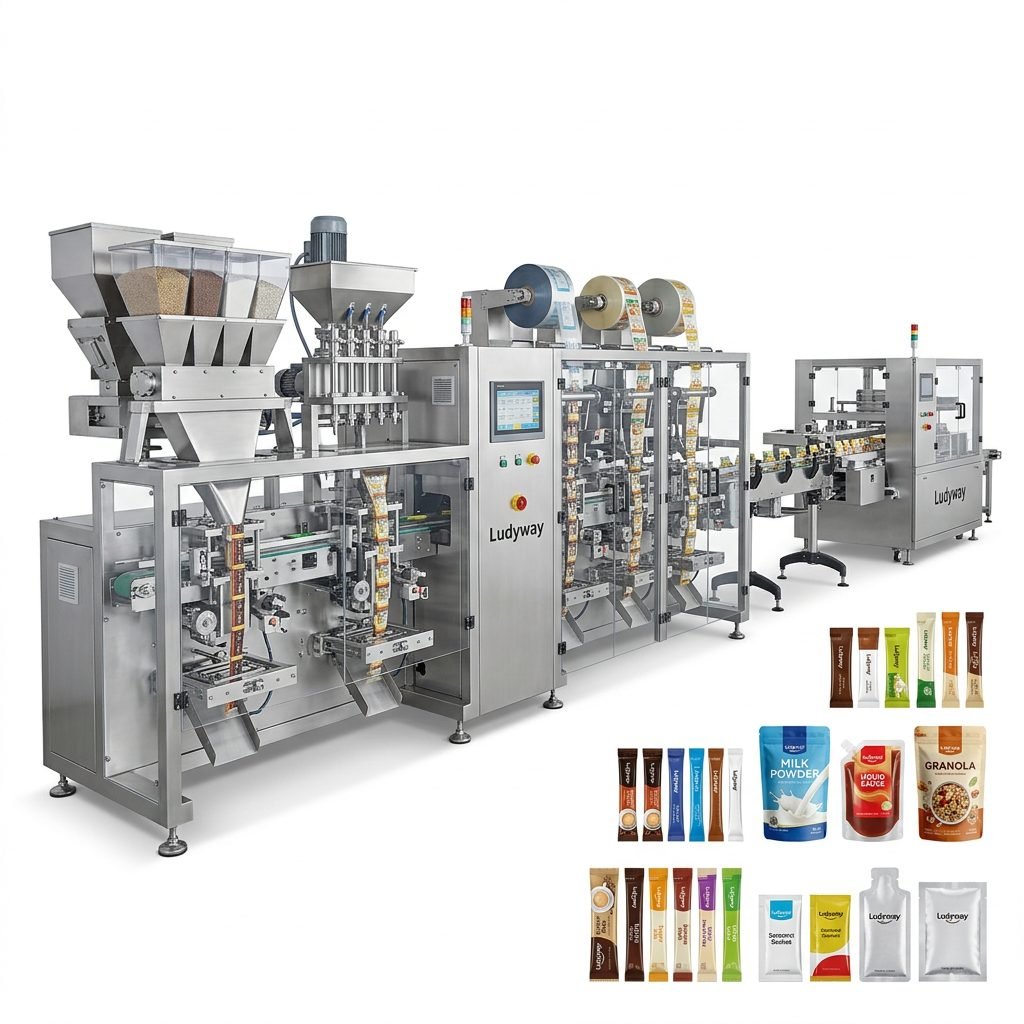
Large factories often benefit from integrated printing and packaging lines. Although capital cost is higher, these systems support volume production, reduce labor dependency, and improve output standardization across shifts.
Industry-Specific Pricing Differences
Packaging printing machines are not priced equally across industries. Compliance, hygiene standards, and product characteristics all influence the final quotation.
Food Industry
Food packaging often requires clear date coding, lot numbers, attractive retail graphics, and compatibility with flexible films. Speed and cleanliness are major price factors.
Pharmaceutical Industry
Pharma-related printing systems tend to cost more because they may need high traceability, validation support, precise coding, and stricter quality standards.
Cosmetics and Personal Care
These products often emphasize appearance and branding, which can increase the need for finer print quality and more flexible packaging formats.
Chemical and Industrial Products
Machines may need corrosion-resistant materials, stronger seals, or compatibility with aggressive substances and industrial-duty operating environments.
Should You Choose a Stand-Alone Printer or a Complete Packaging Line?
If your current production line already handles filling and sealing efficiently, adding a stand-alone printing unit may be enough. But if you are building a new line or upgrading from manual operations, a complete integrated system can create better long-term value.
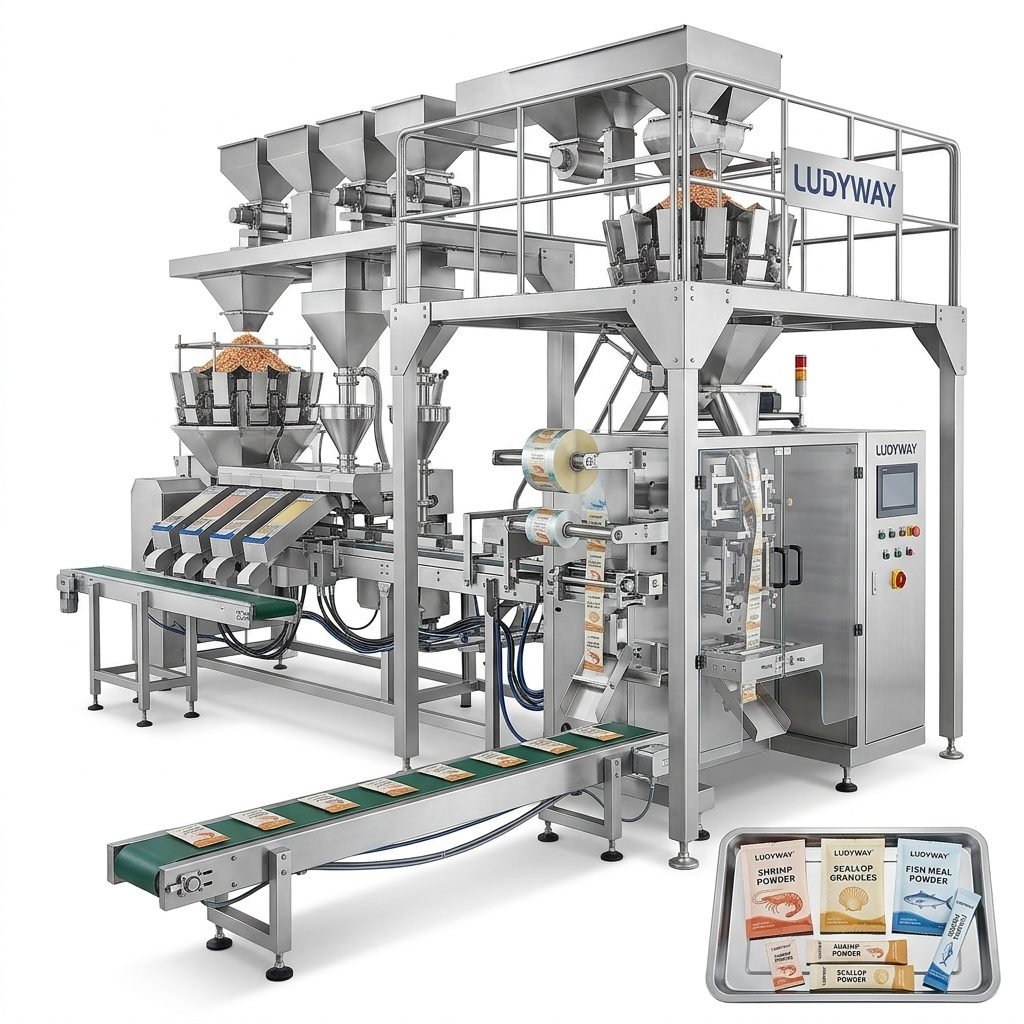
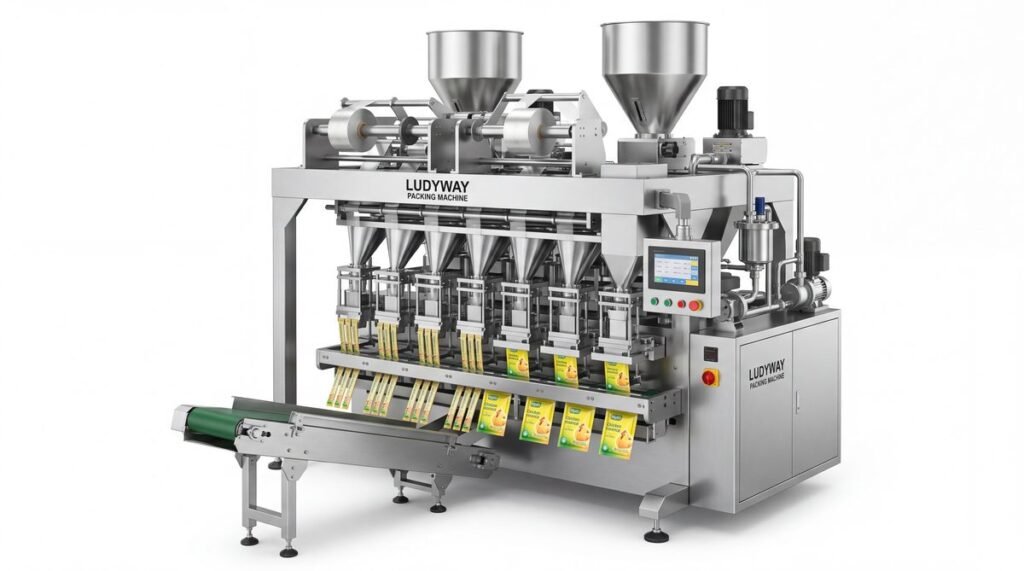
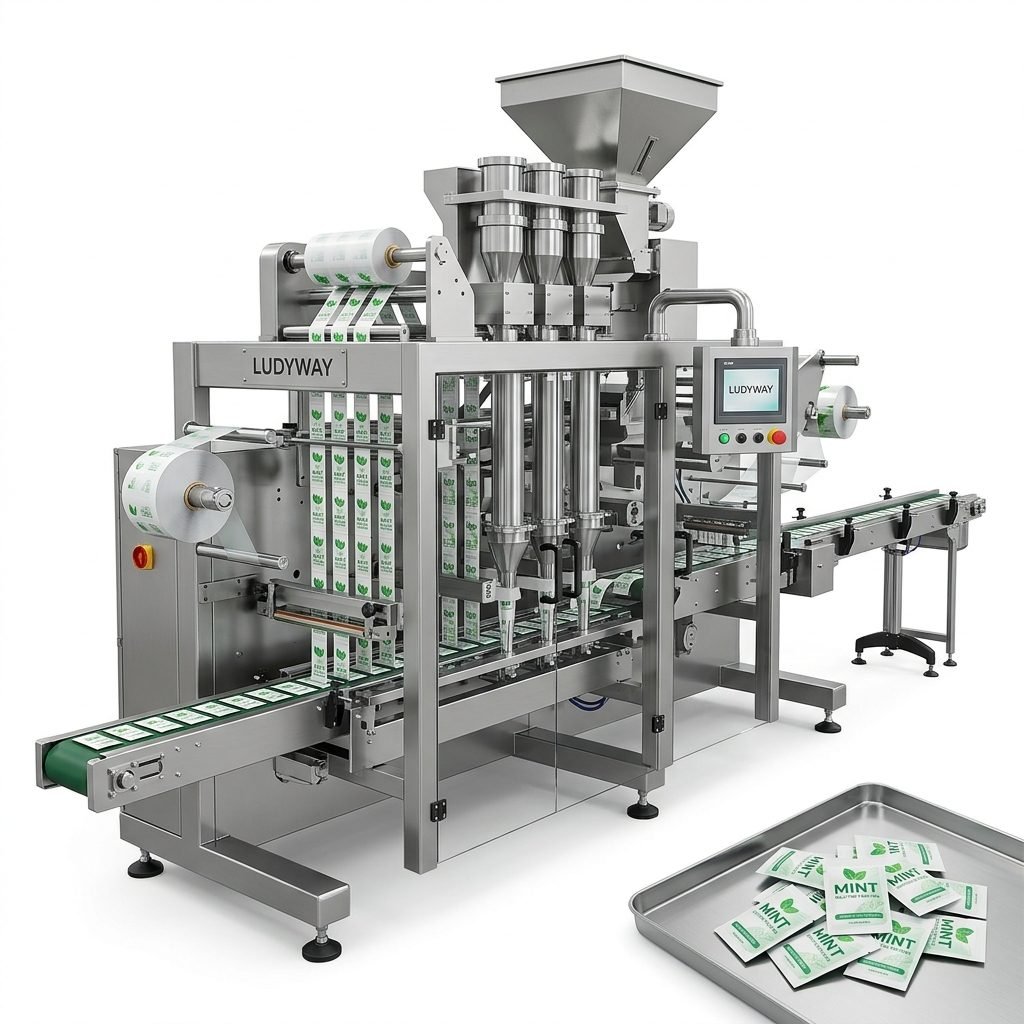
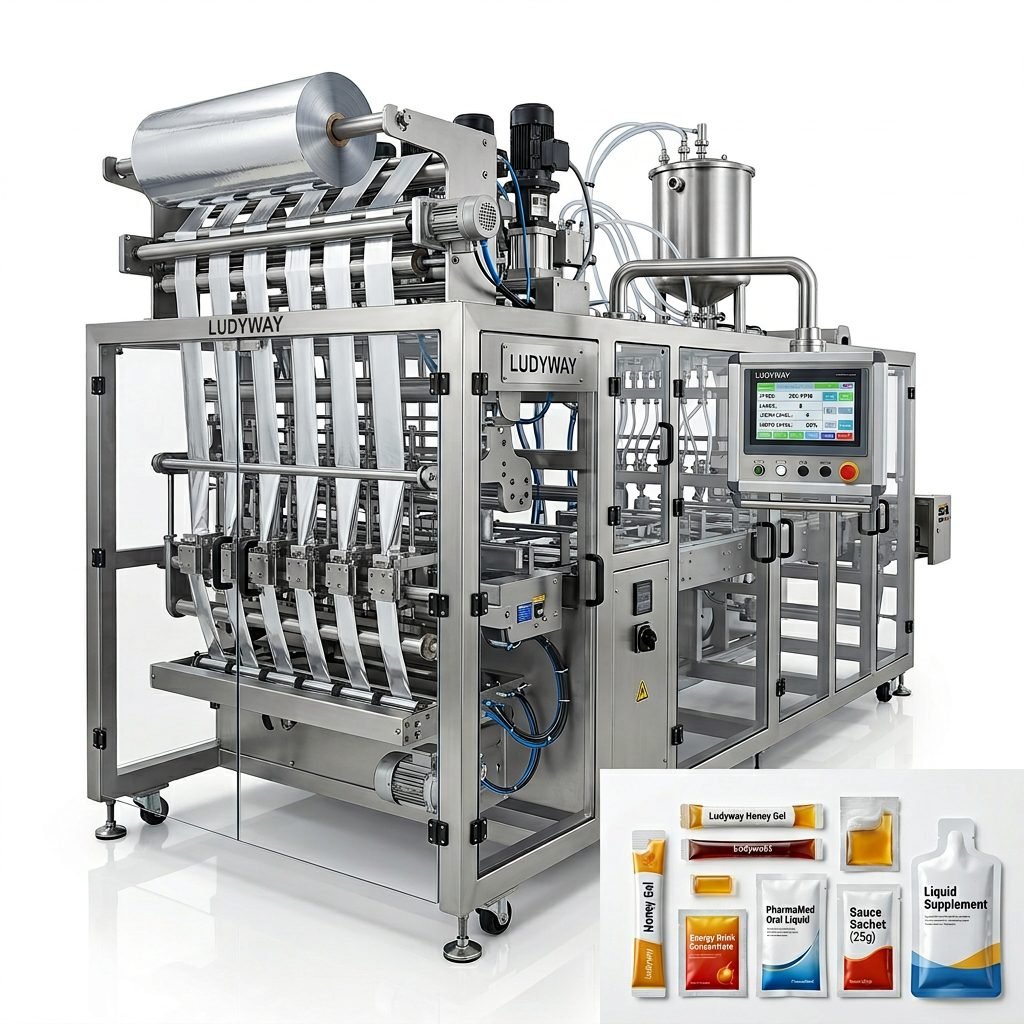
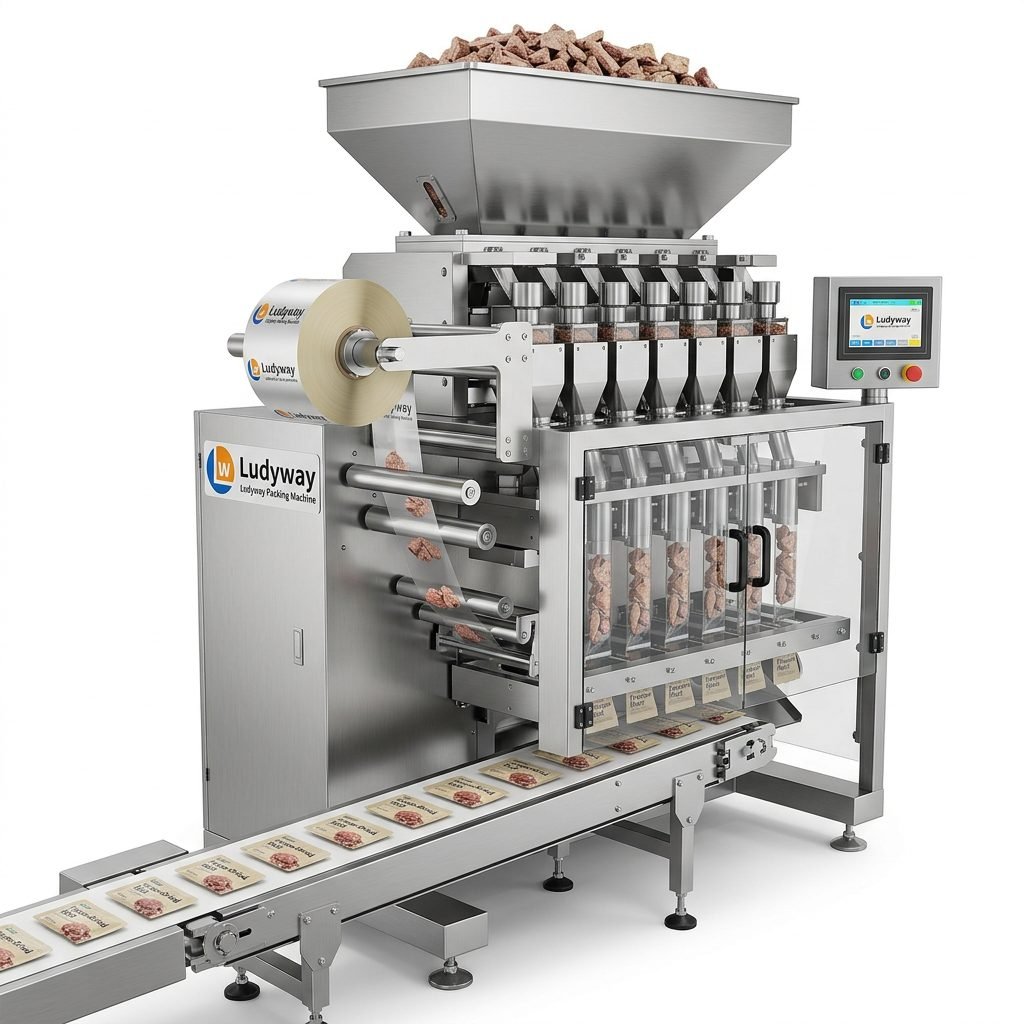
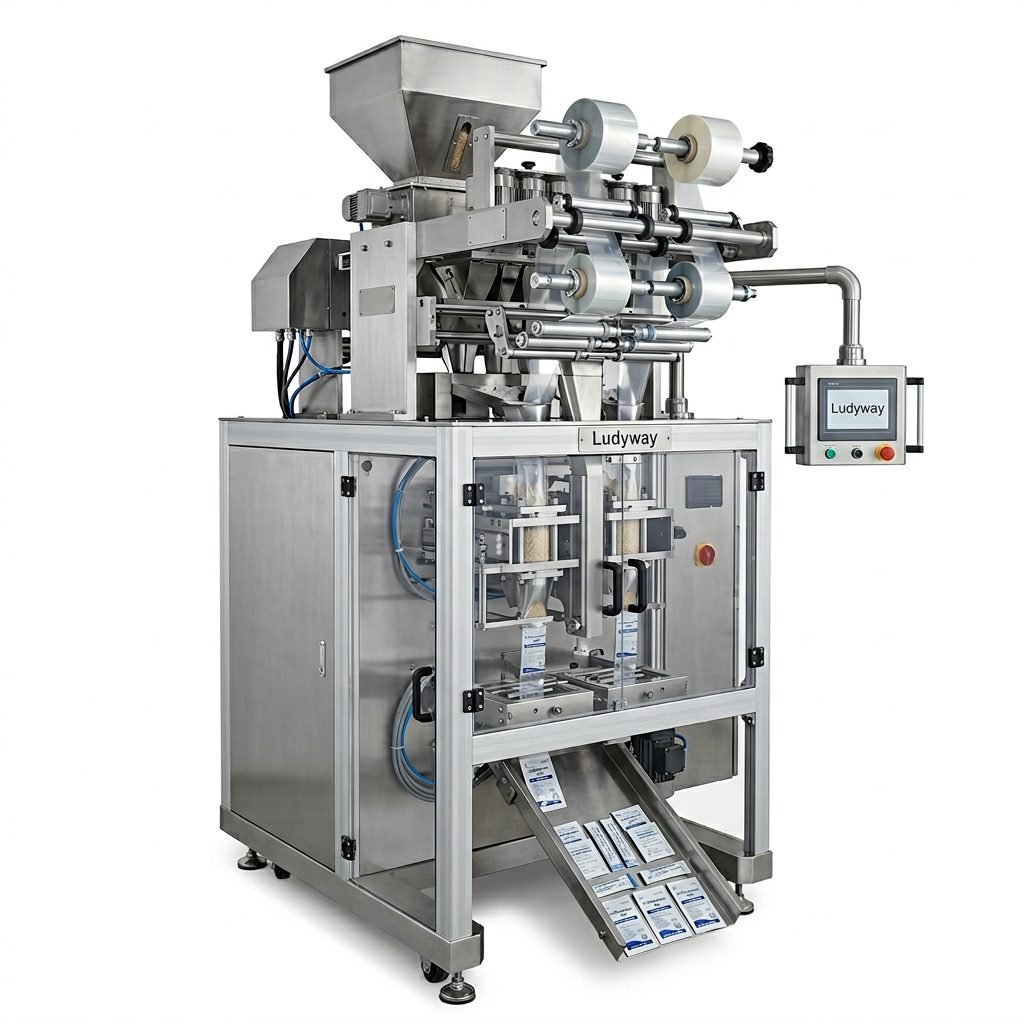
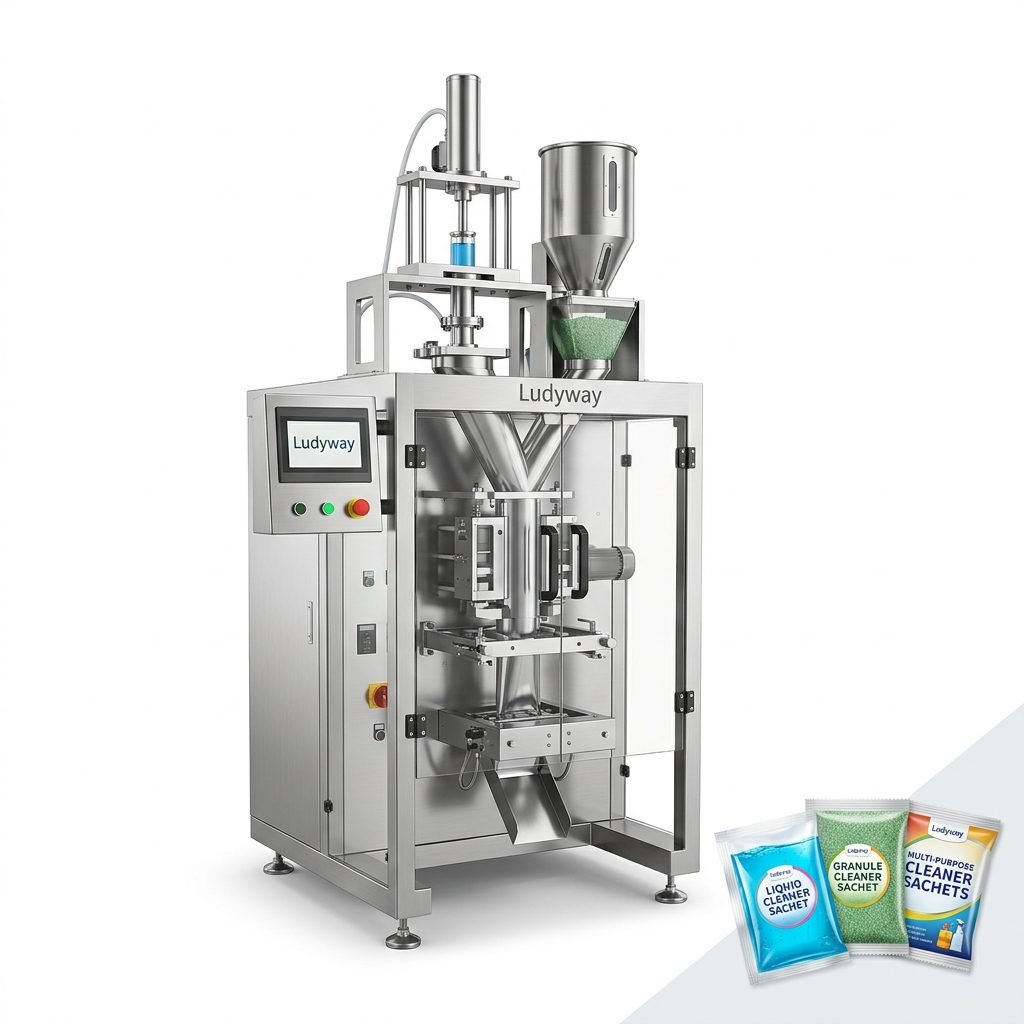
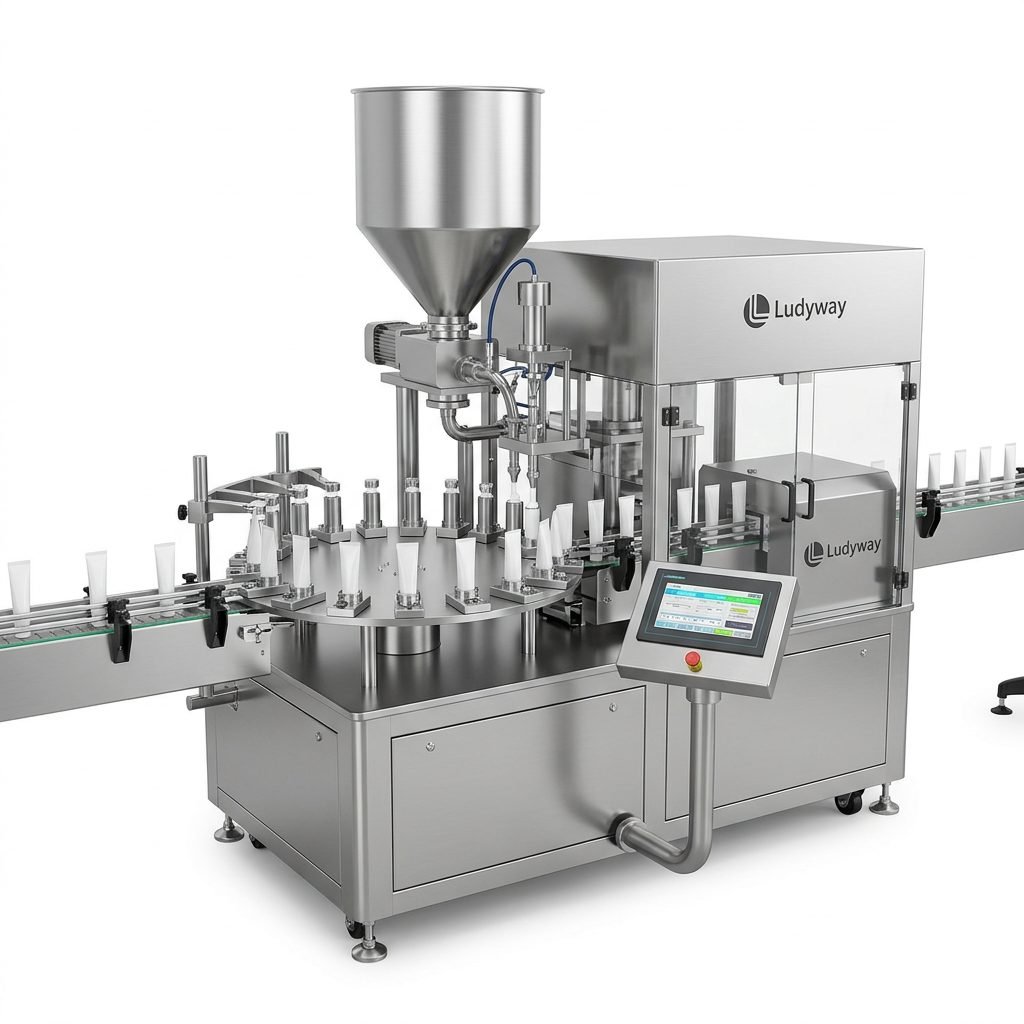
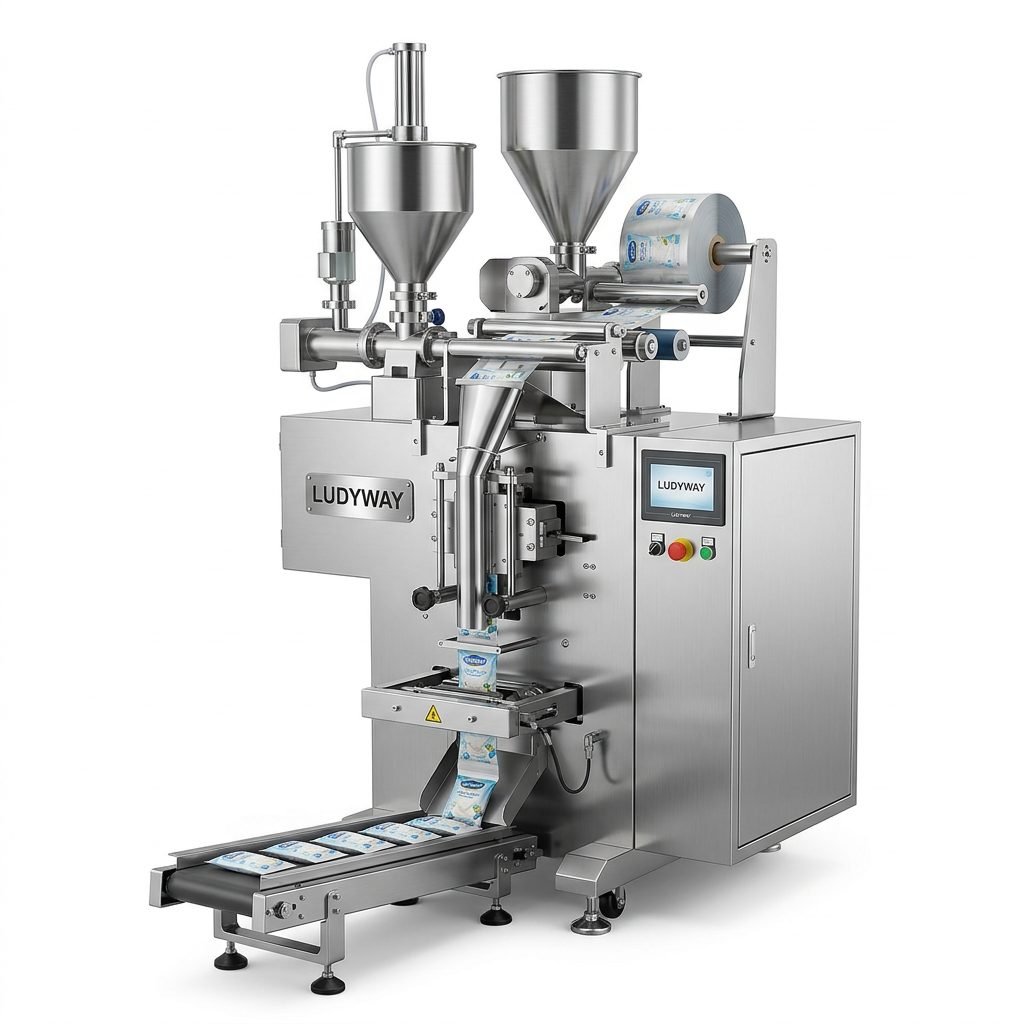
For businesses seeking complete line solutions, Ludyway packaging machine manufacturer supplies stand-alone equipment and turnkey packaging lines for food, pharmaceutical, health supplement, and related industries. This can be especially useful for buyers who want better compatibility between printing, filling, sealing, coding, inspection, and end-of-line automation.
How to Get an Accurate Packaging Printing Machine Quote
To receive a realistic and useful quotation, prepare the following details before contacting suppliers:
- Product type and physical characteristics
- Packaging material and thickness
- Bag, sachet, pouch, label, or carton size
- Required print content and number of colors
- Target output per minute or per hour
- Required print quality and coding accuracy
- Voltage and factory layout requirements
- Need for integration with existing machinery
- Compliance requirements such as food-grade or pharmaceutical standards
Quick Buying Tips to Control Your Budget
- Buy based on production needs, not just the lowest price.
- Compare machine stability, not only headline specifications.
- Ask about spare parts lead time and technical support.
- Evaluate consumable cost over one to three years.
- Check whether the machine can support future product expansion.
- Request sample printing tests before placing the order.
Final Cost Outlook
So, how much does a packaging printing machine cost? In most cases, the answer falls somewhere between US$500 and US$500,000+, depending on whether you need a simple coding unit, a mid-range digital or flexographic printer, or a high-end integrated production system.
The right machine is not simply the cheapest one. It is the one that matches your packaging material, print requirements, production volume, and long-term business plan. By looking beyond the initial price and focusing on total cost, efficiency, and reliability, you will make a much smarter investment.