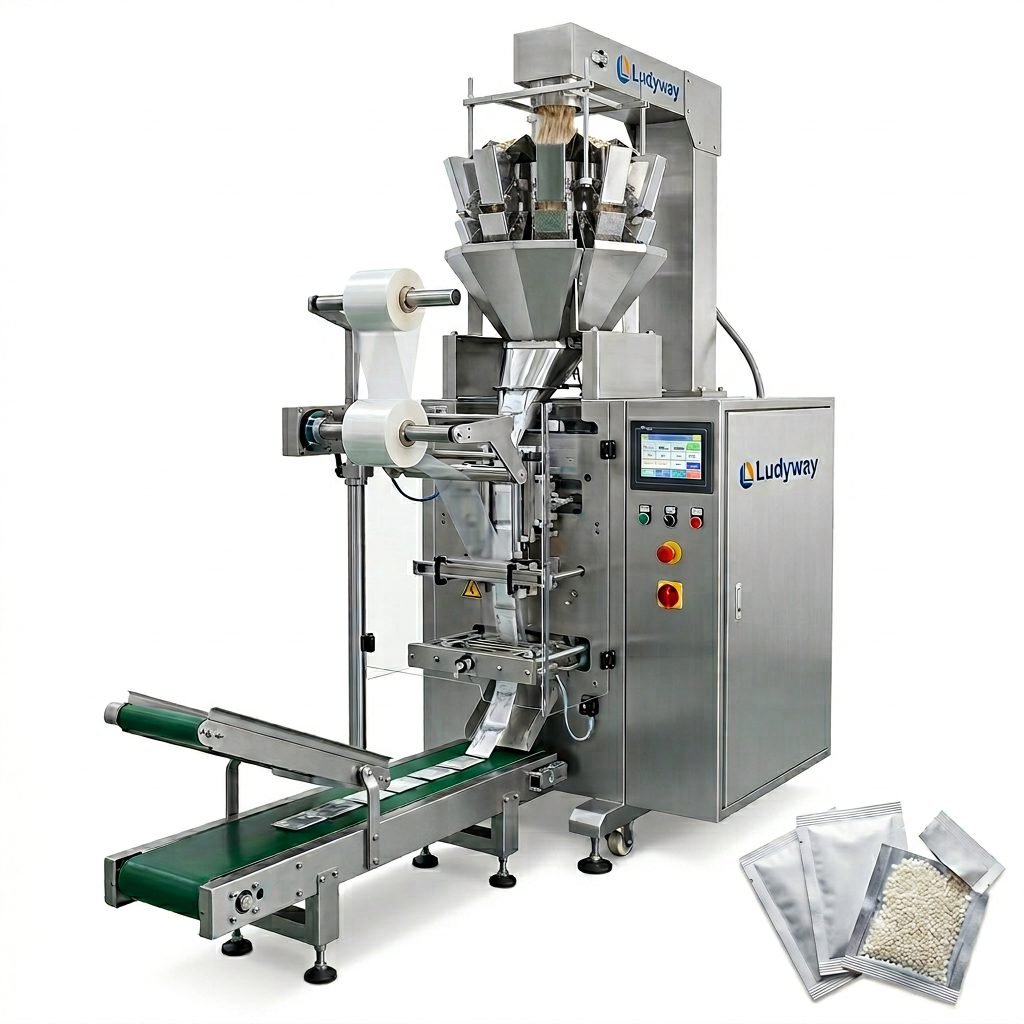
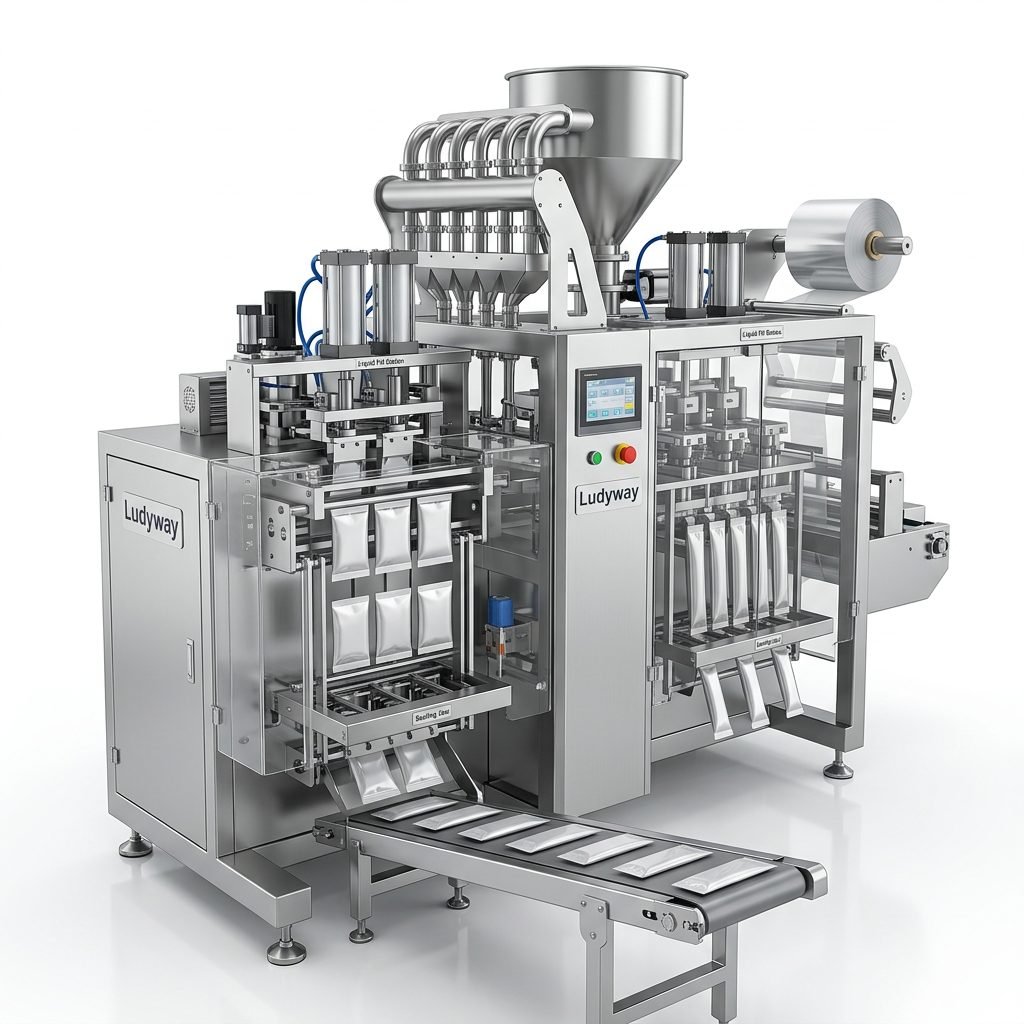
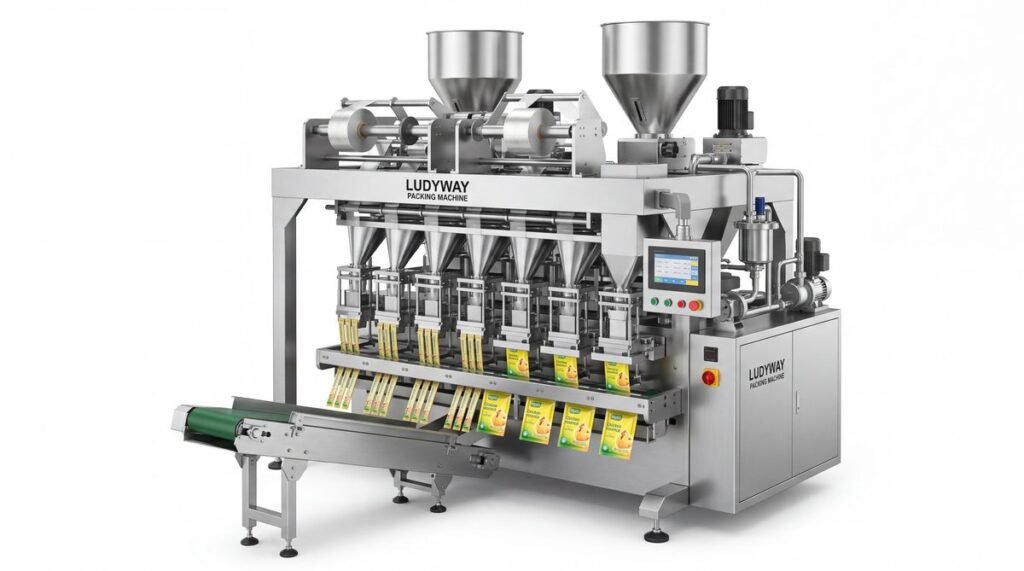
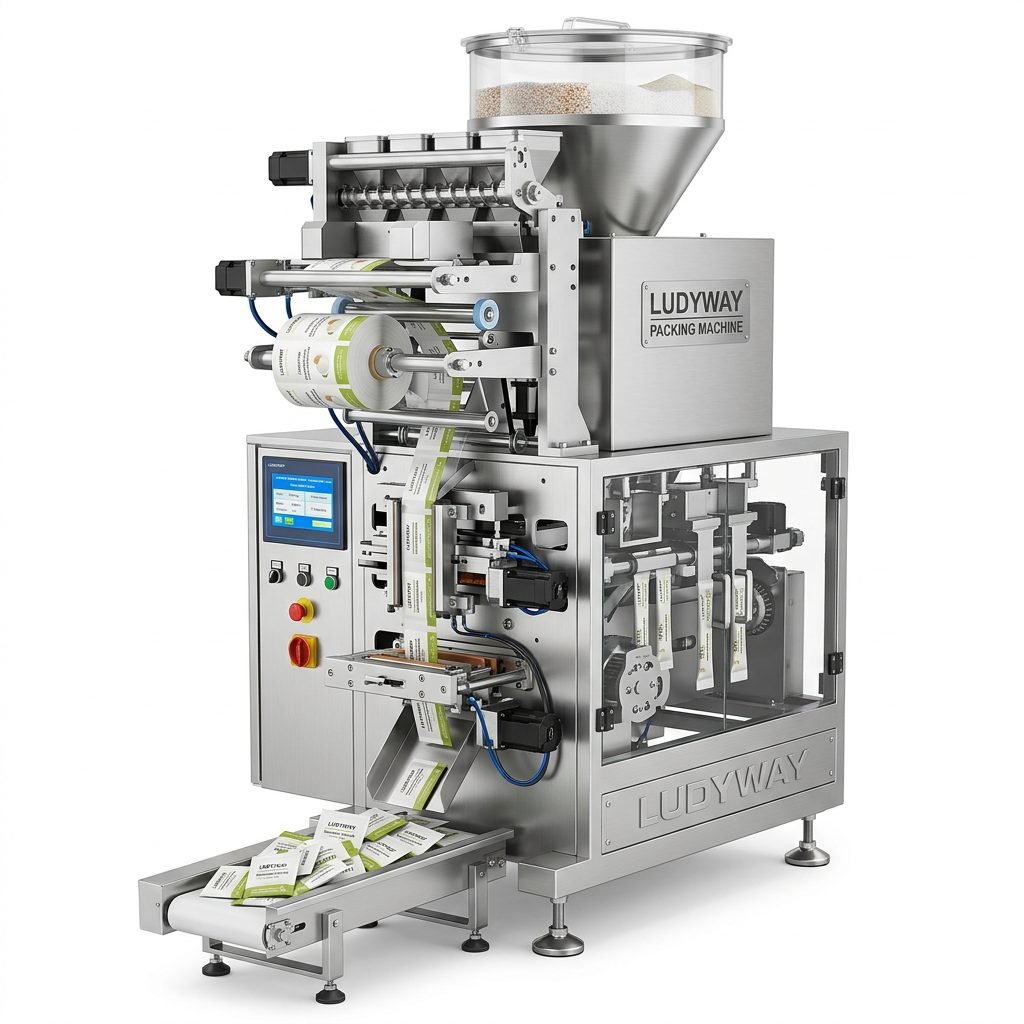
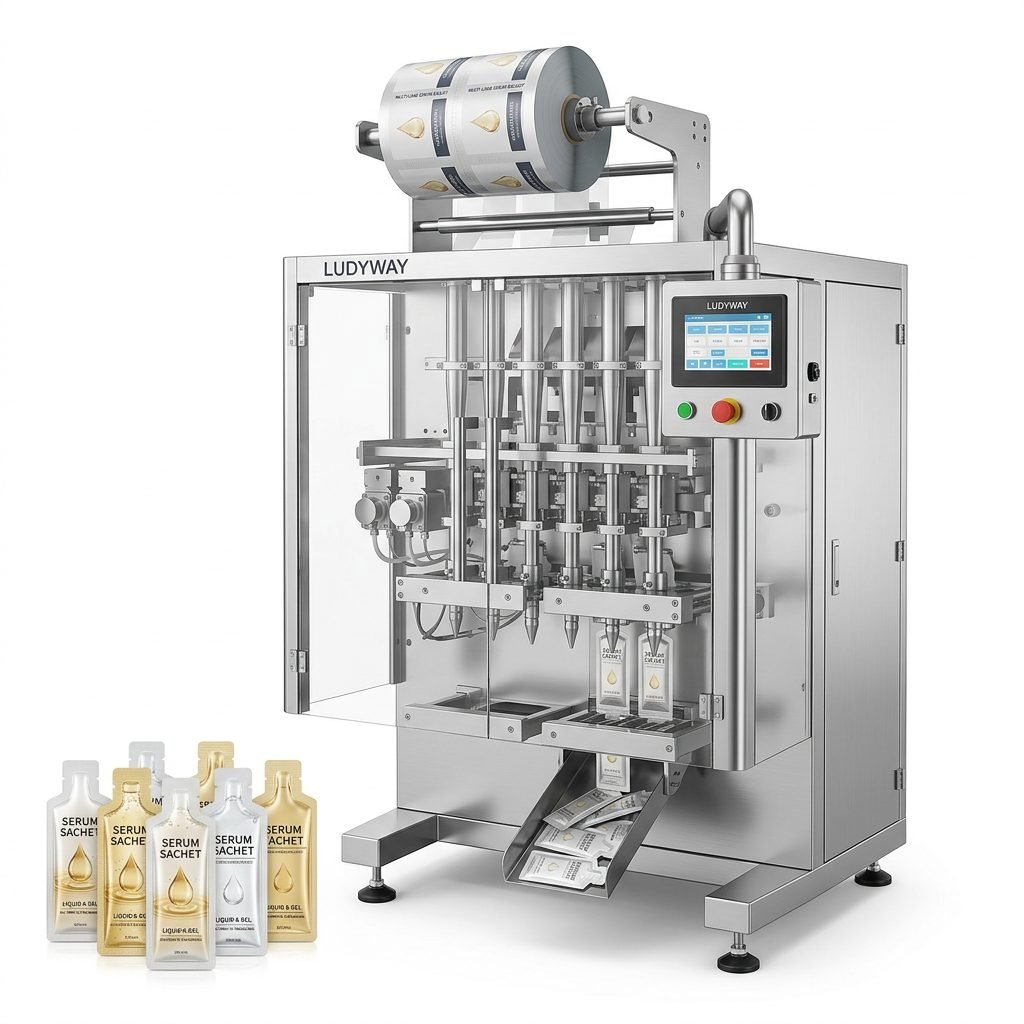
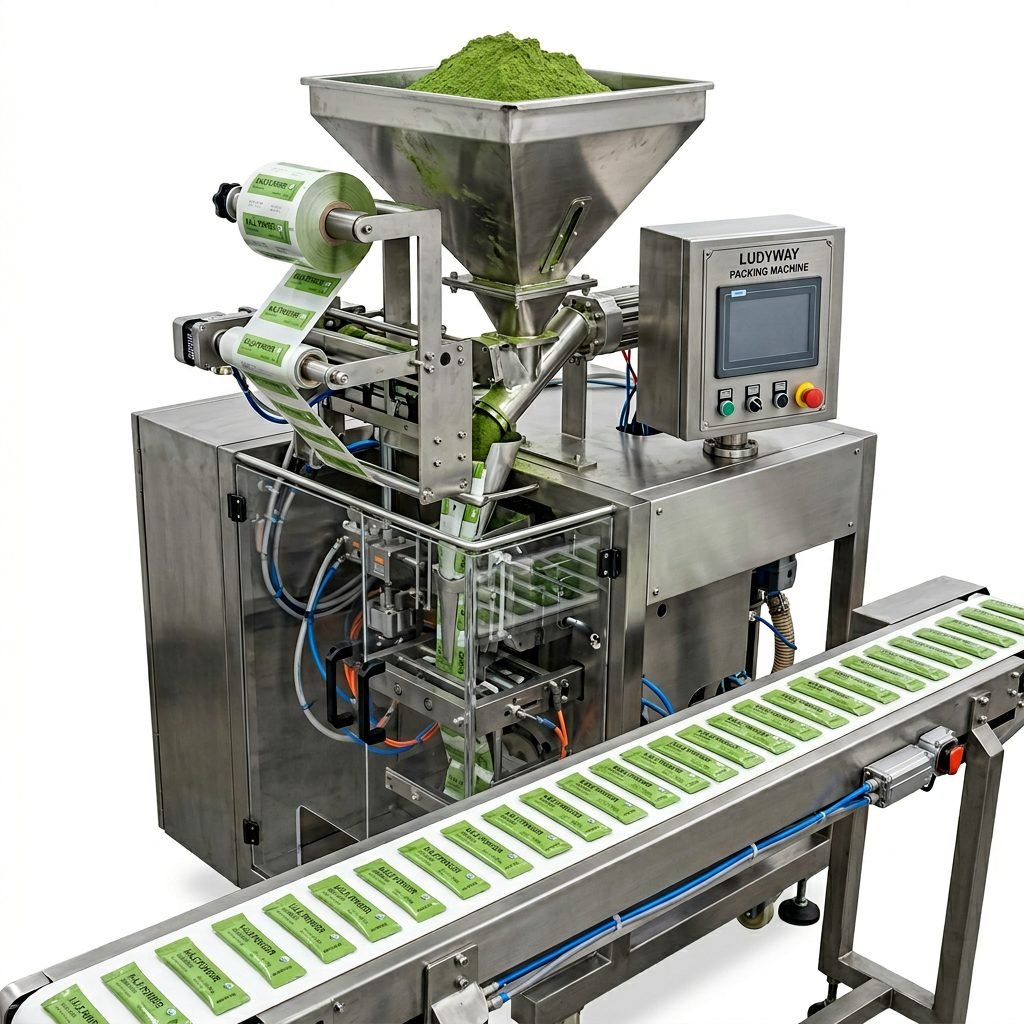
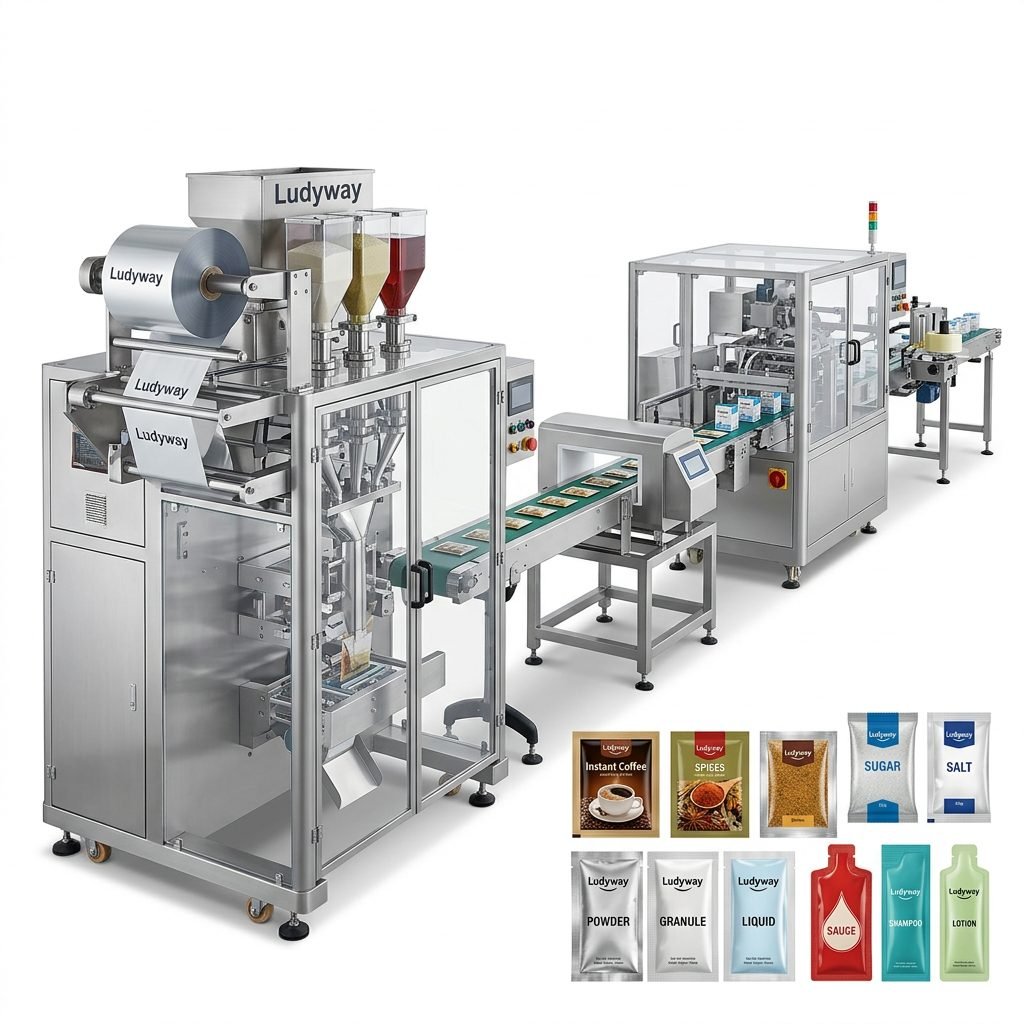
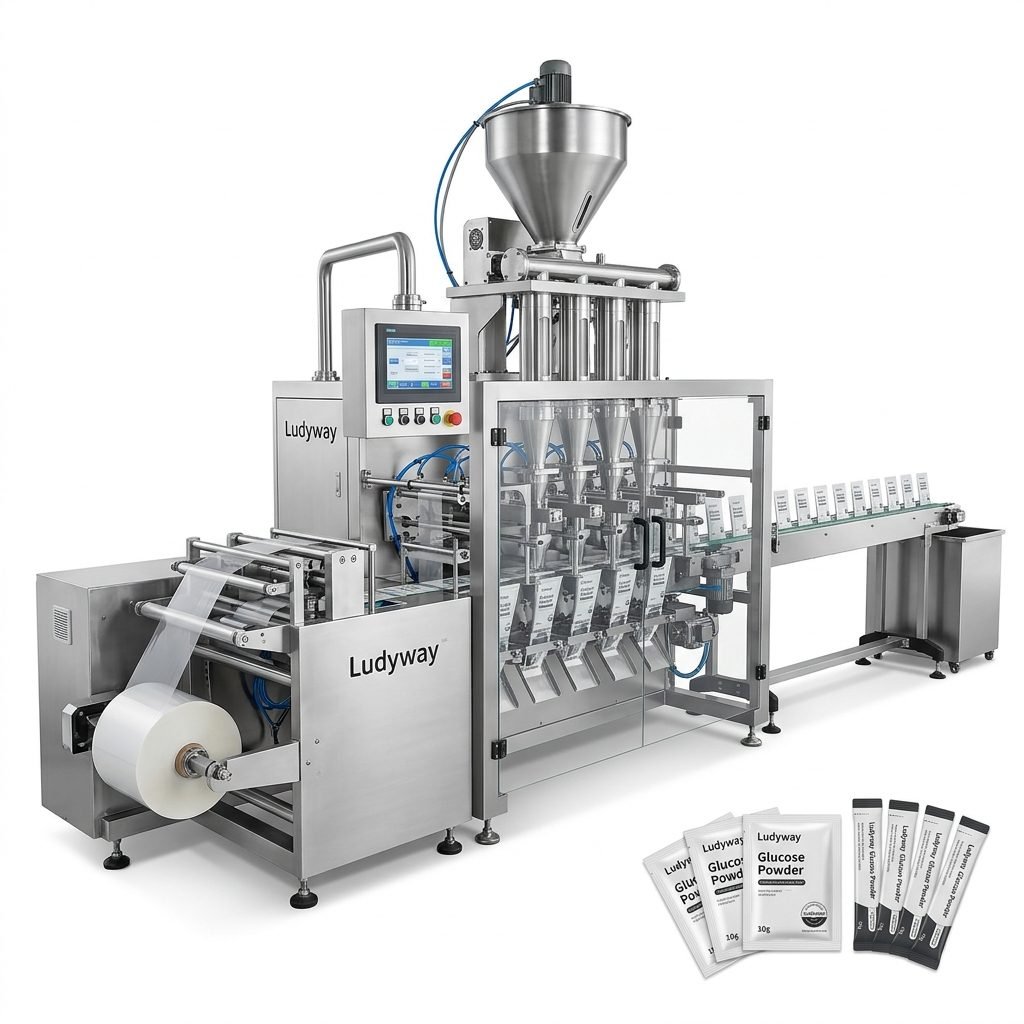
Investing in a gusset pouch packing machine is a strategic move for businesses aiming to enhance shelf appeal and product protection. However, consistent long-term performance depends heavily on a proactive maintenance routine. Whether you are packaging granules, powders, or liquids, adhering to a strict maintenance schedule prevents costly breakdowns, ensures consistent seal integrity, and extends the lifespan of your packaging machinery.

1. Establish a Daily Cleaning Protocol
Residual product buildup is one of the fastest ways to compromise a vertical form fill seal machine. Fine particles, oils, and dust can infiltrate sealing jaws and sensors, leading to weak seals or misalignment.
- Remove loose debris: Use compressed air or a vacuum to clean the film path and forming tube daily.
- Wipe critical surfaces: Use food-grade cleaning agents on sealing jaws and belts to prevent slippage.
- Check the film registration: Ensure the photo eye sensor is free of dust to avoid wasted packaging film.
2. Lubrication: The Lifeline of Moving Parts
Friction is the enemy of mechanical efficiency. Proper lubrication reduces wear on gears, chains, and bearings. However, over-lubrication can attract dust and cause contamination.
| Component | Lubrication Frequency | Recommended Type |
|---|---|---|
| Sealing Jaw Guides | Weekly | Food-grade grease |
| Drive Chains | Monthly | Light machine oil |
| Bearings | Quarterly | High-temperature grease |
3. Inspect and Replace Wear Parts Systematically
The integrity of your gusset pouch depends on the condition of the sealing components. Teflon-coated sealing bands and heating elements degrade over time. Running them to failure will result in product recalls or significant downtime.
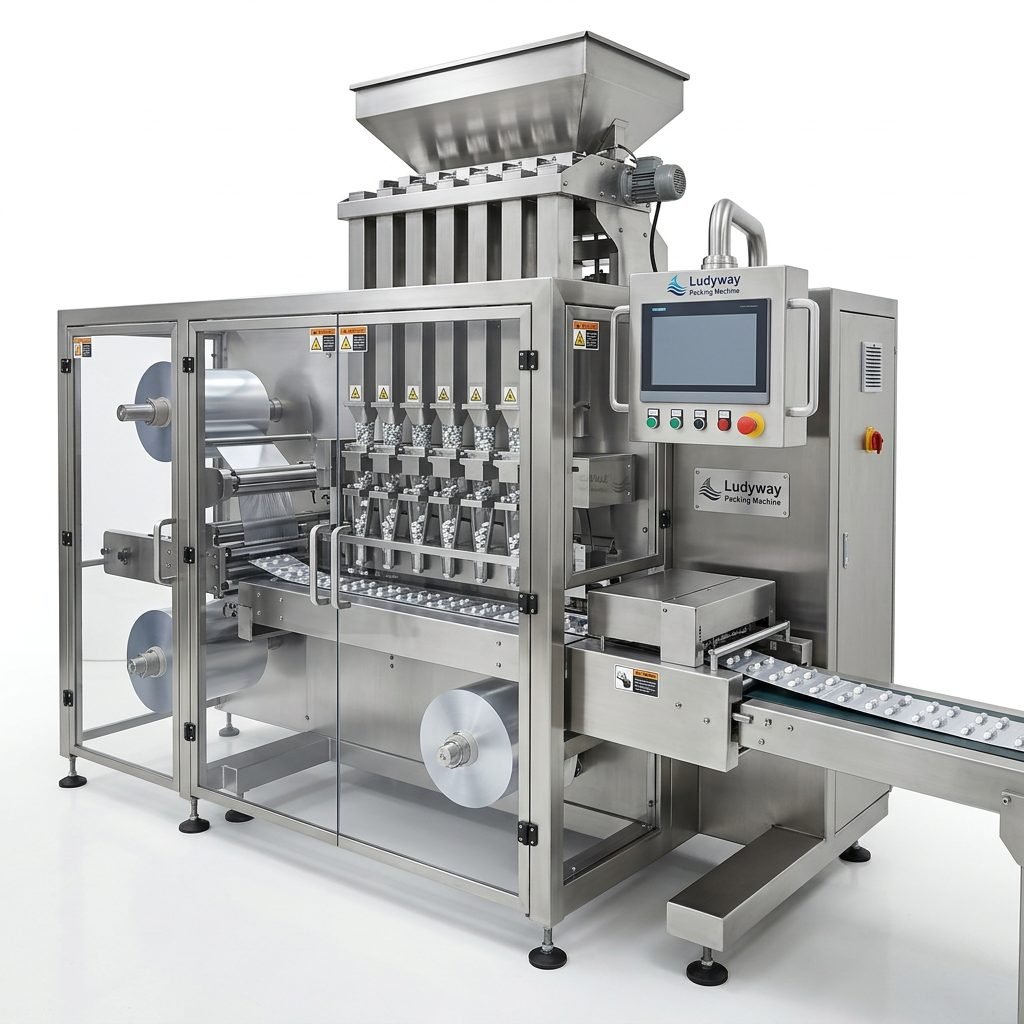
Key indicators for replacement:
- Visible scratches or peeling on the Teflon coating.
- Inconsistent temperature readings on the heat controller.
- Fluctuating air pressure in the pneumatic cylinders.
4. Calibrate Temperature and Sensors Precisely
Different film structures—such as PET/AL/PE laminates—require specific sealing temperatures. A deviation of just a few degrees can cause sealing wrinkles or burns. Regular calibration of the temperature controller and thermocouples is non-negotiable.
Furthermore, routinely test the film tension control. If the tension is too high, the gusset formation will be distorted; if too low, the bag length will be inconsistent. This is critical for machines handling heavy or bulky products.
5. Maintain the Pneumatic and Vacuum Systems
Most gusset pouch machines rely on compressed air for the opening and gripping of pouches. Moisture in the air lines can corrode cylinders and cause erratic motion.
- Drain the water trap: Check and empty the water separator in the FRL unit daily.
- Check for leaks: Hissing sounds or pressure drops indicate a need for immediate line repair.
- Replace filters: Change air filters every 3 months to ensure clean air supply.
6. Electrical Safety and Control Panel Checks
Dust and vibration are primary threats to electrical components. Loose terminals can cause intermittent faults that are difficult to diagnose.
- Power down the machine completely and lock out energy sources.
- Inspect contactors and relays for signs of pitting or overheating.
- Tighten all screw terminals in the PLC control panel.
- Ensure the cooling fan for the electrical cabinet is functioning correctly.
7. Train Your Operators Thoroughly
Even the most advanced packaging solutions are vulnerable to operator error. A well-trained technician can spot abnormal sounds or movements before a major failure occurs. Training should cover not just the operational steps but also basic troubleshooting for common issues like film tracking errors or seal misalignment.
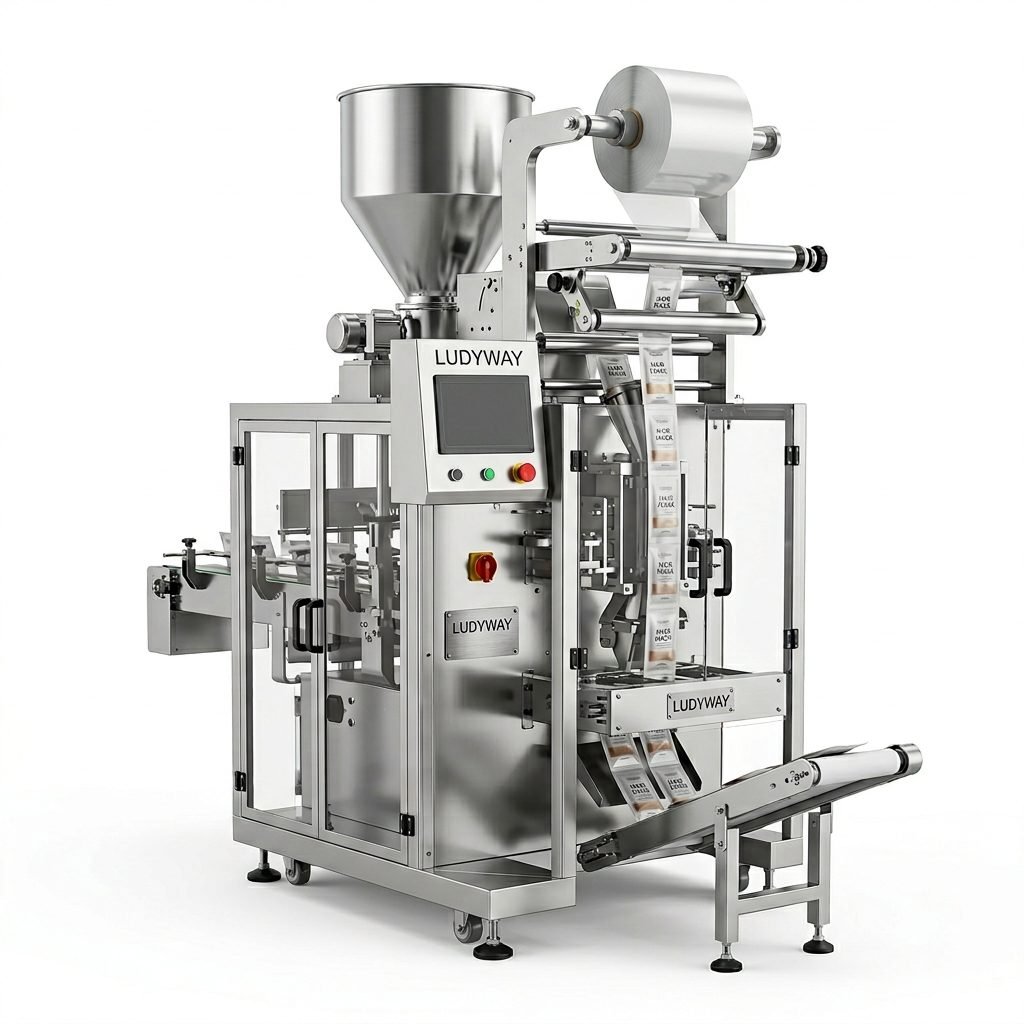
8. Scheduled Professional Servicing
While daily checks are manageable in-house, an annual professional service by a qualified engineer is vital. A deep dive into the servo motor tuning, PLC programming, and mechanical alignment ensures your gusset pouch packing machine operates at original equipment manufacturer (OEM) specifications. Professionals can identify “silent” issues like early-stage bearing wear or subtle frame misalignments that kitchen-level checks miss.
Why Preventive Maintenance Matters for Your Bottom Line
Neglecting maintenance often leads to a false economy. The cost of replacing a snapped sealing jaw or a burnt-out motor far exceeds the investment in routine care. More importantly, unplanned downtime directly impacts your supply chain commitments.
As a leading innovator in the sector, Ludyway emphasizes that longevity in high-volume packaging lines is achieved through strict mechanical sympathy and data-driven maintenance schedules. With over 30 years of industry experience, Ludyway’s engineered packaging systems are built for durability, but even the most rugged machinery thrives on consistent care.
Further Reading and Industry Resources
For deeper insights into packaging standards and machinery trends, explore these authoritative resources:
- PMMI – The Association for Packaging and Processing Technologies
- PMMI – State of the Industry Reports
- Flexible Packaging Association – Industry Resources
- FDA – Food Packaging and Food Contact Substances
- ISO – Packaging Standards
- European Commission – Packaging and Packaging Waste