Freemantle businesses involved in food processing, health products, pharmaceuticals, cosmetics, agriculture, and industrial goods often face a common challenge: how to package faster without sacrificing consistency, hygiene, and operating costs. In Western Australia, where labor costs, compliance expectations, and shipping distances can all influence profitability, choosing the right packaging machinery is more than a production upgrade—it is a strategic decision.
Whether you are a local manufacturer expanding output, a contract packer serving multiple brands, or a growing exporter moving products across Australia and overseas markets, understanding packaging machine types and selection criteria can help you invest with greater confidence.
Why Packaging Machinery Matters for Freemantle Manufacturers
Freemantle-based and broader WA manufacturers often work in industries where product integrity, efficient throughput, and transport-ready packaging are essential. Packaging equipment helps solve several operational pain points:
- Reducing reliance on manual labor
- Improving fill accuracy and sealing quality
- Supporting hygiene and traceability requirements
- Increasing speed for growing order volumes
- Creating retail-ready and export-ready pack formats
- Lowering material waste and rework rates
For businesses supplying supermarkets, pharmacies, specialty retail, e-commerce channels, mining camps, or export markets, modern automation can create a more stable and scalable production environment.
Main Types of Packaging Machinery
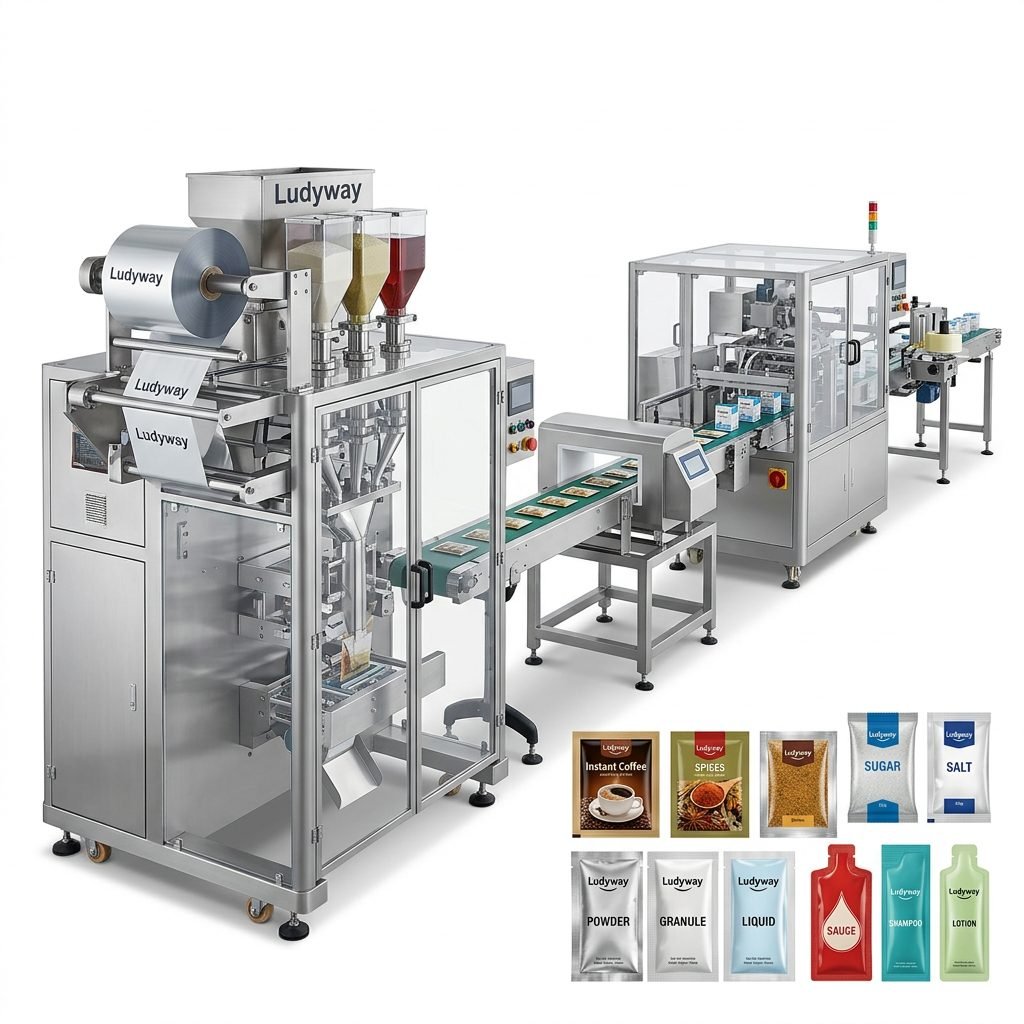
1. Vertical Form Fill Seal Machines
Vertical form fill seal (VFFS) machines are widely used for powders, granules, and certain liquids. They form the bag from roll film, fill the product, and seal it automatically. These systems are suitable for products such as coffee, spices, powders, grains, supplements, detergents, and snack items.
Best for:
- Pillow bags
- Back-seal bags
- Gusseted packs
- Small to medium retail packs
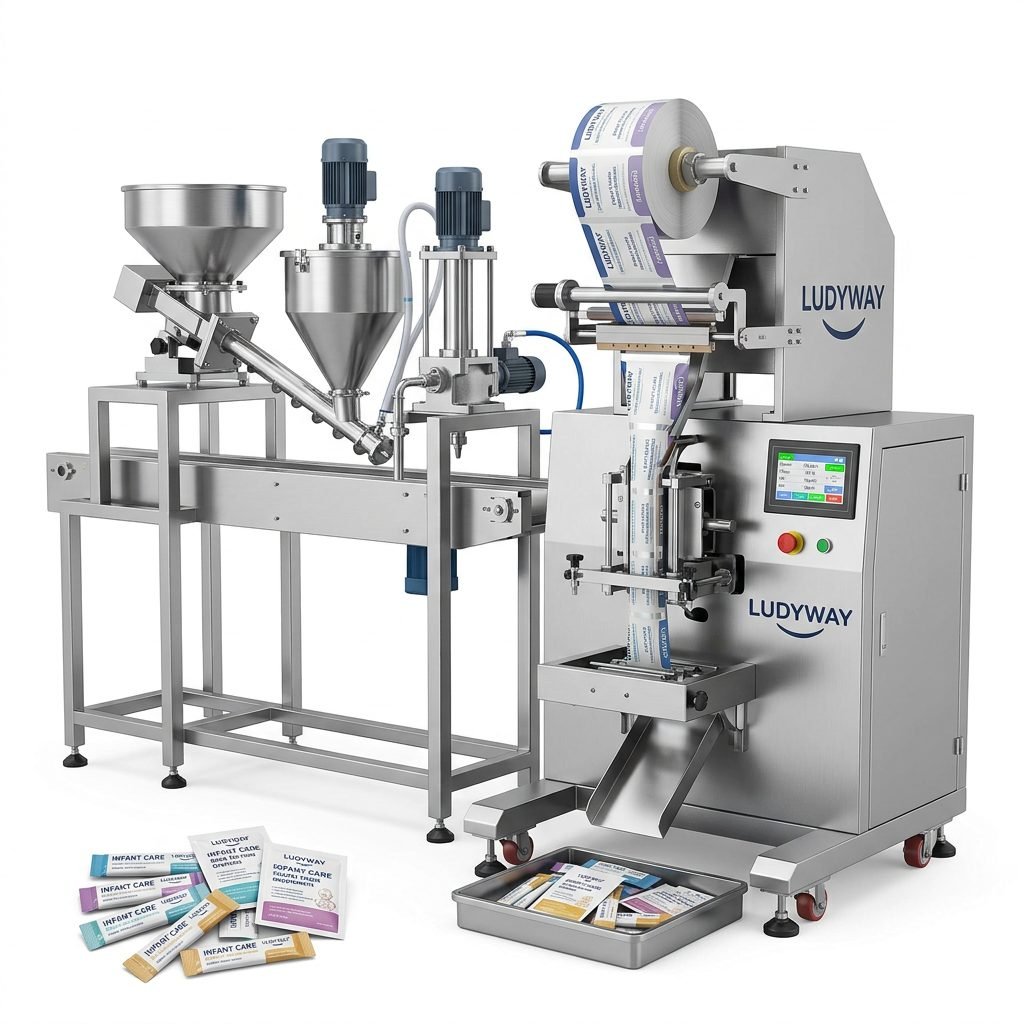
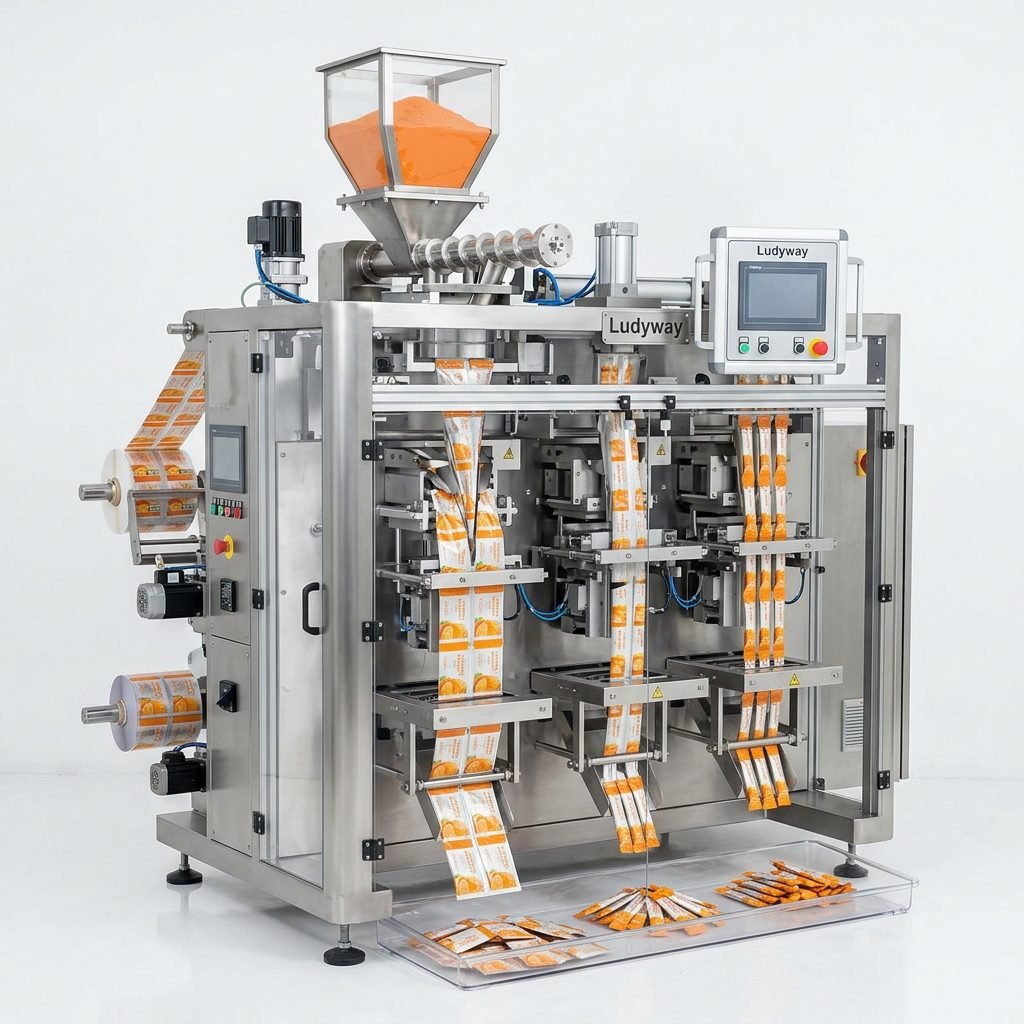
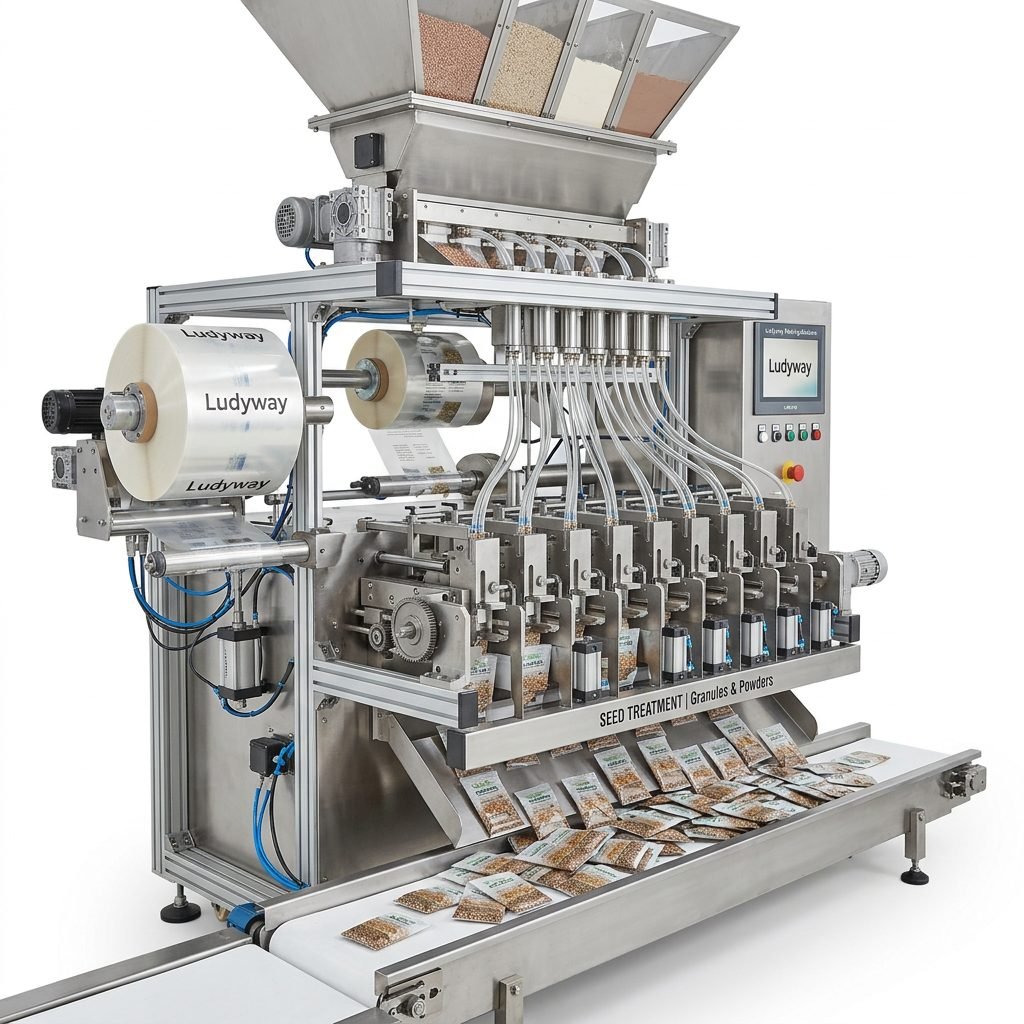
2. Sachet and Stick Pack Machines
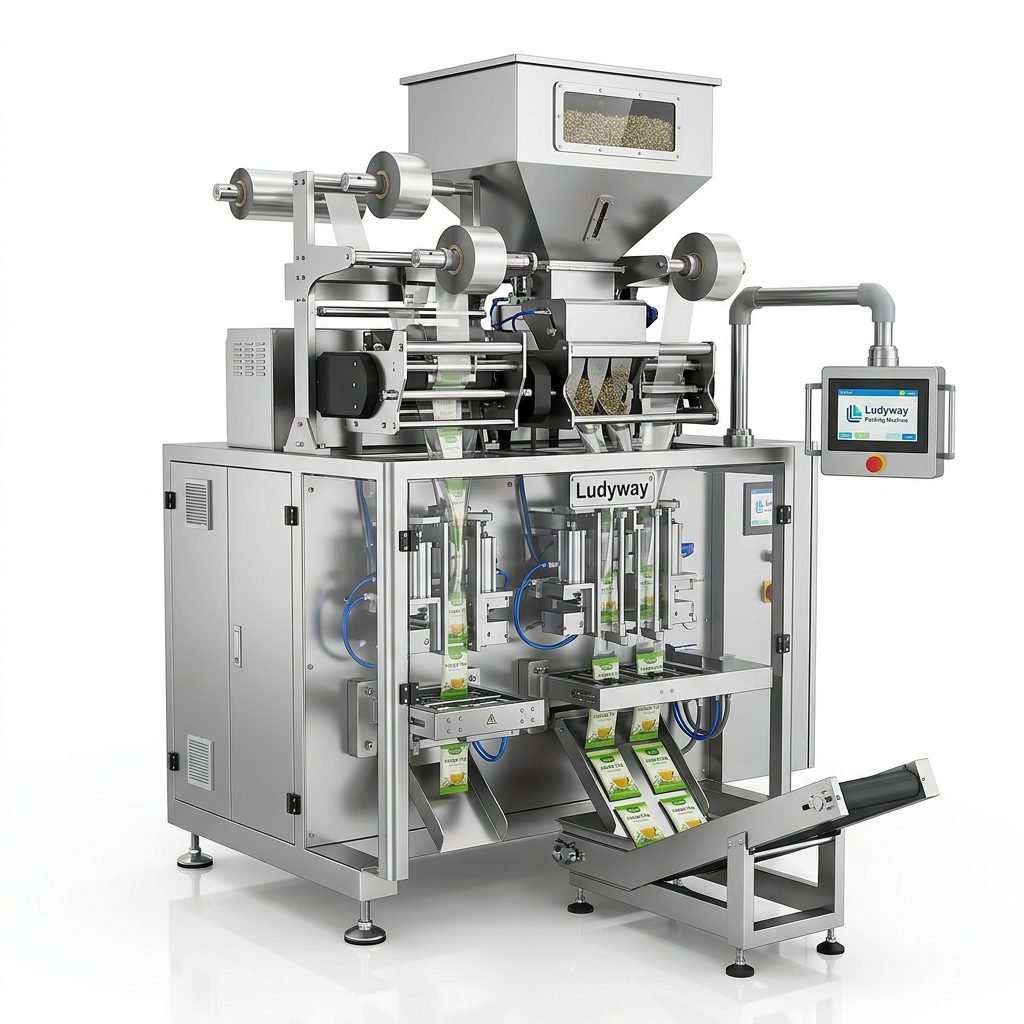
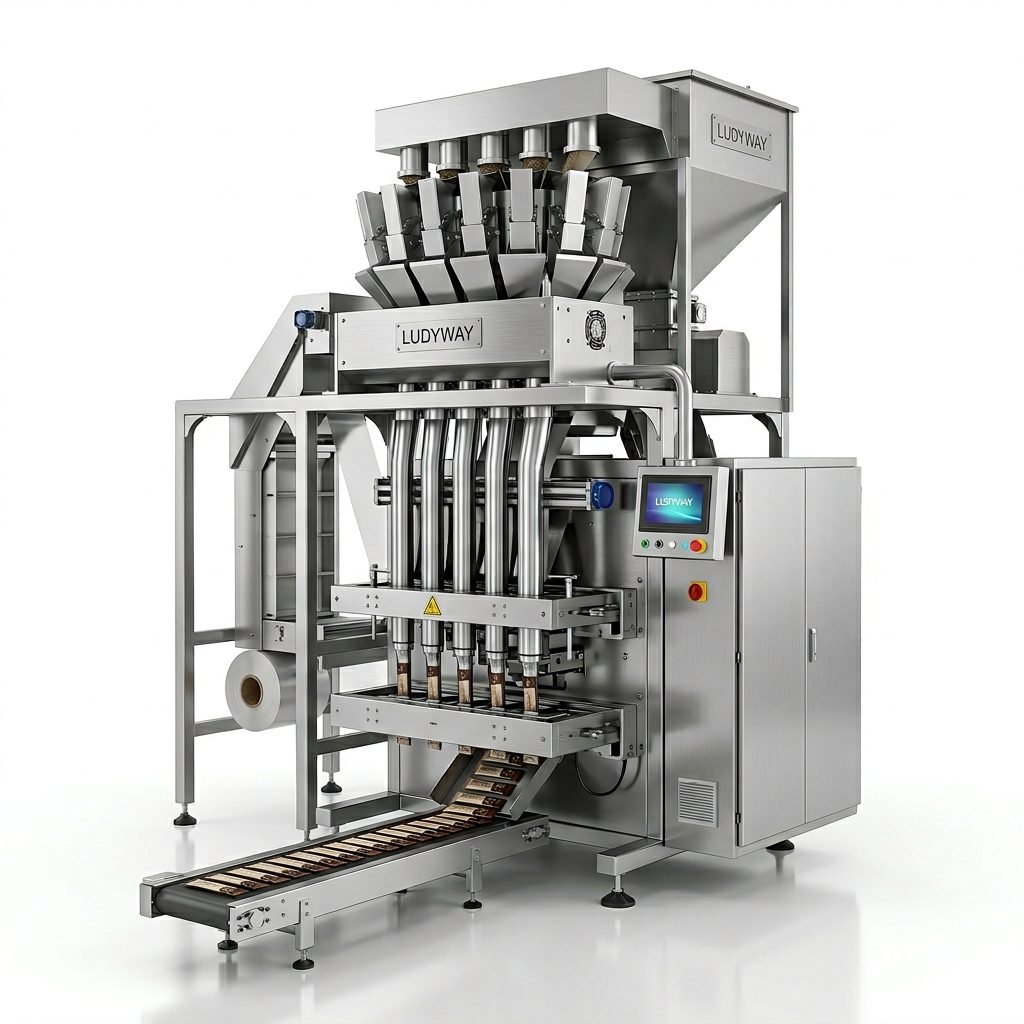
These machines are ideal for single-dose or small-format packaging. They are especially popular for nutraceuticals, pharmaceutical powders, drink mixes, sauces, gels, cosmetic creams, and sample packs. Multi-lane models are designed for higher output and can significantly improve capacity for high-demand products.
Best for:
- Single-serve powders
- Liquid or gel sachets
- Trial packs and promotional samples
- Travel-size consumer products
3. Premade Pouch Packing Machines
Premade pouch machines work with preformed bags and pouches, making them a strong choice for premium packaging presentation. These systems can handle zipper pouches, stand-up pouches, and specialty pouch styles used in food, pet food, health products, and specialty chemicals.
Best for:
- Premium shelf-ready packaging
- Resealable pouch formats
- Products requiring stronger branding impact
4. Liquid Filling and Sealing Machines
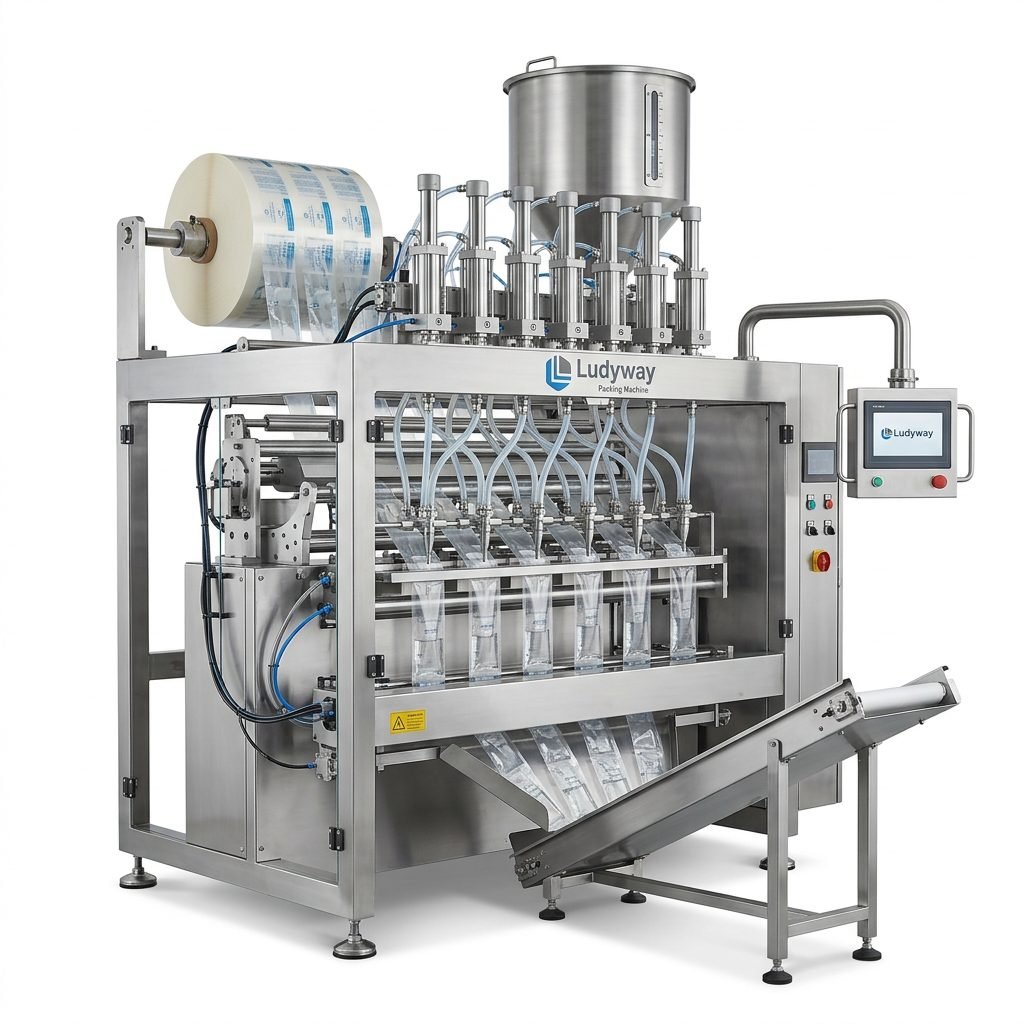
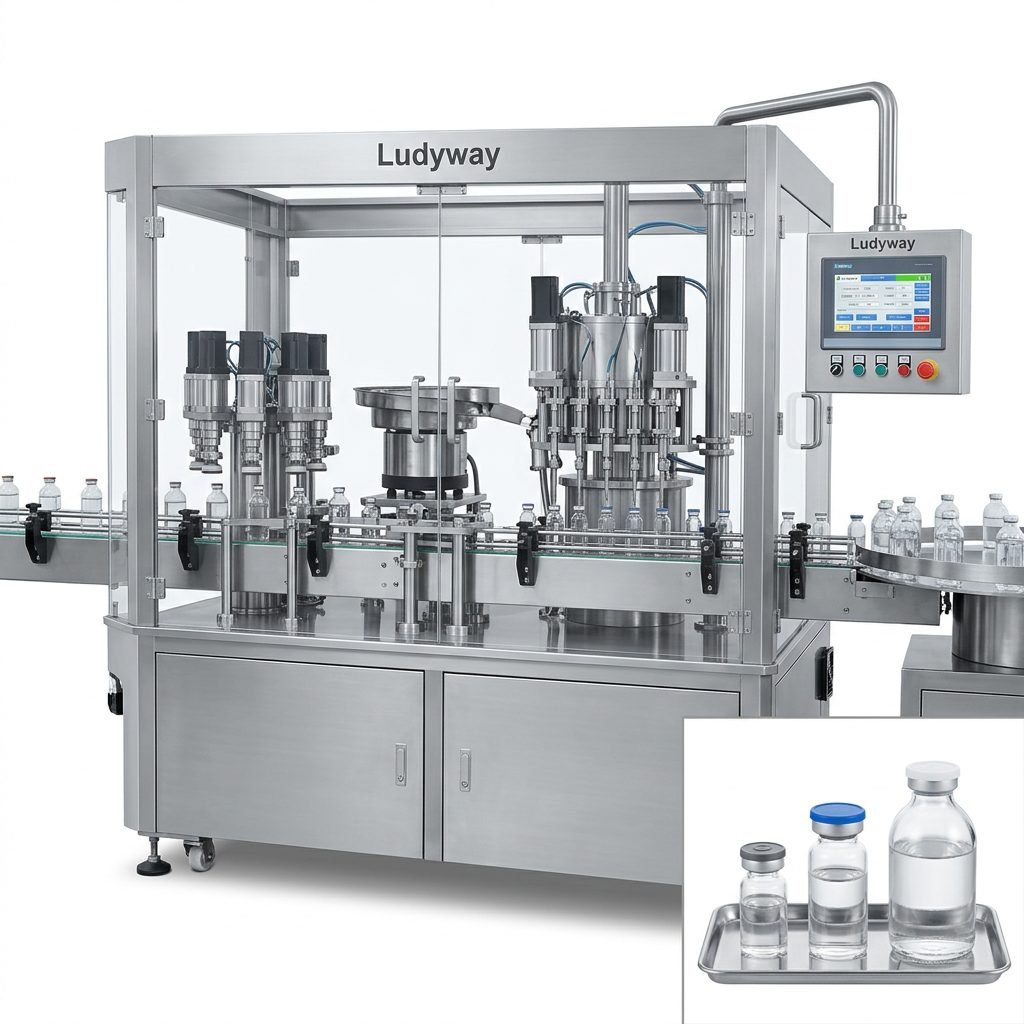
Liquid filling systems are designed for free-flowing liquids, viscous products, gels, and pastes. Depending on the application, they can fill bottles, vials, pouches, sachets, or tubes. Typical products include oils, syrups, beverages, creams, shampoos, disinfectants, and pharmaceutical liquids.
Common configurations include:
- Piston fillers for viscous products
- Pump fillers for liquids and semi-liquids
- Gravity fillers for low-viscosity products
- Multi-head systems for higher speed
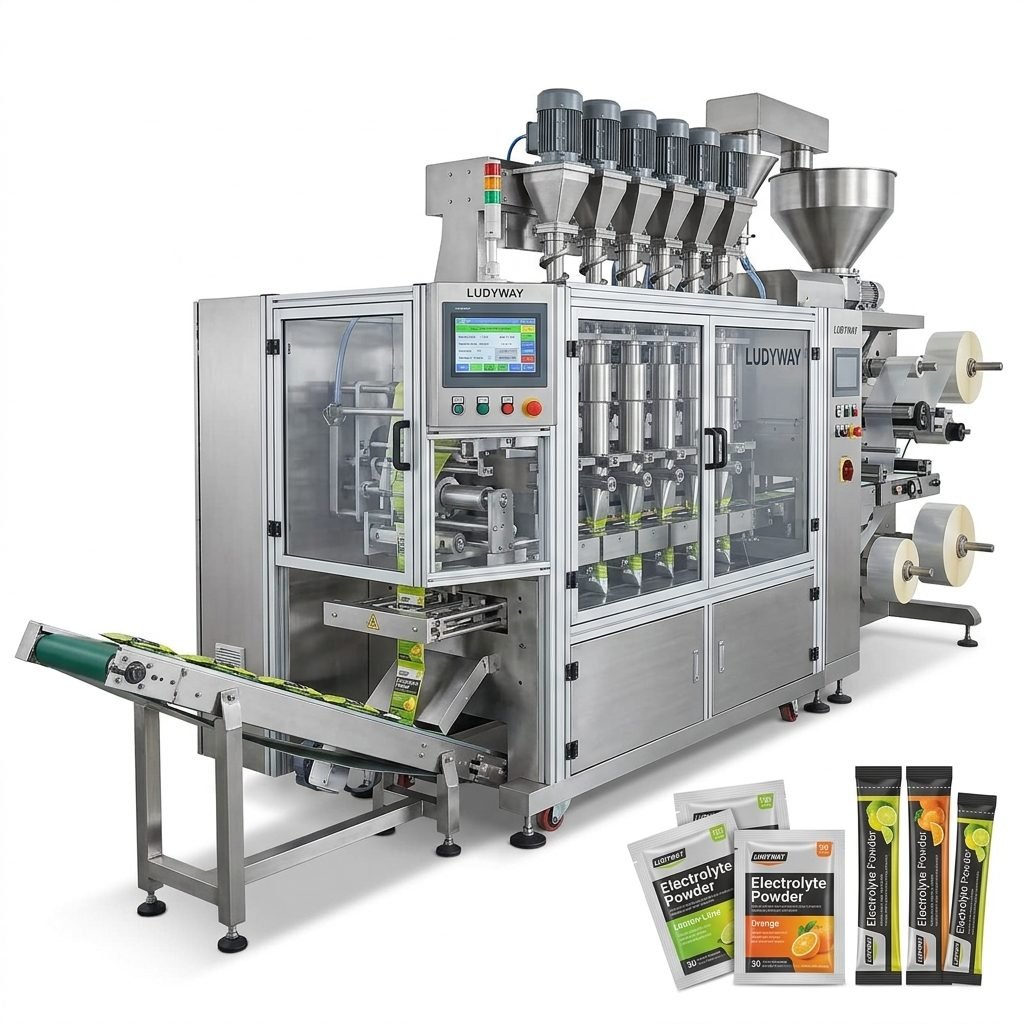
5. Powder Filling Machines
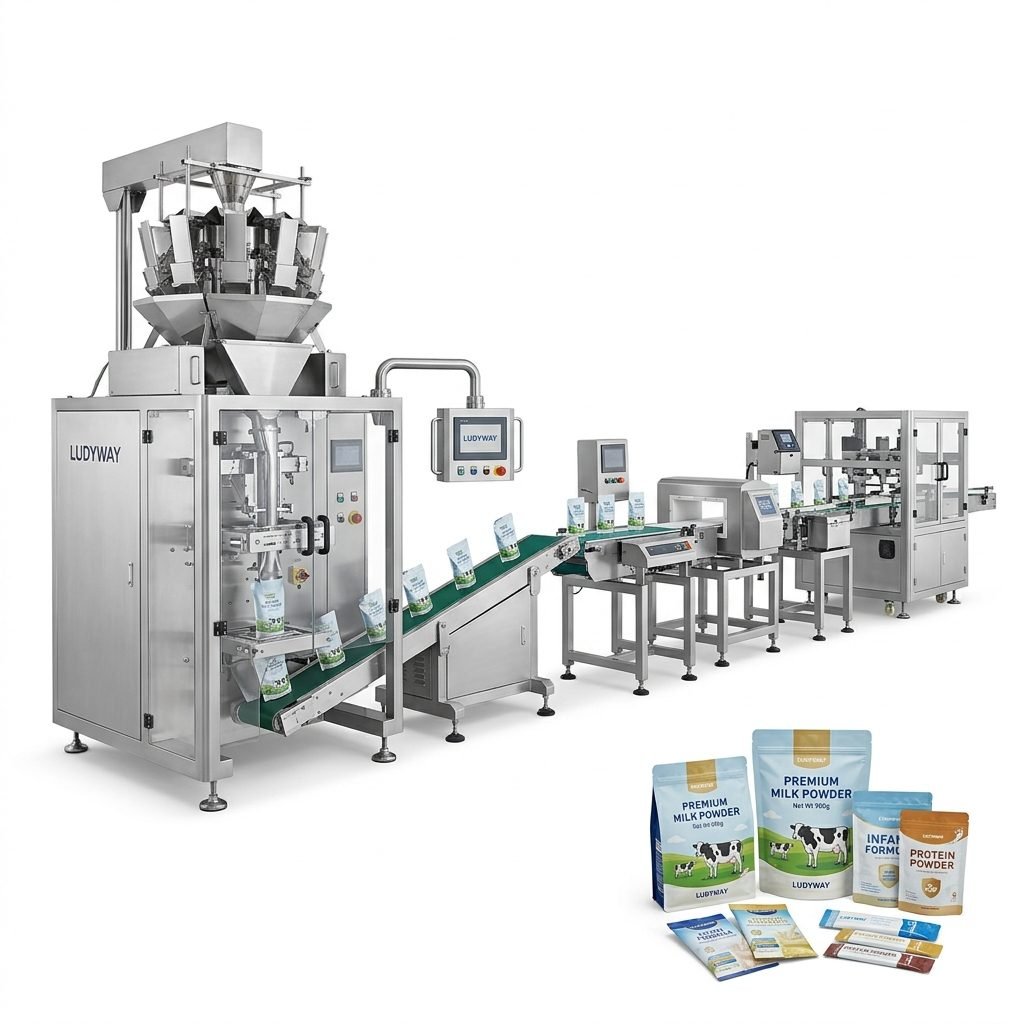
Powder packaging requires accurate dosing and good dust control. Powder filling machines, often using auger systems, are built for products such as milk powder, protein powder, seasoning blends, pharmaceuticals, nutraceuticals, and chemical powders.
Important features:
- Stable dosing accuracy
- Dust collection support
- Easy cleaning and changeover
- Compatibility with different pack sizes
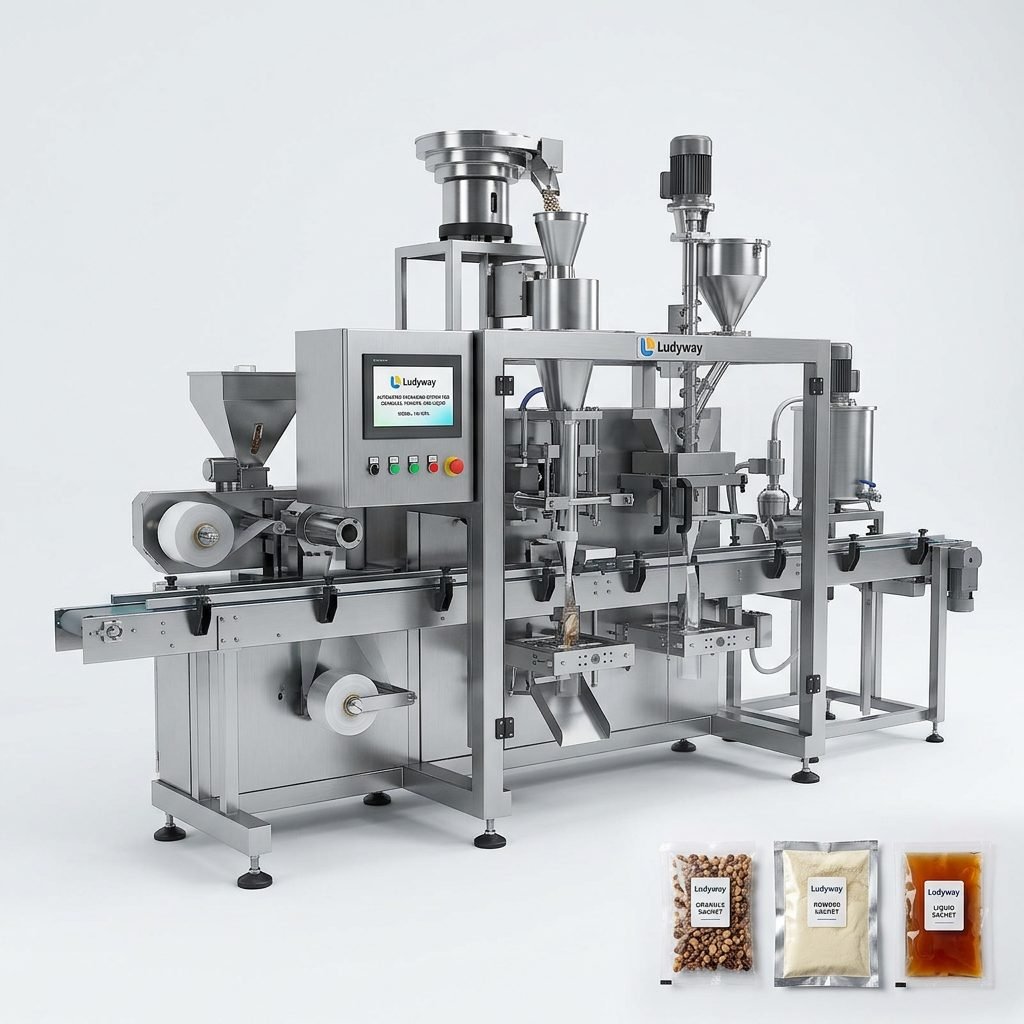
6. Granule and Solid Product Packing Machines
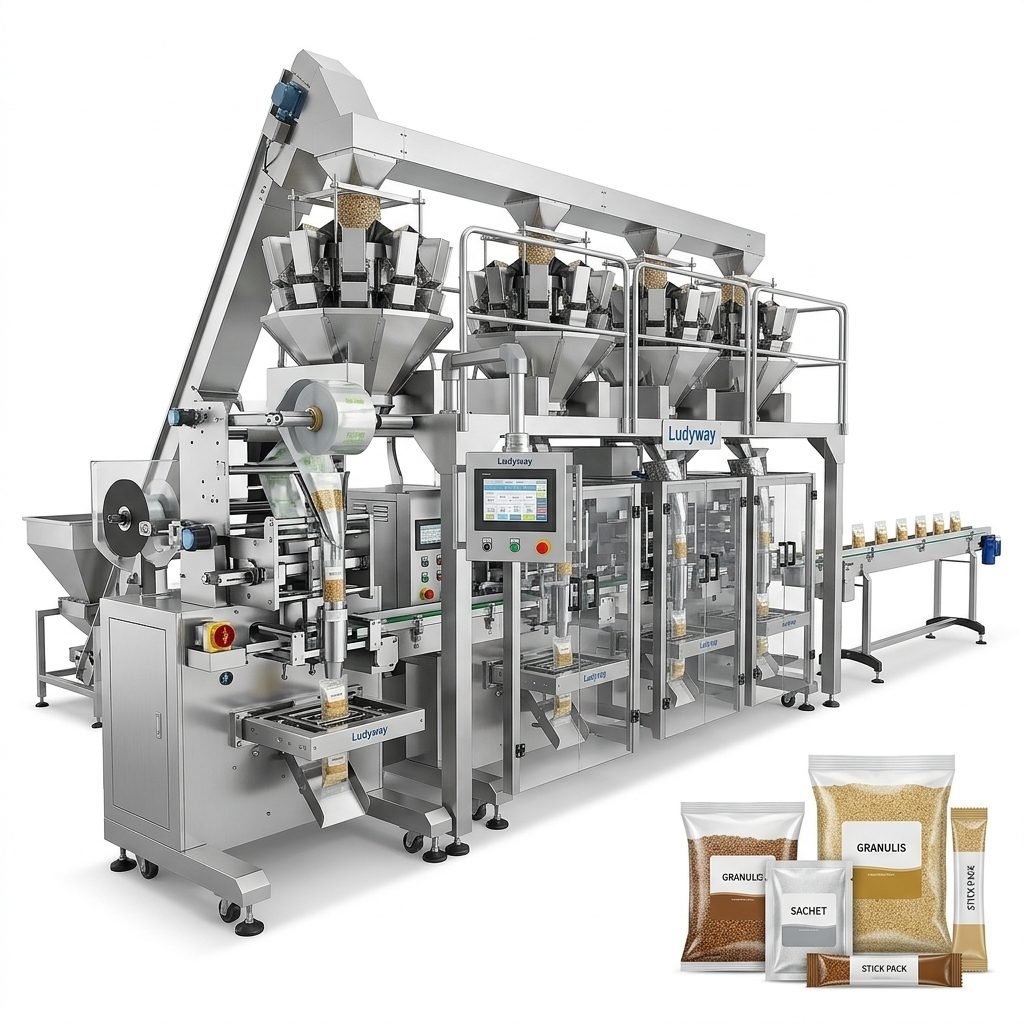
Granule packaging machines are used for seeds, grains, nuts, pellets, capsules, tablets, candies, pet food, and similar products. They often integrate weighing systems such as multi-head weighers, linear weighers, or cup fillers depending on the product shape and target speed.
7. Cartoning, Case Packing, and End-of-Line Equipment
Packaging does not end at filling and sealing. End-of-line systems improve transport efficiency and labor savings by automating:
- Cartoning
- Labeling
- Date coding
- Checkweighing
- Metal detection
- Case sealing
- Palletizing
Quick Comparison of Common Equipment
| Machine Type | Suitable Products | Typical Pack Format | Main Advantage |
|---|---|---|---|
| VFFS Machine | Powders, granules, snacks | Bags and pouches | Flexible and cost-efficient |
| Sachet/Stick Pack Machine | Single-dose powders, liquids, gels | Sachets and stick packs | High-speed small-format packaging |
| Premade Pouch Machine | Food, pet food, supplements | Stand-up or zipper pouches | Premium appearance |
| Liquid Filling Machine | Beverages, oils, creams, chemicals | Bottles, pouches, sachets | Accurate filling for fluid products |
| Powder Filling Machine | Milk powder, pharma, supplements | Bottles, sachets, pouches | Precision dosing |
| Cartoning/End-of-Line Equipment | Finished packs | Cartons, cases, pallets | Labor savings and line integration |
Key Benefits of Modern Packaging Equipment
Higher Output with Better Consistency
Automated systems can produce more packs per hour than manual or semi-manual setups while maintaining more consistent filling, sealing, and appearance. This matters for businesses trying to meet retailer requirements or export contract schedules.
Lower Labor Dependency
In Australia, labor availability and wages are major considerations. Packaging automation helps manufacturers reduce repetitive manual tasks and redeploy staff to quality control, supervision, and value-added processes.
Improved Product Protection
Well-designed machinery protects product freshness, reduces contamination risks, and improves seal integrity. For food, pharmaceuticals, and supplements, this is especially important.
Reduced Waste
Precise filling and stable film handling can reduce overfill, underfill, poor seals, and rejected packs. Over time, even small reductions in material waste can create meaningful savings.
Scalability for Growth
A suitable machine should support business growth. Many companies in Freemantle start with one format or one SKU, but later expand into multiple sizes, export packaging, or higher-capacity production. The right equipment can make that transition easier.
How to Choose the Right Packaging Equipment
Understand Your Product Characteristics
Start with the physical behavior of your product. Ask:
- Is it a powder, granule, liquid, paste, gel, tablet, or capsule?
- Is it free-flowing or difficult to handle?
- Does it create dust, foam, or sediment?
- Is it fragile, sticky, corrosive, or hygienically sensitive?
The machine must be matched to how the product actually behaves in production, not just how it looks in samples.
Define Your Packaging Format
The desired pack style strongly influences machine selection. Common options include:
- Sachets
- Stick packs
- Pouches
- Bottles
- Jars
- Tubes
- Large industrial bags
If your brand competes on shelf appeal, a premade pouch solution may make sense. If cost per pack and speed are more important, VFFS or multi-lane sachet equipment may be the better fit.
Estimate Your Required Output
One of the most common buying mistakes is selecting equipment only for current demand. Instead, consider:
- Current hourly output needs
- Peak seasonal demand
- Expected growth over the next 2 to 5 years
- Number of shifts per day
A slightly larger or modular system may offer better long-term value than replacing undersized machinery too soon.
Consider Compliance and Hygiene Needs
For food, pharma, and health supplement businesses in Australia, machine design should support cleaning, traceability, and quality assurance. Stainless steel contact parts, reliable coding systems, and easy-access maintenance points can all improve day-to-day operations.
Check Changeover Flexibility
If you handle multiple SKUs, short production runs, or different pack sizes, fast changeover capability becomes very important. Flexible machinery helps reduce downtime between batches and improves line utilization.
Look Beyond the Main Machine
Many packaging projects require more than a filler or sealer. A complete solution may involve feeders, conveyors, coding, inspection, cartoning, and palletizing. Integrated systems often provide better stability than connecting unrelated machines from multiple sources.
Evaluate Supplier Capability
A good equipment supplier should offer more than a product brochure. Look at manufacturing experience, customization ability, export experience, and support responsiveness. For businesses seeking automated packaging systems and turnkey line support, Ludyway packaging machine solutions are often considered for projects involving food, pharmaceutical, health supplement, cosmetic, chemical, and pouch-based applications.
Questions Freemantle Buyers Should Ask Before Purchasing
- What is the real production speed with my actual product?
- How accurate is the filling system?
- How long do format changes take?
- What utilities are required, such as air, power, and floor space?
- Is the machine suitable for Australian compliance expectations?
- Can the line be expanded later?
- What spare parts and technical support are available?
- How easily can operators clean and maintain the system?
Common Buying Mistakes to Avoid
- Choosing based on price alone rather than total lifecycle value
- Ignoring future capacity requirements
- Underestimating changeover and cleaning time
- Not testing machinery with real product samples
- Overlooking end-of-line automation needs
- Failing to plan for spare parts and after-sales support
Which Industries Benefit Most?
Packaging machinery is highly relevant across many sectors in and around Freemantle, including:
| Industry | Typical Products | Recommended Equipment Types |
|---|---|---|
| Food & Beverage | Spices, coffee, snacks, drink powders, sauces | VFFS, sachet, pouch, liquid filling |
| Pharmaceutical | Powders, oral liquids, tablets, capsules | Stick pack, bottle filling, blister and cartoning support |
| Health Supplements | Protein, collagen, probiotics, vitamins | Powder fillers, sachet machines, pouch systems |
| Cosmetics & Personal Care | Creams, serums, shampoo, lotions | Liquid filling, sachet, tube filling |
| Agriculture & Feed | Seeds, feed pellets, powders | Granule packers, bagging systems, conveyors |
| Chemicals | Detergents, cleaners, industrial powders, liquids | Liquid fillers, powder packers, industrial bagging systems |
Final Selection Tips for WA Businesses
For companies in Freemantle and greater Western Australia, the ideal packaging machine is usually the one that balances product compatibility, speed, operating simplicity, serviceability, and room for growth. A well-chosen machine should not only fit today’s production plan but also support future expansion into new product lines, private label contracts, and export channels.
If you are comparing options, request sample testing, review line layouts carefully, confirm technical specifications in writing, and look at the total packaging workflow rather than a single machine in isolation. That approach will help you make a more profitable and lower-risk investment.