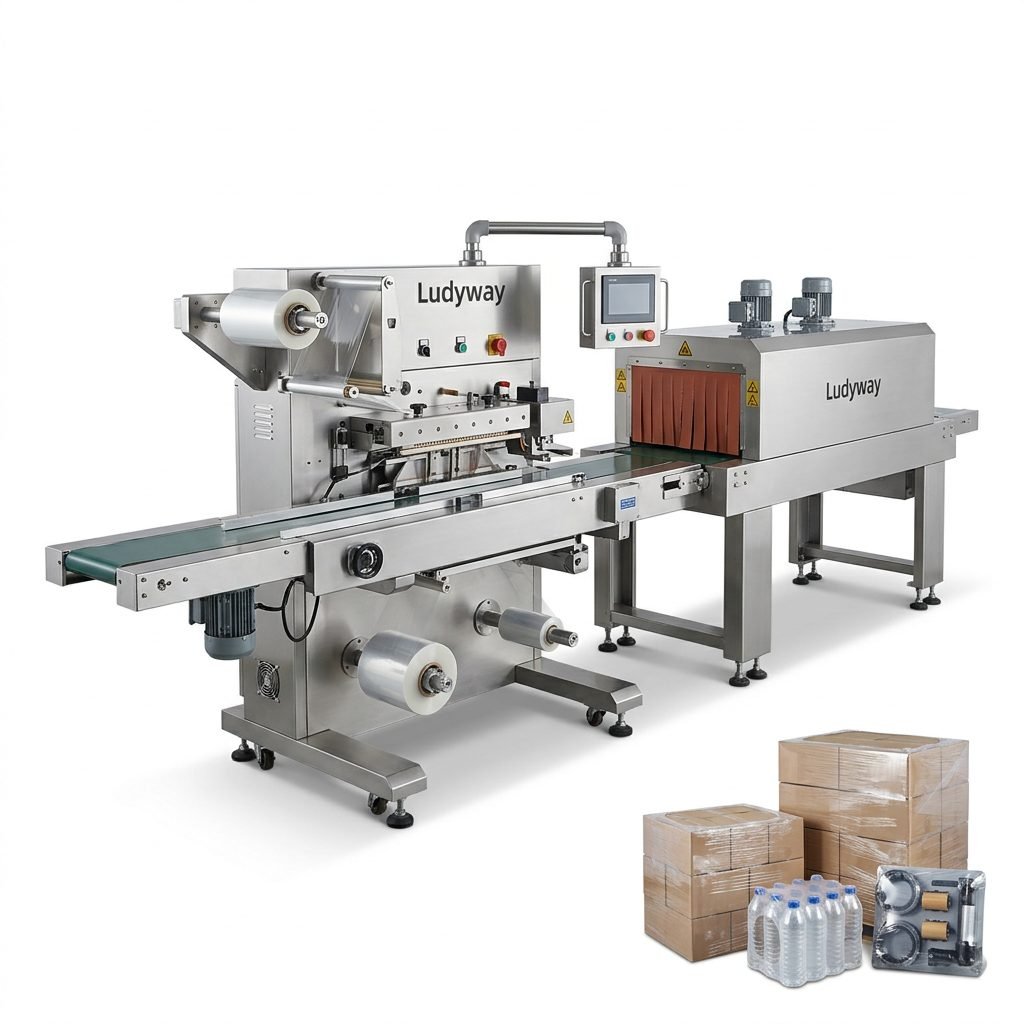
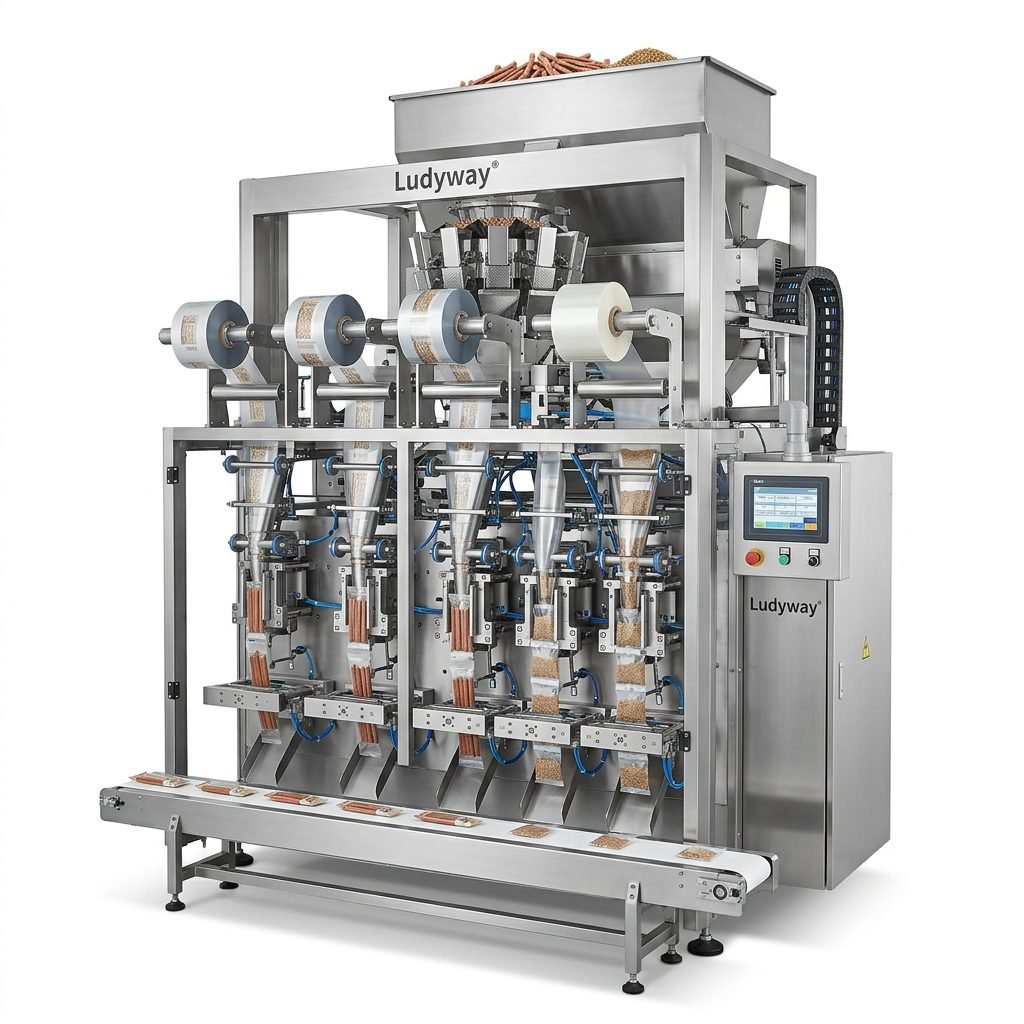
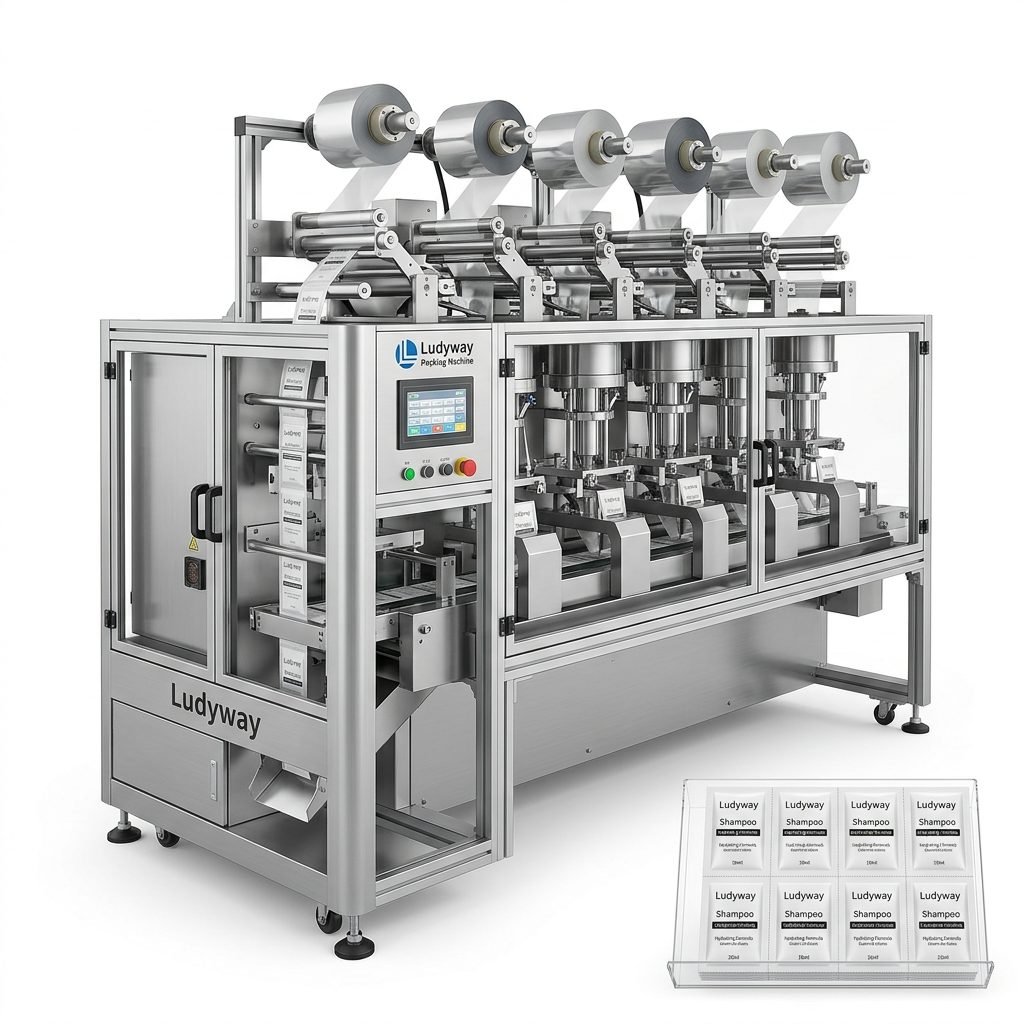
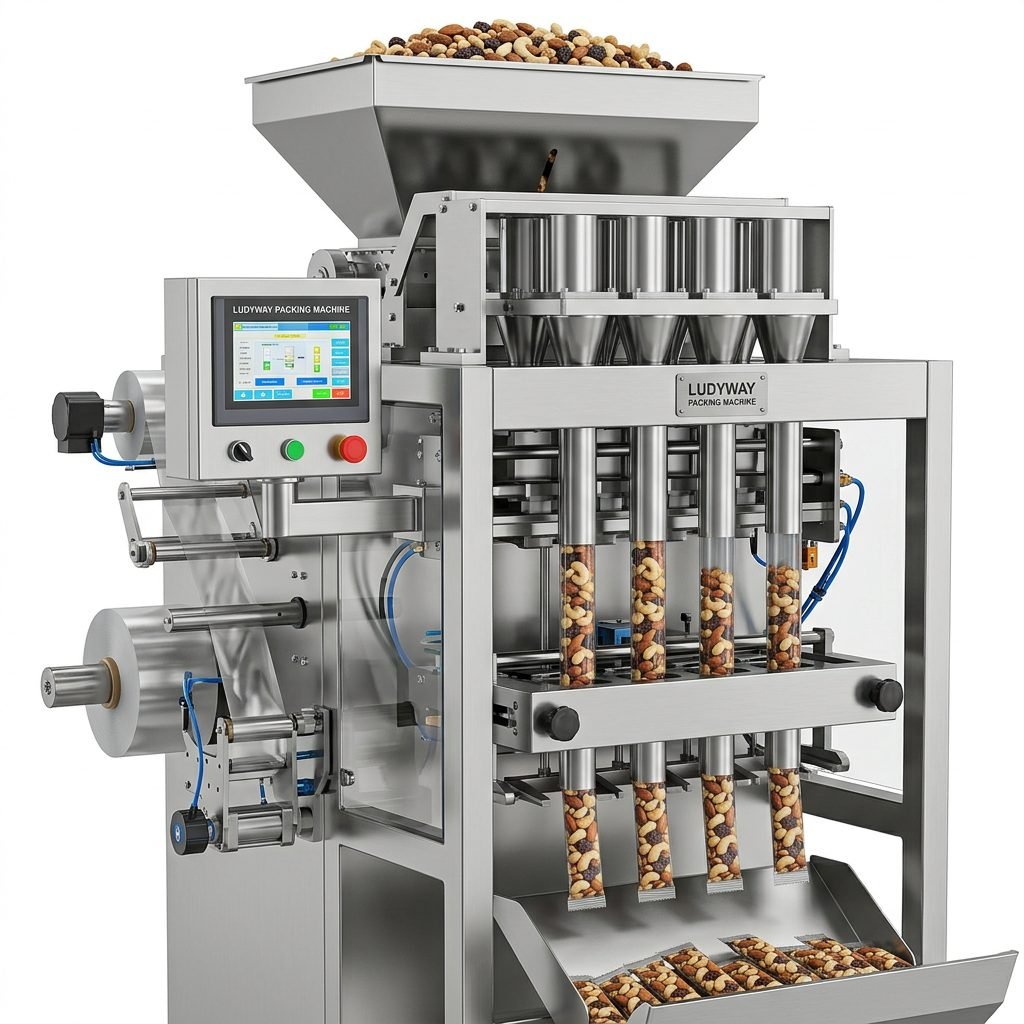
Maintaining a capsule blister packaging machine is crucial for ensuring consistent product quality, minimizing downtime, and extending the lifespan of your equipment. A well-structured maintenance routine not only protects your investment but also guarantees compliance with stringent pharmaceutical and nutraceutical standards. Neglecting key components can lead to costly repairs, sealing defects, and compromised dosage integrity. This guide outlines essential maintenance tips to keep your blister packaging line performing at its peak.
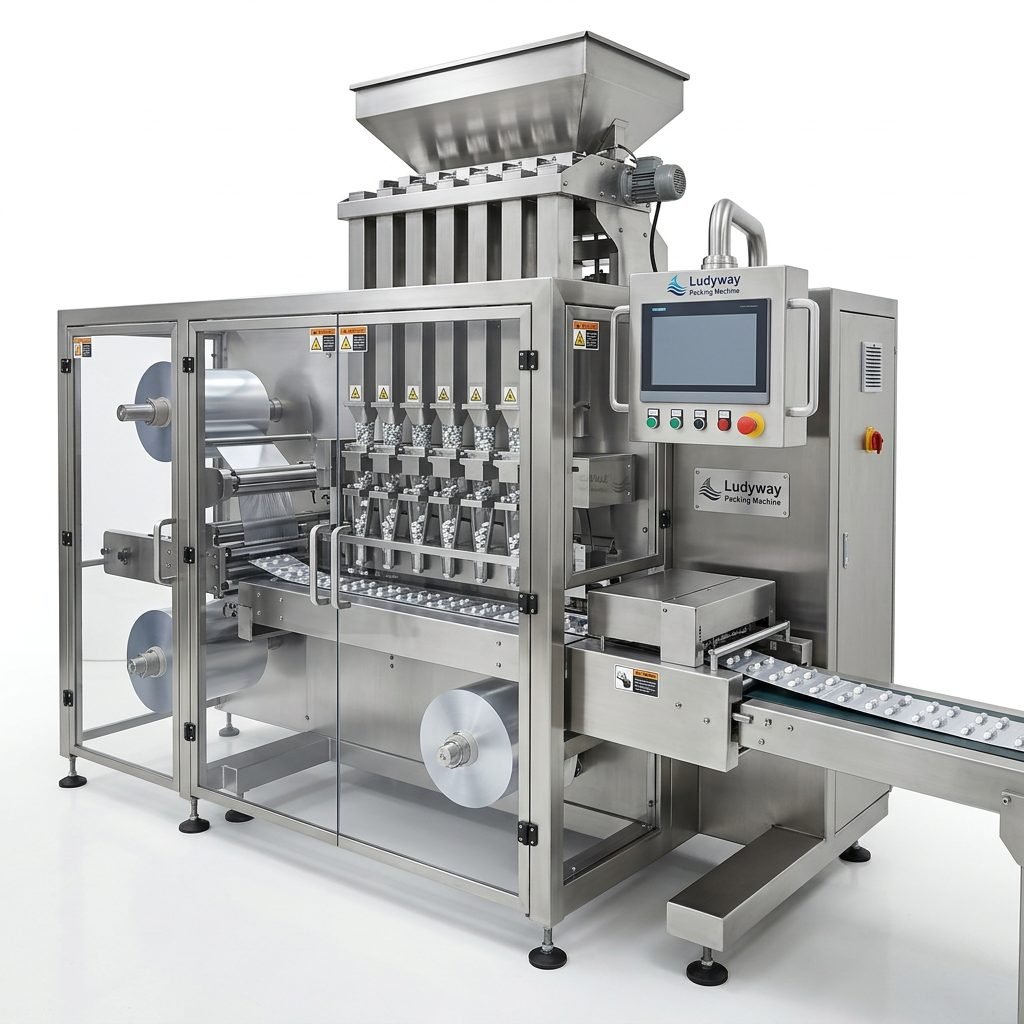
Why Proactive Blister Machine Maintenance Matters
In pharmaceutical packaging, precision is paramount. A capsule blister packaging machine operates through a synchronized interplay of forming, filling, sealing, and cutting stations. Any deviation caused by wear, misalignment, or residue buildup can result in incomplete blisters, crushed capsules, or seal integrity failures. Implementing a preventive maintenance schedule directly impacts your Overall Equipment Effectiveness (OEE) and reduces the risk of batch rejection.
Daily Inspection and Cleaning Checklist
Before starting a production run, operators should perform a thorough visual inspection. Focus on removing dust, product residue, and debris that can interfere with the machine’s moving parts.
- Forming Station: Inspect the forming die and plug assist for scratches or wear. Clean any residue that could cause pouch deformation.
- Sealing Station: Check the heated sealing plates and knurling tools. Remove any melted polymer or product buildup to prevent weak or leaking seals.
- Feeding System: Clear any jammed capsules in the tracks and brushes. Verify that the automatic capsule packaging systems sorting discs are free of debris.
- Cutting Station: Inspect the cutting knives for sharpness. Dull blades can cause jagged edges and sticking.
Weekly Lubrication and Mechanical Checks
Proper lubrication reduces friction and prevents premature wear of mechanical parts. However, over-lubrication can attract contaminants. Always use food-grade or pharmaceutical-approved lubricants as specified in the manufacturer’s manual.
| Component | Check Frequency | Action |
|---|---|---|
| Chain Drives & Gears | Weekly | Clean and apply lubricant; check tension. |
| Cam Indexers | Monthly | Verify oil level; check for backlash. |
| Guide Rods & Bushings | Weekly | Wipe down and re-lubricate lightly. |
| Vacuum Pump (if applicable) | Weekly | Drain moisture trap; check filter condition. |
Troubleshooting Common Sealing Issues
Seal integrity is the most critical quality attribute for blister packs. If your machine starts producing defective seals, a systematic approach is needed.
- Problem: Weak or Inconsistent Seals. Likely causes include insufficient temperature, pressure, or dwell time. Check the thermocouple calibration and clean the sealing surfaces.
- Problem: Material Curling or Shrinkage. This often indicates overheating. Lower the temperature setpoint slightly and ensure the cooling plates are functioning correctly.
- Problem: Misaligned Blister Pockets. Adjust the film registration sensor and ensure the guiding tracks are not bent.
For specialized applications like medical and pharmaceutical products, integrating high-precision automated solutions such as automated syringe packaging lines can ensure the same level of rigorous maintenance translates into flawless output.
Quarterly Electrical and Sensor Calibration
Modern capsule blister packaging machines rely heavily on PLCs, servo motors, and fiber-optic sensors. A quarterly check by a qualified technician should include:
- Sensor Cleaning: Dusty sensors can cause false readings and machine stoppages. Gently clean lenses with a microfiber cloth.
- Wiring Inspection: Tighten loose terminals and inspect for frayed wires near moving parts.
- Servo Drive Diagnostics: Check for error logs and verify the drive parameters match the film specifications.
Spare Parts Management Strategy
Nothing halts production longer than waiting for a critical part. Keep an inventory of wear-and-tear items specific to your model. Essential spare parts include:
- Sealing gaskets and Teflon tape for the heating plates.
- Forming and cutting dies, as these require frequent sharpening or replacement.
- Pneumatic seals and cylinders, which can degrade in harsh environments.
- Drive belts and timing belts to maintain synchronization.
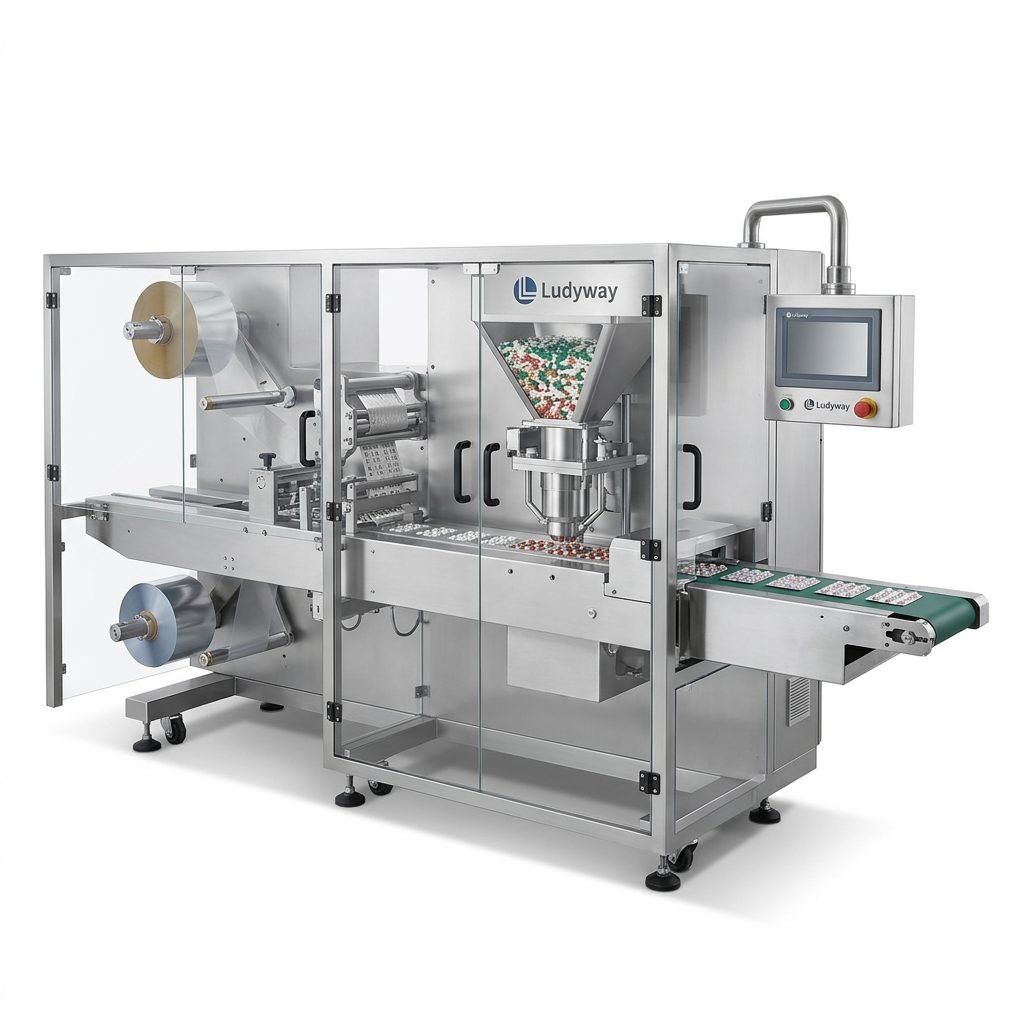
Annual Professional Servicing and Calibration
While daily and weekly checks can be handled in-house, an annual comprehensive overhaul is a must. This involves stripping down major assemblies to inspect for internal wear. According to global packaging machinery standards, a professional calibration ensures your machine operates within specified tolerances. A reputable provider, such as Ludyway, supports its equipment with long-term technical expertise, ensuring that your machine remains a reliable asset in your production line for years to come. During this service, the thermal controls should be validated against a calibrated device to guarantee precise temperature regulation.
Related Resources and Industry Standards
Staying updated with industry resources helps refine your maintenance protocols. Review the latest insights from regulatory bodies and associations:
- FDA – Food Packaging and Contact Substances
- ISO – Packaging Standards
- PMMI – Packaging Industry Resources
- Flexible Packaging Association
Applying these targeted maintenance strategies ensures your capsule blister packaging machine remains in a perpetual state of readiness, safeguarding both product quality and your bottom line.