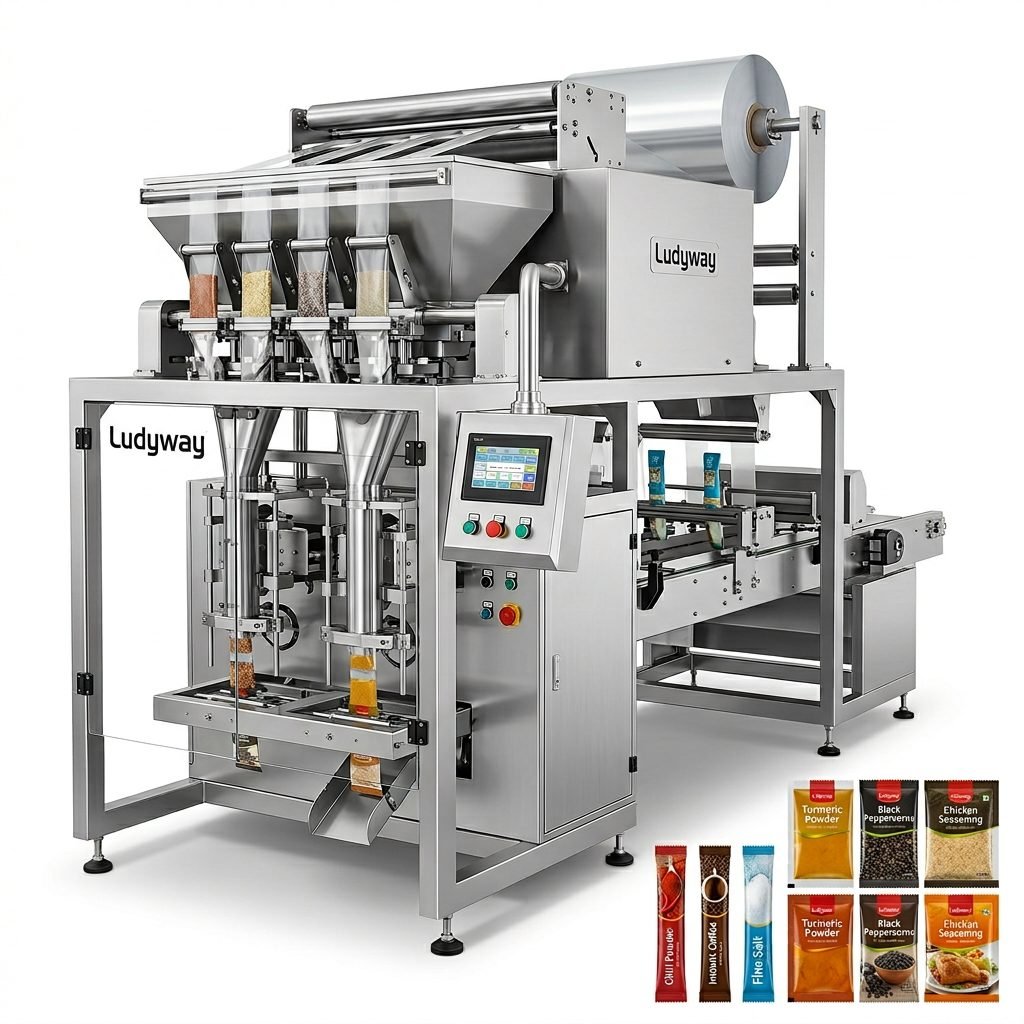
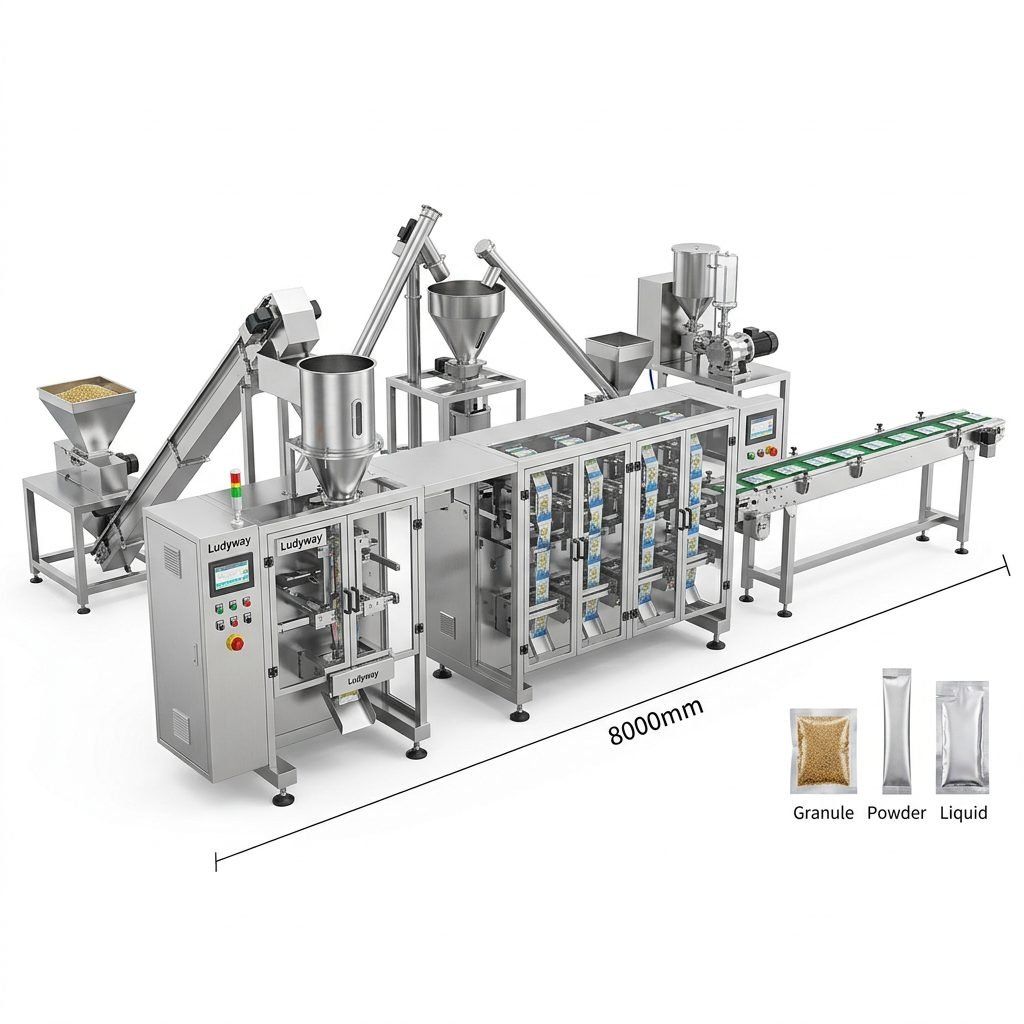
The ice pop market in South America is experiencing rapid growth, driven by increasing consumer demand for affordable frozen treats in countries like Brazil, Argentina, Colombia, and Peru. Setting up a high-efficiency ice pop packaging machine production line is essential for manufacturers looking to scale operations and meet regional demand. This guide covers every aspect of establishing a successful production line, from equipment selection to operational optimization.
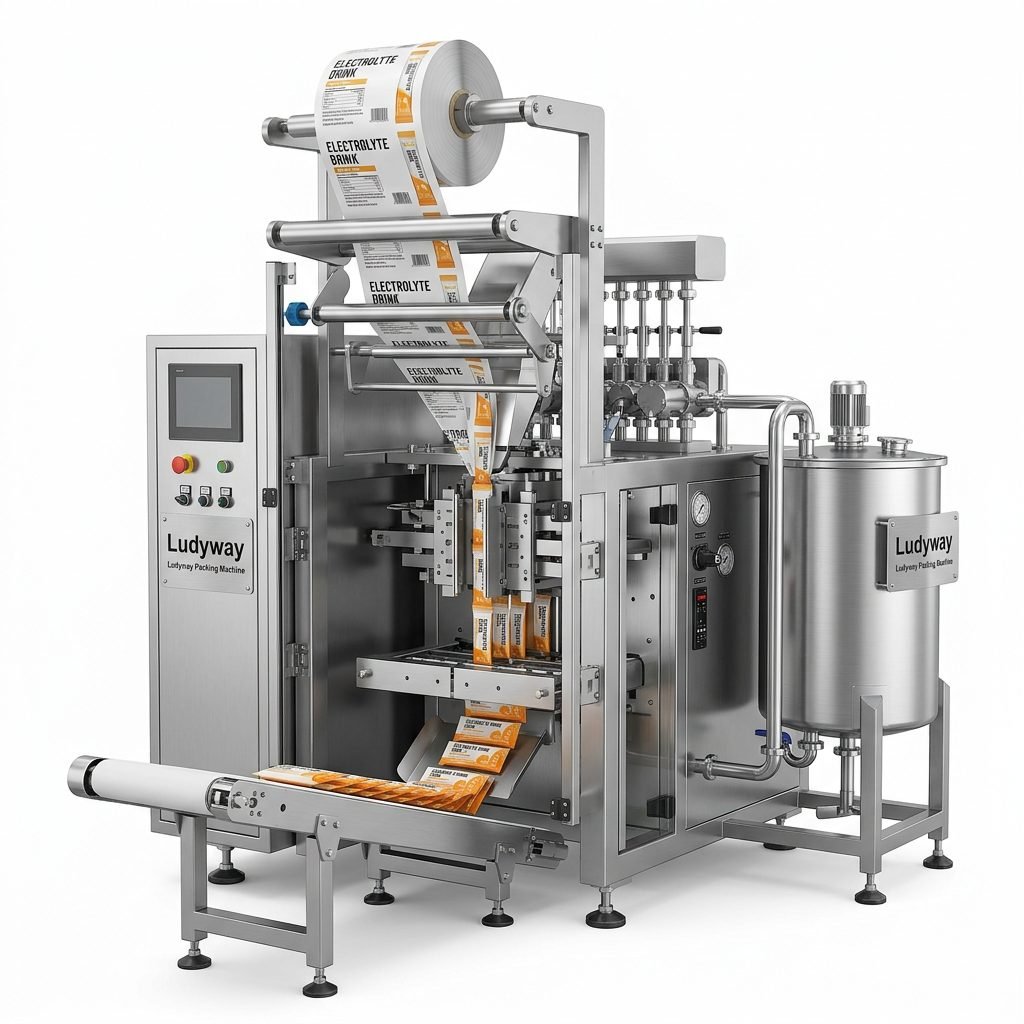
Understanding the South American Ice Pop Market
South America’s tropical climate and large young population create a year-round demand for ice pops. Known locally as geladinho, sacolé, bolis, or chup-chup depending on the country, these frozen treats are sold in flexible plastic tubes or pouches. The market is characterized by:
- High volume, low-cost production — profitability depends on speed and efficiency
- Diverse flavor profiles — from tropical fruits to dairy-based recipes
- Widespread informal and formal distribution channels — street vendors to supermarkets
- Growing export potential — neighboring markets across Latin America
Key Components of an Ice Pop Packaging Production Line
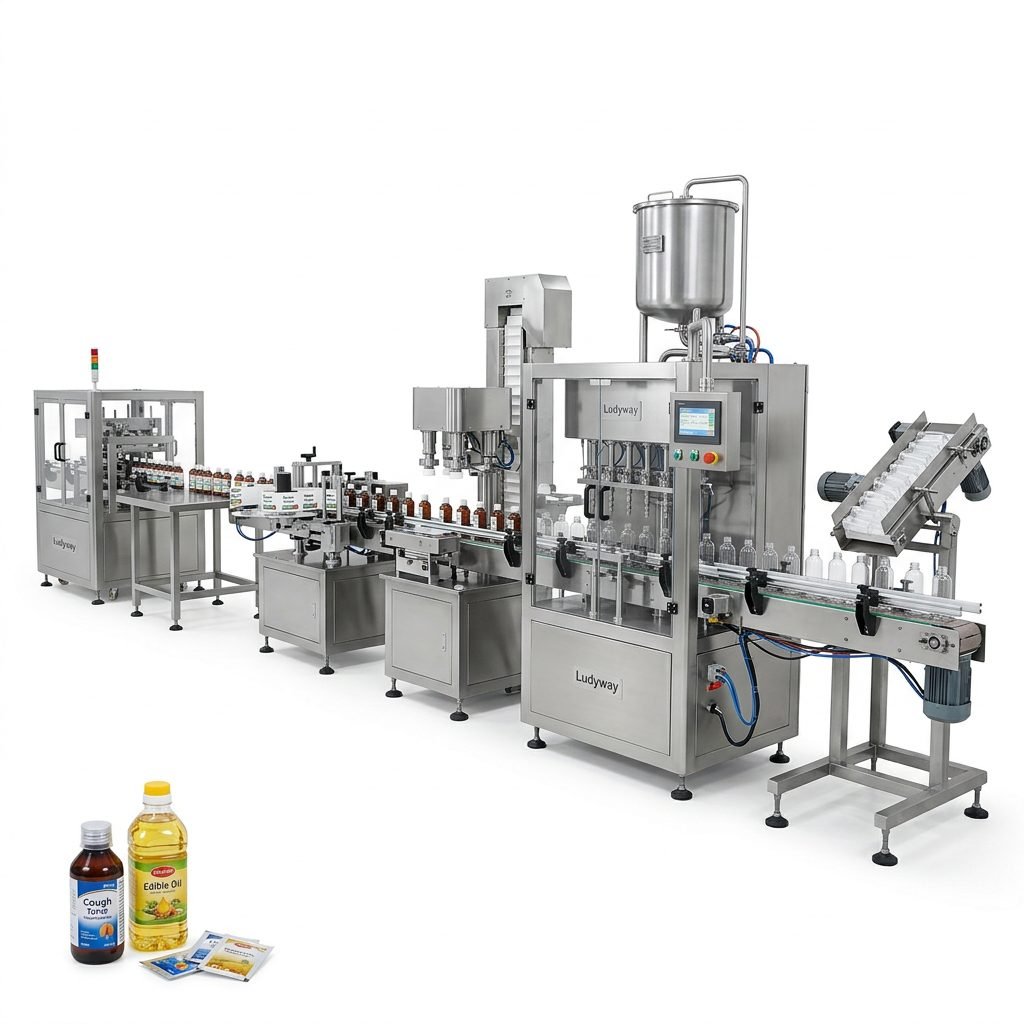
A complete ice pop packaging machine production line integrates several critical systems. Understanding each component helps ensure smooth operations and consistent output quality.
| Component | Function | Key Consideration |
|---|---|---|
| Liquid Mixing & Preparation Tank | Blends ingredients into a homogeneous liquid base | Capacity, sanitation compliance, temperature control |
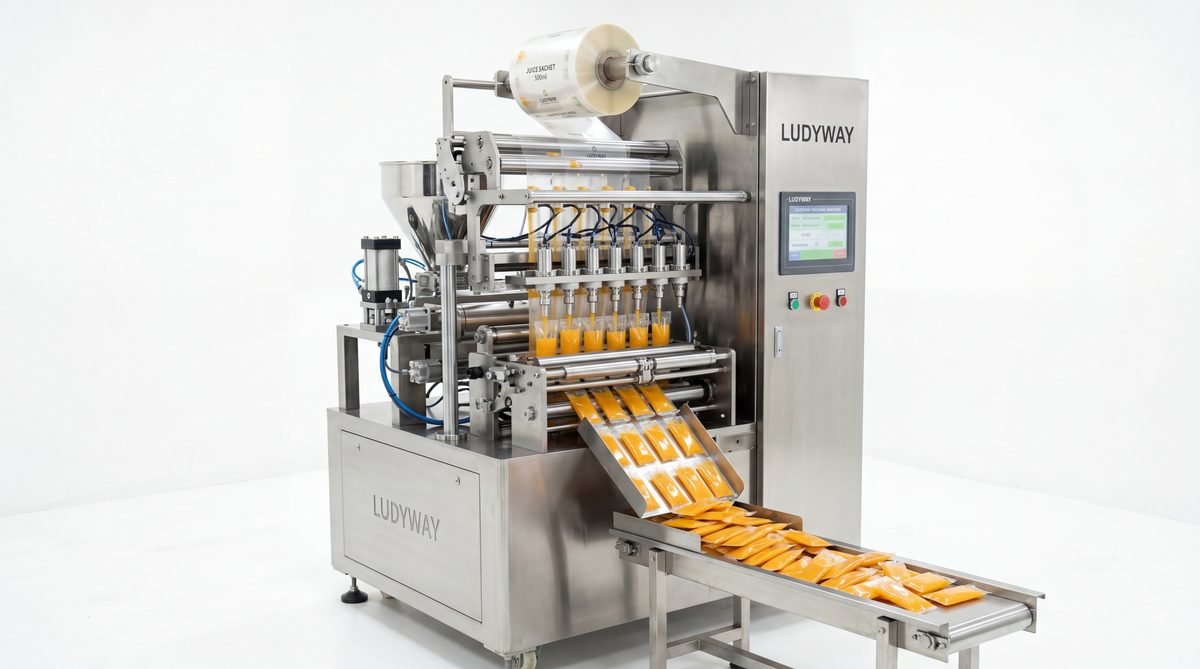
| Liquid Filling Machine | Accurately fills liquid into pouches or tubes | Filling precision, multi-lane capability, speed |
| Sealing System | Hermetically seals each ice pop package | Seal integrity, heat control, film compatibility |
| Date Coding / Labeling Unit | Prints expiration dates and batch codes | Print clarity, speed synchronization, ink type |
| Cooling & Freezing Conveyor | Transports filled pouches to blast freezers | Belt material, temperature resistance, speed control |
| Bulk Packing / Cartoning Station | Groups finished ice pops into wholesale packaging | Automation level, carton size flexibility |
Choosing the Right Ice Pop Packaging Machine
Selecting the optimal packaging equipment depends on your production scale, budget, and product format. Here are the primary machine configurations available for South American manufacturers:
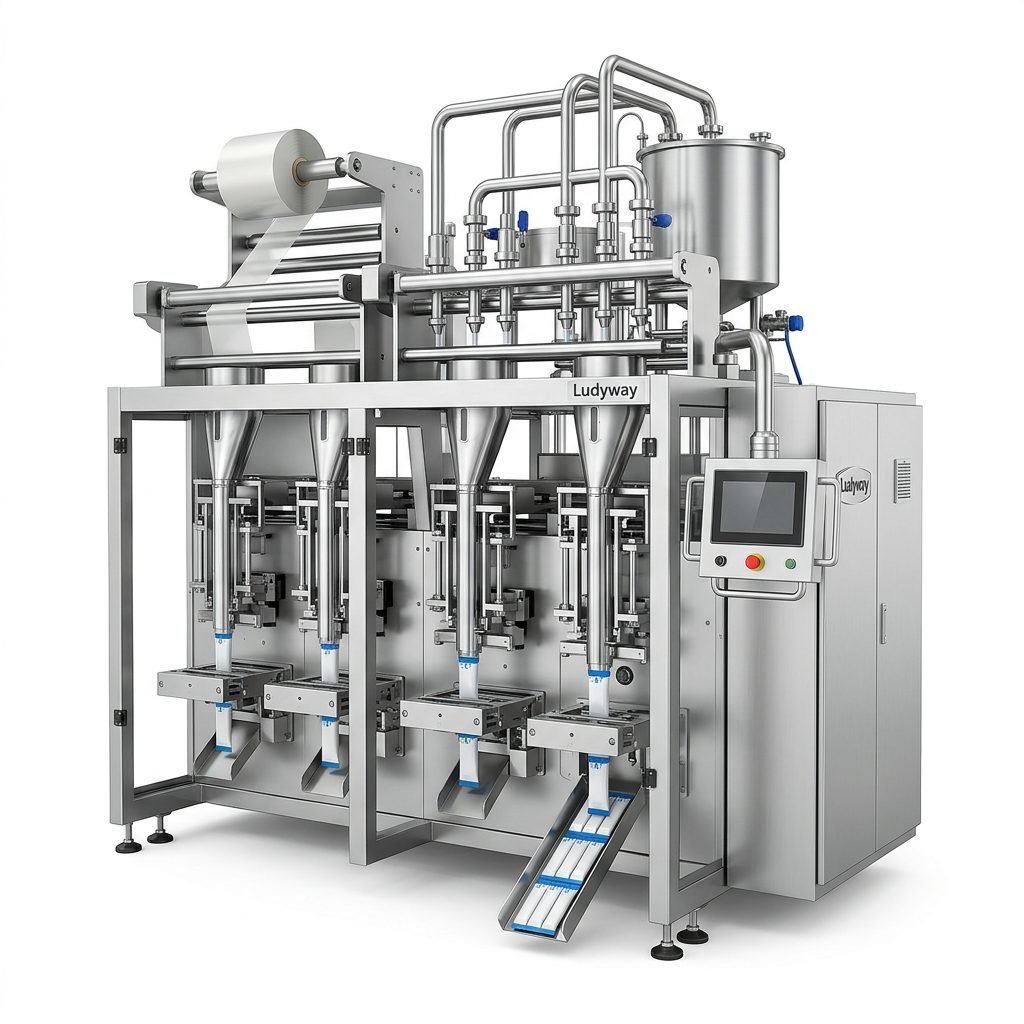
Multi-Lane Stick Pack Machines
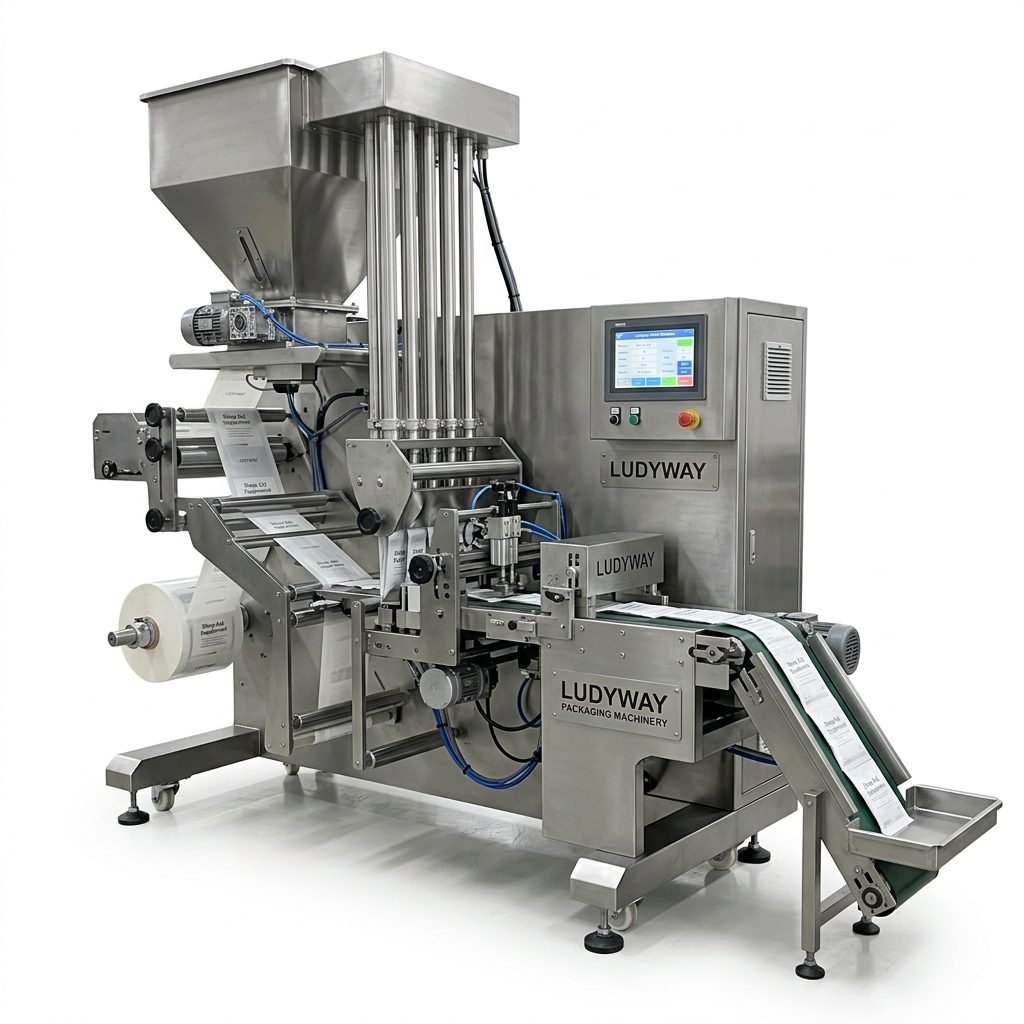
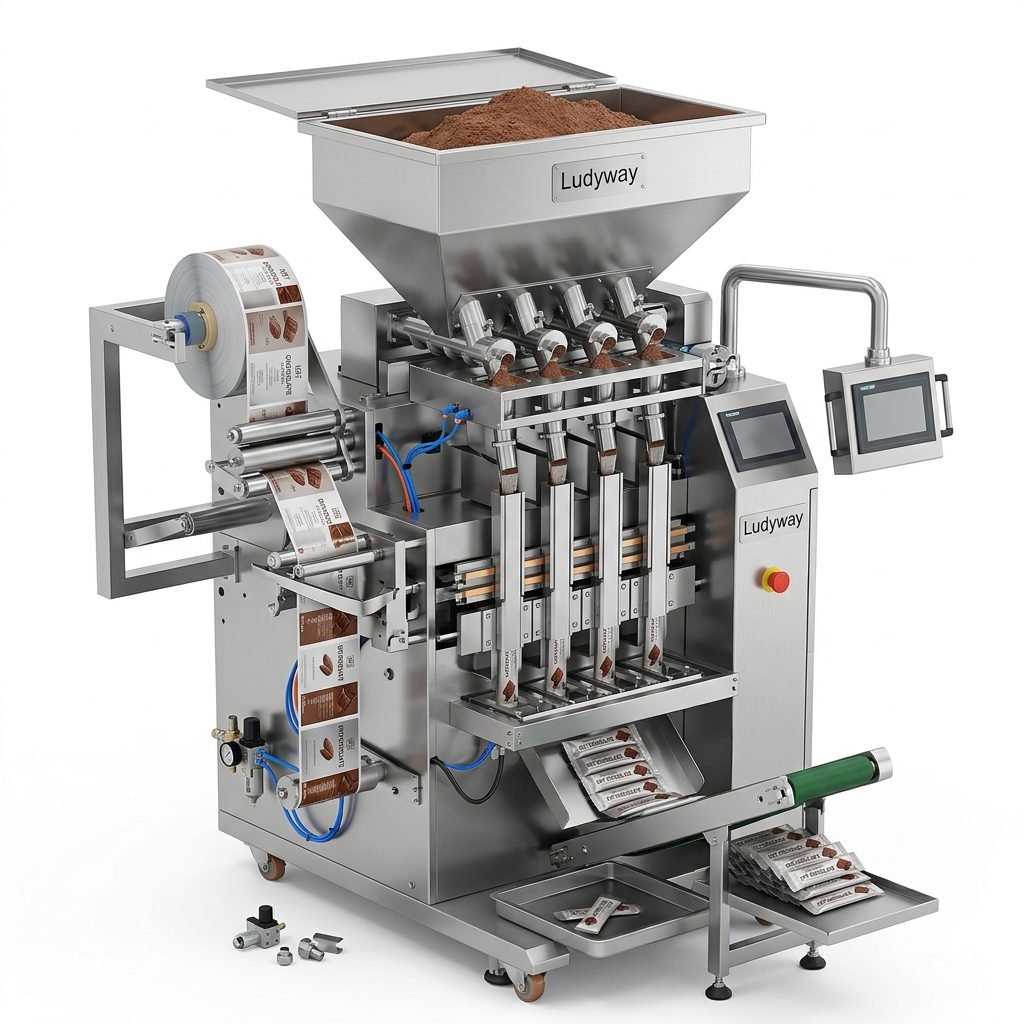
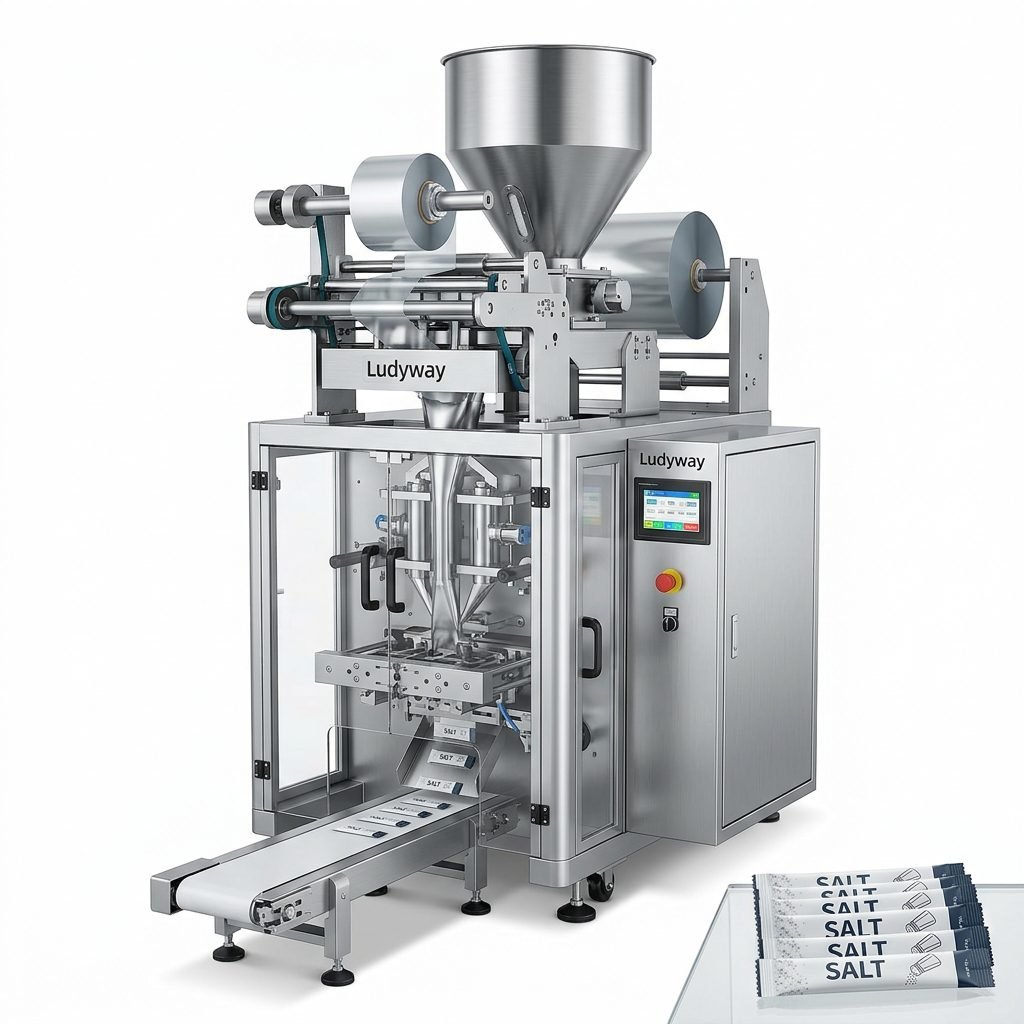
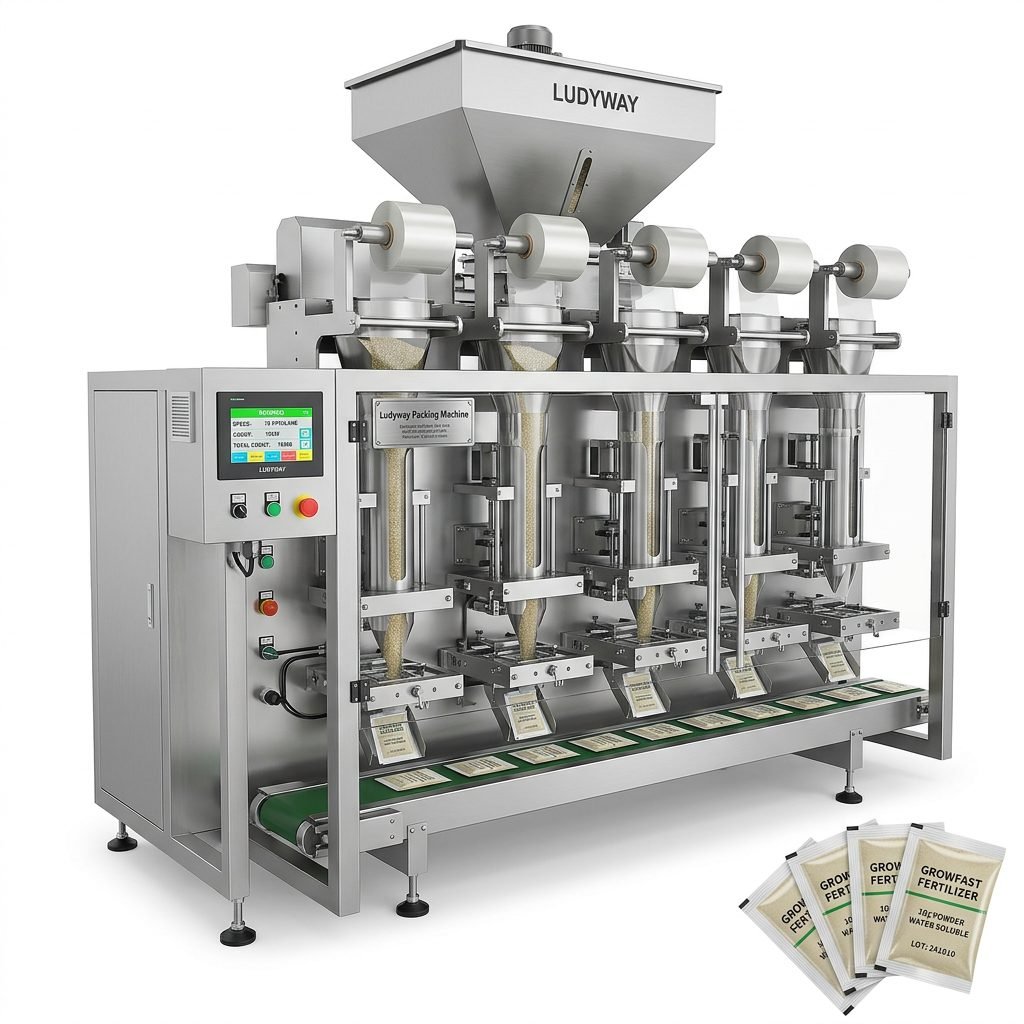
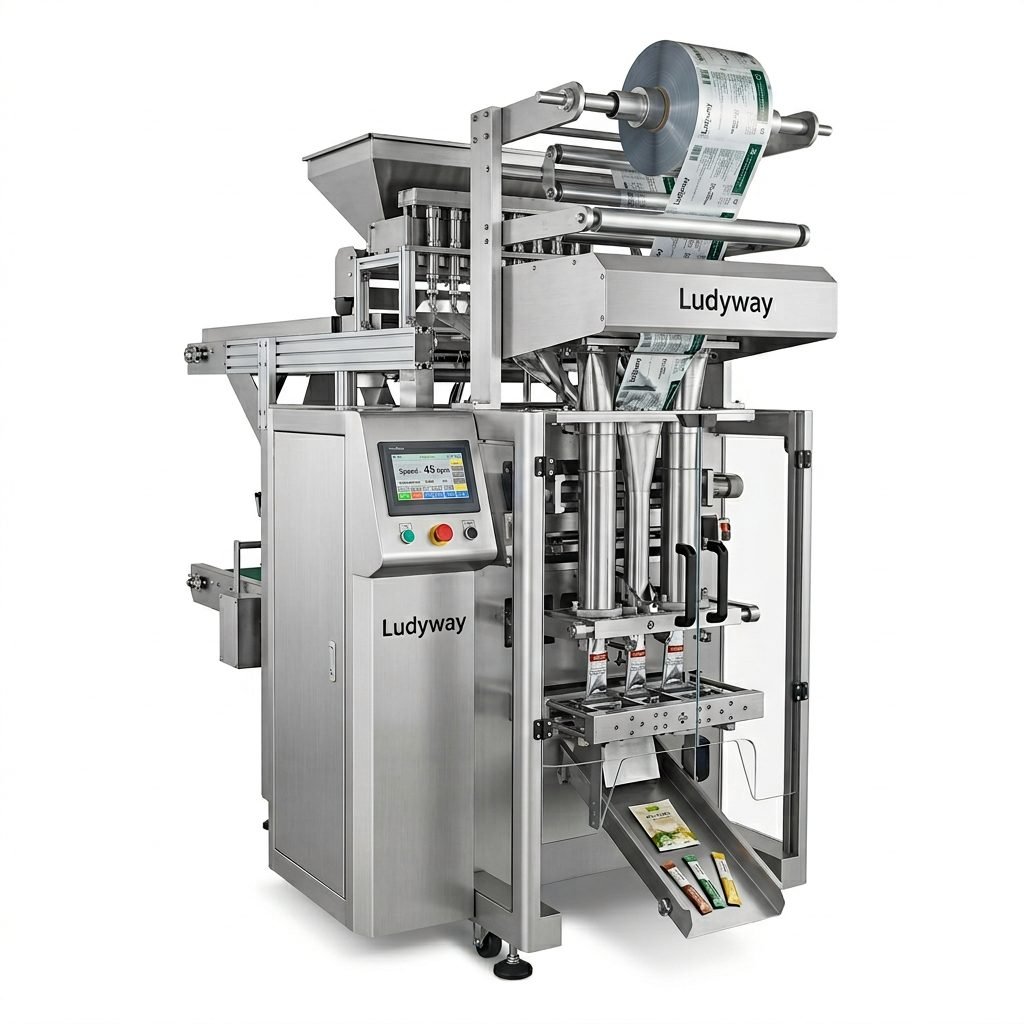
These multi-lane stick pack machines can fill and seal 4 to 16 lanes simultaneously, producing up to 600-800 packs per minute depending on the model. They are ideal for medium to large-scale ice pop producers looking to maximize throughput. The vertical form-fill-seal (VFFS) design ensures consistent fill volumes and strong seals.
Single-Lane Semi-Automatic Fillers
For smaller operations or startups, single-lane semi-automatic machines offer a lower entry cost while maintaining adequate production capacity. These are popular among local entrepreneurs entering the ice pop business in emerging South American markets.
Fully Automatic Turnkey Lines
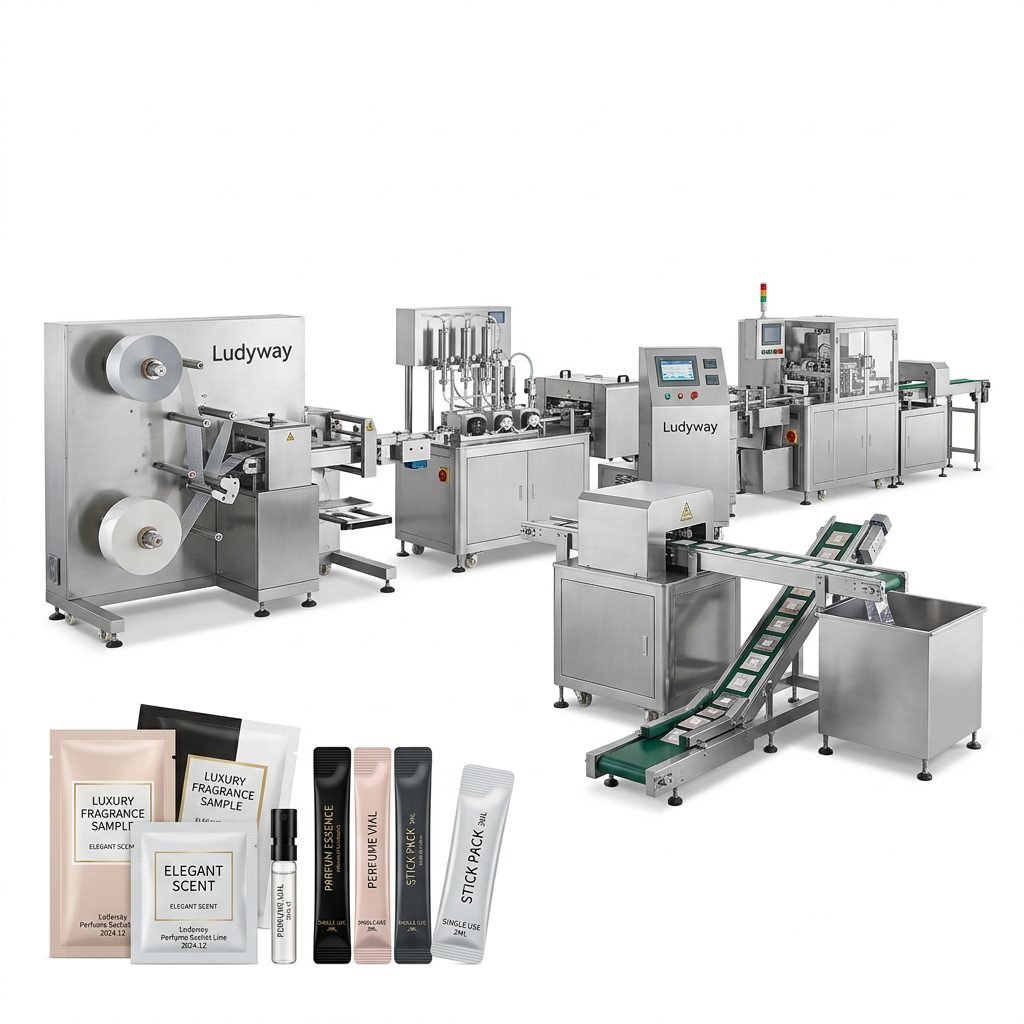
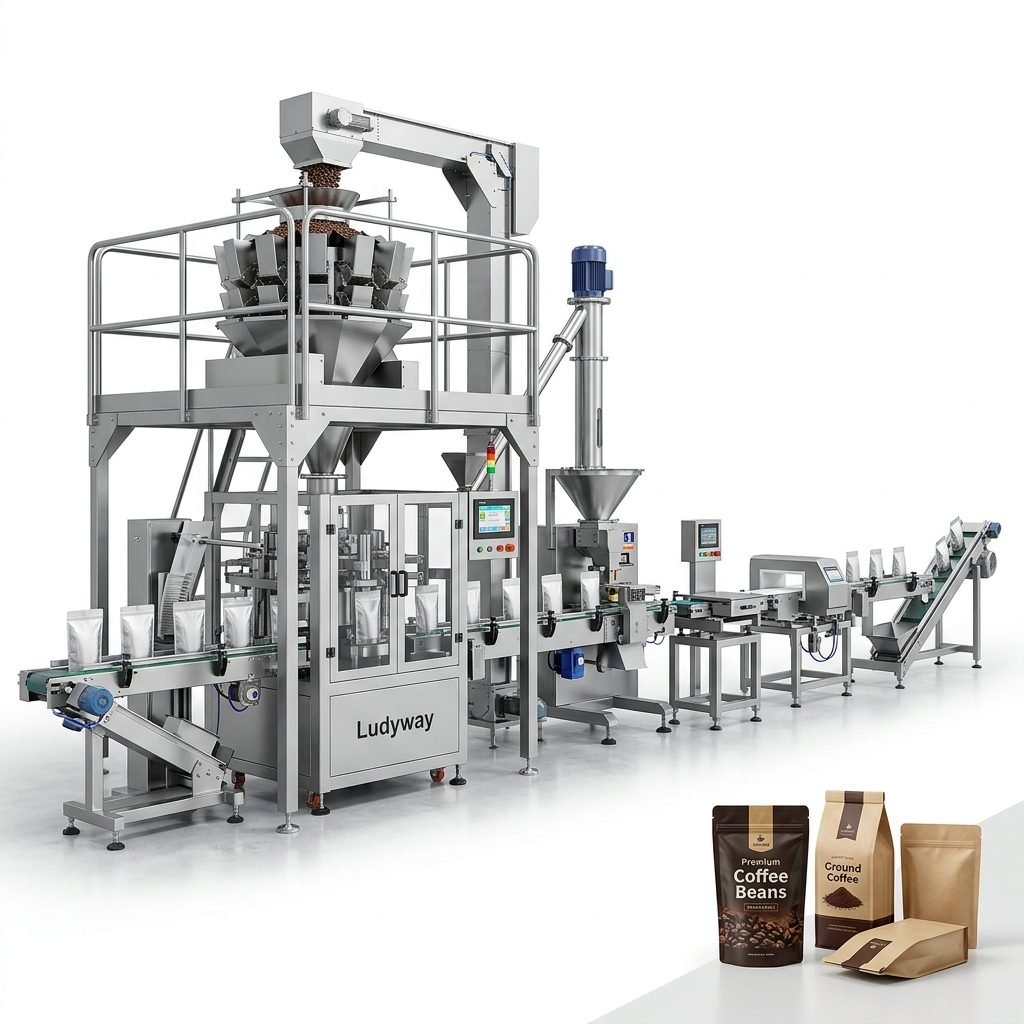
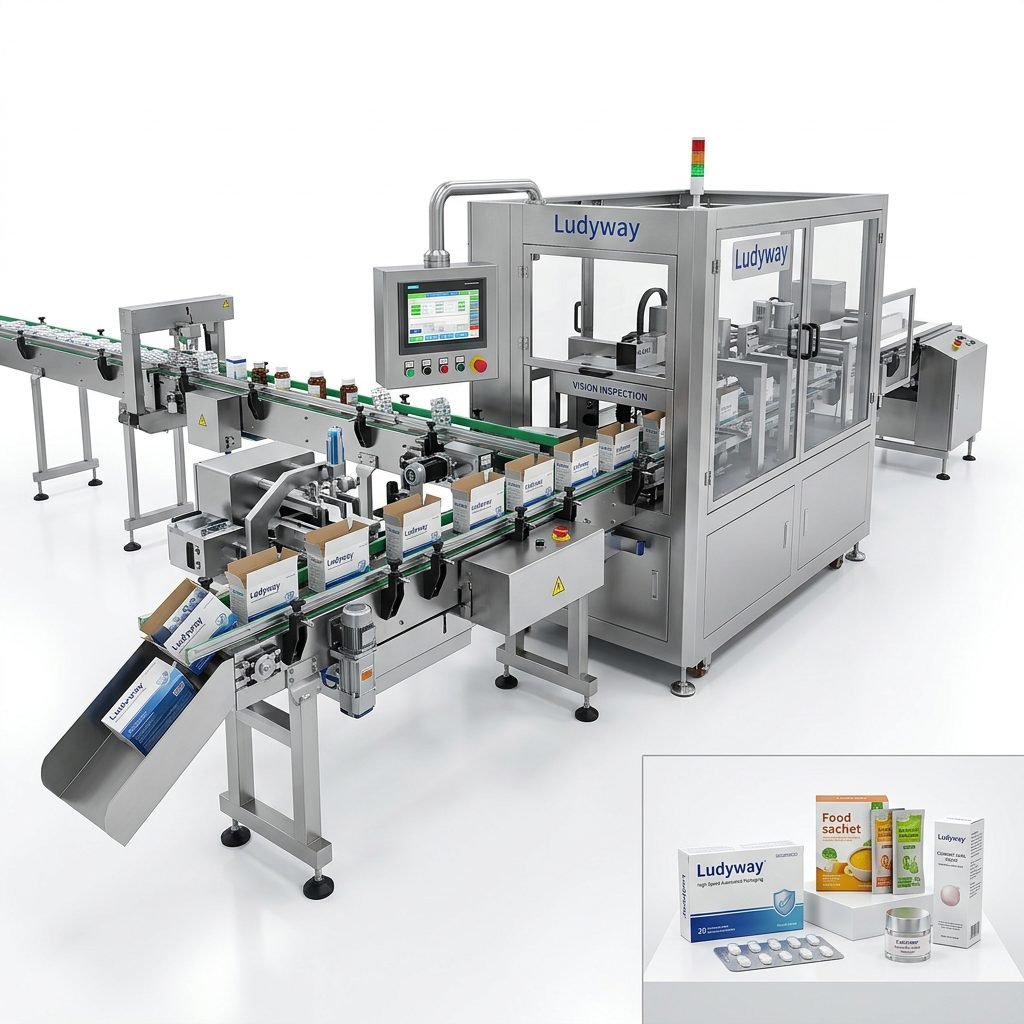
Large-scale producers benefit from integrated turnkey packaging solutions that combine mixing, filling, sealing, coding, and cartoning into one seamless operation. These turnkey packaging lines reduce labor costs and ensure consistent product quality across high-volume runs.
Site Preparation and Installation Guidelines
Proper site preparation is crucial when setting up an ice pop production line. Follow these essential steps:
- Ensure adequate electrical supply — most packaging machines require three-phase power; verify voltage compatibility with local South American standards
- Prepare sanitary drainage and water supply — comply with local food safety regulations such as ANVISA in Brazil or INVIMA in Colombia
- Design an efficient workflow layout — position mixing tanks, filling machines, freezers, and packing stations in a logical sequence
- Plan for cold chain integration — ensure seamless transfer from packaging to blast freezing to cold storage
- Allocate space for raw material storage — liquid ingredients, packaging films, and cartons need climate-controlled storage

Regulatory Compliance in South America
Each South American country has specific food packaging regulations that ice pop manufacturers must follow. Key requirements include:
- Food-grade packaging materials — films must be certified safe for direct food contact
- Proper labeling — ingredient lists, nutritional information, expiration dates, and batch traceability codes
- Sanitary production environment — facilities must meet local health authority standards
- Waste management compliance — packaging waste disposal according to environmental regulations
Operational Optimization for Maximum Profitability
Running a profitable ice pop packaging operation requires continuous attention to efficiency metrics. Focus on these areas:
Minimize Changeover Time
Quick-change tooling and standardized procedures help reduce downtime between product runs. Train operators to perform rapid flavor and film changeovers to keep the liquid filling machine running at peak utilization.
Optimize Film Usage
Packaging film is a significant cost driver. Select the optimal film thickness and roll width to minimize material waste while maintaining seal integrity. Modern machines offer precise film tension control to reduce scrap.
Implement Preventive Maintenance
A structured preventive maintenance schedule prevents unexpected breakdowns. Key maintenance tasks include cleaning filling nozzles, inspecting sealing jaws, lubricating moving parts, and calibrating temperature controls.
Common Challenges and Solutions
| Challenge | Root Cause | Recommended Solution |
|---|---|---|
| Uneven fill volumes | Improper pump calibration or air in liquid lines | Recalibrate filling system; install de-aeration equipment |
| Leaking seals | Incorrect sealing temperature or worn sealing jaws | Adjust temperature settings; replace worn components |
| Film wrinkling or misalignment | Improper film tension or tracking guide issues | Reset film tension; inspect tracking sensors and guides |
| Machine downtime | Lack of spare parts or delayed maintenance | Maintain critical spare parts inventory; schedule regular PM |
Supplier Selection for South American Operations
Choosing the right equipment supplier is critical for long-term success. Look for manufacturers with proven experience in liquid packaging and a strong presence in Latin American markets. Key evaluation criteria include:
- Machine reliability and build quality — stainless steel construction for food-grade applications
- After-sales support and spare parts availability — local distributors or regional service centers
- Technical documentation in Spanish or Portuguese — essential for operator training
- Warranty and commissioning services — on-site installation and startup support
One notable manufacturer in this space is Ludyway, one of the largest packaging machine manufacturers in China, with over 30 years of industry expertise. They specialize in advanced packaging equipment including multi-lane stick pack and sachet packaging systems suitable for ice pop production, serving customers in over 100 countries with reliable, cost-effective solutions backed by a modern 20,000㎡ manufacturing facility.
Financial Planning and ROI Considerations
Investing in an ice pop packaging production line requires careful financial planning. Consider these cost factors:
- Initial capital expenditure — machine cost, shipping, import duties, and installation
- Operational costs — labor, packaging materials, electricity, and water
- Maintenance budget — spare parts, service contracts, and consumables
- Expected payback period — typically 12 to 24 months for well-utilized multi-lane systems
In many South American markets, a high-speed sachet packaging machine can produce enough ice pops to generate substantial daily revenue, making the investment highly attractive for established brands and contract packers alike.
Training Your Production Team
Even the most advanced packaging equipment requires skilled operators to achieve optimal performance. Develop a comprehensive training program covering:
- Machine startup and shutdown procedures
- Flavor and film changeover protocols
- Basic troubleshooting and error code interpretation
- Cleaning and sanitation procedures per local food safety standards
- Quality control checks for fill weight and seal integrity
Future-Proofing Your Production Line
As the South American ice pop market continues to evolve, manufacturers should plan for scalability and flexibility. Modular machine designs allow for adding lanes as demand grows. Consider equipment compatible with eco-friendly packaging films to meet increasing consumer demand for sustainable products. Investing in a robust ice pop packaging production line today positions your business for long-term success across the dynamic and growing South American frozen treats market.