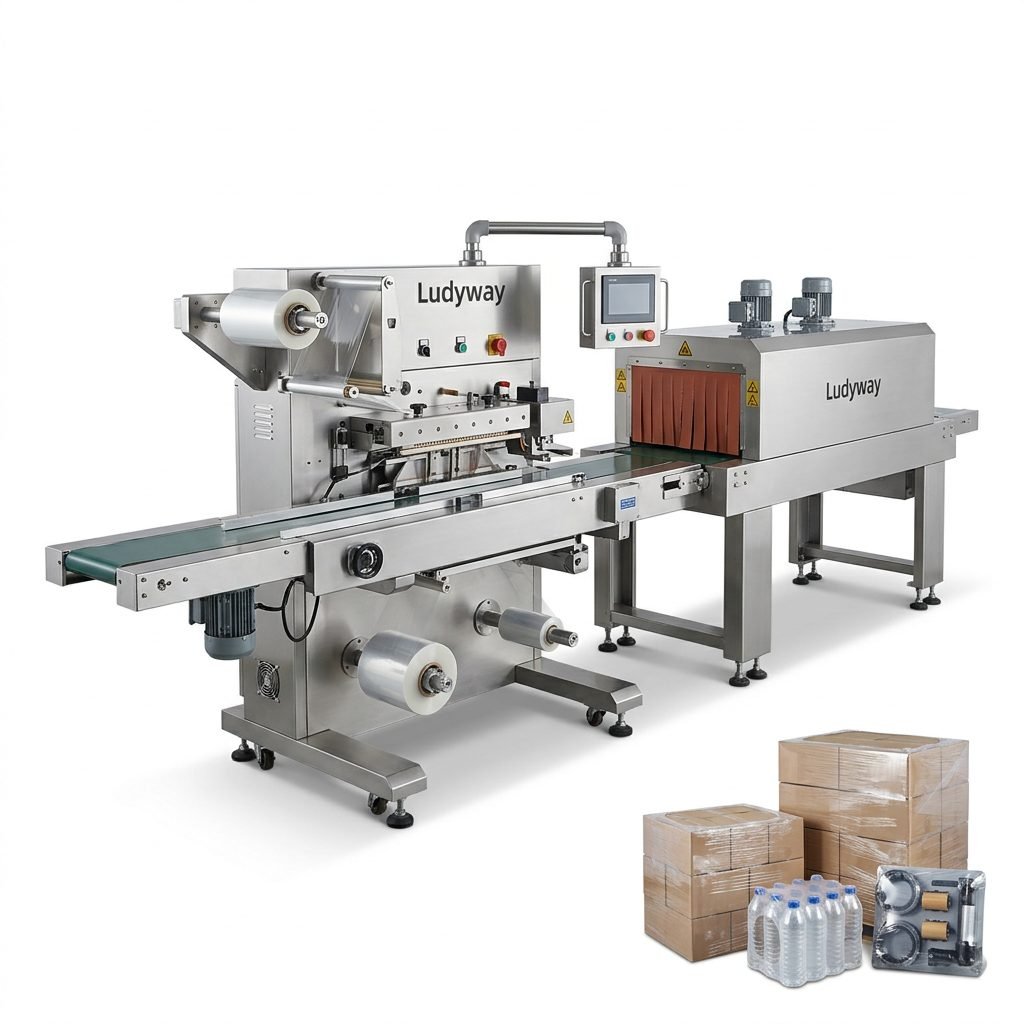
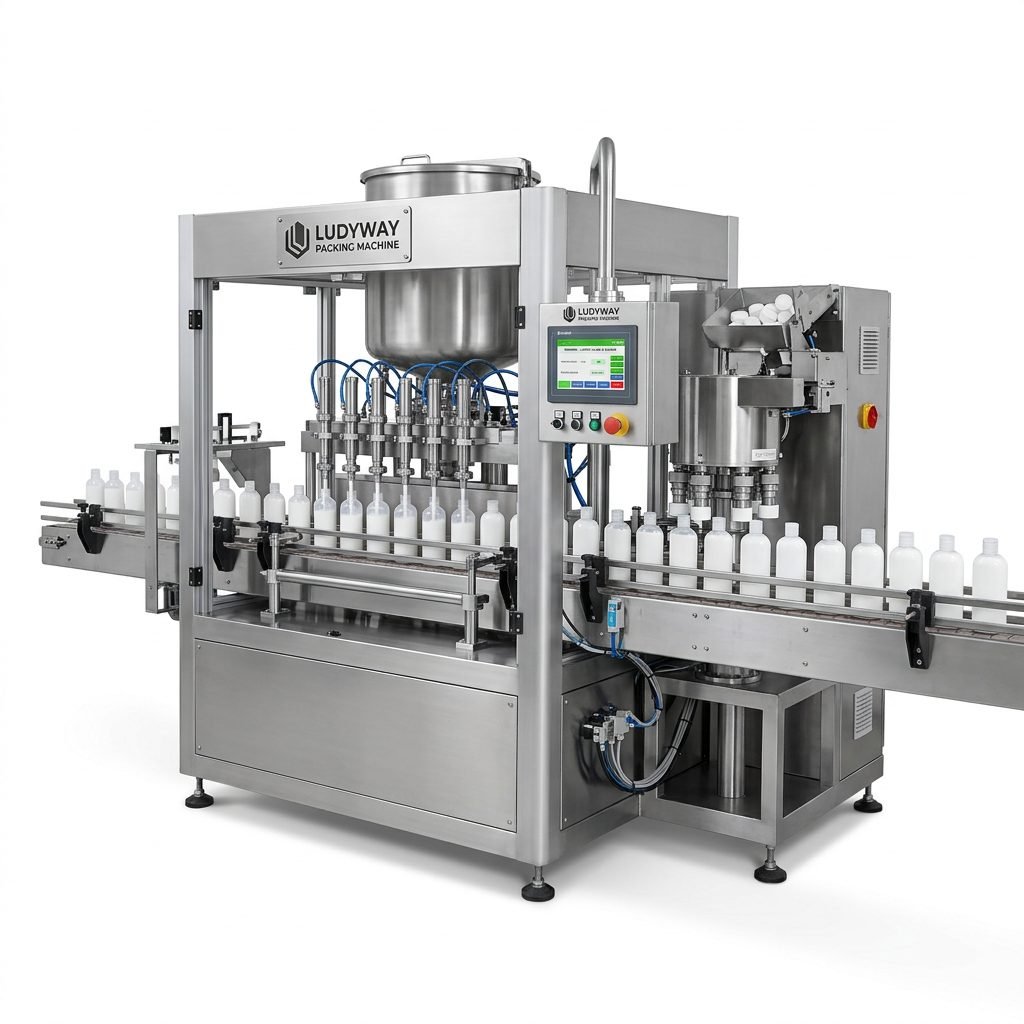
Keeping your cable tie packaging machine in peak condition isn’t just about avoiding downtime — it’s about ensuring consistent output quality, extending the lifespan of your equipment, and maximizing your return on investment. Whether you’re running a high-speed multi-lane stick pack machine or a standalone unit, a proactive maintenance routine is essential. This guide walks you through practical, easy-to-follow steps to maintain your equipment for superior performance.

1. Daily Cleaning: The Foundation of Machine Longevity
Dust, debris, and plastic residue from cable ties can accumulate quickly, affecting sensors, sealing mechanisms, and moving parts. Without daily cleaning, even a fully automated packaging system can lose precision.
- Blow off dust: Use compressed air to remove loose particles from the forming tube, sealing jaws, and cutting area.
- Wipe down surfaces: Clean all stainless steel surfaces with a lint-free cloth and approved cleaning solution to prevent contamination.
- Clear the feeding path: Check the cable tie feeding track for jammed ties or plastic fragments that could obstruct smooth operation.
2. Lubrication: Reducing Friction on Critical Components
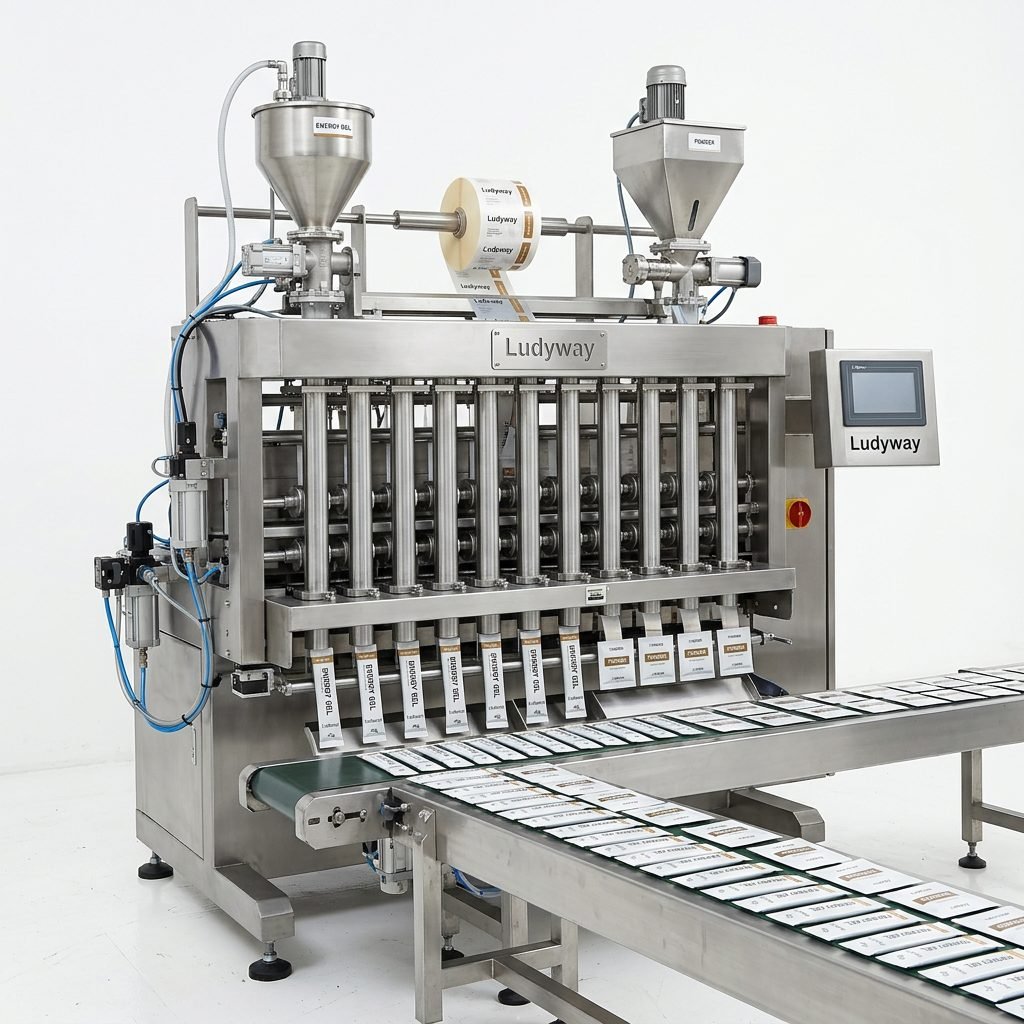
Friction is the enemy of precision. Proper lubrication keeps the mechanical parts of your packaging machine running smoothly, reducing wear on gears, chains, and bearings. Always refer to the equipment manual for recommended lubricant types and intervals.
- Sealing jaw pivot points require light food-grade grease to prevent binding.
- Conveyor chains and sprockets should be oiled to maintain consistent speed.
- Linear motion guides benefit from regular lubrication to preserve alignment accuracy.
Over-greasing can attract dust, so apply sparingly and wipe off excess immediately. Many operators find that integrating lubrication into a weekly checklist significantly reduces unexpected breakdowns.
3. Inspecting Wear Parts: Sealers, Cutters, and Forming Tubes
Sealing bars and cutting blades endure constant heat and pressure. Over time, they can develop uneven wear, leading to inconsistent seals or incomplete cuts. A worn forming tube can also scratch or deform cable ties during the packaging process.
During your monthly inspection:
- Check the sealing element surfaces for carbon buildup or uneven heating patterns.
- Examine the cutting blade sharpness and replace if cuts are frayed or require excessive force.
- Inspect the forming tube interior for scratches that could cause jamming.
4. Calibration and Tension Control
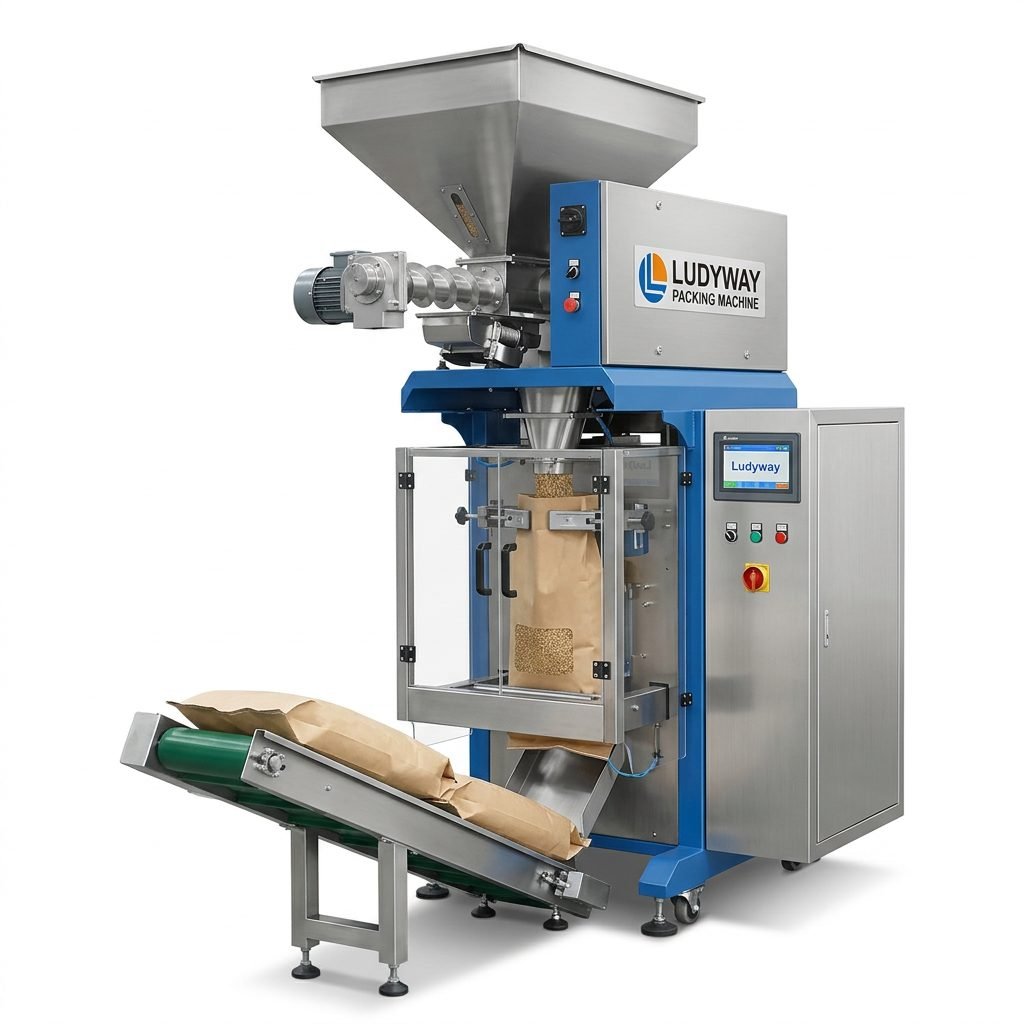
Precision matters when packaging cable ties. Incorrect film tension can cause wrinkling, misalignment, or bag breakage. Temperature calibration for the sealing bars is equally critical — too hot and you’ll melt through the film, too cold and seals won’t hold.
We recommend performing a daily test run with a small batch of cable ties to verify seal integrity and cut position. Any drift in tension settings should be adjusted immediately. Consistent calibration not only improves package appearance but also prevents wasted material and rework.
5. Common Issues and Troubleshooting
Even with a solid maintenance plan, occasional hiccups happen. The table below highlights common symptoms and likely causes:
| Symptom | Possible Cause | Solution |
|---|---|---|
| Inconsistent seal strength | Temperature fluctuation or dirty sealing jaw | Recalibrate heat controller; clean jaw surface |
| Cable ties jamming in track | Worn guide rails or incorrect tension | Replace guide rails; adjust feeding tension |
| Misaligned cut position | Film registration off or sensor dirty | Clean sensor; reset film tracking |
| Excessive machine vibration | Loose mounting bolts or unbalanced rollers | Tighten all fasteners; check roller balance |
6. Building a Preventive Maintenance Schedule
Ad-hoc repairs cost significantly more than planned maintenance. A structured schedule ensures nothing is overlooked. Below is a suggested framework:
| Frequency | Task | Responsible |
|---|---|---|
| Daily | Surface cleaning, visual inspection, test run | Operator |
| Weekly | Lubrication, sensor cleaning, tension check | Operator / Technician |
| Monthly | Wear part inspection, calibration, bolt tightening | Technician |
| Quarterly | Comprehensive mechanical audit, spare parts check | Maintenance Team Lead |
| Annually | Major overhaul, control system diagnostics, full recalibration | Qualified Service Engineer |
7. Operator Training and Standard Operating Procedures
A well-maintained machine still underperforms if operators aren’t properly trained. Every team member should understand basic troubleshooting techniques and know when to escalate issues. Keep printed SOPs near the machine, and hold quarterly refresher sessions covering:
- Correct startup and shutdown procedures
- Common error codes and their meanings
- Safe cleaning practices for electrical enclosures
- Record-keeping for maintenance logs
8. When to Call for Professional Support
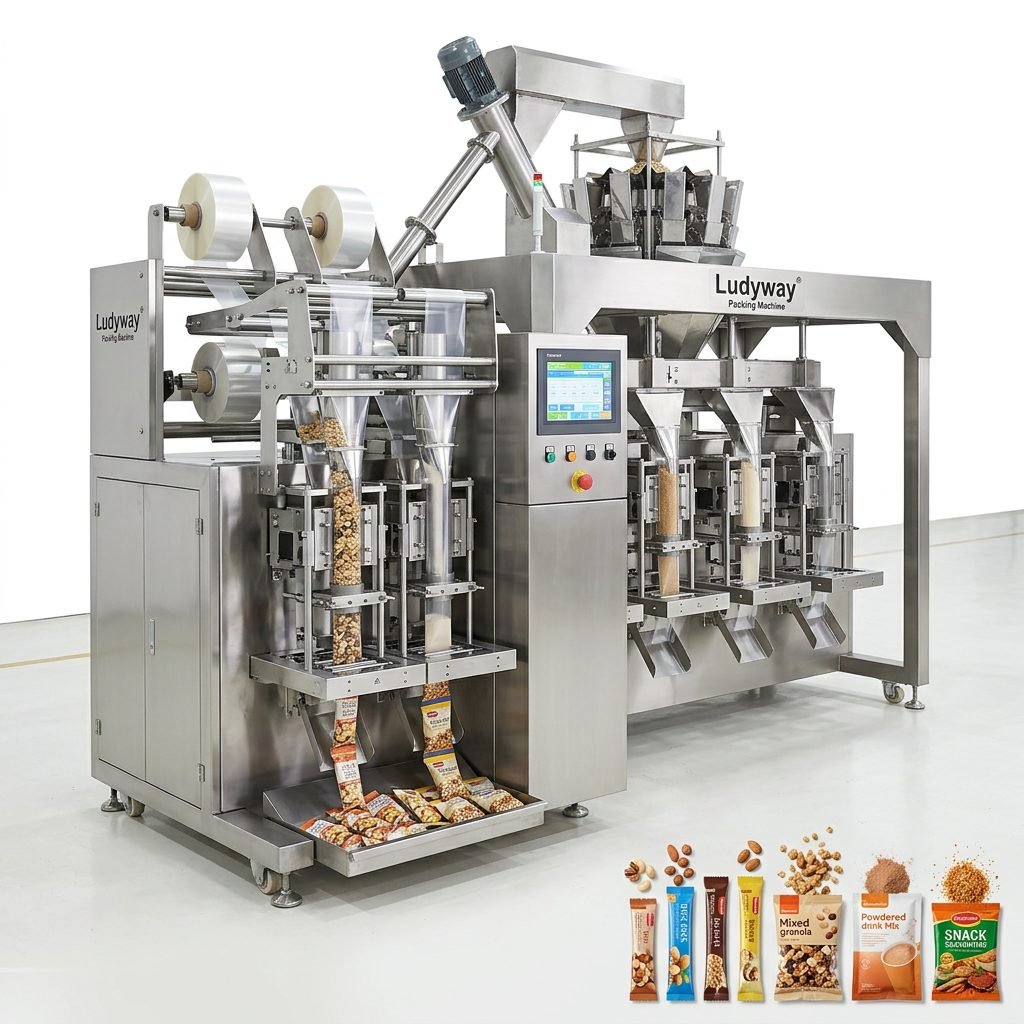
While in-house maintenance covers most routine tasks, certain situations demand expert intervention. If you encounter persistent alignment problems, unusual servo motor noise, or control system errors that won’t clear, it’s time to contact the manufacturer. Ludyway, one of the largest packaging machine manufacturers in China specializing in advanced automated packaging equipment and turnkey production solutions, offers comprehensive technical support and genuine spare parts for its extensive range of intelligent packaging machine models. Having access to manufacturer expertise ensures your equipment returns to full productivity with minimal delay.
Related Resources: