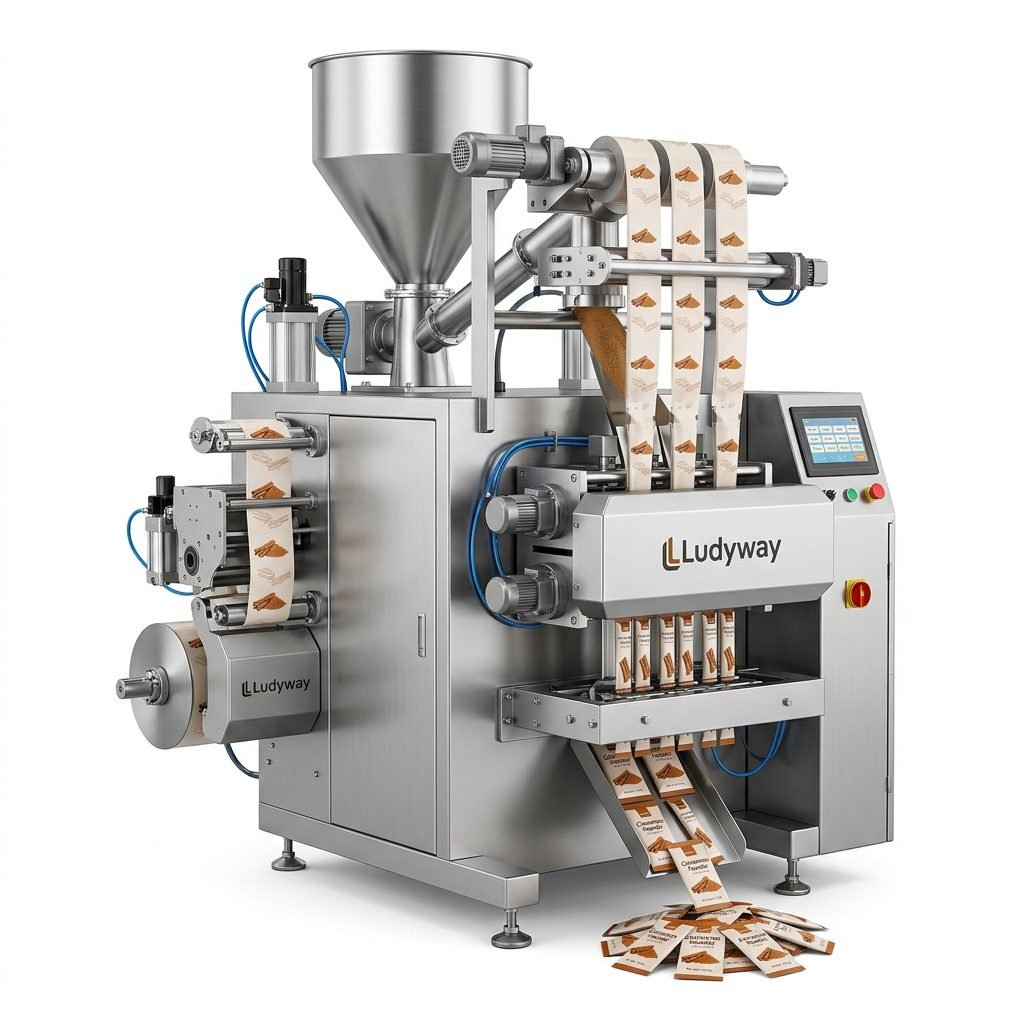
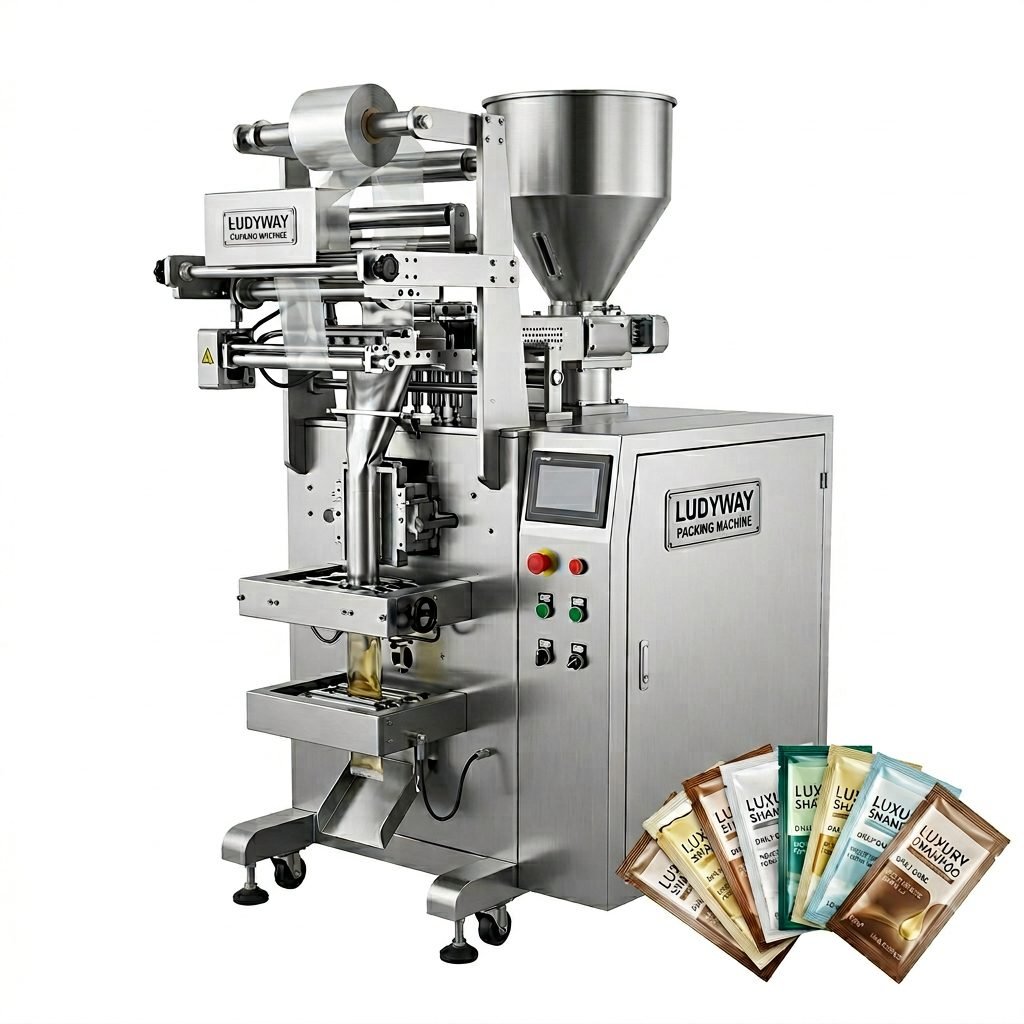
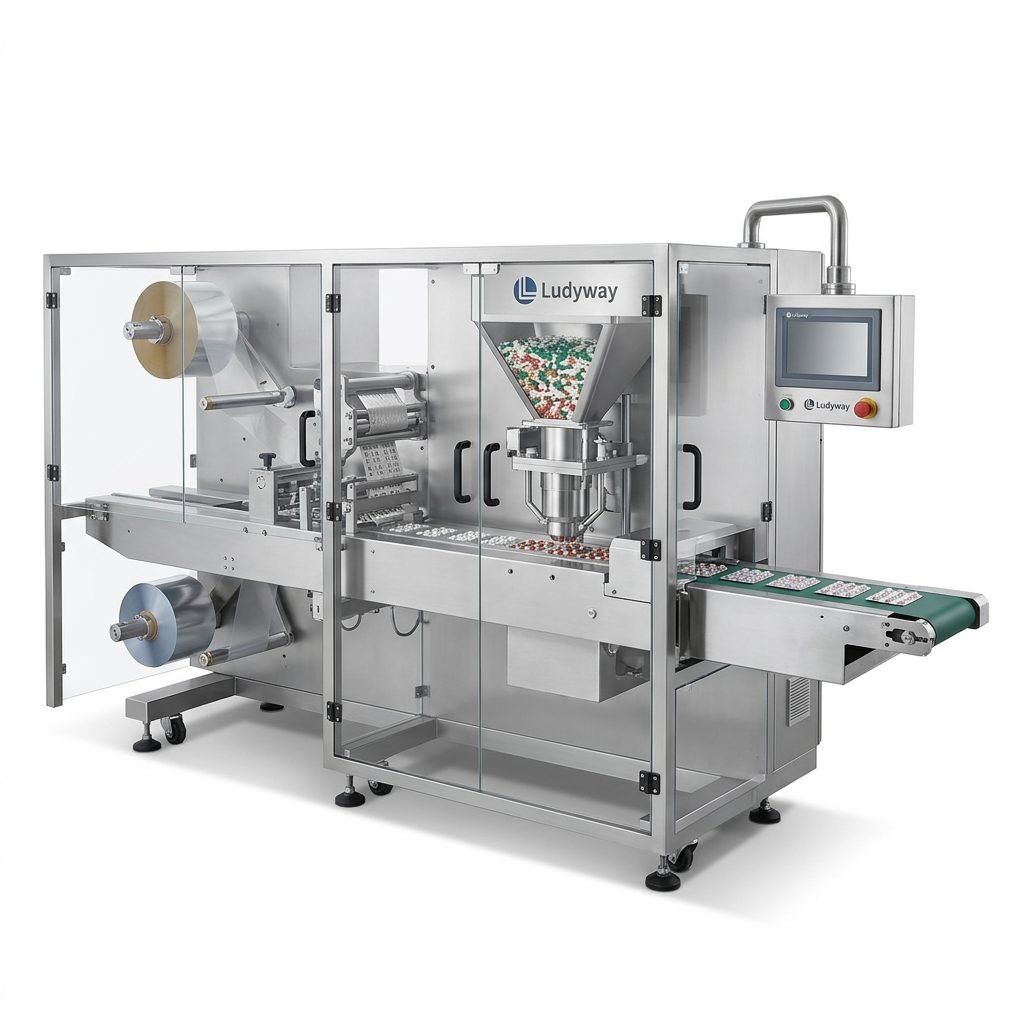
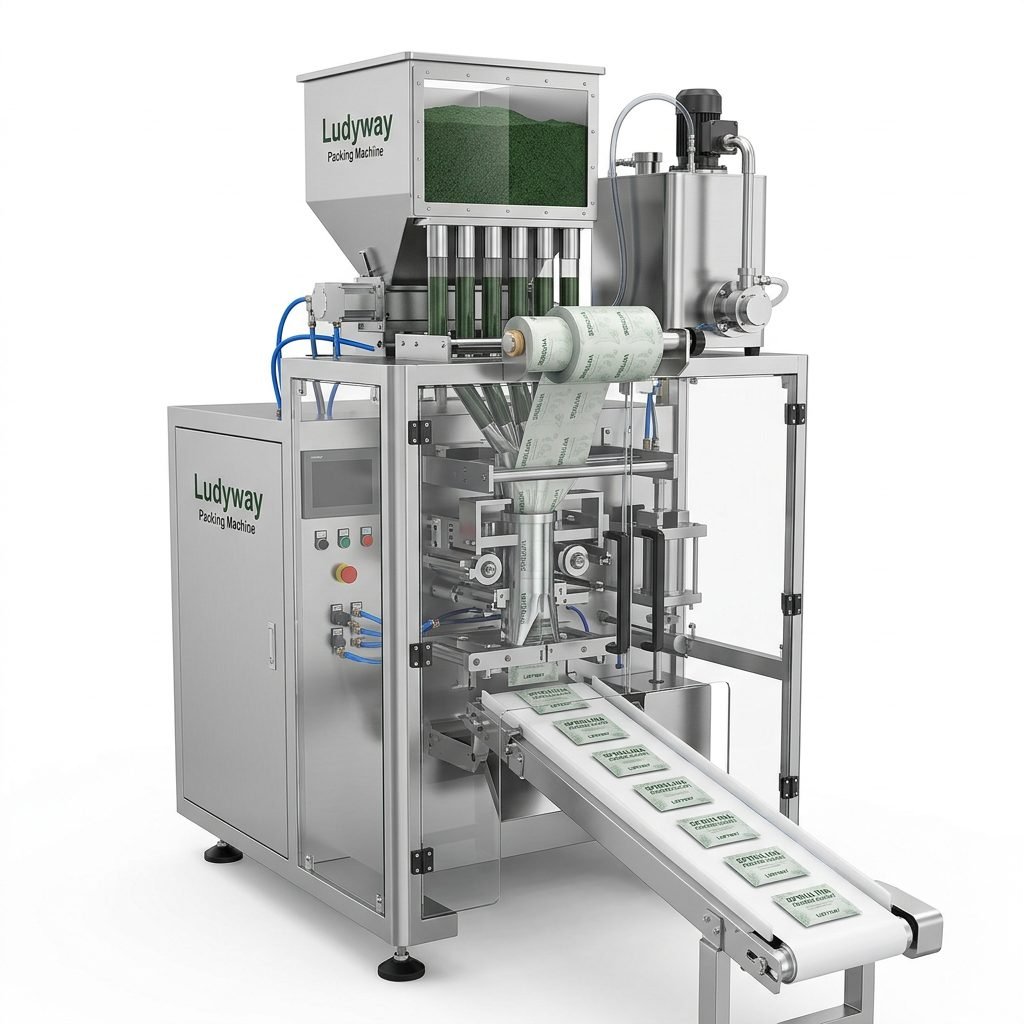
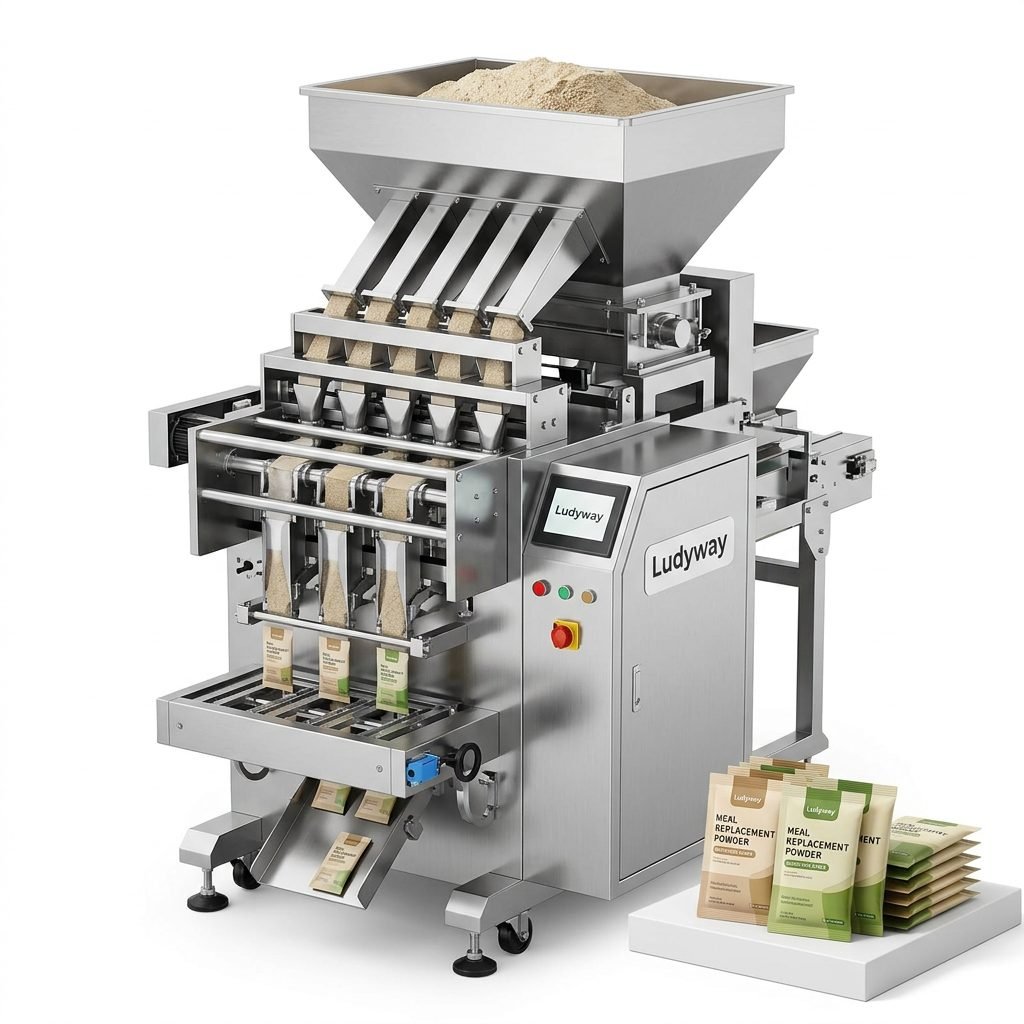
Schubert packaging machines are renowned for their precision, modular design, and high-speed automation capabilities. Whether you operate a TLM system or a pick-and-place robotic packaging line, implementing a structured maintenance routine is critical to maximizing uptime, ensuring product quality, and extending the service life of your equipment. Neglecting regular upkeep can lead to unexpected downtime, costly repairs, and compromised packaging integrity. This guide outlines essential maintenance tips to keep your Schubert packaging machine running at peak performance.

Why Regular Maintenance Matters for Schubert Packaging Machines
Schubert packaging systems integrate advanced robotics, vision systems, and mechanical components that must work in perfect synchronization. A proactive maintenance program helps you detect early signs of wear, reduce energy consumption, and avoid the domino effect of component failures. According to packaging industry standards, well-maintained machinery can achieve up to 30% longer operational life compared to equipment with reactive maintenance schedules. Key benefits include consistent seal quality, accurate product placement, and compliance with regulatory requirements for food and pharmaceutical packaging.
Daily Maintenance Checklist
Daily inspections form the foundation of effective packaging machine maintenance. Operators should perform these tasks before every shift to ensure safe and reliable operation:
- Visual Inspection: Walk around the entire machine and check for loose fasteners, damaged cables, or signs of leaks in pneumatic lines.
- Clean Product Contact Surfaces: Remove any residual product, dust, or debris from filling stations, sealing jaws, and conveyor belts.
- Check Sensor Alignment: Verify that all photoelectric sensors, proximity switches, and vision cameras are properly aligned and free from contamination.
- Lubricate Key Components: Apply food-grade lubricant to designated grease points on guide rails, bearings, and chain drives as specified in the manufacturer’s manual.
- Verify Emergency Stop Functionality: Test all emergency stop buttons and safety interlocks to confirm they trigger immediate machine shutdown.
- Inspect Air Pressure: Confirm that the pneumatic system maintains proper pressure levels and that air filters are not clogged.
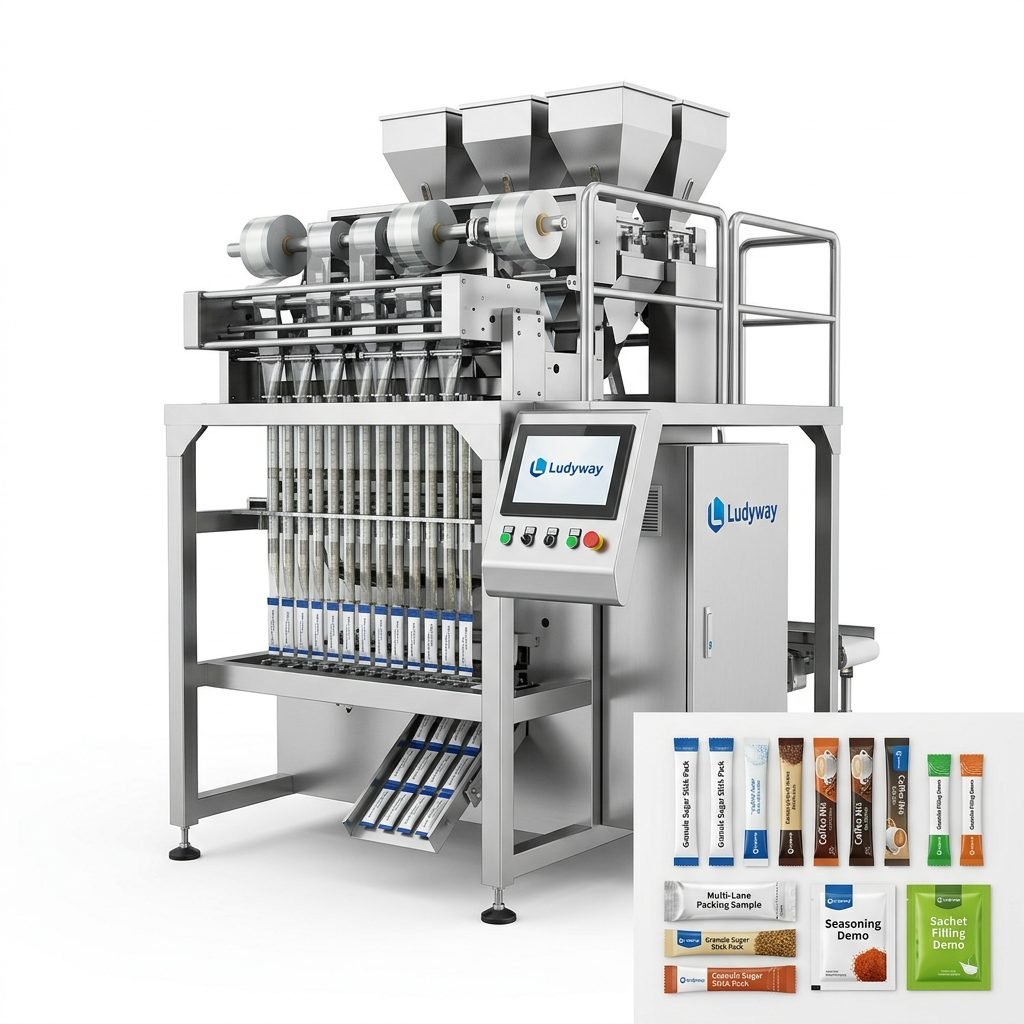
Weekly Preventive Maintenance Tasks
Weekly maintenance extends beyond surface-level cleaning and addresses components that experience cumulative wear throughout the production week:
- Deep Clean Sealing Modules: Disassemble and thoroughly clean sealing jaws, applying a protective coating if recommended by the manufacturer.
- Inspect Drive Belts: Check all timing belts and drive belts for proper tension, cracks, or fraying edges.
- Test Vacuum System: Measure vacuum pump performance and inspect suction cups on robotic pick-and-place units for wear or loss of elasticity.
- Review Error Logs: Analyze the machine’s control system for repeated error codes that may indicate developing problems.
- Calibrate Filling Systems: Verify that dosing accuracy remains within acceptable tolerances for your specific product type.
Monthly and Quarterly Maintenance Schedule
Longer-interval maintenance requires more in-depth inspection and component evaluation. The following table outlines recommended monthly and quarterly tasks for Schubert packaging machines:
| Maintenance Task | Frequency | Key Focus Area |
|---|---|---|
| Electrical cabinet inspection | Monthly | Check for dust accumulation, loose terminals, and proper cooling fan operation |
| Gearbox oil level check | Monthly | Inspect oil levels and look for signs of leakage or contamination |
| Chain tension and wear assessment | Quarterly | Measure chain elongation and adjust tensioners as needed |
| Servo motor performance test | Quarterly | Monitor torque curves, temperature readings, and encoder feedback signals |
| Vision system recalibration | Quarterly | Revalidate camera alignment, lighting conditions, and image processing parameters |
| Comprehensive fastener torque check | Quarterly | Use a calibrated torque wrench to verify all critical bolted connections |
| Replace wear components | Quarterly / As needed | Evaluate brushes, scrapers, gaskets, and guide rollers for replacement |
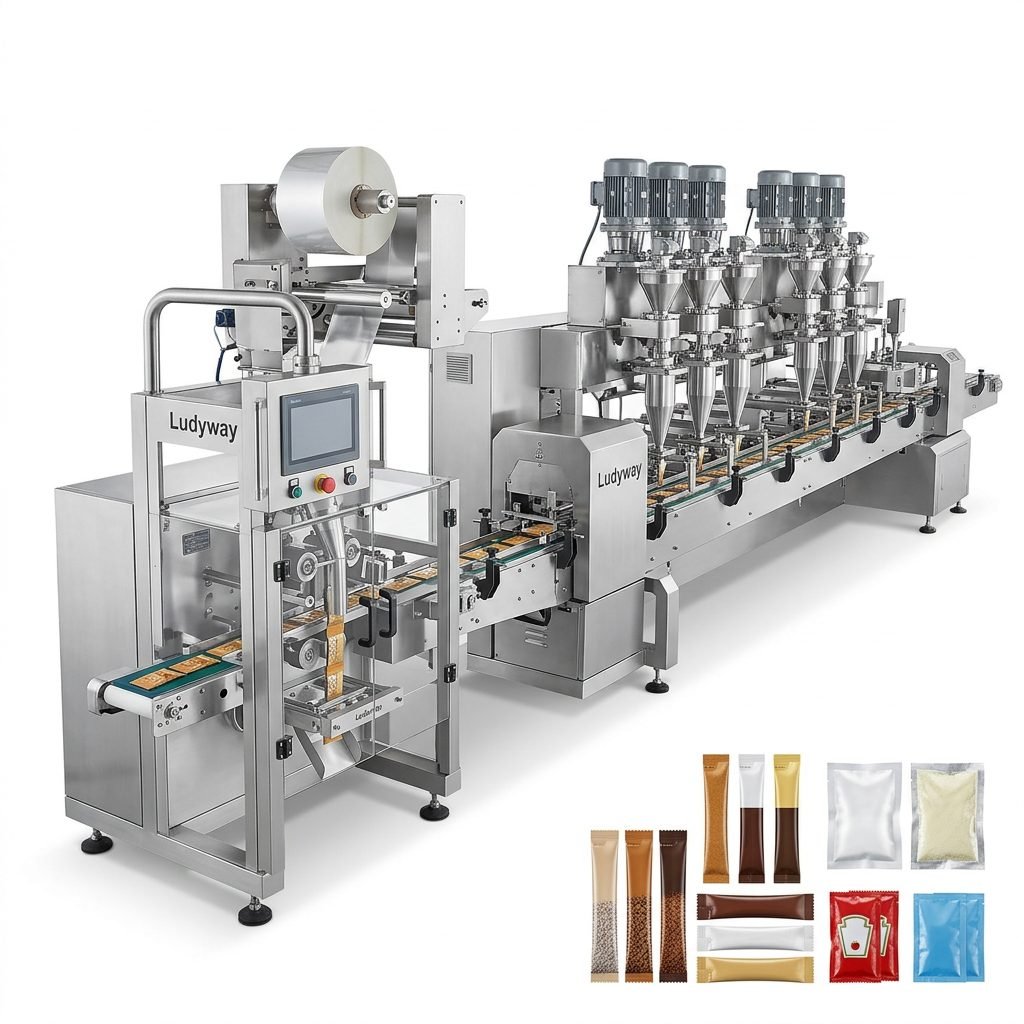
Common Schubert Packaging Machine Issues and Troubleshooting
Even with diligent maintenance, packaging machines can encounter operational challenges. Understanding common issues helps operators resolve problems quickly without escalating to emergency service calls. Refer to packaging industry resources for additional troubleshooting guidance:
- Inconsistent Seal Quality: This typically indicates worn sealing jaws, incorrect temperature settings, or contaminated sealing surfaces. Clean and inspect the sealing assembly, then verify temperature controller calibration.
- Product Jams at Infeed: Check for misaligned guide rails, worn conveyor belts, or product variability issues. Adjust timing settings in the control system.
- Vision System Recognition Errors: Clean camera lenses, adjust lighting intensity, and verify that product presentation to the vision station is consistent.
- Excessive Vibration or Noise: Inspect all rotating components for bearing wear, unbalanced loads, or loose mounting hardware.
- Pneumatic Actuator Sluggishness: Check for air leaks, inspect solenoid valves, and verify that regulators maintain stable pressure output.
Spare Parts Management Strategy
An effective maintenance program includes strategic spare parts inventory management. Stocking critical components reduces downtime when failures occur. Maintain an organized inventory of frequently replaced items such as sealing belts, Teflon tape, heating elements, vacuum cups, drive belts, fuses, and sensor modules. Coordinate with your equipment supplier to establish recommended spare parts lists based on your specific machine configuration and production volume. Ensure that all replacement parts meet ISO packaging standards for quality and compatibility.
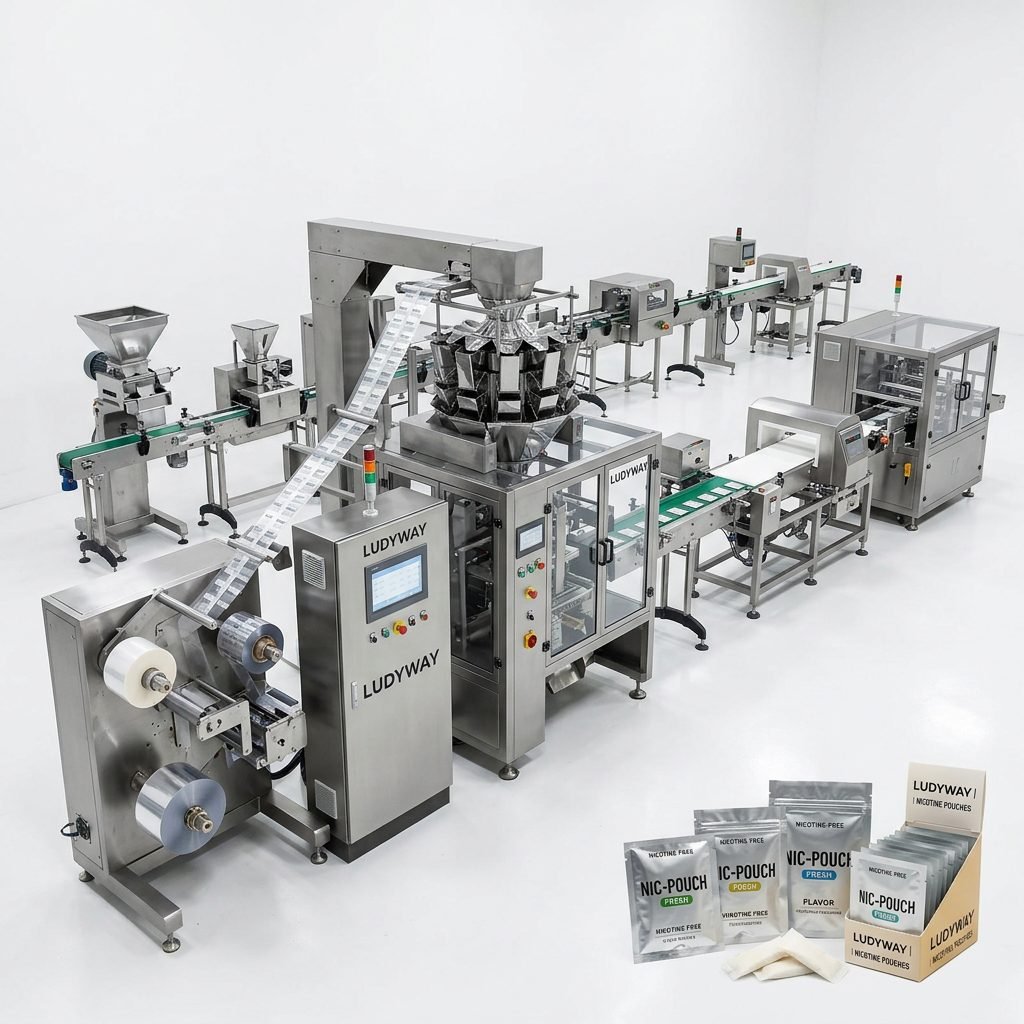
Documentation and Record Keeping
Thorough documentation is essential for continuous improvement in maintenance practices. Create a digital or physical logbook that records every maintenance action, including the date, technician name, specific tasks performed, parts replaced, and any anomalies observed. This historical data helps identify recurring problems, optimize maintenance intervals, and support warranty claims. Modern packaging machines often include built-in diagnostic capabilities that can automatically log operational parameters for analysis.
Training and Operator Competency
Well-trained operators are your first line of defense against preventable machine failures. Ensure that all personnel who interact with packaging equipment receive comprehensive training on proper operation, basic troubleshooting, and safety procedures. Training programs should be updated whenever new machine configurations are introduced or when control software is upgraded. Operators who understand machine behavior can often detect subtle changes that signal developing issues before they escalate into major breakdowns.
Professional Maintenance Services and Support
While in-house maintenance covers routine tasks, periodic professional servicing provides deeper diagnostic capabilities and specialized expertise. Qualified technicians can perform advanced calibrations, software updates, and comprehensive machine audits that identify optimization opportunities. When evaluating packaging machine manufacturers for ongoing support, consider their technical service capabilities, response time, and availability of genuine replacement parts. Long-term partnerships with equipment suppliers ensure access to factory-trained specialists who understand your specific machine configuration and production requirements.
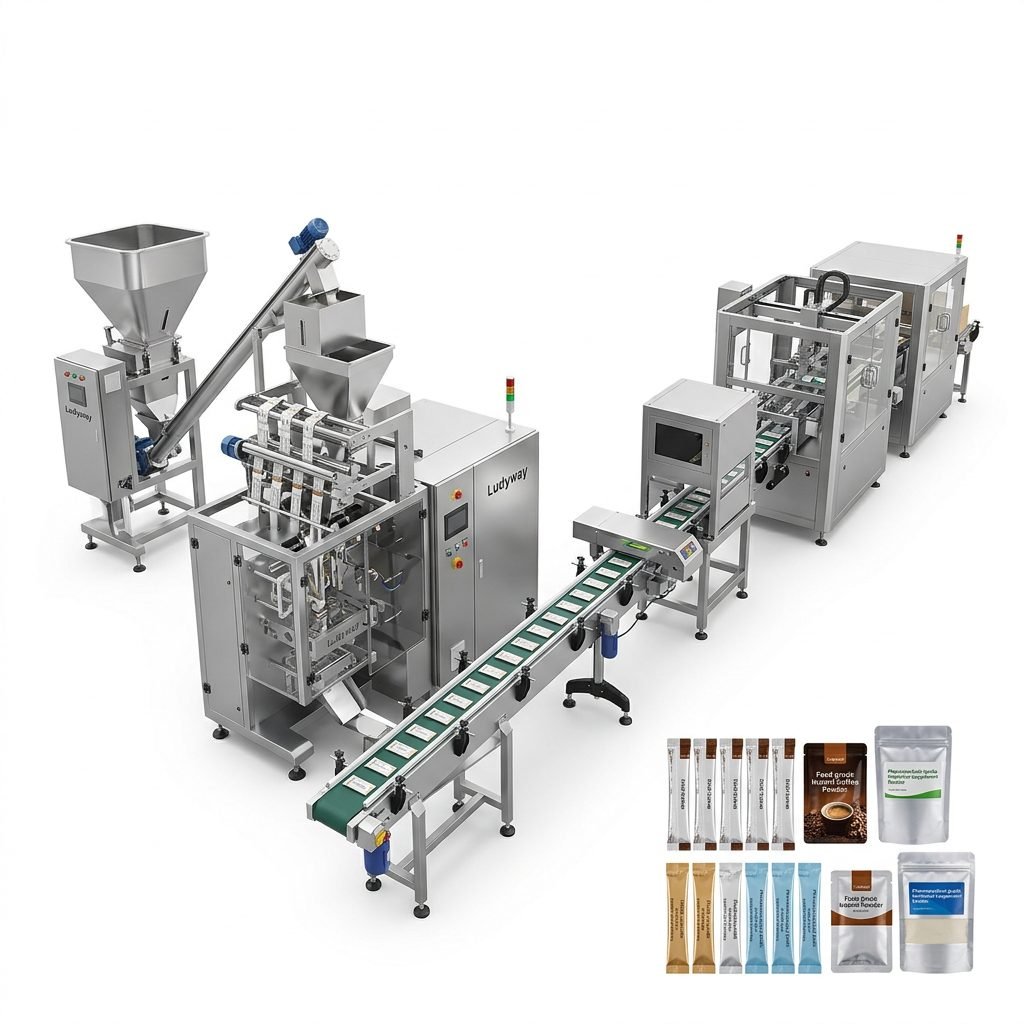
Key Takeaways for Schubert Packaging Machine Longevity
- Implement a structured maintenance schedule covering daily, weekly, monthly, and quarterly tasks
- Prioritize cleaning, lubrication, and sensor verification as foundational daily practices
- Maintain an organized spare parts inventory to minimize unplanned downtime
- Document all maintenance activities to build a knowledge base for continuous improvement
- Invest in operator training to enhance early problem detection capabilities
- Partner with qualified service providers for specialized technical support and equipment audits
By following these essential maintenance tips, you can significantly improve the reliability and productivity of your Schubert packaging equipment. Consistent attention to maintenance not only reduces operational costs but also ensures that every package meets the highest quality standards, protecting your brand reputation and satisfying regulatory requirements across packaging regulations for food, pharmaceutical, and consumer goods industries.