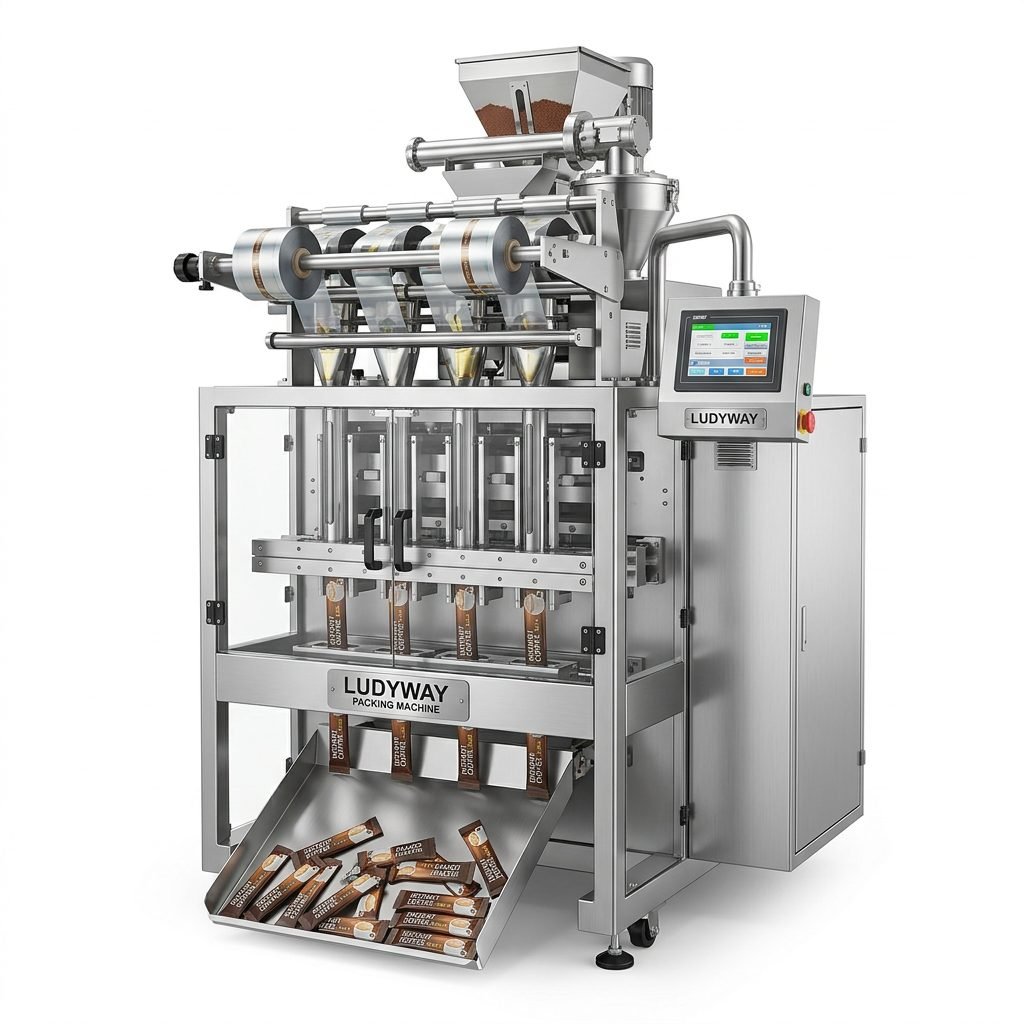
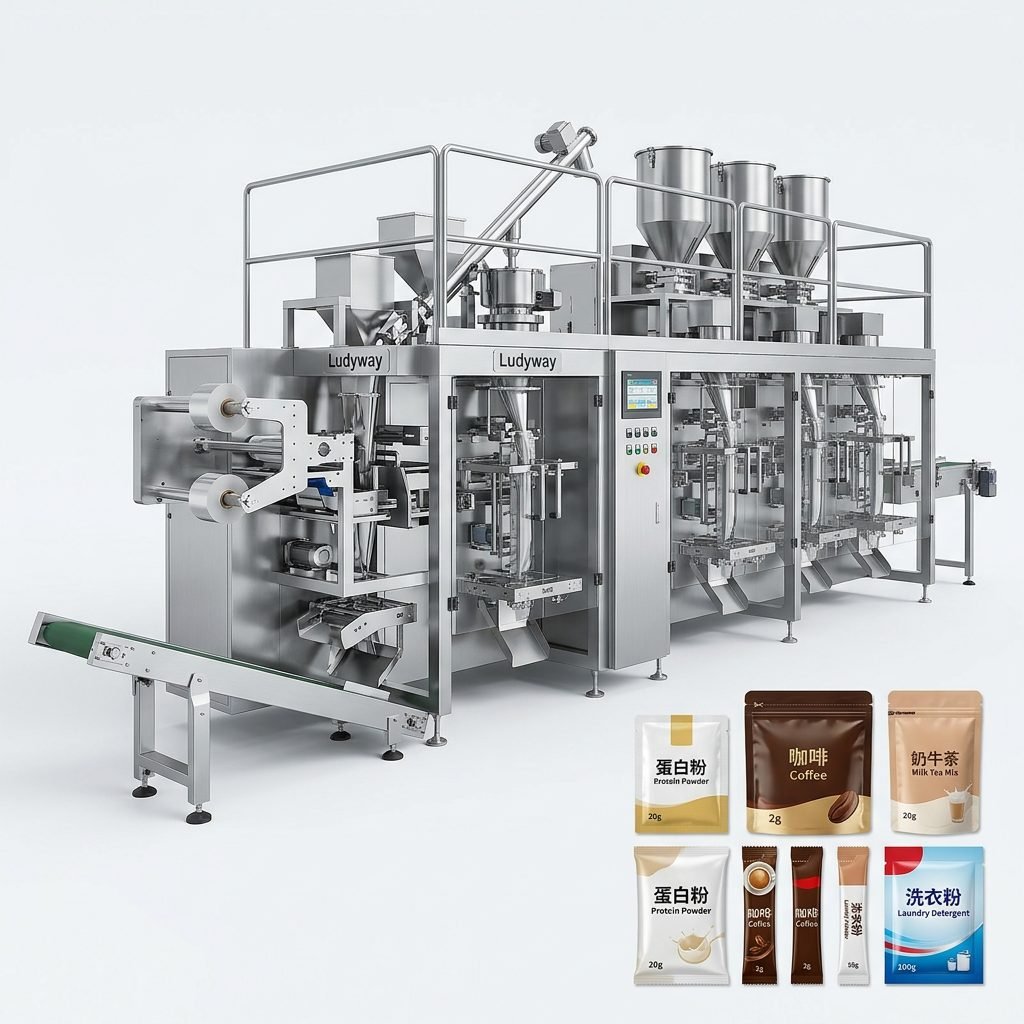
In the world of shipping and logistics, protecting your products while minimizing costs is a constant challenge. Void fill packaging machines offer a powerful solution to this dilemma, enabling businesses to secure items during transit without overspending on materials or labor. This guide will walk you through the key considerations for choosing the best void fill packaging solution for your operations.
Understanding Void Fill Packaging
Void fill, or loose fill, is a protective packaging material used to occupy empty space within a box. Its primary purpose is to prevent items from shifting, colliding, or being crushed during handling and transportation. Traditional methods like crumpled paper or manually placed foam can be inconsistent and time-consuming. A void fill packaging machine automates this process, dispensing materials such as air pillows, paper, or biodegradable foam in a controlled, efficient manner.
Key Benefits of Automated Void Fill Systems
Investing in a dedicated machine brings several advantages:
- Consistent Protection: Machines deliver a precise, uniform amount of fill, eliminating human error and ensuring every package receives optimal cushioning.
- Reduced Material Waste: Automated systems use material on-demand, dramatically cutting down on overuse compared to manual methods.
- Lower Labor Costs: Automating the void fill process frees up staff for other tasks and increases overall packing station throughput.
- Enhanced Sustainability: Many modern machines work with recycled paper or other eco-friendly materials, helping businesses meet green initiatives.
How to Choose the Right Machine for Your Needs
Selecting the optimal machine requires a careful assessment of your specific requirements. Follow this decision framework:
1. Analyze Your Product Profile
Consider the size, weight, fragility, and shape of your typical shipped items. Do you ship a wide variety of products, or is your inventory relatively uniform? Heavy, fragile items require more robust fill, while lightweight goods might need less.
2. Evaluate Your Packaging Volume
Match the machine’s output speed to your daily or peak shipping volumes. A low-volume operation might benefit from a compact, semi-automatic unit, while a high-volume fulfillment center will need a fully automatic, high-speed system integrated into a conveyor line.
3. Select the Appropriate Fill Material
The machine must be compatible with your chosen void fill material. Common options include:
• Air Pillows: Lightweight, cost-effective, and excellent for filling large voids.
• Paper (Kraft or Recycled): Offers good cushioning and is highly sustainable and customer-friendly.
• Biodegradable Foam: Provides superior protection for high-value, fragile items.
Your material choice impacts cost, protection level, and customer perception.
4. Consider Integration and Space
Determine where the machine will live in your workflow. Does it need to stand alone at a packing station, or be integrated into an existing automated packing line? Measure the available footprint to ensure the chosen model fits your physical space.
Beyond the Machine: Operational Cost Analysis
The true cost savings come from evaluating the total operational impact. Calculate not just the machine price, but the ongoing costs of materials, labor, and maintenance. An efficient machine often reduces material consumption by 30-50%, and the labor savings can be substantial. Also, factor in potential reductions in damage-related losses and customer returns, which directly protect your bottom line.
For businesses looking to implement a complete solution, it’s advisable to consult with packaging experts who can provide insights based on extensive industry experience. Reviewing a detailed company history of your supplier can also give confidence in their ability to deliver reliable, long-term support.
Final Recommendations
Start with a clear audit of your current packaging process, identifying pain points like high damage rates, slow packing times, or excessive material costs. Pilot a machine with a flexible supplier to test its performance with your actual products. Finally, choose a partner that offers robust after-sales service and training to ensure your team can maximize the machine’s benefits from day one.
Frequently Asked Questions
1. What is the typical payback period for a void fill packaging machine?
Most businesses see a return on investment within 12 to 18 months, primarily through savings in material and labor costs, and reduced product damage.
2. Can one machine handle different box sizes?
Yes, many modern machines are adjustable and can be calibrated to dispense the right amount of fill for a range of box dimensions.
3. Are the materials used by these machines recyclable?
Absolutely. Options like recycled paper or certain biodegradable air pillows are fully recyclable, aligning with eco-friendly packaging policies.
4. How much maintenance do these machines require?
Regular maintenance is minimal. Basic cleaning and occasional part checks are usually sufficient, especially with machines from reputable manufacturers.
5. Is operator training complicated?
Training is generally straightforward. Most suppliers include comprehensive setup and operational training to ensure your staff can run the machine efficiently.