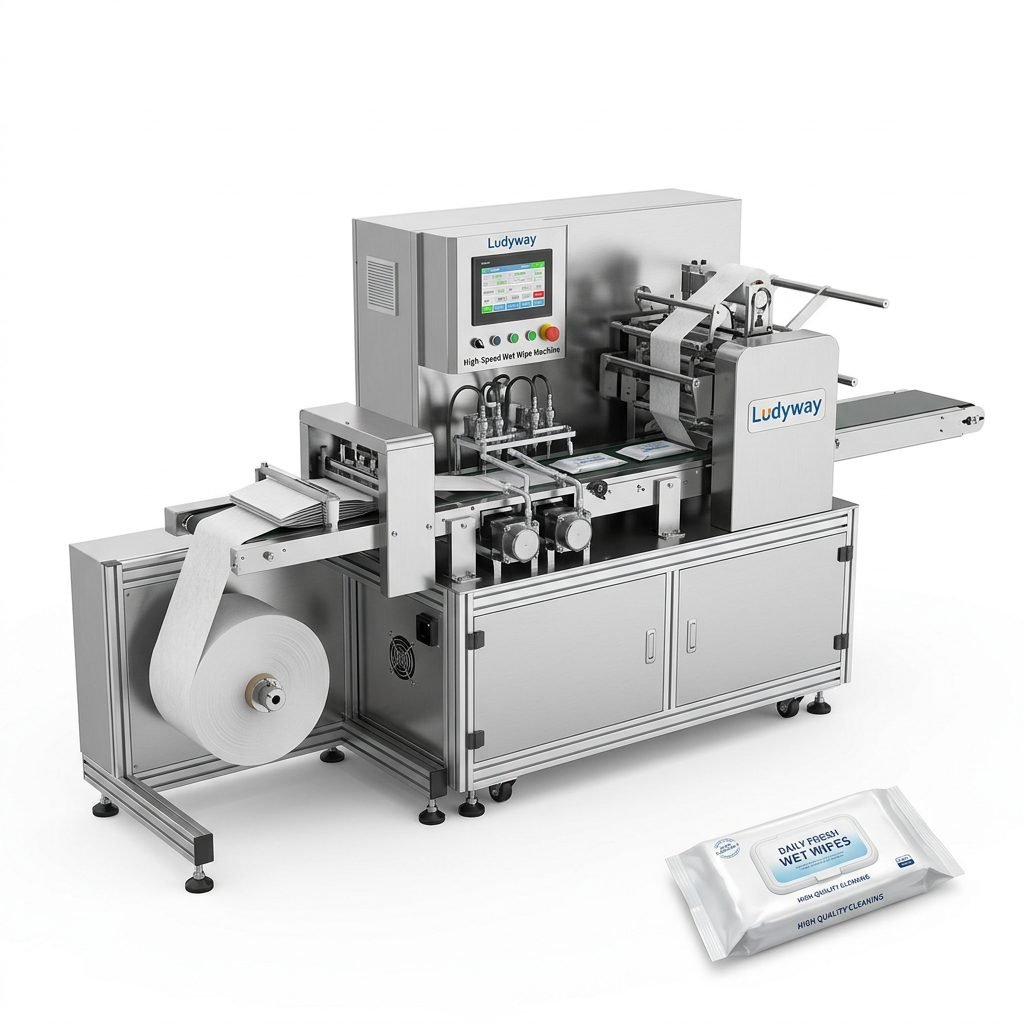
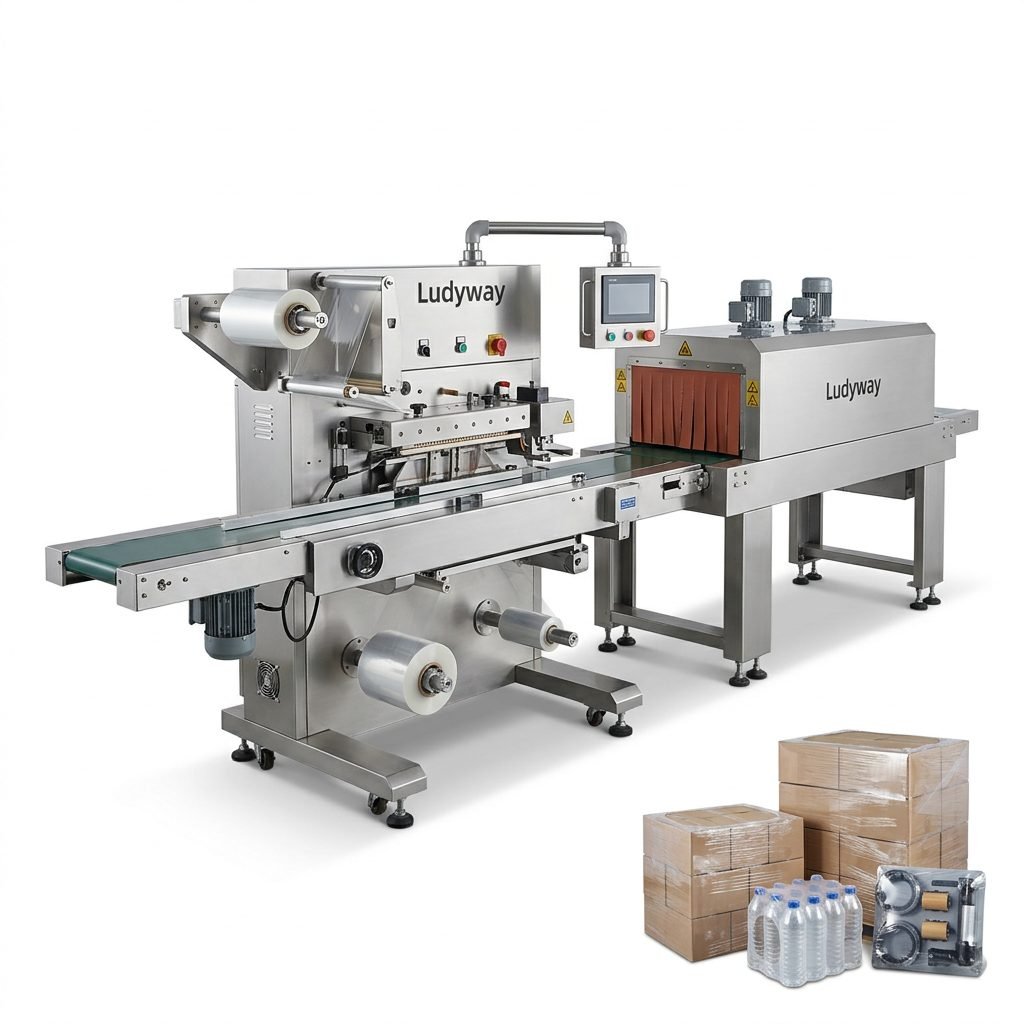
Proper maintenance of pouch packing machines is essential for ensuring consistent production output, extending equipment lifespan, and minimizing costly downtime. Whether you operate pouch packing machines for food, pharmaceuticals, or industrial products, a structured maintenance routine can significantly improve operational efficiency and product quality.
Why Regular Maintenance of Pouch Packing Machines Is Critical
Pouch packing machines operate under high-speed, repetitive motion cycles that subject mechanical components to continuous wear. Without proper maintenance, even the most robust equipment can develop issues that compromise seal integrity, filling accuracy, and overall machine reliability. A proactive maintenance approach helps operators:
- Reduce unplanned downtime by identifying wear patterns before failures occur
- Maintain consistent seal quality across all production runs
- Extend the service life of critical components such as sealing jaws, forming tubes, and drive systems
- Ensure compliance with industry regulations, especially in food and pharmaceutical applications
- Optimize energy consumption and reduce operational costs
According to industry data from the PMMI Business Intelligence division, preventive maintenance can reduce packaging line downtime by up to 30-45% compared to reactive maintenance strategies.
Daily Maintenance Checklist for Pouch Packing Machines
Implementing a daily inspection routine is the foundation of effective pouch packing machine maintenance. The following checklist covers essential checks that operators should perform at the start of each shift:
| Inspection Area | Action Required | Frequency |
|---|---|---|
| Sealing Jaws & Heaters | Inspect for residue buildup, check temperature consistency | Every shift |
| Forming Tube & Shoulder | Clean surfaces, check for scratches or film drag marks | Every shift |
| Film Tracking & Web Alignment | Verify film runs centered, adjust tension as needed | Every shift |
| Filling System (Auger/Volumetric/Pump) | Check for material leakage, verify fill weight accuracy | Every shift |
| Photocell & Sensors | Clean lenses, test registration mark detection | Every shift |
| Pneumatic System | Drain moisture from air filter, check pressure levels | Daily |
Maintenance Guide by Pouch Packing Machine Type
Different types of pouch packing equipment require specialized maintenance approaches based on their mechanical design and application. Understanding the unique requirements of each machine type is essential for effective long-term care.
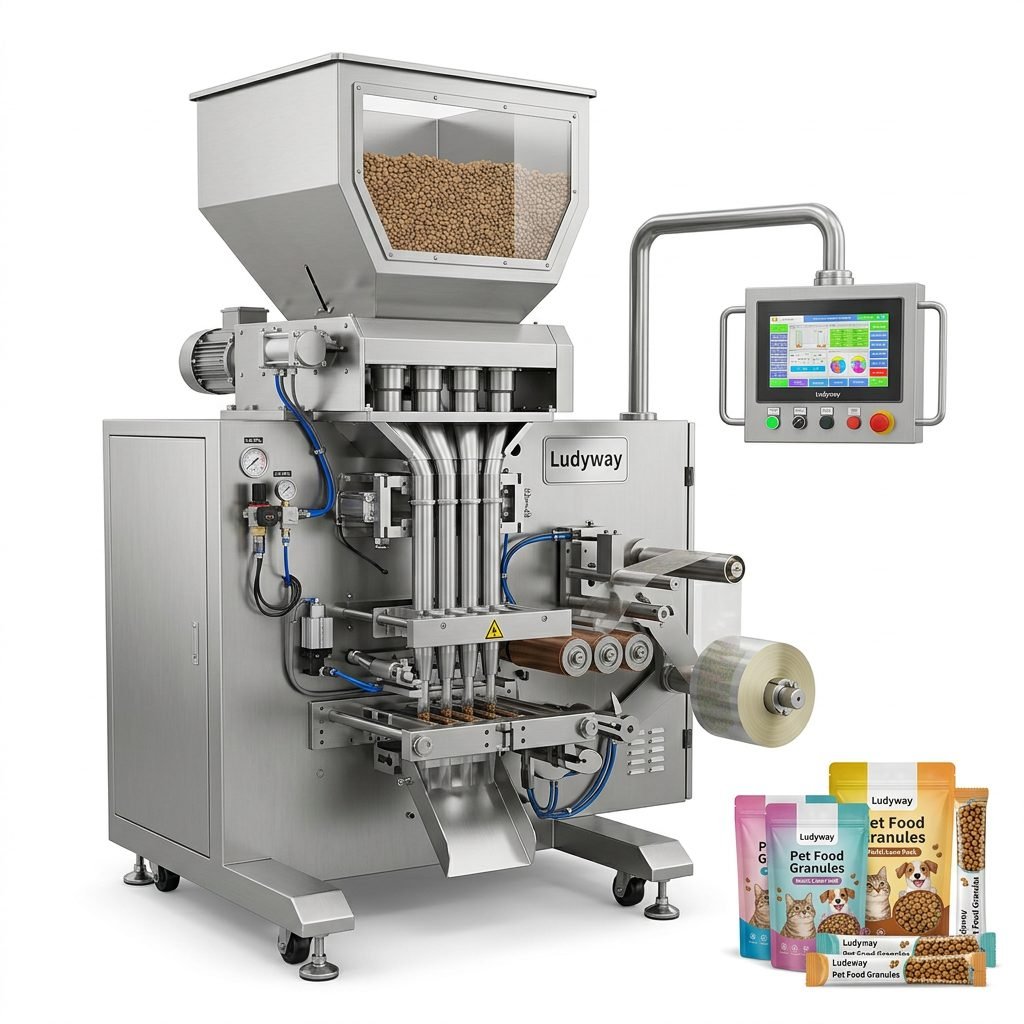
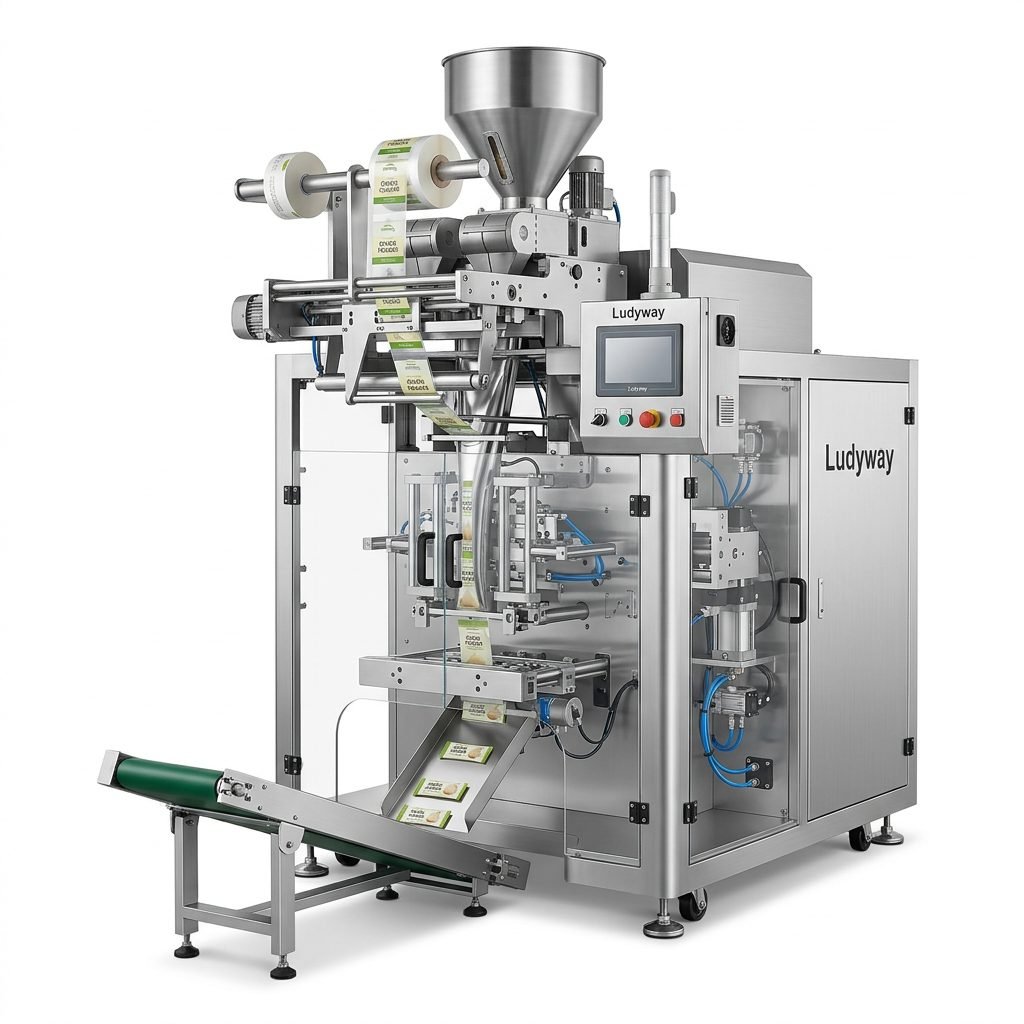
Vertical Form Fill Seal (VFFS) Pouch Machines
VFFS machines are among the most widely used pouch packing systems, handling everything from granules to powders. Key maintenance focus areas include:
- Forming tube inspection: Check for surface wear and polish minor scratches that can cause film friction and misalignment
- Sealing jaw calibration: Verify even pressure distribution across the entire seal area; uneven pressure leads to leaking or weak seals
- Pull belt tension: Worn or misaligned pull belts cause film tracking issues and inconsistent pouch length
- Temperature controller verification: Calibrate thermocouples quarterly to maintain accurate sealing temperatures
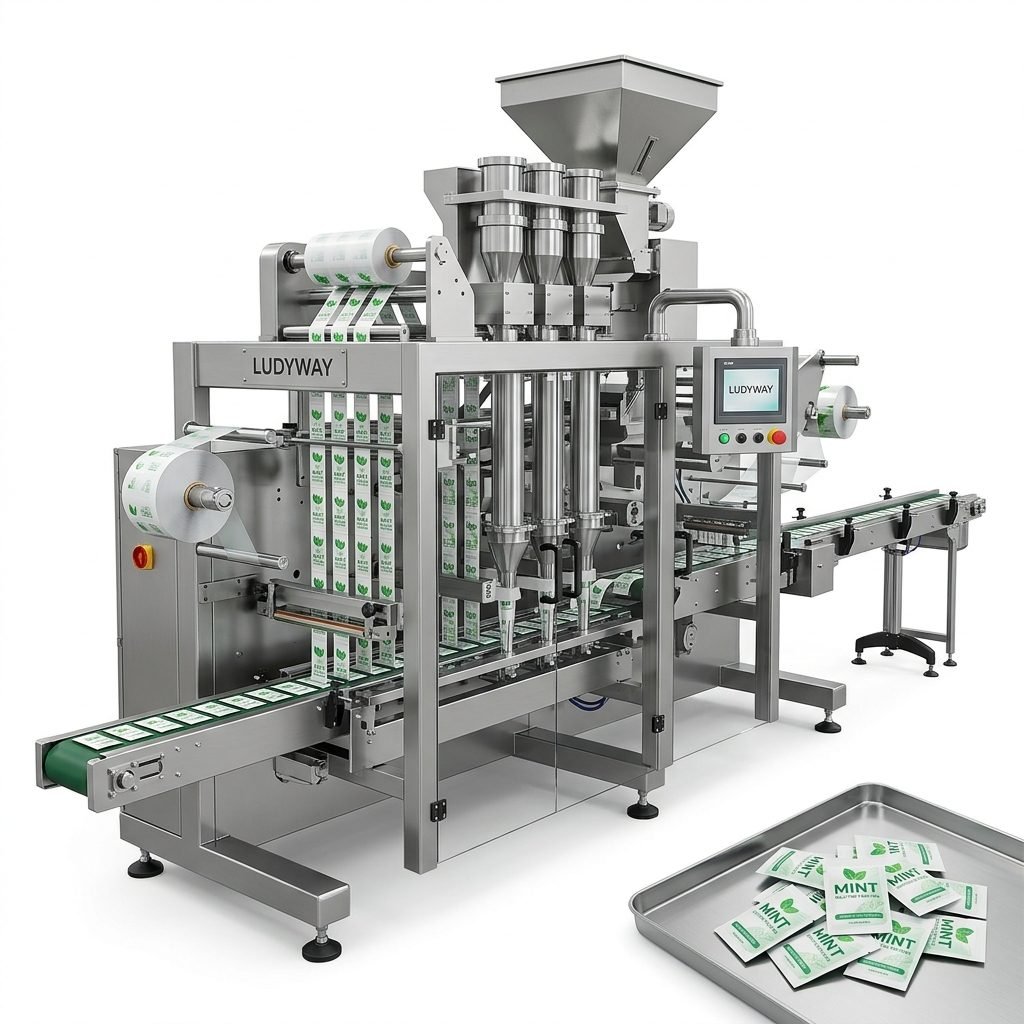
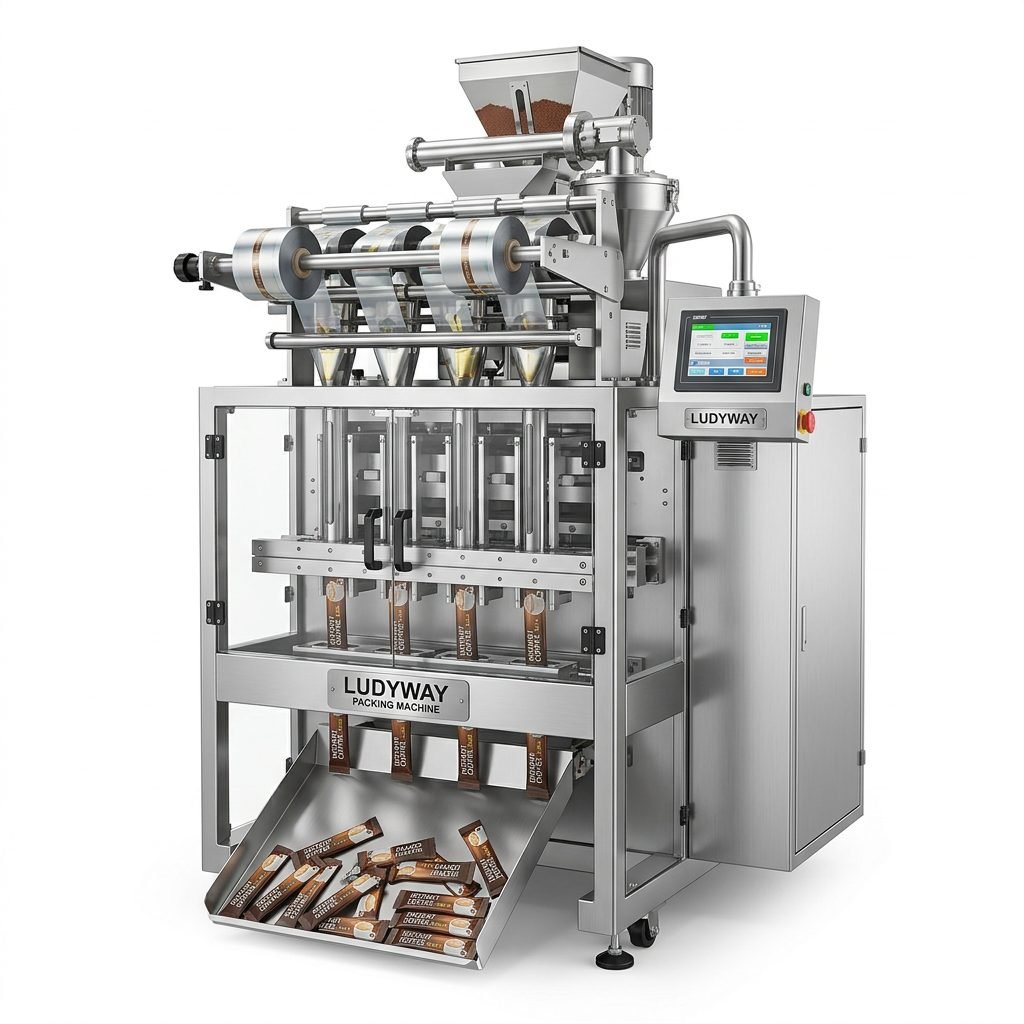
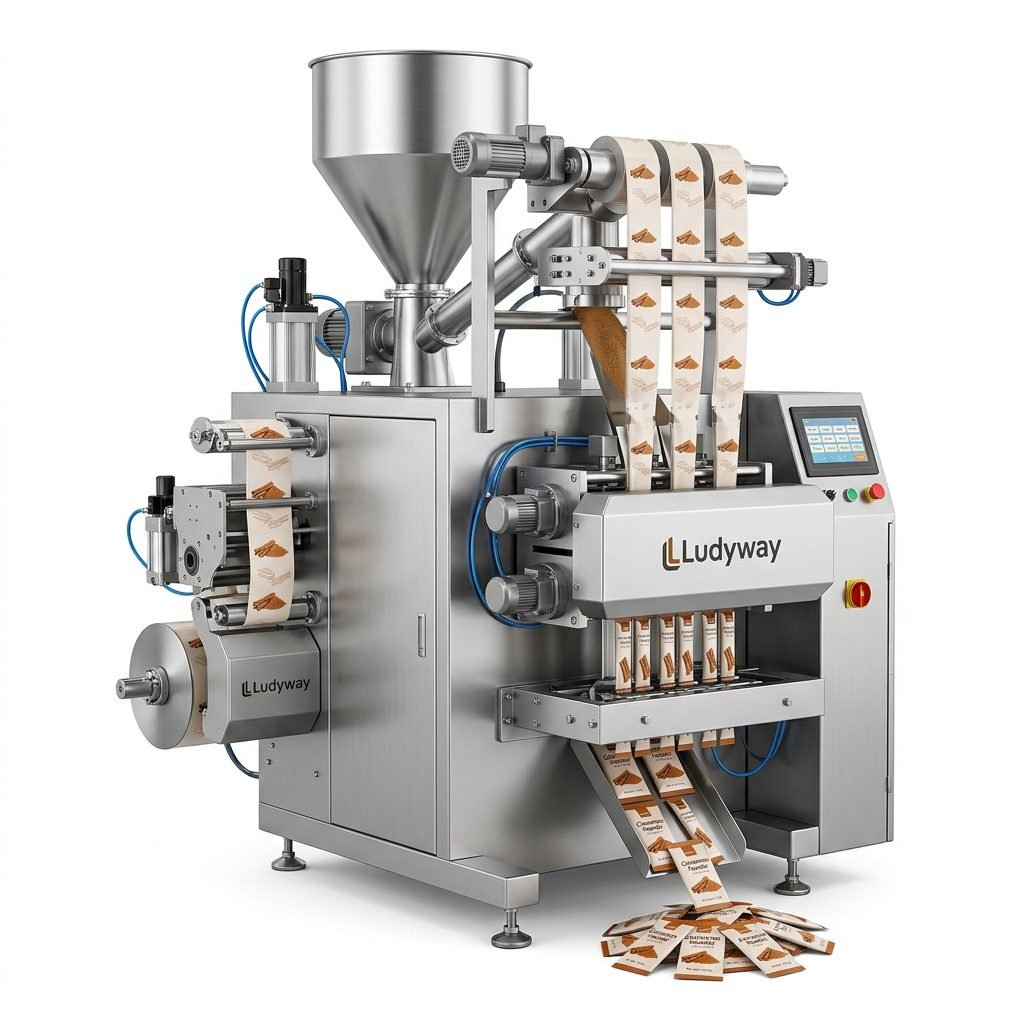
Multi-Lane Stick Pack Machines
Multi-lane stick pack machines operate with high-speed precision across multiple lanes simultaneously, making maintenance particularly important for lane-to-lane consistency. Critical maintenance tasks include:
- Individual lane alignment: Each lane must be independently checked for vertical alignment and sealing pressure uniformity
- Filling nozzle inspection: Clean and inspect dosing nozzles for each lane to prevent cross-contamination and ensure fill accuracy
- Knife and cutting mechanism: Sharpen or replace cutting blades regularly; dull blades cause jagged edges and packaging defects
- Synchronization check: Verify that all lanes operate in perfect synchronization to avoid product waste and film jams
For more detailed guidance on multi-lane systems, refer to PMMI packaging industry resources which offer comprehensive technical documentation.

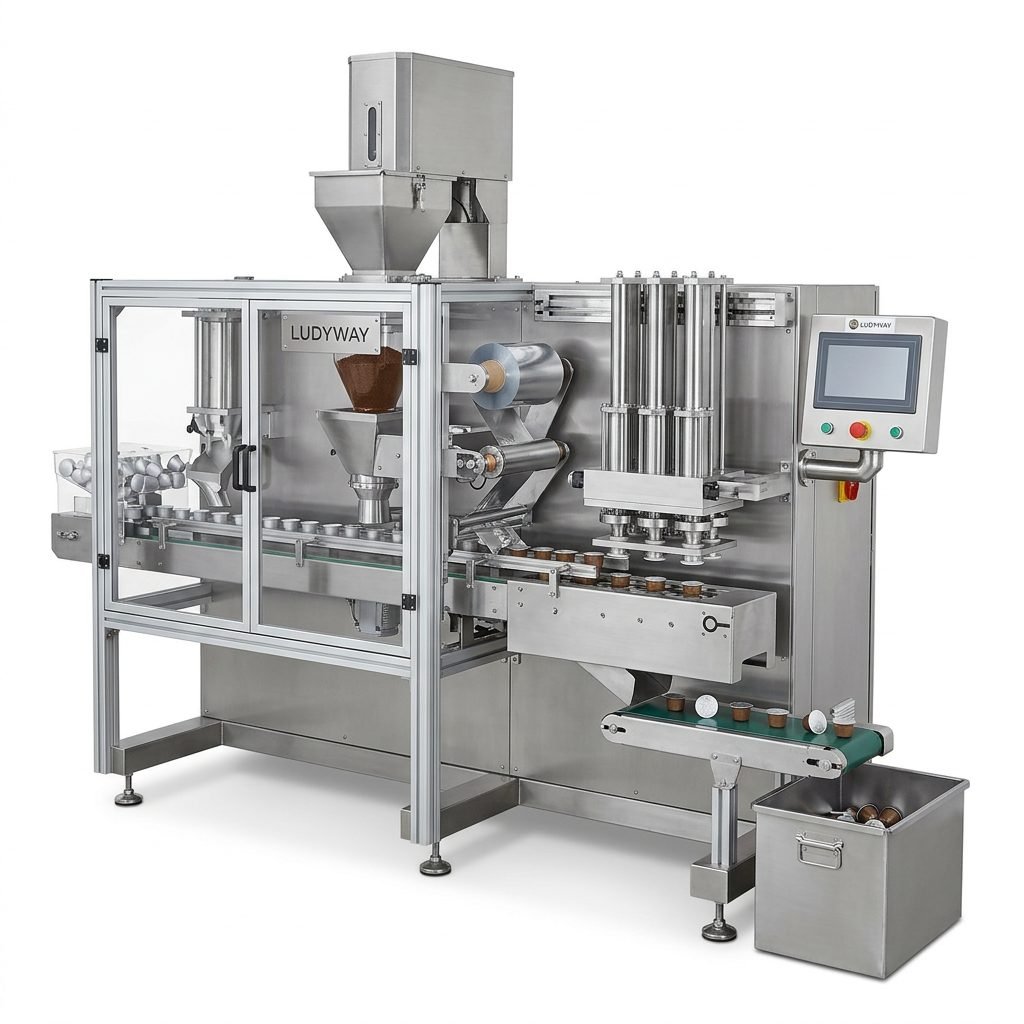
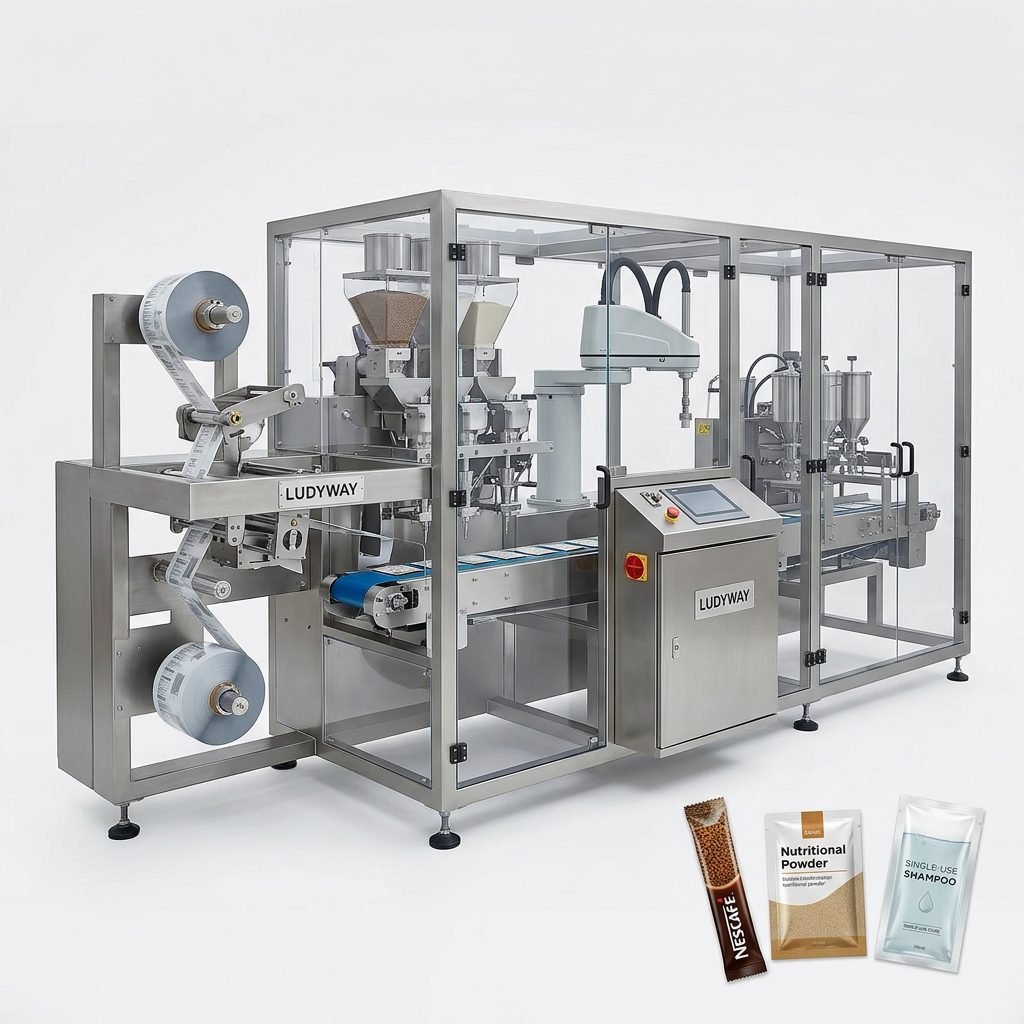
Premade Pouch Packing Machines
Premade pouch machines use rotary or inline configurations to fill and seal pre-formed pouches. These systems require attention to:
- Gripper and clamp maintenance: Inspect pouch grippers for wear; loose grippers cause pouch dropping and misalignment
- Opening station functionality: Verify vacuum suction cups and air blow systems are working correctly for consistent pouch opening
- Sealing station cleaning: Remove product residue from sealing bars to prevent contamination and seal defects
- Rotary index alignment: Ensure precise indexing to maintain proper pouch positioning through each station
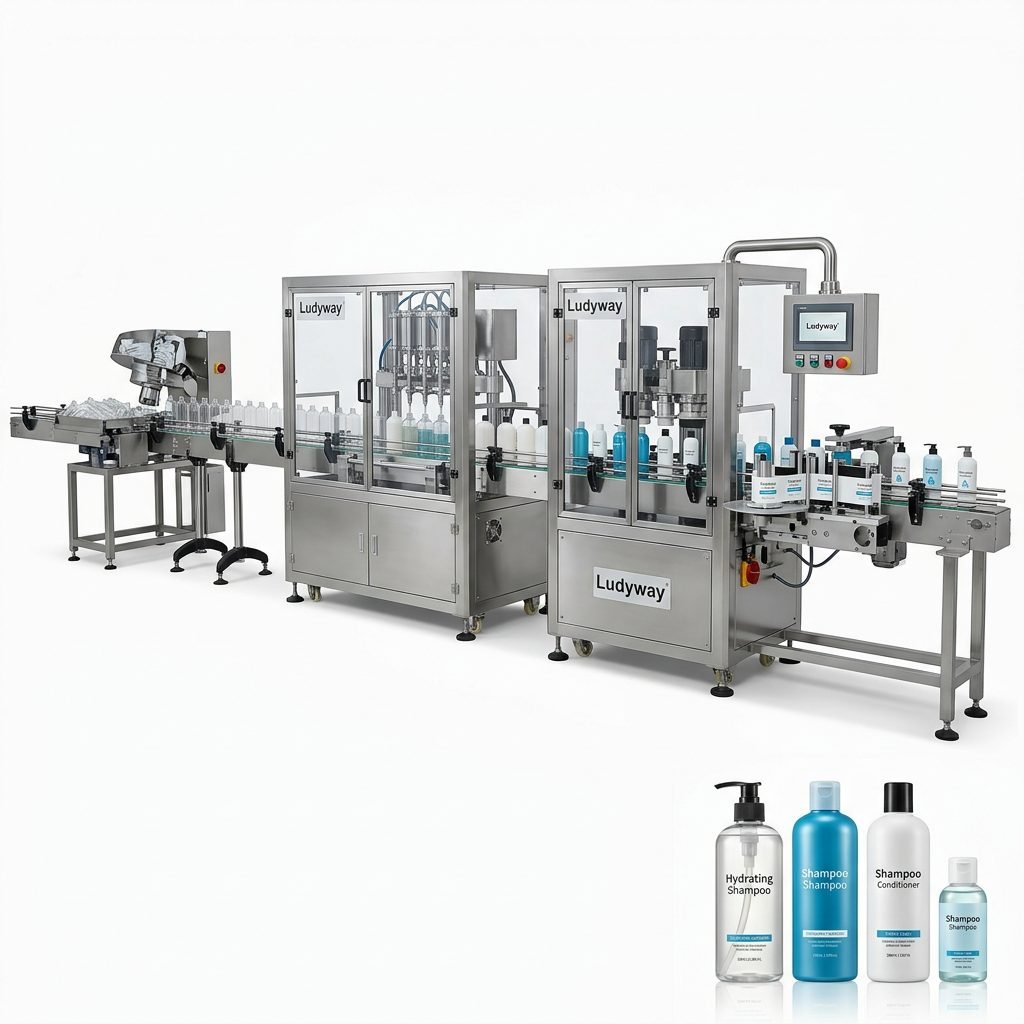
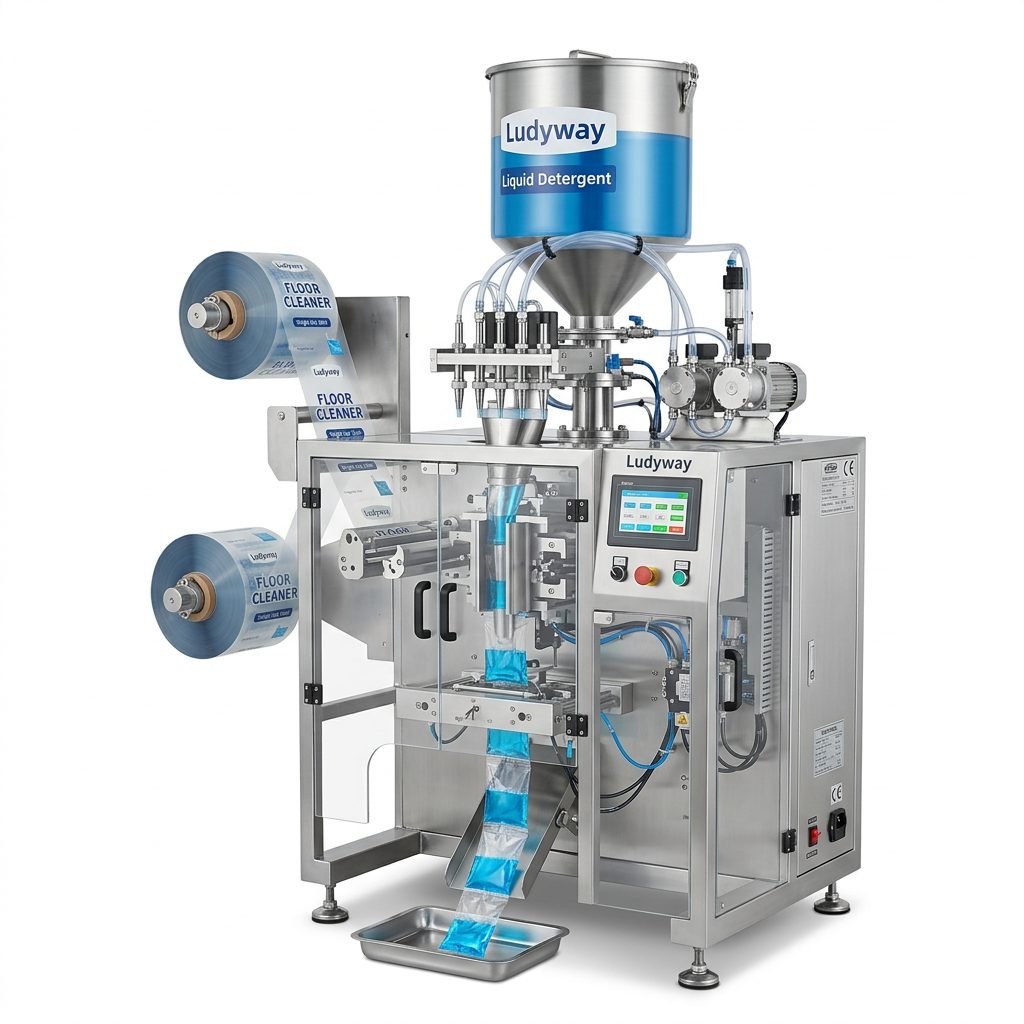
Liquid Pouch Filling Machines
Liquid packaging presents unique challenges including product spillage, foaming, and seal contamination. Maintenance priorities for liquid pouch machines include:
- Pump and valve inspection: Check piston pumps, peristaltic pumps, or magnetic flow meters for wear and leakage
- Drip prevention systems: Clean anti-drip nozzles and verify proper cutoff after each fill cycle
- Seal area cleanliness: Liquid residue on sealing areas is the primary cause of seal failure; implement strict cleaning protocols
- Gasket and O-ring replacement: Establish a regular replacement schedule for all fluid-contact seals
Common Pouch Packing Machine Issues and Troubleshooting
Understanding common problems and their root causes allows operators to quickly resolve issues before they escalate into major failures. The table below outlines frequently encountered problems with pouch packing equipment:
| Problem | Possible Cause | Solution |
|---|---|---|
| Leaking or weak seals | Incorrect temperature, worn sealing jaws, product contamination in seal area | Recalibrate temperature, clean or replace jaws, improve filling precision |
| Inconsistent pouch length | Film slippage, worn pull belts, incorrect tension settings | Adjust tension, replace pull belts, verify encoder calibration |
| Film tracking off-center | Misaligned rollers, uneven film roll, forming tube wear | Realign rollers, check film roll placement, polish forming tube |
| Fill weight variation | Worn dosing components, material bridging, calibration drift | Replace dosing parts, add agitation if needed, recalibrate |
| Excessive film waste | Poor registration, incorrect cutoff timing, film tension issues | Adjust photocell sensitivity, fine-tune cutoff, balance tension |
Preventive Maintenance Schedule for Long-Term Reliability
Establishing a structured preventive maintenance schedule is the most cost-effective strategy for maximizing pouch packing machine lifespan. A well-designed schedule should include the following intervals:
Weekly Maintenance Tasks
- Inspect and clean all sensors, photocells, and registration detection systems
- Check and tighten all accessible fasteners, bolts, and mounting brackets
- Lubricate all grease points according to manufacturer specifications
- Inspect electrical connections for signs of overheating or loose terminals
- Verify emergency stop functionality and safety guard integrity
Monthly Maintenance Tasks
- Perform detailed inspection of sealing jaw surfaces and replace if worn
- Check drive belts, timing belts, and chain tension; adjust or replace as needed
- Inspect pneumatic cylinders, valves, and air lines for leaks or wear
- Clean and inspect the film unwinding system including brake and tension control
- Verify and document temperature controller accuracy with external measurement
Quarterly Maintenance Tasks
- Replace all filters in pneumatic, hydraulic, and cooling systems
- Inspect gearboxes and bearings for unusual noise, vibration, or heat
- Perform full calibration of weighing, filling, and temperature control systems
- Check and service vacuum pumps, compressors, and auxiliary equipment
- Review and update maintenance logs and identify recurring issues
Annual Maintenance Tasks
- Complete overhaul of sealing system including jaw replacement and alignment
- Replace all wear components including belts, bearings, seals, and O-rings
- Perform comprehensive electrical inspection including PLC and HMI diagnostics
- Conduct full machine alignment and geometric verification
- Schedule professional service for deep cleaning and performance optimization
Lubrication Best Practices for Pouch Packing Machines
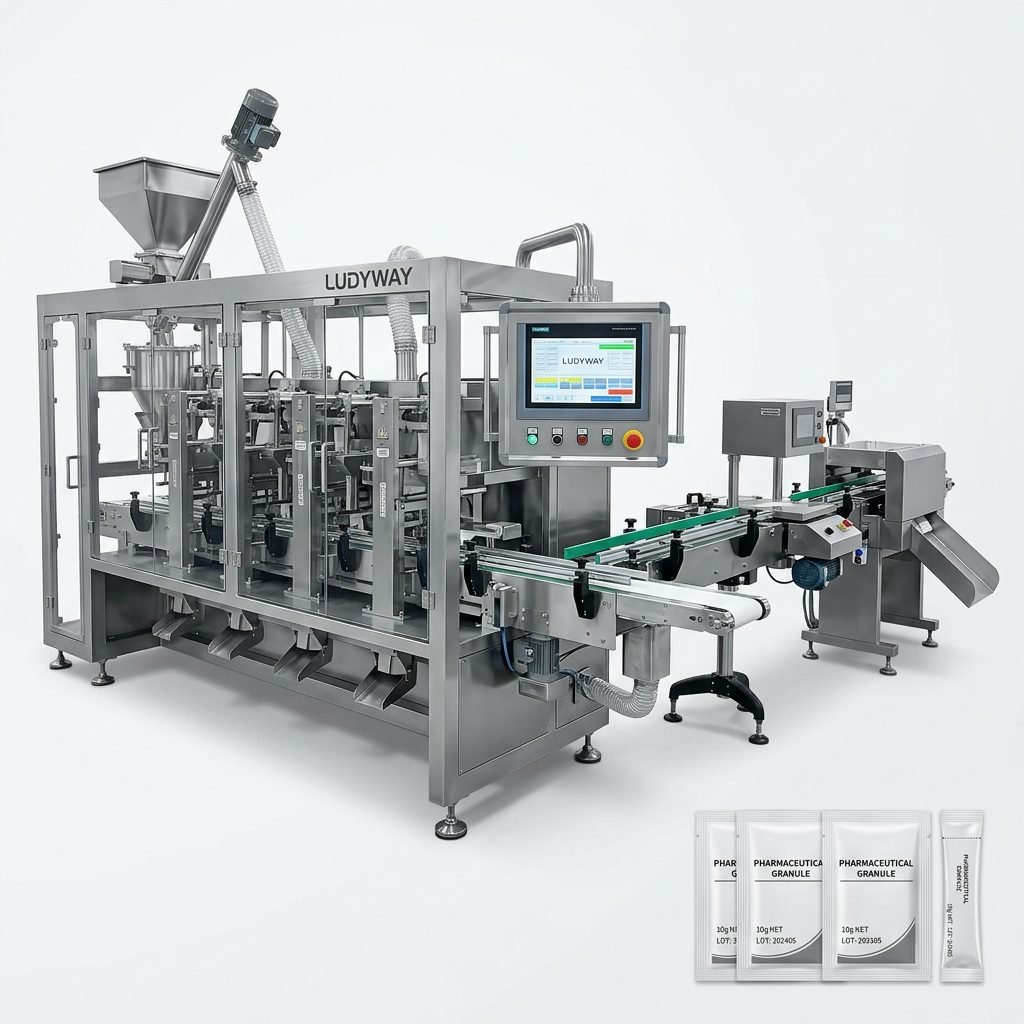
Proper lubrication is critical for the longevity of moving components in pouch packing machinery. Following these best practices helps prevent premature wear and mechanical failures:
- Always use food-grade lubricants for machines used in food and pharmaceutical packaging applications
- Follow the manufacturer’s lubrication chart specifying the correct lubricant type, quantity, and frequency for each point
- Avoid over-lubrication, which can attract dust and contaminate packaging materials
- Keep detailed lubrication records to track service intervals and identify components requiring more frequent attention
- Inspect lubricant condition during application; discolored or contaminated lubricant may indicate underlying mechanical issues
The FDA food packaging guidelines provide specific requirements for lubricants used in food-contact packaging operations, which should be strictly followed for regulatory compliance.
Cleaning and Sanitization Protocols
Effective cleaning is an integral part of pouch packing machine maintenance, particularly for food and pharmaceutical applications where hygiene standards are stringent. A comprehensive cleaning protocol should address:
- Product contact surfaces: Clean all surfaces that come into contact with the product after each production run or product changeover
- Film path areas: Remove dust and debris from the film unwinding and forming areas to prevent contamination
- Electrical enclosures: Keep control panels sealed and clean; use compressed air to remove dust from vents and cooling fans
- Conveyor systems: Clean belts and guides regularly to prevent product buildup and ensure smooth transport
- Validated cleaning procedures: For pharmaceutical applications, maintain documented cleaning validation protocols as required by GMP standards
Operator Training and Maintenance Documentation
Well-trained operators are the first line of defense against equipment failures. Investing in comprehensive operator training ensures that daily inspections are performed correctly and that early warning signs are recognized promptly. Essential training elements include:
- Machine-specific operational training covering startup, shutdown, and changeover procedures
- Hands-on instruction for performing daily and weekly maintenance tasks
- Training on identifying abnormal sounds, vibrations, or visual indicators of potential problems
- Proper documentation practices for maintenance logs, inspection records, and repair histories
- Safety protocol training including lockout/tagout procedures and emergency response
Maintaining detailed maintenance records enables trend analysis that can predict component failure patterns and optimize preventive maintenance intervals.
When to Call Professional Service Support
While routine maintenance can be handled by trained in-house staff, certain situations warrant professional service intervention to prevent further damage and ensure proper repairs. Contact qualified service technicians when:
- Major component replacement is required, such as gearboxes, motors, or PLC systems
- Persistent quality issues cannot be resolved through standard troubleshooting
- Electrical faults involve control systems, servo drives, or complex wiring
- Machine crashes or mechanical collisions have occurred that may affect frame alignment
- Software updates or programming changes are needed for the HMI or PLC
- Annual comprehensive service is due for performance verification and optimization
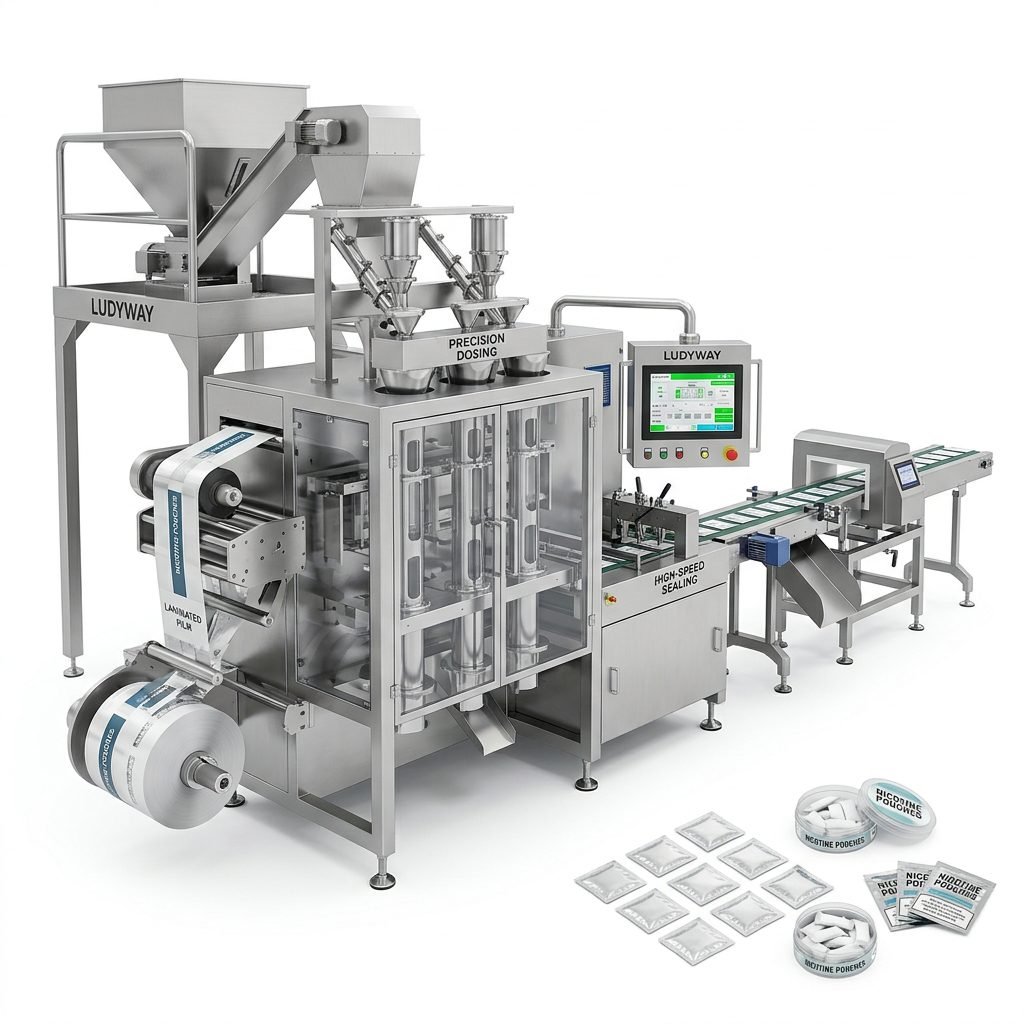
Professional service providers like Ludyway offer specialized expertise in packaging machinery maintenance, with experienced technicians who understand the intricate mechanical and electrical systems of modern pouch packing equipment. For complex maintenance needs or major repairs, consulting with the original equipment manufacturer or an authorized service provider is strongly recommended to maintain equipment warranties and ensure proper repairs. For additional regulatory guidance, the ISO packaging standards provide internationally recognized benchmarks for packaging equipment performance and safety.
Spare Parts Management for Pouch Packing Machines
An effective spare parts inventory strategy can dramatically reduce downtime when unexpected failures occur. Critical spare parts that should be kept in stock include:
| Component Category | Recommended Spare Parts | Stock Quantity |
|---|---|---|
| Sealing System | Sealing jaws, heater cartridges, thermocouples, Teflon tape | 2-3 sets |
| Drive System | Timing belts, drive belts, bearings, pull belts | 1-2 sets |
| Pneumatic System | Cylinder seals, solenoid valves, air filters, O-rings | Assorted kit |
| Sensors & Electronics | Photocells, proximity sensors, fuses, relays | 2-3 each |
| Filling System | Auger screws, dosing cups, pump seals, nozzle tips | 1-2 sets |
Key Takeaways for Effective Pouch Packing Machine Maintenance
Maintaining pouch packing machines requires a systematic and proactive approach that combines daily operator inspections with regular preventive maintenance. The most successful maintenance programs share these characteristics:
- Consistency: Maintenance tasks are performed on schedule, not only when problems arise
- Documentation: All maintenance activities, repairs, and parts replacements are recorded for trend analysis
- Training: Operators and maintenance technicians receive ongoing training on equipment-specific procedures
- Parts availability: Critical spare parts are maintained in inventory to minimize downtime
- Professional support: Complex issues are escalated to qualified service providers when necessary
By implementing the maintenance practices outlined in this guide, packaging operations can achieve higher equipment availability, improved product quality, and extended machine service life. For additional industry resources, the Flexible Packaging Association offers valuable technical information and industry standards relevant to pouch packaging operations.