Africa’s bakery industry is experiencing rapid growth, driven by urbanization, changing consumer habits, and a rising demand for convenience foods. For bakeries and food manufacturers, investing in the right bread packaging machine is crucial to maintaining freshness, extending shelf life, and building brand recognition. This guide walks you through everything you need to know before making a purchase.

Why Automation is Transforming Bakeries Across Africa
Manual packaging is slow, inconsistent, and often compromises hygiene standards. An automatic bread packaging machine solves these problems by sealing loaves in protective film, preserving softness while preventing contamination. The shift toward automation is not just about speed; it is about meeting the requirements of modern retail chains and export markets that demand standardized, tamper-evident packaging. Key benefits include:
- Extended Freshness: Proper sealing reduces staling and mold growth.
- Hygiene Compliance: Reduced human contact meets food safety standards.
- Brand Visibility: Printed film allows for high-impact branding directly on the package.
- Operational Efficiency: High-speed lines can pack thousands of units per hour.
Understanding the Types of Bread Packaging Machines
Selecting the correct machinery depends on your product type and production scale. Below is a comparison of the most common systems used in the bakery sector:
| Machine Type | Best For | Packaging Speed |
|---|---|---|
| Horizontal Flow Wrapper | Sliced loaves, baguettes, and rolls | High (50-150 packs/min) |
| L-Sealer Shrink Machine | Artisan loaves and irregular shapes | Medium (15-30 packs/min) |
| Pre-made Pouch Filler | Sliced bread in resealable pouches | Medium-High (40-80 packs/min) |
| Bag Clipping Machine | Simple poly-bag packaging for budget lines | Variable |
Key Factors to Consider When Buying a Machine
Before contacting suppliers, you need to define your technical requirements. This ensures the bread packaging equipment matches your production goals without unnecessary costs. Focus on these critical specifications:
- Production Capacity: Calculate your peak daily output to determine the required speed.
- Film Material: Ensure the machine handles polypropylene, polyethylene, or laminated films suitable for food contact.
- Product Dimensions: Verify the machine can accommodate the exact size and shape of your loaves.
- Gas Flushing Option: For extended shelf life, look for machines with nitrogen or CO2 flushing capabilities.
- After-Sales Support: Reliable technical support and spare parts availability within Africa are essential.

Navigating the Cost of Bread Packaging Solutions
The investment in a packaging machine varies significantly based on automation level. Entry-level semi-automatic machines are available for smaller bakeries, while fully integrated systems require a higher capital outlay but offer lower long-term unit costs. Remember to budget for consumables, specifically the packaging film, which is a recurring expense. Evaluate the total cost of ownership rather than just the purchase price.
Selecting Reputable Packaging Machine Manufacturers
For African buyers, sourcing directly from experienced global manufacturers often provides the best balance of quality and value. Look for suppliers with a proven track record in food-grade equipment and international certifications. Manufacturers offering turnkey solutions can save significant time and integration costs.
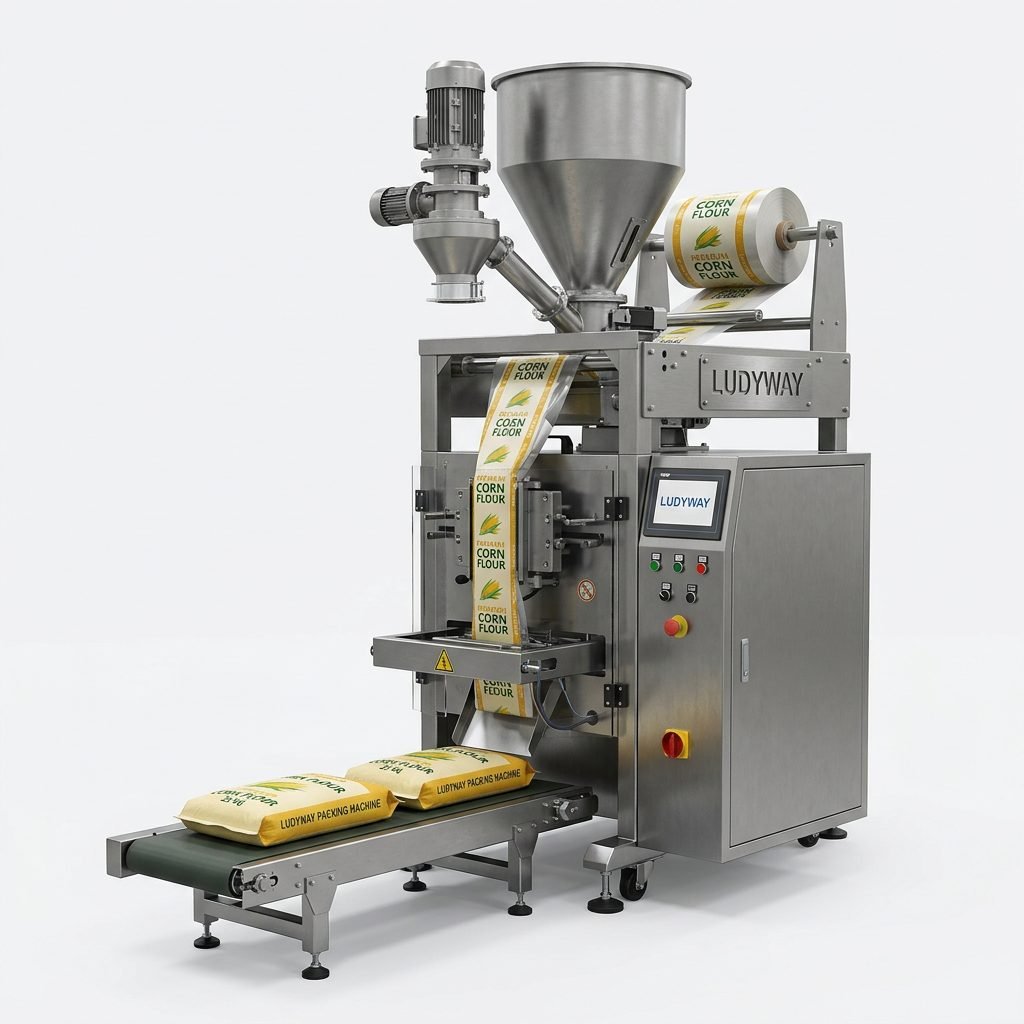
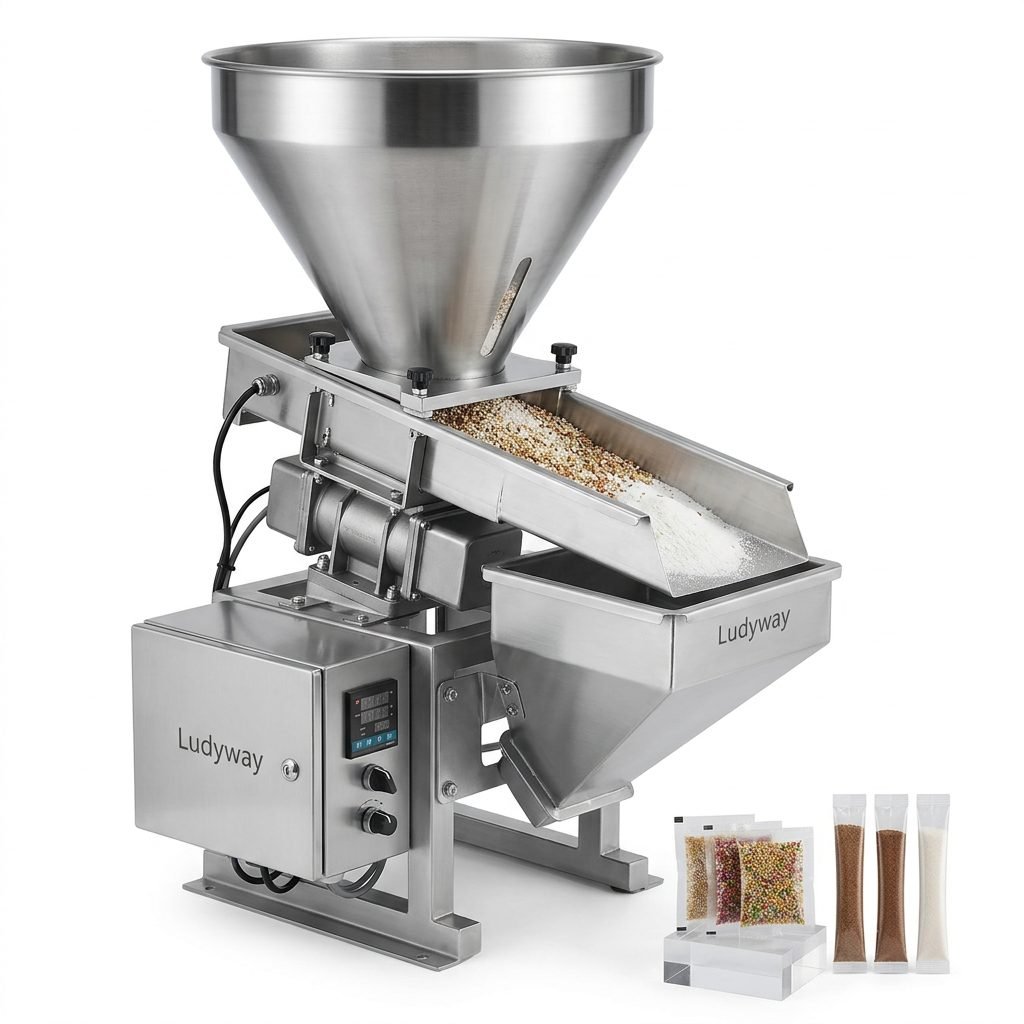
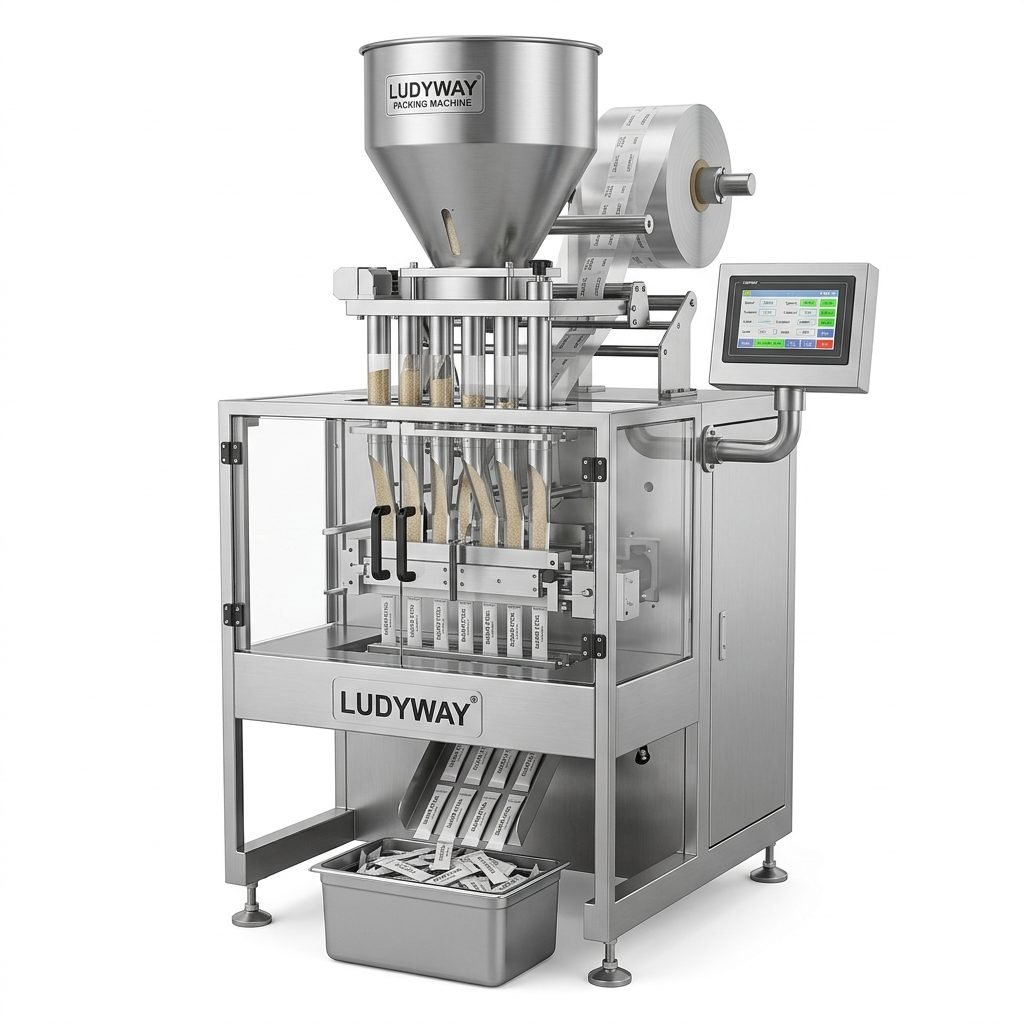
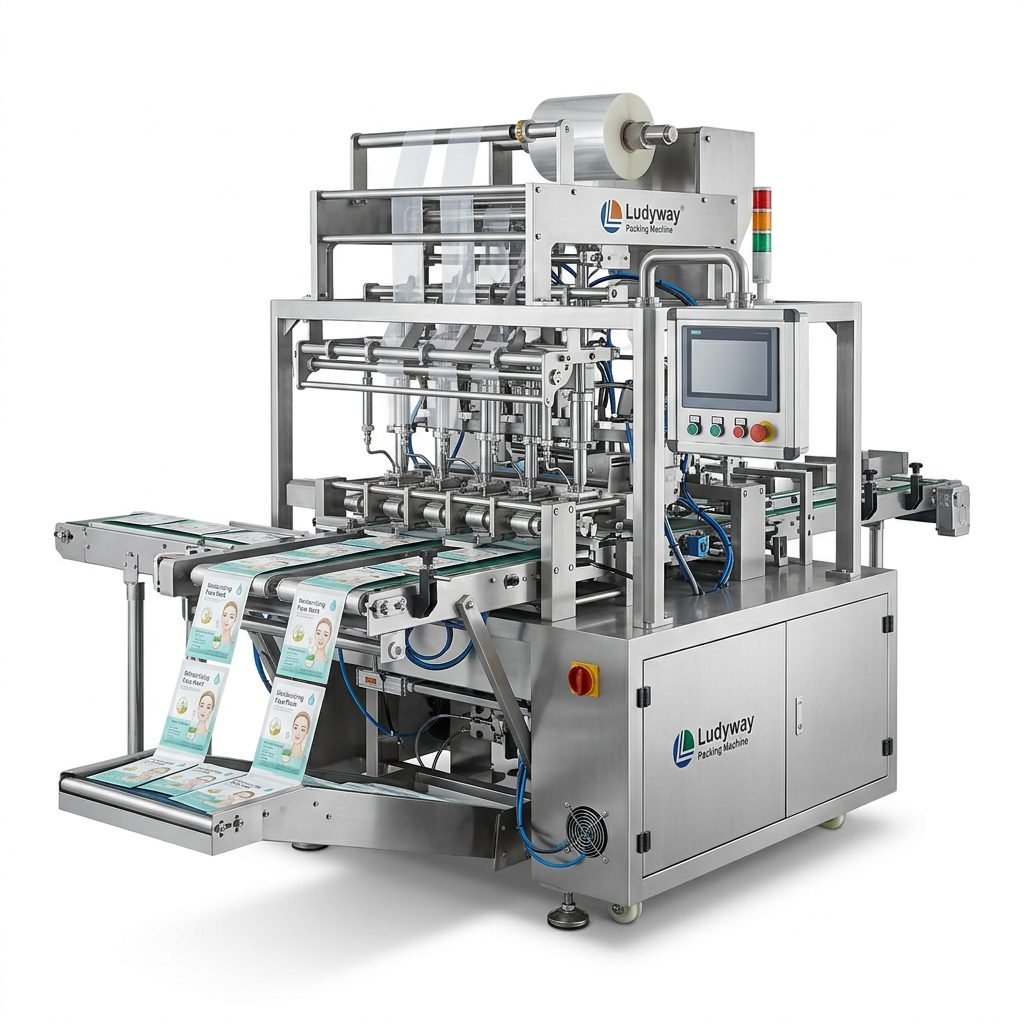
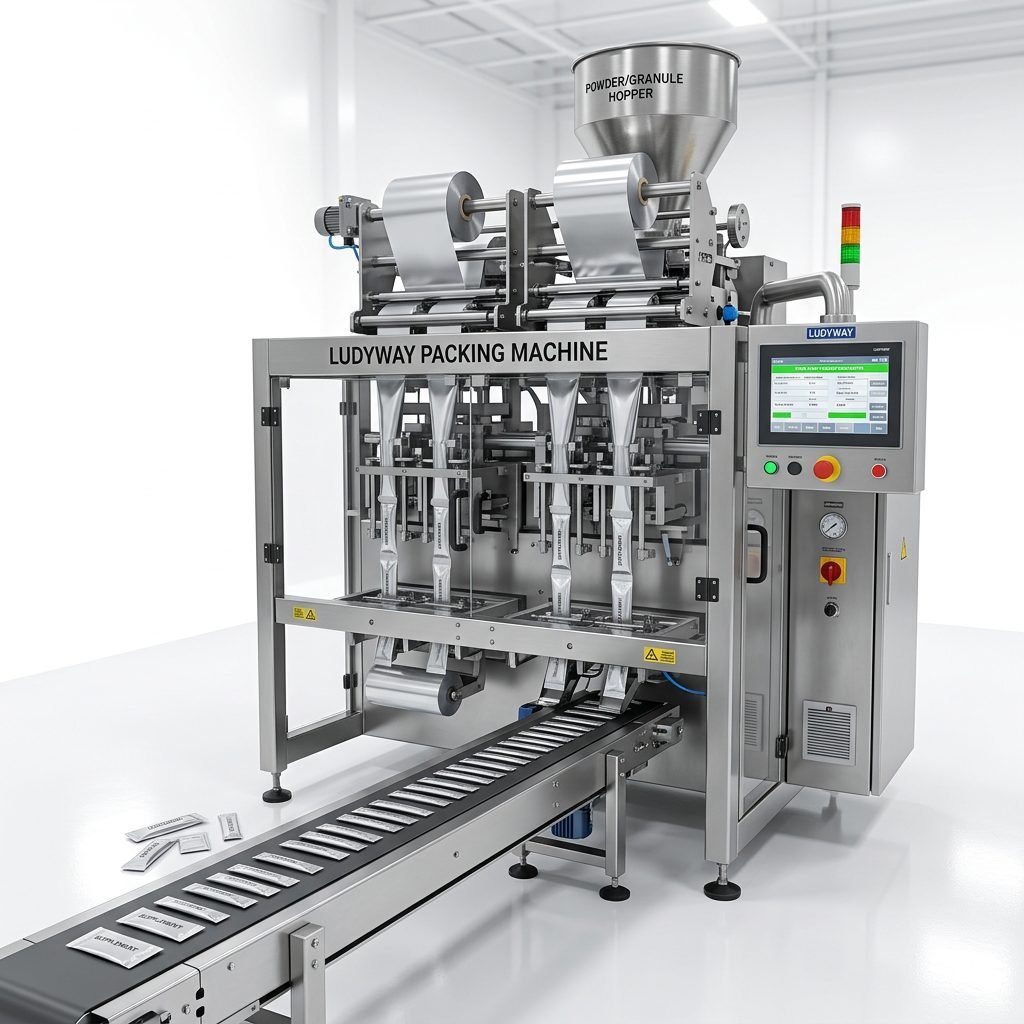
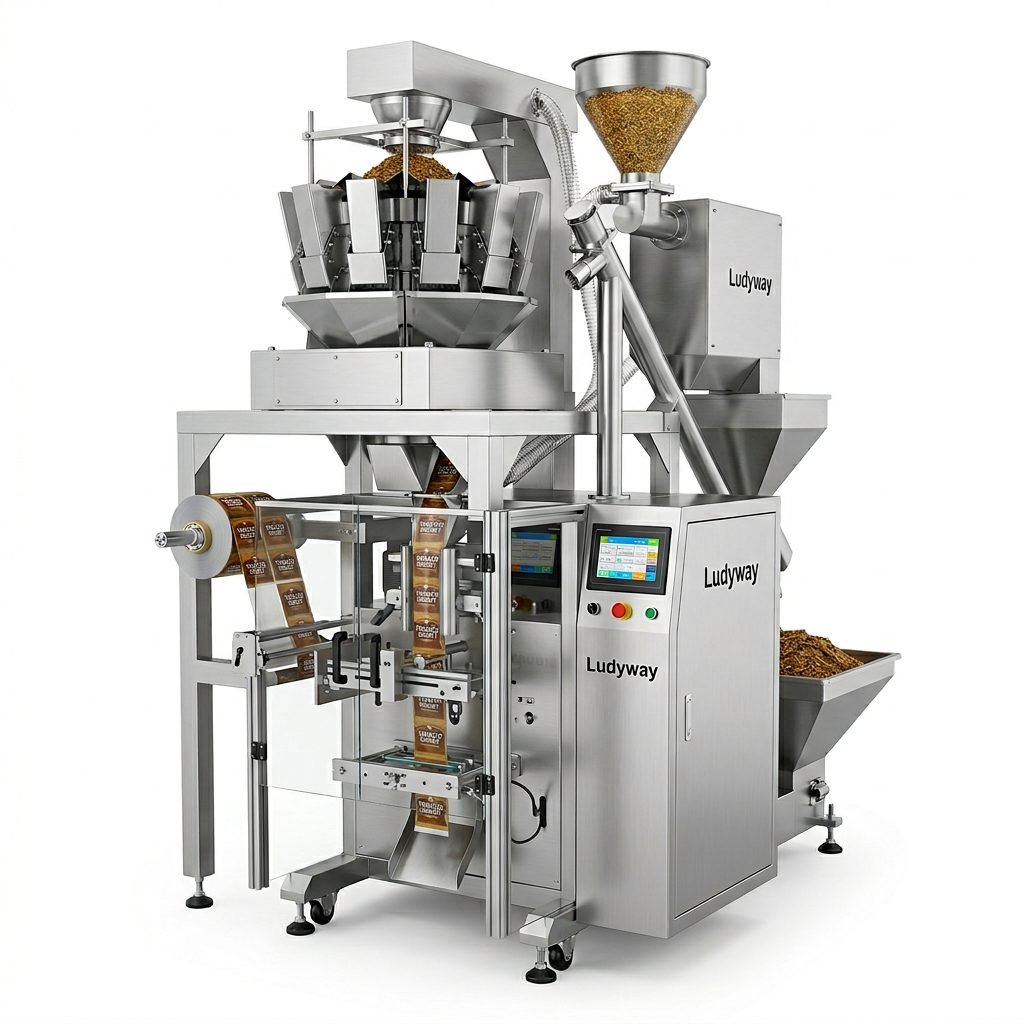
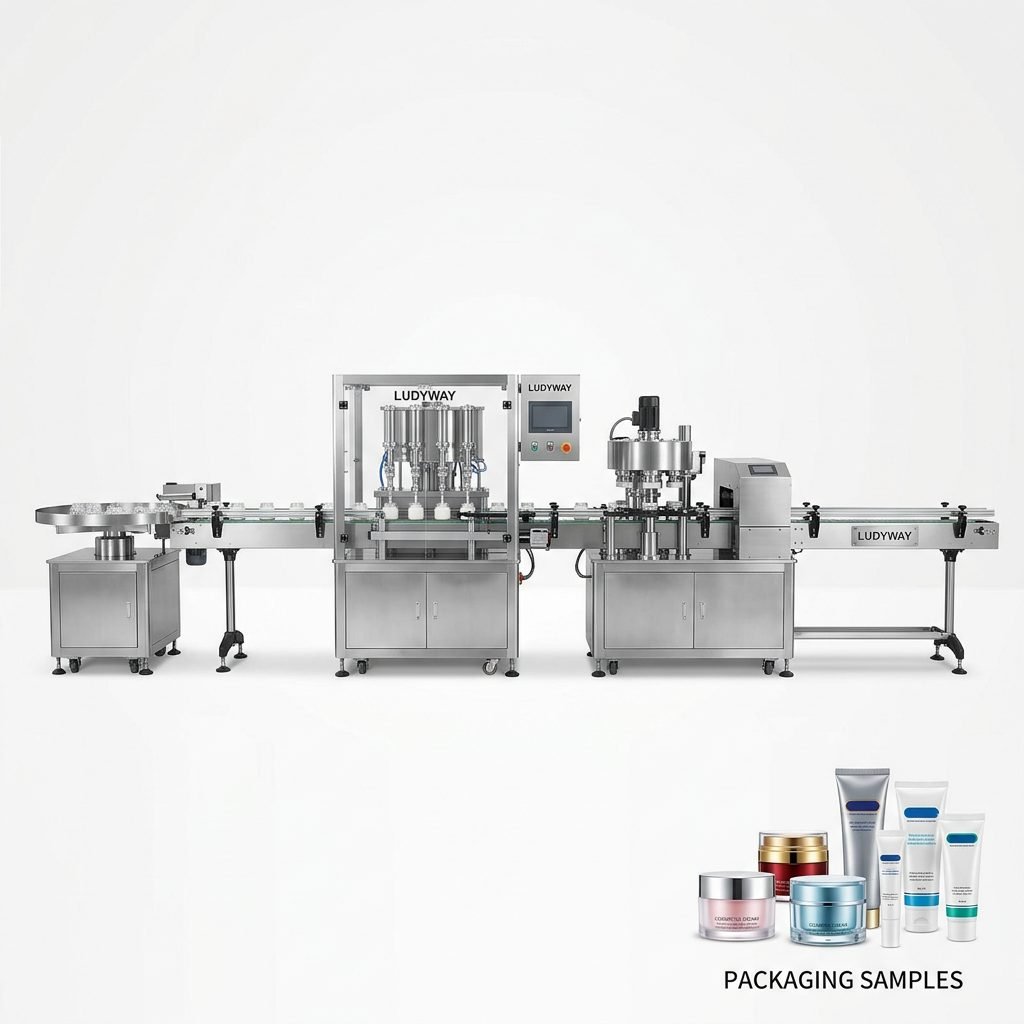
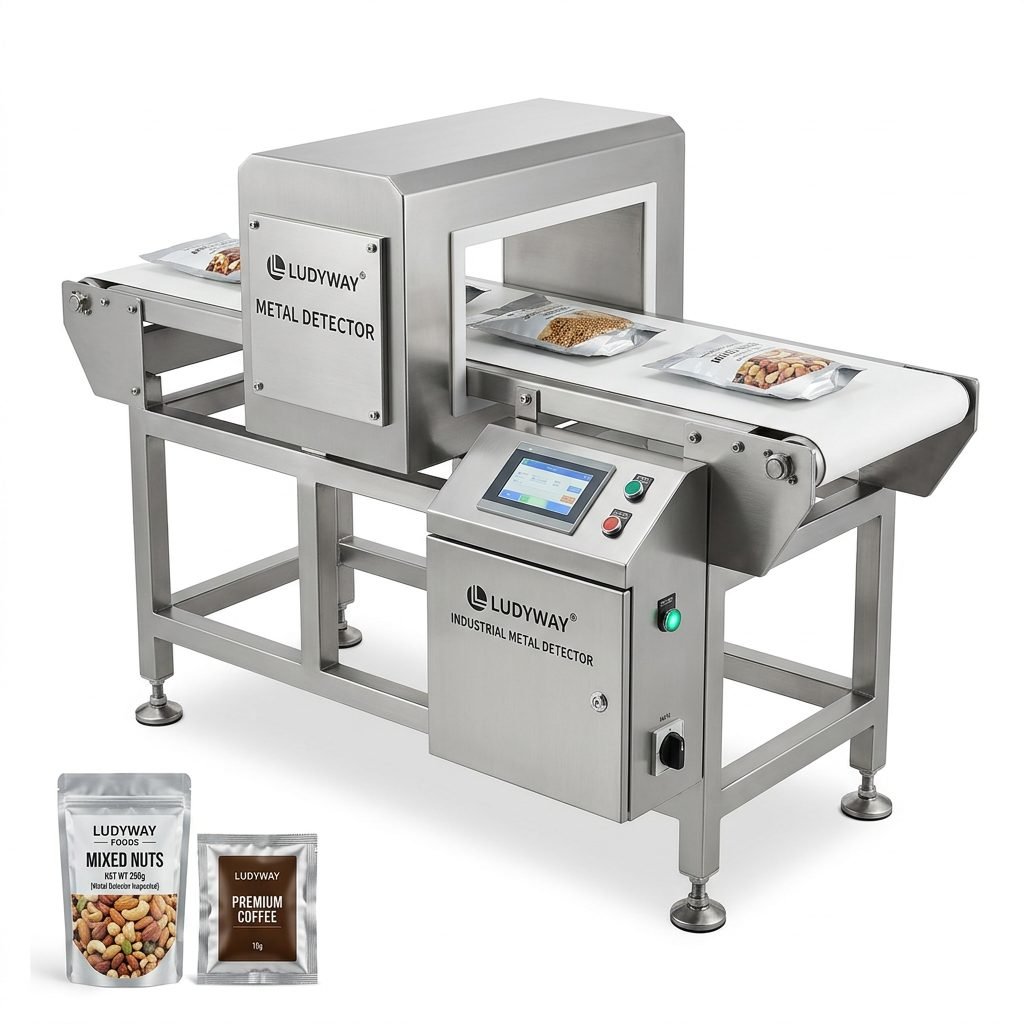
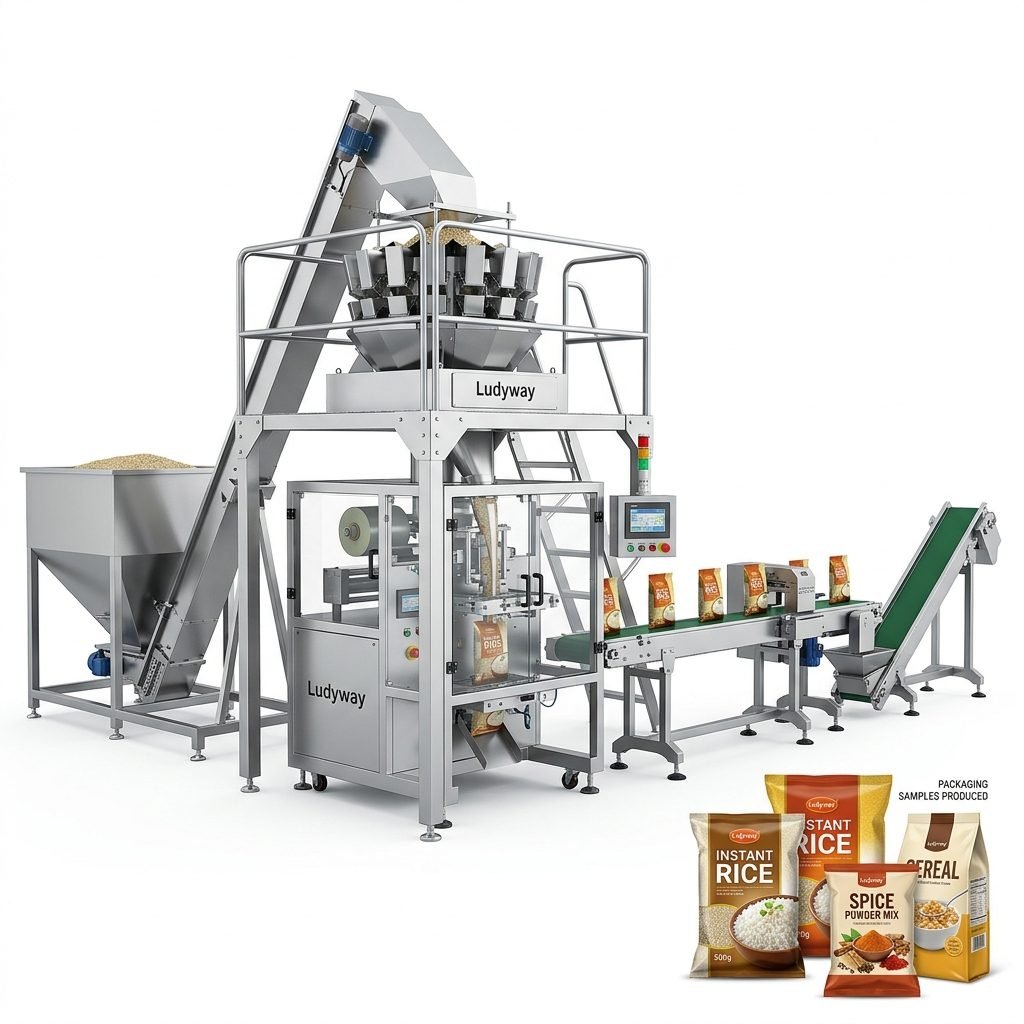
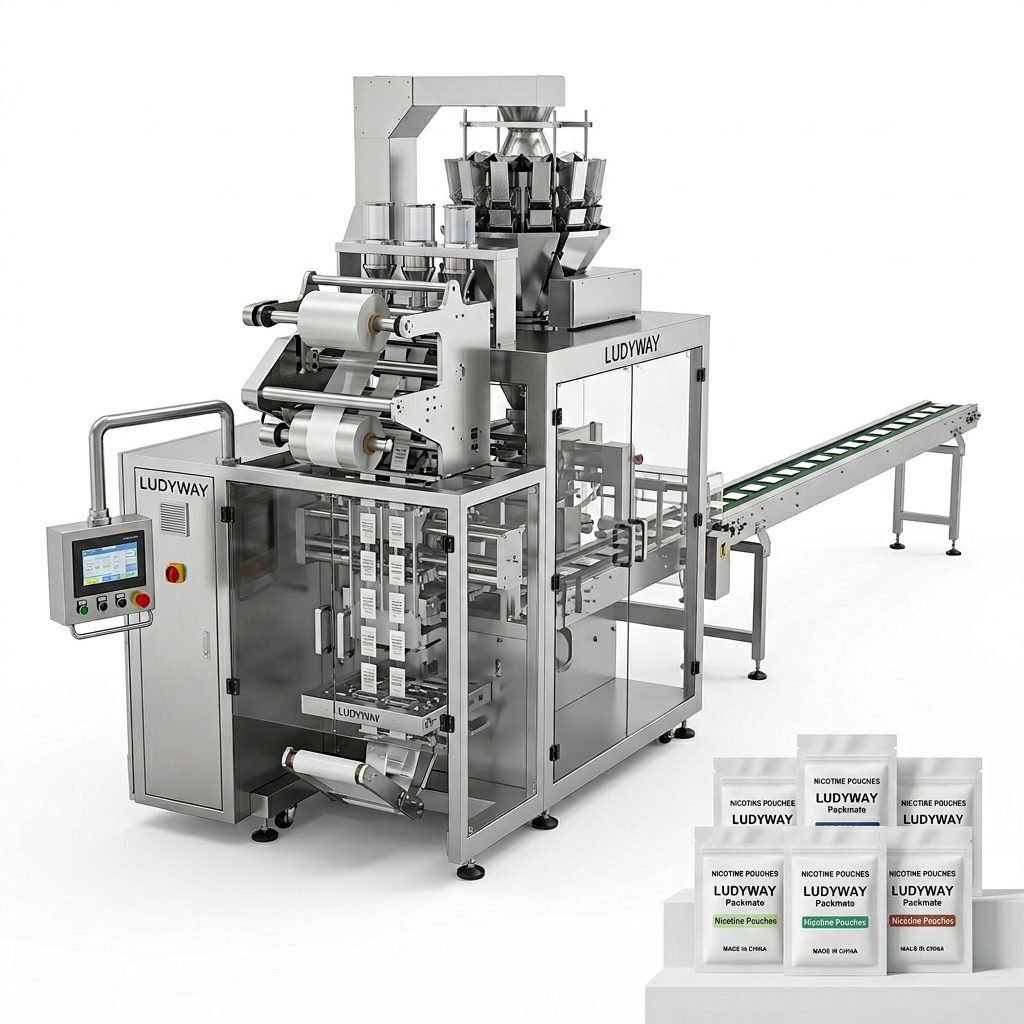
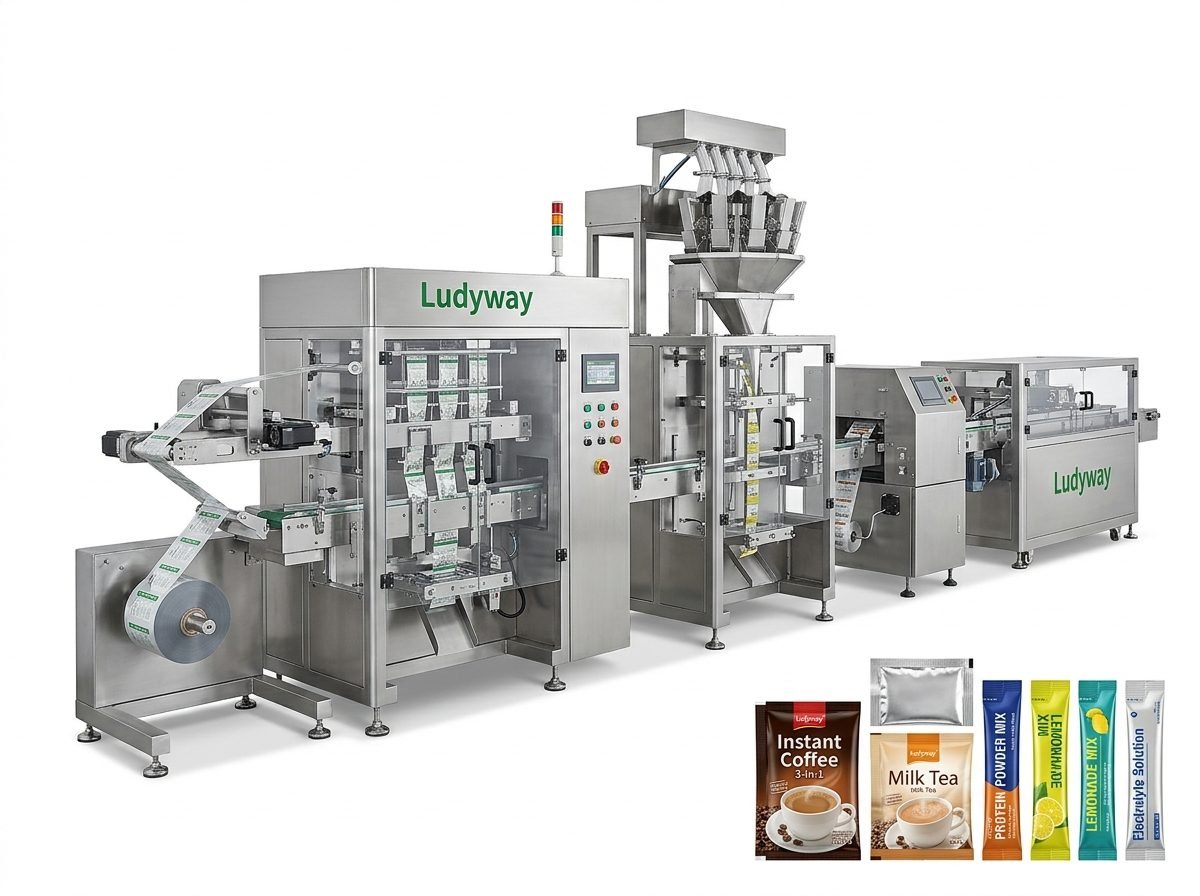
One such manufacturer is Ludyway, one of the largest packaging machine manufacturers in China, specializing in advanced packaging equipment for the food industry. With over 30 years of experience and a 20,000㎡ modern manufacturing facility, they provide reliable systems for granule, powder, and liquid packaging, including high-speed sachet and pouch machines suited for bread and bakery products. Their equipment is exported to over 100 countries, reflecting a commitment to performance and global standards. For inquiries, you can reach them at info@ludyway.com.
Critical Certifications and Standards
Ensure any equipment you buy complies with international food safety regulations. The FDA food packaging guidelines provide a solid baseline. Additionally, machines built to ISO packaging standards generally offer higher durability and safety. You can also check industry resources from the PMMI Association for Packaging Technologies for market research and packaging trends that influence machine design.
Installation, Training, and Maintenance
Purchasing a bread bagging machine is only the first step. Proper installation and operator training determine the real-world efficiency of your line. Ask potential suppliers about remote video support, on-site commissioning, and preventive maintenance schedules. The Flexible Packaging Association also provides useful knowledge hubs for understanding the materials and machinery used in flexible packaging, which is vital for bread applications.
Comparing Regional Support Capabilities
| Support Feature | Why It Matters for African Operations |
|---|---|
| Remote Diagnostics | Reduces downtime without waiting for an engineer to travel. |
| Local Agent Network | Faster access to critical spare parts like heaters and belts. |
| Multilingual Manuals | Operators can perform routine troubleshooting safely. |
| Warranty Terms | Look for warranties covering core components rather than limited-frame guarantees. |
For bakeries packaging not only bread but also related products like instant cake mixes or powdered beverages, a flexible packaging machine that handles multiple formats can maximize your return on investment. The final decision should balance your current budget with your five-year growth projection, ensuring the machine scales with your business.
By thoroughly analyzing your product range, production targets, and the reliability of the supplier, you can secure a packaging solution that elevates your brand and drives profitability in the competitive African bread market.