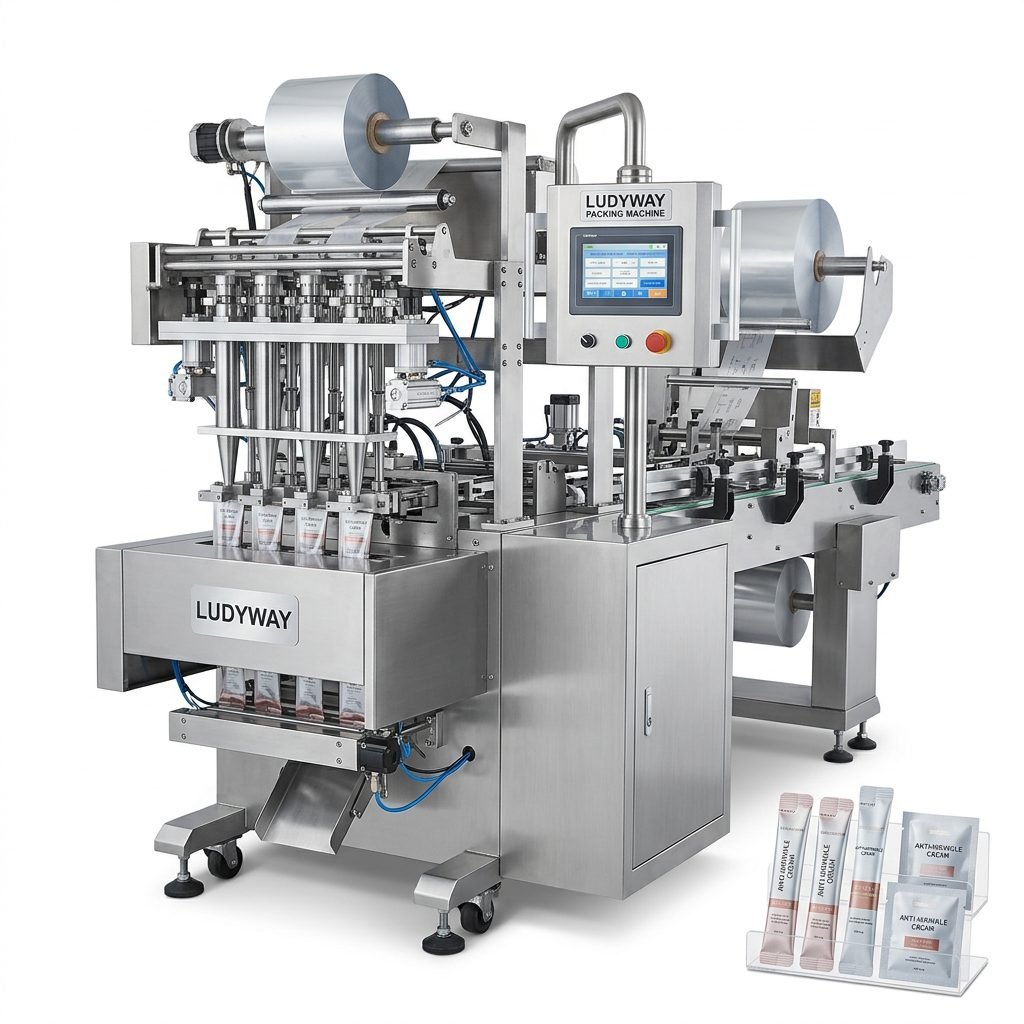
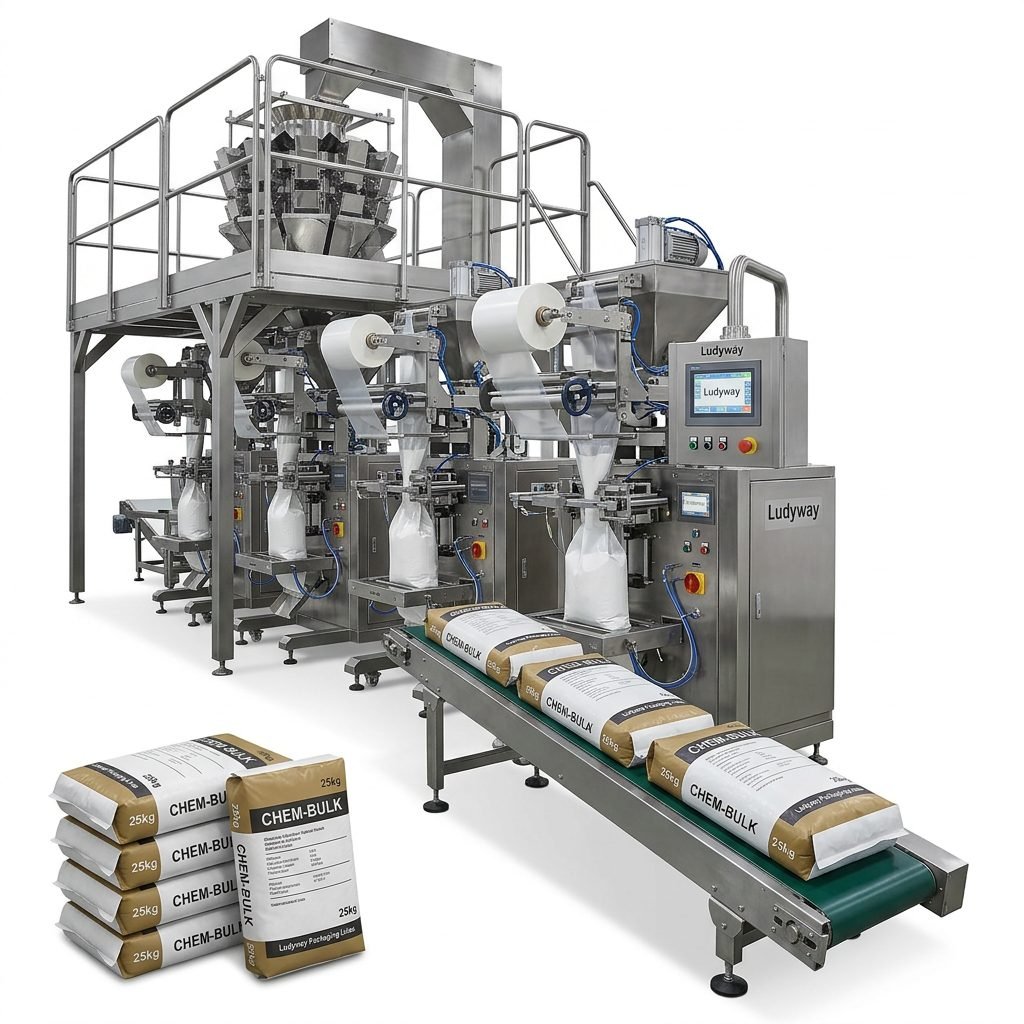
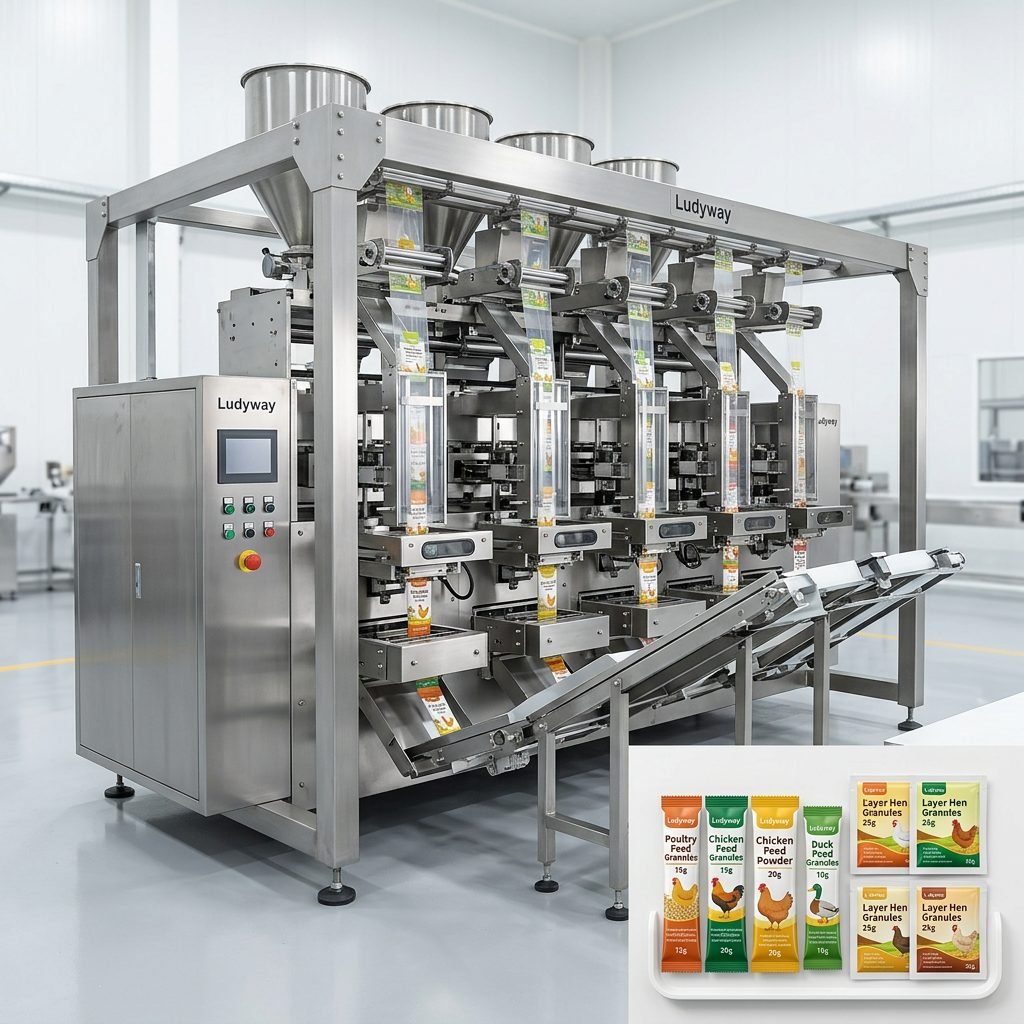
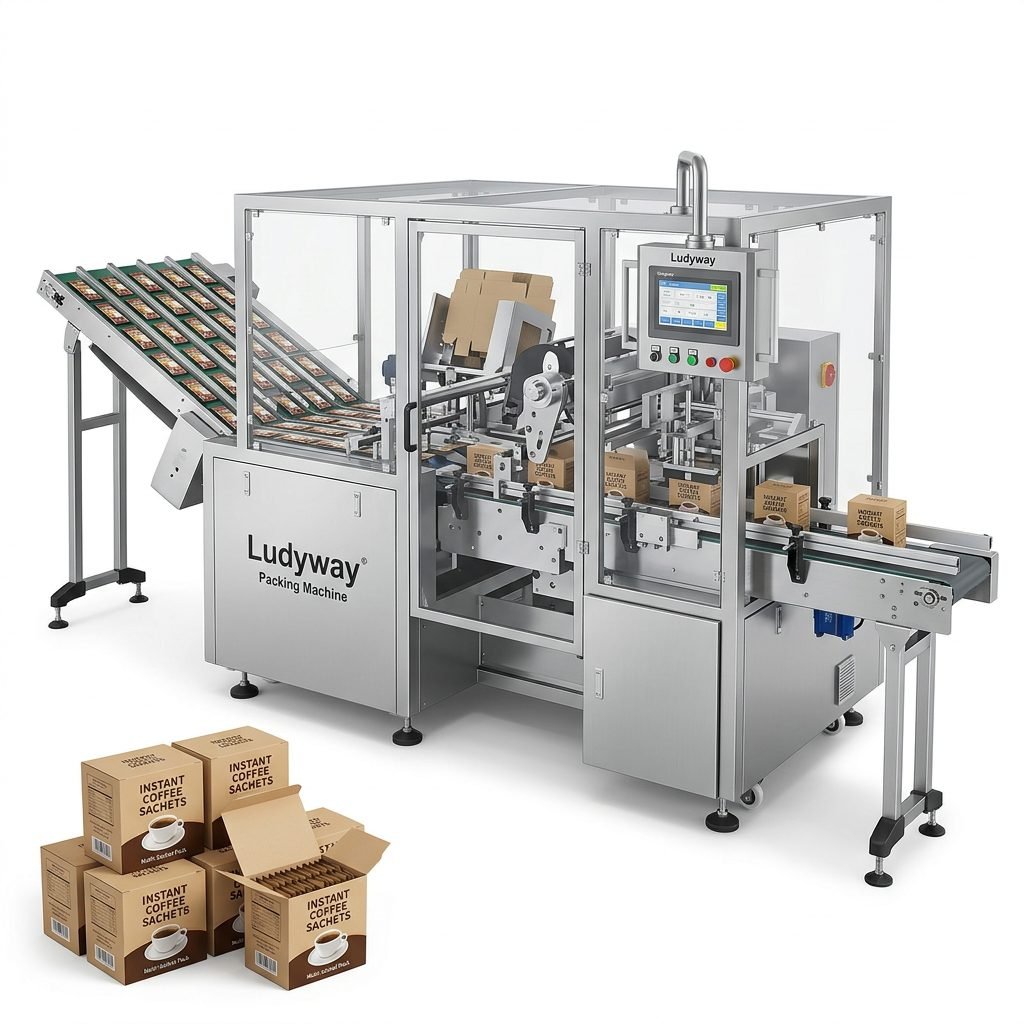
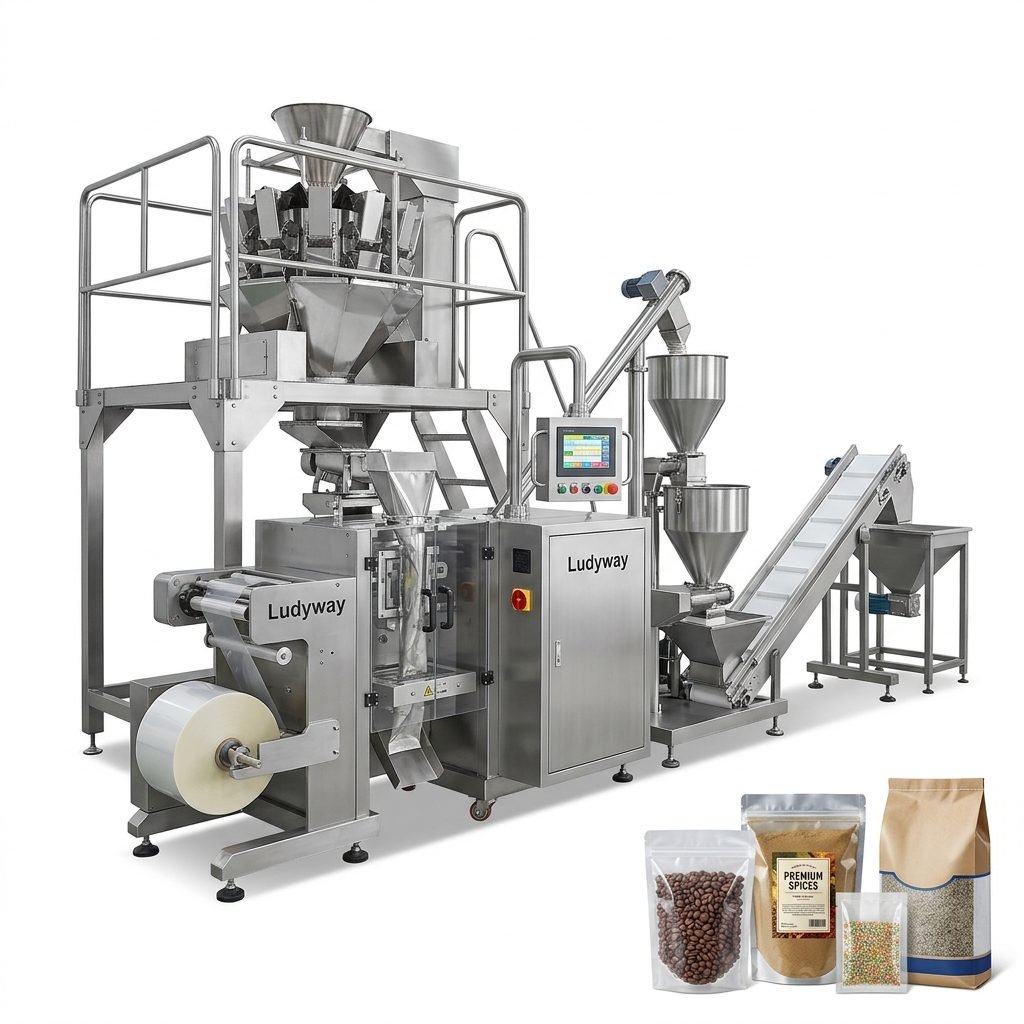
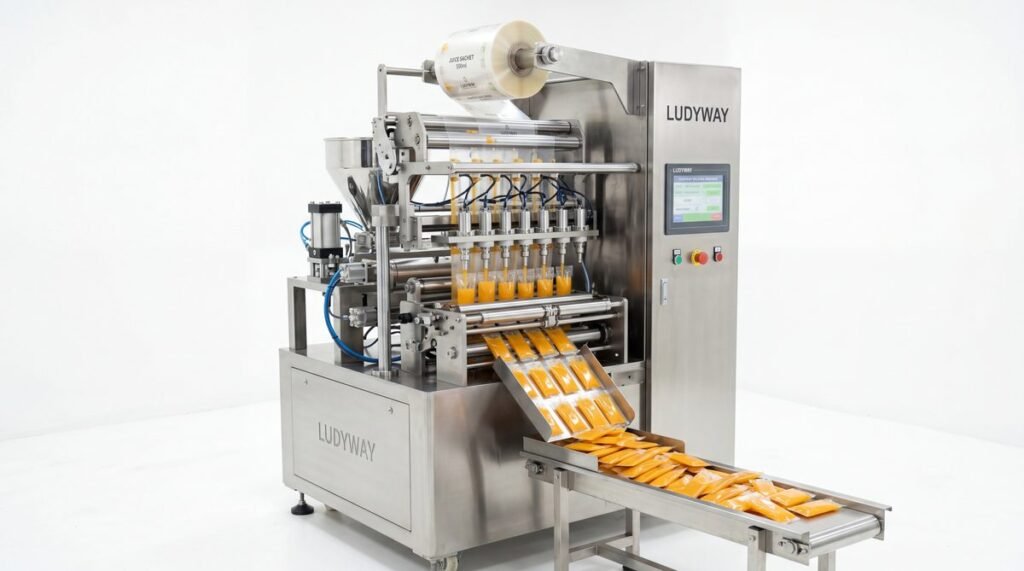
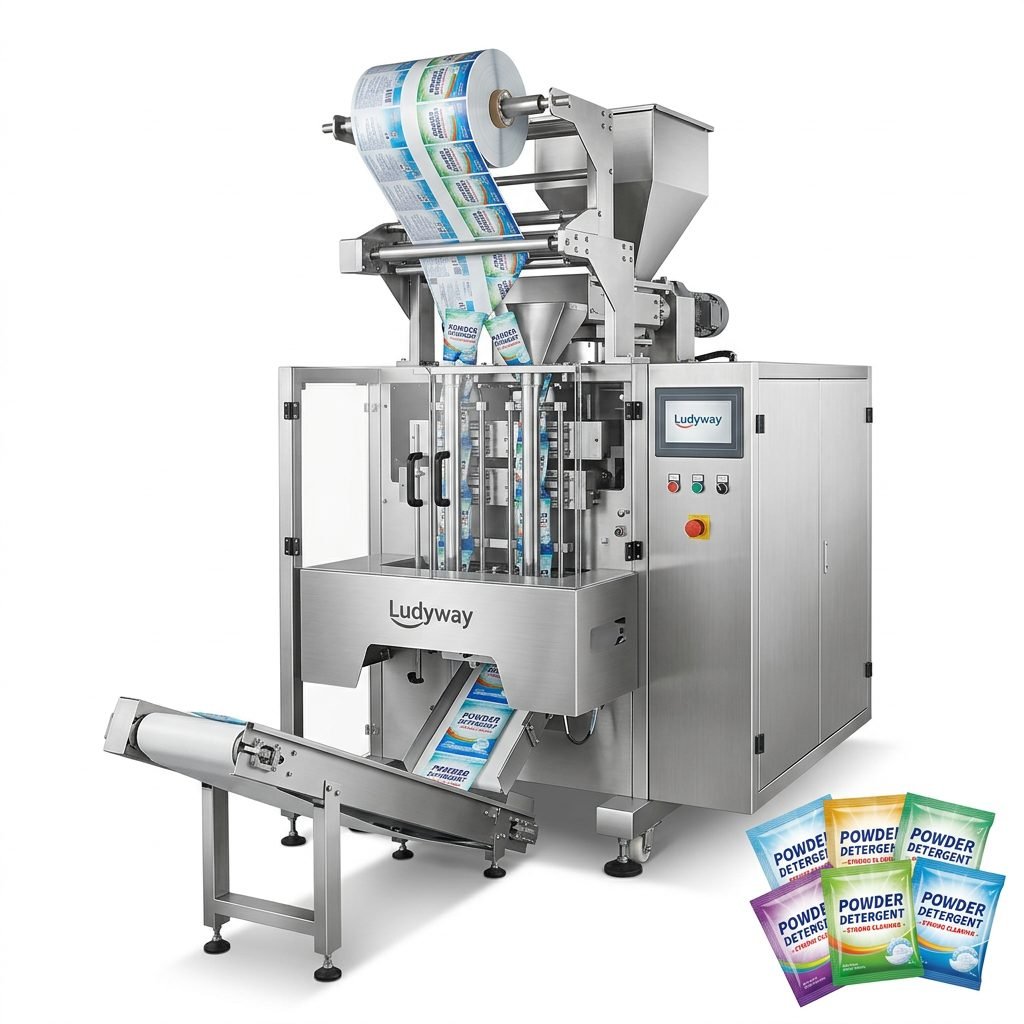
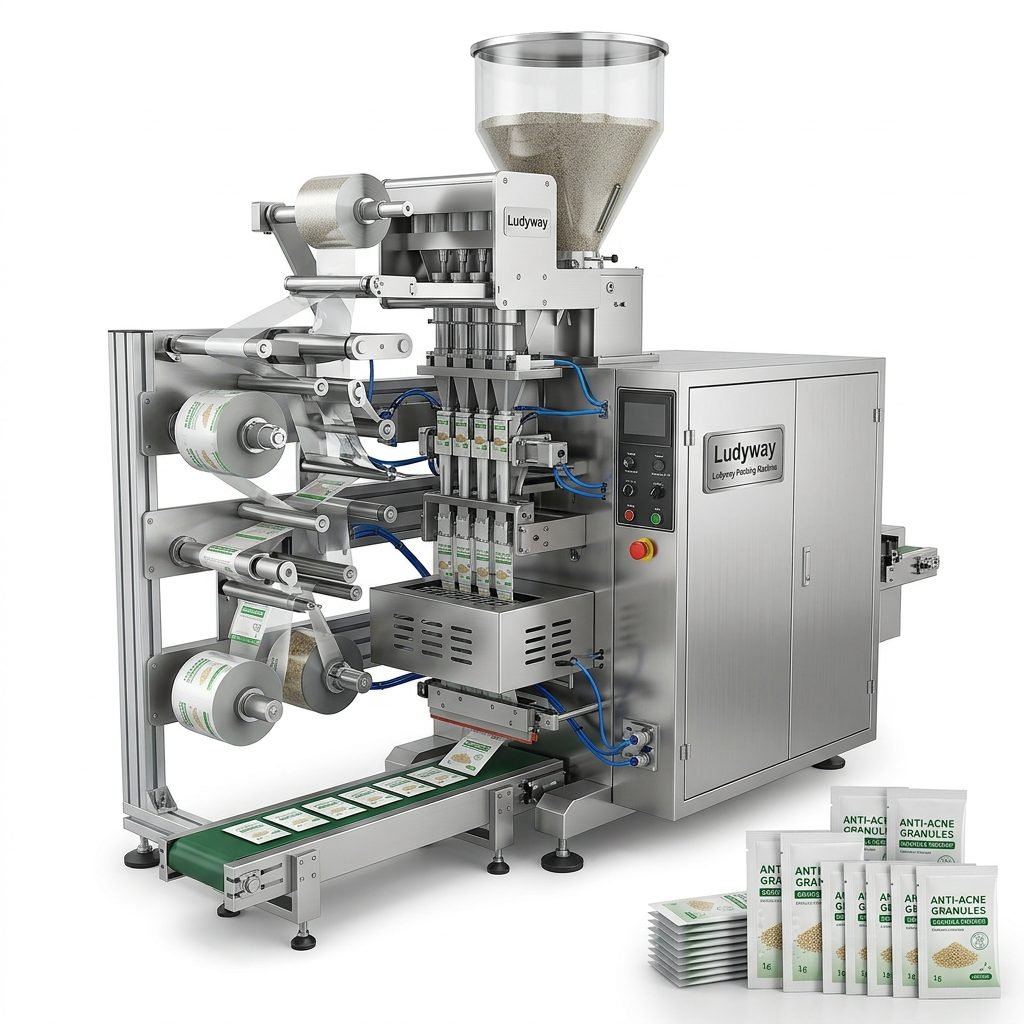
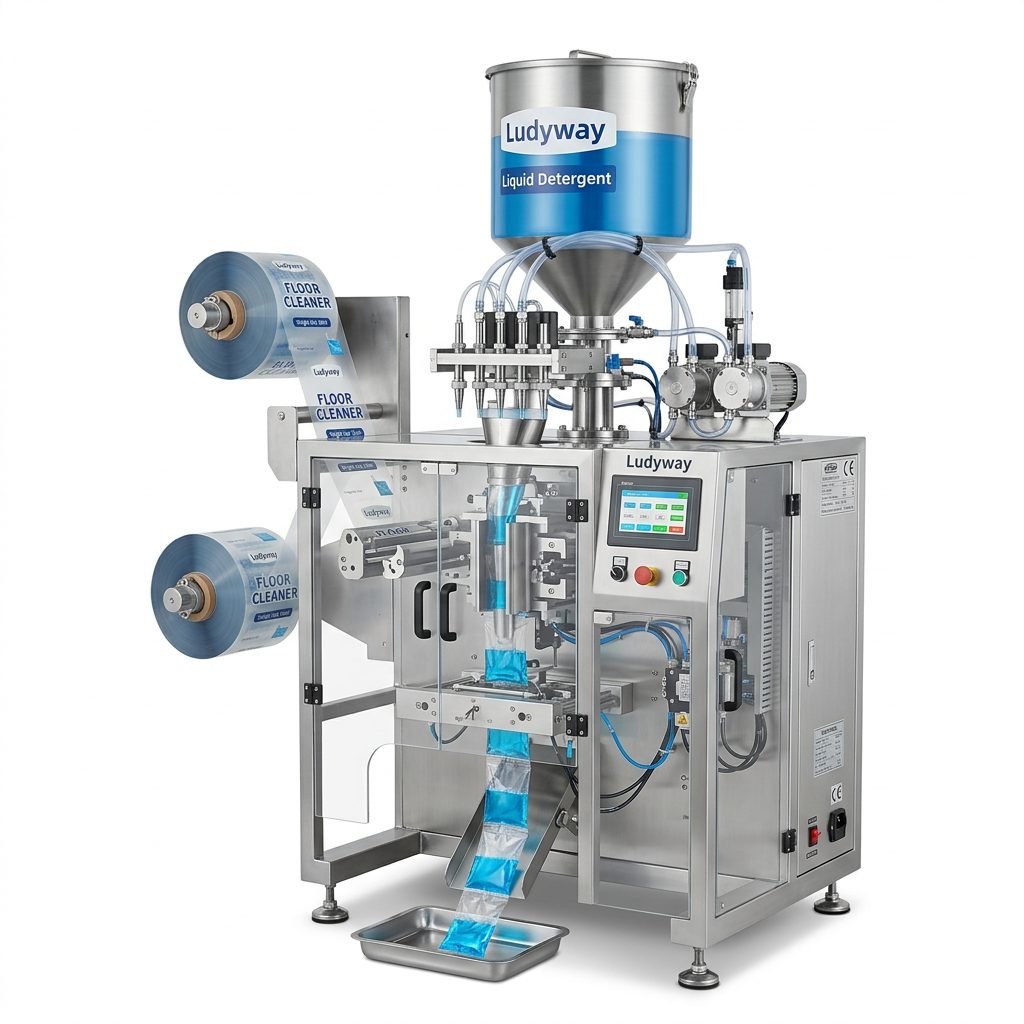
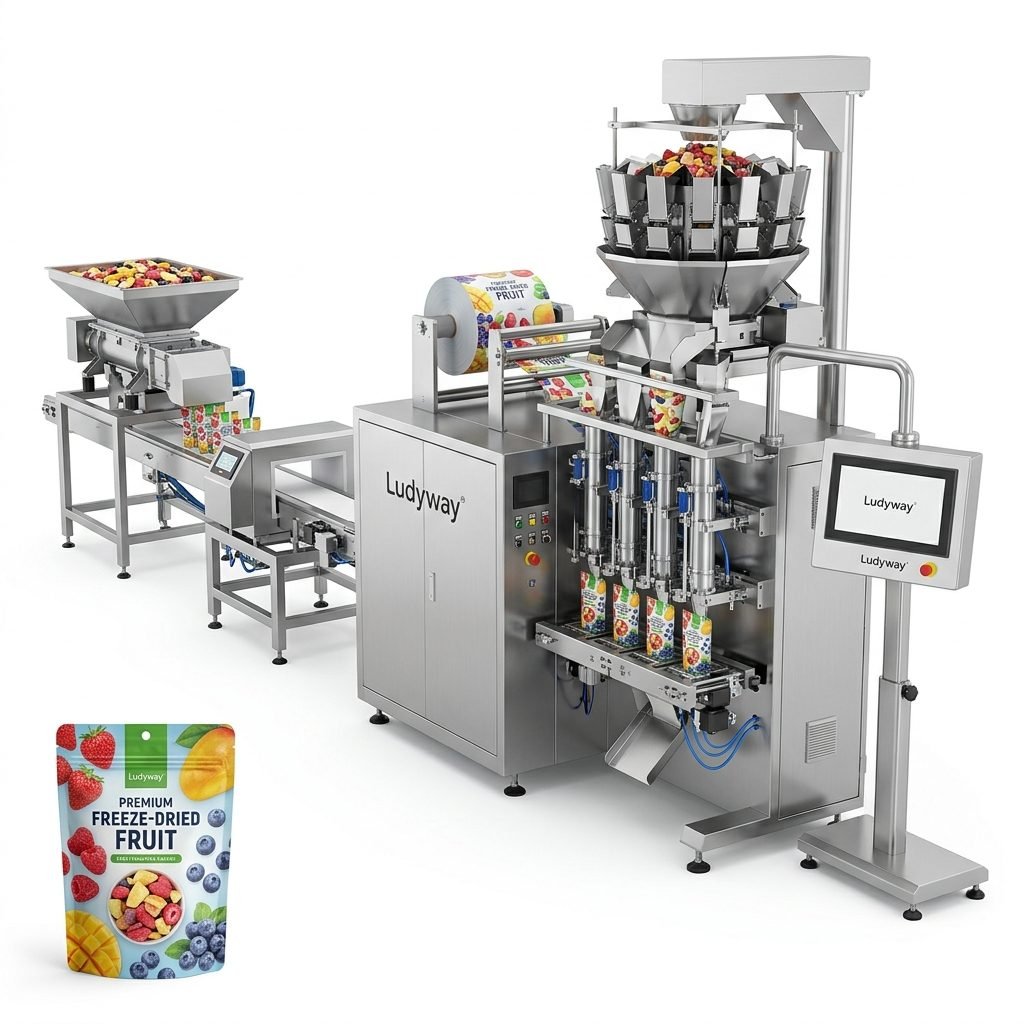
Maintaining an automatic idli and dosa batter packing machine is essential for ensuring consistent product quality, maximizing equipment lifespan, and preventing unexpected production downtime. Unlike manual cleaning routines, a systematic maintenance program addresses critical components such as pneumatic systems, filling nozzles, sealing jaws, and conveyor belts. A well-maintained machine delivers precise fill volumes, reliable seal integrity, and efficient operation throughout extended production runs.

Daily Cleaning and Sanitation Procedures
Batter-based products require stringent hygiene protocols. Fermented batters leave organic residues that can harden and harbor bacteria, affecting both food safety and machine performance.
- Disconnect the machine from the main power and air supply before any cleaning activity.
- Flush the product pathway with clean water immediately after each production batch to prevent batter from drying inside the filling nozzles and hoses.
- Remove and wash all detachable contact parts, including hoppers, piston cylinders, and rotary valves, using food-grade cleaning agents.
- Wipe down the machine exterior, focusing on areas around the sealing jaw assemblies where batter splatter commonly accumulates.
Weekly Preventative Maintenance Tasks
Weekly checks allow operators to identify wear patterns before they lead to component failure. Pay particular attention to moving parts that directly impact packaging accuracy and efficiency.
Sealing System Inspection
- Inspect the horizontal and vertical sealing jaws for wear, scratches, or baked-on residues. Damaged sealing surfaces cause leaking sachets and weak seals.
- Clean the thermocouple sensors and verify that the temperature controller readings match actual jaw temperatures using an external probe.
- Apply a thin layer of food-grade lubricant to the sealing jaw guide rods and bearings.
Pneumatic System Check
- Drain the water trap from the air filter regulator. Moisture in compressed air accelerates internal corrosion and causes erratic cylinder movement.
- Inspect all pneumatic hoses and fittings for air leaks using soapy water solution. Even minor leaks reduce filling consistency.
- Verify that the air pressure gauge maintains the manufacturer-recommended operating pressure, typically between 0.6 and 0.8 MPa.
Monthly Electrical and Sensor Calibration
Electrical reliability directly affects the synchronization between the film feeding mechanism, filling system, and sealing station. Consistent calibration ensures that your packaging machinery operates at peak performance.
- Tighten all terminal screws in the control panel, as vibration during operation loosens connections over time.
- Clean the photoelectric sensor lenses used for registration mark detection. Dust accumulation causes film misalignment and wasted packaging material.
- Calibrate the temperature controllers and verify that the PID settings match the film specifications you are currently using.
- Test the emergency stop circuits and safety interlocks to confirm they function correctly.
Quarterly Mechanical Component Overhaul
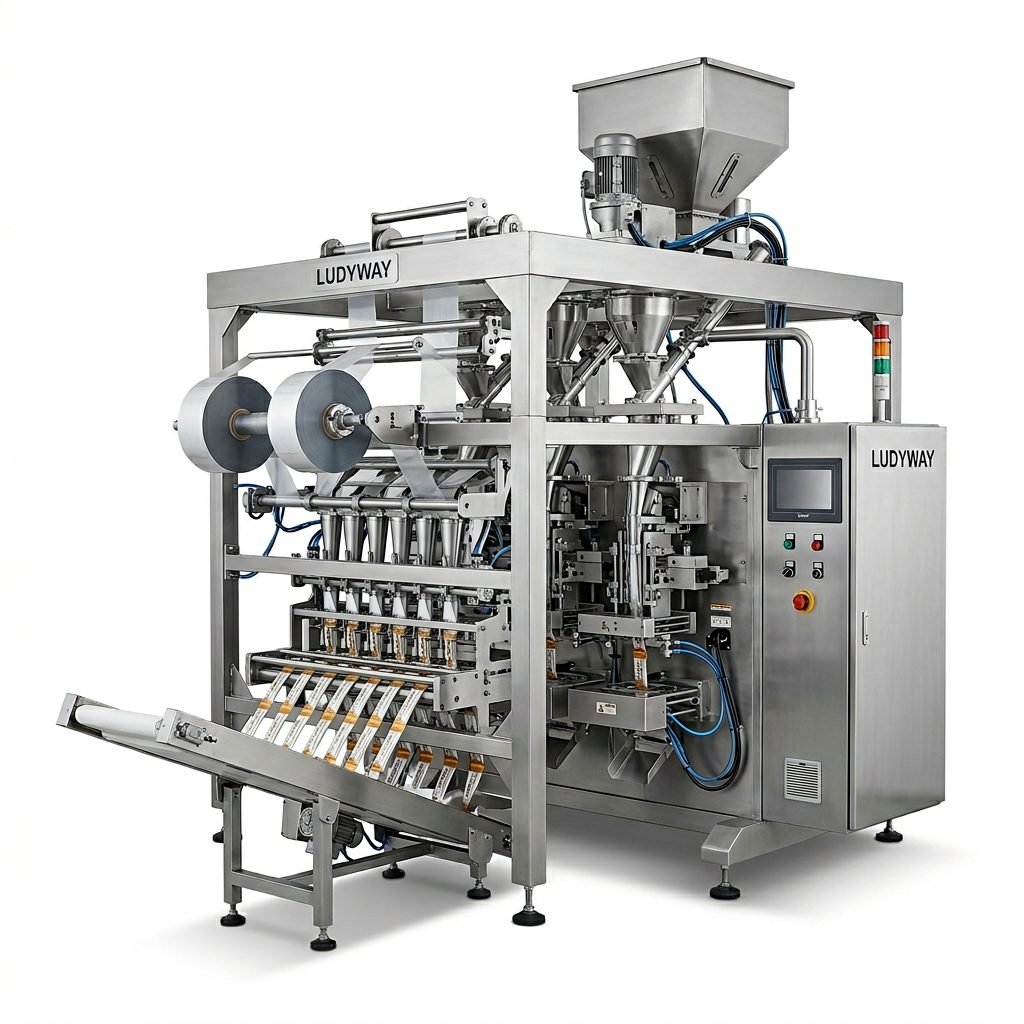
Batter packing machines operate under demanding conditions. The combination of moisture, acidity from fermented batter, and mechanical stress requires comprehensive quarterly inspections. According to industry standards referenced by the Association for Packaging and Processing Technologies (PMMI), regular equipment audits significantly reduce unplanned downtime.
Drive System Maintenance
| Component | Check Frequency | Action Required |
|---|---|---|
| Main drive chains and sprockets | Quarterly | Inspect for elongation, lubricate, adjust tension |
| Timing belts | Quarterly | Check for cracks, replace if worn, verify alignment |
| Gearboxes | Quarterly | Check oil level and condition, refill if necessary |
| Servo motor couplings | Quarterly | Inspect for backlash or misalignment |
Film Feeding and Tension Control
- Clean the film rollers and remove any adhesive residue that could cause the packaging film to track unevenly.
- Check the condition of the rubber rollers; replace them if the surface has hardened or shows signs of cracking.
- Verify the tension controller settings and ensure that the dancer arm moves freely without sticking.
Filling Accuracy and Weight Calibration
For batter products with variable viscosity, maintaining filling precision requires regular verification. Inaccurate fills lead to customer complaints and regulatory non-compliance, particularly in markets governed by food packaging regulations from authorities like the FDA Food Packaging and Food Contact Substances guidelines.
- Perform a weight check on 20 consecutive pouches and calculate the standard deviation. The variation should be within ±2% of the target weight.
- If deviation exceeds tolerance, inspect the piston or pump seals for wear. Deteriorating seals allow product bypass, causing under-fills.
- Clean the product level sensors in the hopper to prevent false readings that disrupt automatic feeding cycles.
Spare Parts Inventory Management
Maintaining a strategic inventory of critical spare parts minimizes downtime when components fail. The following table outlines the recommended minimum stock levels for a single automatic idli and dosa batter packing machine operating in a medium-volume production environment.
| Spare Part Category | Item Description | Recommended Stock |
|---|---|---|
| Sealing System | Sealing jaw assemblies, thermocouples, heating cartridges | 2 sets each |
| Filling System | Piston seals, O-rings, rotary valve gaskets | 5 sets each |
| Pneumatic Components | Cylinders, solenoid valves, air filters | 1 set each |
| Electrical Components | Photoelectric sensors, relays, fuses, contactors | 2 units each |
| Film Handling | Rubber rollers, bearings, tension springs | 3 units each |
Troubleshooting Common Issues
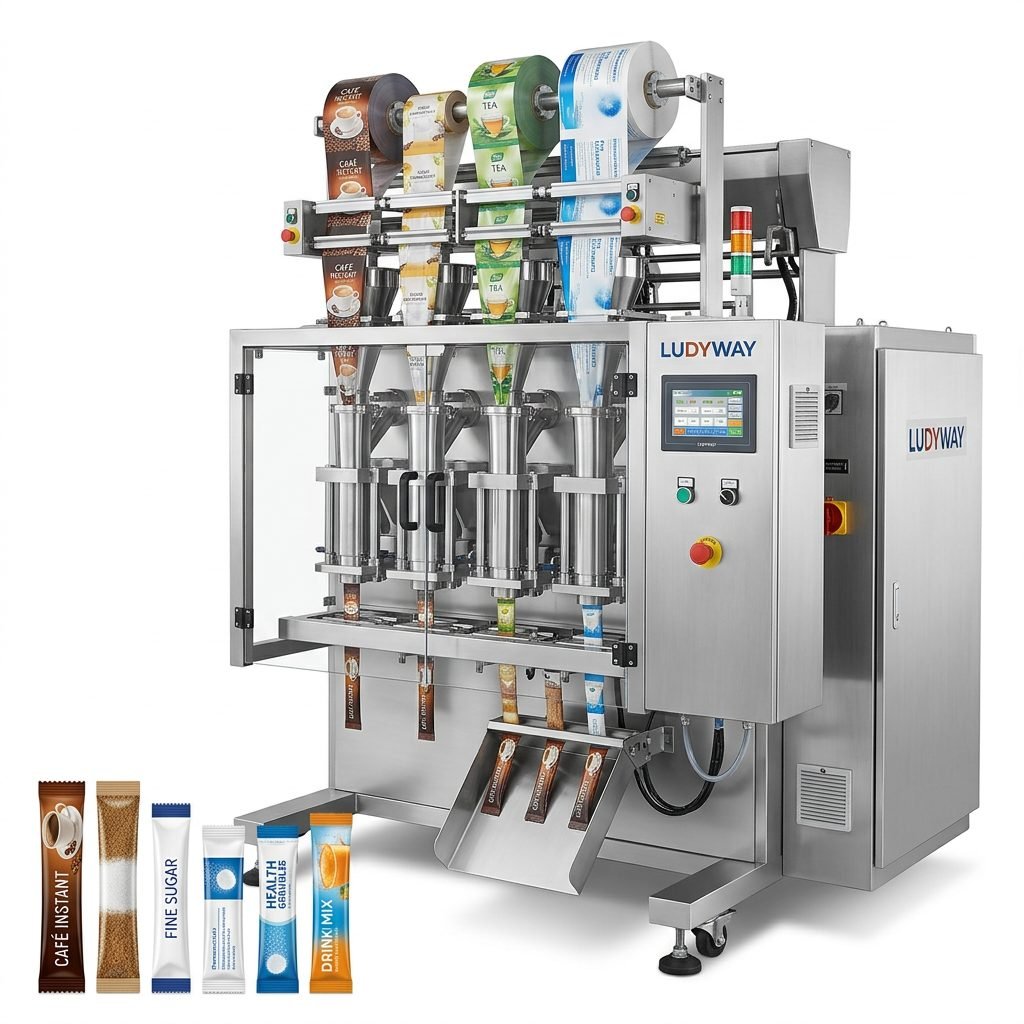
Identifying the root cause of packaging defects quickly reduces material waste and restores production efficiency. Below are frequent problems encountered with batter packing machines and their corrective actions.
Incomplete or Weak Seals
- Cause: Incorrect temperature setting or dirty sealing jaws.
- Solution: Verify the temperature is appropriate for the film type (typically 120°C to 160°C for laminated films). Clean the jaws thoroughly and check for even pressure distribution.
Product Dripping from Nozzles
- Cause: Worn check valves or delayed nozzle closure timing.
- Solution: Replace the check valve assembly and adjust the cam timing that controls the nozzle opening duration.
Film Tracking Off-Center
- Cause: Uneven tension or dirty guide rollers.
- Solution: Clean all rollers, verify the film roll alignment, and adjust the edge guide sensor position.
Lubrication Best Practices
Proper lubrication prevents premature wear while avoiding product contamination. Always use food-grade H1 lubricants for any points that could potentially contact the product zone. For general mechanical components, follow the manufacturer’s recommended lubrication intervals. Over-lubrication attracts dust and creates a paste that accelerates wear on bearings and guide rails.
Key lubrication points include the sealing jaw linear guides, main drive chains, cam followers on the filling system, and the film unwind shaft bearings. Document every lubrication activity in the maintenance log to track patterns and anticipate component replacement cycles.
Annual Professional Servicing
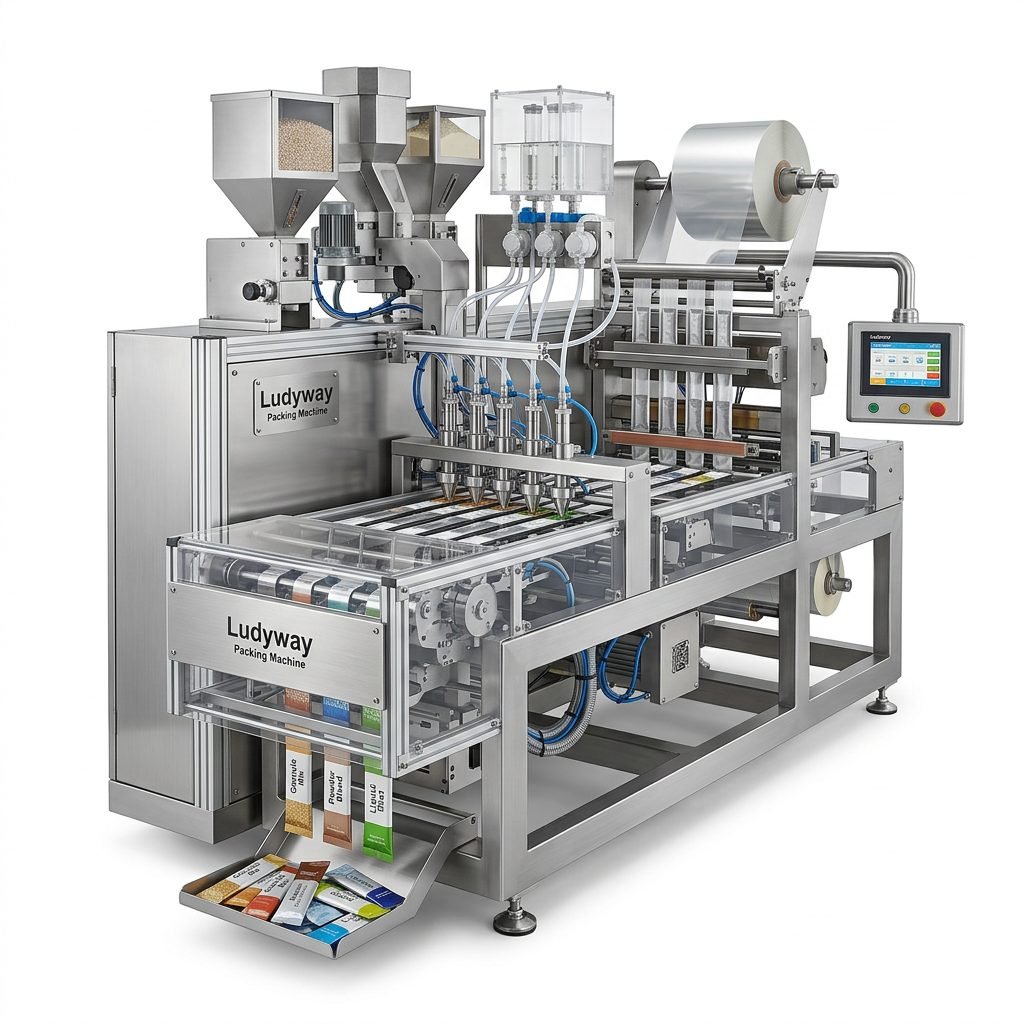
While daily and weekly maintenance tasks can be performed by trained operators, an annual comprehensive inspection by a qualified service engineer is highly recommended. This includes a full machine teardown, dimensional inspection of critical wear components, control system diagnostics, and software upgrades if applicable. Companies like Ludyway, a leading packaging machine manufacturer with extensive experience in food and pharmaceutical sectors, offer tailored maintenance contracts that include on-site servicing, genuine spare parts supply, and operator training programs. Professional servicing ensures that your equipment continues to meet evolving ISO packaging standards and production efficiency benchmarks.
Documentation and Record Keeping
A structured maintenance log is a fundamental tool for predictive maintenance and regulatory compliance. Record the date, maintenance tasks performed, parts replaced, and any observations about machine behavior. This historical data allows you to identify recurring issues and schedule preventive maintenance before failures disrupt production. Resources available through the Flexible Packaging Association provide additional guidance on best practices for packaging line documentation and efficiency optimization.
Equally important is maintaining a detailed operator training record. All personnel involved in machine operation and cleaning must receive documented training on standard operating procedures and safety protocols. Retraining should be conducted whenever process changes occur or when audit findings indicate a gap in operator knowledge.
Safety Precautions During Maintenance
Safety must never be compromised during maintenance activities. Adhering to strict lockout-tagout (LOTO) procedures prevents accidental machine startup while technicians are working on the equipment. The following safety measures are mandatory for any maintenance intervention.
- Always lock out and tag out the main power disconnect and pneumatic supply valve before opening any guards.
- Allow sufficient cooling time for sealing jaws and heating elements before handling; surface temperatures can cause severe burns.
- Wear appropriate personal protective equipment, including cut-resistant gloves when handling film or working near sharp edges.
- Never bypass safety interlocks or operate the machine with guards removed, even temporarily during troubleshooting.
- Ensure the work area is well-lit and free of slip hazards, particularly when handling cleaning solutions and lubricants.
Implementing this comprehensive maintenance framework for your automatic idli and dosa batter packing machine will deliver measurable improvements in equipment availability, product consistency, and total cost of ownership. When all maintenance disciplines are consistently applied, you position your production line for sustained operational excellence and competitive advantage in the food packaging market.