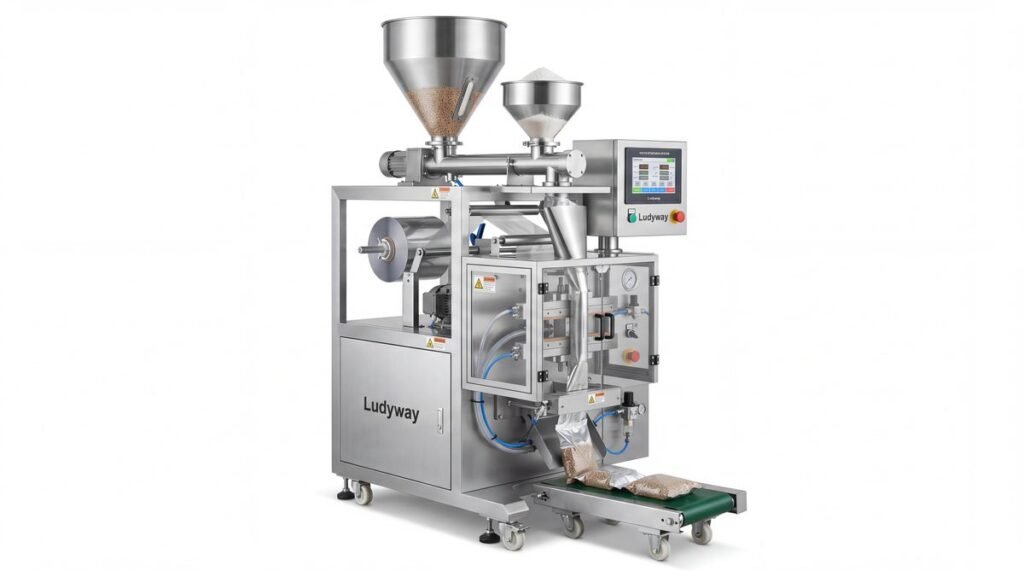
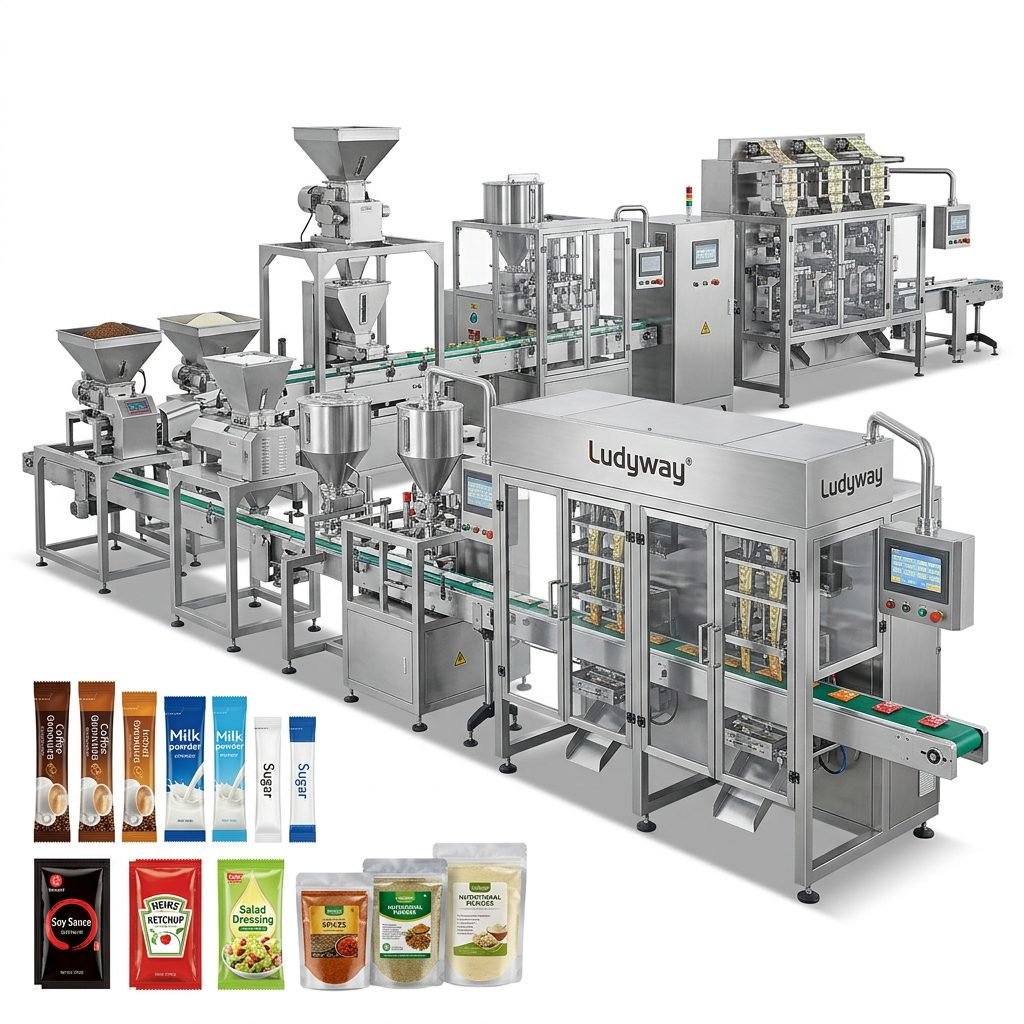
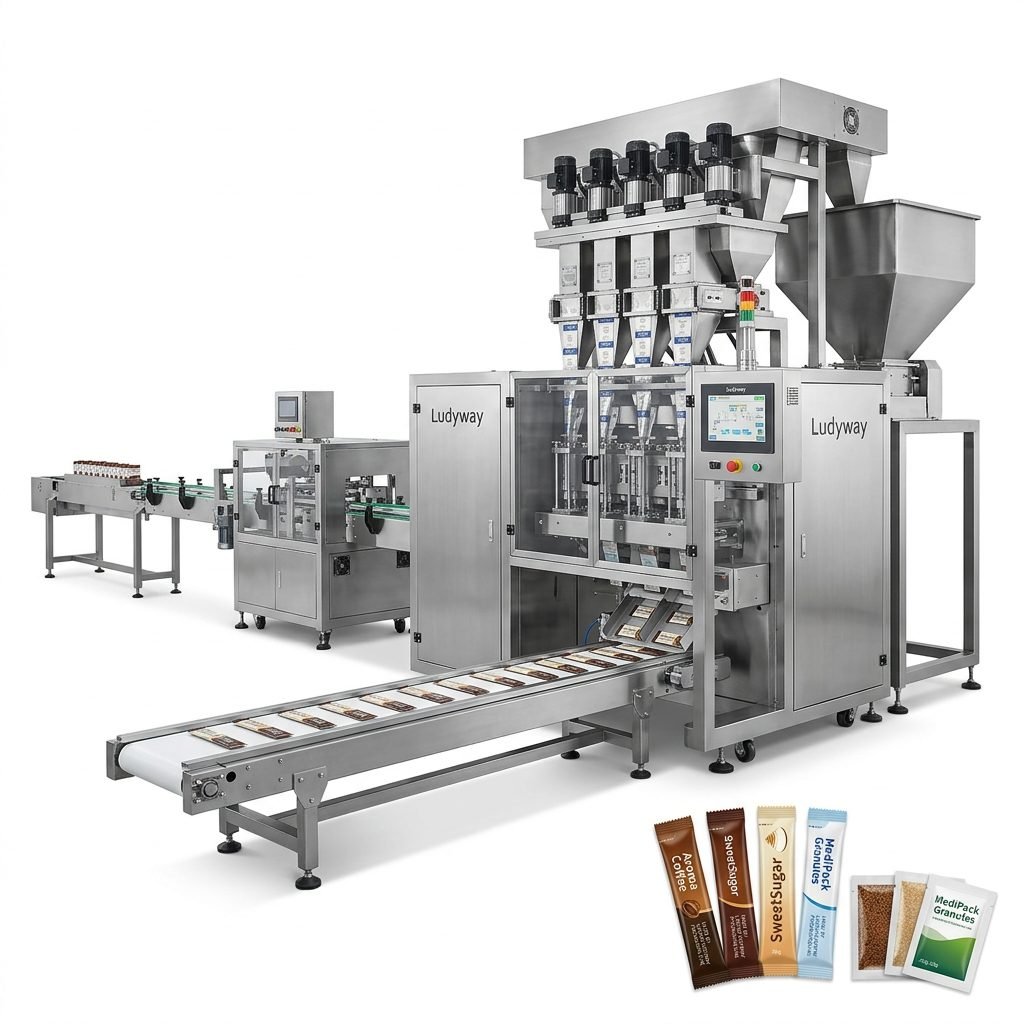
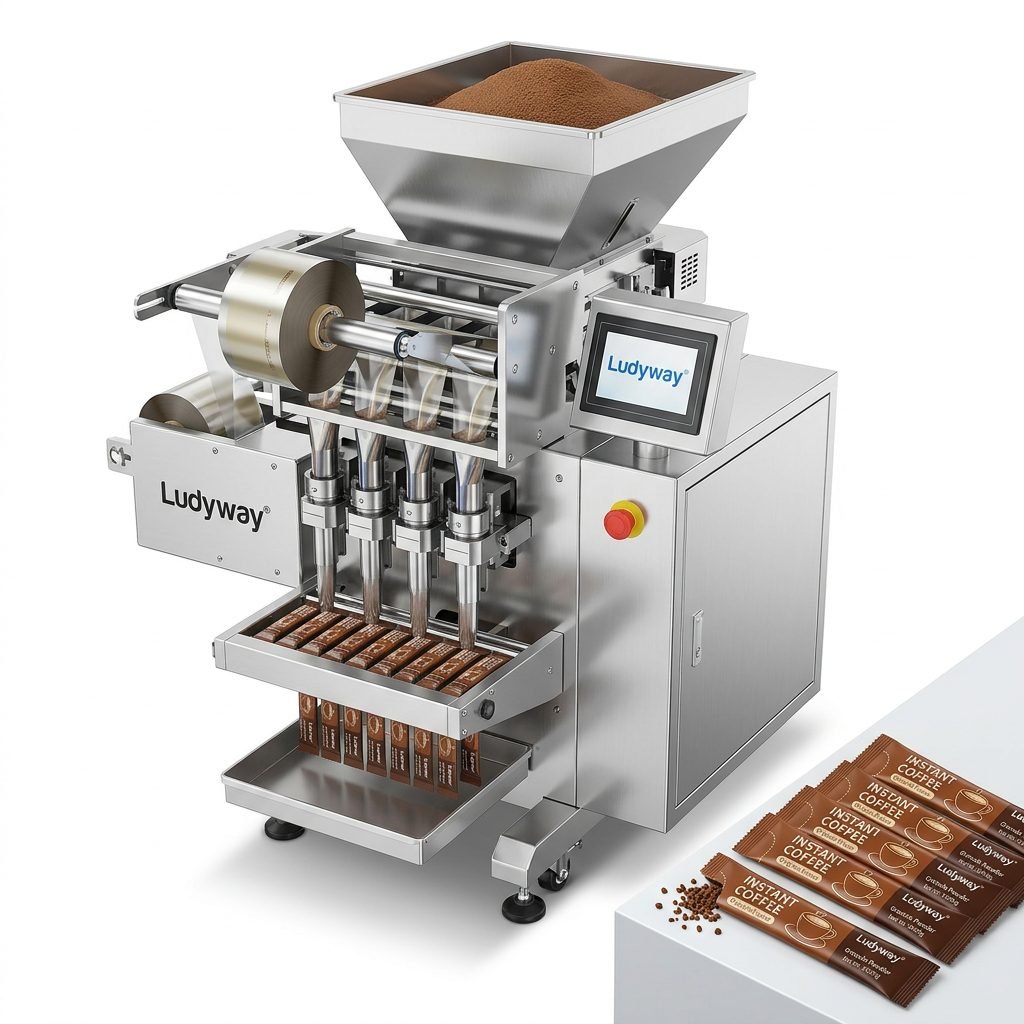
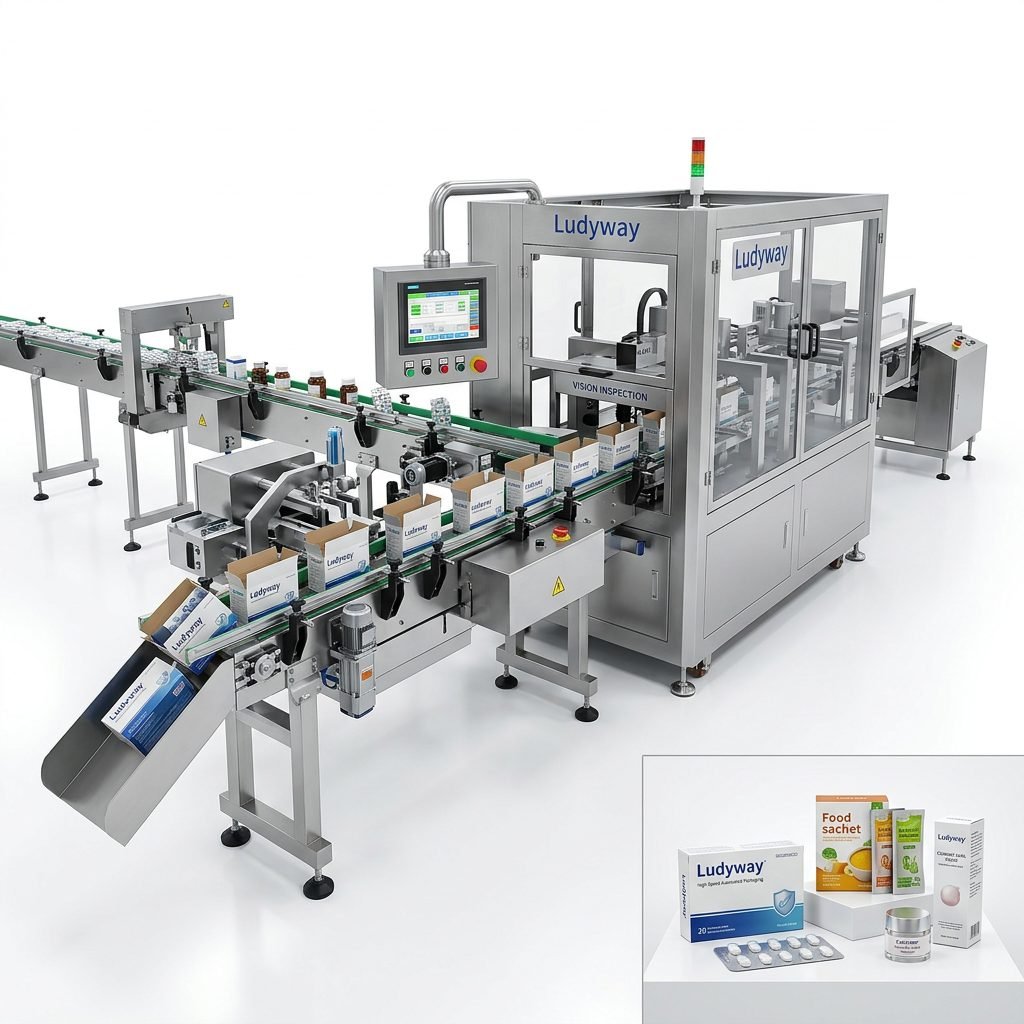
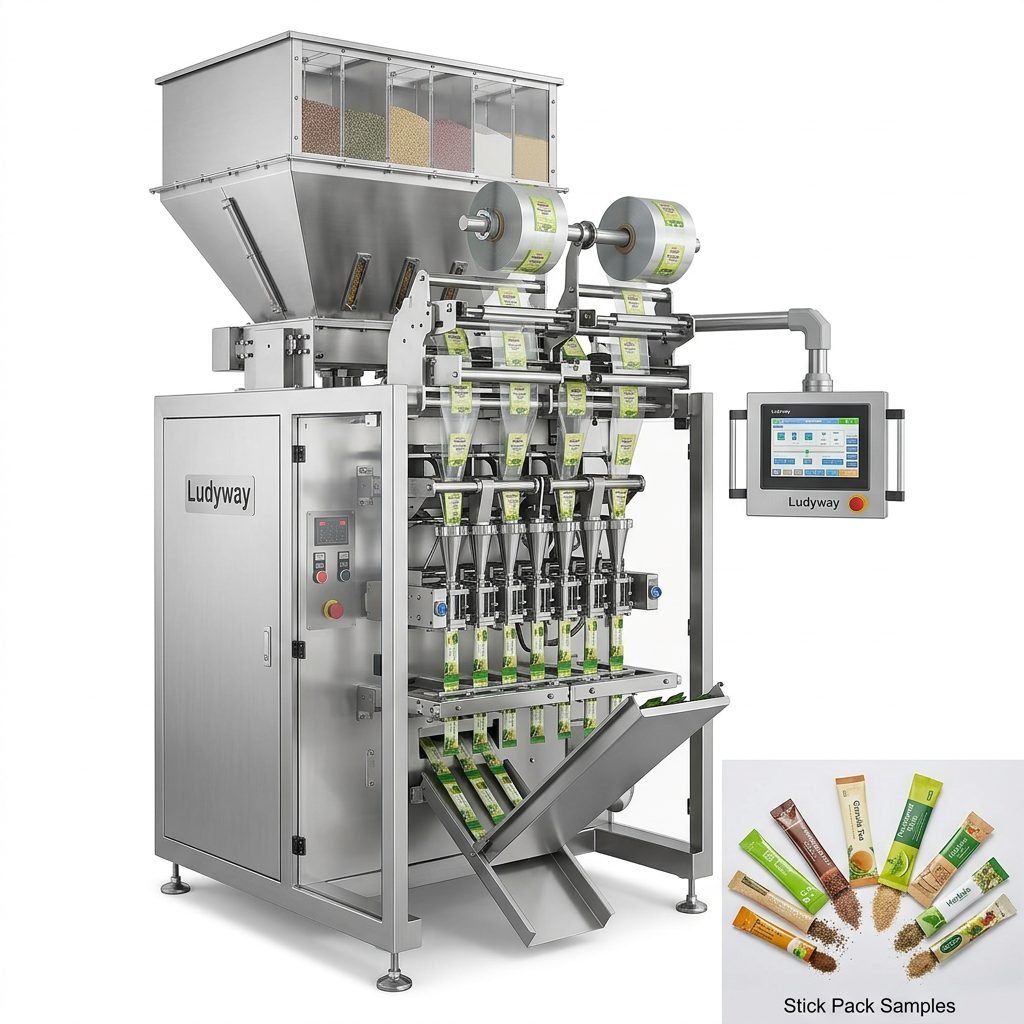
Selecting the right food packaging machinery is a critical decision for any manufacturer of cereal bars and similar snack products. The packaging process not only protects the product and extends its shelf life but also serves as a key marketing tool on retail shelves. For high-volume production of items like cereal bars, energy bars, and granola bars, automated wrapping solutions offer unparalleled efficiency, consistency, and cost savings. This guide explores the essential considerations for choosing top suppliers and the advanced machinery that powers modern, automated packaging lines.
Key Considerations for Cereal Bar Packaging Machinery
When investing in packaging equipment for cereal bars, several technical and operational factors must be evaluated to ensure a successful integration into your production workflow.
Production Speed and Output
The core requirement is matching the machine’s speed (often measured in packs per minute, PPM) to your production targets. High-speed automated wrapping solutions can handle several hundred bars per minute, making them ideal for large-scale manufacturers. It’s crucial to consider not just peak speed but also sustainable operational rates with minimal downtime.
Packaging Material Compatibility
Cereal bars are typically packaged in flow wrap (fin-seal) or fold wrap styles using materials like polypropylene (OPP), polyethylene (PE), or metallized films. The chosen machinery must be compatible with your specific film type and thickness, ensuring a secure, airtight seal that maintains product freshness. Advanced machines offer precise temperature control and sealing pressure adjustment for optimal results.
Flexibility and Changeover
Market demands change rapidly. A supplier whose equipment allows for quick and easy changeovers between different bar sizes, shapes, and packaging materials provides a significant competitive advantage. Look for machines with tool-less adjustments and programmable recipes to reduce switchover time from hours to minutes.
Integration with Upstream and Downstream Processes
The best packaging machine is one that seamlessly integrates into your complete line. This includes efficient product feeding from cooling tunnels or depositors, and smooth transfer to downstream processes like cartoning, case packing, or palletizing. A top supplier will offer or advise on integrated line solutions for a synchronized production flow.
Core Technologies in Automated Wrapping Solutions
Modern automated wrapping systems for cereal bars are engineering marvels that combine precision mechanics, advanced controls, and robust construction.
1. Flow Wrapping (Fin-Seal) Technology
This is the most common method for individually wrapping cereal bars. The machine forms a tube of film around the product, creating a longitudinal fin seal underneath and end seals at each cut. It’s renowned for its high speed, excellent seal integrity, and attractive presentation.
2. Servo-Driven Motion Control
The heart of modern high-speed wrappers. Servo motors provide unparalleled accuracy in film feeding, cutting, and sealing. This technology enhances efficiency, reduces film waste, and allows for incredibly precise package placement and consistent seal quality.
3. Advanced Inspection and Quality Control Systems
Integrated vision systems and checkweighers are now standard in top-tier equipment. They automatically detect and reject packages with poor seals, incorrect labels, or weight deviations, ensuring only perfect products leave the line and significantly reducing waste and customer complaints.
What to Look for in a Leading Supplier
Beyond the machine specifications, the supplier’s expertise and support structure are paramount for long-term success.
Proven Industry Experience
Seek suppliers with a deep, demonstrated history in food packaging, particularly with baked goods, confectionery, or snack bars. For instance, Ludyway Machinery brings over a decade of focused expertise in providing tailored packaging solutions, understanding the unique challenges of products like cereal bars.
Comprehensive Technical Support
Reliable after-sales service, readily available spare parts, and expert technical assistance are non-negotiable. The supplier should offer installation, training, and ongoing maintenance support to maximize your equipment’s uptime and lifespan.
Customization and Innovation Capability
The best suppliers don’t just sell standard machines; they engineer solutions. They should be capable of customizing equipment to handle your specific bar dimensions, unusual ingredients (e.g., sticky coatings), or unique packaging formats. A commitment to R&D indicates they will keep your line at the technological forefront.
The Role of Turnkey Solutions
For new production lines or major expansions, partnering with a supplier that offers turnkey solutions is highly advantageous. This means they take responsibility for the entire project—from design and machinery supply to installation, commissioning, and staff training. This single-point accountability, as offered by experienced providers like Ludyway Packaging Machinery, streamlines the process, reduces risk, and ensures all components work together harmoniously.
Future Trends in Cereal Bar Packaging
The industry continues to evolve, driven by consumer demand and technological advancement.
Sustainability-Driven Machinery
There is growing pressure to use recyclable, compostable, or reduced-plastic films. Future-focused suppliers are developing and adapting machines that can reliably run these often more challenging, sustainable materials without compromising speed or seal quality.
Industry 4.0 and Smart Connectivity
The next generation of packaging machinery will feature enhanced IoT connectivity for real-time monitoring of production data, predictive maintenance alerts, and seamless integration into factory-wide Manufacturing Execution Systems (MES). This enables data-driven decision-making for optimal efficiency.
Enhanced Flexibility for Small Batches
Even as high-speed lines dominate, there is a parallel need for agile machines that support the trend toward limited editions, personalized products, and small-batch production runs with minimal changeover waste.
Investing in the right automated wrapping solution from a reputable supplier is a strategic move that pays dividends in productivity, product quality, and operational agility. By carefully evaluating both the technological capabilities of the equipment and the holistic support offered by the supplier, cereal bar manufacturers can build a robust, future-ready packaging operation that supports brand growth and meets the dynamic demands of the global market. As highlighted in the company history of industry leaders, sustained success comes from a partnership built on innovation, reliability, and deep application knowledge.
Frequently Asked Questions (FAQs)
What is the typical speed range for an automated cereal bar wrapper?
Speeds vary by machine model and package size, but modern high-speed flow wrappers can typically range from 200 to over 500 bars per minute. The optimal speed depends on your production volume, upstream equipment capability, and required flexibility.
Can the same machine handle different bar sizes and shapes?
Yes, most modern machines are designed for flexibility. However, the ease and time required for changeover differ. Look for machines with quick-change parts and servo-driven adjustments that allow for size changes in minutes rather than hours, minimizing downtime.
What are the main maintenance requirements for these wrappers?
Regular maintenance includes daily cleaning of sealing jaws and film paths, lubrication of moving parts as per the manual, and periodic inspection of critical components like cutting blades, seals, and sensors. A good supplier will provide a detailed maintenance schedule and training.
How important is after-sales service when choosing a supplier?
Extremely important. The quality and responsiveness of technical support, availability of genuine spare parts, and access to service engineers directly impact your line’s uptime and long-term cost of ownership. It’s a key factor that distinguishes top suppliers.
What packaging films work best for cereal bars?
Metallized polypropylene (MET OPP) is very common due to its excellent moisture barrier, which keeps bars fresh and crisp. Other options include plain OPP, polyethylene (PE), and laminates. The choice depends on shelf-life requirements, barrier needs, and machinability on your specific equipment.