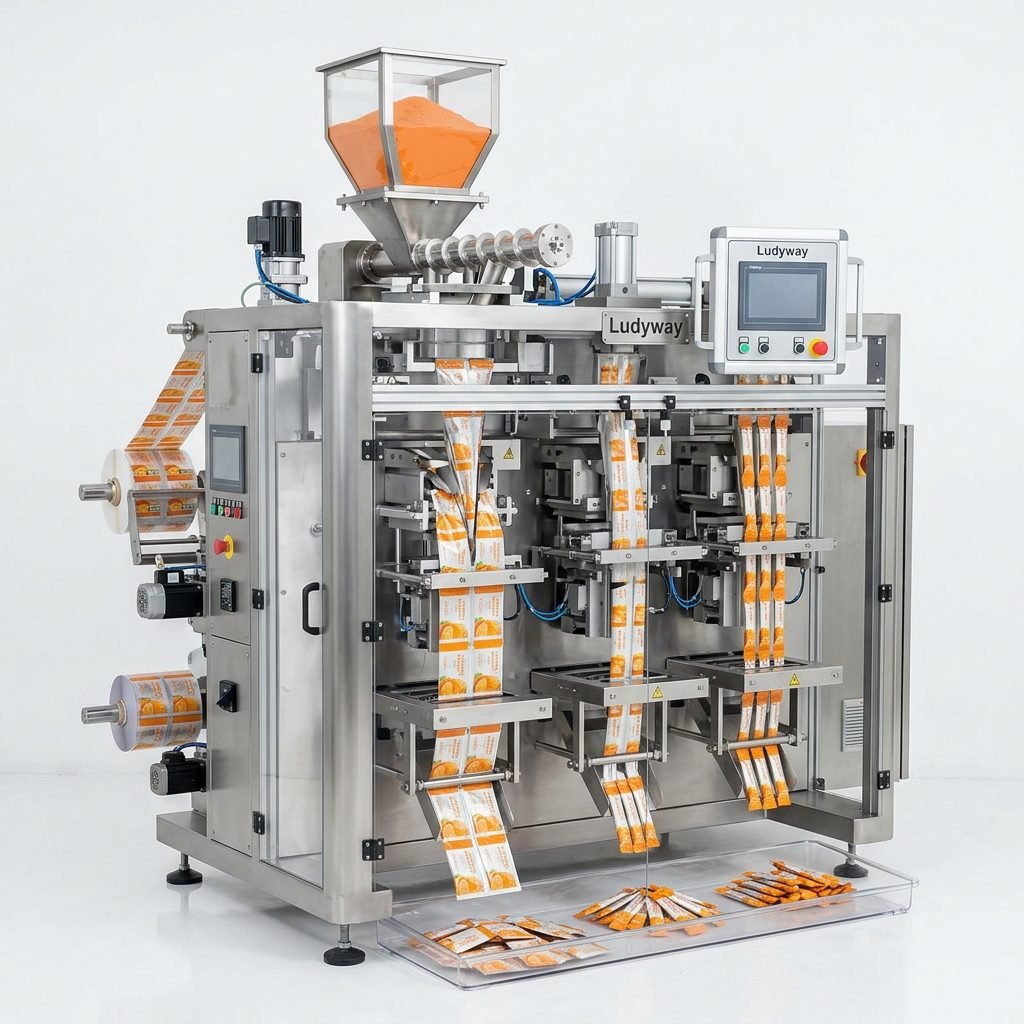
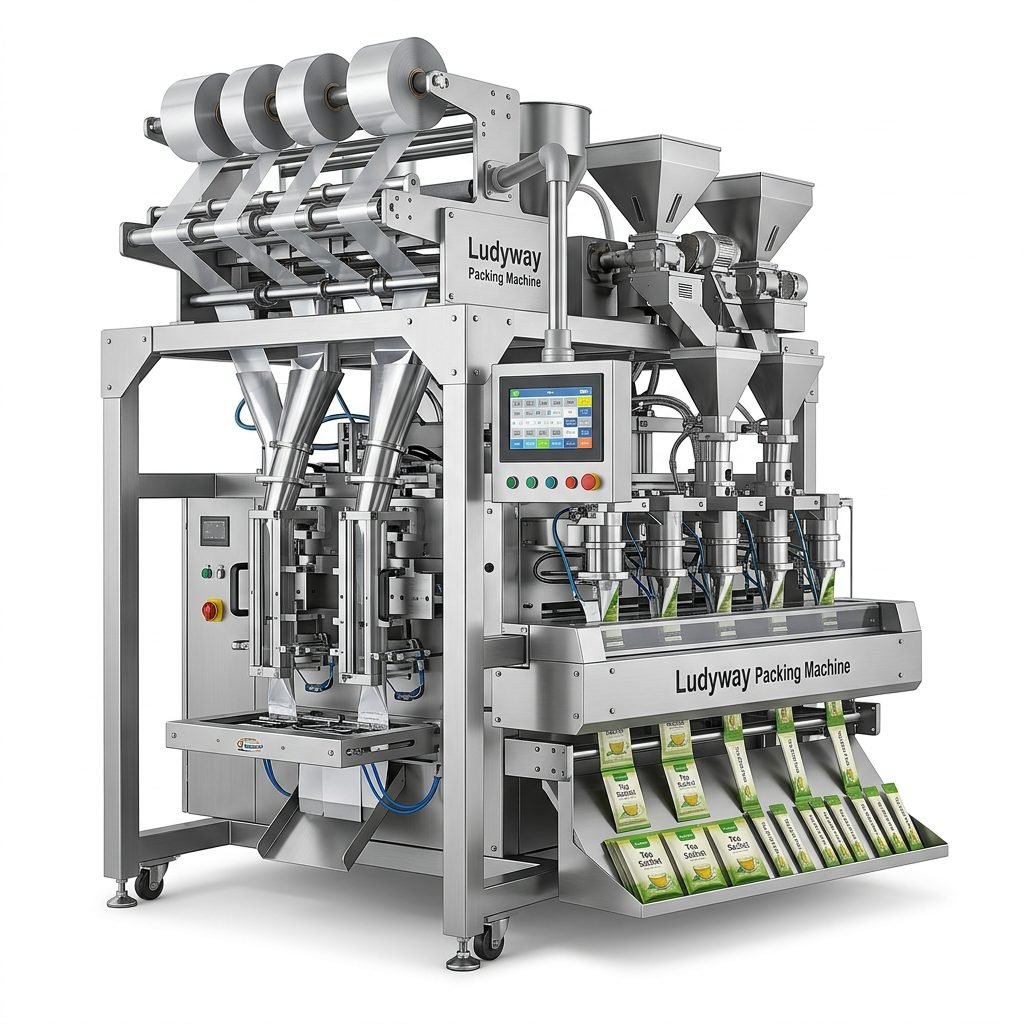
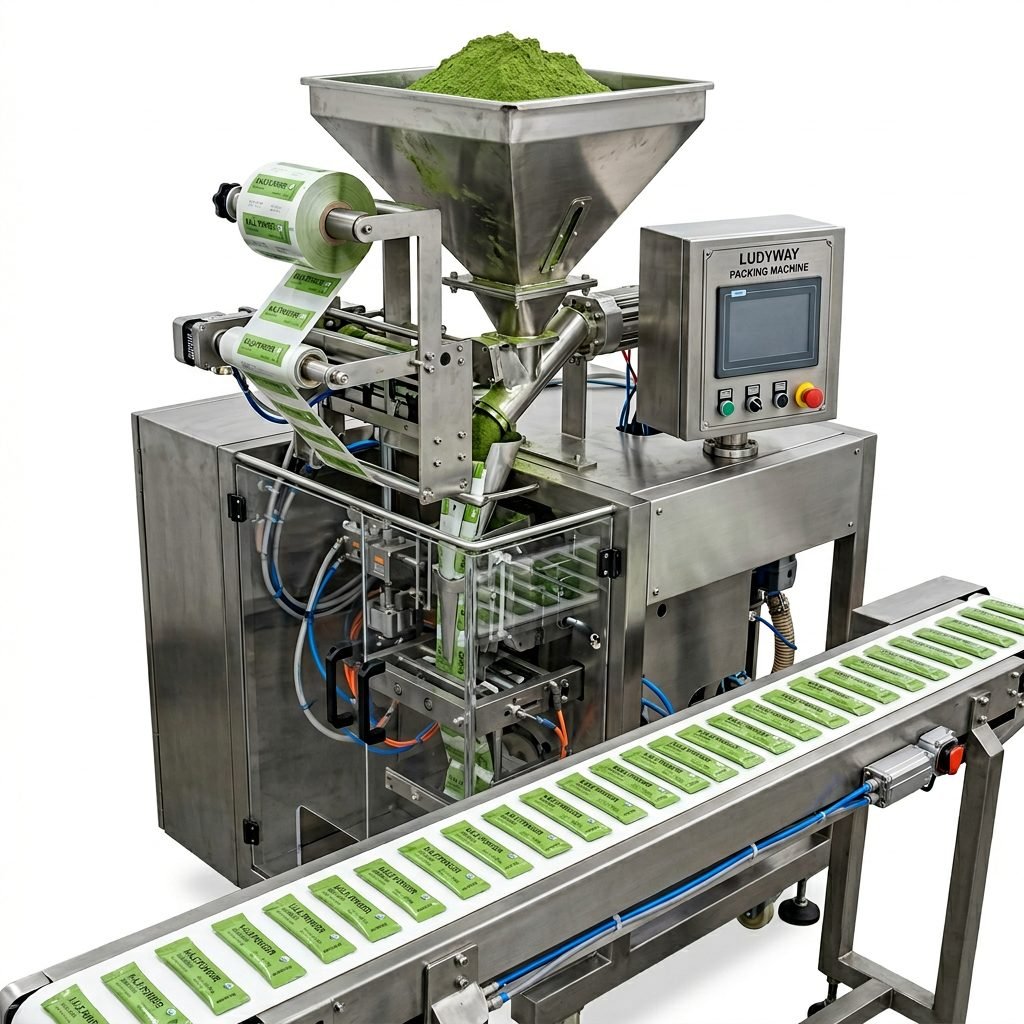
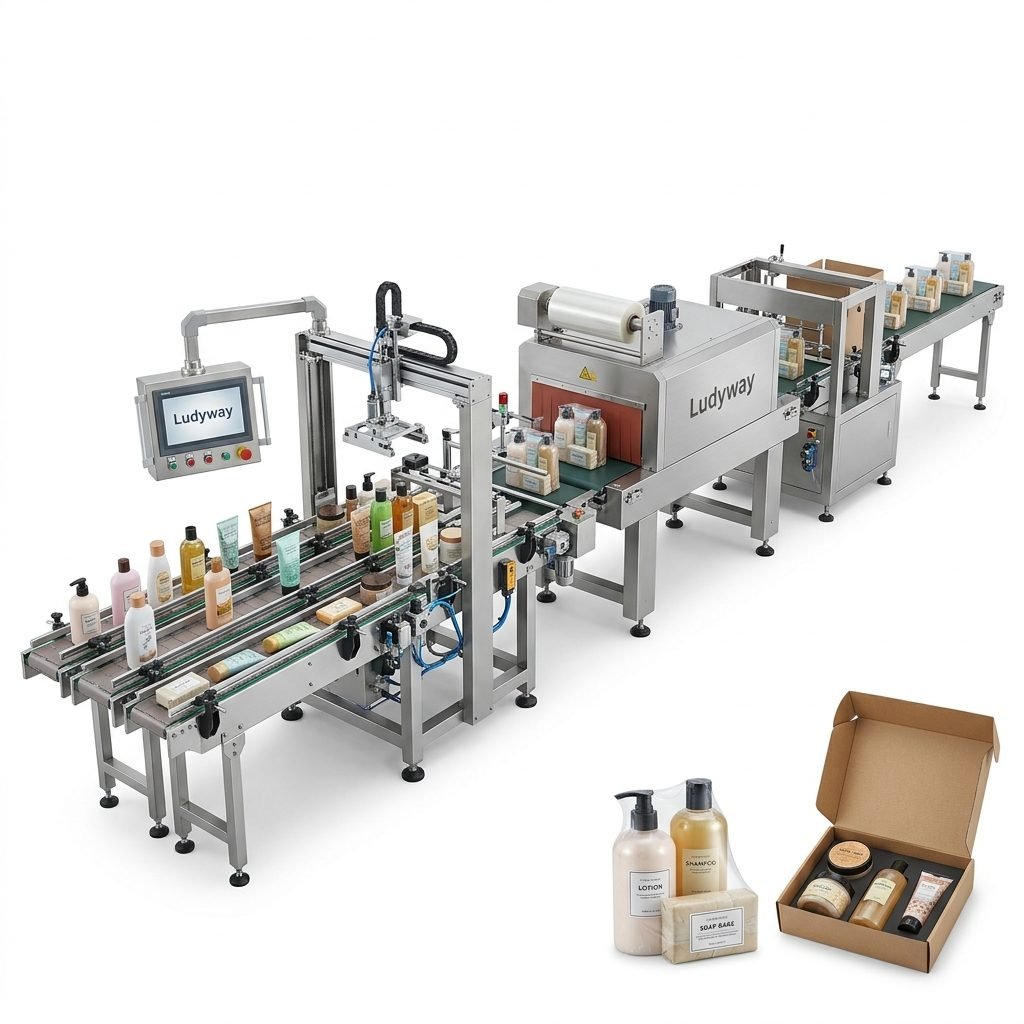
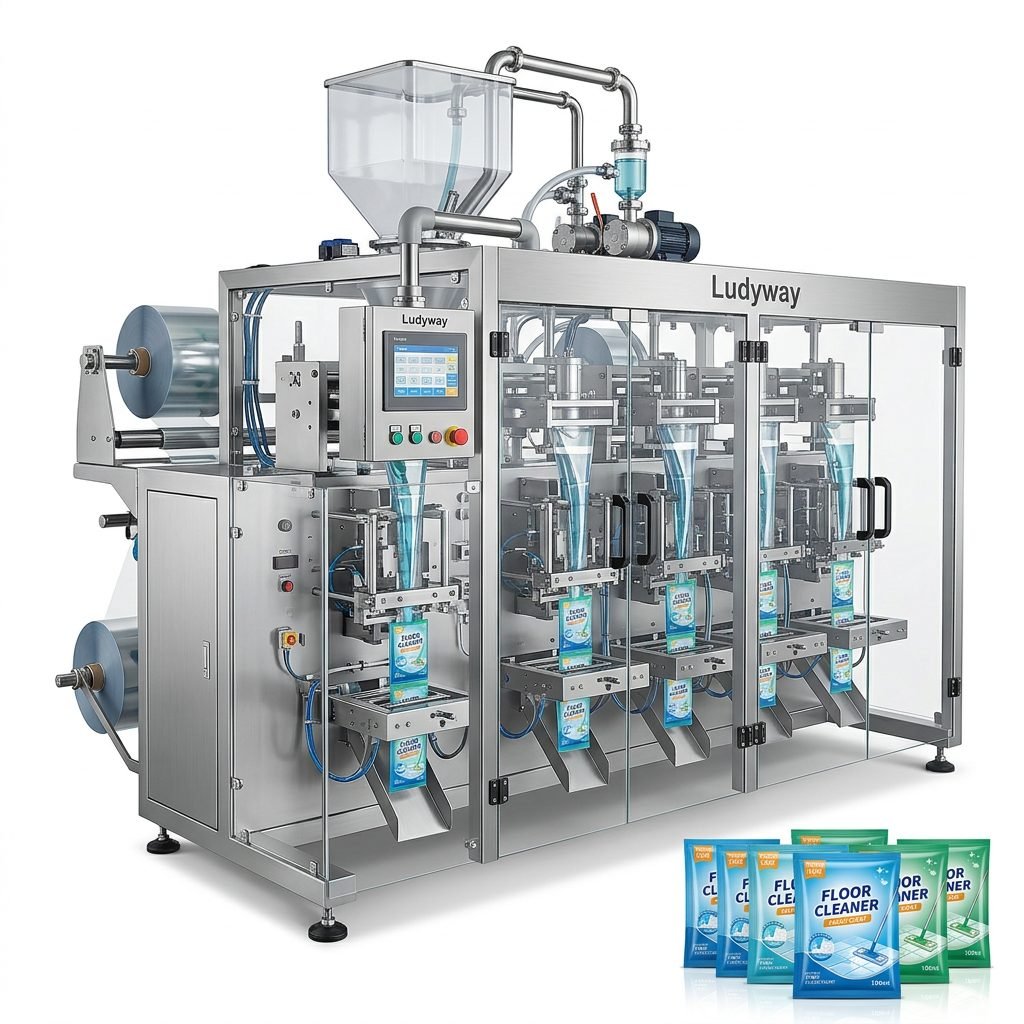
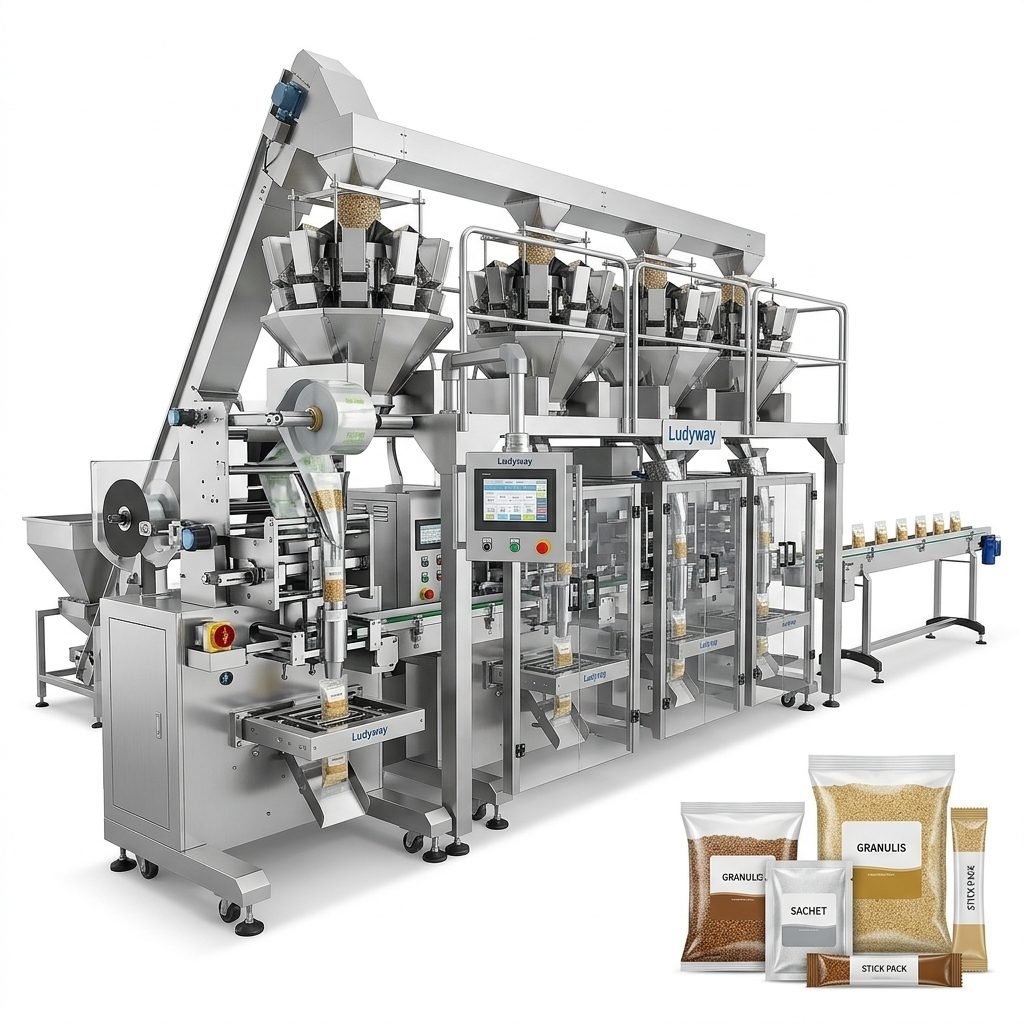
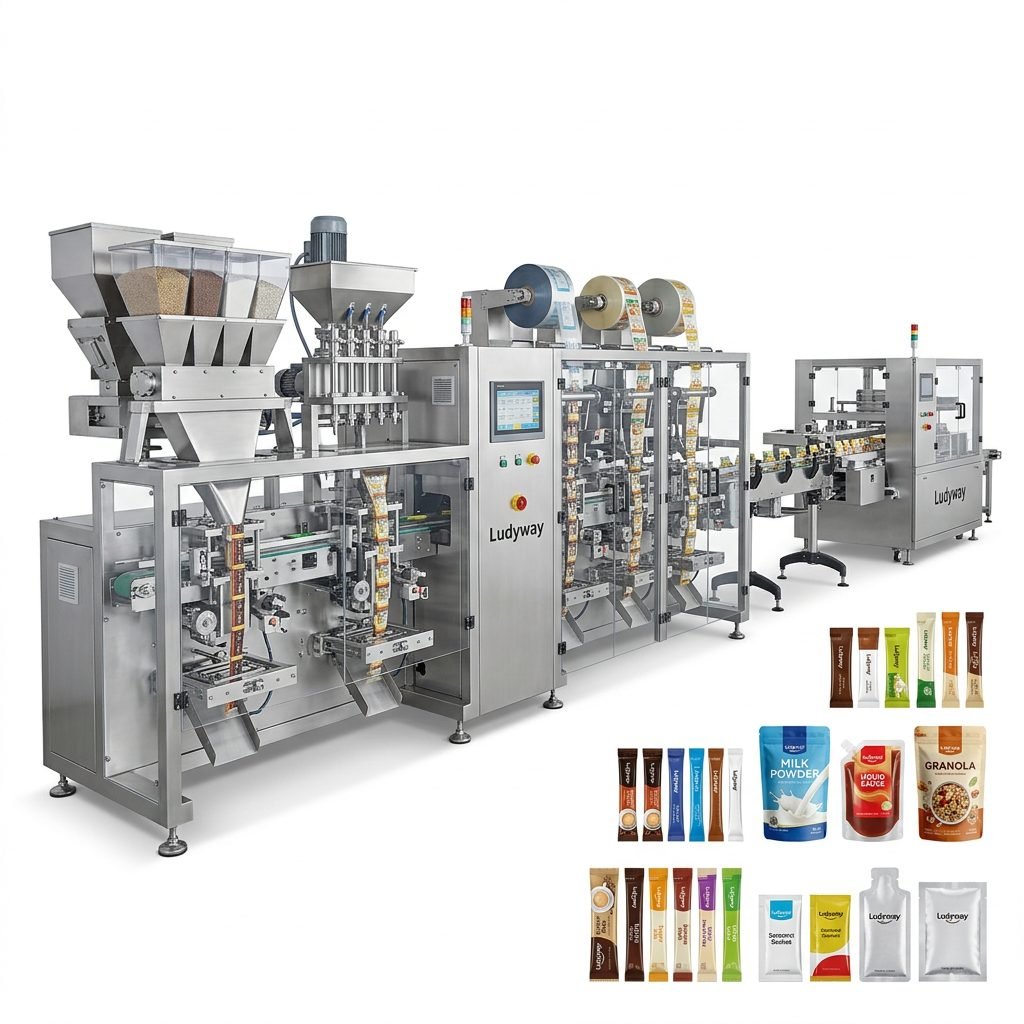
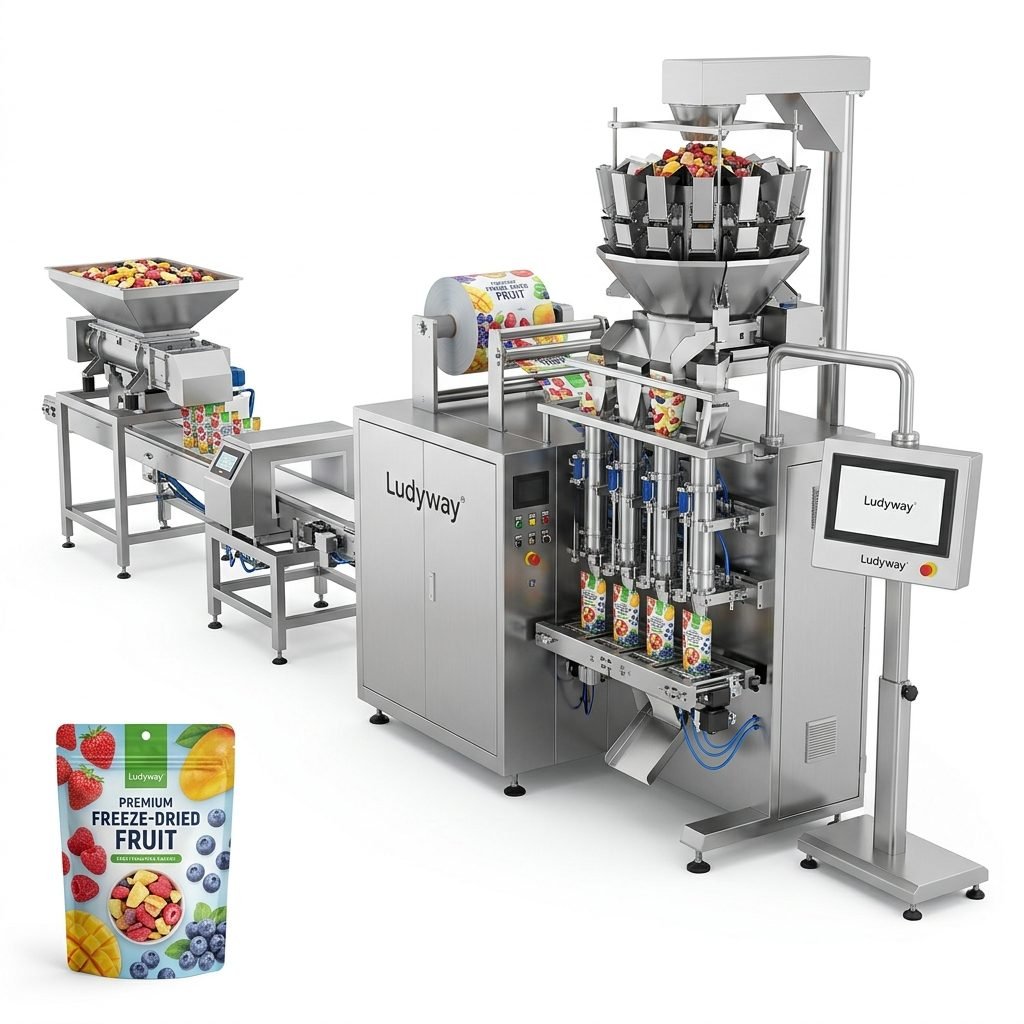
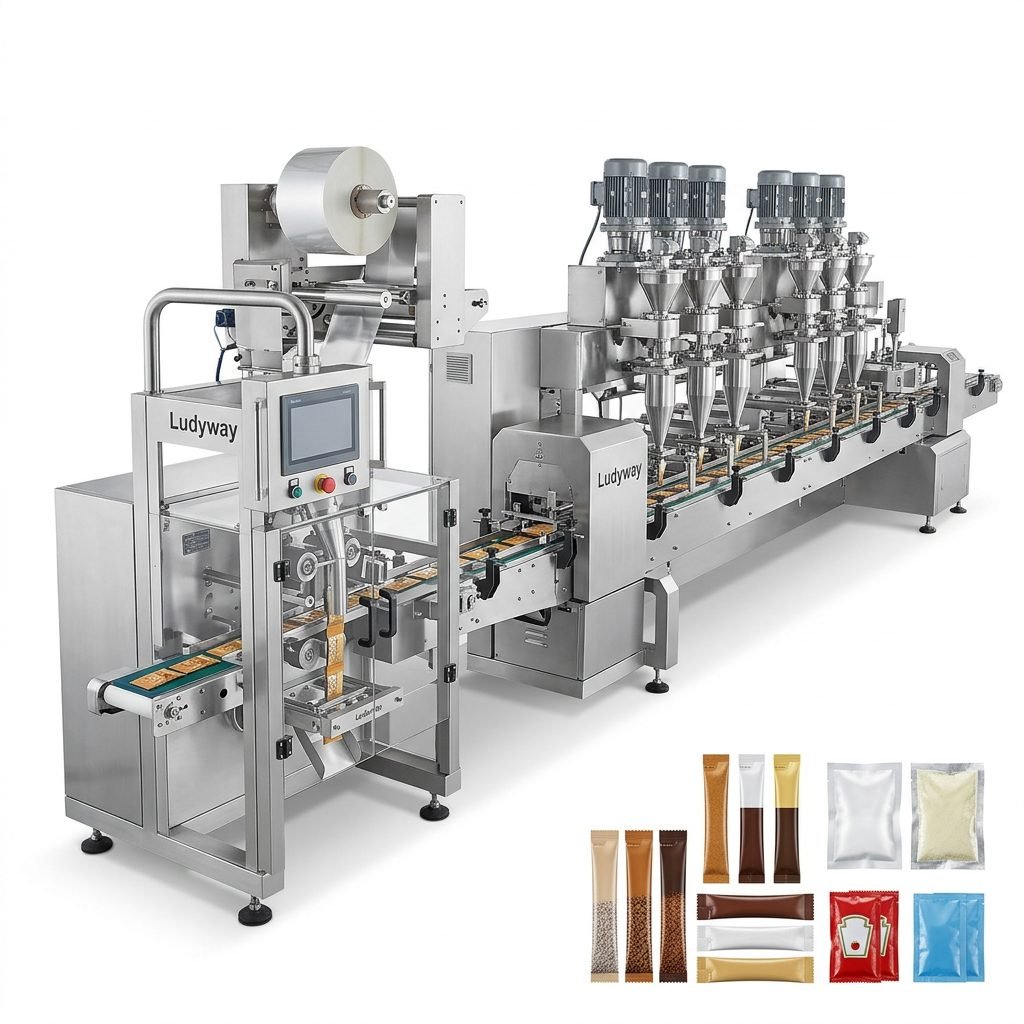
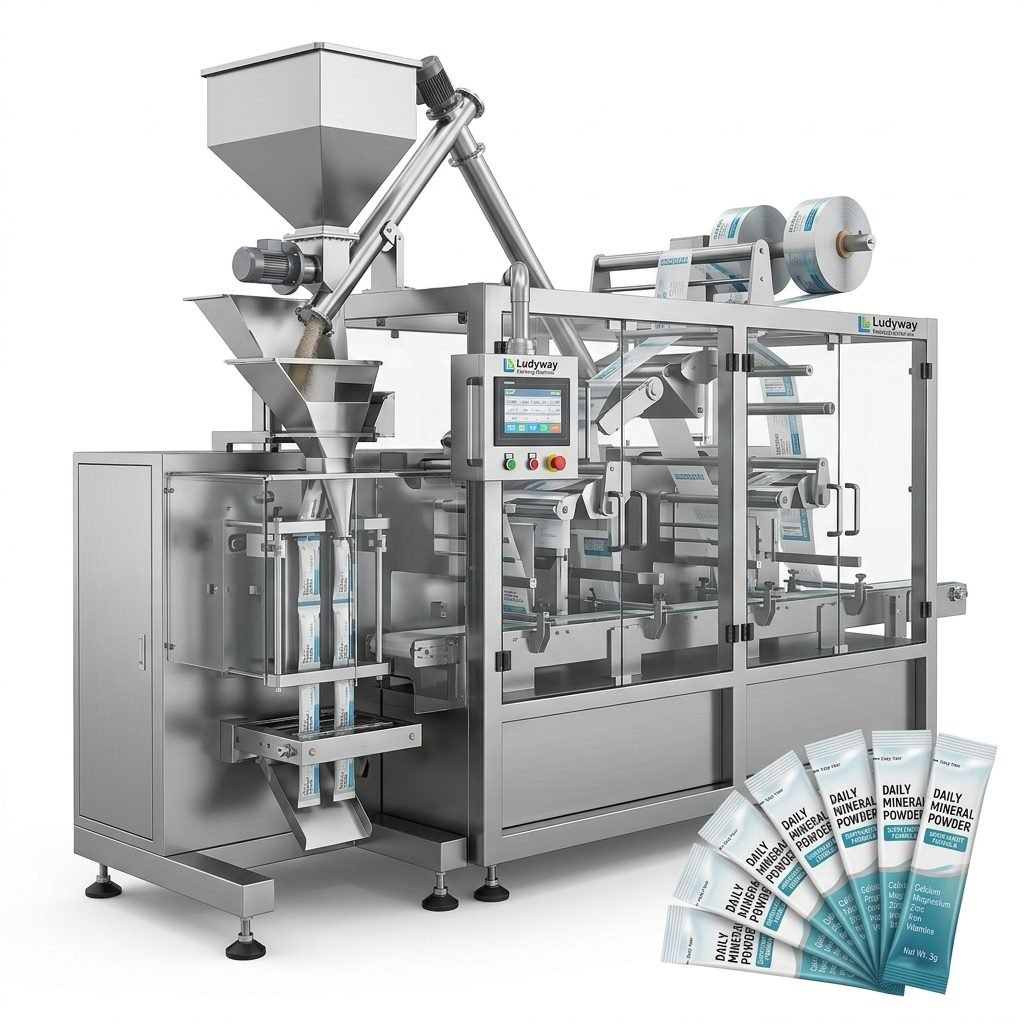
Finding affordable packaging equipment is a critical step for businesses aiming to optimize their production line without overspending. The term “cheap” often carries connotations of low quality, but in the packaging machinery sector, it primarily signifies cost-effectiveness—achieving reliable performance at a reasonable investment. This guide explores how to identify and select the best affordable packaging machine for your specific operational needs.
Understanding “Affordable” in Packaging Machinery
An affordable or cheap packaging machine is not necessarily inferior. It represents a machine that offers the essential functionalities you require at a price point that aligns with your budget. The key is to balance cost with performance, durability, and suitability for your products.
▶ Core Consideration: The true cost includes not just the purchase price but also operational expenses, maintenance, potential downtime, and scalability. A slightly higher initial investment in a more robust machine often proves cheaper in the long run.
Key Factors in Choosing an Affordable Machine
1. Define Your Packaging Requirements
Clearly outline what you need to package: the product type (granules, powders, liquids, solids), its physical characteristics, required packaging format (sachets, stick packs, bags, bottles), and your desired output speed. This clarity prevents you from paying for unnecessary advanced features.
2. Assess Machine Construction & Durability
Examine the materials and build quality. Machines with sturdy frames, reliable motors, and quality components from reputable suppliers, like those integrated into Ludyway’s solutions, may have a higher upfront cost but drastically reduce repair and replacement frequency.
Durability Checkpoint: Inquire about the core mechanical parts—the drive system, sealing mechanisms, and control electronics. Proven, standardized parts often indicate better long-term value.
3. Evaluate Operational Efficiency & Speed
Calculate your required production volume. An affordable machine should meet your baseline output targets consistently. A machine that is too slow creates bottlenecks, while one that is overly fast for your needs might be an inefficient capital expenditure.
4. Consider Flexibility & Changeover Time
If you package multiple products or plan to, assess how quickly and easily the machine can adapt. Machines allowing simple adjustments for bag size, film type, or filling volume offer greater value by protecting your business from future changes.
5. Analyze Total Cost of Ownership (TCO)
This is the most crucial financial analysis. TCO includes:
• Purchase Price
• Installation & Setup Costs
• Energy Consumption
• Routine Maintenance Costs
• Consumables (like film, sealing parts)
• Potential Downtime Costs
• Technical Support & Service Availability
The Supplier’s Role in Affordability
Your choice of supplier significantly impacts the affordability equation. A supplier with strong engineering capabilities and direct manufacturing experience, such as Ludyway Machinery, can provide machines where cost-saving is achieved through intelligent design and efficient production, not by compromising on critical components. They often offer better after-sales support, which reduces long-term operational risks and costs.
Practical Steps for Selection
1. Request Detailed Specifications: Get full technical datasheets for shortlisted models.
2. Seek References & Case Studies: Ask the supplier for examples of similar businesses using the machine.
3. Arrange for a Product Test: If possible, send your product sample for a live packaging test at the supplier’s facility. This reveals practical compatibility.
4. Clarify Warranty & Support Terms: Understand the warranty coverage, spare parts availability, and access to technical support.
5. Compare TCO Estimates: Create a simple spreadsheet comparing the 2-3 year TCO for your top options.
Choosing the best affordable packaging machine is a strategic decision. It requires moving beyond the sticker price to evaluate how the machine will perform, endure, and adapt within your unique business context. By focusing on your precise requirements, prioritizing durability and total cost of ownership, and partnering with a competent supplier, you can secure a machine that is truly “cheap” in the sense of offering exceptional value for money, driving efficiency and growth for your business.
Frequently Asked Questions (FAQs)
Q1: Is a cheaper machine always less reliable?
Not necessarily. Reliability is linked to design, component quality, and proper maintenance. Many affordable machines from established manufacturers use proven, simpler designs that are inherently reliable for standard applications.
Q2: Can I get a customized affordable machine?
Yes, to a degree. Suppliers with strong engineering backgrounds often offer modular designs. You can customize certain aspects (like feed systems or specific sealing types) within a standard machine frame, keeping costs lower than a fully custom-built machine.
Q3: How important is after-sales service for an affordable machine?
Extremely important. Good service ensures quick resolution of issues, proper maintenance guidance, and access to spare parts. This protects your investment and prevents costly production stoppages, making the machine more affordable over time.
Q4: Should I buy a used machine to save money?
It can be a viable option if you can verify its service history, condition, and compatibility with your current needs. However, consider the potential lack of warranty, outdated technology, and unknown future maintenance costs against the lower purchase price.
Q5: How do I know if a machine is scalable for future growth?
Discuss this directly with the supplier. Ask if the machine’s speed can be upgraded, if it can handle a wider range of products, or if it can be integrated into a larger automated line later. Choosing a machine from a supplier with a broad portfolio, like Ludyway, often provides clearer scalability paths.