Choosing the right air packing machine is not only about speed. It directly affects product protection, shipping cost, customer satisfaction, and warehouse efficiency. If your business ships fragile, high-value, lightweight, or irregular-shaped products, air cushion packaging can be one of the most practical solutions for reducing breakage while keeping operations lean.
Modern air packing systems are widely used in e-commerce, electronics, cosmetics, medical supplies, household products, automotive parts, and many other industries. But not every machine or film type is suitable for every shipping environment. The best choice depends on your packaging volume, available space, material needs, and long-term operating goals.
What Is an Air Packing Machine?
An air packing machine is equipment designed to inflate protective packaging materials such as air pillows, air cushions, bubble-style films, or air columns. These inflated materials are then used to fill voids, wrap products, block movement inside cartons, or cushion fragile goods during transportation.
Unlike pre-inflated packaging that takes up large storage space, an air packing machine creates protective material on demand. This allows businesses to:
- save storage space in the warehouse,
- reduce packing material waste,
- improve packing speed,
- protect goods more consistently,
- lower shipping damage claims.
Why Air Cushion Packaging Matters for Safe Shipping
Shipping damage often happens because products move too much inside the box, receive impact from drops, or are compressed by stacking. Air packaging helps address all three issues when matched correctly to the product.
Key benefits include:
- Shock absorption for fragile items such as bottles, glassware, and electronics.
- Void filling to prevent movement in oversized cartons.
- Lightweight protection that adds less shipping weight than many traditional materials.
- Cleaner presentation for e-commerce unboxing and retail shipments.
- Operational flexibility for pack stations with variable order sizes.
Main Types of Air Packaging Solutions
Before choosing a machine, it helps to understand the most common inflatable packaging formats.
1. Air Pillows
Best for void filling in cartons. They are lightweight, cost-effective, and suitable for general parcel shipping.
2. Air Bubble Film
Better for surface cushioning and wrapping fragile products. It offers more contact protection than standard void fill pillows.
3. Air Column Bags
Designed to surround products such as wine bottles, cosmetics, jars, and electronics. These provide more structured protection for high-risk items.
4. Inflatable Mailer or Protective Liner Formats
Useful for specialty packaging applications where compact protection and branded presentation matter.
| Packaging Type | Best Use | Protection Level | Material Efficiency |
|---|---|---|---|
| Air Pillows | Void filling | Medium | High |
| Air Bubble Film | Wrapping fragile products | Medium to High | Medium |
| Air Column Bags | Bottle and premium item protection | High | Medium to High |
| Custom Inflatable Formats | Special applications | Variable | Variable |
How to Choose the Best Air Packing Machine
The ideal machine should match your actual shipping workflow, not just the highest speed on a brochure. Here are the factors that matter most.
Packaging Volume
If you ship a low number of parcels per day, a compact tabletop air packing machine may be enough. For medium to high-volume fulfillment centers, a faster continuous machine with stable inflation control will be more suitable.
- Low volume: Small online shops, boutique brands, office shipping rooms
- Medium volume: Growing e-commerce sellers, regional distributors
- High volume: 3PL warehouses, industrial fulfillment centers, automated packaging lines
Product Fragility
Different products need different levels of cushioning. Lightweight apparel may only need void fill, but glass bottles or medical devices may require air column protection or a stronger bubble format.
Tip: The machine itself is only one part of the solution. The film type and inflation consistency are equally important for safe delivery.
Film Compatibility
Some machines work with only one or two film formats, while others support multiple film widths and structures. A more flexible system helps if your business ships different SKUs or plans to expand.
Check whether the machine supports:
- air pillow film,
- bubble film,
- air column roll film,
- different thickness levels,
- recyclable or eco-focused film options.
Machine Speed and Stability
A fast machine is valuable only if it delivers uniform inflation and reliable sealing. Inconsistent air pressure may create weak cushions that fail during transit. Stable performance becomes especially important in peak shipping seasons.
Ease of Operation
Look for simple controls, quick film loading, easy maintenance access, and clear parameter adjustment. For businesses with multiple pack stations or seasonal labor, user-friendly operation can significantly improve productivity.
Space Requirements
Compact machines are ideal for limited packing benches, while floor-standing or integrated systems suit larger warehouses. Always consider operator movement, film storage, and finished packaging flow.
Maintenance and After-Sales Support
Downtime during shipping operations can quickly become costly. A dependable supplier should provide technical support, spare parts access, and guidance on setup and troubleshooting.
Scalability
If your order volume is growing, choose a machine that can support higher throughput or integrate into a broader packing process later. This helps avoid replacing equipment too soon.
Quick Selection Guide
| Business Need | Recommended Machine Type | Suggested Packaging Format |
|---|---|---|
| Small e-commerce shop | Compact tabletop unit | Air pillows |
| Fragile cosmetics or glass items | Multi-format inflatable machine | Air bubble film or air column bags |
| Warehouse with mixed SKUs | Flexible high-efficiency system | Multiple film types |
| High-volume fulfillment center | Continuous industrial unit | Air pillows and integrated cushioning rolls |
Common Mistakes to Avoid
Many businesses choose a machine based only on price, then face higher packaging costs or shipping damage later. Avoid these common mistakes:
- Choosing a machine with limited film compatibility
- Ignoring actual shipping drop and compression risks
- Using oversized cartons that require excessive void fill
- Overlooking film quality and seal strength
- Buying a machine that cannot scale with order growth
- Not testing packaging performance before full rollout
How to Evaluate Packaging Performance Before Buying
To make a smart decision, test your shortlisted air packing machine with your real products and cartons. A short evaluation can reveal whether the solution will truly protect goods in transit.
Run These Checks
- Drop test packed cartons from realistic handling heights
- Check whether products shift during vibration or movement
- Inspect air retention after storage and transport simulation
- Measure packing time per order
- Compare material usage per shipment
- Review operator feedback on loading and daily use
The best packaging solution is the one that balances protection, speed, cost, and practicality.
When to Consider a More Integrated Packaging Line
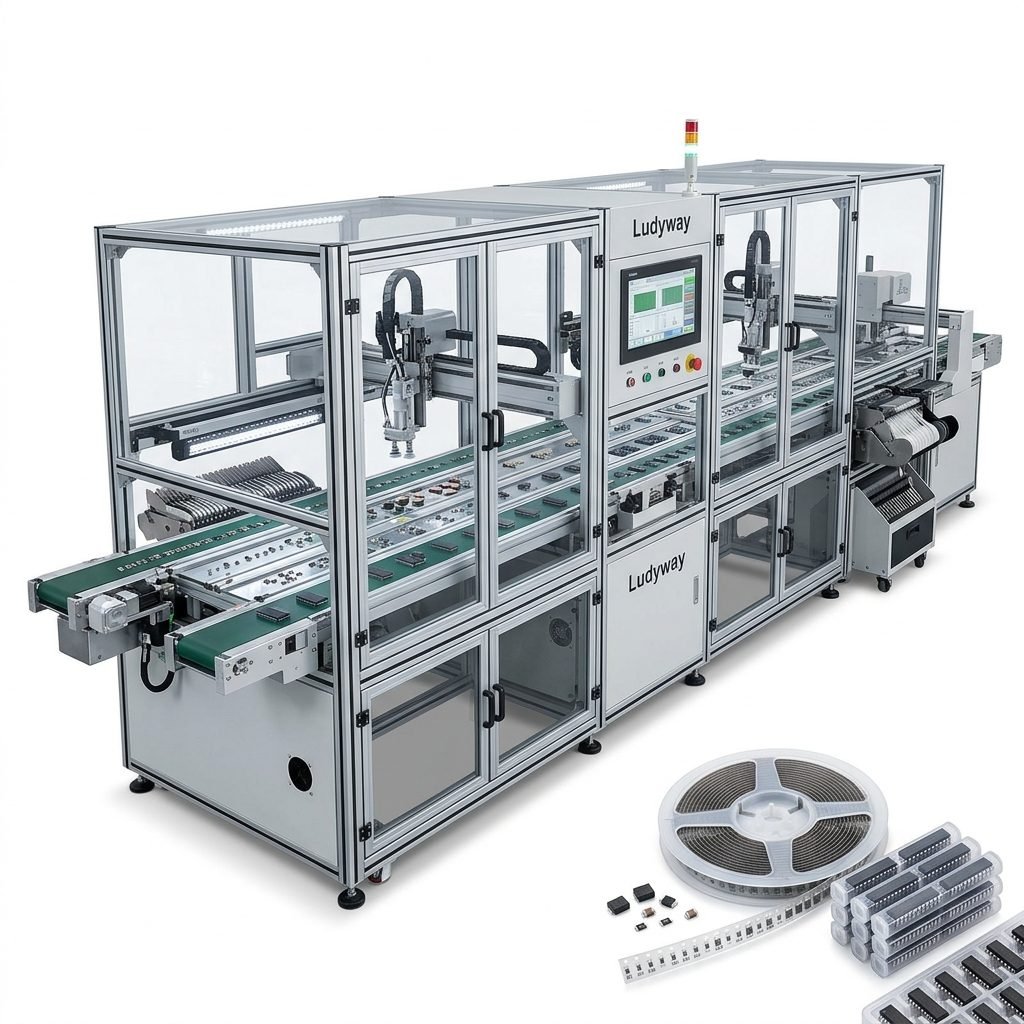
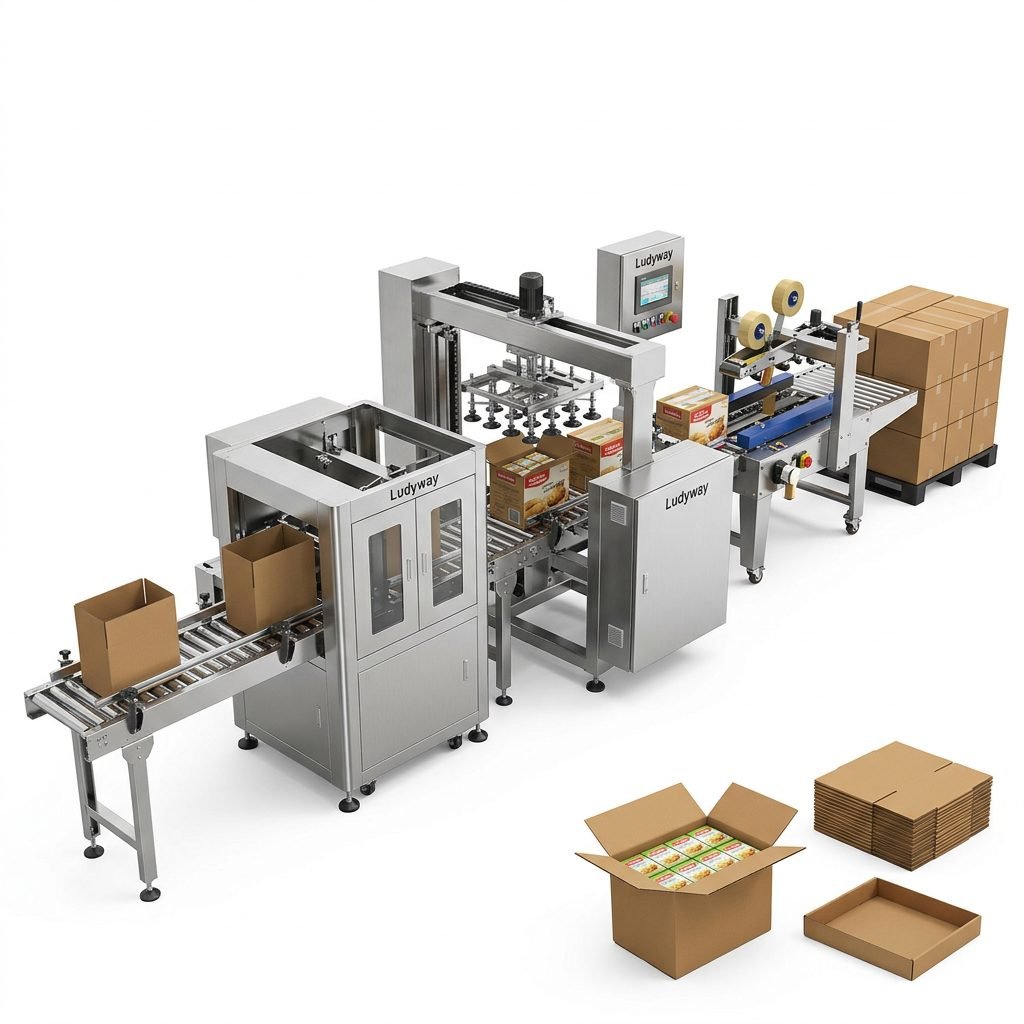
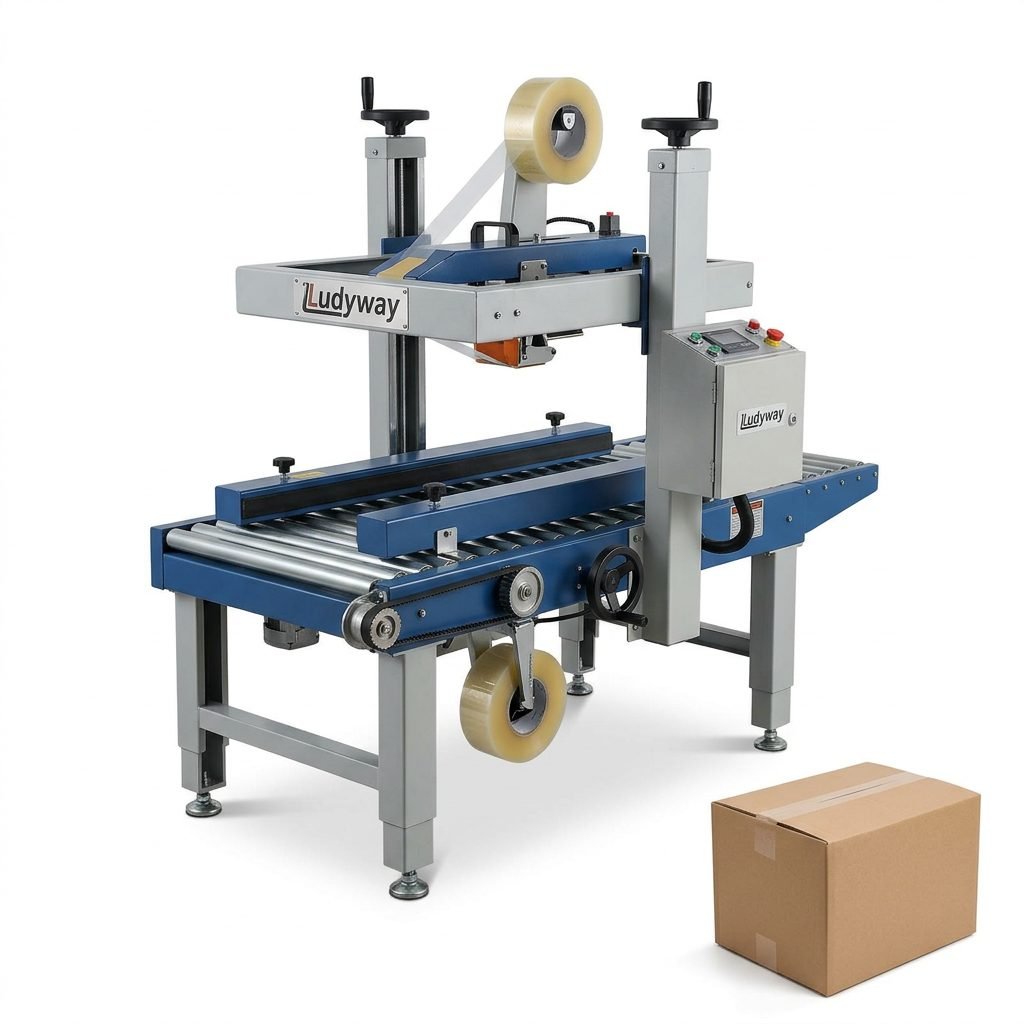
If your business is scaling quickly, an air packing machine may eventually be only one part of a larger shipping process that includes conveying, sealing, labeling, coding, case packing, and palletizing. In these cases, integrated packaging planning becomes important.
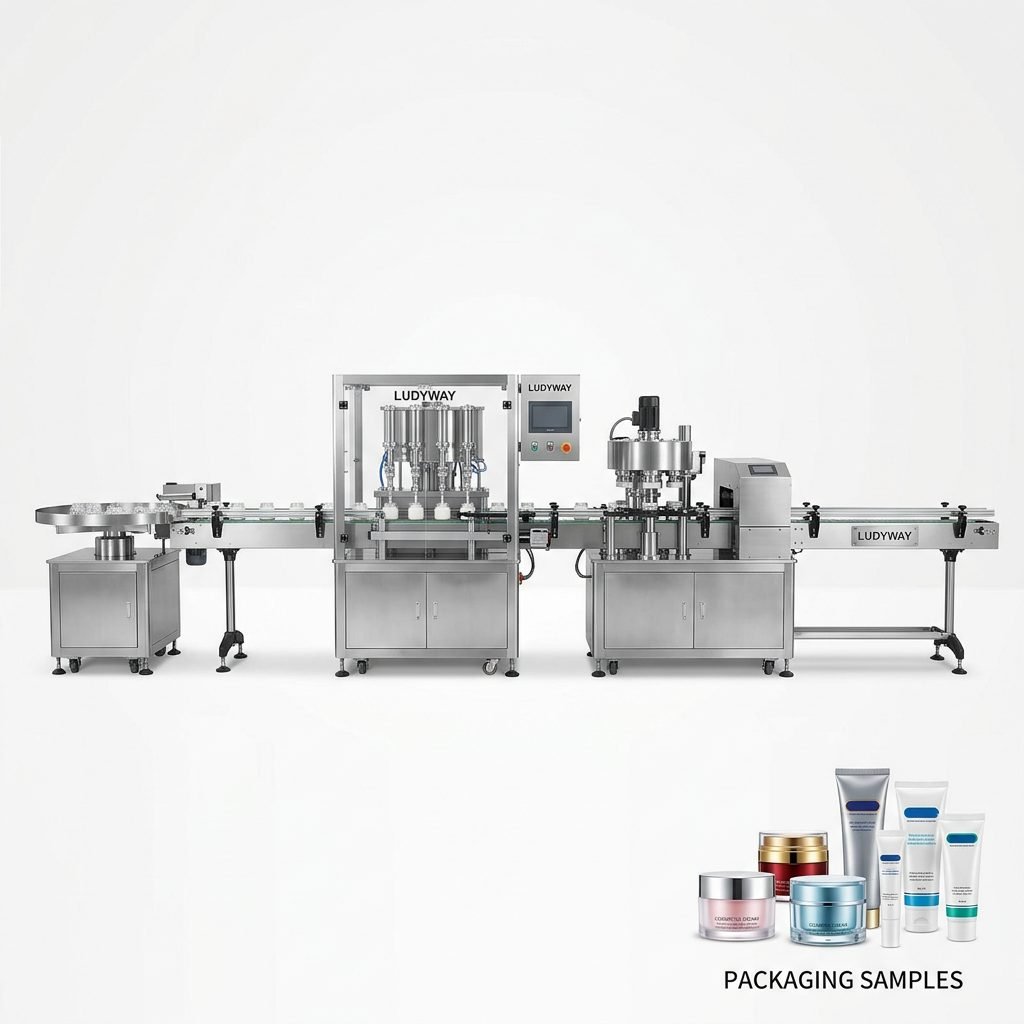
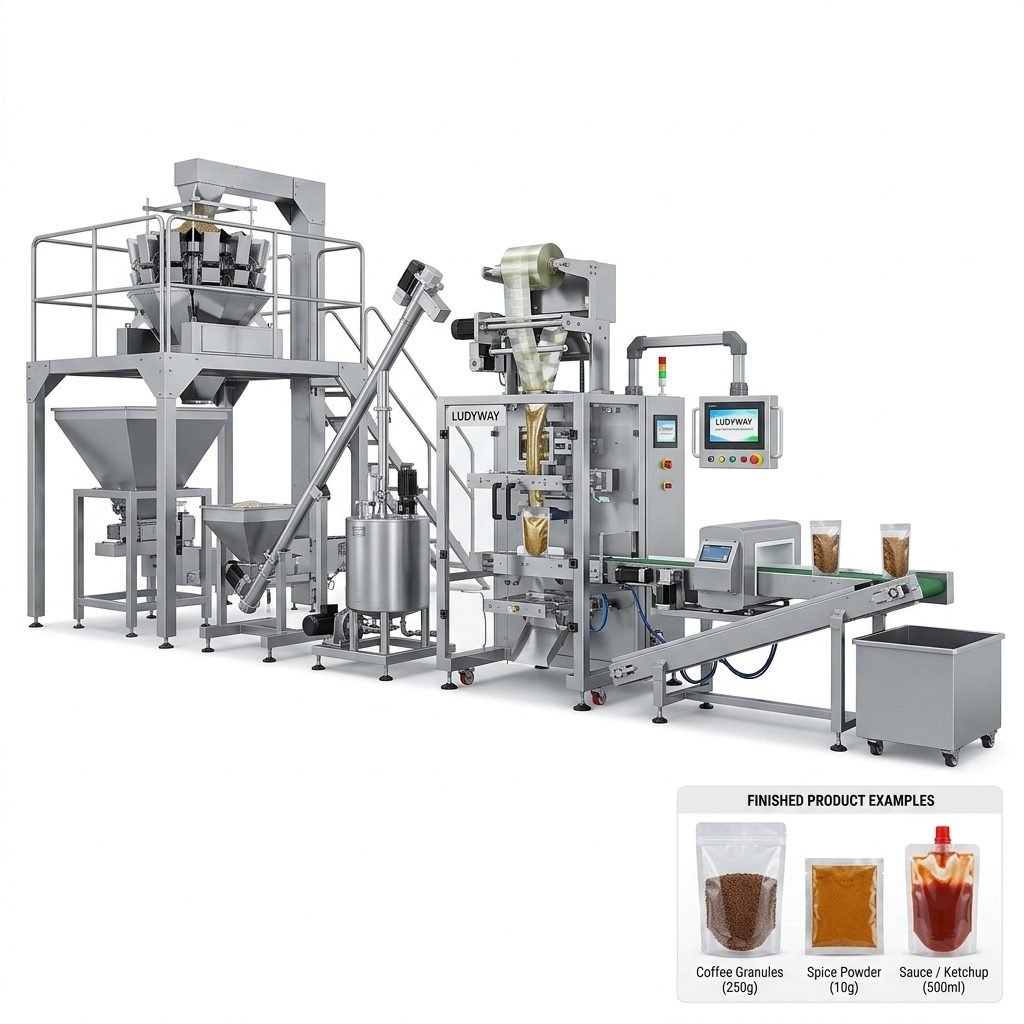
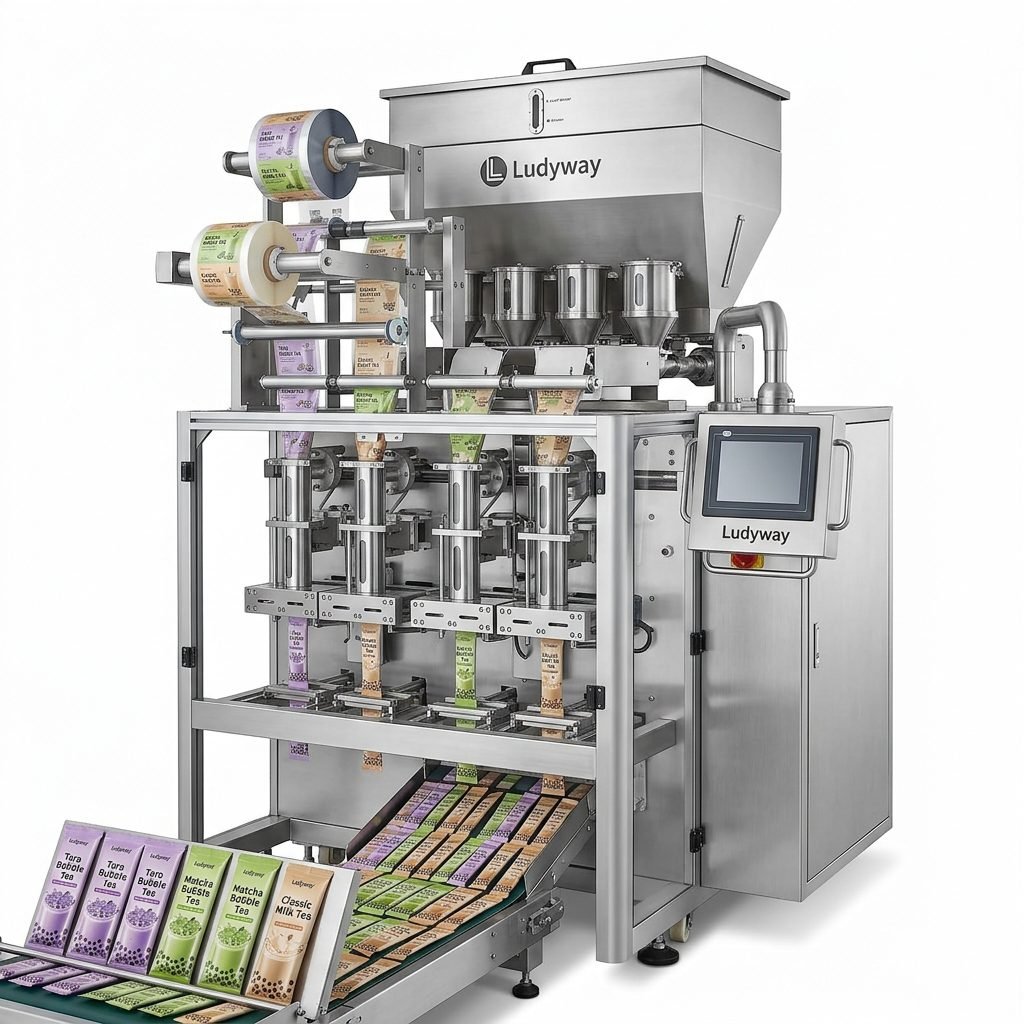
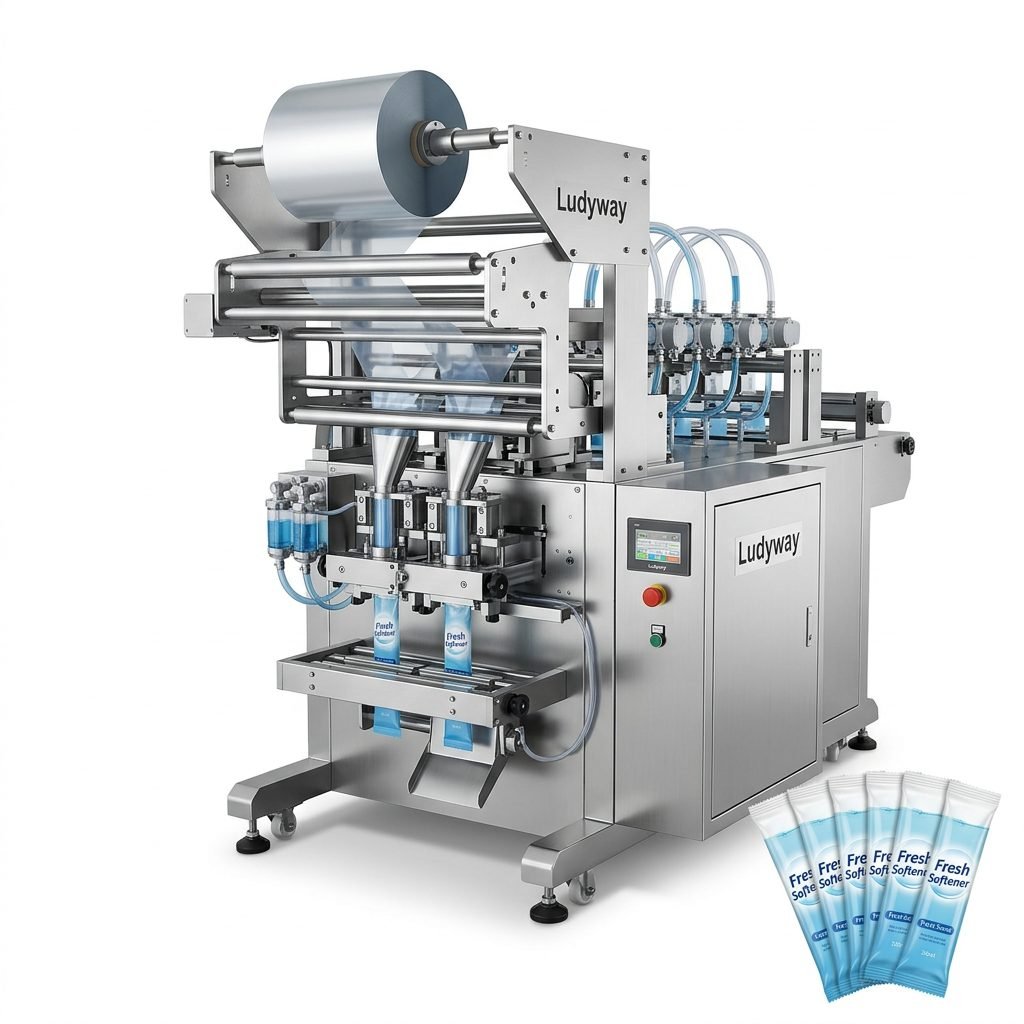
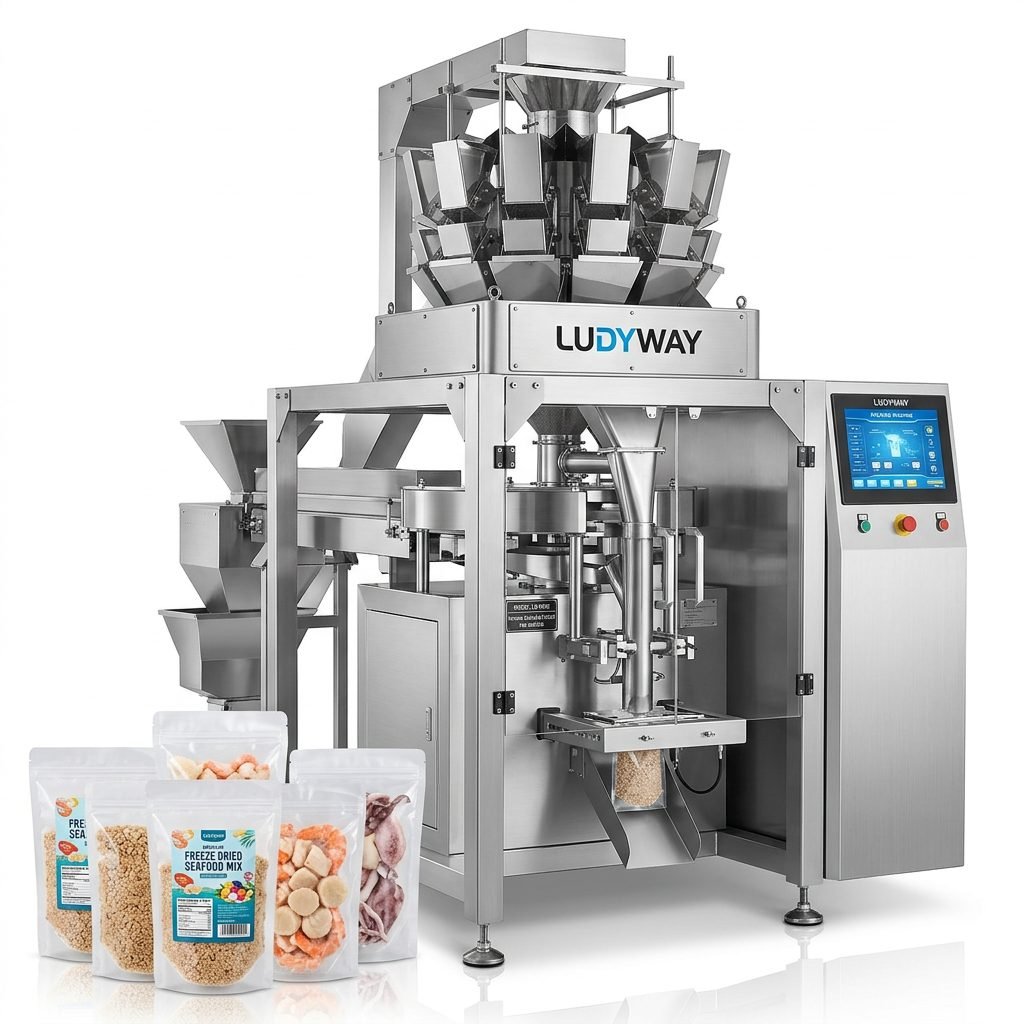
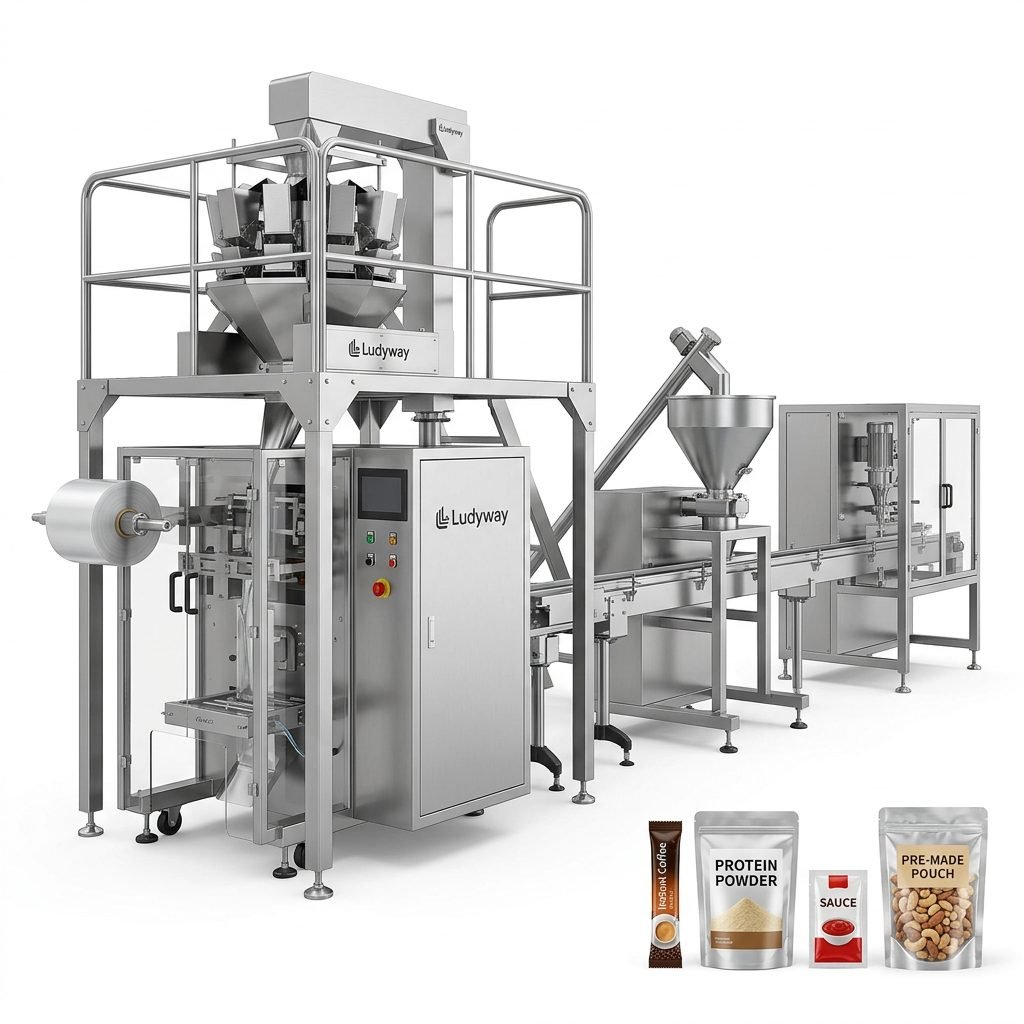
Manufacturers such as Ludyway packaging machine solutions are often considered by buyers looking for broader packaging automation, especially when they need standalone equipment plus turnkey line capability for food, pharmaceutical, health supplement, chemical, and related industries.
Best Air Packing Machine Features to Look For
If you are comparing suppliers, prioritize machines with the following features:
- Stable air pressure control
- Consistent sealing performance
- Compatibility with multiple film structures
- Fast start-up and simple adjustment
- Compact footprint for pack stations
- Low noise and energy-efficient operation
- Reliable spare parts and support availability
- Ability to fit future automation upgrades
Who Should Use Air Packing Machines?
Air cushion packaging is especially suitable for:
- E-commerce fulfillment businesses
- Cosmetics and skincare brands
- Electronics and accessory sellers
- Food and beverage exporters shipping fragile containers
- Medical and pharmaceutical product distributors
- 3PL and contract packaging providers
- Industrial parts and aftermarket supply companies
Final Buying Perspective
The best air packing machine is not simply the fastest or the cheapest model. It is the one that fits your product risk level, order volume, warehouse conditions, and packaging goals. A well-matched system can help your business reduce damages, improve fulfillment speed, lower material storage needs, and create a better delivery experience for customers.
When comparing options, focus on real shipping performance, material flexibility, machine reliability, and future scalability. That approach will help you choose a packaging solution that protects products effectively and supports business growth over time.