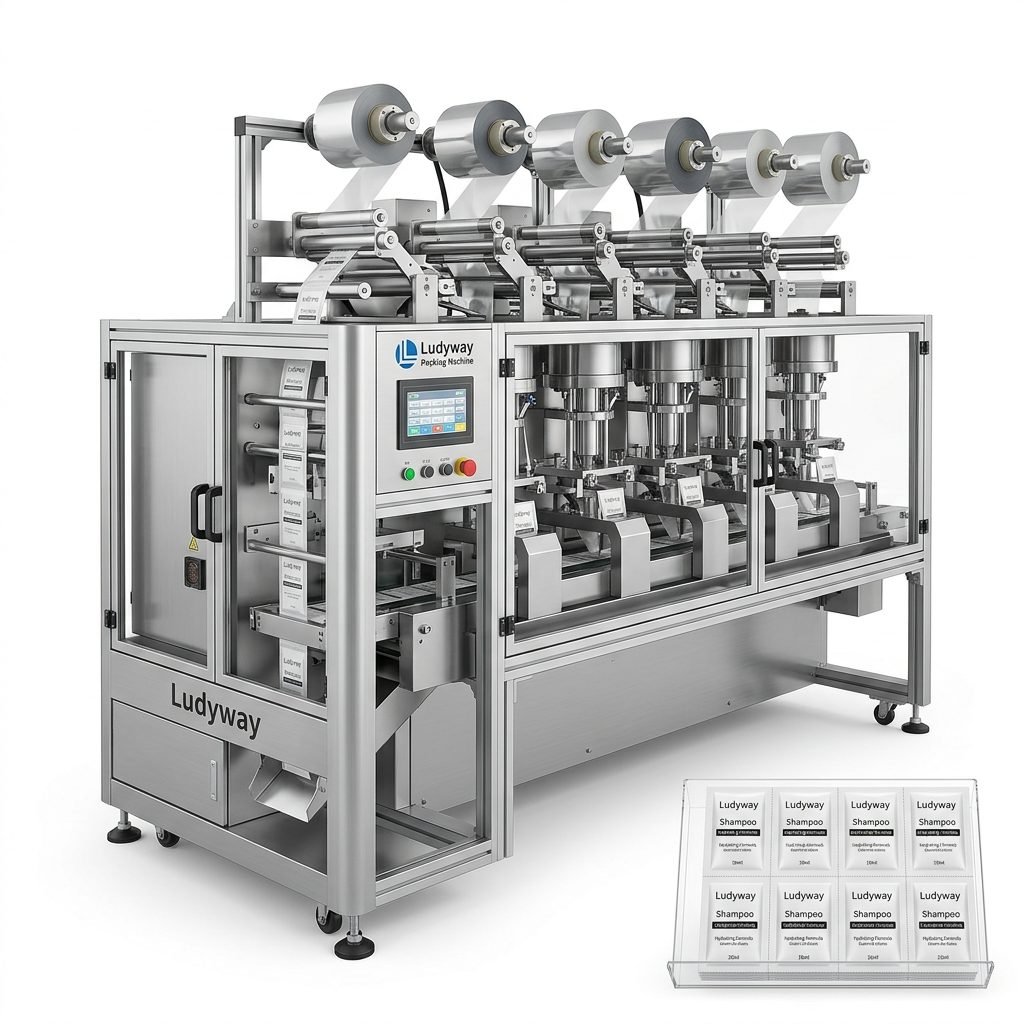
Investing in an automatic flour packing machine is a significant decision for any food processing, milling, or contract packaging business. With a wide range of technologies, configurations, and suppliers available, it’s essential to evaluate your specific needs against machine capabilities to ensure a profitable return on investment. This guide walks you through the critical factors to consider before making your purchase.
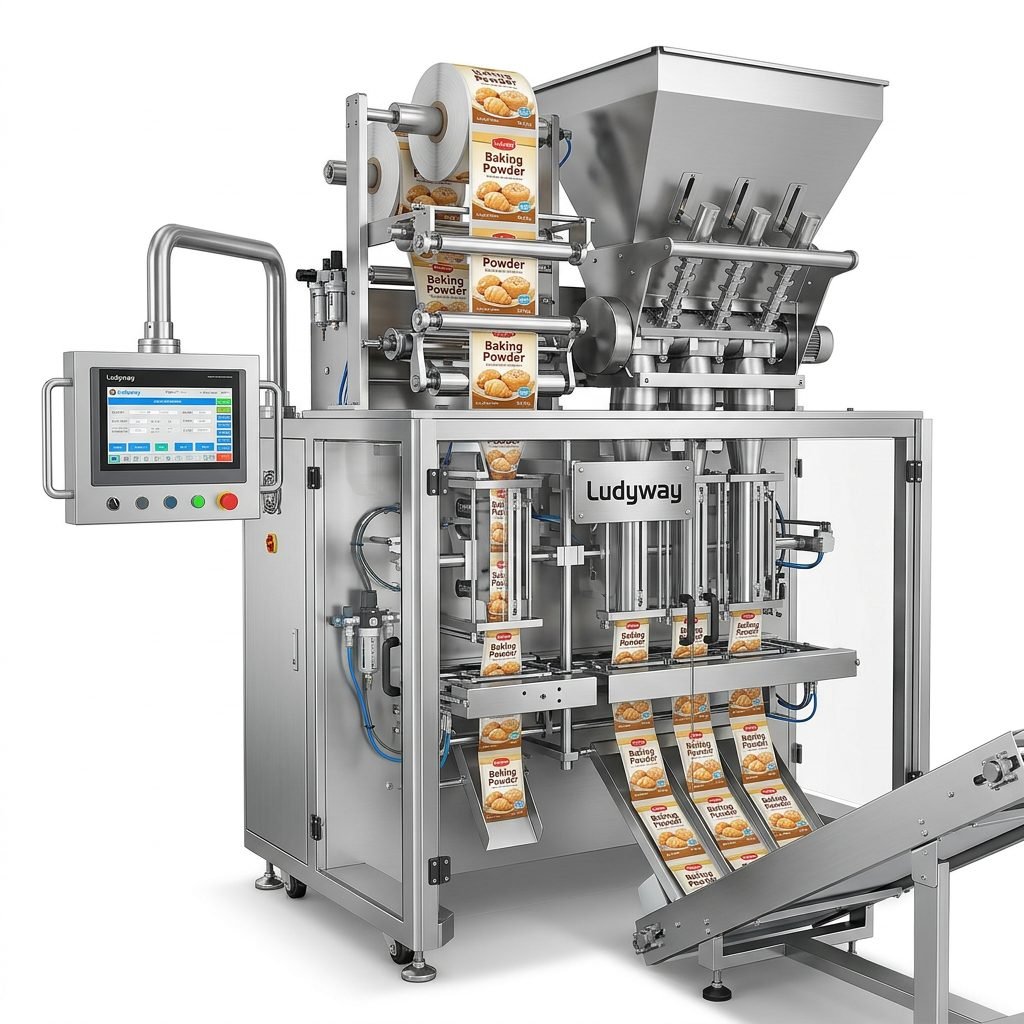
Understanding Your Production Requirements
Before comparing machine specifications, you must define your production goals. The right machine balances current needs with future growth potential. Start by documenting the following key metrics:
- Target Output: How many bags per minute or hour do you need to fill? Speeds can range from 20 to over 120 packs per minute for multi-lane systems.
- Bag Formats: Do you require pillow bags, gusseted bags, stick packs, sachets, or larger industrial bags? Ensure the machine supports your packaging style.
- Operating Hours: A machine running 24/7 requires different build quality and component specifications than one used for a single shift.
- Changeover Frequency: If you pack multiple flour types or weights, look for machines with quick, tool-less changeover features and recipe management systems.
Match Production Speed to Real Demand
Buying a machine that is too slow creates immediate bottlenecks. However, purchasing an oversized machine without sufficient upstream or downstream capacity leads to inefficient operation. Work with your supplier to calculate the Overall Equipment Effectiveness (OEE) you should target.
Powder Characteristics and Filling Technology
Flour is notoriously challenging to package. It can be dusty, aerated, and prone to clumping or bridging. Choosing the wrong filling system results in inaccurate weights, messy operations, and product waste. Consider these product properties:
| Product Property | Impact on Machine Selection | Recommended Solution |
|---|---|---|
| Fine Particle Size | Airborne dust affects sealing integrity and sensor performance | Dust extraction systems and enclosed filling zones |
| Bulk Density Variation | Inconsistent fill weights due to settling or aeration | Auger fillers with servo-driven agitation or gravimetric checkweighing feedback |
| Flowability (Bridging Risk) | Product jams in hoppers, leading to downtime | Mechanical agitators, vibratory hoppers, or special hopper coatings |
| Hygroscopic Nature | Product absorbs moisture, affecting flow and shelf life | Stainless steel construction and optional nitrogen flushing systems |
Auger Fillers vs. Volumetric Cup Fillers for Flour
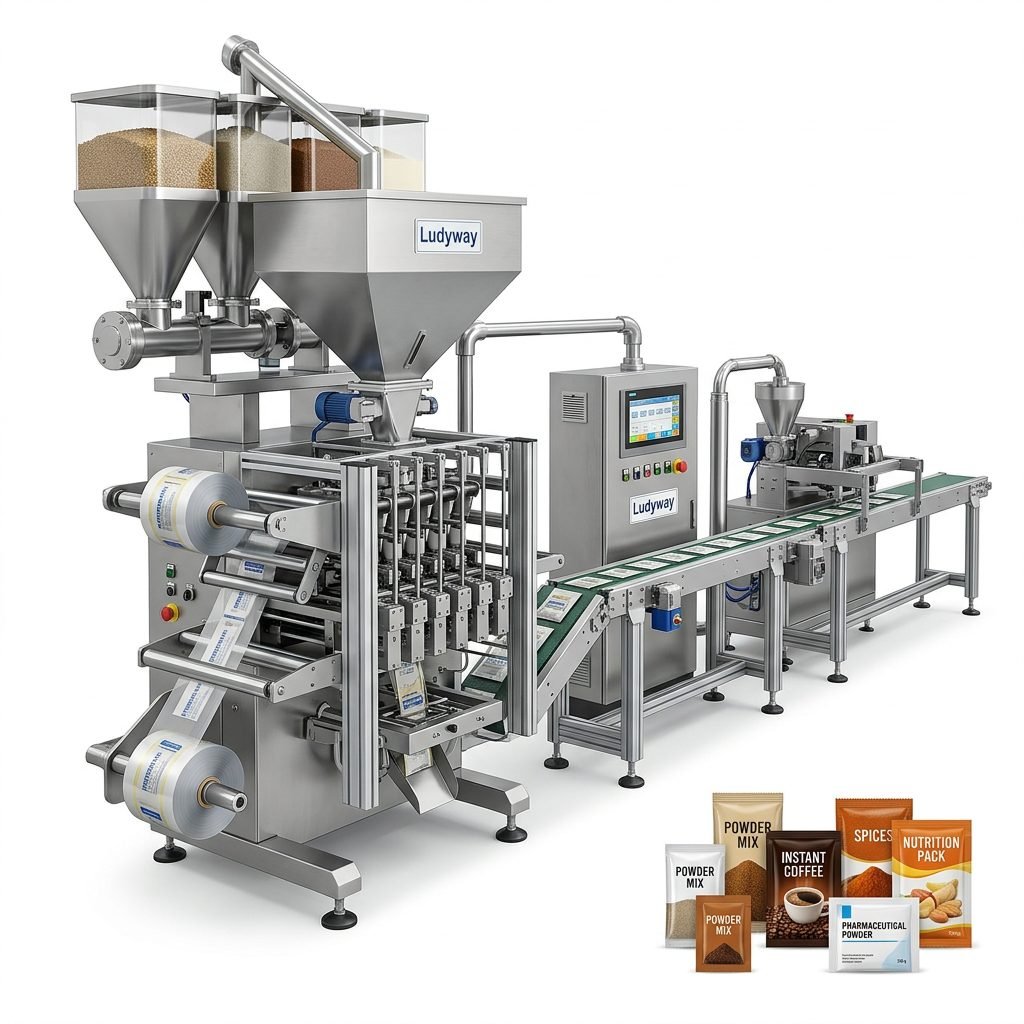
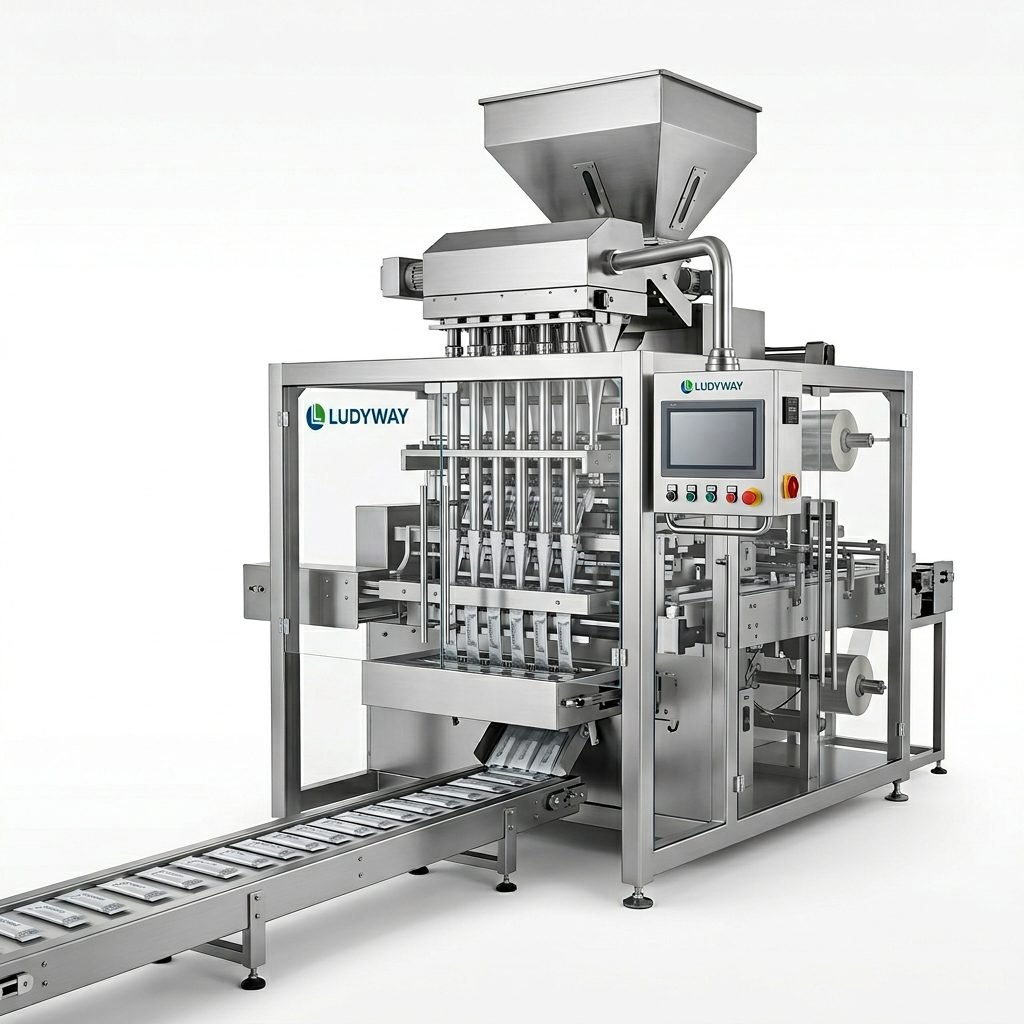
For flour and fine powders, servo-driven auger fillers are the industry standard for high accuracy. They can be easily adjusted via the HMI and are excellent at handling cohesive powders. Volumetric cup fillers offer high speed but may lack the precision required for expensive flour blends. For free-flowing granular flour variants, multi-head weigher combinations provide the best speed-to-accuracy ratio.
Machine Construction and Material Quality
In the food industry, machine construction directly impacts product safety, cleanability, and equipment longevity. For flour packaging, certain standards are non-negotiable.
- Food-Grade Stainless Steel: All product contact parts must be made of 304 or 316L stainless steel. This prevents rust and ensures compliance with FDA food contact regulations.
- IP65+ Electrical Protection: Fine flour dust can penetrate control panels and damage sensitive electronics. Look for IP65-rated enclosures and sealed connector systems as a minimum standard.
- Welded vs. Bolted Frames: Continuous welded frames are easier to clean and reduce areas where flour can accumulate and harbor pests or bacteria.
- Pneumatic and Electrical Components: Trusted global brands for PLCs, sensors, and cylinders ensure reliability and spare parts availability in your region.
Bagging Styles and Secondary Packaging Integration
Your automatic flour packing machine should be the centerpiece of a cohesive packaging line. Consider how the filled bag moves through your facility.
Vertical Form Fill Seal (VFFS) for Flour
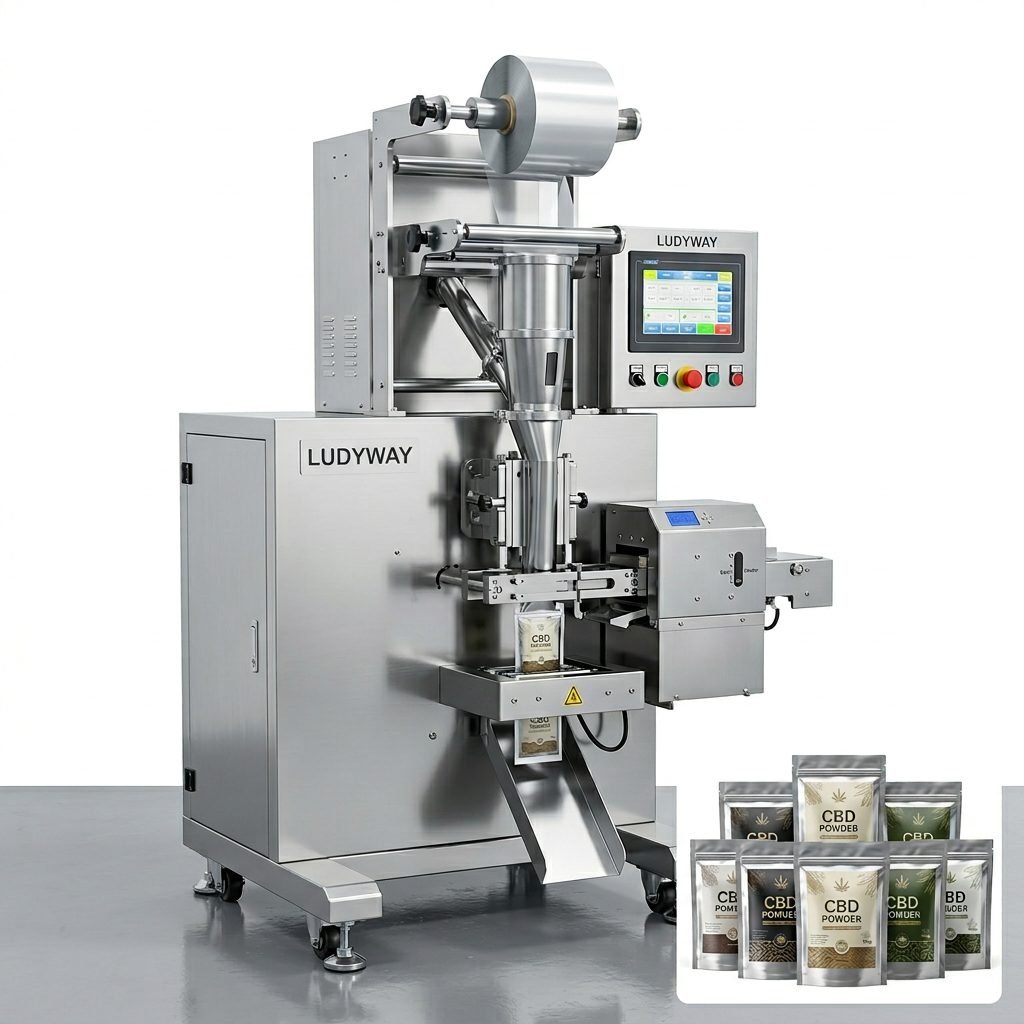
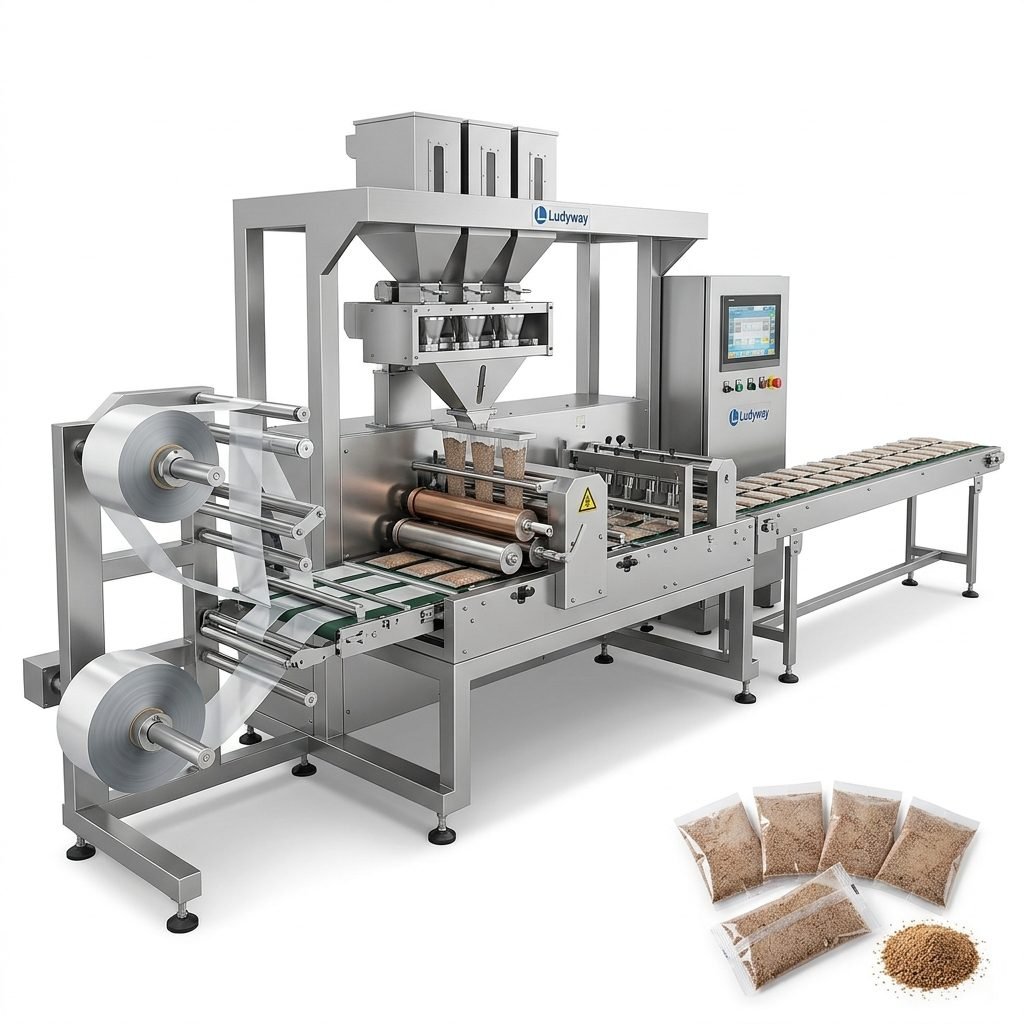
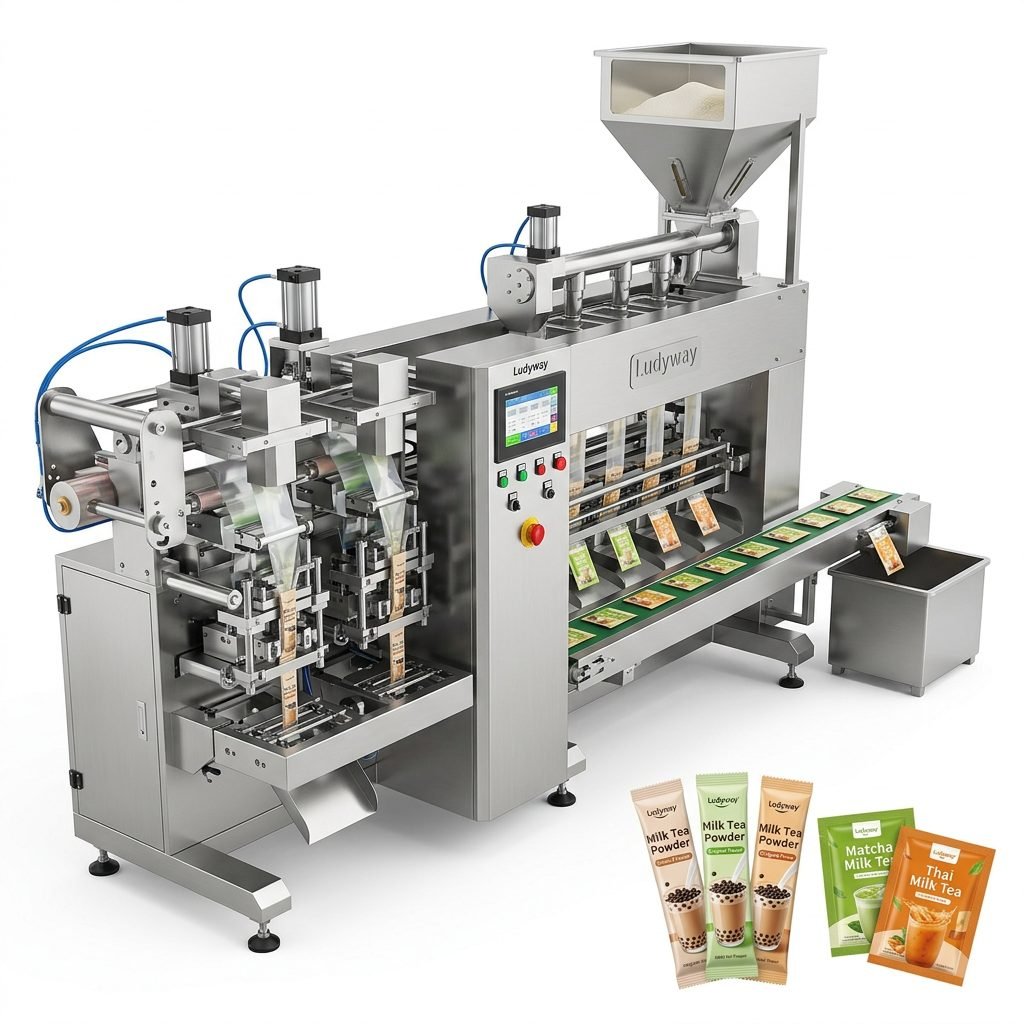
VFFS machines are the most common choice for flour. They form bags from a roll of flat film, fill them, and seal them continuously. This method is cost-effective for film and offers high speeds. Key options to look for include:
- Multi-lane configurations for high-volume small sachets or stick packs (e.g., single-serve flour portions).
- Zip-lock and resealable applicators for consumer convenience in larger bags.
- Corner sealing and degassing valves for block-bottom bags that stack well on retail shelves.
Pre-Made Pouch Machines
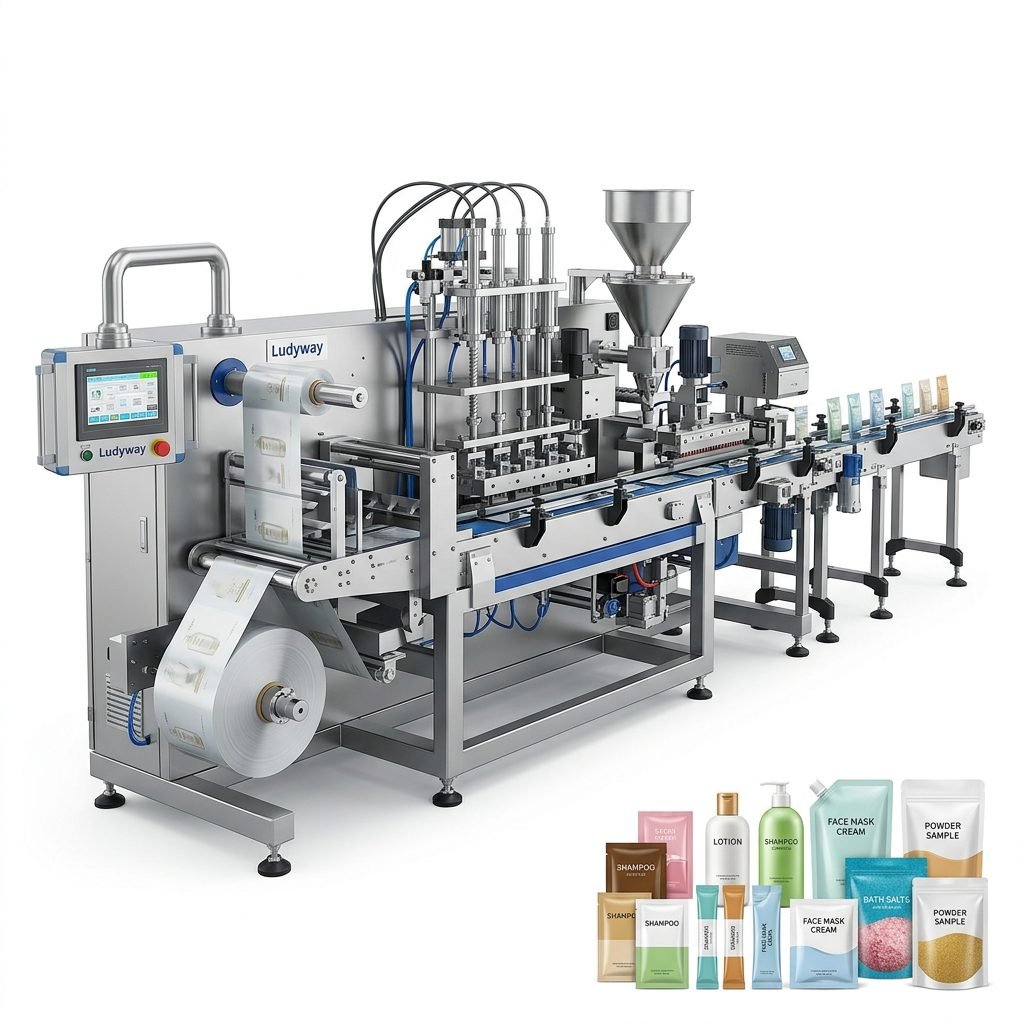
If your brand uses stand-up pouches, spouted pouches, or custom-shaped bags, a rotary or inline pre-made pouch filler is required. These machines offer premium packaging aesthetics and are often paired with automatic weighing and filling stations.
Automation, Controls, and Industry 4.0 Readiness
Modern packing machines go beyond simple on/off operations. The control system determines how easily the machine integrates into your smart factory strategy.
| Feature | Benefit for Flour Packing Operations |
|---|---|
| Servo-Driven Motors | Precise control of film advance, sealing dwell time, and filling length. Programs are saved for instant recall, cutting changeover time by up to 70%. |
| Remote Access and IoT | Allows supplier technicians to diagnose problems remotely. Collects OEE data, rejects trends, and maintenance alerts directly to your MES system. |
| Automatic Reject Systems | Integrated checkweighers and metal detectors identify and eject non-conforming packs without stopping production, critical for food safety compliance. |
| Recipe Management | Stores parameters for different flour types (all-purpose, whole wheat, gluten-free, etc.) and bag sizes, ensuring repeatable quality with operator error minimized. |
Evaluating the Total Cost of Ownership (TCO)
The purchase price is only one component of your long-term expense. A thorough analysis of TCO prevents budget surprises over the machine’s 10-15 year lifespan.
- Film Waste: A machine with poor film tracking or inconsistent sealing can waste 5-10% of packaging film. Calculate the annual cost of that waste—it often exceeds the price difference between a budget and premium machine.
- Spare Parts Inventory: Inquire about the recommended spare parts list and the cost of wear items like sealing jaws, heaters, belts, and cutting blades.
- Energy Consumption: Regenerative drives on servo motors can reduce electrical consumption by feeding deceleration energy back into the system.
- Operator Training: A machine with an intuitive HMI reduces training time and operational errors. Some suppliers offer comprehensive training programs included in their proposal.
Supplier Capability and After-Sales Support
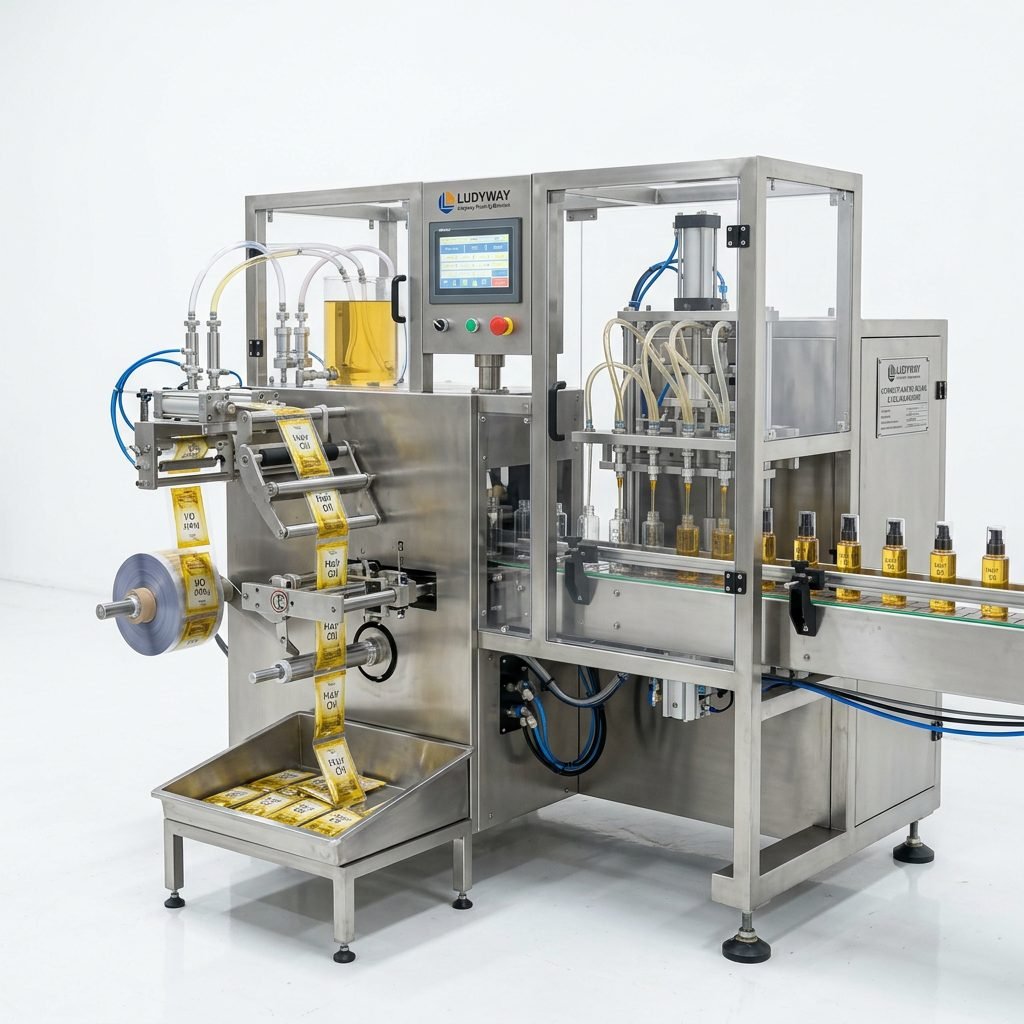
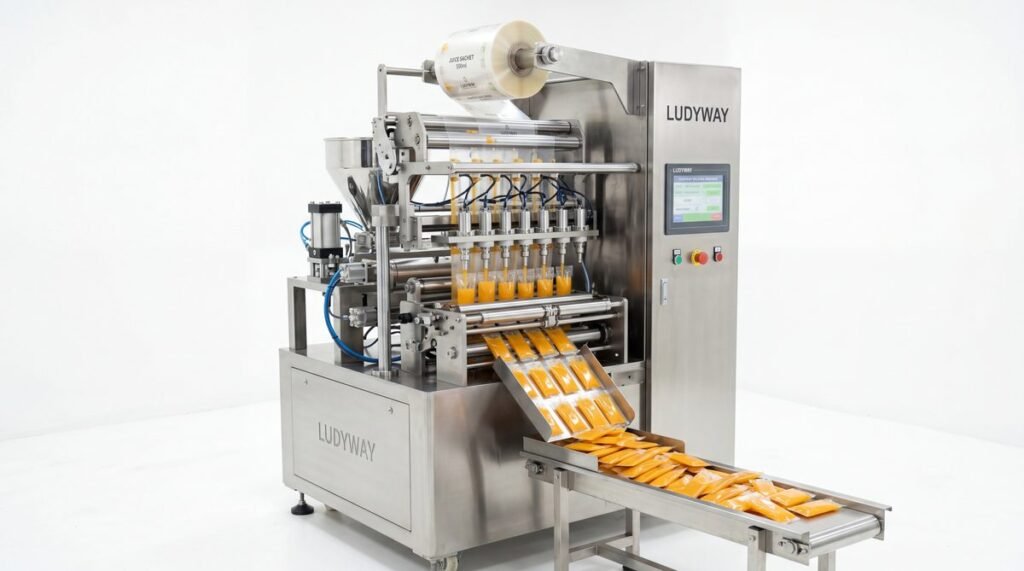
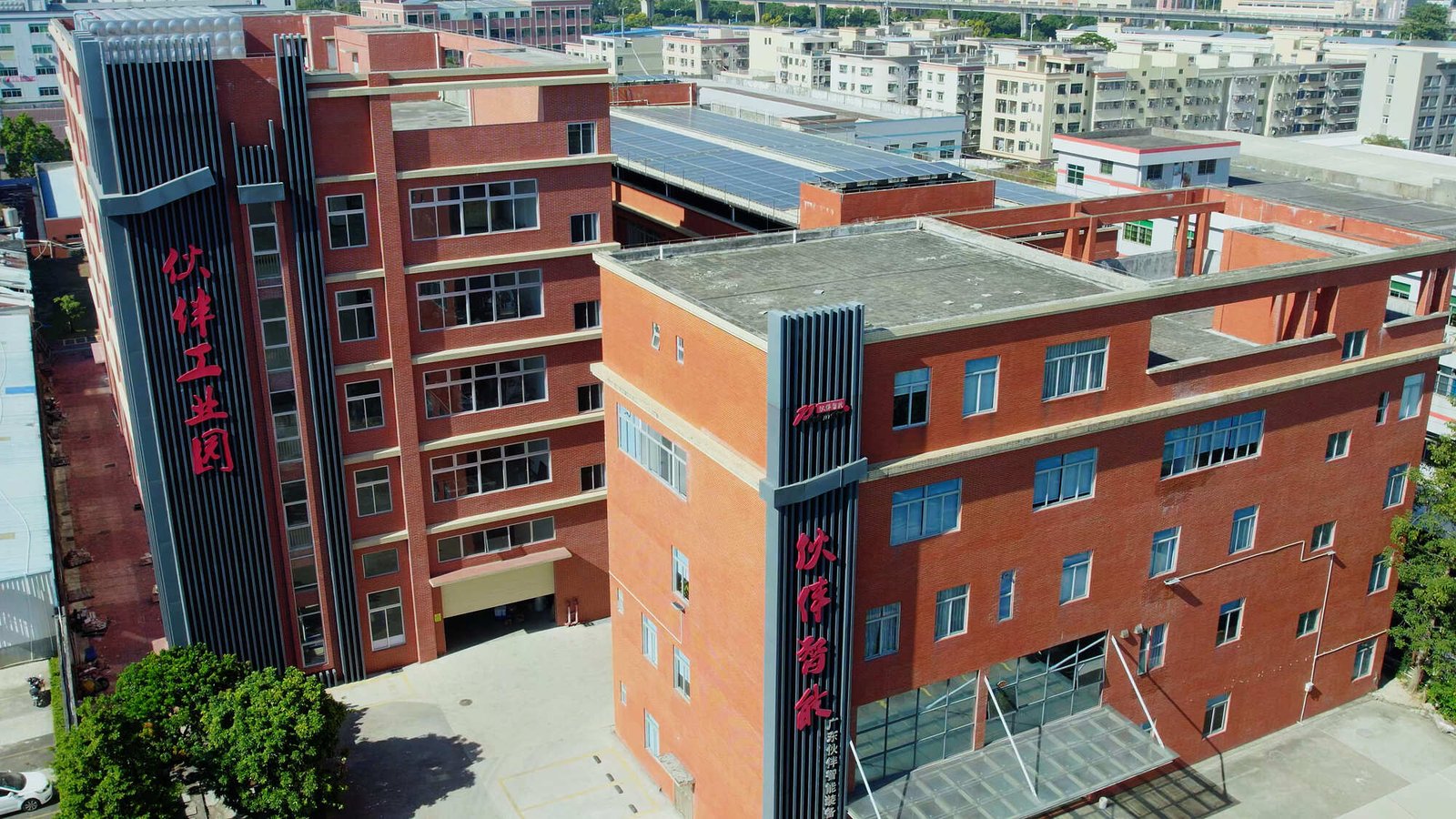
Your relationship with the machinery manufacturer is a long-term partnership. Before signing a contract, verify the supplier’s ability to support your operation consistently. As an example, Ludyway Machinery is a China-based packaging machinery manufacturer with over 30 years of experience, a 20,000-square-meter facility, and more than 50 packaging machine models. They support customers in over 100 countries and provide technical assistance throughout the full project lifecycle, from machine selection and system integration to installation, commissioning, and spare parts support.
Key questions for any supplier include:
- Do you have a direct service team, or do you rely on third-party agents?
- What is the typical response time for remote technical support and on-site service?
- Can you provide references from companies packing similar flour products?
- Is the machine design compliant with ISO packaging standards and other relevant international regulations?
- Do you offer factory acceptance testing (FAT) and site acceptance testing (SAT) as part of the commissioning process?
Turnkey Solutions vs. Single Machines
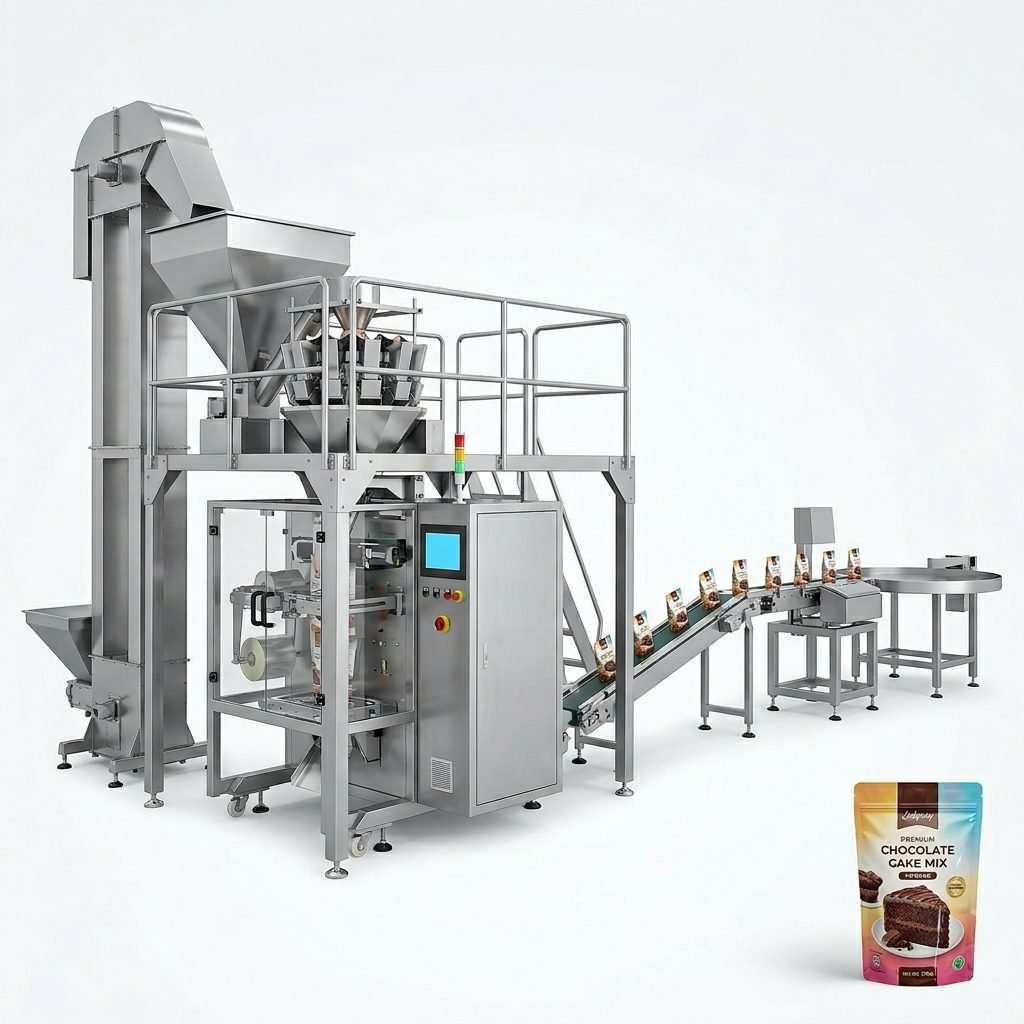
If you’re building a new line, consider whether the supplier can also provide upstream feeding systems (bucket elevators, screw conveyors) and downstream equipment (checkweighers, cartoners, palletizers). A single-source turnkey packaging solution simplifies project management, ensures compatibility, and often provides single-point accountability for the entire line’s performance.
Conclusion: Align Your Needs with the Right Technology
Selecting the correct automatic flour packing machine requires balancing speed, accuracy, product compatibility, and total lifecycle costs. By methodically assessing your product characteristics, production targets, and the supplier’s engineering and service capabilities, you can invest in a system that delivers consistent performance, food safety compliance, and strong ROI for years ahead. Always insist on detailed proposals that include performance guarantees, acceptance criteria, and explicit after-sales service level agreements.
For further information on packaging trends and market data, resources from the Flexible Packaging Association and PMMI State of the Industry reports offer valuable context for strategic planning.