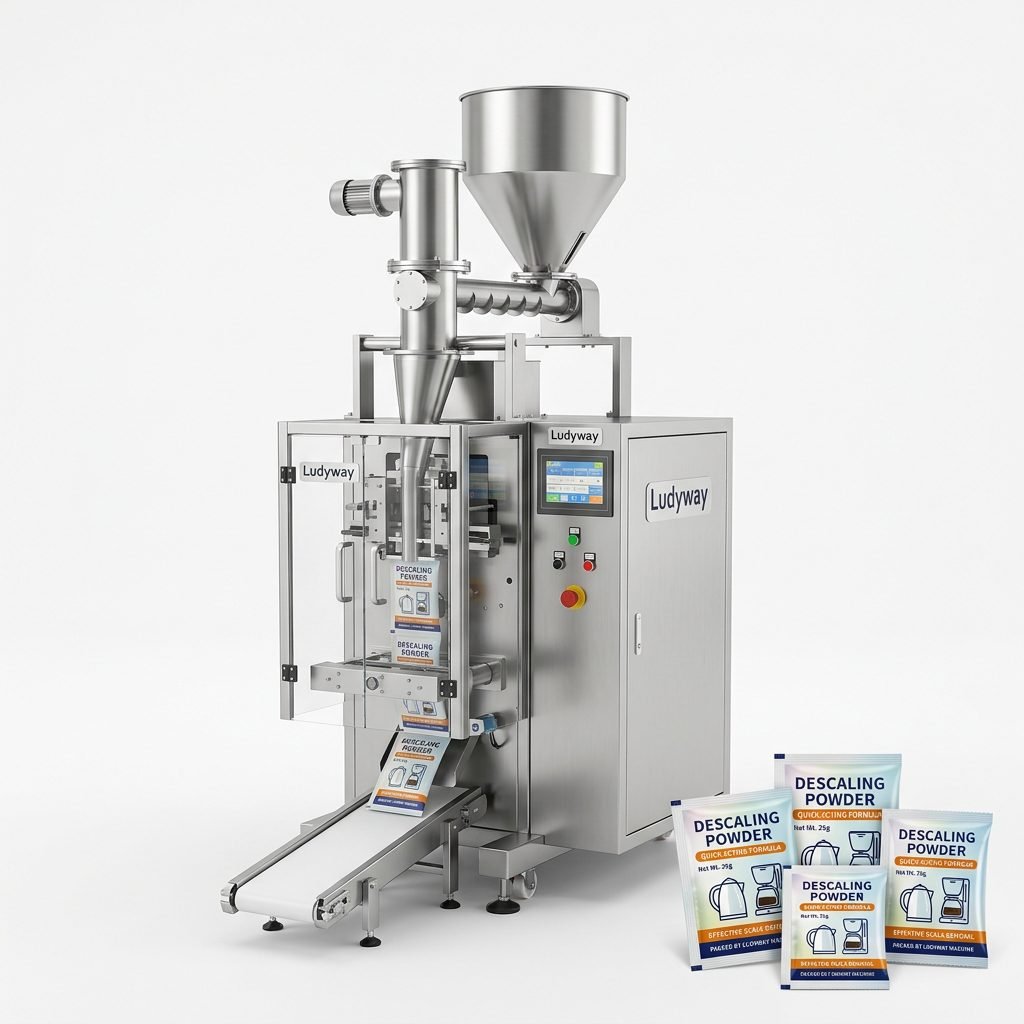
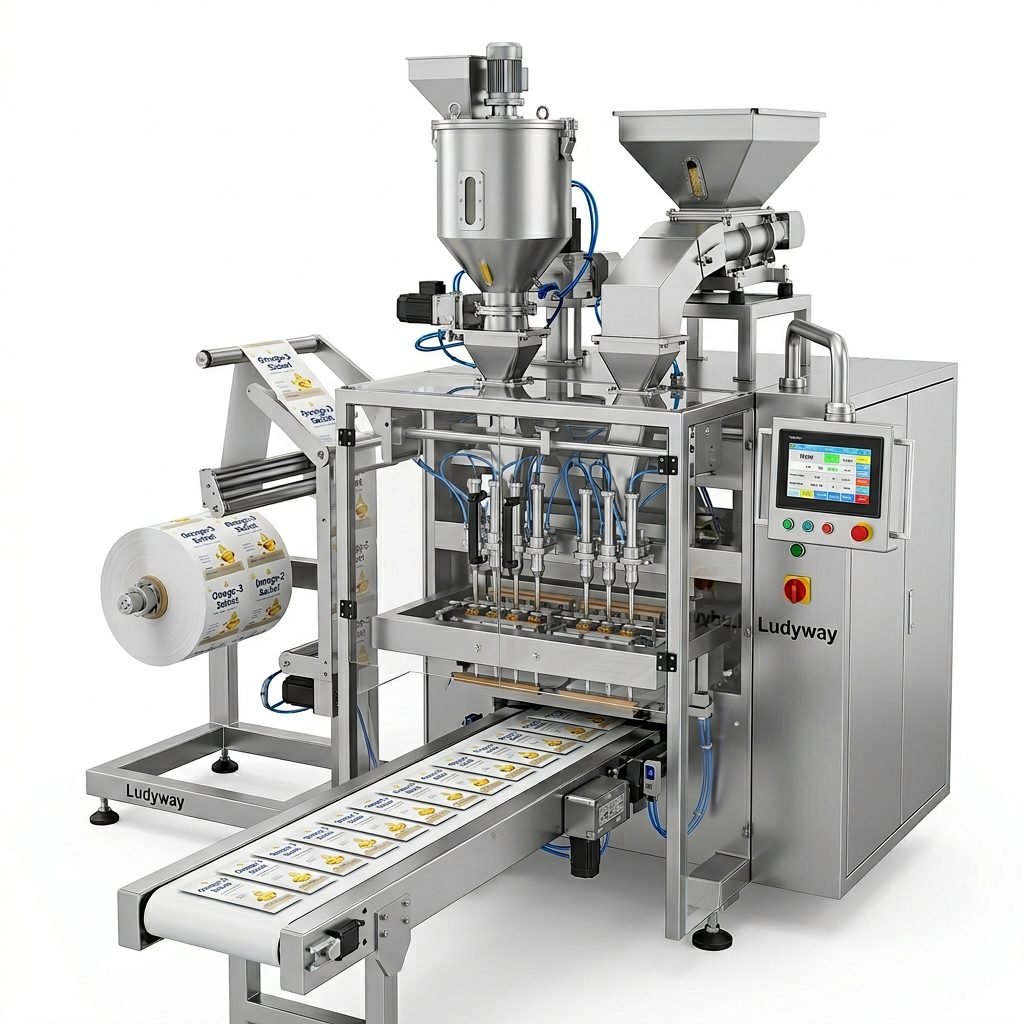
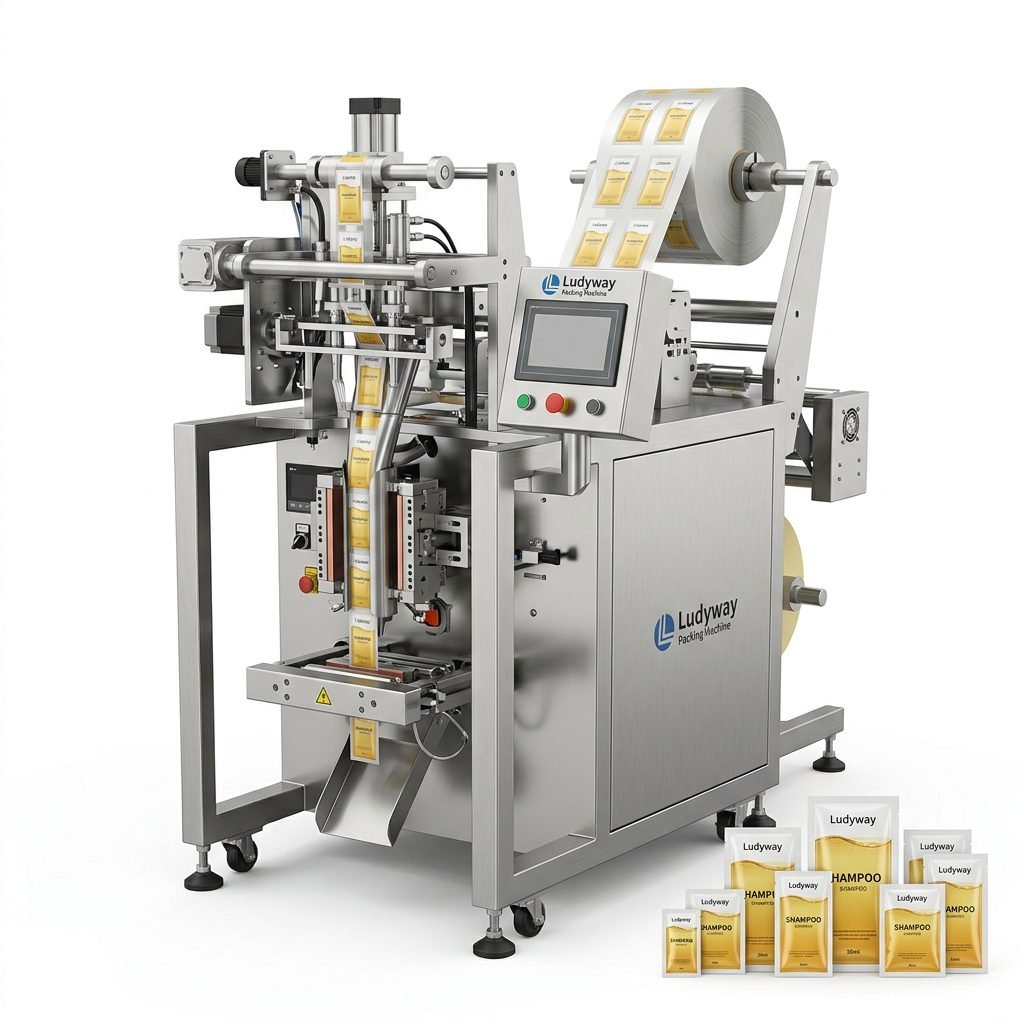
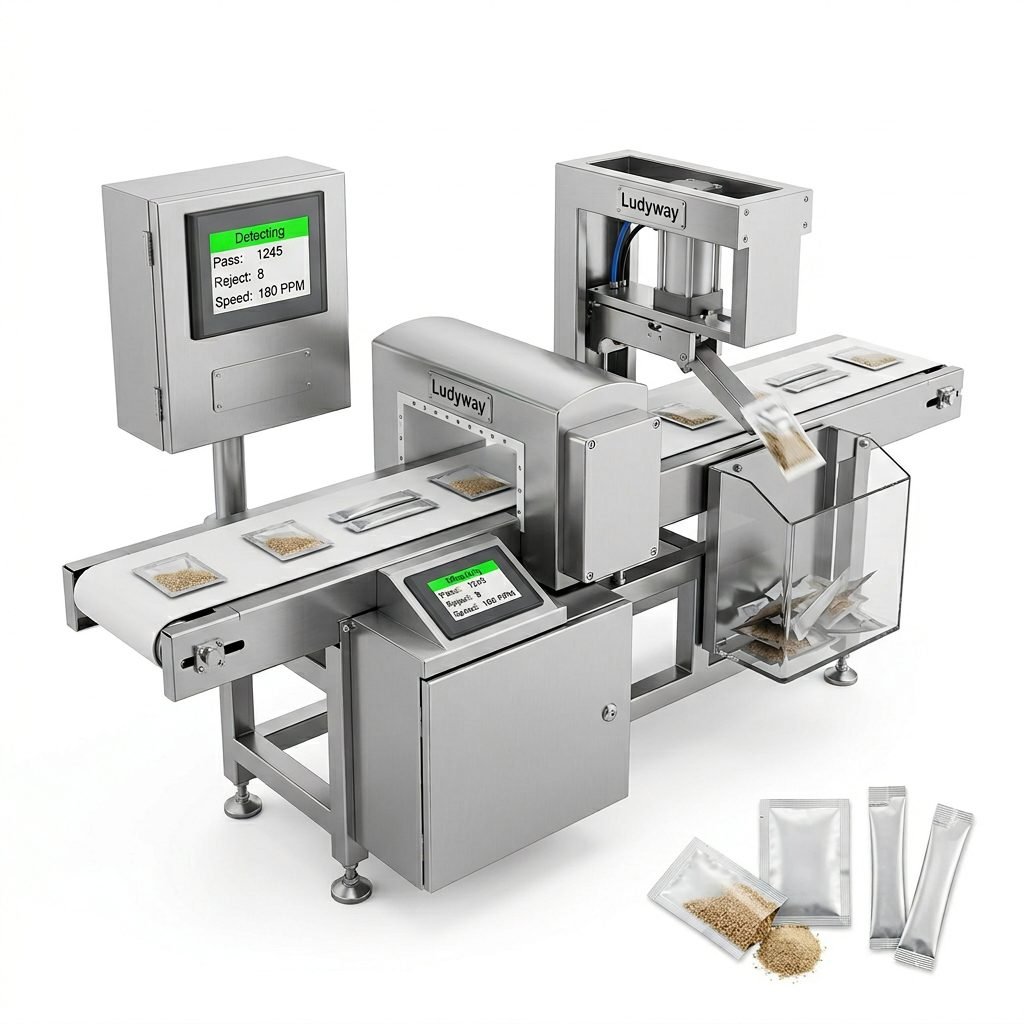
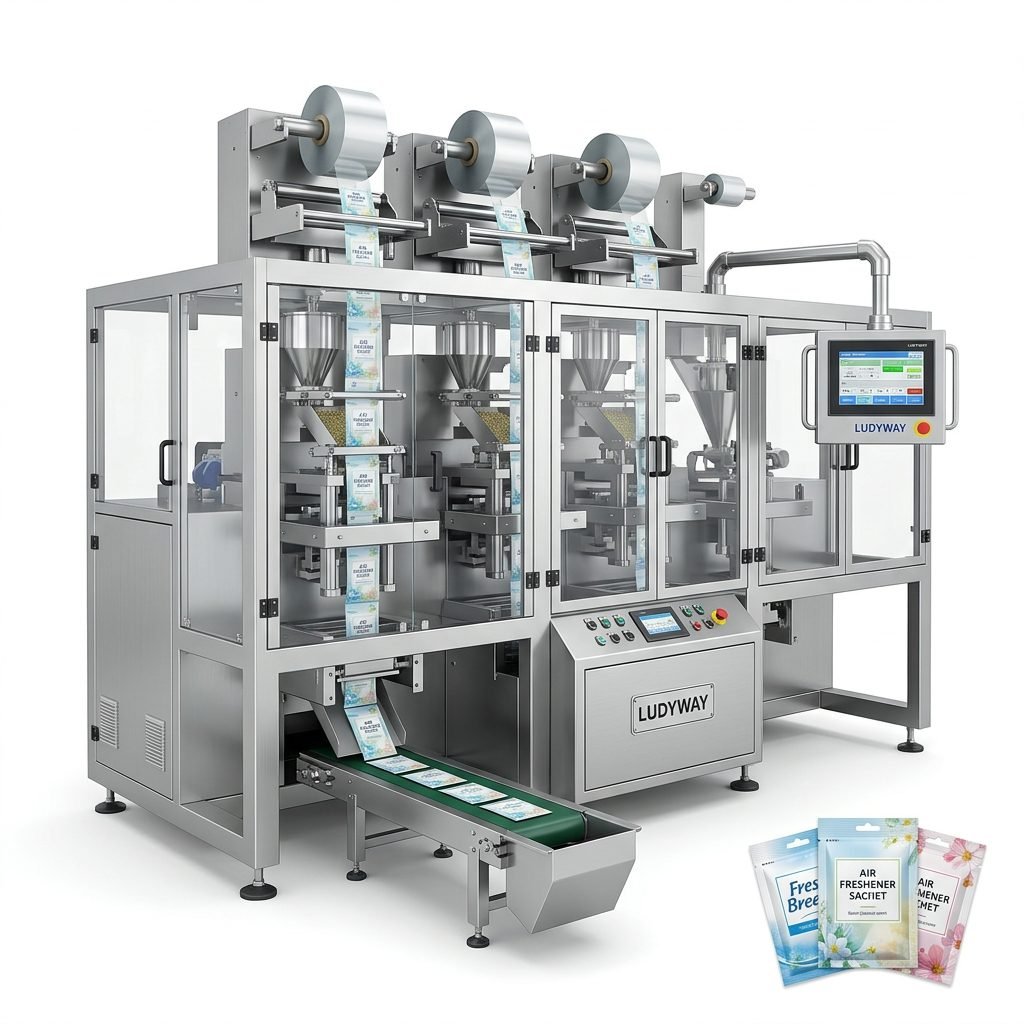
In the world of food preservation, the role of an airtight food packaging machine is paramount. A vacuum sealer is not just a kitchen gadget; it’s a vital tool for extending freshness, preventing spoilage, and maximizing the shelf life of a wide variety of foods. From bulk purchases and meal prepping to sous-vide cooking and long-term storage, choosing the right machine can transform how you manage your food. This guide will walk you through the essential factors to consider when selecting the best vacuum sealer to meet your needs for optimal freshness and longevity.
Understanding Vacuum Sealing Technology
At its core, a vacuum sealer removes air from a specially designed bag or container before sealing it shut. This process, known as Modified Atmosphere Packaging (MAP), drastically reduces the oxygen that causes oxidation and bacterial growth. By creating an airtight environment, the machine slows down degradation, locks in flavors, and prevents freezer burn. Modern vacuum sealers utilize sophisticated mechanisms to achieve this, ensuring a tight, reliable seal that protects your food’s quality.
🔍 Key Benefit: The Science of Freshness
Removing oxygen is the single most effective action to preserve food. An airtight food packaging machine inhibits the growth of aerobic bacteria and molds, slows enzymatic reactions, and prevents moisture loss. This scientific approach is why vacuum-sealed food can last 3 to 5 times longer in the freezer and significantly longer in the refrigerator compared to conventional storage methods.
How to Choose the Best Vacuum Sealer: A Detailed Guide
Selecting the perfect machine requires evaluating your specific usage patterns, volume, and desired features. The market offers a range from simple handheld units to sophisticated chamber vacuum sealers.
1. Assess Your Usage Frequency and Volume
Your lifestyle is the first determinant. Are you an occasional user preserving leftovers, or a serious meal-prepper, hunter, or gardener processing large batches?
- Light/Infrequent Use: A basic external suction sealer is cost-effective and sufficient for occasional freezer bags and marinating.
- Regular/Heavy Use: For weekly meal prep or preserving garden harvests, a heavy-duty external sealer with a more powerful motor and wider seal bar is essential. Consider models with a pulse function for delicate items.
- Commercial/High-Volume Use: For businesses, restaurants, or serious home chefs, a chamber vacuum sealer is the gold standard. It can handle liquids, seal rigid containers, and process multiple bags quickly, making it ideal for sous-vide cooking and large-scale preservation.
2. Critical Machine Features to Compare
Beyond the basic function, these features differentiate a good machine from a great one.
✅ Motor Power & Suction Strength
Measured in watts or horsepower, this determines how quickly and thoroughly air is removed. A stronger motor creates a deeper vacuum, leading to better preservation and a tighter bag. For dense or bulky items, superior suction is non-negotiable.
✅ Seal Bar Quality & Width
The seal bar melts the bag material to create an airtight weld. Look for a double or impulse seal for extra reliability. A wider bar allows you to seal larger bags in one pass and is more durable under frequent use.
✅ Bag Compatibility & Accessory Port
Most external sealers require specific textured bags for the suction channel. Ensure the machine is compatible with affordable, readily available bag rolls and pre-made bags. An accessory port is a versatile feature, allowing you to use hose attachments for vacuum sealing jars, canisters, or wine bottles, greatly expanding the machine’s utility.
3. Distinguishing External vs. Chamber Sealers
This is the fundamental choice in vacuum sealer types.
- External (Suction) Sealers: Air is sucked out through a channel in the bag before the seal is made. They are affordable, compact, and user-friendly. However, they struggle with liquids (which can be sucked into the motor) and require special bag textures.
- Chamber Vacuum Sealers: The entire bag is placed inside a sealed chamber. Air is removed from the chamber itself, then the bag is sealed. They excel at sealing liquids, powders, and delicate foods, can use smoother, less expensive bags, and are faster for multiple bags. Their main drawbacks are higher cost, larger size, and greater weight.
Maximizing Freshness and Shelf Life with Your Sealer
Owning a great machine is only half the battle. Proper technique ensures you get the promised results.
Pre-Treat for Best Results: Blanch vegetables before freezing to deactivate enzymes. Pat meats and fish dry to remove surface moisture. Pre-freeze soft or liquidy foods (like soup) in the bag for a few hours before vacuum sealing to prevent a messy seal.
Smart Storage Practices: Label every bag with the contents and date. Use the “first in, first out” principle. Even vacuum-sealed food has a limit; consult reliable charts for maximum recommended storage times for different food types in the freezer or fridge.
💡 Pro Tip: Beyond the Kitchen
Your airtight food packaging machine is a tool for organization and protection. Use it to create waterproof bags for boating or camping essentials, preserve important documents from moisture, or organize small hardware items by sealing them in labeled bags. The applications extend far beyond food.
Investing in Quality and Support
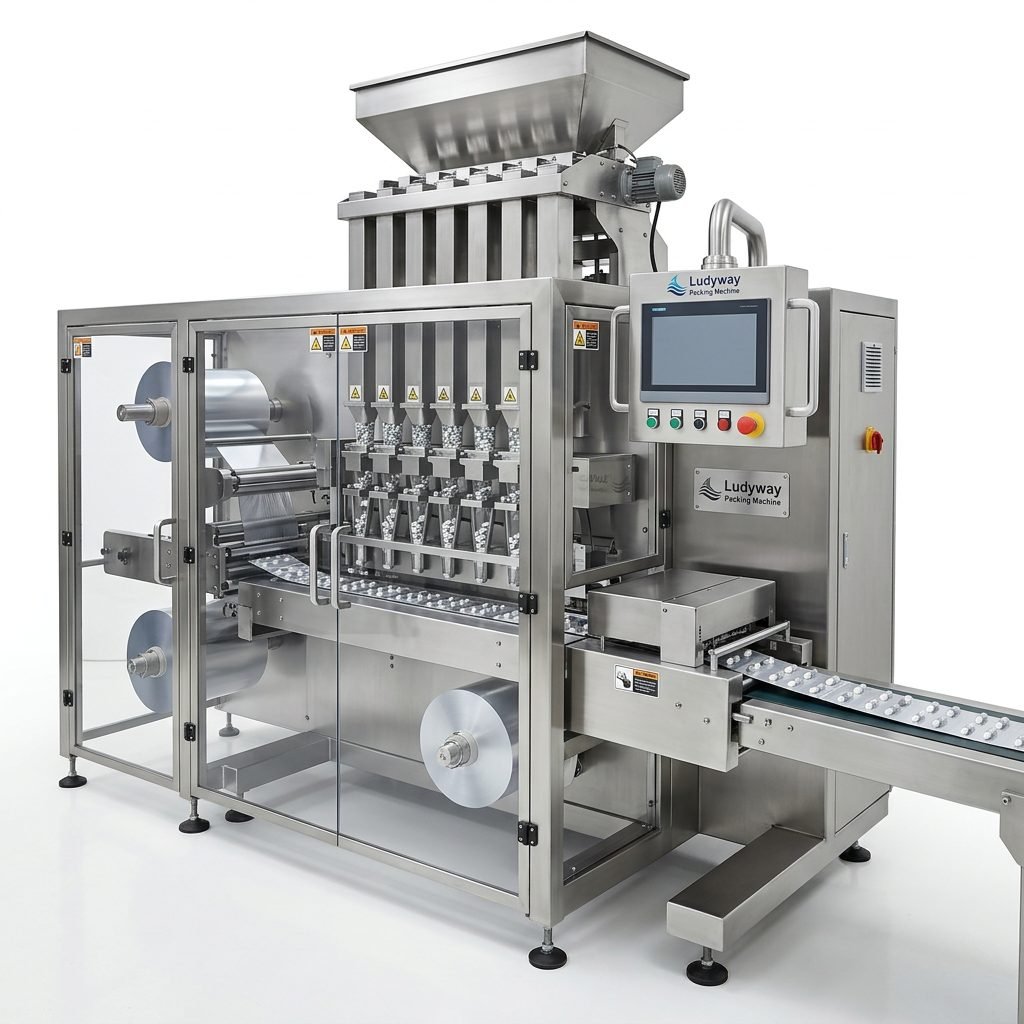
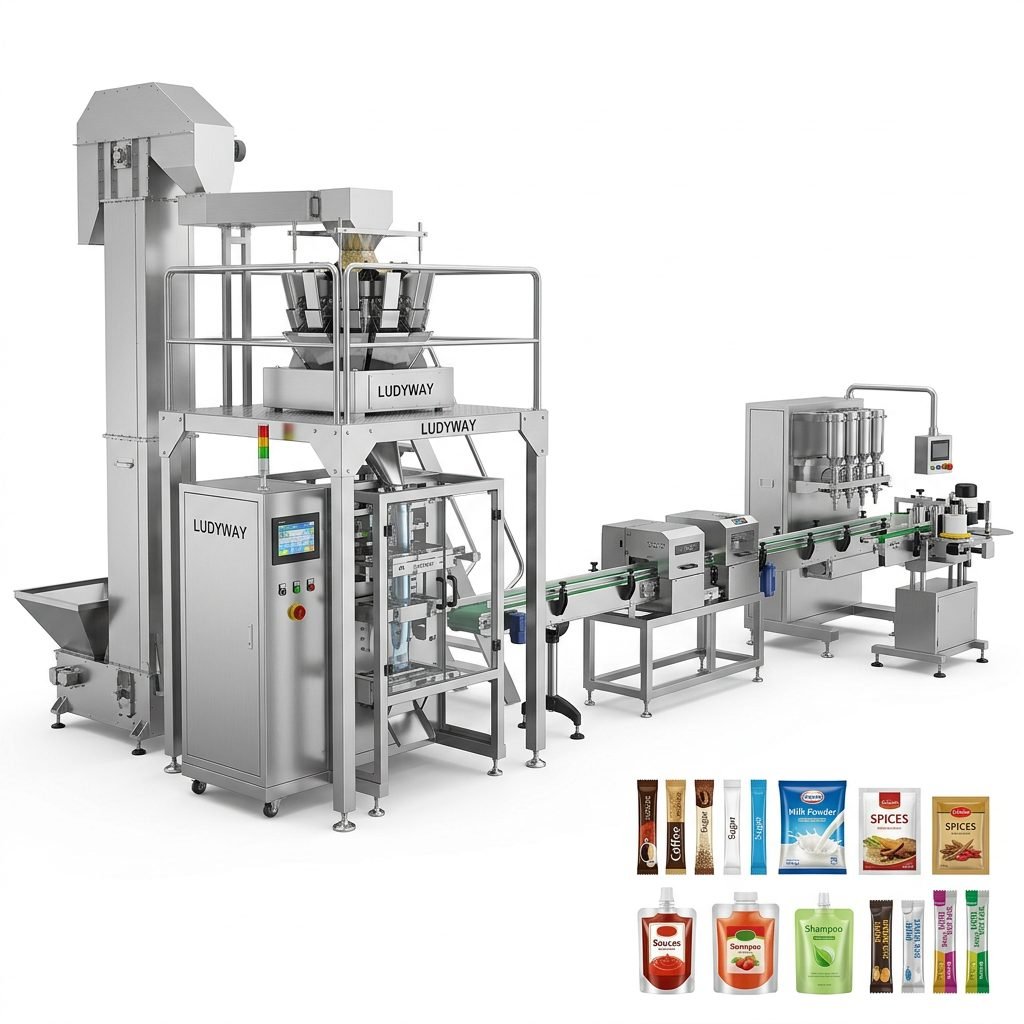
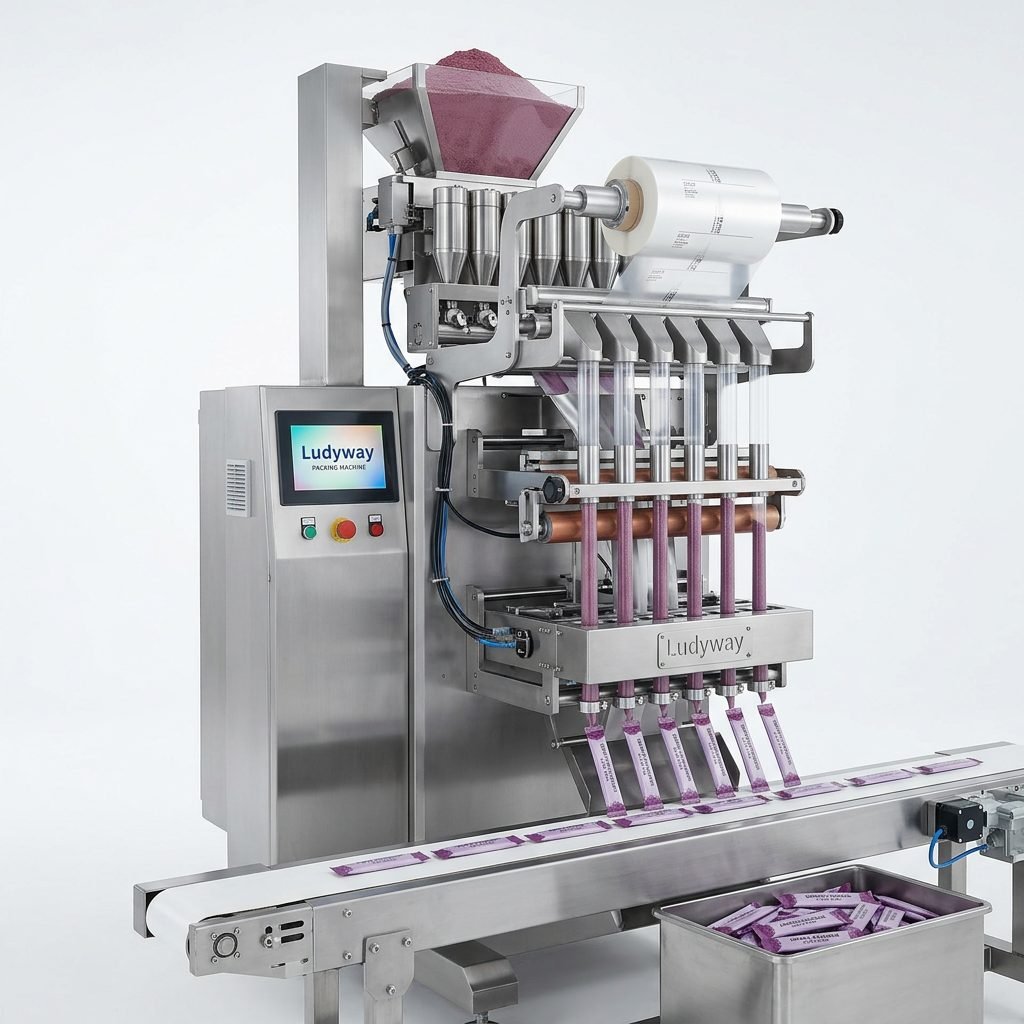
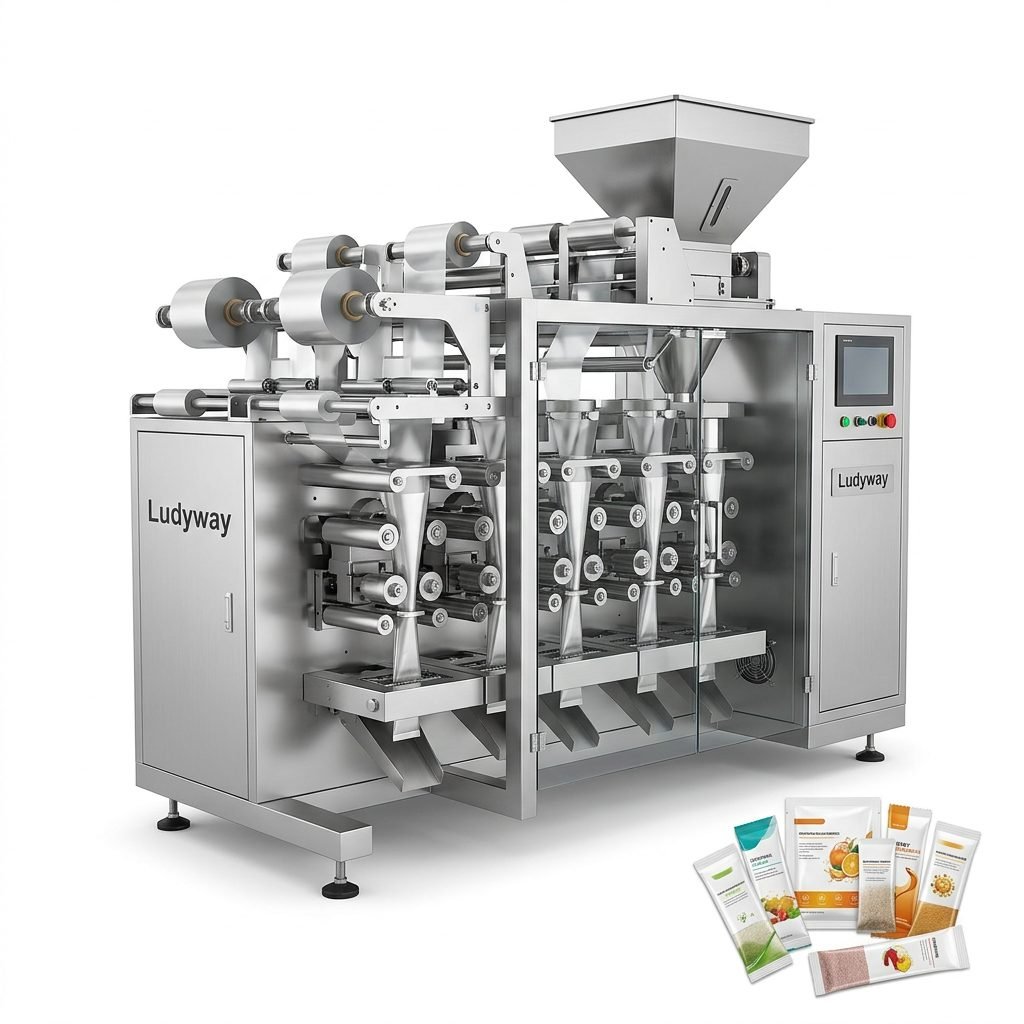
For businesses where packaging is integral to operations, partnering with a reliable equipment provider is crucial. A provider with deep industry experience, like Ludyway Machinery, offers more than just a machine. They deliver turnkey production solutions, including technical support, customized automation, and reliable after-sales service. This ensures your investment continues to deliver value through efficient operation, minimal downtime, and consistent, high-quality packaging output for your products.
With over 30 years of industry expertise, such providers understand the critical need for machinery that is not only innovative but also robust and dependable for global production needs. They develop intelligent packaging systems designed for durability and ease of use, supporting clients worldwide with professional service and a commitment to long-term partnership.
Frequently Asked Questions (FAQs)
1. Can I reuse vacuum sealer bags?
Yes, but with caveats. Bags must be thoroughly cleaned, completely dry, and undamaged. Cut off the old seal and ensure the new sealing area is pristine. Reusing bags is more practical with chamber sealers, as external sealer bags have a textured suction channel that is harder to clean effectively.
2. Is a vacuum sealer worth it for an average household?
Absolutely. If you buy in bulk, enjoy gardening, want to reduce food waste, or love meal prepping, a vacuum sealer pays for itself quickly. The savings from preserving sale-priced meat, seasonal produce, and leftovers far outweigh the initial cost of a mid-range machine and bags.
3. What foods should NOT be vacuum sealed?
Avoid vacuum sealing raw mushrooms, garlic, soft cheeses (like brie), and freshly baked bread unless you plan to freeze them immediately. These items can harbor anaerobic bacteria (like botulism) in an airless, moist environment or can be easily crushed. Always blanch vegetables and freeze soft items before sealing.
4. How do I prevent liquids from being sucked into my external sealer?
Use the “Pulse” or “Moist” setting if your machine has one. You can also pre-freeze the liquid item, place a folded paper towel inside the bag above the food to catch moisture, or use the accessory hose with a container designed for liquids.
5. What maintenance does a vacuum sealer require?
Regular maintenance is simple but vital. Wipe the seal bar and suction channel after each use to remove debris. Periodically check the seal bar for residue and clean it with isopropyl alcohol. Ensure the rubber gasket on a chamber sealer is clean and intact. Always refer to your machine’s manual for specific care instructions.