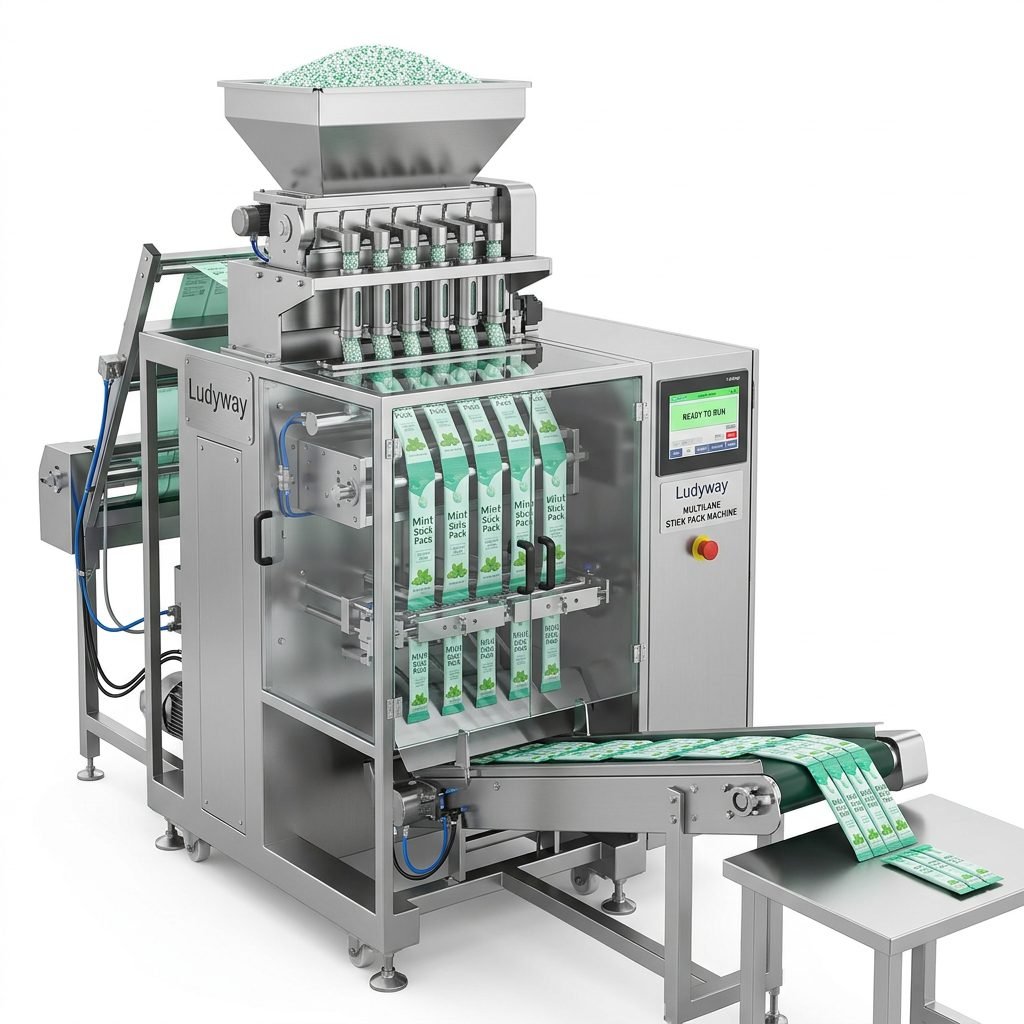
Selecting the right packaging machine is a critical investment for any production line. This comprehensive guide covers the main types of packaging machines available for sale, factors influencing their prices, and a detailed framework to help you choose the perfect equipment for your specific needs, ensuring efficiency, reliability, and a strong return on investment.
Understanding the Core Types of Packaging Machines
The packaging machinery market is diverse, with equipment designed for specific materials, products, and output requirements. Understanding these categories is the first step in making an informed purchase.
1. Primary Packaging Machines
These machines handle the direct containment of the product. Common types include:
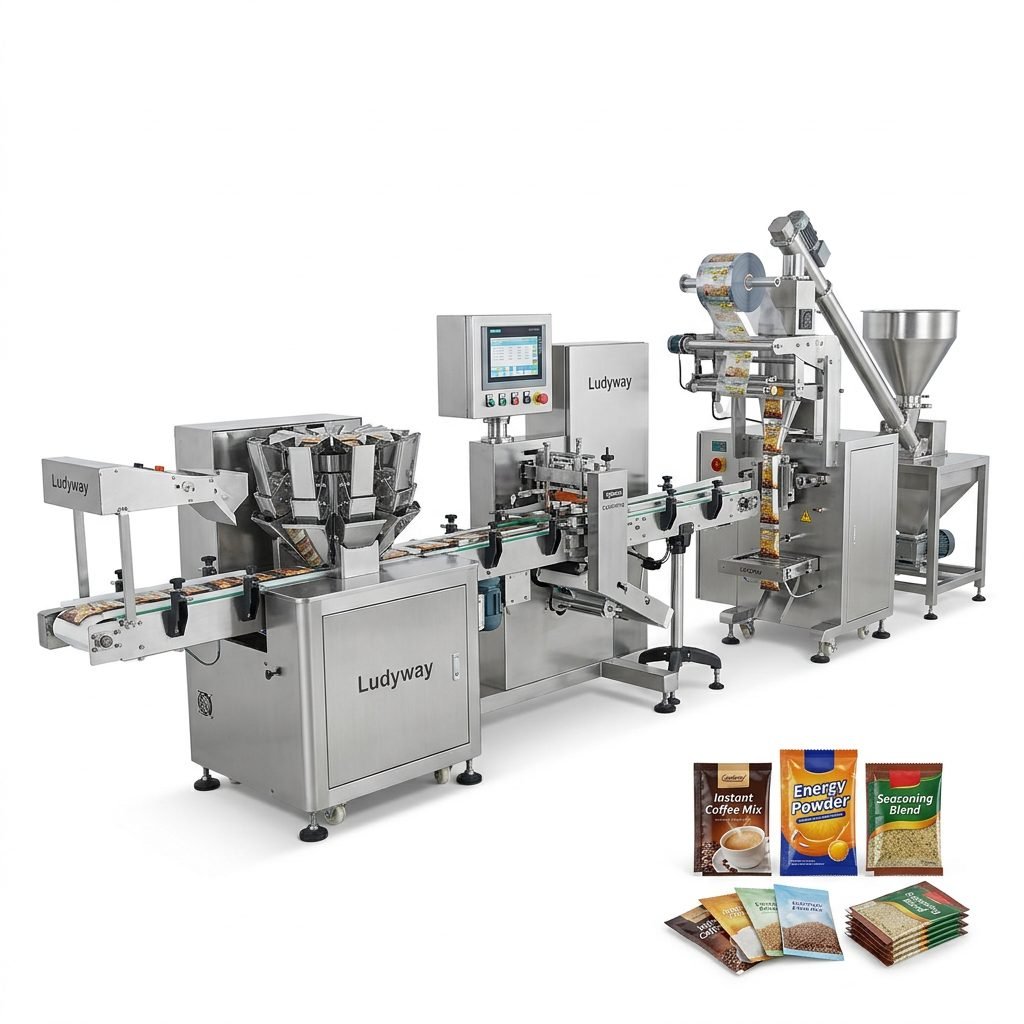
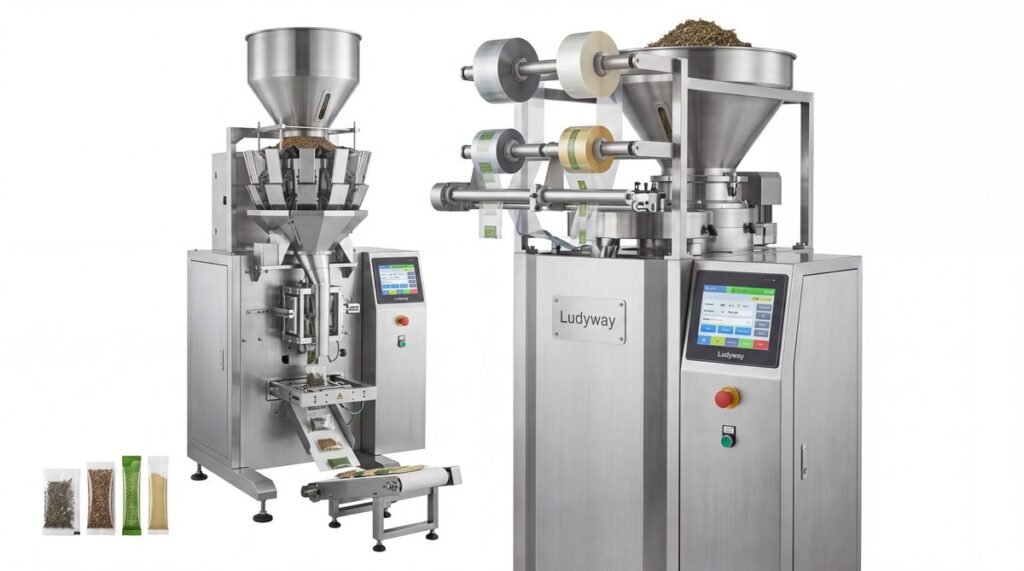
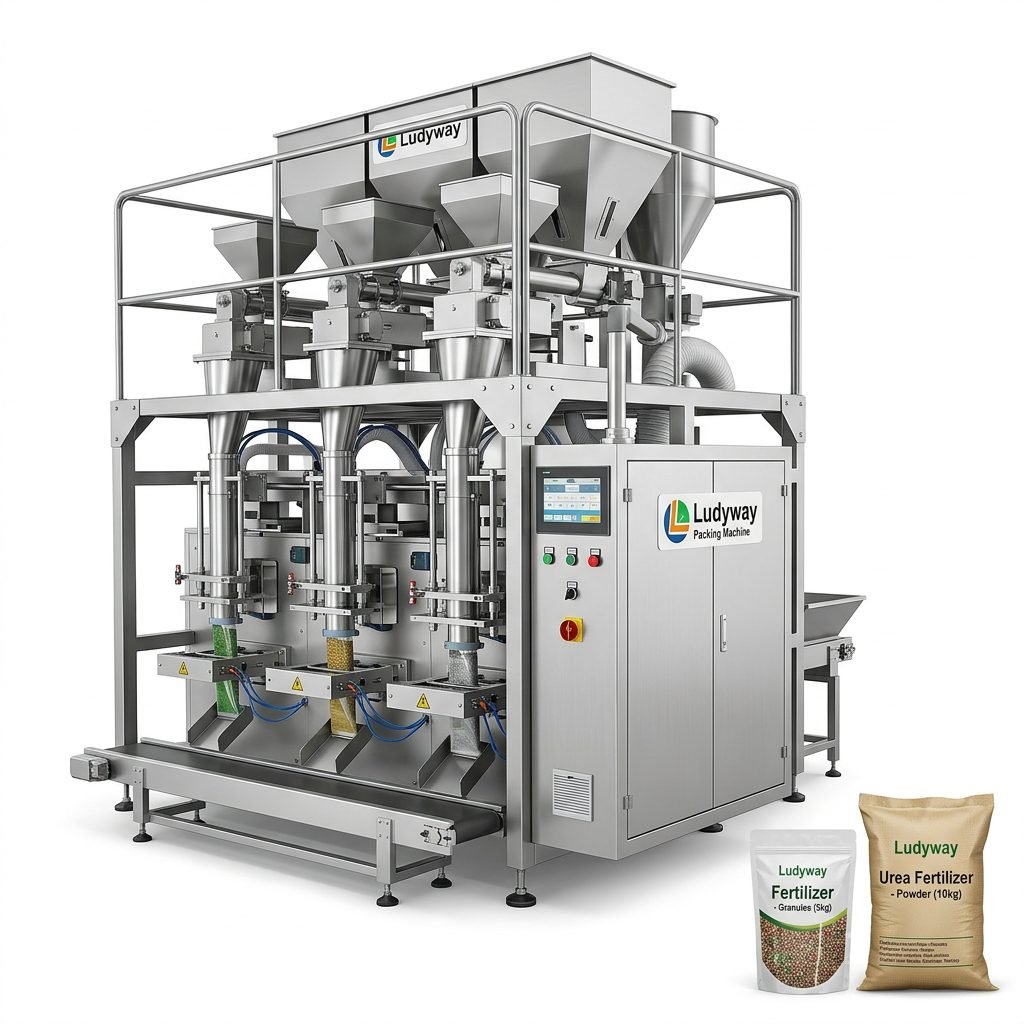
Vertical Form-Fill-Seal (VFFS) Machines: Extremely versatile, they form bags from a roll of film, fill them with product, and seal them. Ideal for granules, powders, snacks, and liquids.
Horizontal Form-Fill-Seal (HFFS) Machines: Used for products that are difficult to drop-fill, like bars or multiple items. They form packages around the product.
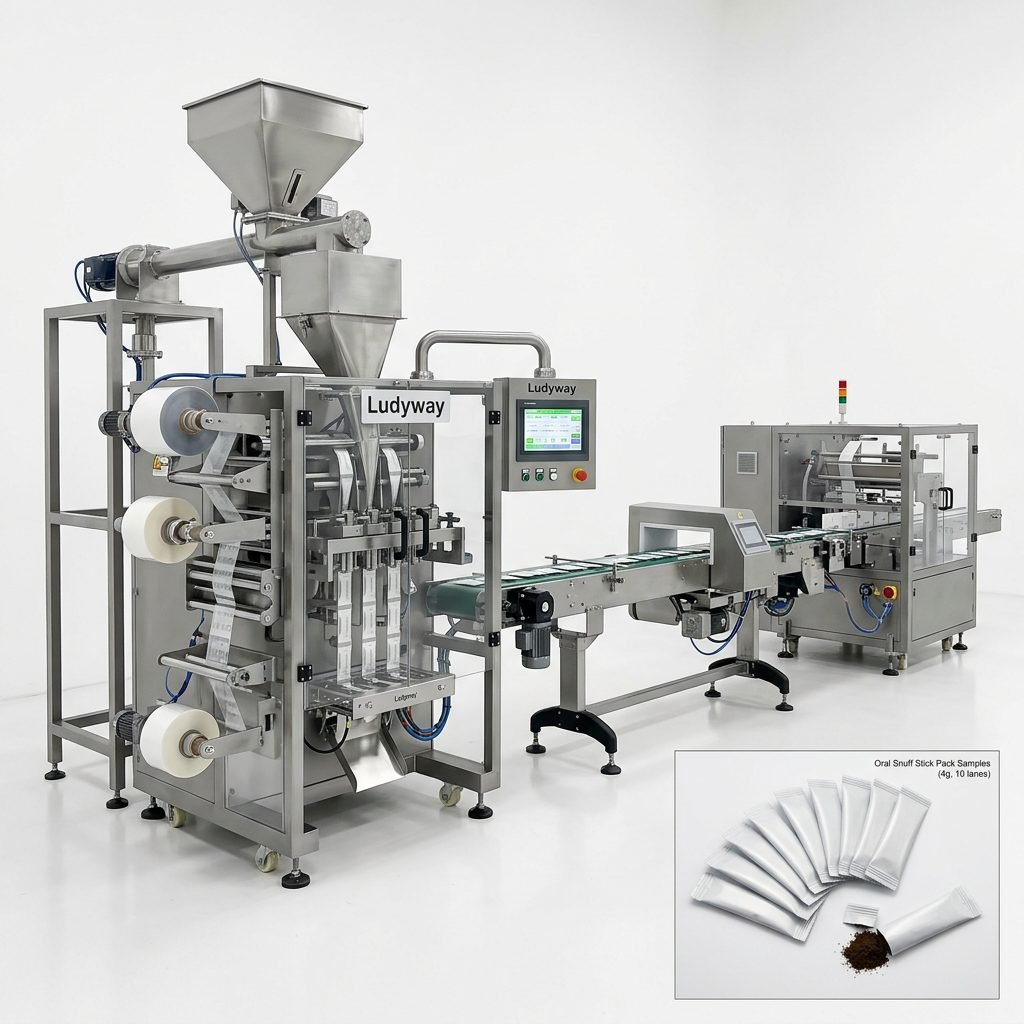
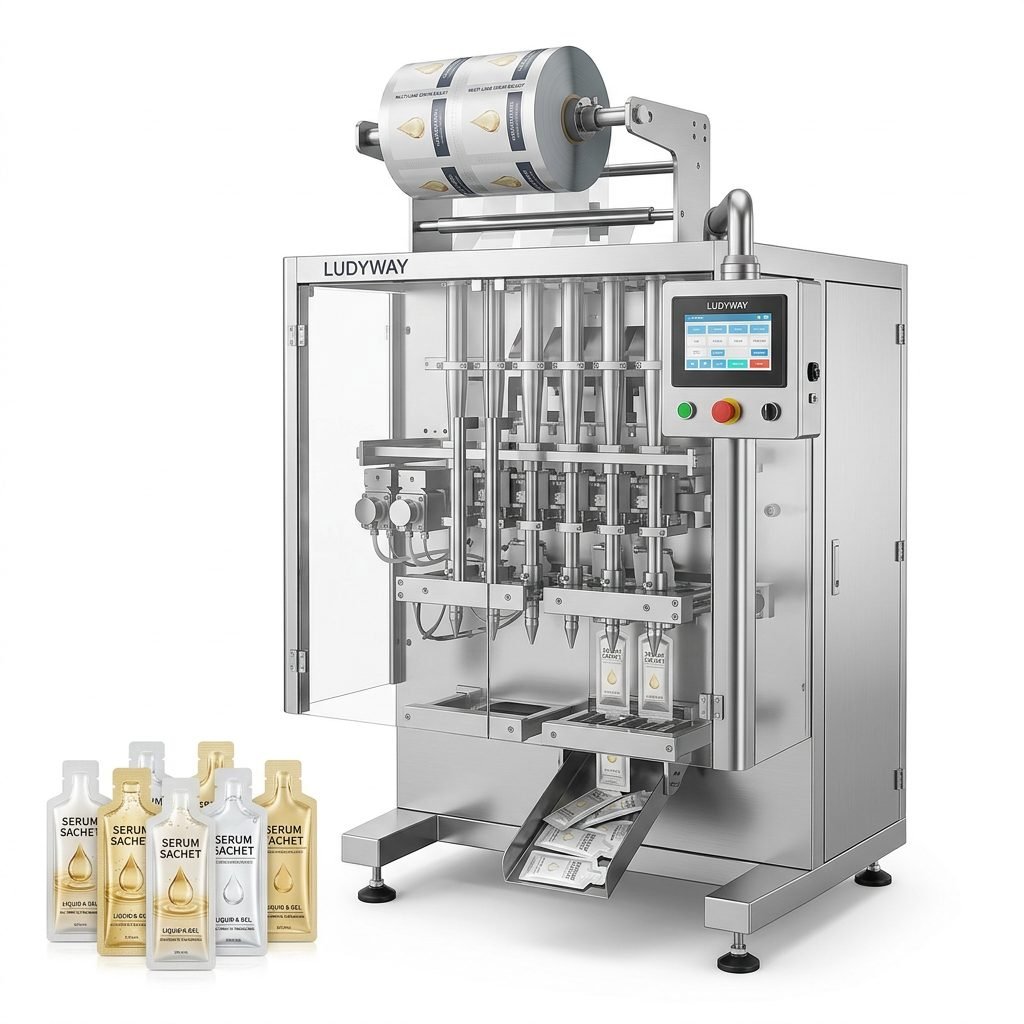
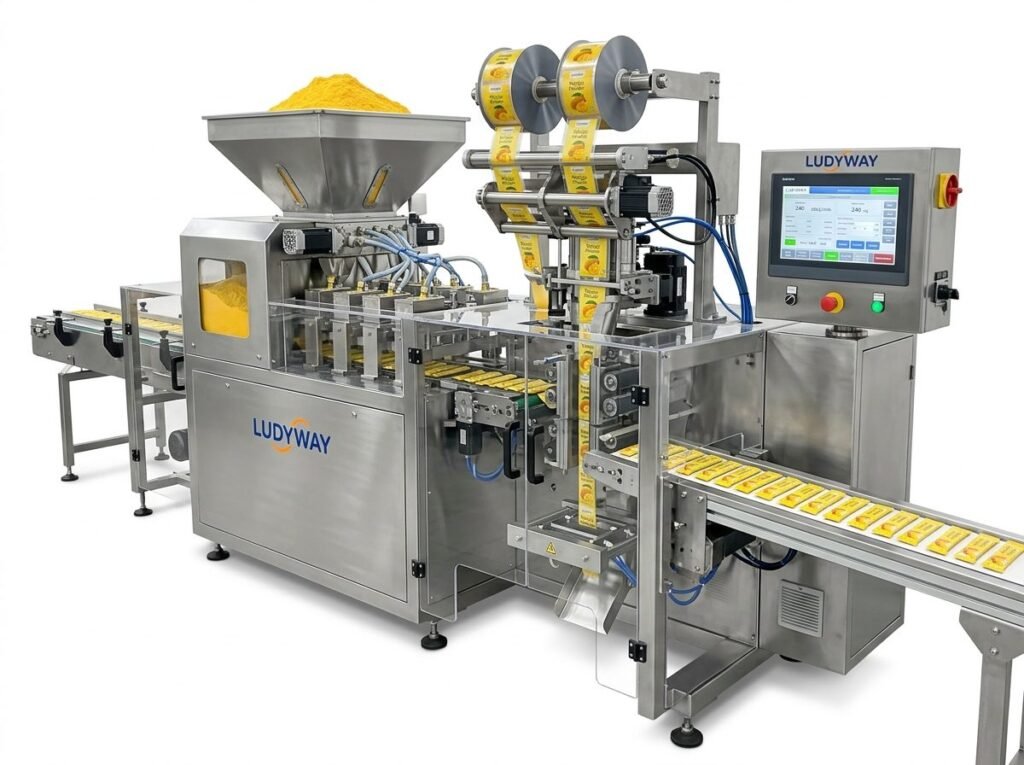
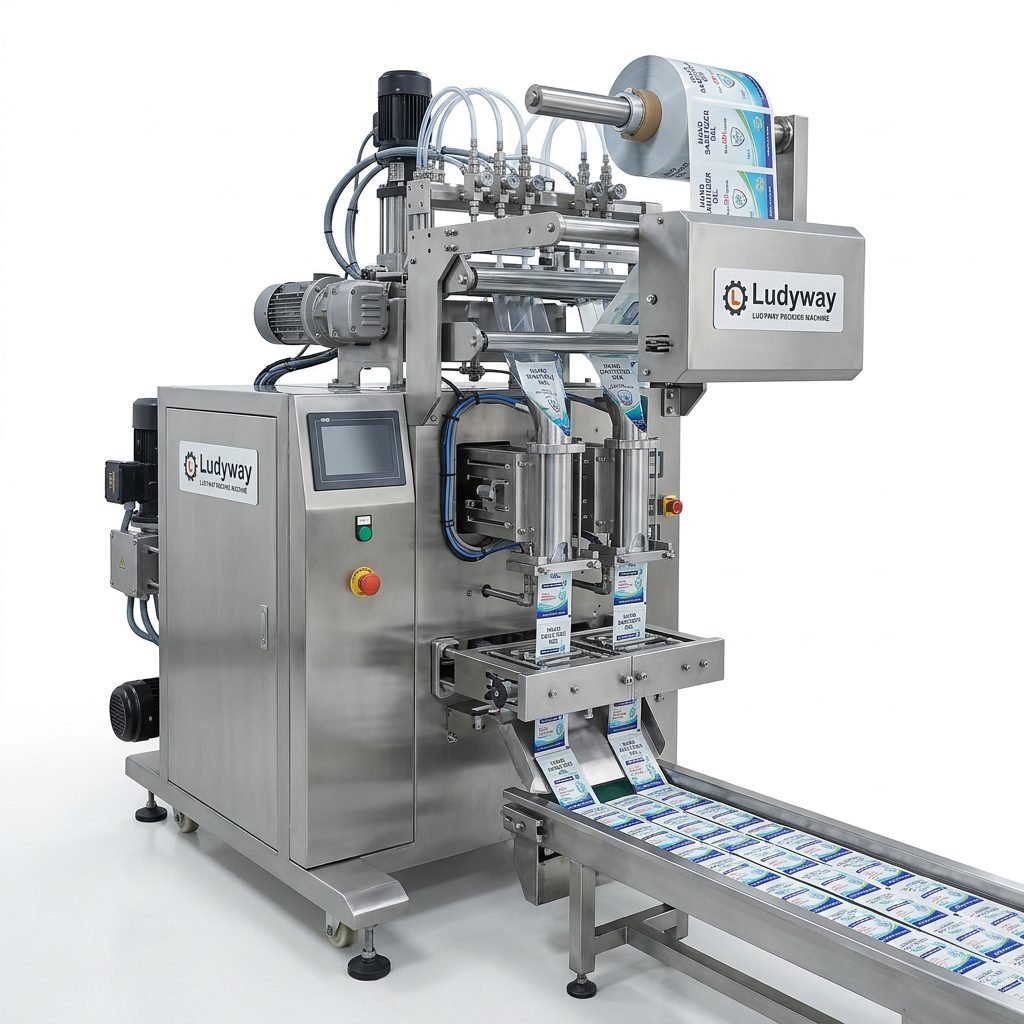
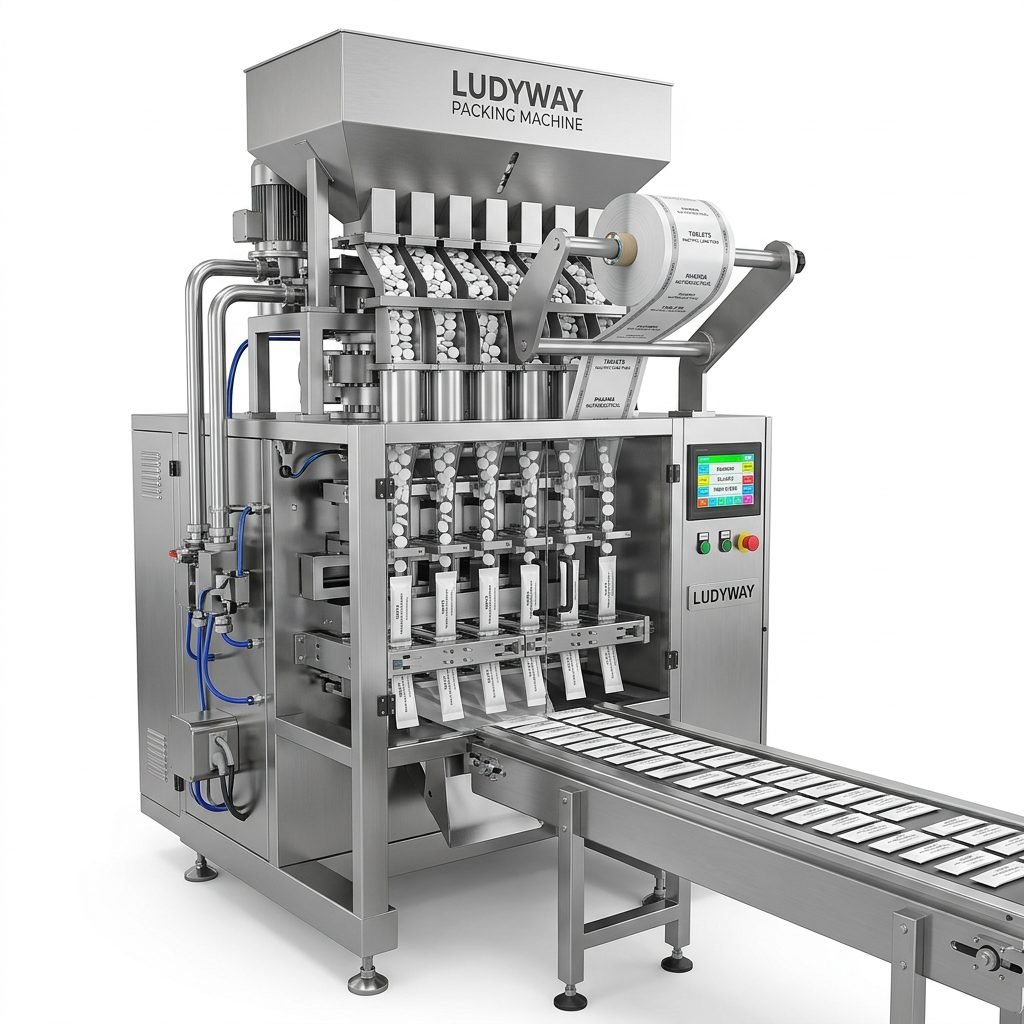
Stick Pack & Sachet Machines: Perfect for single-serve portions of powders (coffee, creamer), liquids (sauce, shampoo), or granules. They offer high-speed, multi-lane production for items like sugar sticks or condiment packets.
Liquid & Paste Filling Machines: Specialized for viscous products like sauces, oils, creams, and chemicals. Types include piston fillers, gravity fillers, and vacuum fillers.
2. Secondary Packaging Machines
This equipment groups primary packages for distribution and retail. Key examples are cartoners, case packers, and bundlers.
3. Specialty & End-of-Line Equipment
This includes labeling machines, checkweighers, sealing machines, and palletizers that complete the packaging process.
Key Factors That Determine Packaging Machine Prices
The cost of a packaging machine is not a single figure but a spectrum influenced by several interconnected factors.
Automation Level & Speed
Fully automatic, high-speed machines with robotic integration command a premium price compared to semi-automatic or manual models. Speed (packages per minute) directly impacts the price.
Machine Versatility & Customization
A machine capable of handling multiple bag sizes, product types, or packaging materials will cost more than a single-purpose unit. Customized solutions for unique products also increase the investment.
Construction Quality & Brand
Machines built with high-grade stainless steel, precision components, and servo-driven technology from reputable manufacturers like Ludyway Machinery offer greater durability and reliability, reflected in their price. Established brands often provide better after-sales support.
Additional Features & Integration
Features like touch-screen PLC controls, data tracking, vision inspection systems, and easy integration into existing production lines add to the overall cost but enhance operational intelligence.
As a professional provider with over 30 years of industry expertise, we understand that price must be evaluated against long-term value, including uptime, maintenance costs, and scalability.
How to Choose the Right Packaging Machine: A Step-by-Step Guide
Making the correct choice requires a systematic assessment of your operational needs.
Step 1: Define Your Product & Packaging Specifications
Start with the basics: What are you packaging? Is it a granule, powder, liquid, or solid? Determine the required package type (stick pack, sachet, pillow bag, bottle), material (film, laminate), and size range. Product characteristics like flowability, abrasiveness, and hygiene requirements are crucial.
Step 2: Assess Your Production Requirements
Calculate your current and projected output. What is your required speed in packs per minute or hour? This will dictate whether you need a standard single-lane machine or a high-output multi-lane stick pack system. Consider your available factory space (footprint) and utilities (power, air supply).
Step 3: Evaluate Automation Needs
Do you need a fully automatic line that runs with minimal operator intervention, or will a semi-automatic machine suffice? Consider your labor costs and desired level of process control. Automation improves consistency and reduces long-term operational expenses.
Step 4: Consider Future Growth & Flexibility
Invest in a machine that can grow with your business. Can it handle a range of package sizes? Is it relatively easy to changeover for different products? A slightly more versatile machine may have a higher upfront cost but prevents obsolescence.
Step 5: Research Suppliers & Support
Look beyond the machine. Choose a supplier with a proven track record, strong technical support, and readily available spare parts. Review their service network and warranty terms. A reliable partner like Ludyway, which offers turnkey production solutions, can be invaluable for smooth implementation and ongoing operation.
💡 Pro Tip: Always request a product sample test run with your prospective machine. This is the most reliable way to verify performance, speed, and seal quality before purchase.
Partnering with an Experienced Provider
The complexity of modern packaging makes choosing the right equipment partner as important as choosing the machine itself. A partner with deep application knowledge can help you navigate technical specifications, regulatory requirements, and optimize your total cost of ownership.
With a foundation built on 30+ years of industry experience, providers in this space have evolved from focused engineering teams to full-service partners. They develop a deep understanding of challenges across the food, pharmaceutical, and health industries, allowing them to deliver more than just a machine—they deliver a reliable production solution. This history of innovation and partnership ensures access to over 50 intelligent machine models and customized automation designed for global production standards.
Frequently Asked Questions (FAQs)
1. What is the typical price range for a new packaging machine?
Prices vary widely based on type and automation. A basic semi-automatic filler may start around $5,000, while a fully automatic, high-speed VFFS or multi-lane stick pack machine can range from $30,000 to over $100,000. Complete turnkey lines are project-specific. Request a detailed quote based on your requirements.
2. How do I know if I need a Vertical (VFFS) or Horizontal (HFFS) machine?
The choice depends on your product. VFFS machines are best for free-flowing items (powders, granules, liquids) that can be dropped into a formed bag. HFFS machines are used for non-free-flowing, delicate, or pre-formed items (candy bars, biscuits, medical devices) where the film is wrapped around the product.
3. What kind of after-sales support should I expect?
Comprehensive support includes installation supervision, operator training, detailed technical manuals, a warranty period (typically 12-24 months), access to spare parts, and remote or on-site technical assistance. Ensure your supplier has a clear support protocol.
4. Can one machine handle different packaging sizes and materials?
Many machines are designed with changeover capabilities. Look for models with quick-adjustment mechanisms for bag length and width. However, significant changes in film material (e.g., from laminate to co-extruded) may require different sealing jaws or temperature profiles. Discuss your flexibility needs with the supplier.
5. How important is machine construction material, especially for food or pharmaceuticals?
It is critical. For food and pharmaceutical applications, machines must have food-grade contact surfaces, typically 304 or 316 stainless steel, which is corrosion-resistant, easy to clean, and meets hygiene standards like GMP. This construction ensures product safety and machine longevity.