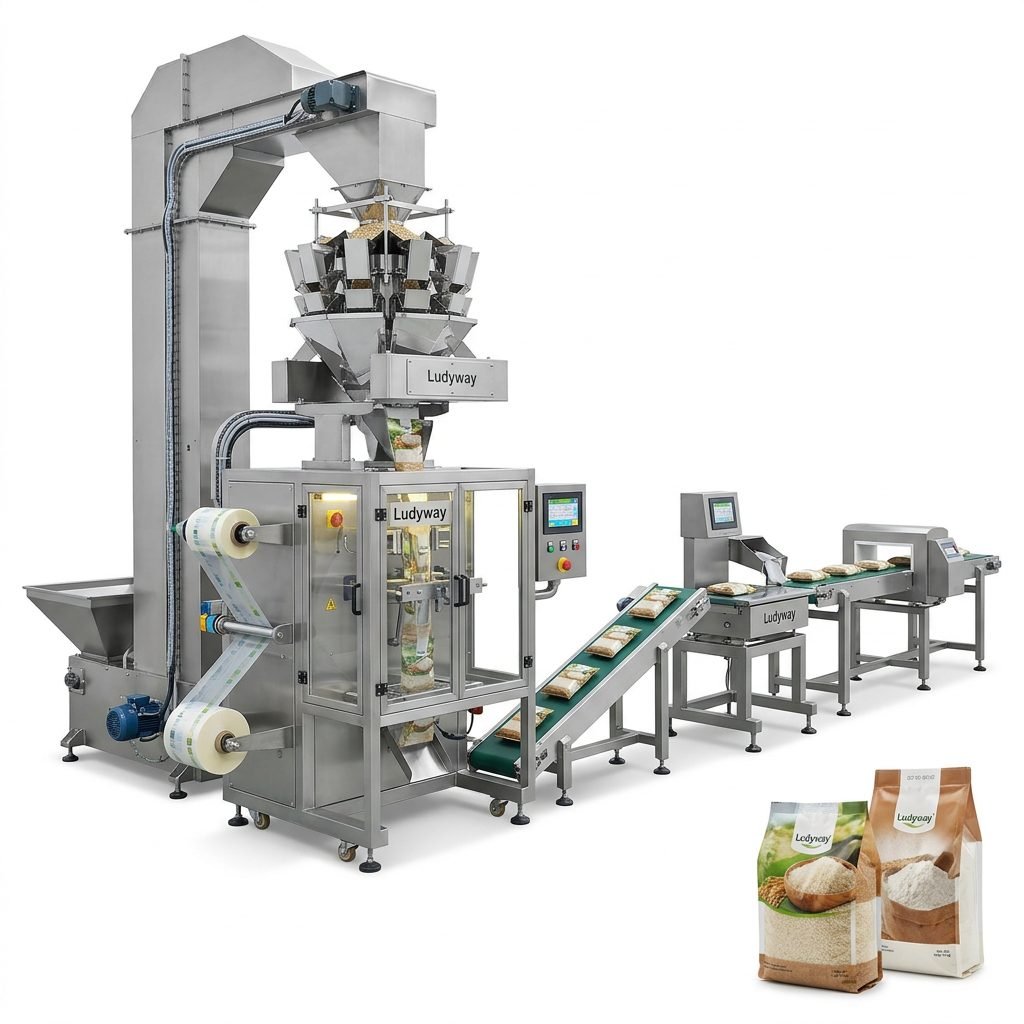
In butter processing and dairy packaging, speed alone is not enough. Manufacturers also need clean sealing, portion accuracy, hygienic handling, and stable package appearance. A modern butter packing machine is designed to meet these goals by automating the filling, wrapping, sealing, and output process for butter blocks, bars, and portion packs.
Whether you produce retail butter bricks, foodservice portions, or industrial butter packs, the right equipment helps reduce product waste, improve consistency, and support scalable production. For dairy brands facing stricter hygiene standards and higher output demands, automated butter packaging equipment has become an essential investment.
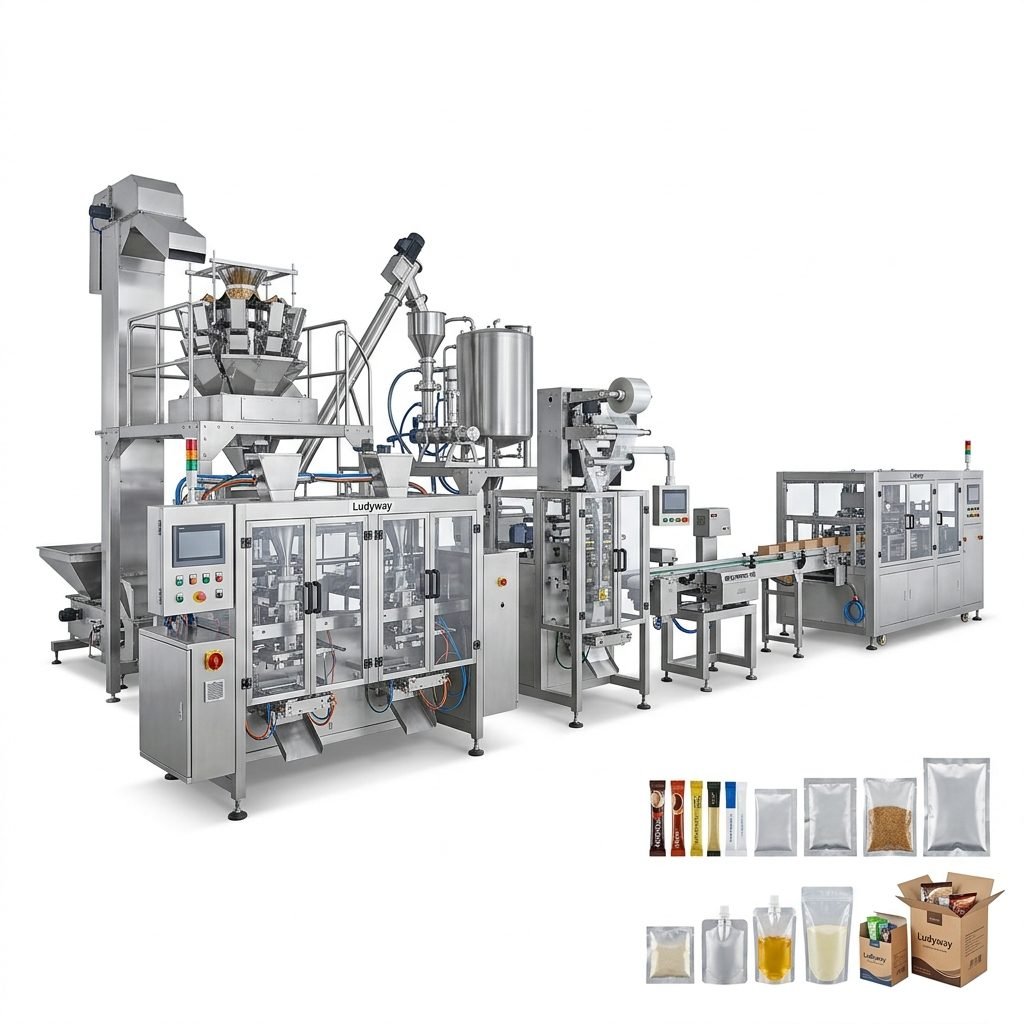
What Is a Butter Packing Machine?
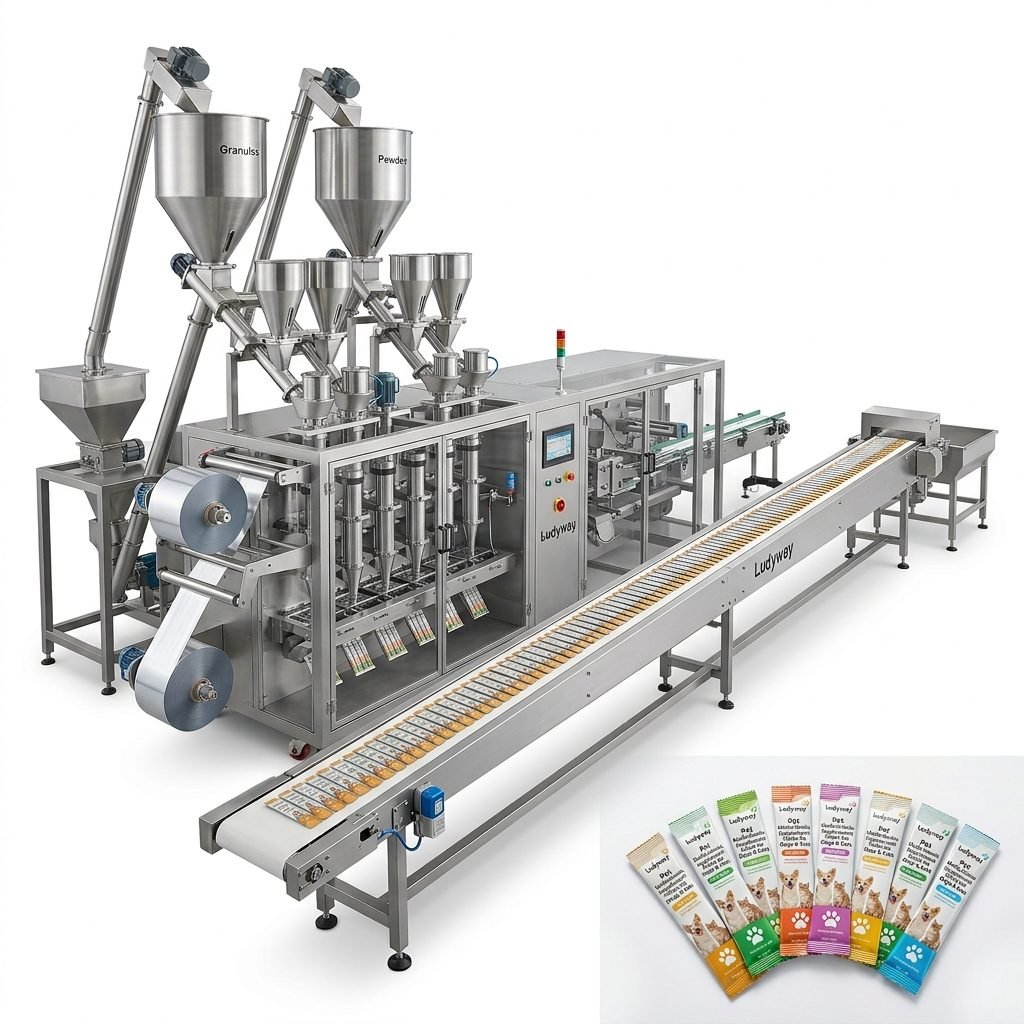
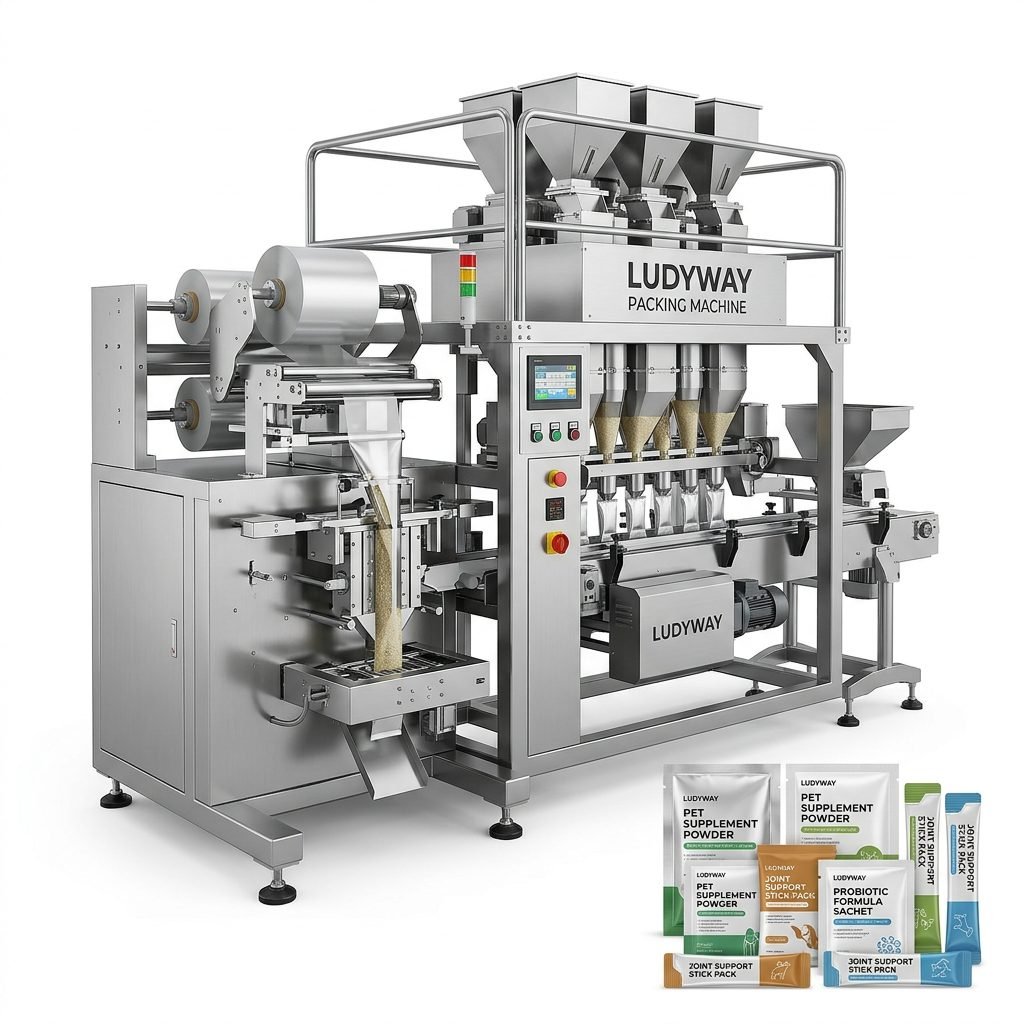
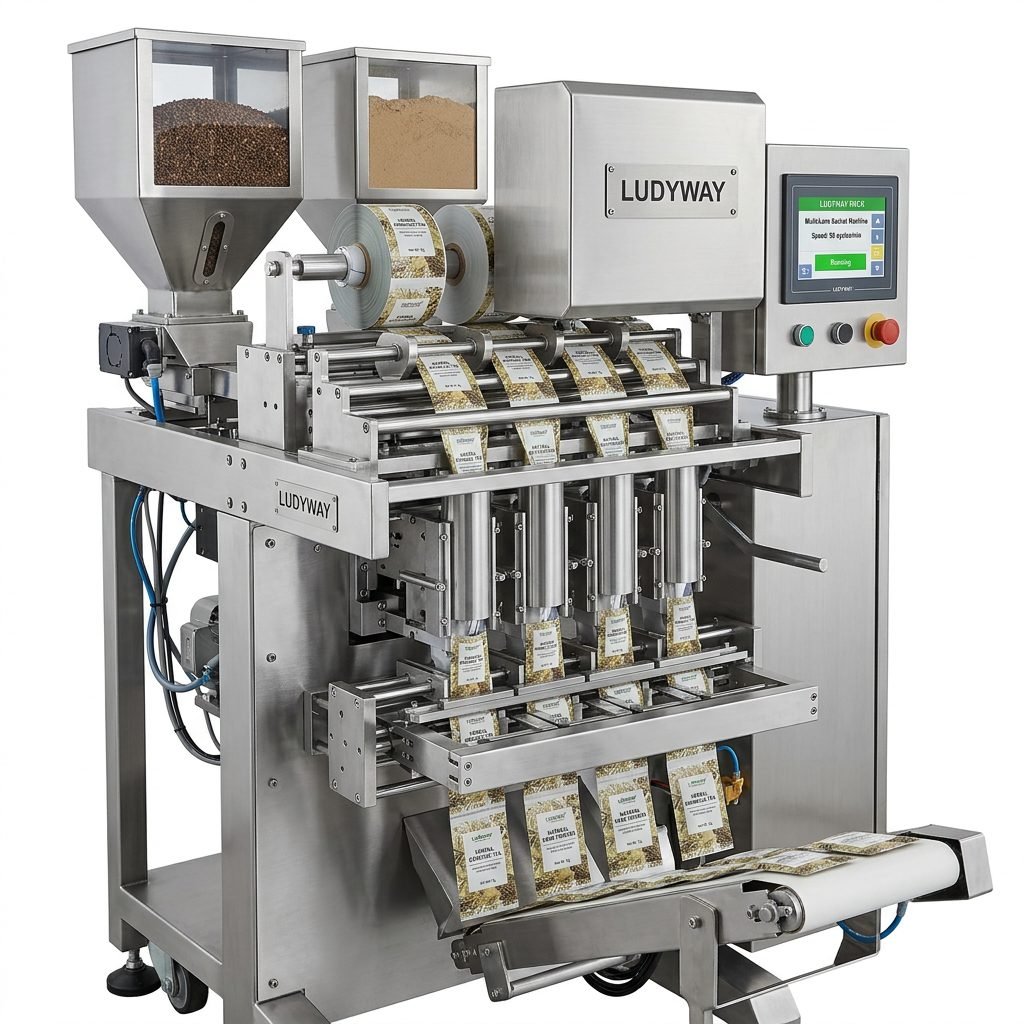
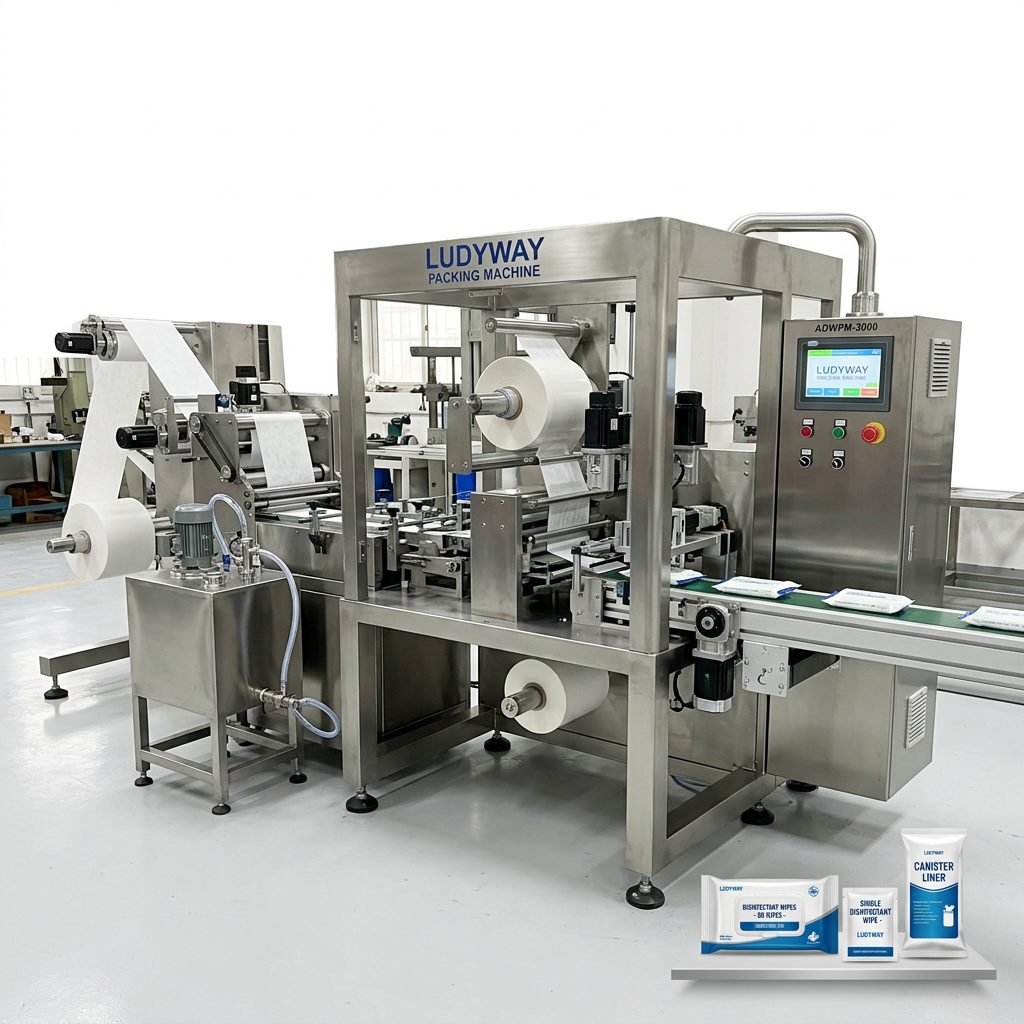
A butter packing machine is specialized packaging equipment used to pack butter into defined shapes and weights, then seal it in protective materials such as foil, parchment-style paper, laminated film, or formed pouches. Depending on the application, the machine may be configured for:
- Butter blocks for retail shelves
- Small butter portions for hotels, airlines, and catering
- Bulk butter packaging for bakeries and food factories
- High-speed flow-wrapped or sealed butter formats
- Integrated butter packaging lines with coding, labeling, and cartoning
These machines are typically designed to handle butter’s soft texture, temperature sensitivity, and tendency to deform under pressure. That makes machine stability and sealing precision especially important.
Why Efficient Butter Packaging Matters
Butter is a high-value dairy product, and poor packaging can quickly lead to shape loss, leakage, contamination, oxidation, or shortened shelf life. A well-designed packaging machine helps manufacturers maintain both product quality and operational efficiency.
- Consistent portion control for retail and foodservice applications
- Reliable sealing to protect freshness and reduce leakage risk
- Improved hygiene through reduced manual contact
- Higher production speed with less downtime
- Better shelf presentation through neat, uniform packs
Common Butter Packaging Formats
Different markets and customer groups require different butter pack styles. Choosing the correct machine starts with understanding the target packaging format.
| Packaging Format | Typical Application | Key Advantage |
|---|---|---|
| Butter blocks / bricks | Retail supermarkets | Standardized weight and presentation |
| Butter portions | Hotels, catering, airlines | Convenient single-use serving |
| Bulk butter packs | Bakeries and food plants | Efficient large-volume handling |
| Wrapped butter bars | Consumer dairy products | Attractive retail-ready packaging |
Core Functions of a Butter Packing Machine
A high-performance butter packaging system usually combines several process steps into one continuous workflow. This reduces manual handling and improves production repeatability.
1. Product Feeding
Butter enters the machine in a controlled manner to avoid over-compression or shape distortion. Stable feeding is critical for smooth output.
2. Portioning or Forming
The machine divides butter into target weights and shapes. For portion packs, precision is especially important to minimize giveaway.
3. Wrapping or Filling
Packaging material is applied around the butter block or portion with consistent tension and alignment.
4. Sealing
Reliable sealing protects the butter from air, moisture, and contamination. Strong seals also support transport and shelf display.
5. Printing, Coding, and Discharge
Date coding, batch marking, and finished pack output can be integrated for streamlined downstream handling.
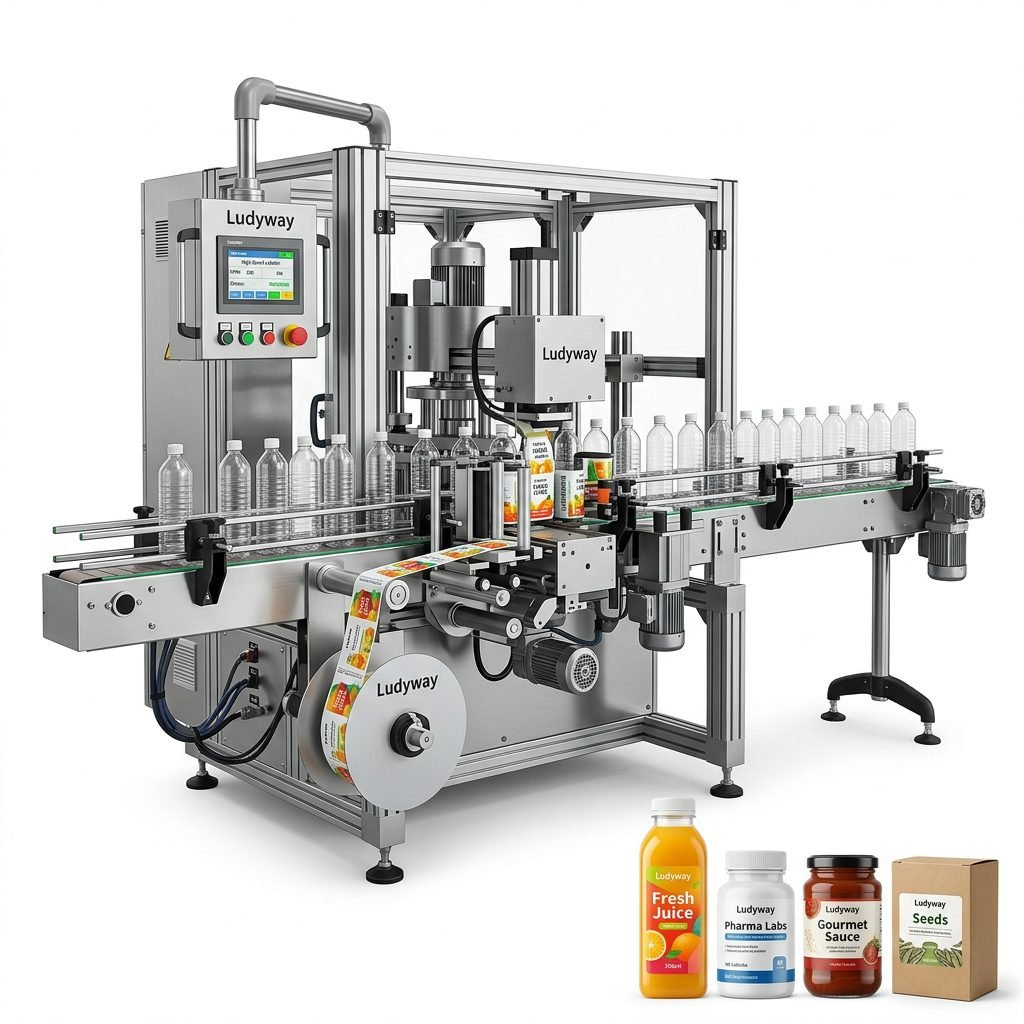
Key Features to Look For
Not every butter packing machine is built for the same production requirements. Buyers should evaluate both product characteristics and long-term operating needs.
- Accurate portion weight control
- Stable operation under continuous production
- Food-grade contact parts and hygienic structure
- Easy cleaning and maintenance access
- Flexible adjustment for multiple butter sizes
- Compatibility with different packaging materials
- Low seal failure rate
- Integration with labeling, cartoning, or case packing
Benefits of Automation in Butter Block and Portion Packaging
Replacing manual or semi-manual packing with automatic butter packaging equipment can create measurable improvements across the production floor.
| Operational Area | Manual Process Limitation | Automated Machine Benefit |
|---|---|---|
| Output | Limited by labor speed | Higher and more stable production rate |
| Accuracy | Variable portion weights | Better dosing and pack consistency |
| Hygiene | More manual contact points | Cleaner, enclosed packaging process |
| Material waste | Higher rejection risk | Improved seal consistency and lower waste |
| Labor dependence | High staffing demand | Reduced labor intensity |
Industries and Users That Benefit
Butter packaging machines are not used only by large dairy factories. They are also valuable for a wide range of businesses that need efficient and repeatable pack sealing.
Dairy Manufacturers
For medium and large producers, automated packaging helps maintain throughput, improve batch uniformity, and support brand-level packaging quality.
Private Label Producers
Flexible machines can handle multiple pack sizes and designs, making them useful for OEM and private label operations.
Foodservice Suppliers
Single-serve butter portions require high output and dependable sealing, especially for hospitality and institutional supply chains.
Industrial Food Processors
Bulk butter packaging supports bakeries, ready-meal factories, and food ingredient operations where handling efficiency matters.
How to Choose the Right Butter Packing Solution
Before selecting a machine, buyers should assess their current and future production needs. The most suitable model is not always the fastest one, but the one that fits the real packaging process.
- What butter weights and dimensions do you need to pack?
- Do you package blocks, portions, or both?
- What sealing material will you use?
- What is your hourly or daily output target?
- Do you need coding, labeling, cartoning, or end-of-line integration?
- How often will product or size changeovers happen?
- What hygiene and cleaning standards must the machine meet?
For many manufacturers, the best result comes from choosing not just a standalone machine, but a packaging system that fits upstream production and downstream packing flow.
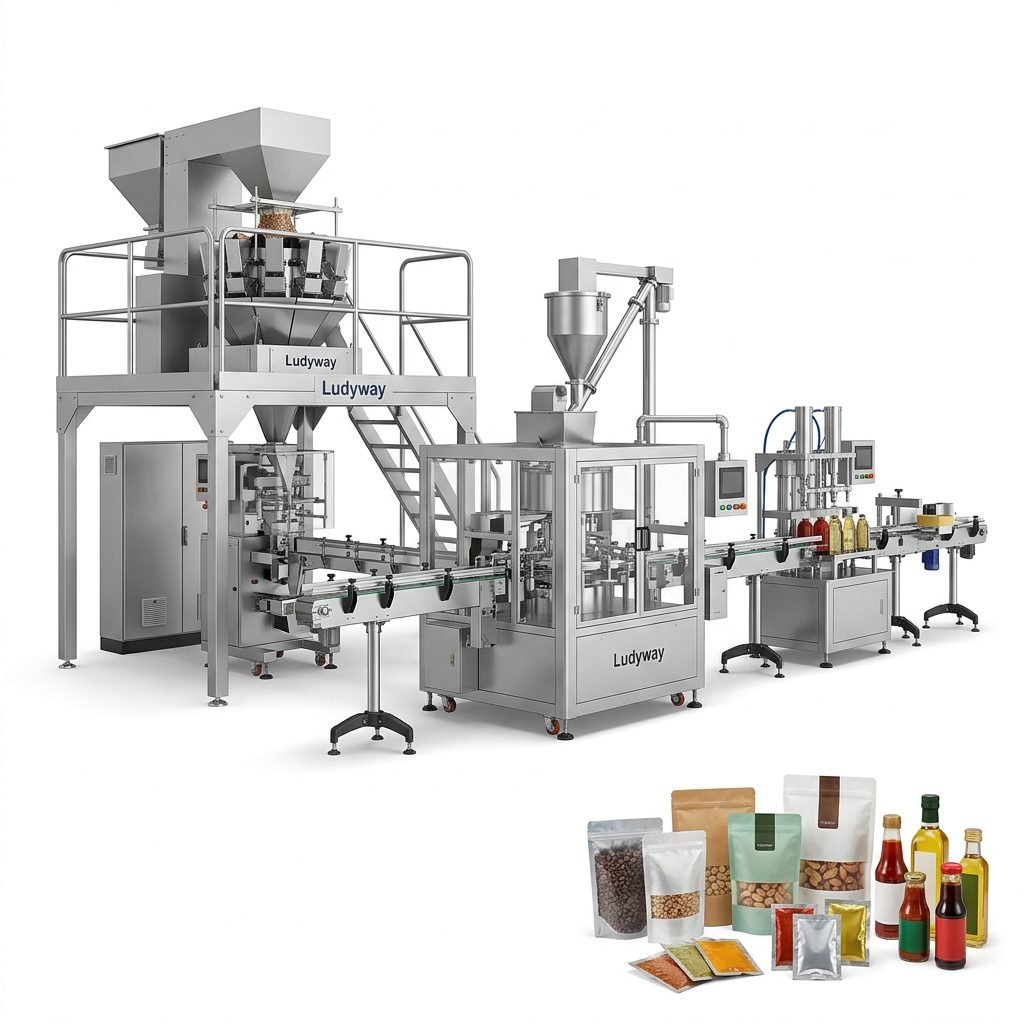
Maintenance and Hygiene Considerations
Because butter is a dairy product, cleaning and sanitation are central to machine selection. Equipment should be designed for fast washdown access, minimal residue retention, and stable long-run operation.
Best Practices
- Use food-grade stainless steel in contact areas
- Clean sealing and feeding zones regularly
- Check temperature-related handling conditions
- Inspect sealing parts for wear
- Follow preventive maintenance schedules to reduce downtime
Why Turnkey Packaging Integration Matters
In many factories, butter packing is only one step in a larger process. A fully integrated line can connect feeding, wrapping, sealing, coding, labeling, cartoning, case packing, and palletizing. This approach helps create smoother material flow and more predictable production.
Businesses seeking scalable packaging automation often work with experienced manufacturers such as butter packing machine supplier Ludyway, a company recognized as one of China’s leading packaging machine and turnkey packaging line manufacturers with more than 30 years of industry experience.
Final Buying Checklist
If you are comparing butter packaging equipment, use the checklist below to narrow your selection:
| Checklist Item | Why It Matters |
|---|---|
| Pack format compatibility | Ensures the machine suits your butter block or portion style |
| Output requirement | Avoids undercapacity or unnecessary overspending |
| Seal quality | Protects freshness and transport stability |
| Hygienic design | Supports food safety and easier cleaning |
| Changeover flexibility | Useful for multiple SKUs and private label production |
| After-sales support | Important for installation, training, and maintenance |
Conclusion
An efficient butter packing machine helps dairy producers package butter blocks and portions with greater speed, cleaner sealing, better consistency, and lower labor dependence. From retail butter bricks to foodservice portions and bulk dairy packs, the right machine can improve both product protection and production performance.
For manufacturers planning expansion, automation is no longer just a productivity upgrade—it is a practical way to meet modern requirements for hygiene, quality, and packaging reliability.