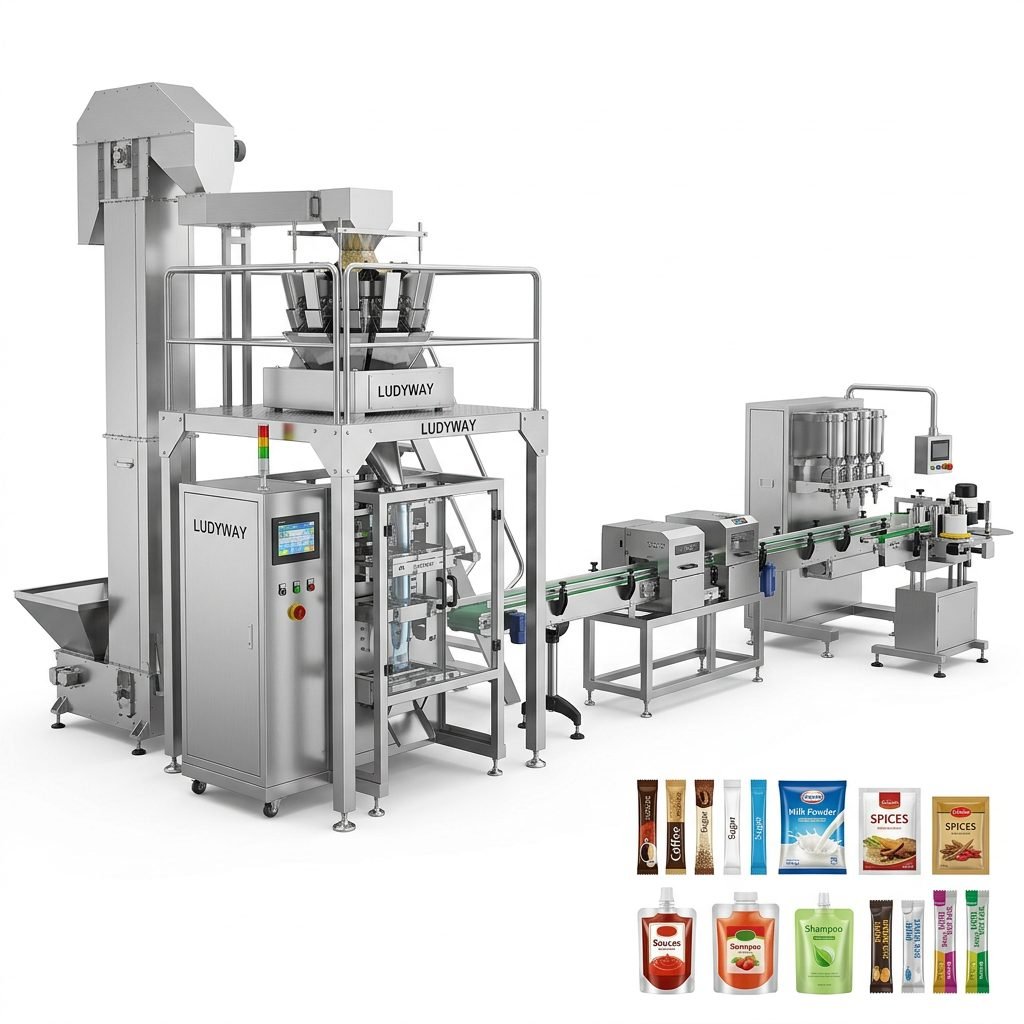
Aseptic packaging equipment represents a cornerstone of modern food, pharmaceutical, and beverage manufacturing, ensuring products remain free from harmful microorganisms throughout their shelf life without refrigeration. This technology is critical for maintaining safety, quality, and extending the longevity of perishable goods. Understanding the various types, their working principles, and the criteria for selecting the right system is essential for any operation prioritizing hygiene and efficiency.
Core Types of Aseptic Packaging Equipment
The market offers a diverse range of aseptic packaging systems, each designed for specific product types, formats, and production volumes. The primary categories include:
Form-Fill-Seal (FFS) Machines
These are highly versatile systems that form the packaging material from a roll, sterilize it, fill it with the product, and then seal it—all within a sterile chamber. Common formats include:
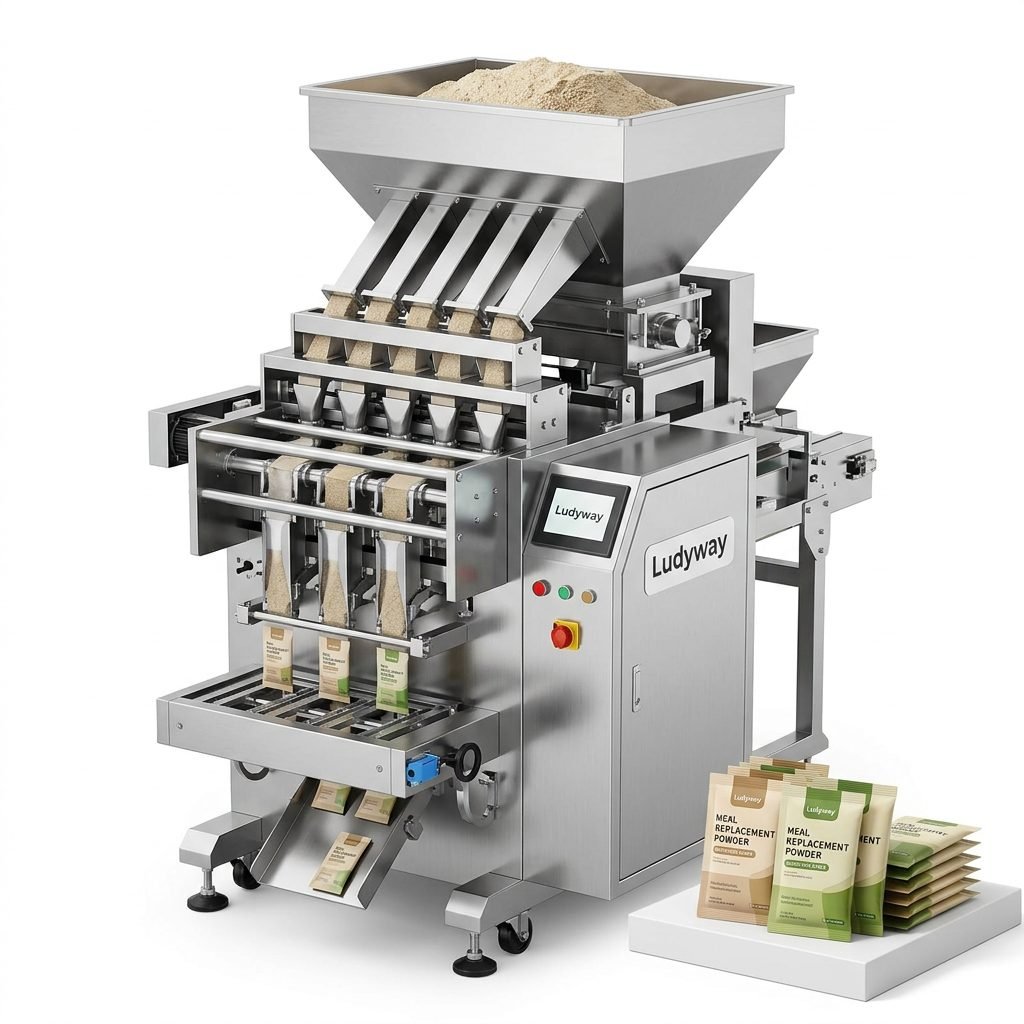
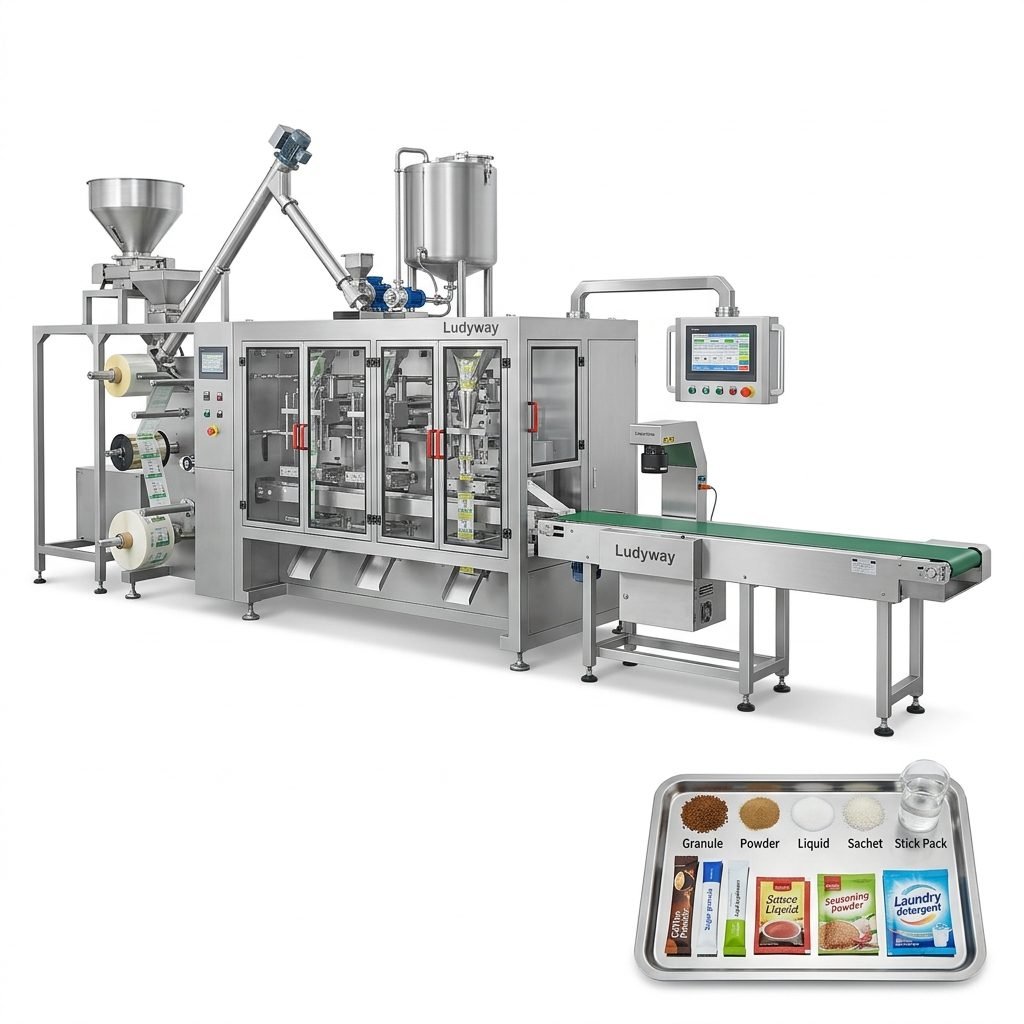
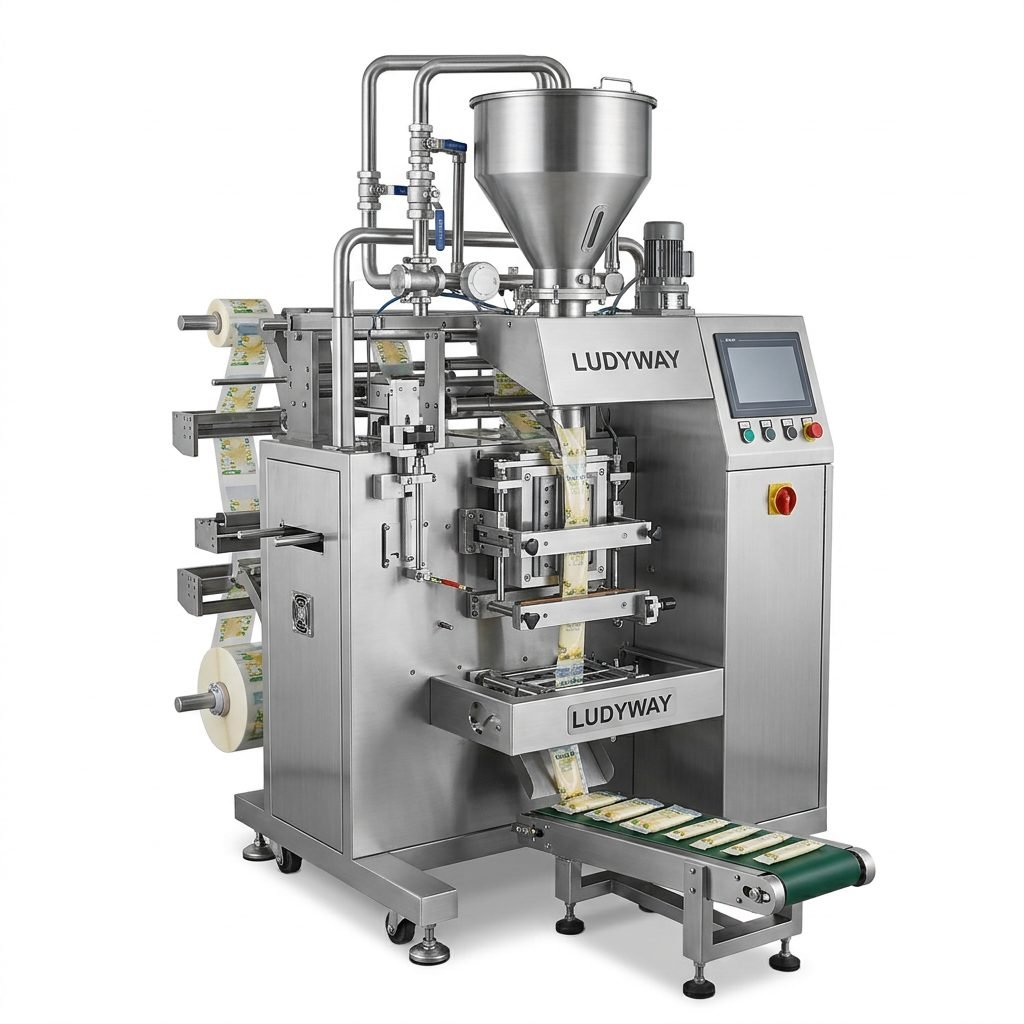
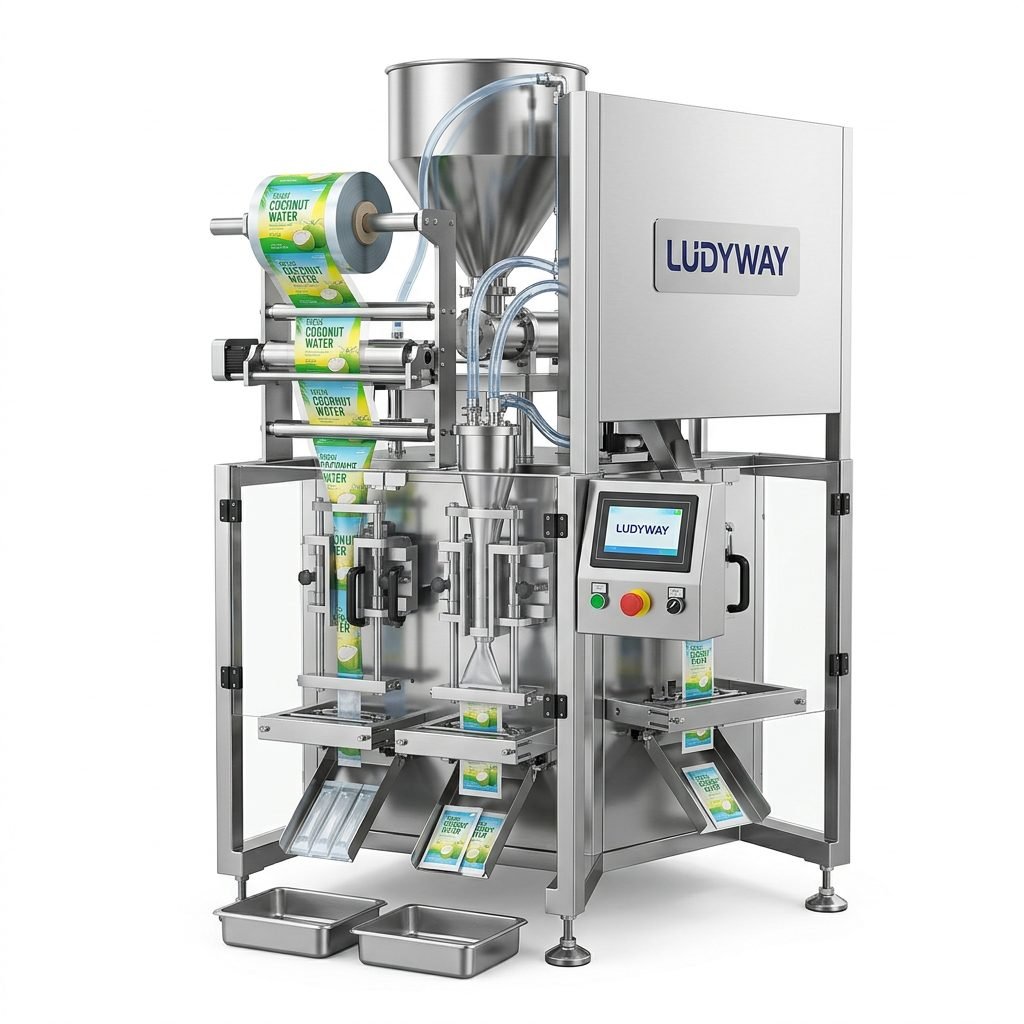
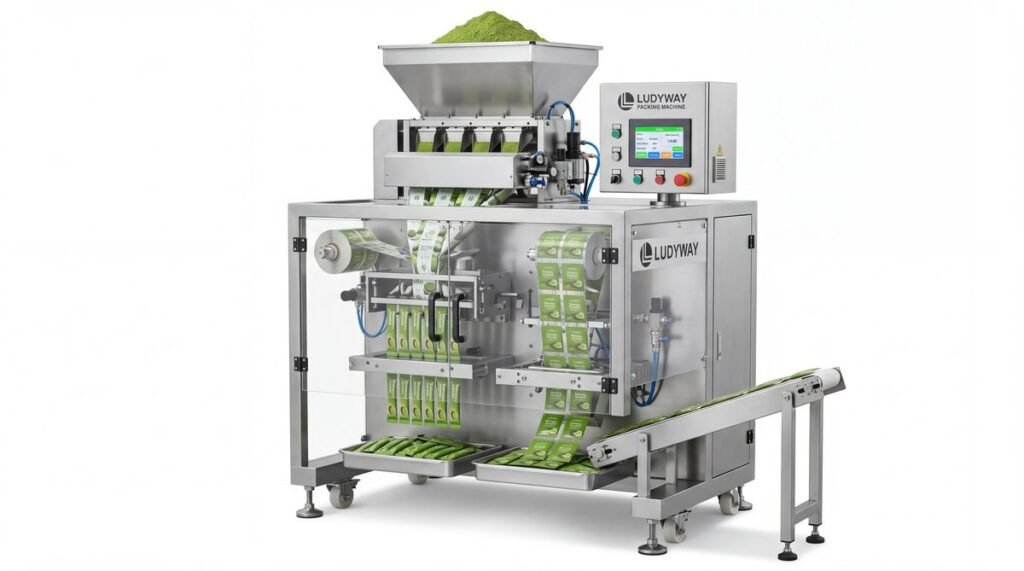
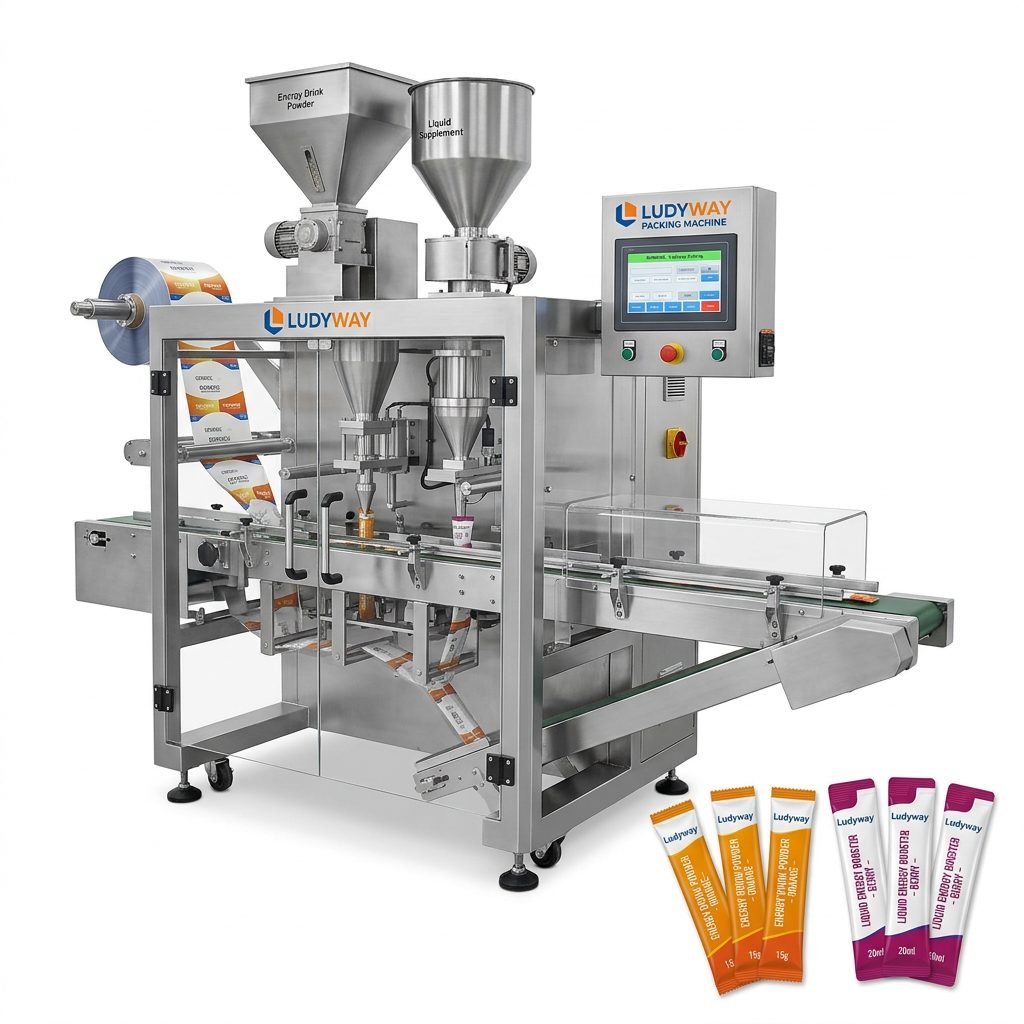
Vertical Form-Fill-Seal (VFFS): Ideal for powders, granules, and liquids packed into pouches or sachets. The material is formed vertically, making it compact and suitable for medium to high-speed production.
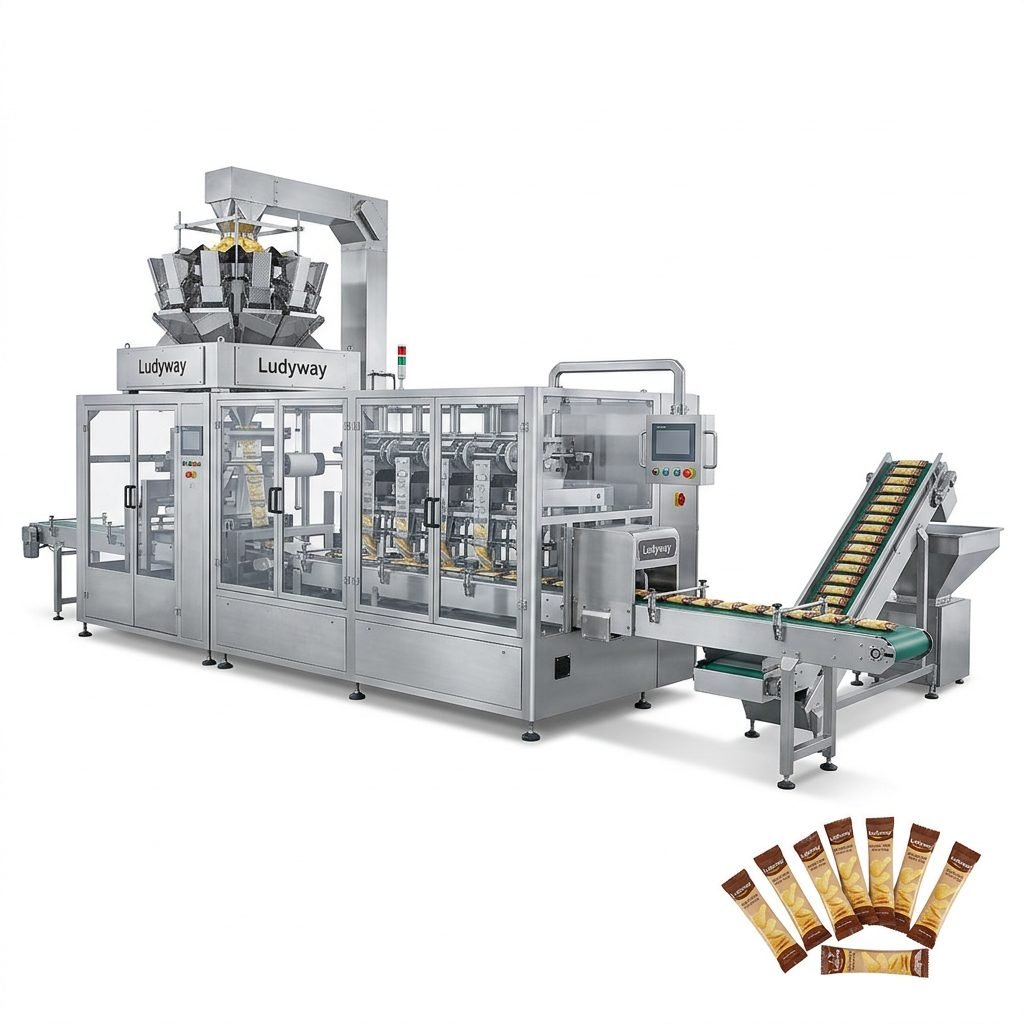
Horizontal Form-Fill-Seal (HFFS): Typically used for more rigid structures like cups, trays, or blister packs. The process occurs on a horizontal plane, perfect for dairy products, ready meals, or pharmaceuticals.
Bottle & Container Filling Systems
Designed for pre-formed rigid or semi-rigid containers like bottles, jars, or cartons. The process involves:
- Container sterilization (via hydrogen peroxide, steam, or UV light).
- Aseptic transfer to a sterile filling zone.
- Filling with the sterile product.
- Sealing with a pre-sterilized lid or cap.
Carton Packaging Systems
Iconic for liquid milk, juices, and soups. Machines like those from Tetra Pak® use roll-fed paperboard laminate. The material is sterilized with hydrogen peroxide, formed into a tube, filled, and sealed below the product level to prevent contamination.
Bag-in-Box & Bulk Systems
Used for high-volume packaging of products like tomato paste, fruit purees, or industrial ingredients into large sterile bags placed within protective boxes or drums.
Fundamental Working Principles
Despite their differences, all aseptic systems share a common goal: to achieve and maintain sterility at the point of filling. The core principles involve three key stages:
1. Sterilization of Packaging Material
This is the first critical barrier. Methods vary by material:
- Chemical Sterilants: Hydrogen peroxide (H₂O₂) is most common, often combined with heat to form a potent, evaporative sterilant.
- Heat & Steam: Saturated steam under pressure is highly effective for metal surfaces and some plastics.
- Radiation: Ultraviolet (UV) light or electron beams are used for surface sterilization of pre-formed containers or packaging films.
2. Sterilization of the Product
The product itself must be rendered commercially sterile, typically using high-temperature, short-time (HTST) or ultra-high temperature (UHT) processing. This involves rapidly heating the product to 135-150°C for a few seconds, then cooling it instantly to preserve taste and nutrients.
3. Aseptic Filling and Sealing
This occurs in a critical zone maintained under sterile, overpressure conditions (often with sterile air). The sterile product and sterile packaging meet here. The filling nozzles are designed to prevent drip and aerosol formation, and seals are immediately applied to create a hermetic barrier.
→ Key Insight: The entire chain is only as strong as its weakest link. A failure in any one sterilization step—material, product, or environment—compromises the entire batch’s safety.
How to Choose the Right Aseptic Packaging System
Selecting equipment is a strategic decision impacting product quality, operational cost, and business scalability. Here is a structured framework for evaluation:
1. Analyze Your Product Characteristics
The product’s physical and chemical properties dictate the machine type.
- Viscosity: Thin liquids (milk) vs. viscous products (yogurt, paste) require different pumps and nozzle designs.
- Particulates: Products with pieces (fruit chunks) need wide-fill pathways to avoid damage or clogging.
- Acidity & Sensitivity: Acidic products or sensitive nutrients may limit sterilization methods.
2. Define Packaging Format and Material
The desired final package influences the machine category.
Goal: Match consumer appeal with technical feasibility. A sleek, stand-up pouch may require a different system than a traditional carton. Consider material compatibility with your chosen sterilization method (e.g., some plastics warp under high heat).
3. Evaluate Required Production Capacity
Volume requirements separate low-cost from high-investment options.
- Low to Medium Output: Benchtop or semi-automatic fillers might suffice.
- High-Volume, Continuous Run: Fully integrated, high-speed rotary fillers or VFFS/HFFS lines are necessary. Calculate packs per minute/hour needs.
4. Assess Sterilization Method Compatibility
Ensure the machine’s sterilization technology aligns with your product and packaging.
- H₂O₂ is excellent for paper laminates but requires careful residue management.
- Steam is robust but energy-intensive and not suitable for all plastics.
- UV is a clean, dry process but requires clear exposure paths.
5. Consider Operational and Lifecycle Costs
Look beyond the initial purchase price (CAPEX). Factor in:
- Operating Expenses (OPEX): Consumables (sterilants, filters), energy, water, and maintenance.
- Flexibility: Can the machine handle multiple products or package sizes with quick changeovers?
- Supplier Support: Availability of spare parts, technical service, and training is crucial for uptime. Partnering with an experienced provider like Ludyway Packing Machine ensures access to reliable equipment and professional support.
6. Prioritize Validation and Compliance
The system must enable you to meet stringent regulatory standards (FDA, EU regulations, etc.). Choose equipment with design that supports easy validation, cleaning (CIP/SIP), and provides comprehensive documentation for audit trails.
Conclusion and Strategic Partnership
Investing in aseptic packaging technology is a significant step toward product safety, market expansion, and operational excellence. The right system balances technical specifications with practical business needs. For manufacturers seeking not just a machine but a turnkey production solution, the expertise of a seasoned partner is invaluable. With deep industry knowledge, a commitment to innovation, and a focus on customized automation solutions, specialists in the field can guide you from concept to a fully validated, high-efficiency packaging line, ensuring your products are protected and your investment is sound.
Frequently Asked Questions (FAQs)
What is the main difference between aseptic and sterile packaging?
Answer: While often used interchangeably, “sterile” typically refers to the absolute absence of all microorganisms, a standard used in surgical/medical contexts. “Aseptic” in packaging means the product and package have been processed to be commercially sterile—free from pathogenic and spoilage organisms—and were filled and sealed in a controlled environment to prevent recontamination. It’s a practical, achievable standard for food and pharmaceutical manufacturing.
How long can aseptically packaged products last?
Answer: Shelf life varies greatly by product and package but is significantly extended. Unrefrigerated, aseptic milk can last 6-9 months, juices up to a year or more, while some low-acid products in robust packaging can be stable for years. The key is the combination of product sterilization, a hermetic package, and the absence of light and oxygen ingress.
Can aseptic equipment handle products with solid pieces?
Answer: Yes, but it requires specialized equipment. Systems for products like fruit-in-yogurt or soups with vegetables use particulate aseptic fillers. These have wider-diameter tubes, piston fillers, or specialized pumps to transport pieces without damage, and often incorporate aseptic tanks to hold the sterile product before filling.
What are the biggest operational challenges with aseptic lines?
Answer: The primary challenges are maintaining sterility integrity and managing complexity. Any leak, filter failure, or deviation in sterilization parameters can lead to contamination. This requires rigorous preventative maintenance, meticulous operator training, and a robust process monitoring system. Downtime for cleaning and validation can also impact overall equipment effectiveness (OEE).
Is aseptic packaging more sustainable than other methods?
Answer: It can be. The long shelf life reduces food waste from spoilage. The packages are often lightweight, reducing transportation emissions. However, the multi-layer laminate materials used in cartons and pouches can be challenging to recycle. The sustainability equation depends on the specific materials used, local recycling infrastructure, and the balance between extended shelf life and end-of-life package disposal.