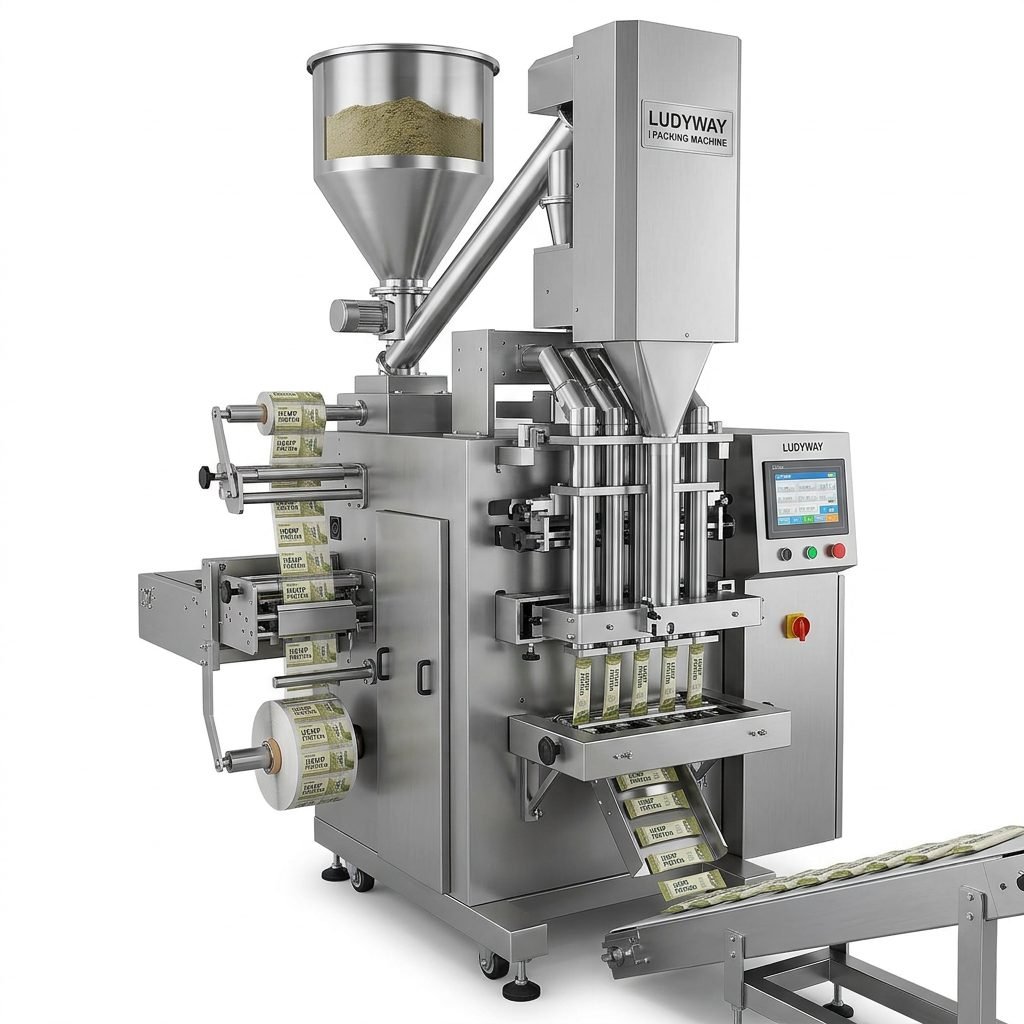
In modern manufacturing, an automated packaging machine is no longer just a productivity upgrade—it is a strategic investment that affects output, labor costs, product quality, and long-term competitiveness. Whether you package food, pharmaceuticals, cosmetics, chemicals, or health supplements, choosing the right solution can dramatically improve packaging speed while making your operation smarter and more scalable.
The challenge is that not every machine fits every product. A fast machine that works well for powders may not be ideal for liquids. A standard pouch system may not meet pharmaceutical compliance needs. That is why the best buying decision starts with understanding your product, production goals, packaging format, automation level, and future expansion plans.
Why Automated Packaging Machines Matter More Than Ever
Manual and semi-automatic packaging processes often create bottlenecks. They depend heavily on labor availability, operator consistency, and repetitive manual handling. As production volume increases, these limitations become more expensive.
- Higher throughput for growing order volumes
- More consistent filling and sealing for better product quality
- Reduced labor dependence in repetitive packaging tasks
- Lower waste rates from inaccurate dosing or poor sealing
- Better traceability and inspection through integrated smart controls
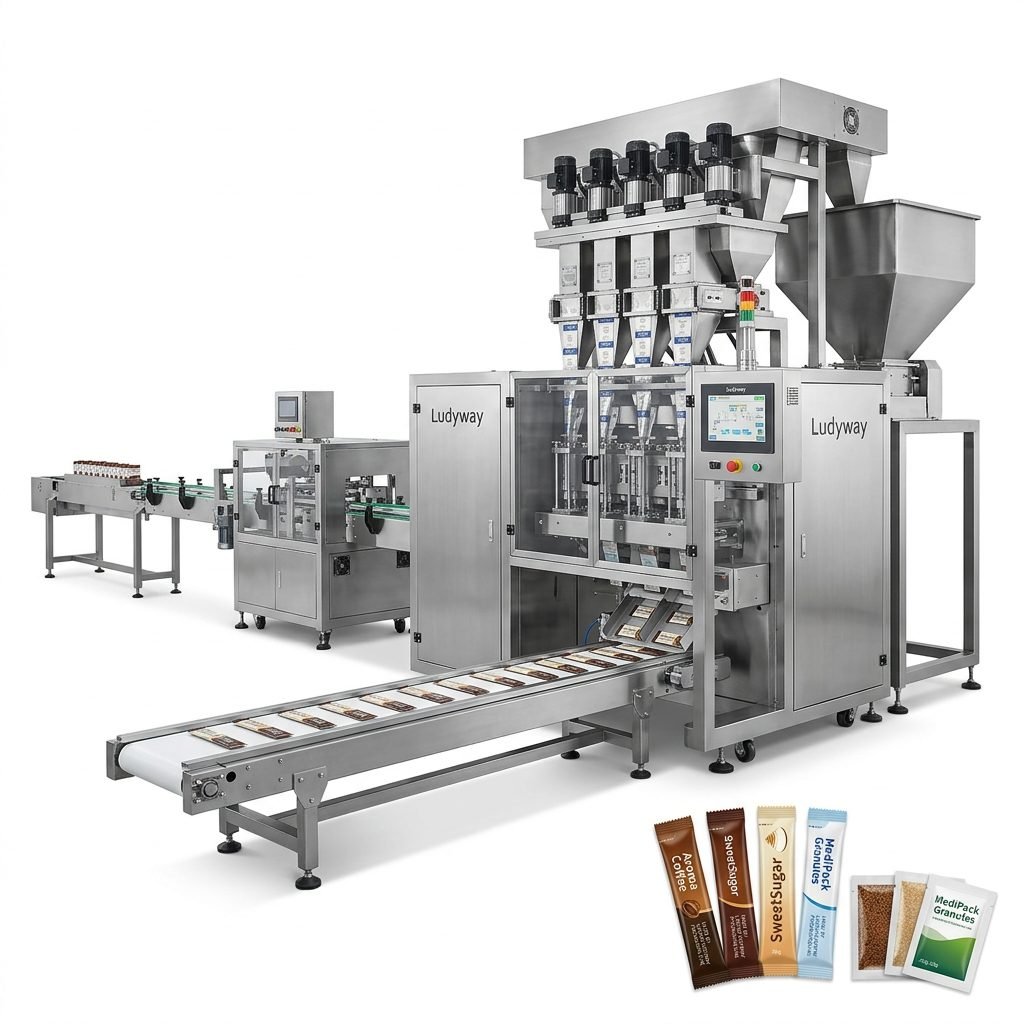
- Easier line integration with conveyors, coding, checkweighing, and cartoning systems
For companies moving toward lean manufacturing and smart factory operations, packaging automation also creates stronger production visibility through sensors, HMI controls, recipe storage, fault alarms, and production data monitoring.
Start with Your Product Type
The first step in selecting the right machine is identifying exactly what you are packaging. Different materials flow, fill, and seal differently, so machine design must match the physical behavior of the product.
| Product Type | Typical Packaging Need | Recommended Machine Direction |
|---|---|---|
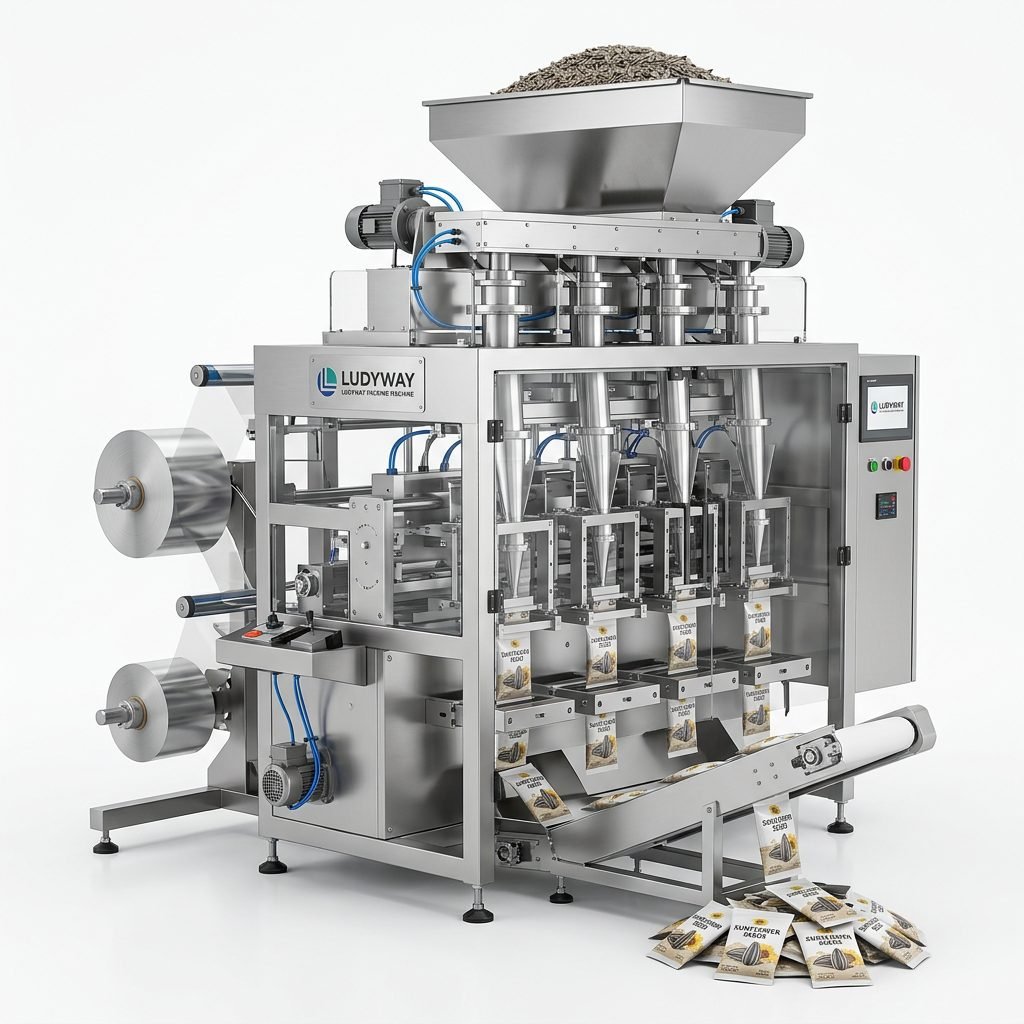
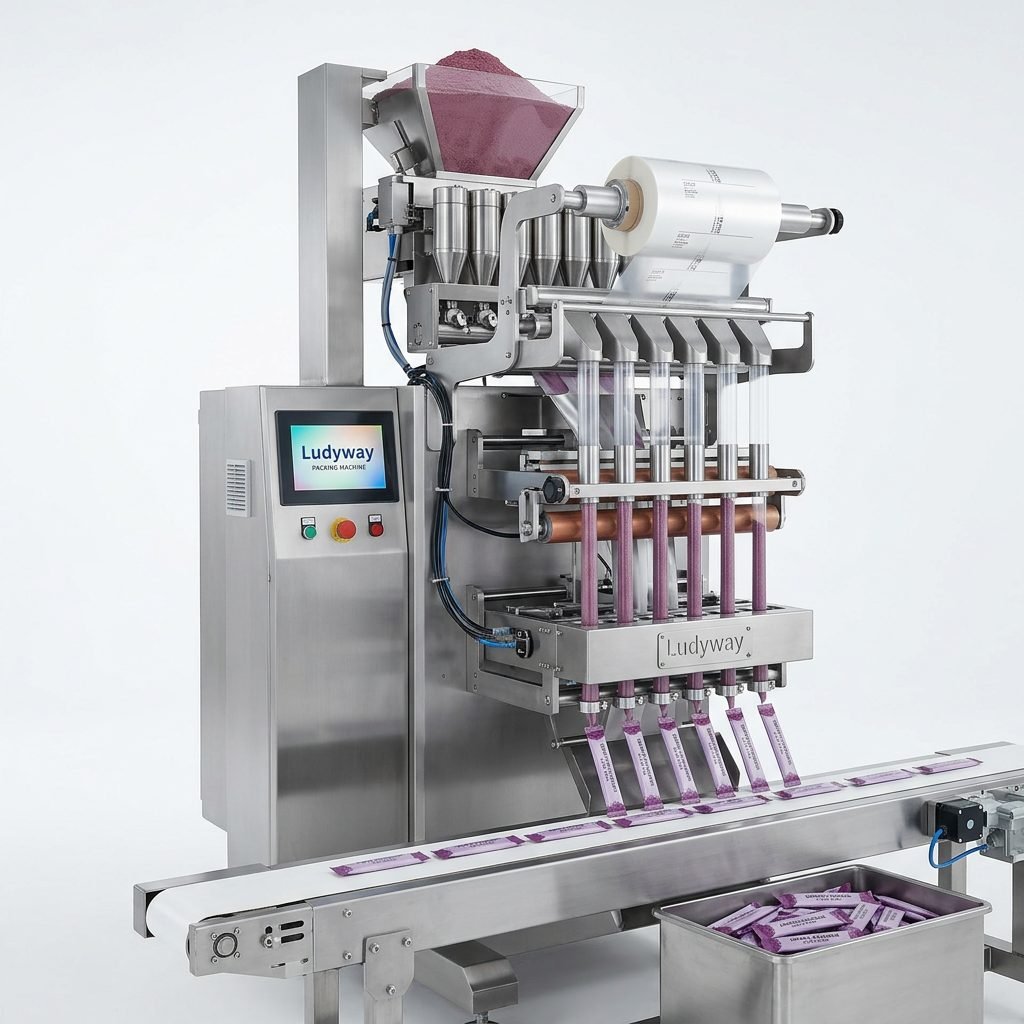
| Granules | Stable weighing, anti-spillage, high-speed filling | Multi-lane stick pack or sachet machine with volumetric cup or weigher |
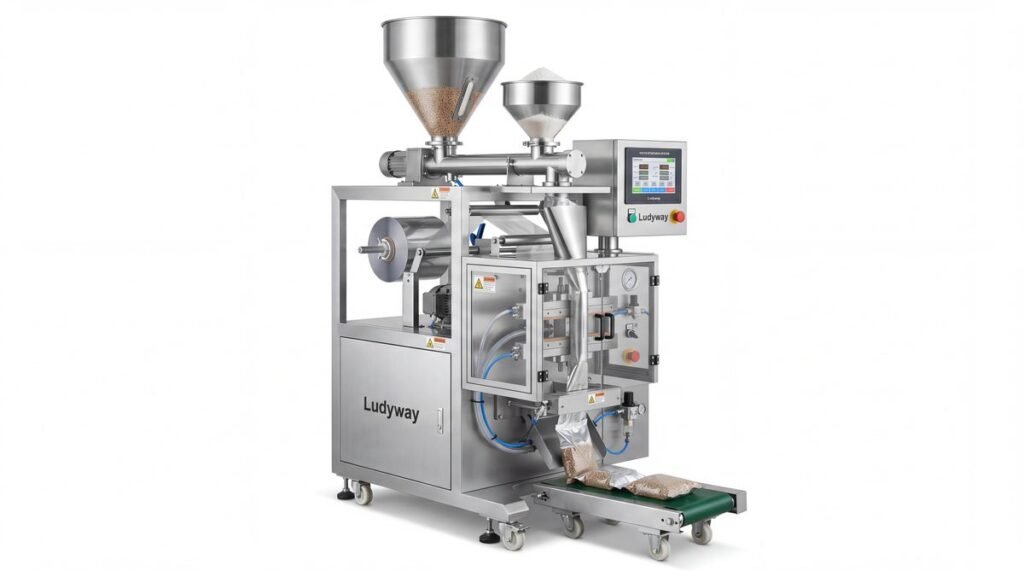
| Powders | Dust control, accurate dosing, good seal cleanliness | Auger filler packaging machine or vertical powder packaging system |
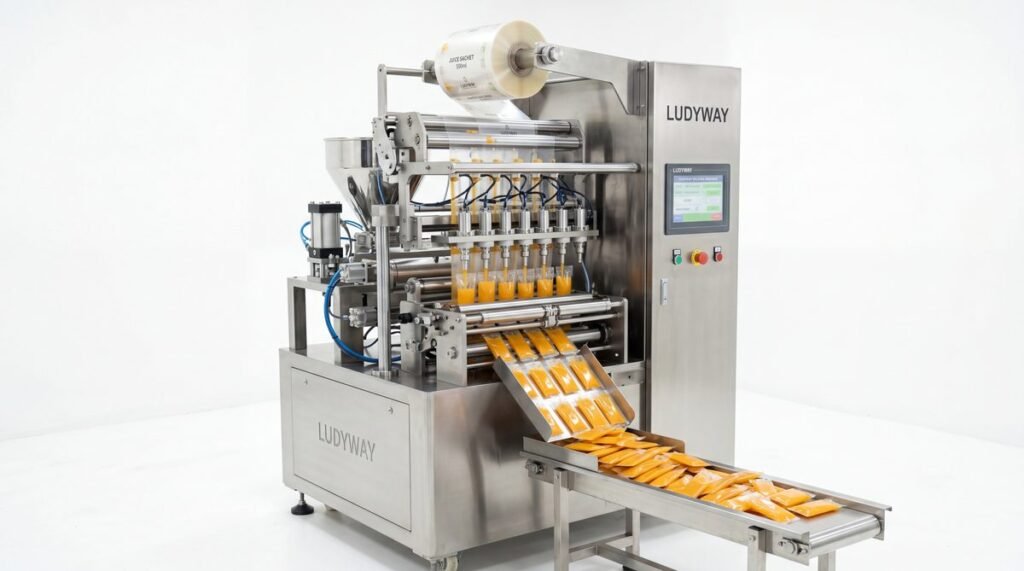
| Liquids | Leak-free sealing, stable volume control | Liquid sachet/stick pack machine or bottle filling and sealing line |
| Pastes / Creams | Viscosity handling, anti-drip filling | Piston filling packaging machine or tube/sachet filling system |
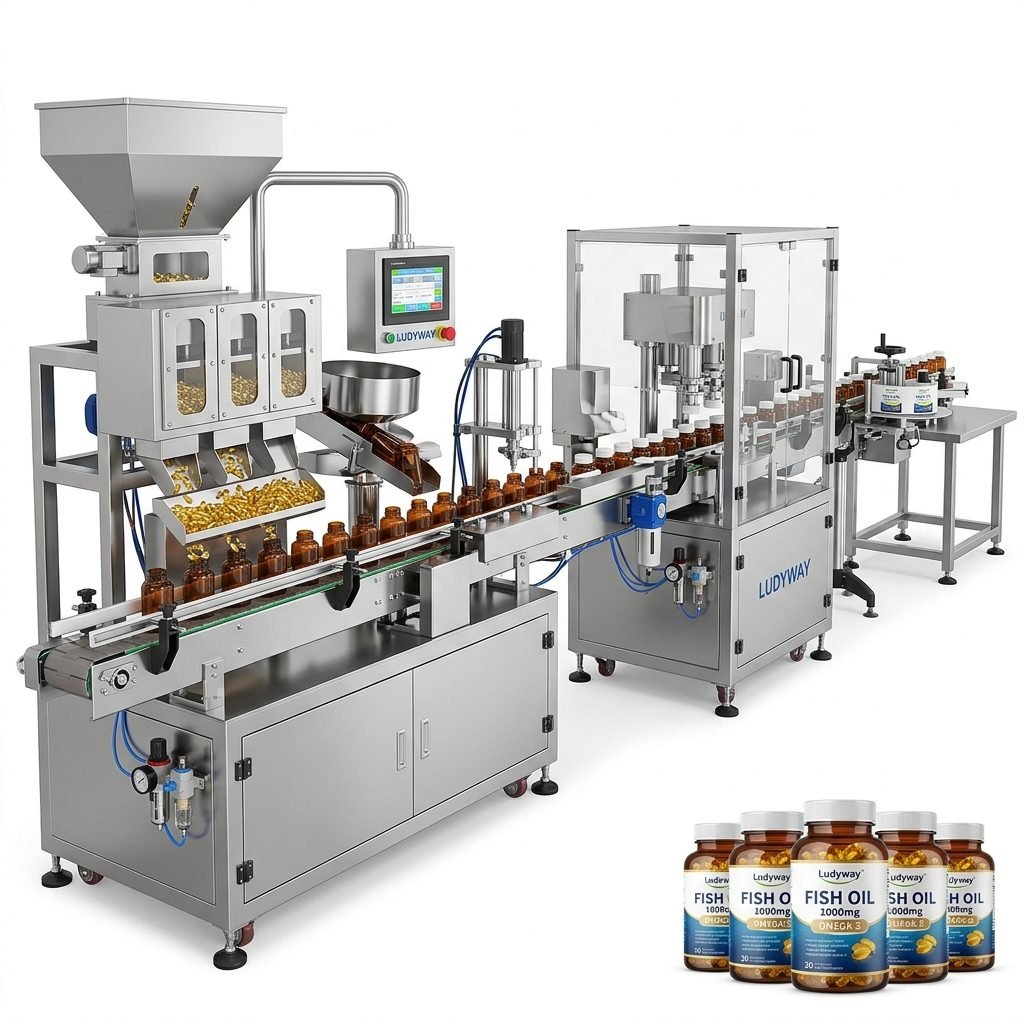
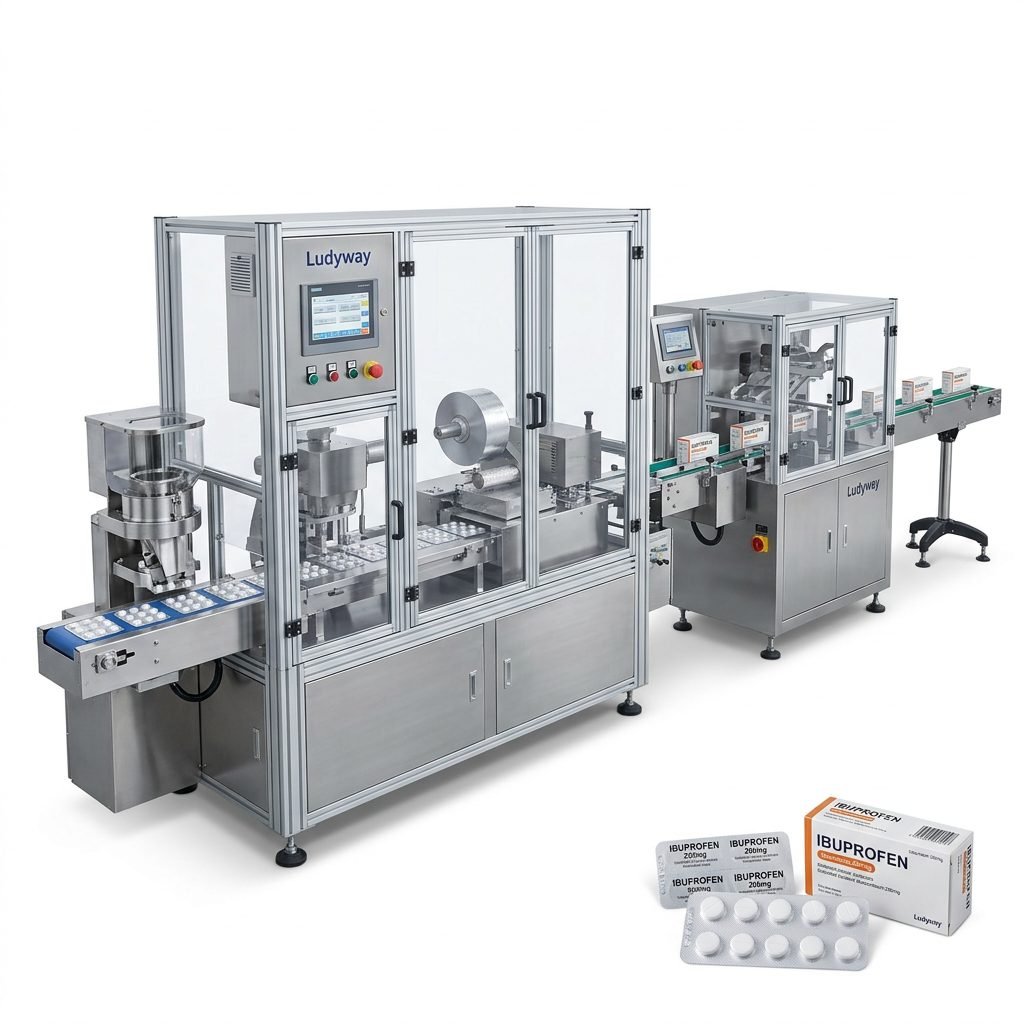
| Tablets / Capsules | Counting, compliance, precision handling | Pharmaceutical packaging line with counting, blistering, or bottling |
If the product has special properties—such as being hygroscopic, sticky, fragile, foamy, oily, or corrosive—the machine should be engineered accordingly. This is where customized solutions often outperform generic systems.
Choose the Right Packaging Format
Your packaging format directly affects machine structure, material handling, output rate, and downstream equipment compatibility. Before comparing machine models, define the format your market actually needs.
Common format options include:
- Sachets
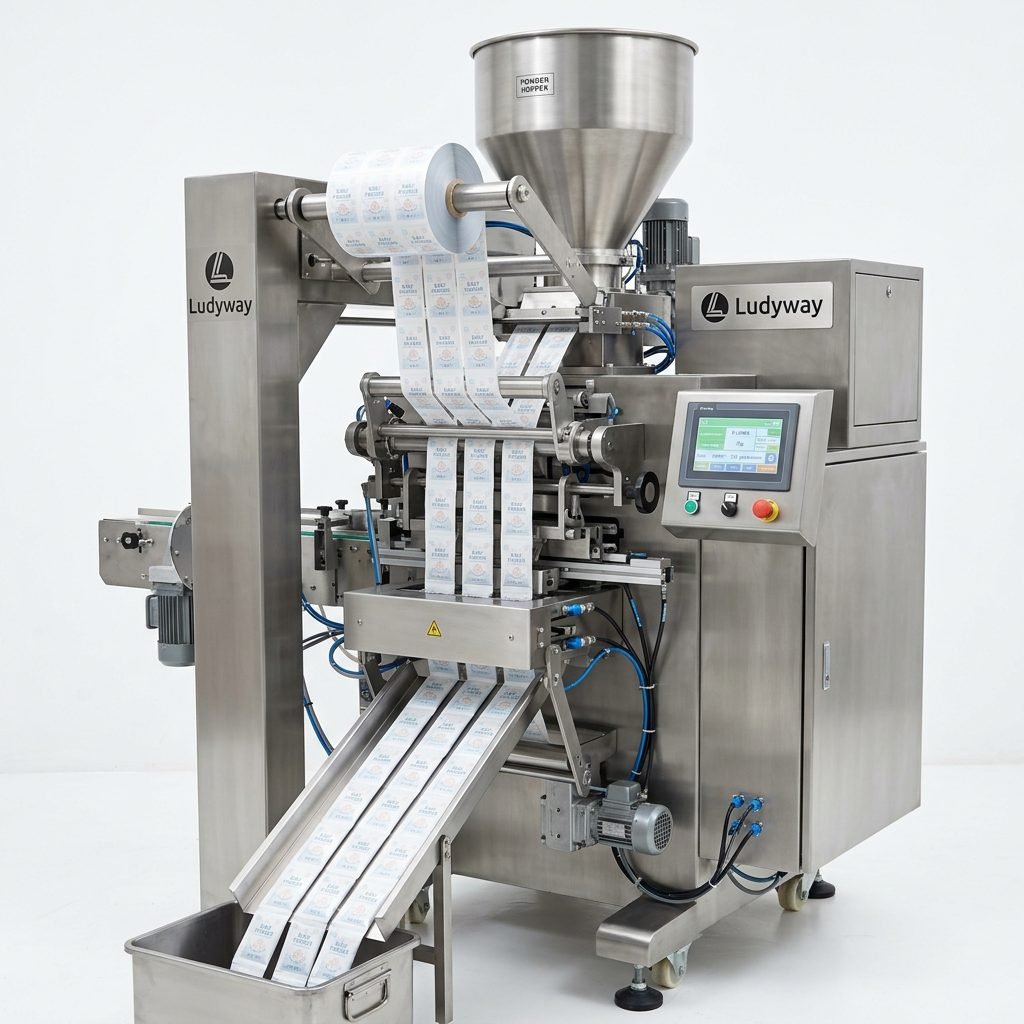
- Stick packs
- Pouches
- Bottles
- Tubes
- Cartons
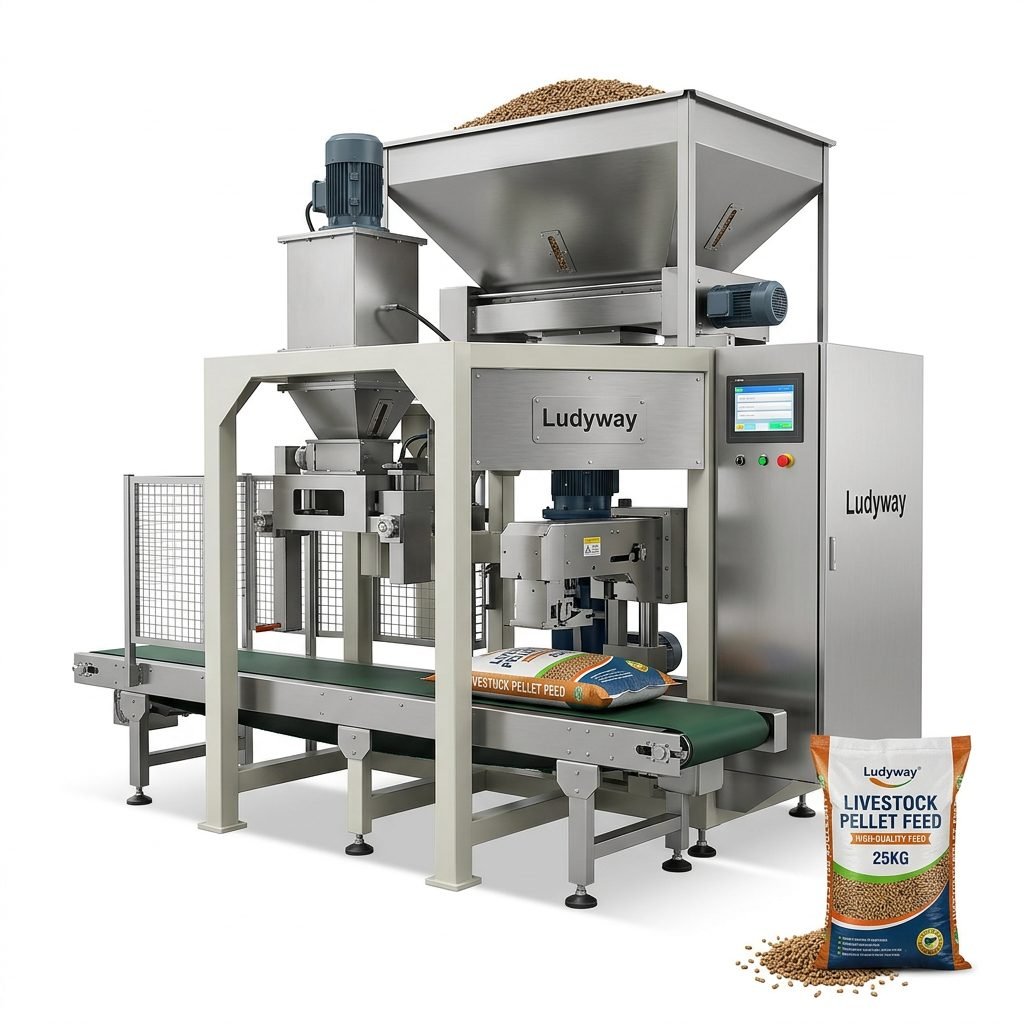
- Bulk bags or sacks
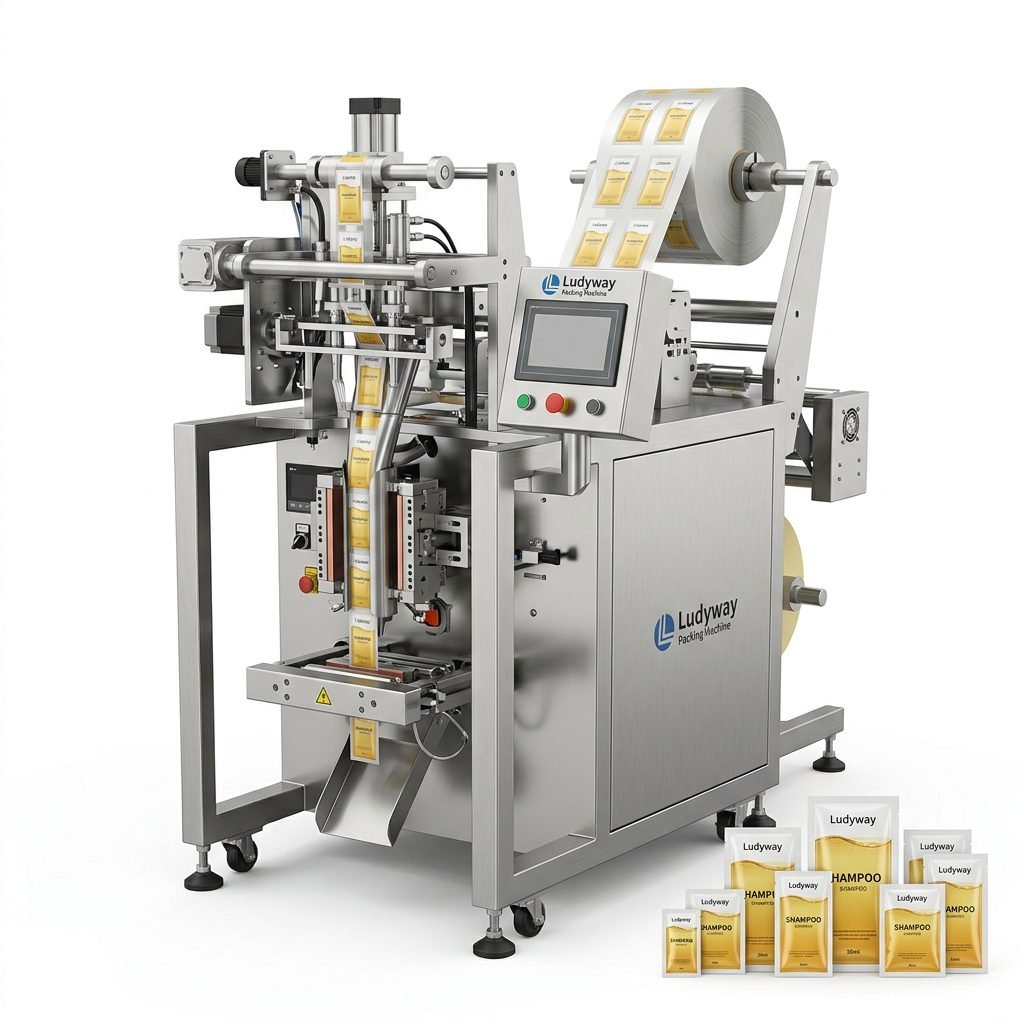
For example, single-dose nutrition powders and instant beverages often use stick pack packaging machines for convenience and retail presentation. Sauces and shampoos are commonly packed in sachets. Premium pet food or snack products may need premade pouch systems. Pharmaceutical products may require blister packs, bottles, cartons, or sterile pouch systems depending on regulations.
Match Speed with Real Production Demand
Many buyers focus too much on maximum speed. But the right machine is not simply the fastest one—it is the one that delivers stable output under real operating conditions. A machine rated at very high speed may underperform if the product flow is unstable, the film quality is inconsistent, or operators are not trained.
Ask these practical questions:
- What is your current hourly and daily packaging volume?
- What is your expected growth in the next 2–5 years?
- Do you run one shift or multiple shifts?
- Will you package one SKU or many product variations?
- How often will you change bag size, fill weight, or film material?
If your factory runs multiple SKUs in short batches, flexibility may be more important than extreme speed. If you produce a few high-volume products, then a dedicated high-speed automatic packaging line may bring the best return on investment.
Evaluate Filling Accuracy and Seal Quality
Speed without precision creates costly problems. Underfilled packs, leaking seals, poor appearance, and wasted packaging film all increase operating costs and damage brand credibility.
A reliable automated packaging machine should provide:
- Consistent dosing accuracy
- Strong and clean seals
- Low defect and rejection rates
- Stable bag length and positioning
- Compatibility with your packaging material
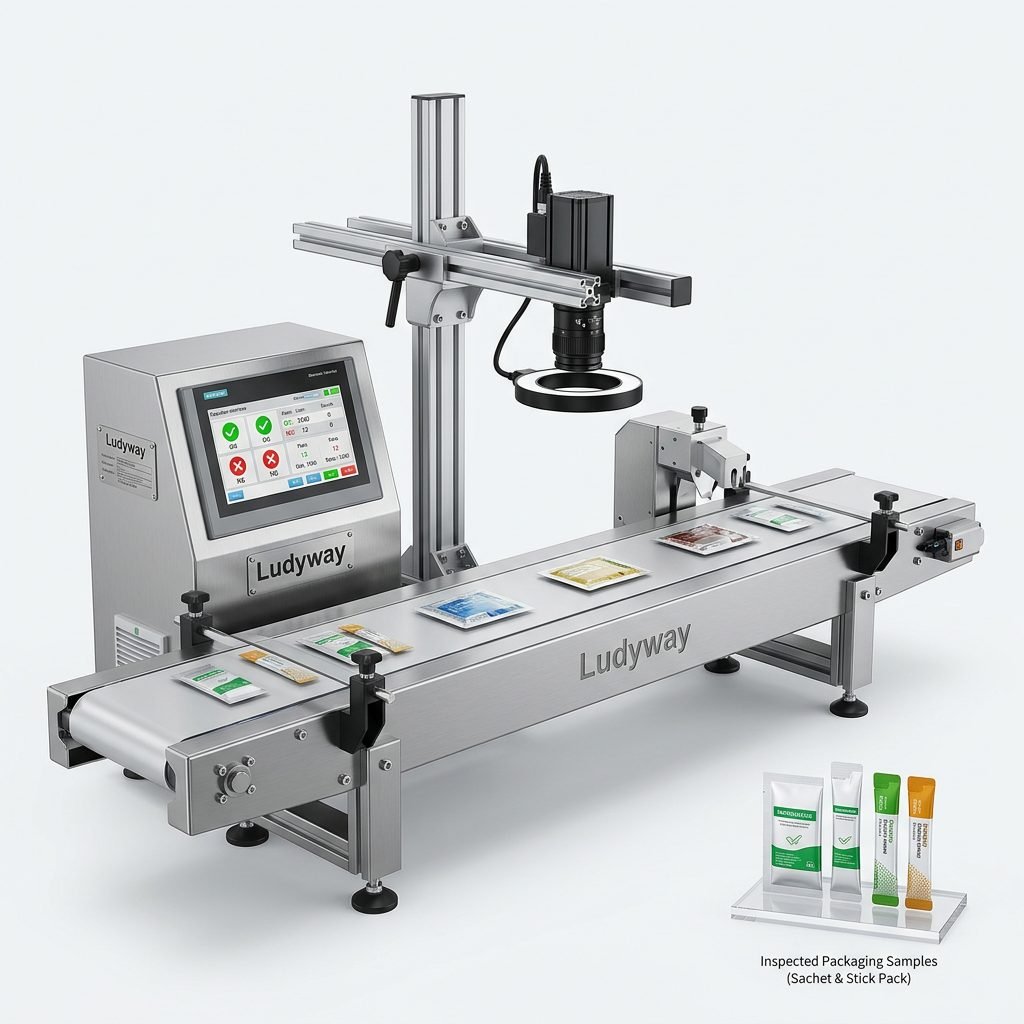
For powders, dust contamination in the sealing area must be carefully controlled. For liquids, sealing temperature and anti-drip design are especially important. For pharmaceuticals and medical products, quality control often needs to be supported by vision inspection, checkweighing, coding verification, and traceability systems.
Look Beyond the Standalone Machine
In many cases, the best solution is not a single machine but a complete packaging line. Upstream and downstream integration can remove manual transfer points, improve consistency, and make high-speed production more sustainable.
A smart packaging line may include:
- Feeding system or elevator
- Weighing or dosing unit
- Form-fill-seal machine
- Date coding or printing system
- Checkweigher or metal detector
- Vision inspection system
- Counting and cartoning equipment
- Case packing and palletizing system
This is especially useful for food, pharmaceutical, and health supplement manufacturers aiming to improve both packaging efficiency and factory automation. A turnkey system also simplifies project coordination because all components are designed to work together.
Smart Features That Make Packaging Faster and Smarter
If you want “smarter packaging,” focus on controls and data, not just mechanical motion. Modern machines are increasingly built with intelligent functions that support uptime, consistency, and easier maintenance.
| Smart Feature | Why It Matters |
|---|---|
| PLC + touchscreen HMI | Easy operation, recipe management, faster setup |
| Servo-driven system | Better precision, smoother movement, lower adjustment time |
| Auto alarm diagnostics | Faster troubleshooting and reduced downtime |
| Remote support capability | Quicker service response for overseas users |
| Vision inspection integration | Improved quality control and defect reduction |
| Production data monitoring | Helps analyze efficiency, output, and maintenance trends |
These functions are valuable for manufacturers pursuing digital production management and long-term process optimization.
Industry-Specific Requirements You Should Not Ignore
Food Industry
Food packaging equipment should support hygiene, easy cleaning, reliable sealing, and product-safe contact materials. For powders and seasonings, dust management is critical. For snacks and granules, weighing stability matters. If freshness is important, consider nitrogen flushing or vacuum-related options.
Pharmaceutical Industry
Pharmaceutical packaging lines must meet stricter standards for accuracy, cleanliness, documentation, and validation. Traceability, coding, counting precision, and inspection integration are often essential. Machine structure and material selection must align with GMP-oriented requirements.
Cosmetic Industry
Cosmetic products frequently require visually attractive packaging, precise liquid or cream filling, and smooth handling of sachets, tubes, ampoules, or sample packs. Changeover flexibility is important because cosmetics often come in many SKUs and pack sizes.
Chemical Industry
Chemical packaging may involve abrasive powders, corrosive liquids, or strict safety requirements. Machine materials, sealing resistance, dosing stability, and operator protection should be carefully checked before purchase.
How to Assess Supplier Capability
A machine specification sheet is not enough. Your supplier should have real engineering capability, application knowledge, quality control, and after-sales support. This is especially important for customized or turnkey packaging projects.
When evaluating a supplier, look for:
- Years of experience in packaging machinery manufacturing
- Experience in your target industry
- Ability to provide both standard and customized solutions
- In-house engineering and assembly capability
- Export experience and global technical support
- Case studies, videos, certifications, and test capacity
For buyers seeking scalable automation, Ludyway automated packaging machine solutions are often considered for projects requiring standalone equipment or complete turnkey lines across food, pharmaceutical, cosmetic, chemical, and pouch-based applications.
Questions to Ask Before Buying
- What products and package formats has the machine already run successfully?
- What is the actual stable output, not just theoretical speed?
- How accurate is the filling system across different materials?
- How long does format changeover take?
- What spare parts and remote support are available?
- Can the machine integrate with future upstream and downstream equipment?
- What customization options are possible for our product and plant layout?
Common Buying Mistakes to Avoid
- Choosing by price alone and ignoring lifetime operating cost
- Overbuying speed that your upstream process cannot support
- Underestimating changeover needs for multi-SKU production
- Ignoring service support for installation, debugging, and maintenance
- Buying a standalone machine when line integration would create better ROI
- Failing to test with real product samples before final confirmation
What the Right Solution Looks Like
The right automated packaging machine should do more than package faster. It should support stable performance, cleaner operation, easier management, and future business growth. In practical terms, the ideal solution usually combines:
- Fit-for-product dosing technology
- Reliable sealing and package consistency
- Production speed matched to demand
- Simple operation and maintenance
- Expandability for future automation upgrades
- Strong technical support from the manufacturer
When these factors align, packaging becomes not just a final production step, but a measurable source of efficiency, quality, and profitability.
Final Buying Perspective
Choosing the right automated packaging solution is about balancing speed, precision, flexibility, and scalability. The best machine for your business is the one that fits your product characteristics, packaging format, quality standards, and growth strategy—not just the one with the most impressive brochure numbers.
If you evaluate product type, automation goals, smart control features, and supplier capability carefully, you can invest in a packaging system that helps your factory run faster today and smarter tomorrow.