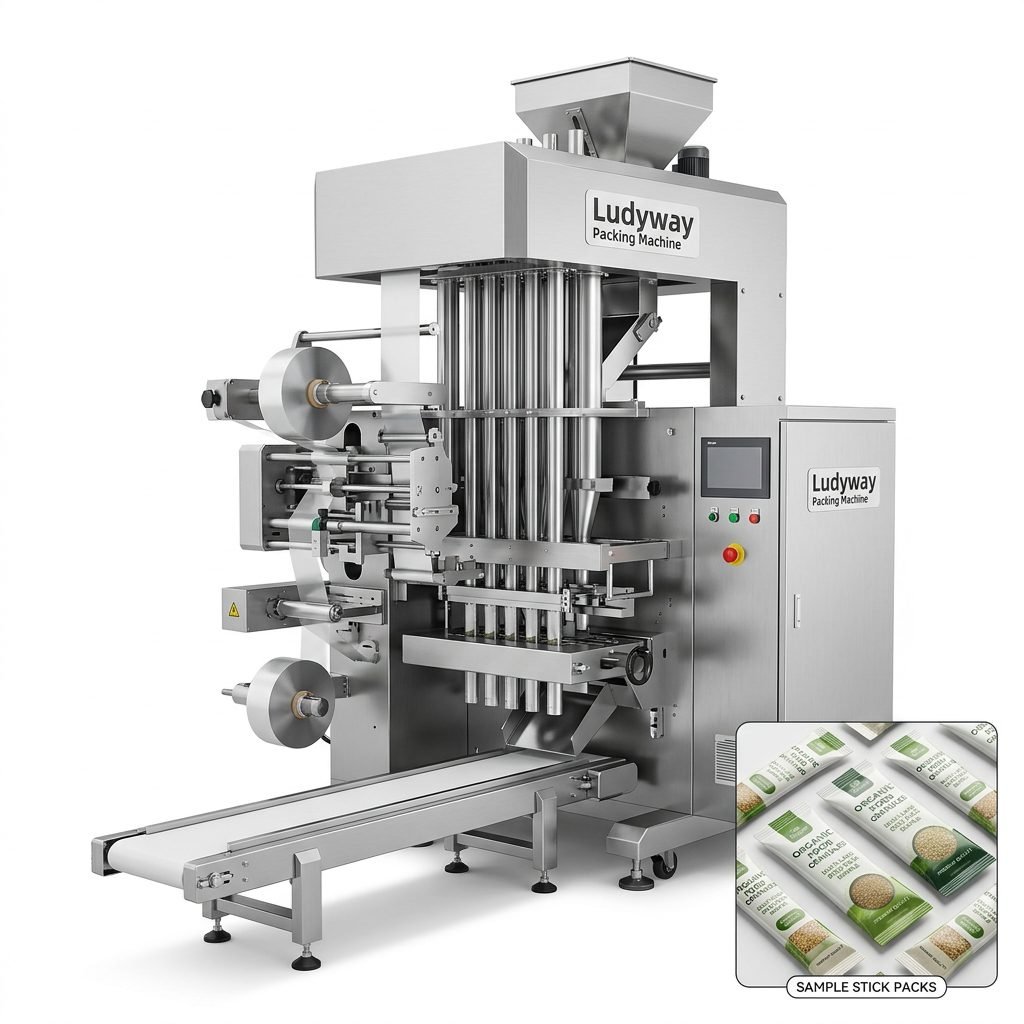
Investing in a tortilla packaging machine is a strategic decision that directly impacts your production efficiency, product shelf life, and overall operational costs. Whether you produce flour tortillas, corn tortillas, or specialty wraps, the right packaging equipment must accommodate your specific product dimensions, throughput requirements, and packaging material preferences. This comprehensive guide walks you through the essential factors to evaluate before making your purchase.

Understanding Tortilla Packaging Requirements
Tortillas present unique packaging challenges due to their delicate texture, moisture sensitivity, and varying diameters. Unlike granular or liquid products, tortillas require gentle handling to prevent tearing, sticking, or deformation during the packaging process. The packaging machine must maintain product integrity while achieving consistent seal quality across high-volume production runs.
Key product characteristics that influence machine selection include:
- Tortilla diameter and thickness – from street-style 4-inch to burrito-sized 12-inch tortillas
- Moisture content – fresh tortillas require breathable packaging to prevent mold growth
- Stacking requirements – individual, stacked counts, or bulk packaging formats
- Shelf life targets – ambient, refrigerated, or frozen distribution channels
- Packaging material compatibility – polyethylene, polypropylene, laminated films, or paper-based options
Key Machine Types for Tortilla Packaging
Different tortilla packaging machines are designed for specific production scales and packaging formats. Understanding the available machine categories helps narrow your options effectively. The following table compares the most common types used in tortilla production facilities:
| Machine Type | Best Suited For | Typical Speed Range | Packaging Format |
|---|---|---|---|
| Horizontal Flow Wrapper | Individual or small-stack tortilla packs | 60–150 packs/min | Pillow pack, fin-seal |
| Vertical Form Fill Seal (VFFS) | Bulk-count tortilla bags | 30–80 bags/min | Pillow bag, gusseted bag |
| Premade Pouch Packaging Machine | Resealable or premium tortilla packs | 40–100 pouches/min | Stand-up pouch, zipper pouch |
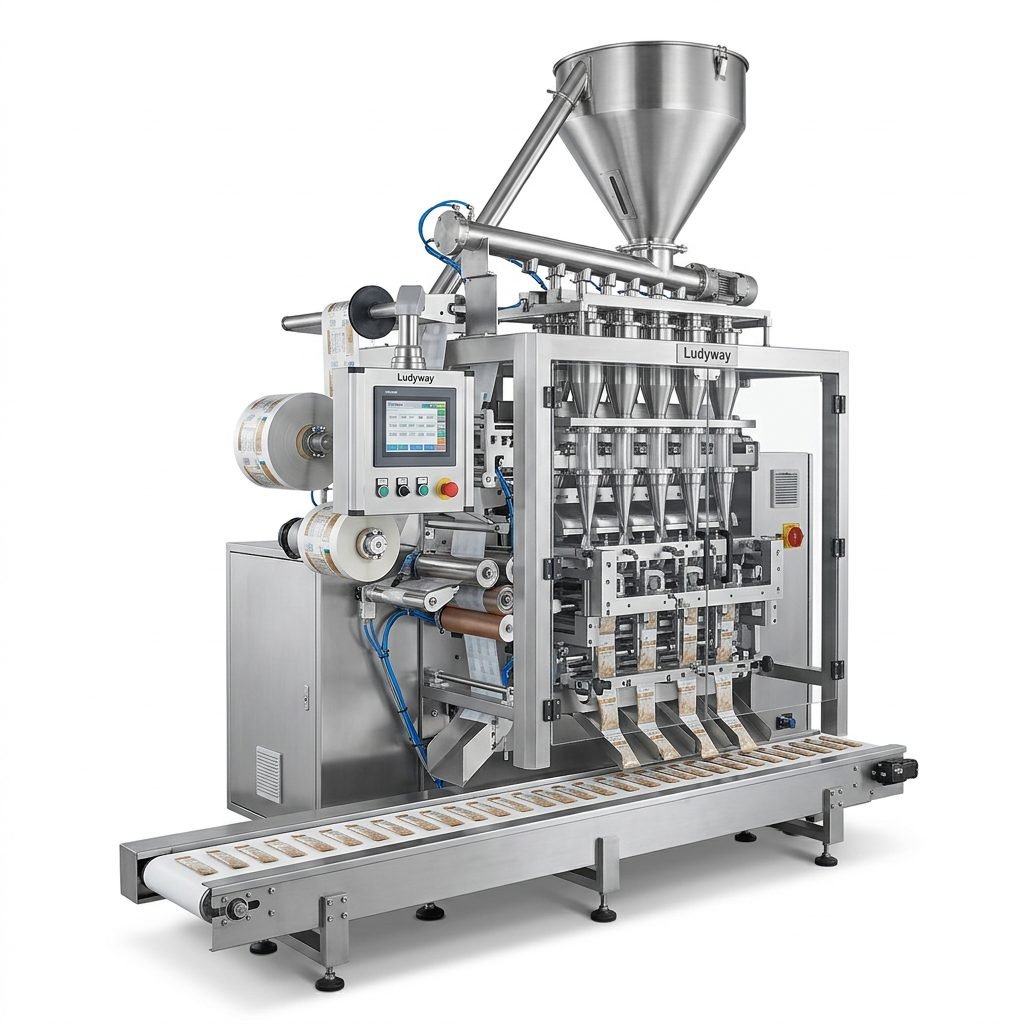
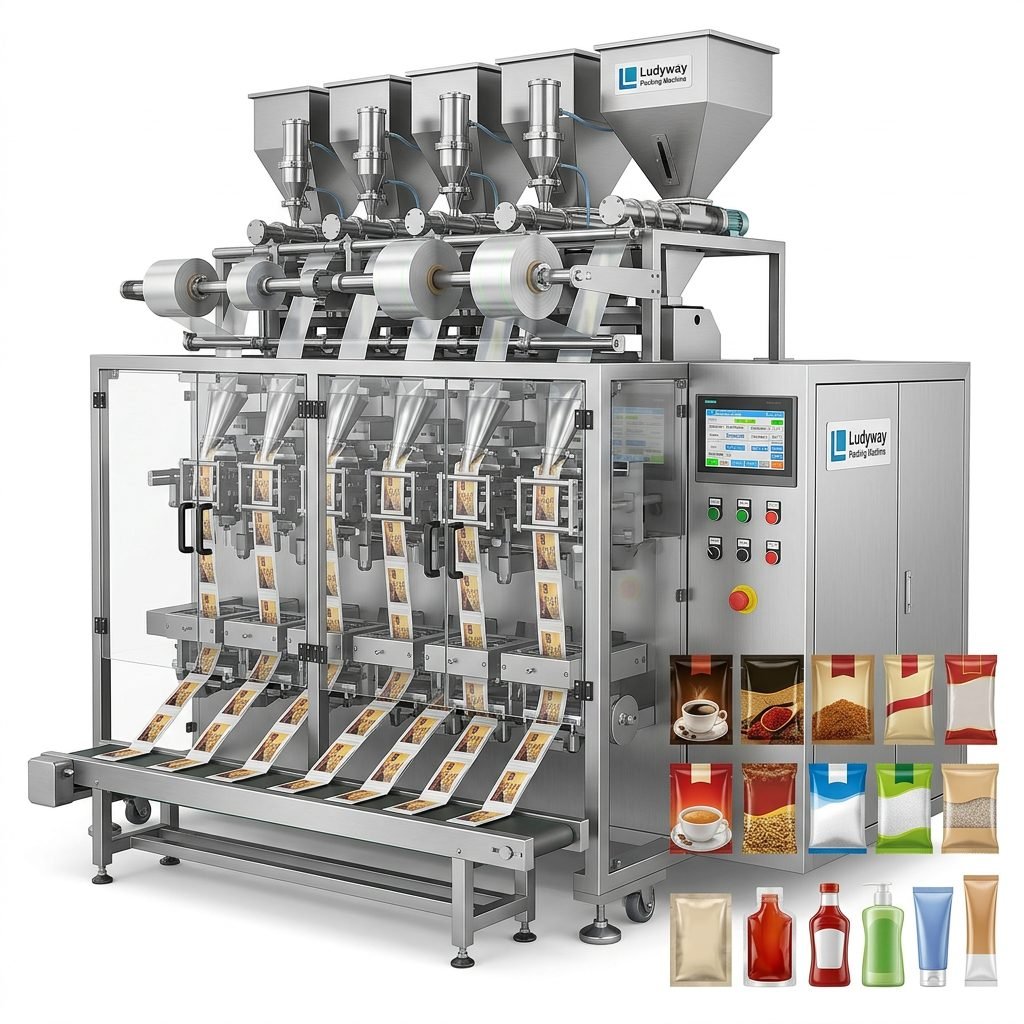
| Multi-Lane Stick Pack System | Single-serve or snack-size tortilla portions | 200–600 packs/min | Stick pack, sachet |
| Vacuum Packaging Machine | Extended shelf life tortilla products | 20–50 packs/min | Vacuum-sealed bag |
Critical Features to Evaluate
When comparing different tortilla packaging machines, certain features directly affect performance, reliability, and long-term operational costs. Prioritize the following technical specifications during your evaluation process:
Sealing System Quality
The sealing mechanism is the heart of any packaging machine. For tortilla applications, consistent temperature control and uniform pressure distribution across the seal area are essential. Look for machines with independent temperature zones and digital PID controllers that maintain precise heat levels. Poor seal integrity leads to product waste, customer complaints, and potential food safety issues.
Product Handling and Feeding
Tortillas are fragile and prone to tearing if mishandled. Machines equipped with servo-driven feeding systems and soft-grip conveyors minimize product damage during transfer. Automated counting and stacking modules should be adjustable to accommodate different tortilla diameters without mechanical changeover.
Changeover Flexibility
If your production line runs multiple tortilla sizes or packaging formats, rapid changeover capability becomes critical. Machines with tool-less adjustments, recipe storage, and quick-release forming tubes reduce downtime between product runs and improve overall equipment effectiveness (OEE).
Gas Flushing and Modified Atmosphere Packaging (MAP)
For extended shelf life tortilla products, MAP-capable packaging machines are worth considering. Nitrogen or CO₂ flushing displaces oxygen within the package, significantly slowing staling and microbial growth. According to FDA guidelines on food packaging and food contact substances, packaging materials and processes must comply with applicable food safety regulations, making MAP system validation an important consideration.
Production Capacity and Speed Considerations
Matching machine speed to your current and projected production demands prevents costly bottlenecks. Start by calculating your peak hourly output requirements, then add a 20–30% buffer for growth and seasonal demand fluctuations. A packaging machine running at maximum capacity continuously experiences more wear and requires more frequent maintenance than one operating within its optimal range.
Industry data from the PMMI State of the Industry report indicates that food manufacturers increasingly prioritize equipment scalability as product lines diversify. When evaluating speed specifications, ask suppliers to provide documented performance data under conditions similar to your own production environment rather than relying solely on theoretical maximum speeds.
Material Compatibility and Packaging Formats
Tortilla packaging machines must handle a range of film materials, each with distinct sealing characteristics. Common packaging materials for tortillas include:
- Biaxially Oriented Polypropylene (BOPP) – excellent clarity and moisture barrier
- Cast Polypropylene (CPP) – superior seal strength at lower temperatures
- Low-Density Polyethylene (LDPE) – flexible and cost-effective for bulk packs
- Metallized PET laminates – premium appearance with enhanced oxygen barrier
- Paper-based laminates – sustainable packaging options for eco-conscious brands
The Flexible Packaging Association provides extensive resources on material selection and industry standards that can inform your packaging decisions. Ensure the machine you select supports the film types, thickness ranges, and seal temperature profiles required for your packaging material specifications.
Automation Level and Integration
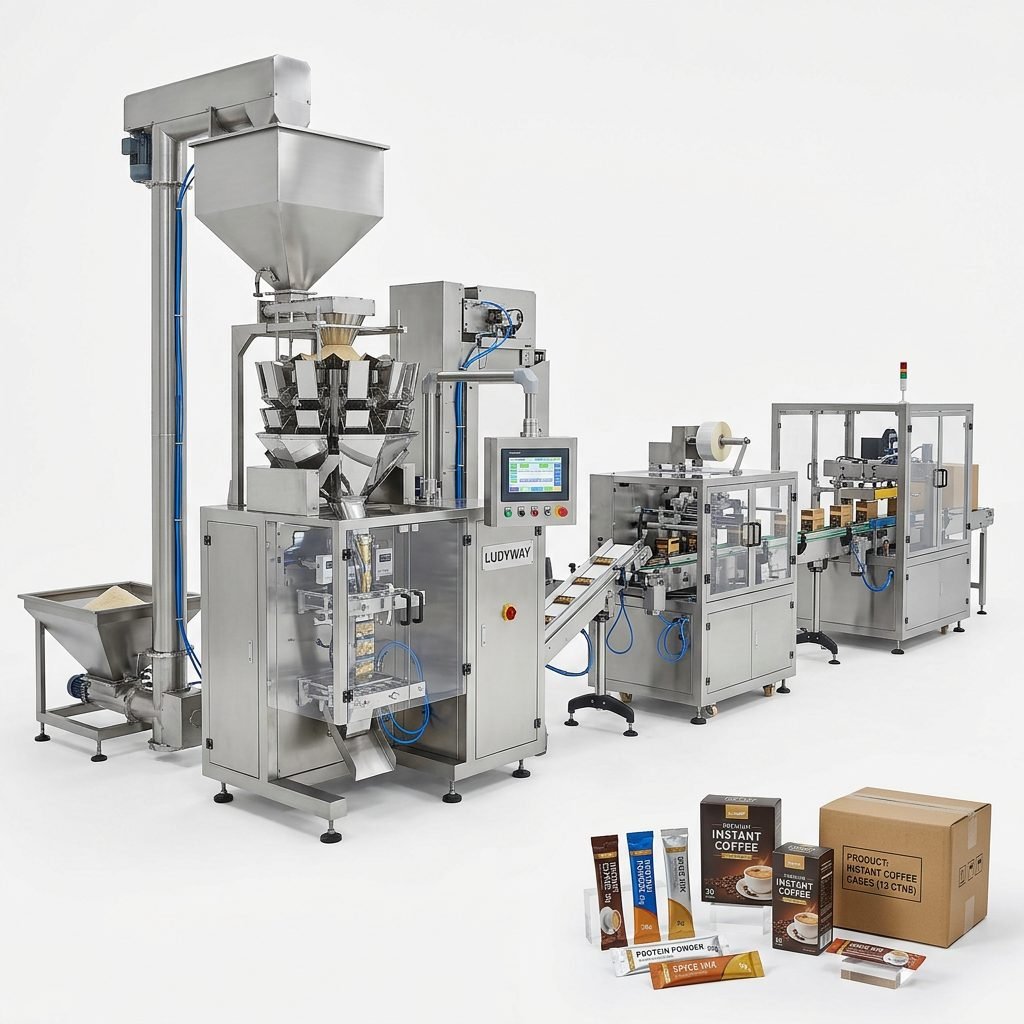
Modern tortilla packaging lines can integrate multiple automation modules beyond the primary packaging machine. Evaluate your entire production workflow to identify opportunities for automation that reduce labor dependency and improve consistency:
- Automated product feeding – conveyor systems that align and count tortillas before packaging
- In-line printing and coding – date coding, lot numbers, and barcode printing synchronized with the packaging cycle
- Checkweighing and metal detection – quality control integrated directly into the packaging line
- Case packing and palletizing – end-of-line automation for finished package handling
- Vision inspection systems – automated seal integrity and label placement verification
Compliance with international standards such as ISO packaging standards ensures your equipment meets recognized benchmarks for safety, performance, and interoperability within automated production environments.
Quality Standards and Compliance
Food packaging machinery must adhere to strict regulatory requirements depending on your target markets. Key compliance considerations include:
- FDA 21 CFR compliance for food contact materials in the U.S. market
- EU Regulation (EC) No 1935/2004 for food contact materials in European markets
- GFSI-recognized certification schemes such as SQF or BRC for packaging operations
- CE marking requirements for machinery sold in the European Economic Area
- UL certification for electrical safety in North American installations
Request documentation from your machinery supplier confirming compliance with applicable packaging and packaging waste regulations in your region. This due diligence protects your investment and helps avoid costly regulatory issues after installation.
Choosing the Right Supplier
Beyond machine specifications, supplier selection significantly impacts your long-term success. Evaluate potential partners based on the following criteria:
- Industry experience – proven track record with tortilla or similar flatbread packaging applications
- Technical support infrastructure – availability of remote assistance, on-site service, and spare parts
- Customization capabilities – willingness to adapt machine configurations to your specific requirements
- Installation and training services – comprehensive commissioning and operator training programs
- References and case studies – verifiable success stories from manufacturers with similar production needs
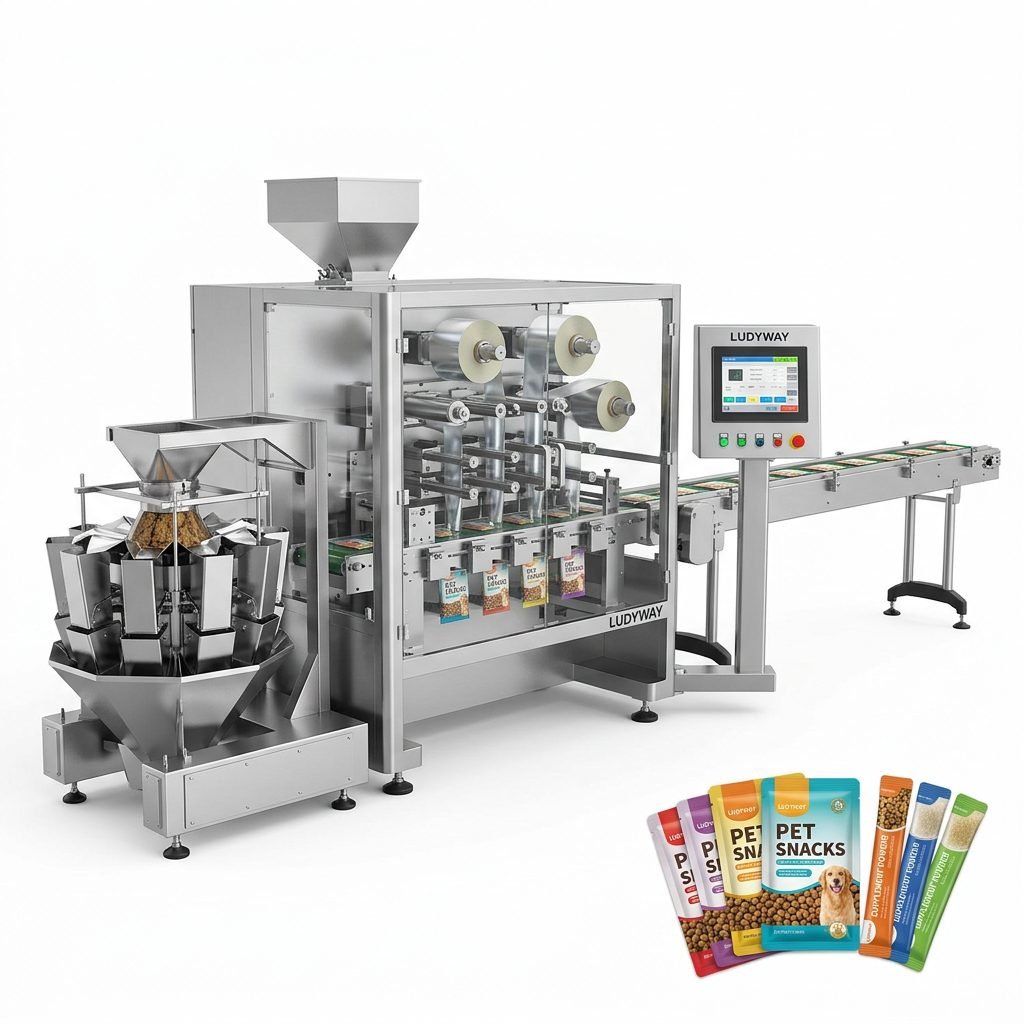
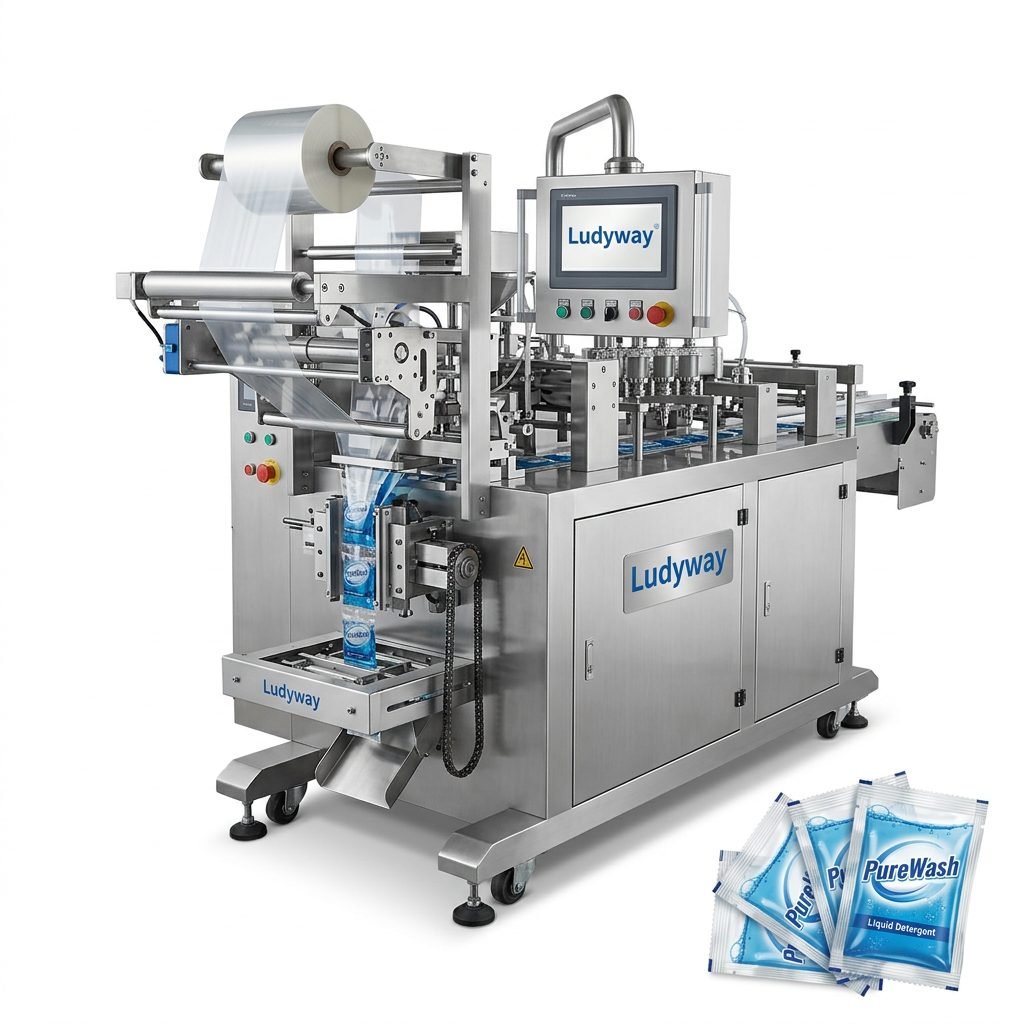
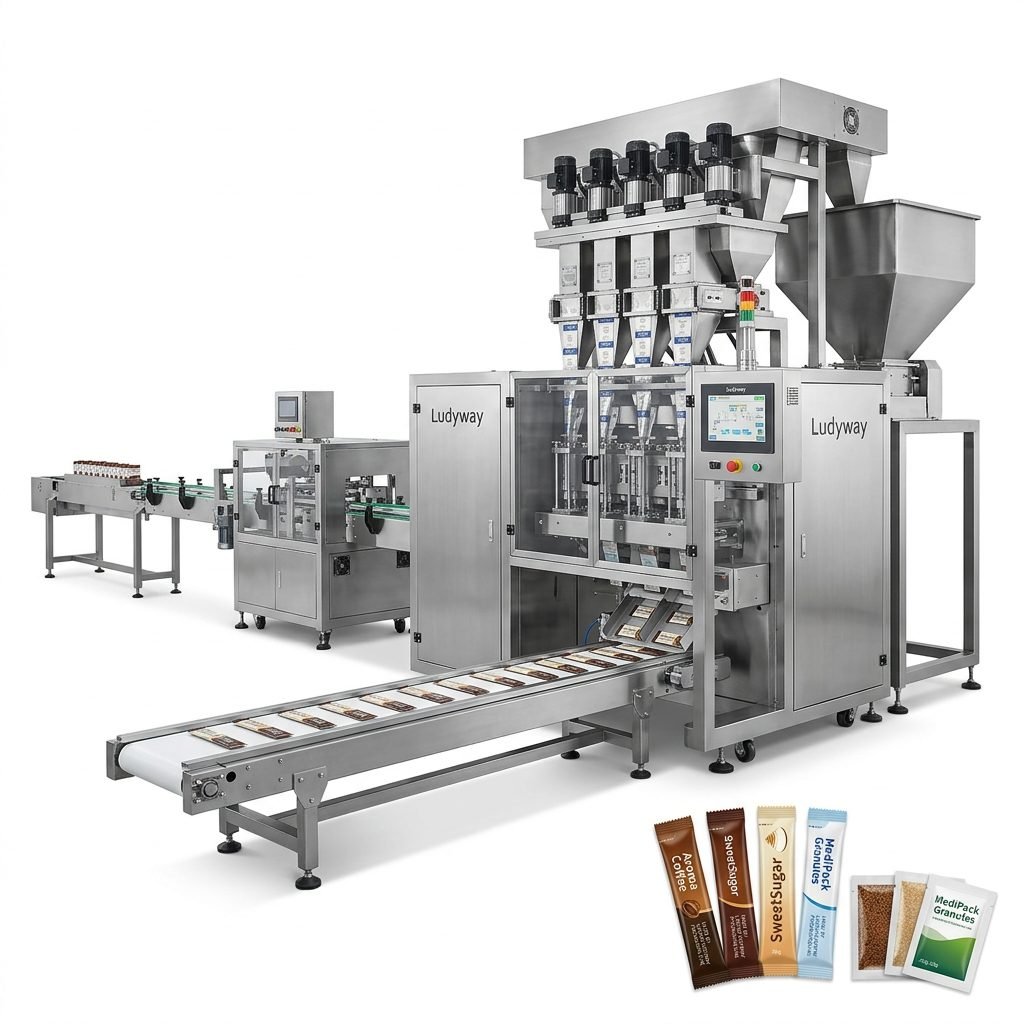
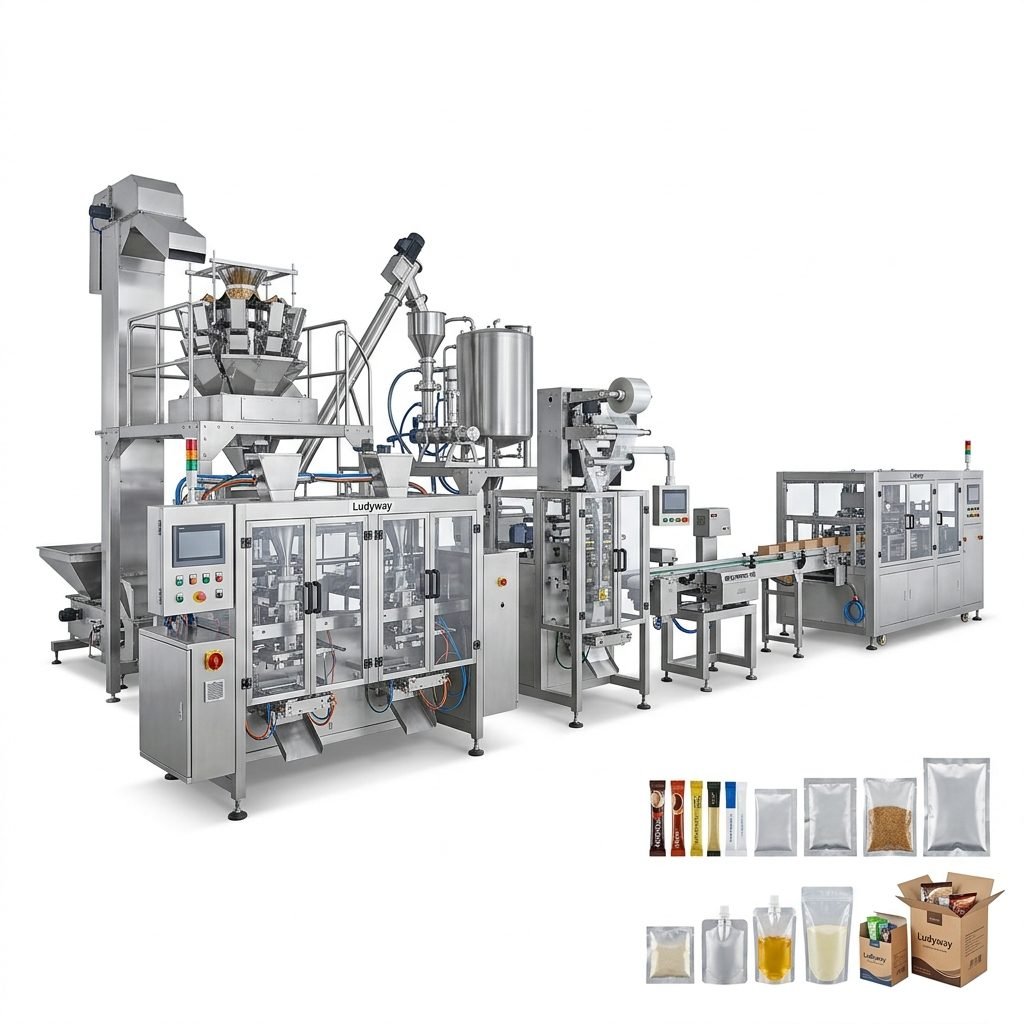
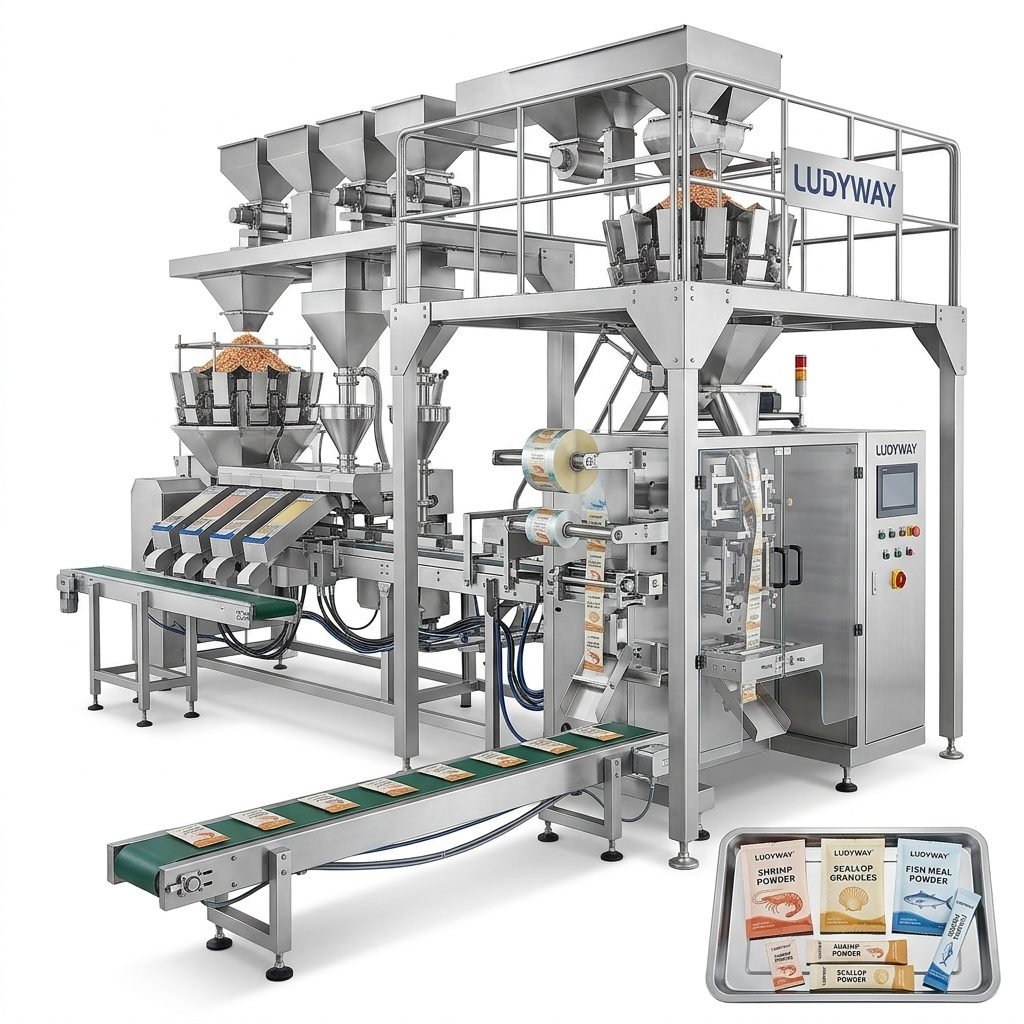
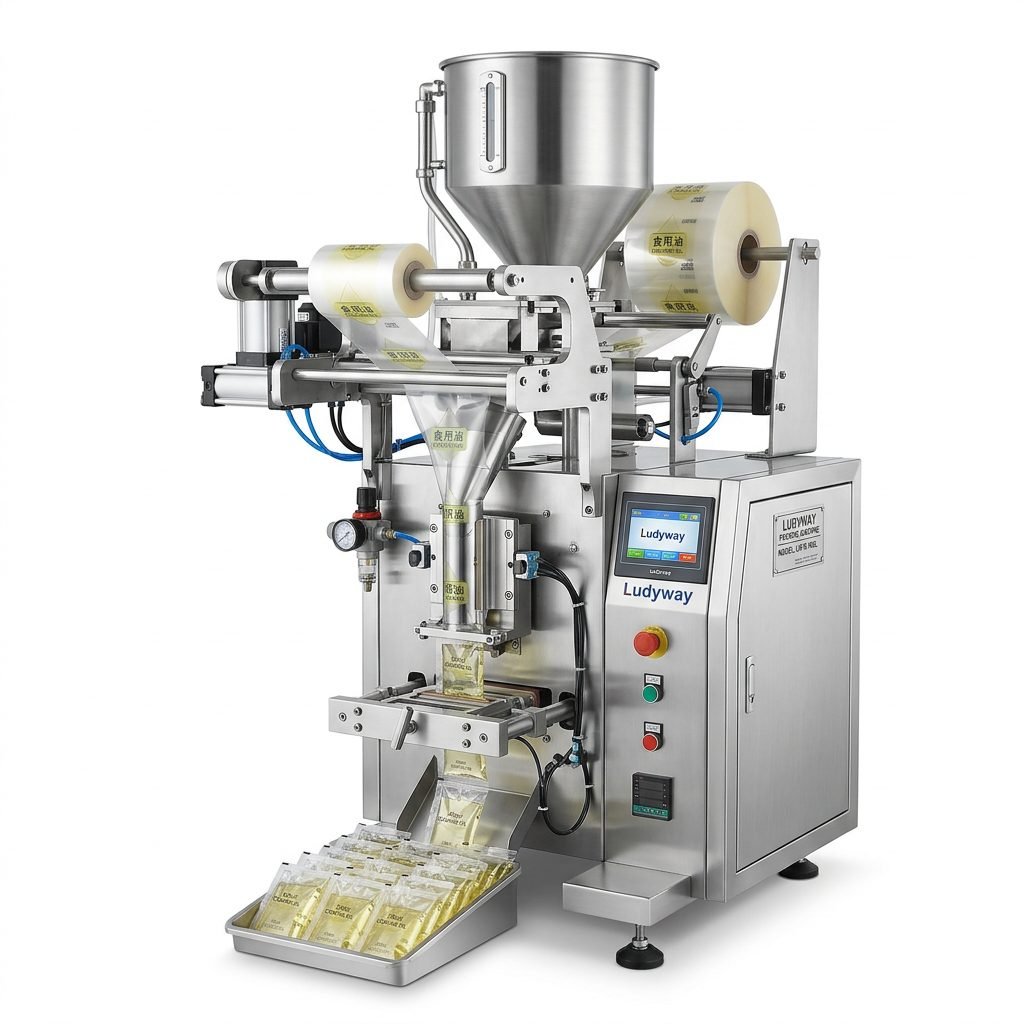
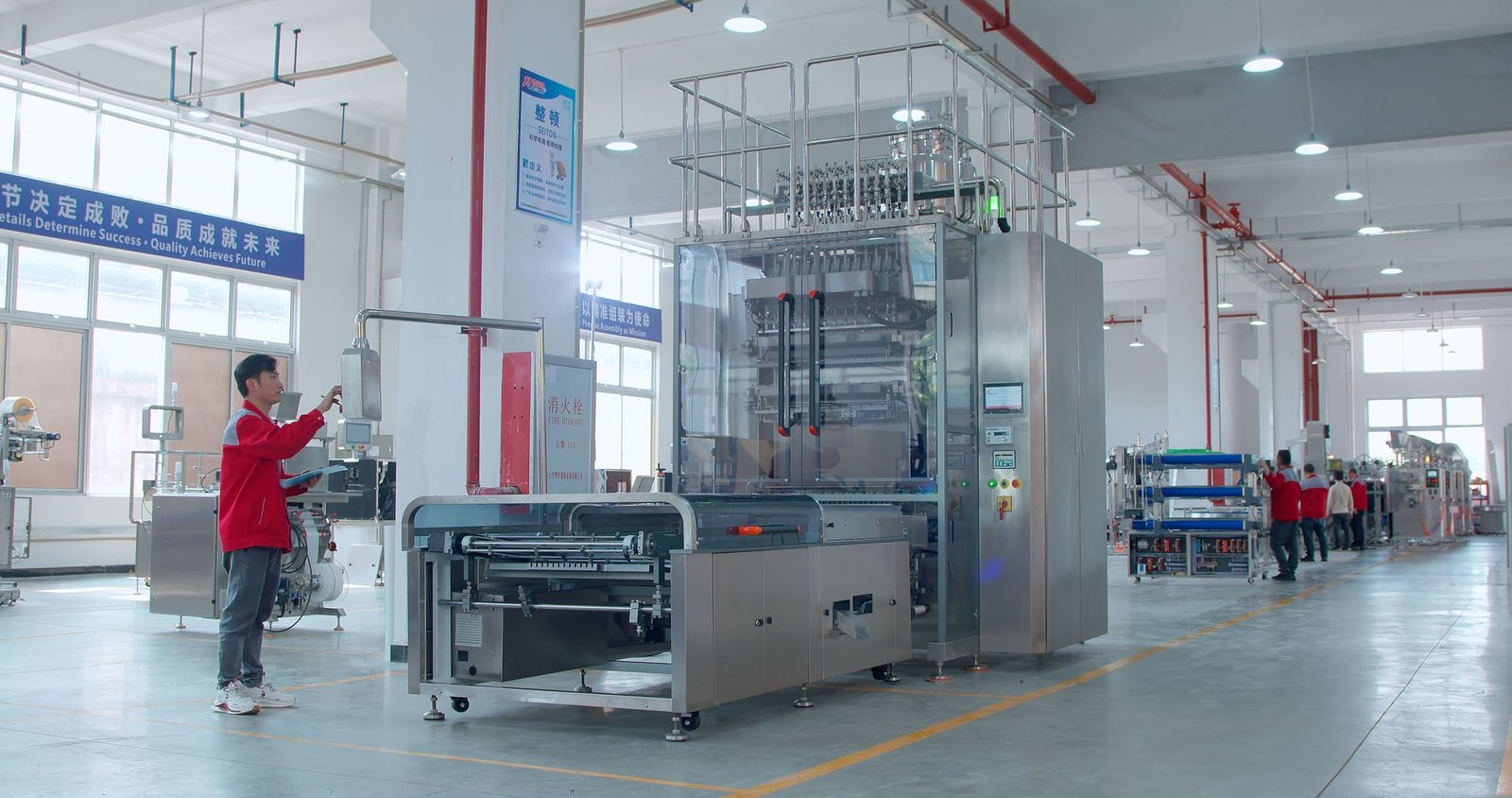
One manufacturer that exemplifies these qualities is Ludyway Machinery, a China-based packaging machinery manufacturer with more than 30 years of experience and a 20,000-square-meter manufacturing facility. With over 50 packaging machine models and a team of more than 130 professionals, the company provides customized packaging solutions for food, pharmaceutical, cosmetic, and chemical industries across more than 100 countries. This demonstrates the type of established, globally oriented supplier worth considering when evaluating tortilla packaging equipment investments.
Total Cost of Ownership Analysis
The purchase price represents only one component of the total cost of ownership (TCO) for a tortilla packaging machine. A thorough TCO analysis should account for:
| Cost Category | Estimated Share of TCO | Key Considerations |
|---|---|---|
| Initial equipment cost | 40–55% | Machine configuration, optional modules, freight |
| Installation and commissioning | 5–10% | Site preparation, integration, training |
| Consumables and packaging materials | 20–30% | Film waste rates, material efficiency |
| Maintenance and spare parts | 8–12% | Preventive maintenance, wear parts, unexpected repairs |
| Energy consumption | 3–5% | Electrical efficiency, compressed air usage |
| Labor costs | 5–10% | Operator requirements, automation level |
Request detailed TCO projections from shortlisted suppliers and validate these figures against the 2025 State of the Industry report from PMMI for industry benchmarking. Additionally, refer to flexible packaging industry data for current material cost trends that affect ongoing operational expenses.
Final Decision Checklist
Before finalizing your tortilla packaging machine purchase, confirm the following items are addressed:
- Product samples have been tested on the proposed machine configuration
- Speed specifications are documented at sustainable (not just maximum) operating rates
- Packaging material compatibility spans your current and anticipated film specifications
- Changeover procedures align with your production scheduling requirements
- Service and spare parts availability is confirmed for your geographic location
- Regulatory compliance documentation covers all target markets
- Warranty terms and post-warranty support agreements are clearly defined
- Operator training plans are included in the project scope
- Integration requirements with existing upstream and downstream equipment are validated
- Total cost of ownership projections support your return-on-investment expectations
Selecting the right tortilla packaging machine requires careful evaluation of technical specifications, supplier capabilities, and long-term operational costs. By systematically assessing these factors against your production requirements, you position your operation for sustained efficiency, product quality, and market competitiveness.