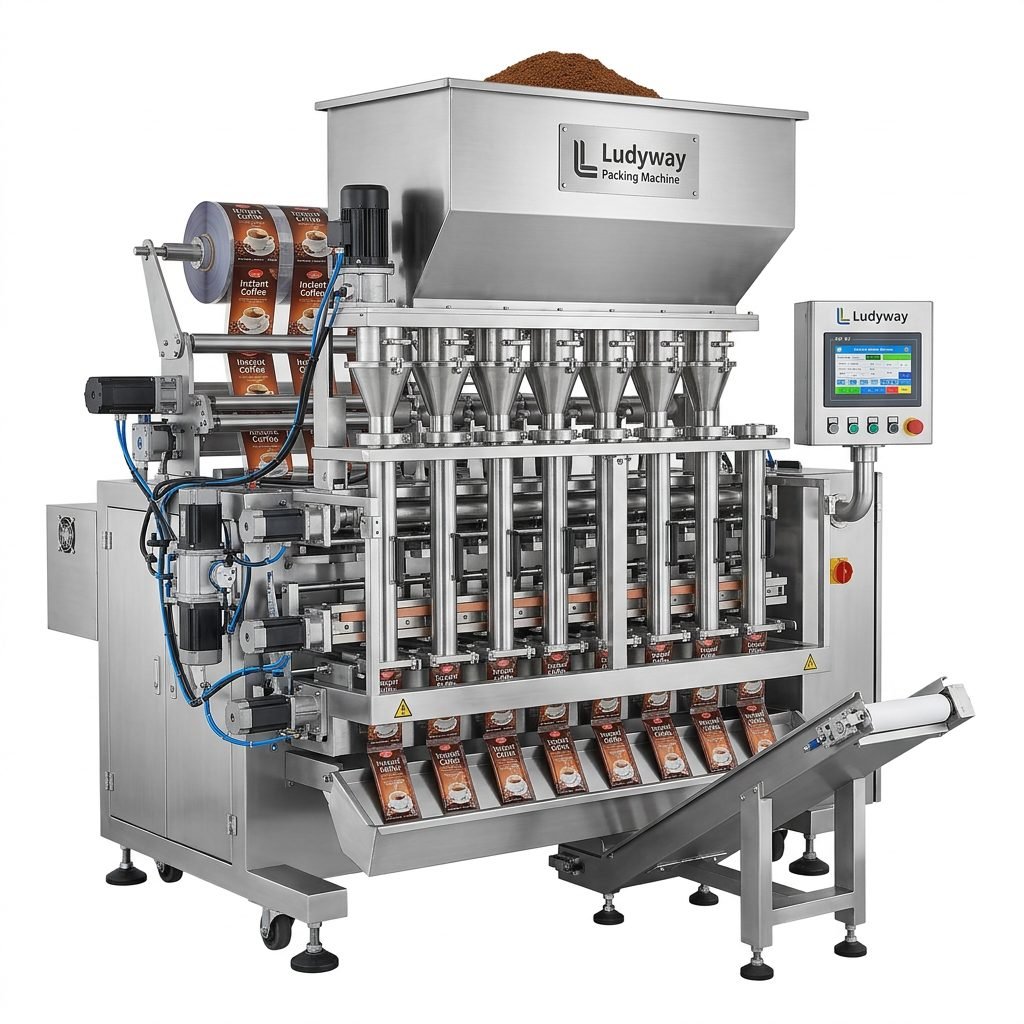
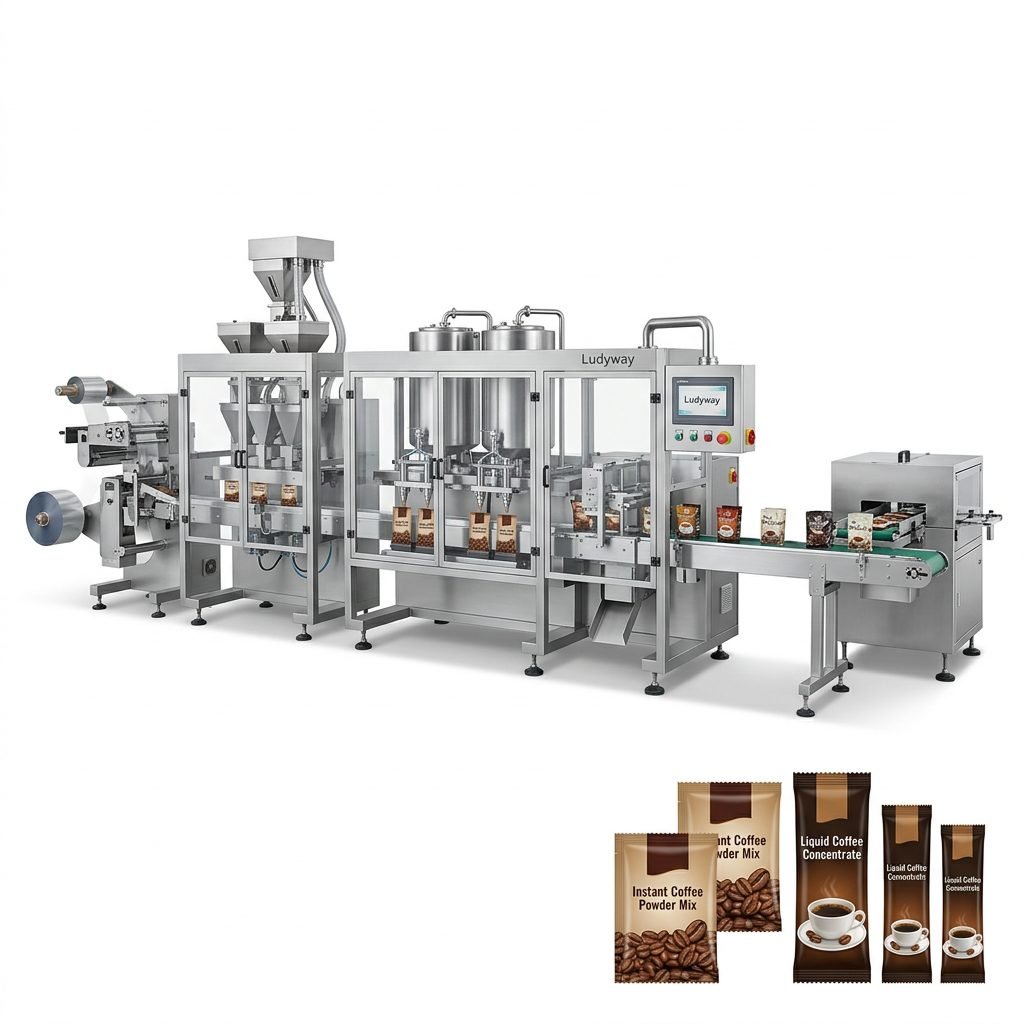
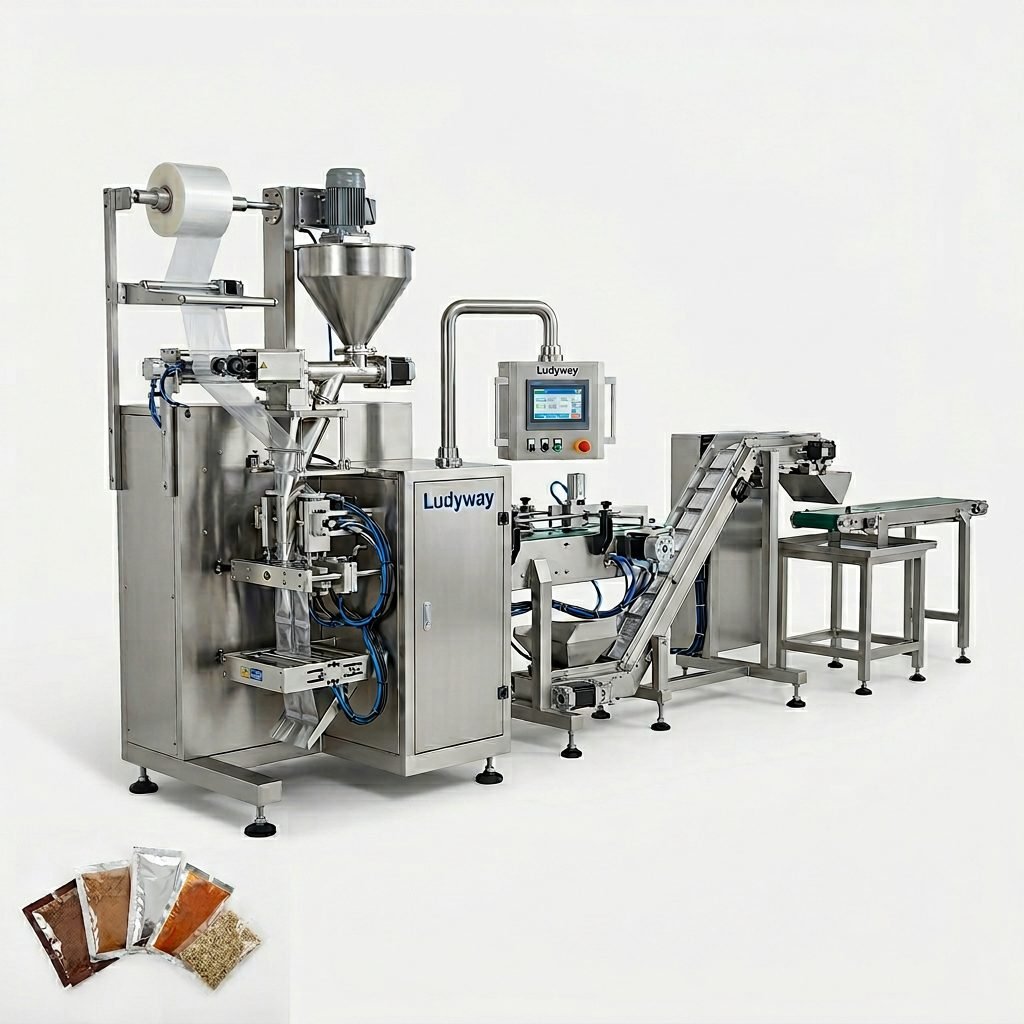
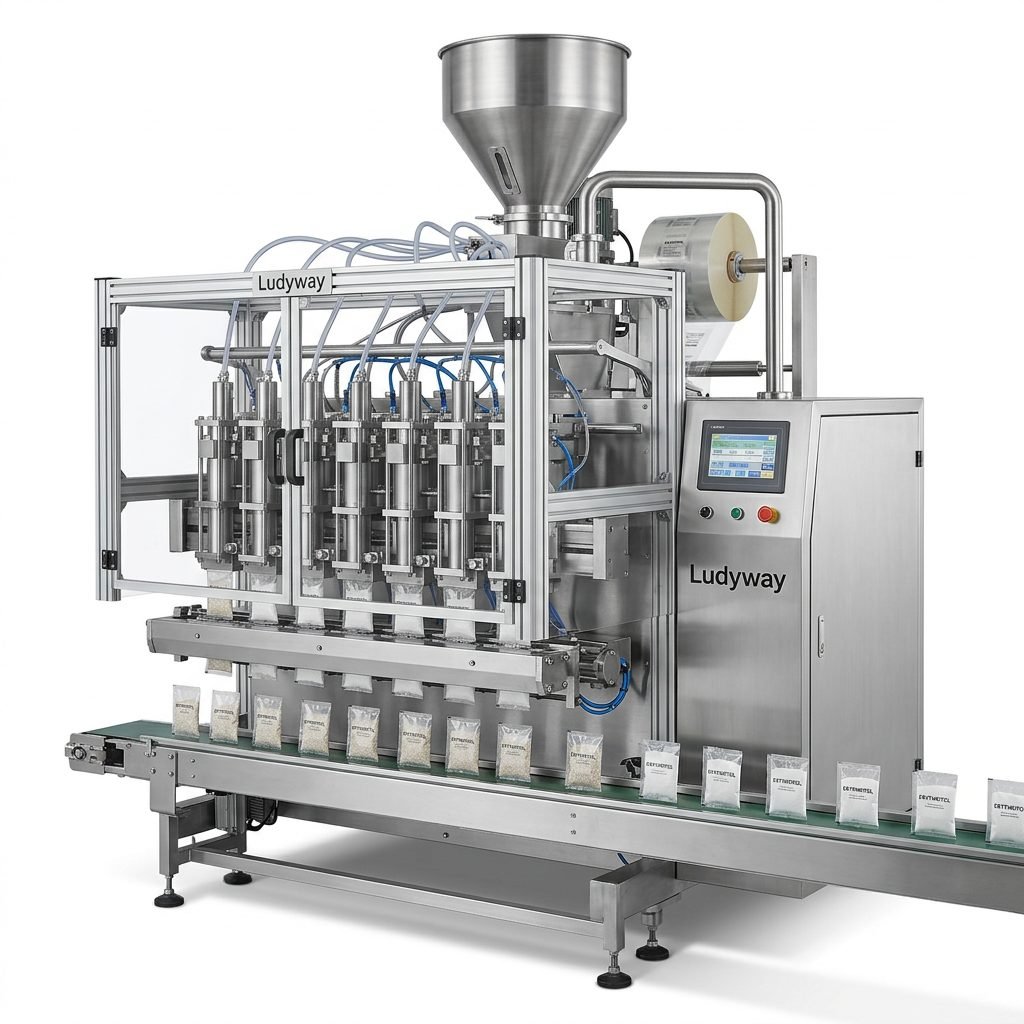
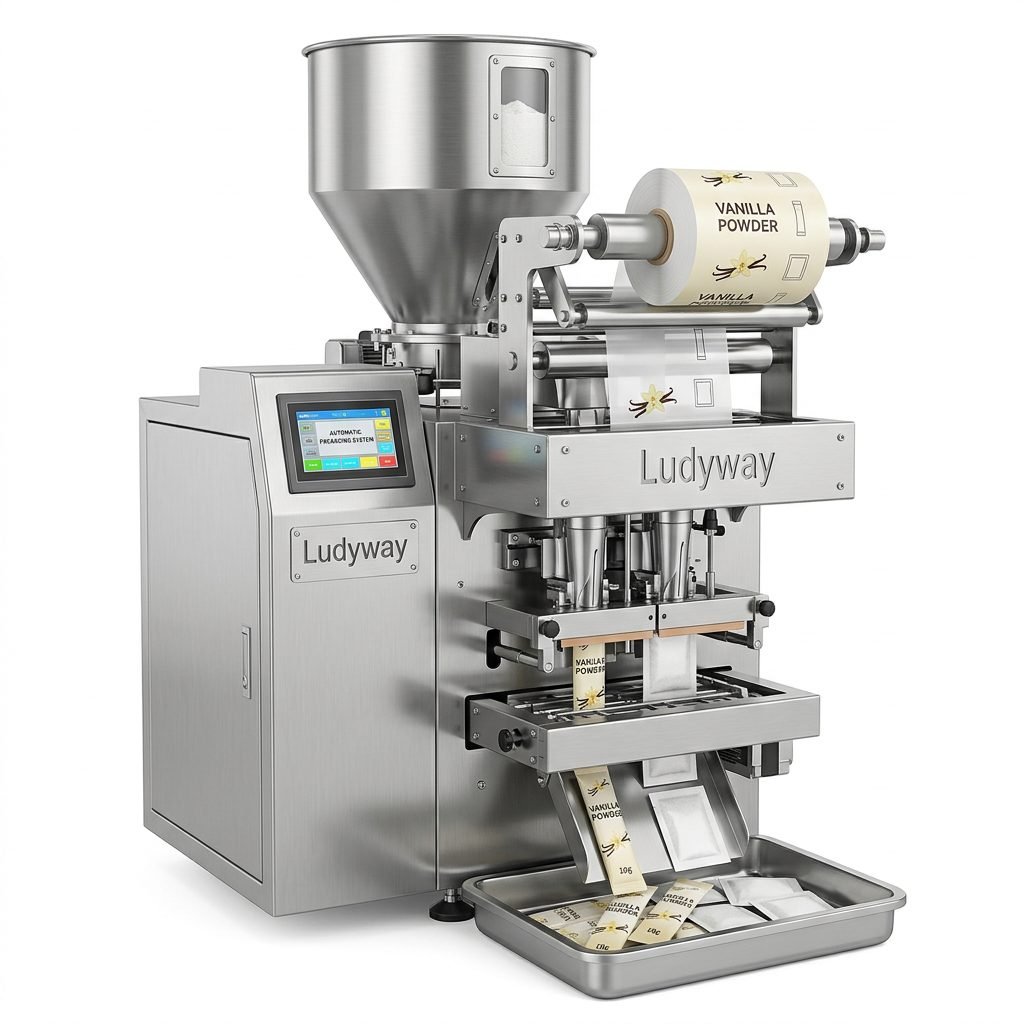
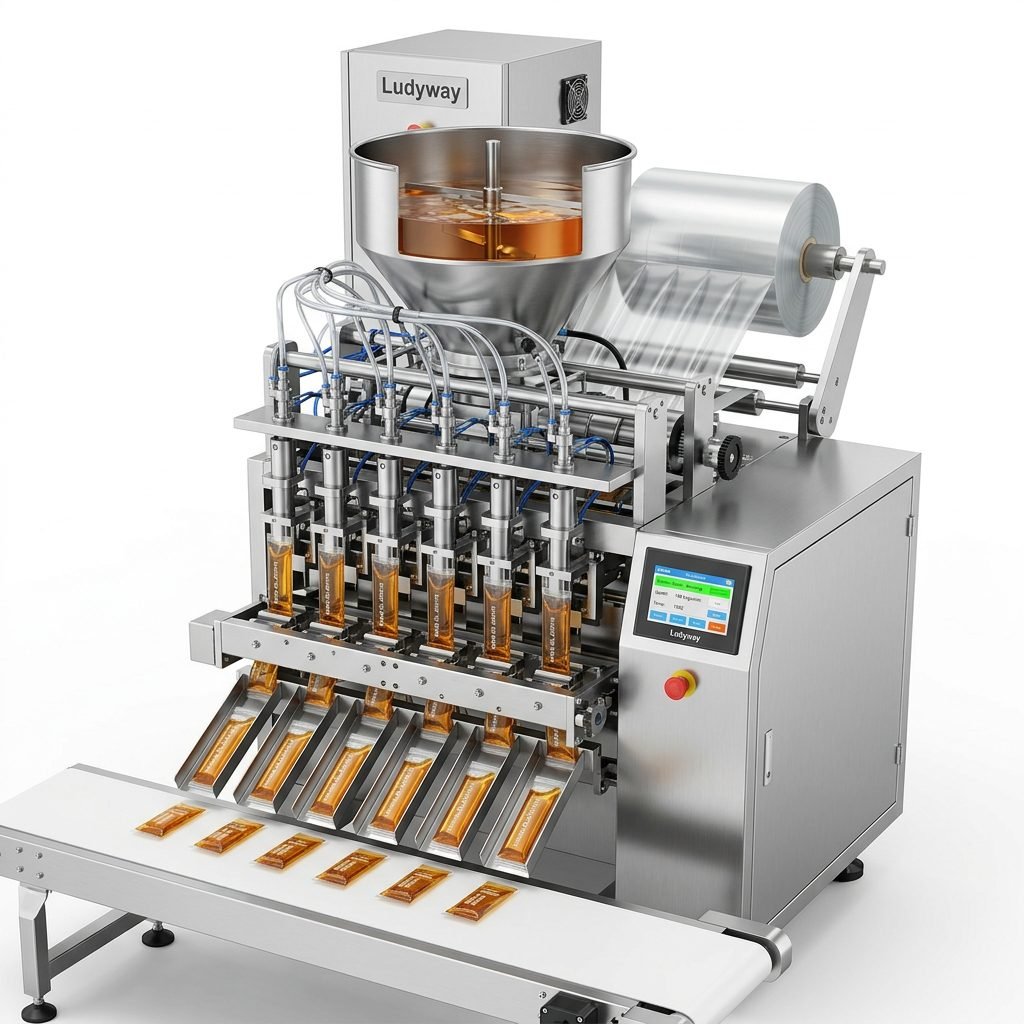
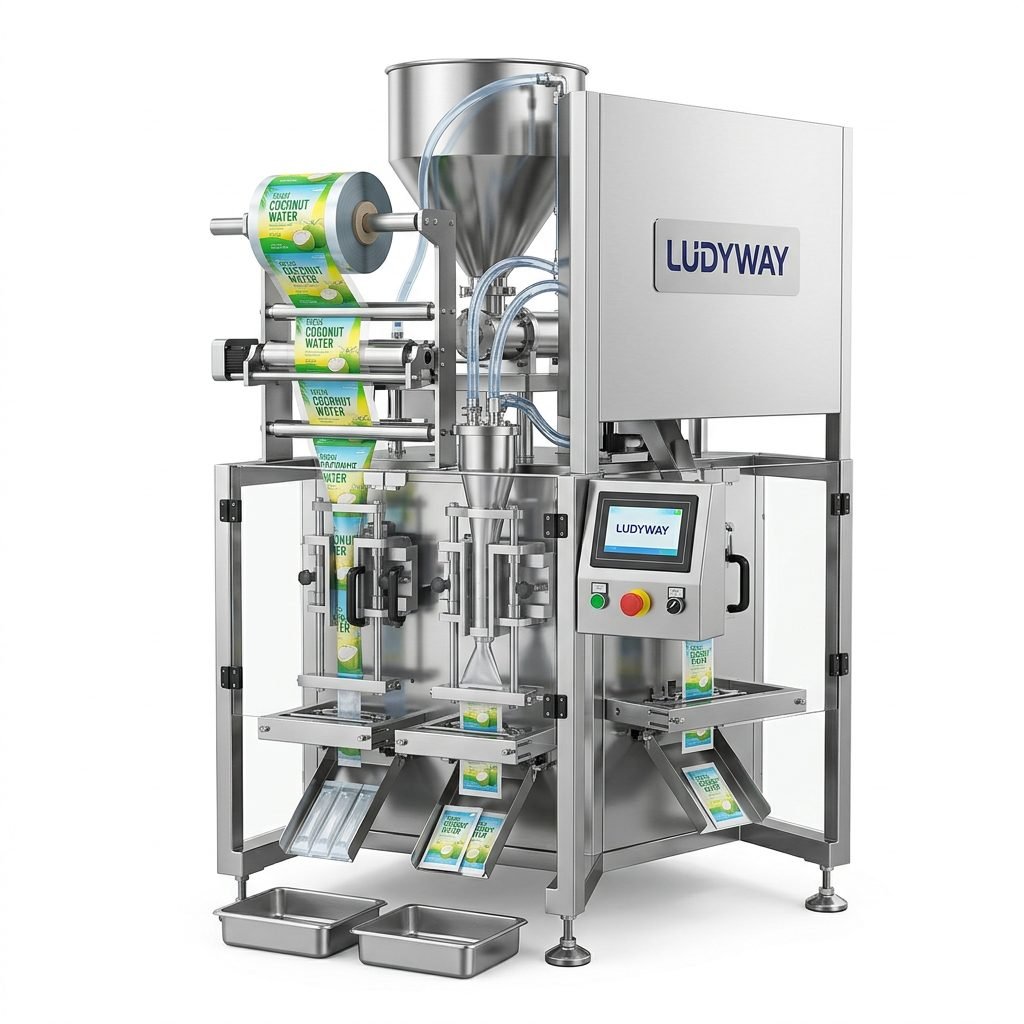
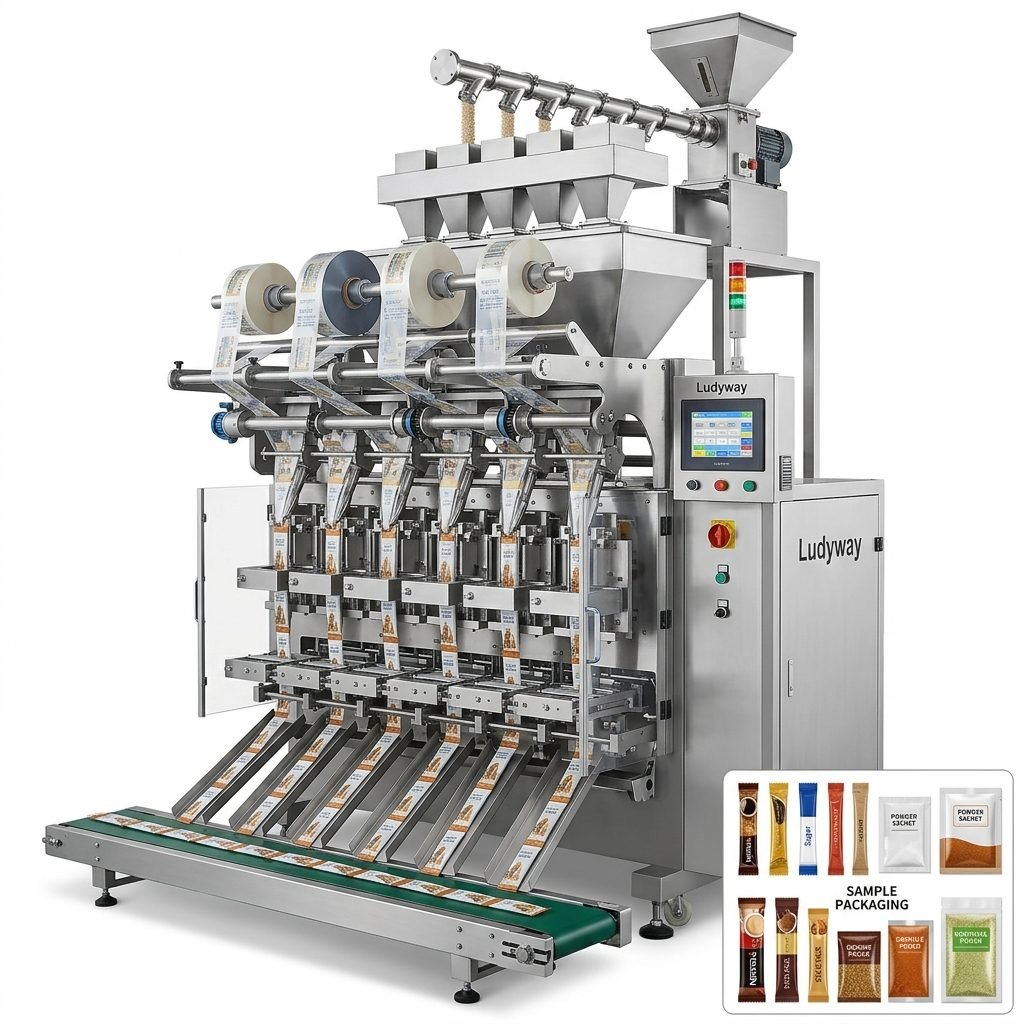
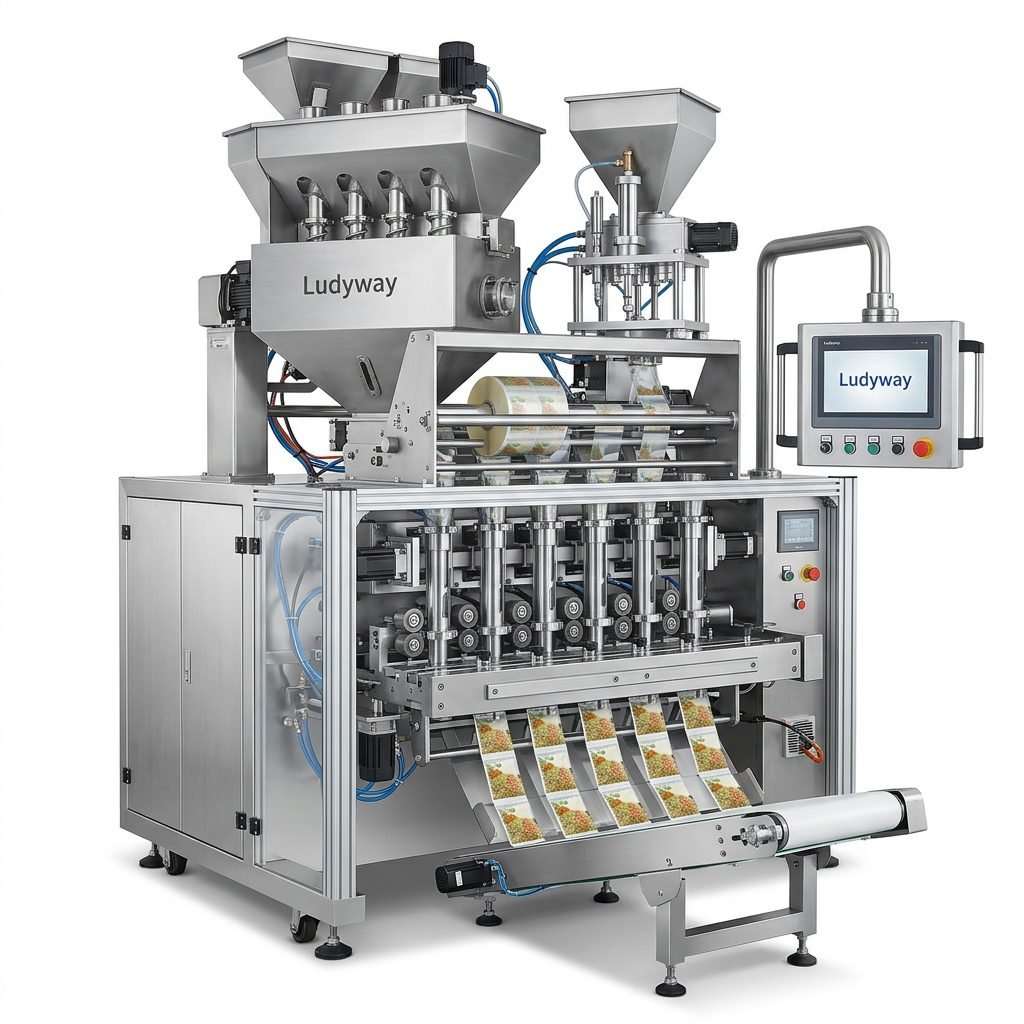
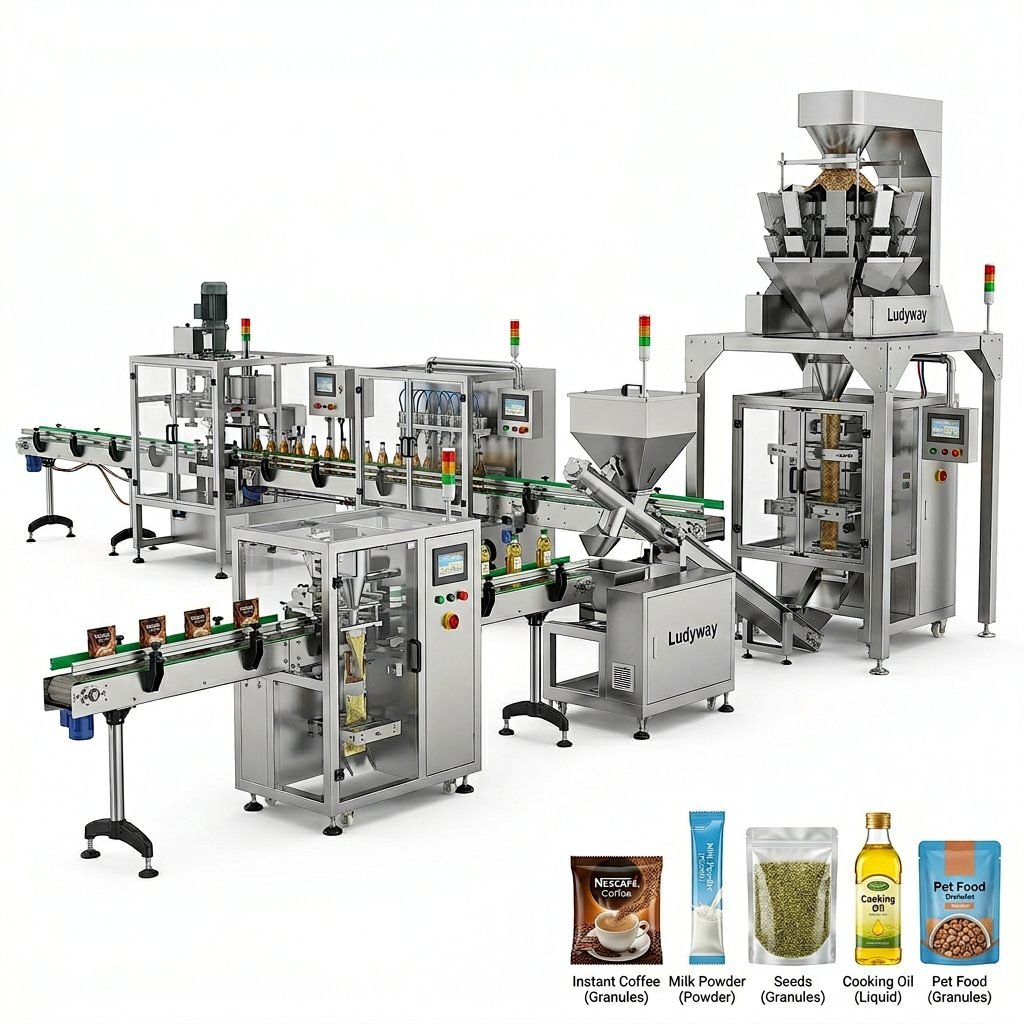
An automatic bottle packing machine is a complete packaging solution designed to handle bottles efficiently from filling and capping to labeling, inspection, cartoning, and final case packing. For manufacturers in food, beverage, pharmaceutical, cosmetic, chemical, and health supplement industries, the right system can dramatically improve output, reduce labor dependence, and deliver more stable packaging quality.
In modern production environments, bottle packaging is no longer just about speed. Businesses also need precision, hygiene, flexibility, traceability, and easy integration with upstream and downstream equipment. That is why more factories are moving from semi-automatic operations to fully automated bottle packaging lines.
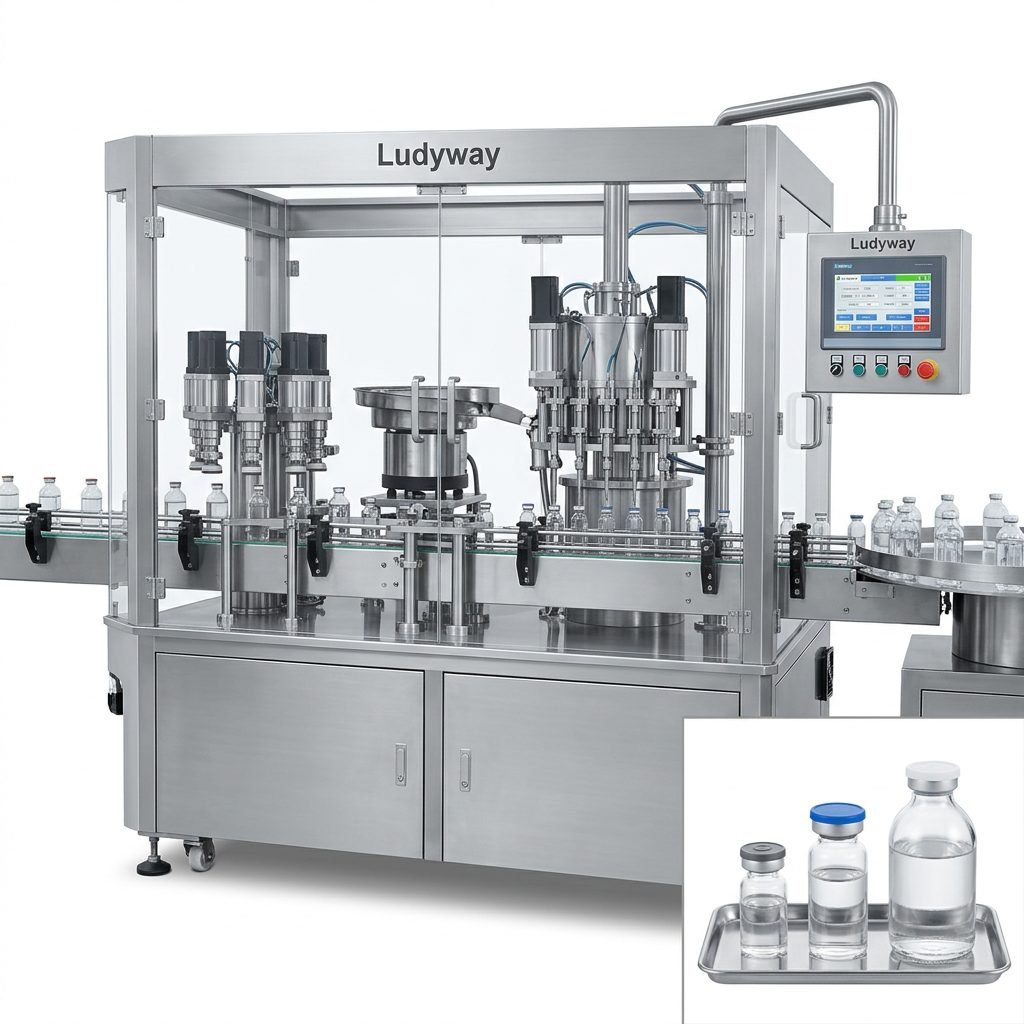
What Is an Automatic Bottle Packing Machine?
An automatic bottle packing machine is a machine or integrated line that automates the packaging process for bottles. Depending on the product and production goal, the system may include:
- Bottle feeding and unscrambling
- Liquid, powder, granule, tablet, or capsule filling
- Capping or sealing
- Labeling and coding
- Checkweighing and inspection
- Cartoning, case packing, and palletizing
These systems are widely used for products such as drinking water, sauces, syrups, shampoos, lotions, pharmaceutical liquids, vitamins, chemicals, detergents, and nutritional supplements. The main purpose is to create a smooth and consistent packaging process with less manual handling and higher production reliability.
How an Automatic Bottle Packaging Line Works
Although exact configurations vary, most bottle packing systems follow a standard workflow:
- Bottle Infeed: Empty bottles are loaded automatically through an unscrambler or conveyor.
- Filling: The product is dosed into each bottle with a suitable filling system.
- Capping: Caps, pumps, droppers, or lids are applied and tightened.
- Sealing: Optional induction sealing, foil sealing, or tamper-evident closure may be added.
- Labeling & Coding: Labels, date codes, batch numbers, and traceability information are printed or applied.
- Inspection: Missing caps, wrong fill levels, and labeling defects are detected.
- Final Packing: Bottles are packed into cartons, trays, or cases for shipment.
Main Types of Automatic Bottle Packing Machines
The ideal machine depends on product viscosity, bottle shape, container size, output target, and industry regulations. Below are the most common types.
| Machine Type | Best For | Typical Industries |
|---|---|---|
| Liquid bottle filling machine | Water, juice, oil, syrup, detergent, serum | Food, pharma, cosmetic, chemical |
| Powder bottle packing machine | Protein powder, spices, supplements | Food, nutraceutical, pharmaceutical |
| Tablet/capsule bottle line | Capsules, tablets, gummies | Pharmaceutical, health supplement |
| Capping and sealing machine | Screw caps, pumps, child-resistant caps | All bottle-based industries |
| Bottle labeling machine | Round, flat, square bottles | Food, beverage, pharma, cosmetic |
| Cartoning/case packing line | Secondary and tertiary packaging | Medium to large-scale factories |
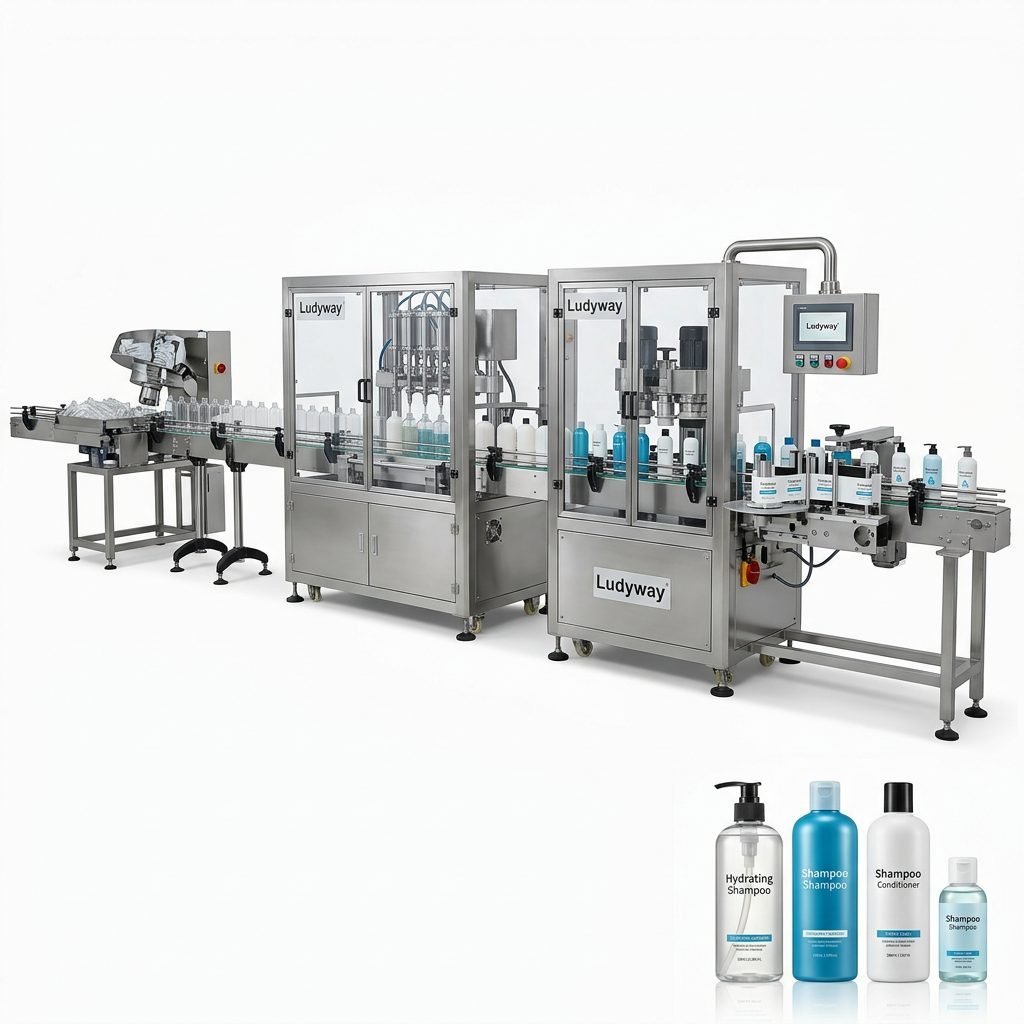
Key Advantages of Automatic Bottle Packing Systems
- Higher output: Continuous operation increases daily production capacity.
- Improved accuracy: Automated filling reduces underfill and overfill issues.
- Lower labor cost: Fewer operators are needed for repetitive tasks.
- Better hygiene: Closed and controlled systems support cleaner production.
- Consistent packaging quality: Better cap torque, label position, and sealing performance.
- Easy line integration: Machines can connect with conveyors, printers, checkweighers, and palletizers.
- Scalability: Systems can be designed for future output growth.
Industries That Use Bottle Packing Machines
Food and Beverage
Bottle lines are commonly used for edible oil, sauces, vinegar, milk-based drinks, juice concentrates, and condiments. In food applications, machines should support cleanability, stable dosing, and food-grade contact parts.
Pharmaceutical and Health Supplement
Pharmaceutical bottle packaging often includes strict control over filling accuracy, sealing integrity, coding, and traceability. These lines are used for oral liquids, syrups, tablets, capsules, powders, and nutraceutical products.
Cosmetic and Personal Care
Cosmetic bottle packing systems handle lotions, shampoos, serums, creams, oils, and gel-based products. Appearance matters in this sector, so stable filling, clean capping, and attractive label application are especially important.
Chemical and Household Products
Chemical bottle lines can package detergents, cleaners, disinfectants, lubricants, and specialty fluids. Corrosion resistance, chemical compatibility, and safe sealing are key requirements.
How to Choose the Right Automatic Bottle Packing Machine
Choosing the right machine requires more than comparing speed numbers. Buyers should evaluate the full packaging process and future production plan.
| Selection Factor | Why It Matters |
|---|---|
| Product type | Liquid, viscous paste, powder, granule, or tablet requires different dosing technology. |
| Bottle specification | Shape, neck size, material, and volume influence machine design and changeover. |
| Production capacity | The system should match current demand and allow room for expansion. |
| Automation level | Standalone equipment and complete turnkey lines suit different budgets and layouts. |
| Accuracy requirements | Critical in pharma, supplements, and premium products. |
| Compliance needs | Certain markets need GMP-oriented design, food-grade materials, or validation support. |
| After-sales service | Installation, training, spare parts, and technical support affect long-term performance. |
Important Features to Look For
- PLC control with user-friendly touchscreen
- Servo-driven filling for precise dosing
- Quick changeover for different bottle sizes
- No-bottle-no-fill protection
- Cap detection and rejection functions
- Automatic cleaning or CIP-compatible structure when required
- Integrated date coding and batch traceability
- Stainless steel contact parts for hygienic applications
Automatic vs Semi-Automatic Bottle Packing Machines
Many growing manufacturers start with semi-automatic systems, but fully automatic equipment becomes more attractive as labor costs rise and quality consistency becomes more critical.
| Criteria | Semi-Automatic | Fully Automatic |
|---|---|---|
| Labor requirement | Higher | Lower |
| Output speed | Moderate | High |
| Consistency | Operator-dependent | More stable |
| Investment cost | Lower upfront | Higher upfront, better long-term return |
| Best for | Small batches or startups | Medium and large-scale production |
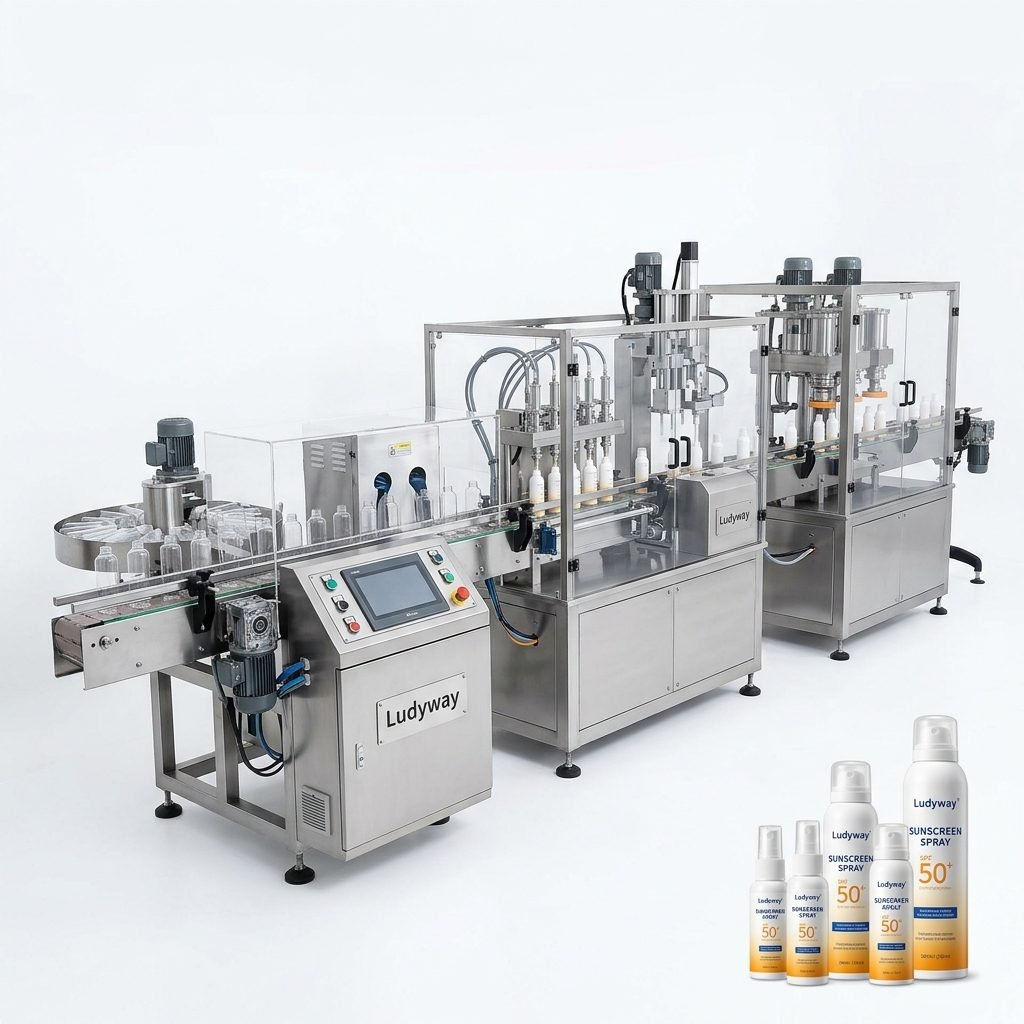
Benefits of Turnkey Bottle Packaging Solutions
Instead of buying separate machines from multiple suppliers, many manufacturers now prefer turnkey bottle packaging lines. A turnkey solution offers one integrated system designed to work together from the start.
- Better compatibility between machines
- Faster installation and commissioning
- Simplified communication with one supplier
- More efficient line layout planning
- Reduced risk of downtime caused by mismatch between equipment
For companies seeking a scalable and integrated approach, Ludyway automatic packaging solutions are often considered for bottle, sachet, pouch, and complete turnkey packaging line projects across food, pharmaceutical, cosmetic, and chemical applications.
Common Bottle Packaging Challenges and Solutions
Inconsistent Filling
This may be caused by product foaming, viscosity changes, poor pump selection, or unstable feeding. The solution is to match the filling principle correctly and use accurate servo or piston systems where needed.
Cap Misalignment
Incorrect cap feeding or bottle positioning can cause sealing defects. Stable cap sorting, guide systems, and torque control help eliminate this issue.
Label Wrinkles or Position Errors
These problems often come from bottle variation or conveyor instability. Precision bottle separation and synchronized labeling improve presentation quality.
Frequent Changeover Downtime
If a factory packs many bottle formats, quick-change tooling and recipe-based controls can significantly reduce adjustment time.
Maintenance Tips for Long-Term Efficiency
- Perform routine inspection of filling heads, seals, sensors, and conveyors
- Clean product-contact parts regularly to prevent buildup and contamination
- Monitor wear parts such as belts, nozzles, and capping components
- Calibrate filling accuracy and coding systems on schedule
- Keep spare parts available for critical components
- Train operators to identify early warning signs before failure occurs
Who Should Invest in an Automatic Bottle Packing Machine?
This equipment is ideal for:
- Manufacturers scaling from manual or semi-automatic production
- Brands that require stable packaging quality and cleaner presentation
- Factories facing labor shortages or rising labor costs
- Export-oriented businesses that need consistent packaging standards
- Companies launching multiple SKUs and needing flexible bottle handling
Final Considerations Before Buying
Before making a final decision, prepare clear information about your product type, bottle sizes, target speed, workshop layout, and future expansion plan. A machine that looks fast on paper may not be the best option if it cannot handle your specific bottle design, closure type, or production environment.
The best automatic bottle packing machine is one that balances efficiency, accuracy, reliability, and adaptability. With the right system, manufacturers can reduce operational pressure, improve product consistency, and build a stronger foundation for long-term growth.
FAQ About Automatic Bottle Packing Machines
What products can an automatic bottle packing machine handle?
It can handle liquids, powders, granules, tablets, capsules, creams, gels, and many other products depending on the machine configuration.
Can one machine work with different bottle sizes?
Yes. Many systems support multiple bottle sizes with change parts and parameter adjustment, although the ease of changeover depends on the machine design.
Is a complete bottle packaging line better than standalone equipment?
For higher output and smoother workflow, a complete line is usually more efficient because every machine is designed to work in sequence.
How do I know which filling technology is right for my product?
The choice depends on product properties such as viscosity, foaming behavior, particle content, and required accuracy. Product testing is often the best way to confirm suitability.
What is the main return on investment?
The main ROI comes from labor savings, improved productivity, reduced packaging errors, lower product waste, and more consistent finished goods quality.