In the competitive landscape of modern manufacturing and distribution, efficiency, reliability, and cost-effectiveness are paramount. For businesses seeking to enhance their packaging operations without incurring the substantial capital expenditure of new equipment, the market for used blister and cartoning packaging equipment presents a compelling opportunity. This article explores the advantages of acquiring refurbished automated packaging solutions, outlines key considerations for prospective buyers, and highlights how such investments can drive operational excellence.
The Value Proposition of Used Packaging Equipment
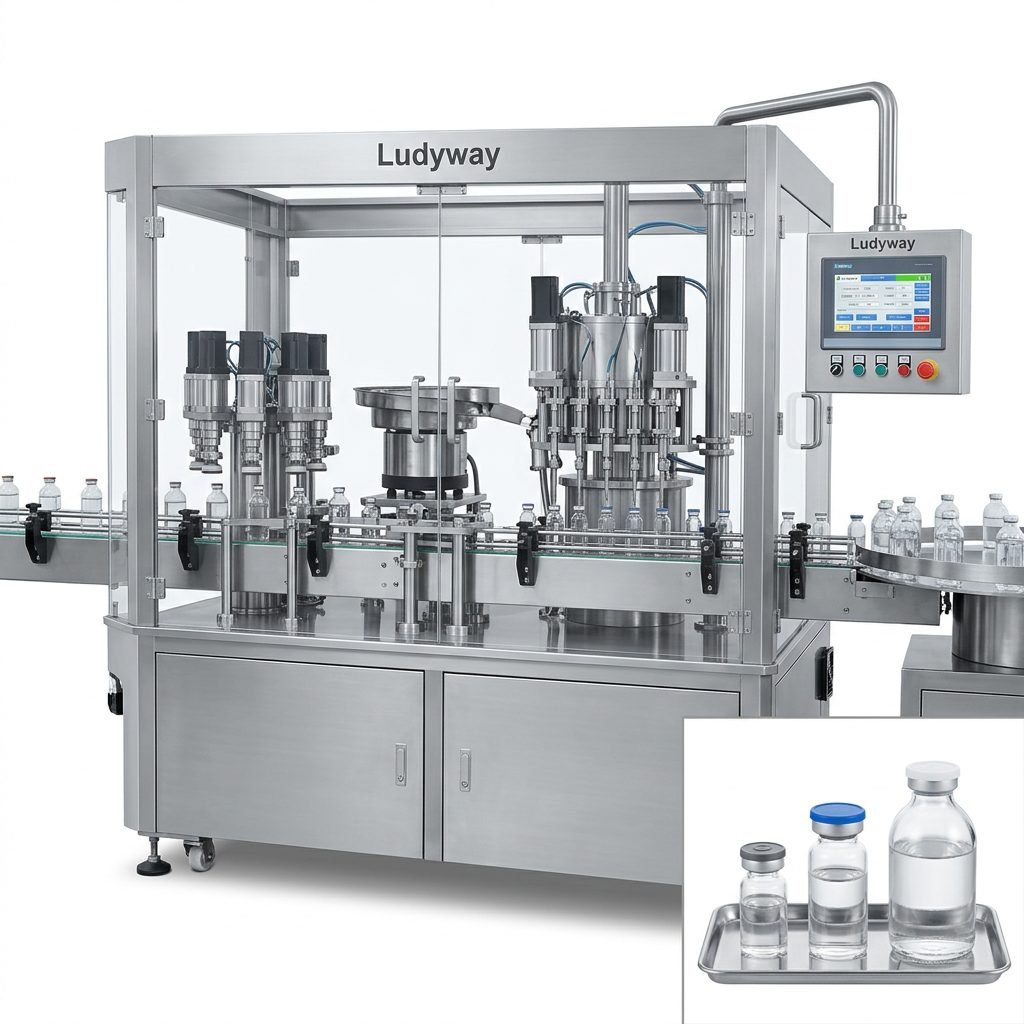
Purchasing used blister and cartoning machines offers a significant financial advantage. Automated blister packaging equipment is designed to form, fill, and seal products into individual blisters, typically on a plastic or aluminum card. Cartoning machines automate the process of inserting blister packs, vials, bottles, or other items into cartons, applying labels, and sealing them. New models from top manufacturers command high prices. High-quality, professionally refurbished used equipment provides comparable performance and reliability at a fraction of the cost, enabling businesses to allocate resources to other critical areas.
Moreover, the market for used equipment includes a wide range of models and generations. This allows companies to select machines that precisely match their current production requirements—whether for pharmaceutical tablets, medical devices, confectionery, or small consumer goods—without over-investing in capacity or features they do not need. It facilitates a scalable approach to automation.
Operational Readiness and Reduced Lead Time
A primary concern when investing in new machinery is the lead time for manufacturing, delivery, and installation. This process can span several months, delaying productivity gains. In contrast, reputable suppliers of used packaging equipment often have machines available for immediate or expedited shipment. These units have been comprehensively inspected, reconditioned, and tested, ensuring they are operational-ready upon arrival. This rapid deployment can be crucial for businesses responding to increased demand, launching new products, or replacing a failed line.
The reconditioning process typically involves:
- Mechanical overhaul and replacement of worn components.
- Electrical system inspection and updating to meet safety standards.
- Control system verification and software updates if applicable.
- Performance testing under simulated production conditions.
This thorough refurbishment bridges the gap between “used” and “new,” delivering a machine with renewed lifespan and reliability.
Sustainability and Environmental Consideration
Choosing used equipment aligns with sustainable business practices. It extends the lifecycle of valuable industrial machinery, reducing the demand for new resource extraction and manufacturing. This circular economy approach minimizes waste and the environmental footprint associated with producing new equipment. For companies increasingly focused on corporate social responsibility and green initiatives, this represents an tangible operational decision supporting those goals.
Key Considerations When Purchasing Used Blister & Cartoning Equipment
To ensure a successful investment, buyers must approach the process diligently. Not all used equipment offers the same value. Key factors to evaluate include:
Machine History and Refurbishment Depth
Investigate the machine’s origin, previous application, and hours of operation. A machine from a clean, non-corrosive environment (like pharmaceuticals) is preferable to one from harsh conditions. The depth and documentation of the refurbishment process are critical. Ask for a detailed report listing replaced parts (seals, bearings, sensors, etc.), electrical updates, and test run results. Reputable sellers provide this transparency.
Compatibility with Current Products and Operations
Ensure the machine’s specifications align with your products. For blister machines, consider maximum/minimum blister size, sealing method (heat, ultrasonic), and material compatibility. For cartoners, evaluate carton size range, insertion mechanism (vertical, horizontal), and required throughput (boxes per minute). Verify that the machine’s control system (PLC, HMI) is user-friendly and compatible with your team’s skill level. Consider future flexibility for potential product changes.
Technical Support and Service Availability
Even a well-refurbished machine may require occasional maintenance or troubleshooting. Assess the seller’s or a third-party service provider’s ability to offer support. This includes availability of technical documentation (manuals, schematics), spare parts inventory, and possibly remote or on-site service contracts. Establishing a support relationship prior to purchase mitigates long-term operational risk.
Partnering with a specialist like Ludyway Machinery, which brings decades of industry experience, can provide access to a vast inventory of reconditioned equipment and comprehensive post-purchase support, ensuring a smooth integration into your production line.
Integration into Modern Automated Lines
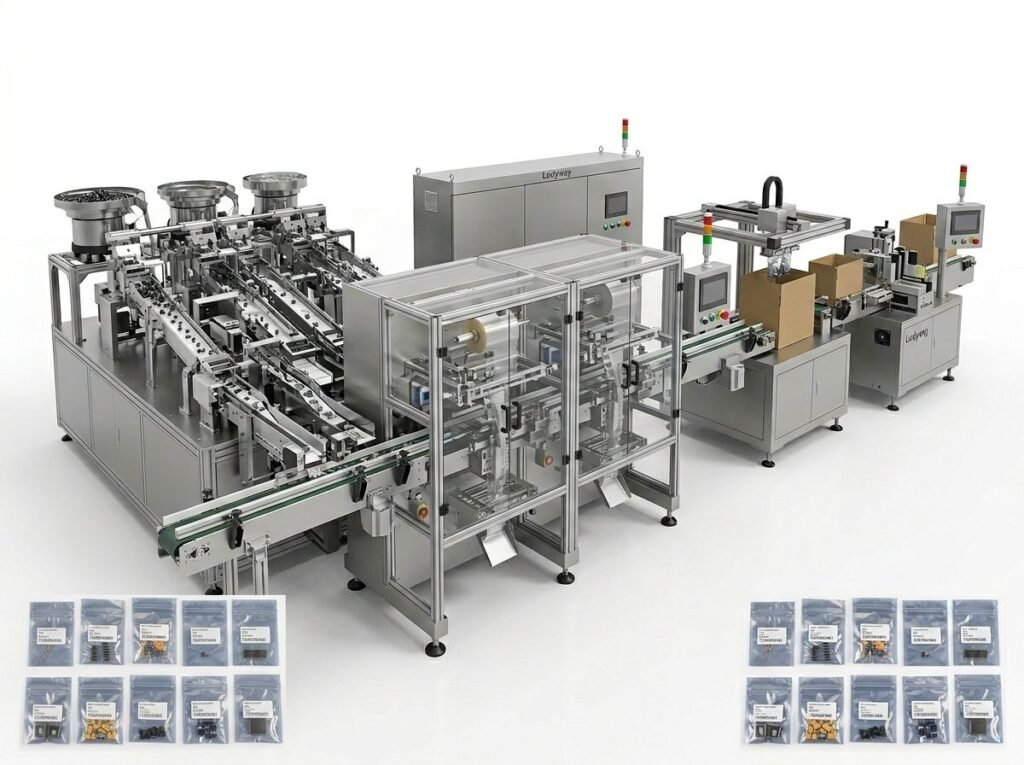
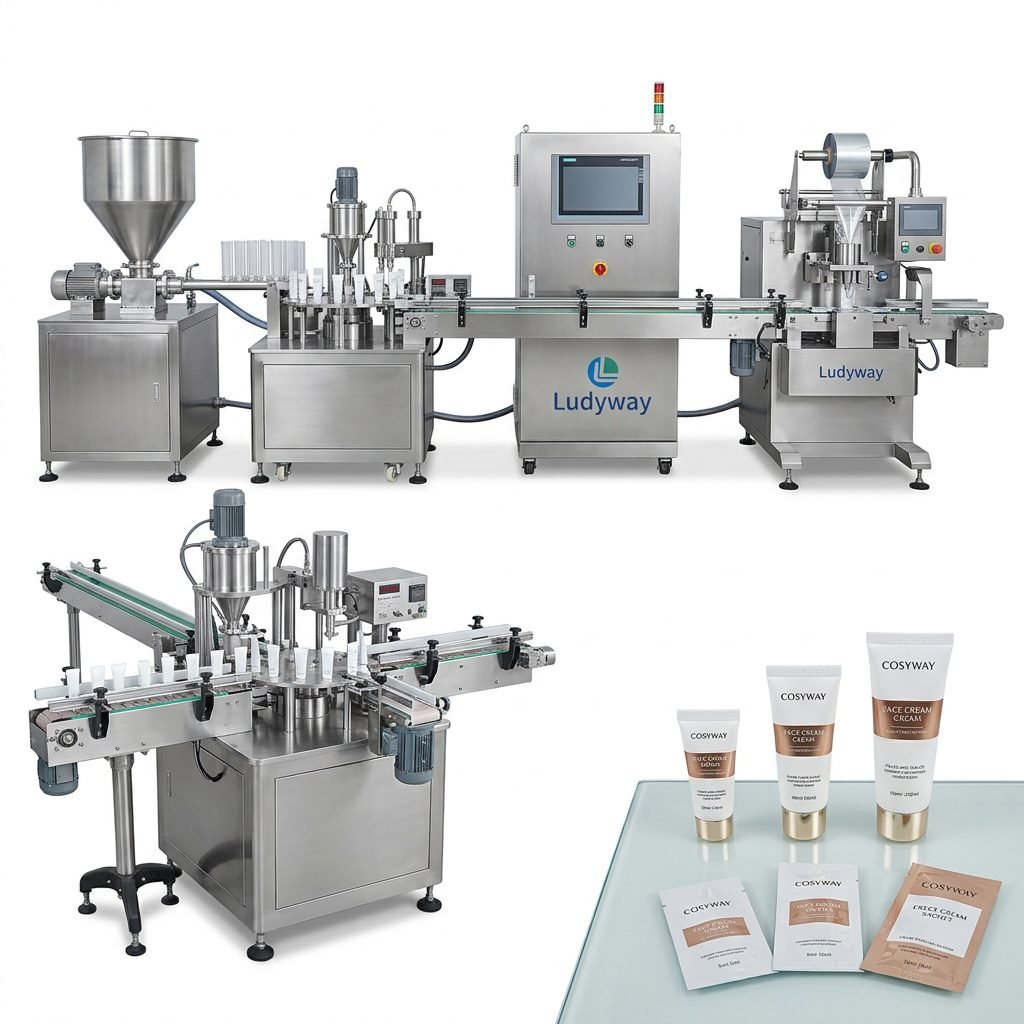
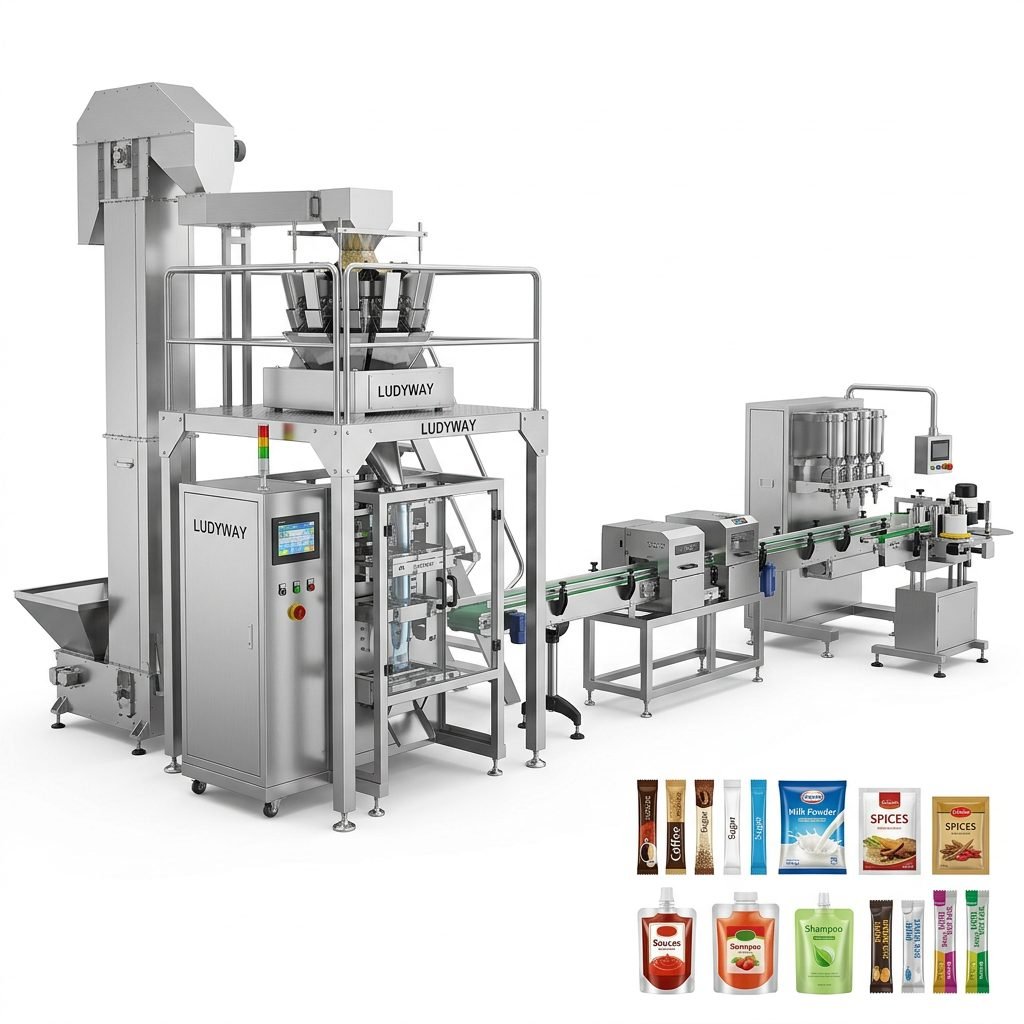
Used blister and cartoning machines rarely operate in isolation. They are often integrated into a broader packaging line that may include filling, labeling, coding, and inspection equipment. When purchasing used core equipment, consider its integration potential. Modern machines often feature standardized communication protocols (e.g., Ethernet) and modular designs that facilitate connection with upstream and downstream units. Discuss with your supplier or an integration specialist how the machine will interface with your existing or planned line layout to ensure seamless material flow and data collection.
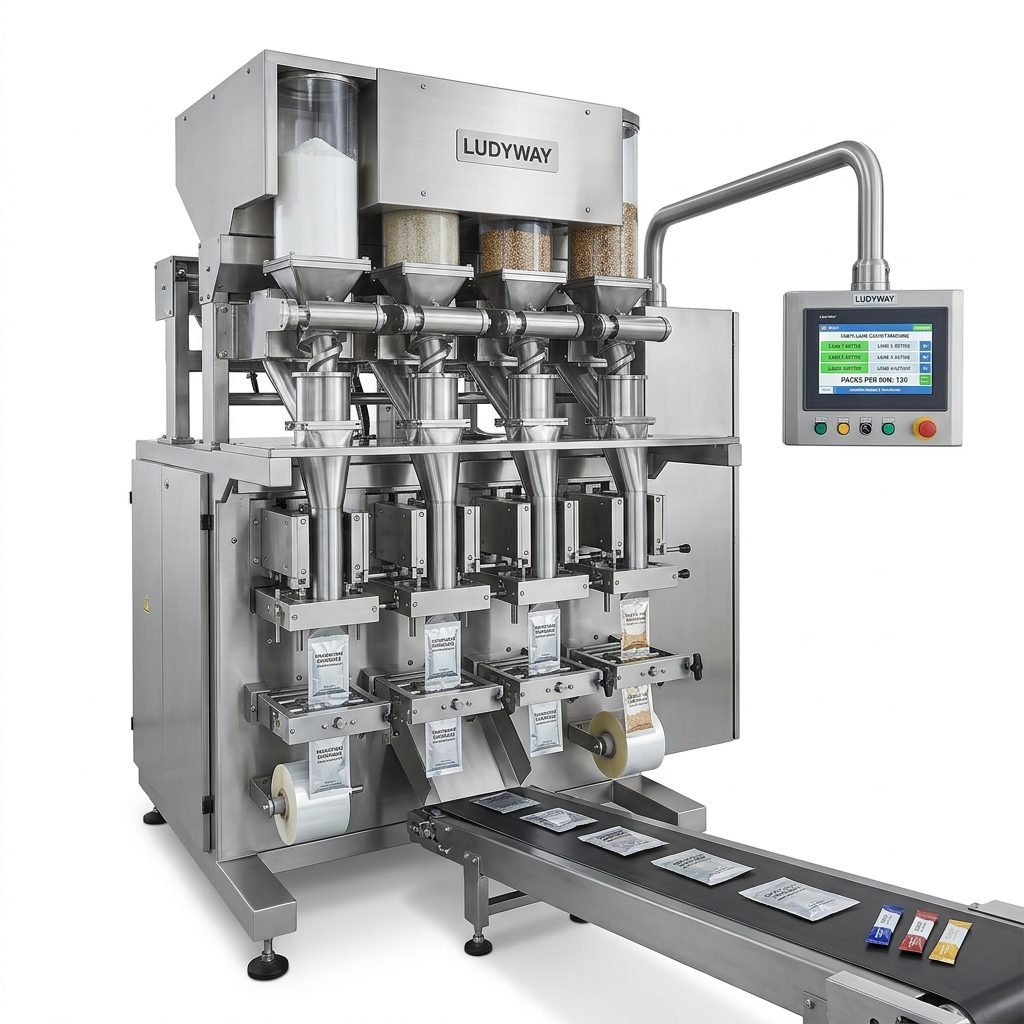
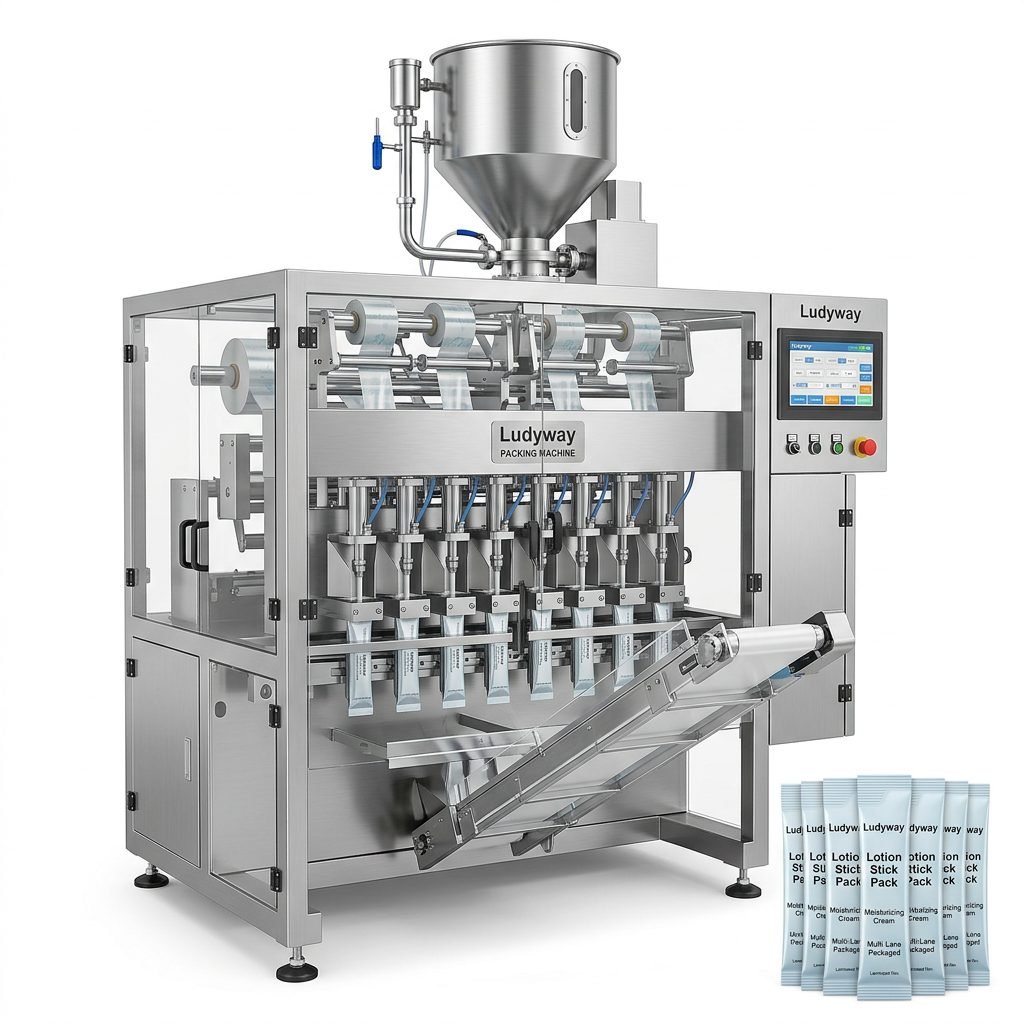
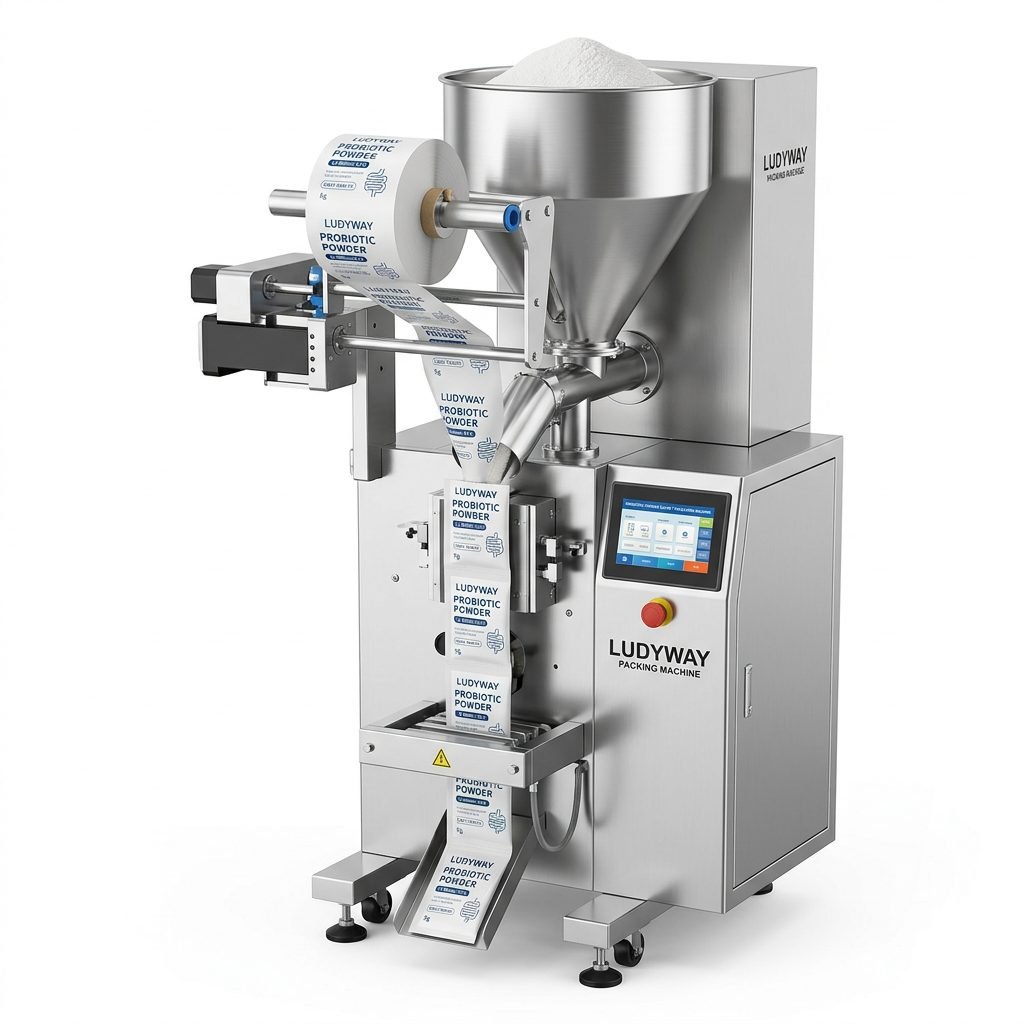
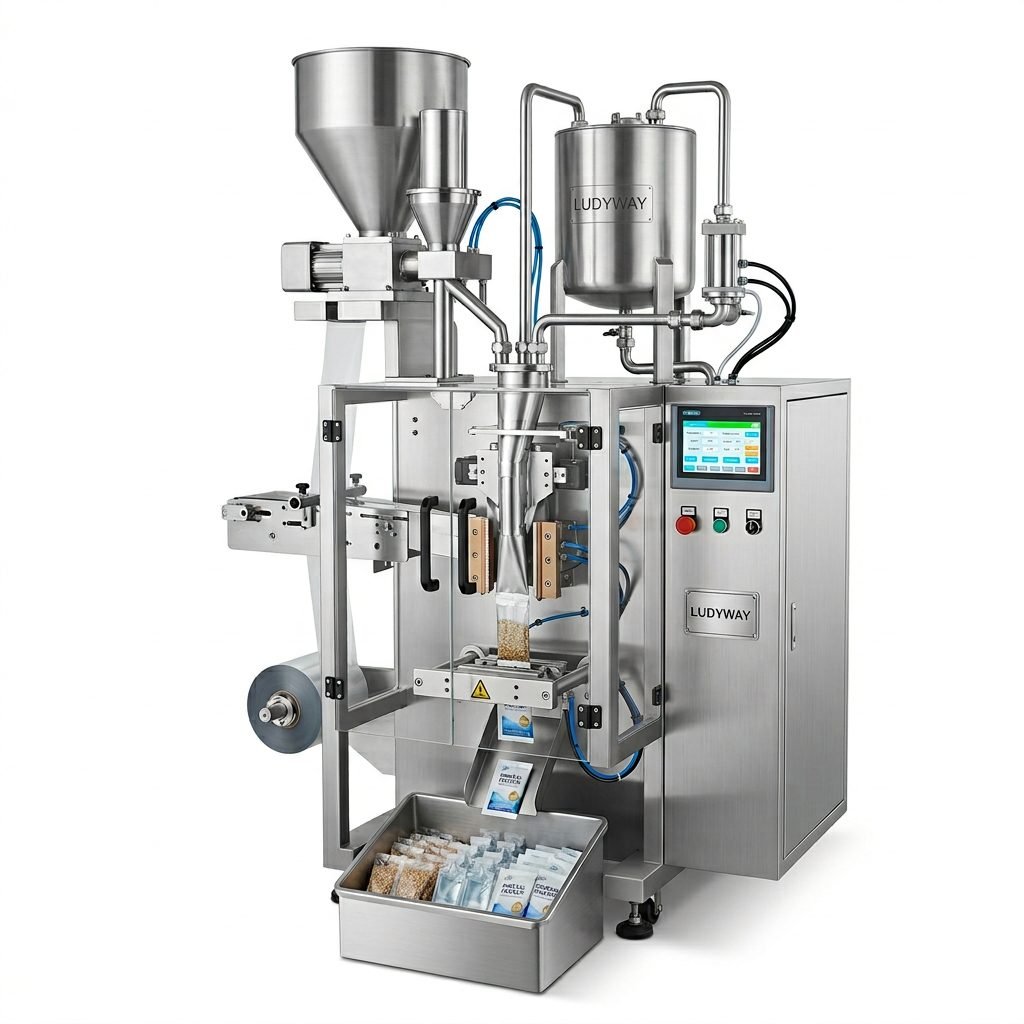
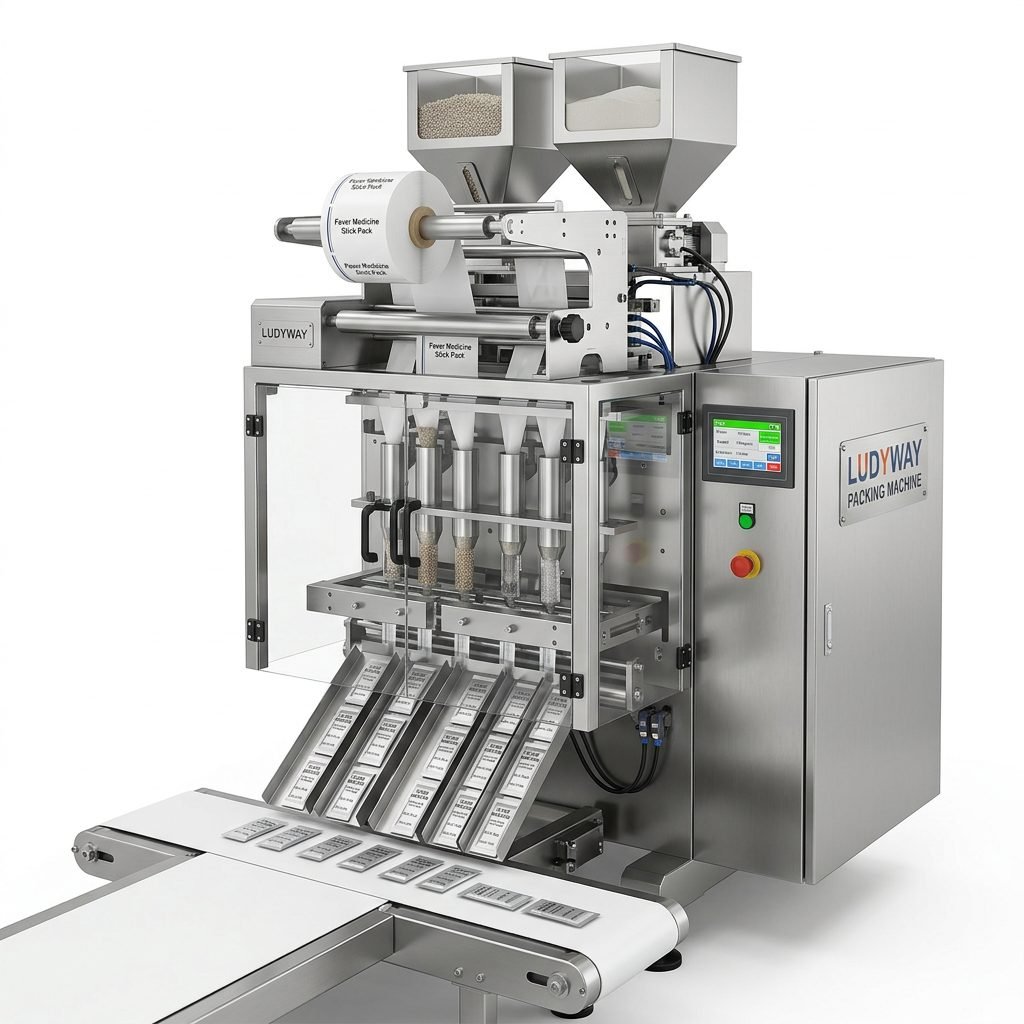
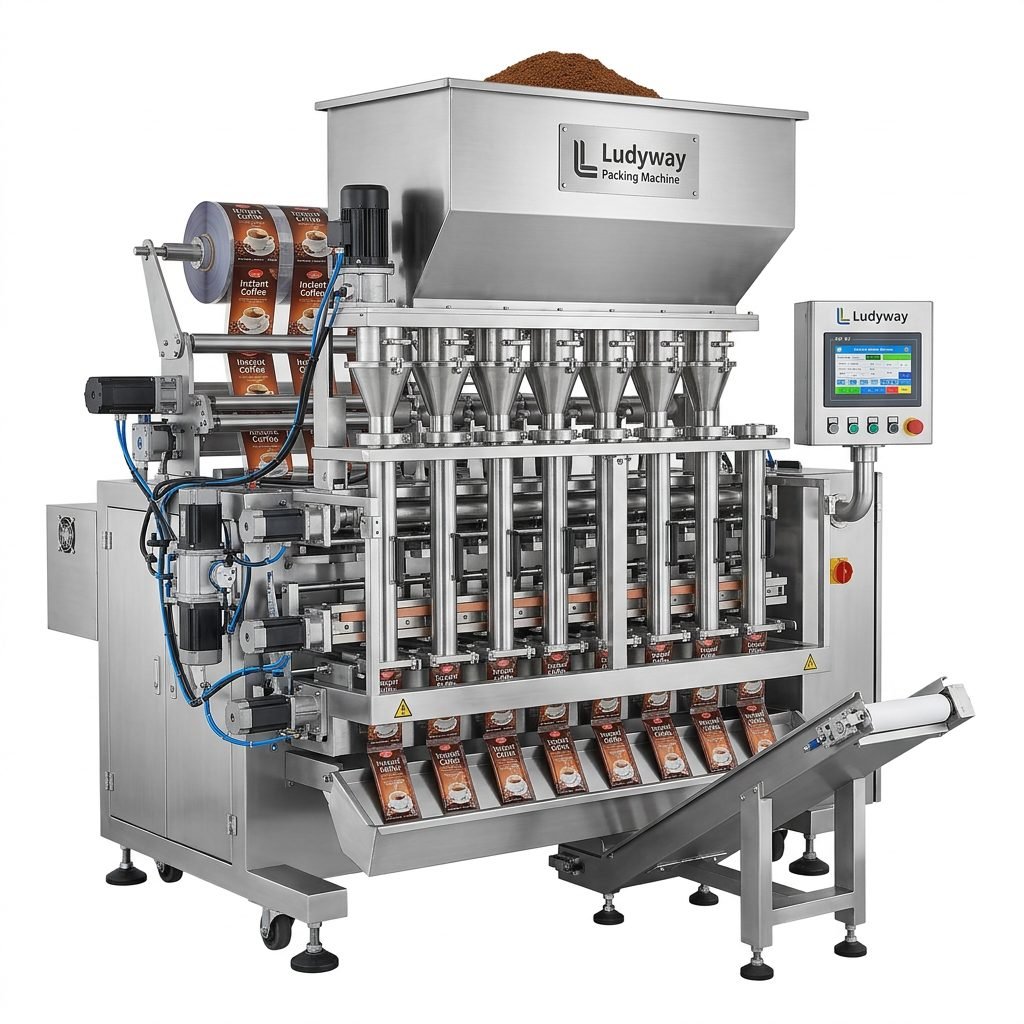
Exploring multi-lane stick pack systems or sachet packaging solutions might reveal complementary used equipment that can further automate your process for granules, powders, or liquids, creating a cohesive and efficient production system.
The Role of Trusted Suppliers
The supplier’s reputation is integral to the value of the purchase. Established companies with a long history in the packaging machinery sector, such as those with over 30 years of experience, typically have rigorous quality standards for their refurbished inventory. They understand the technical nuances of different models and brands. They are also more likely to offer fair warranties, accurate machine descriptions, and honest advice about a machine’s suitability for your application. Their deep industry connections can also assist in sourcing specific models or rare spare parts.
Leveraging the expertise of a supplier with a strong engineering background and a large manufacturing facility ensures that the equipment has been reconditioned to a high standard, combining reliability with affordability.
Investing in used blister and cartoning packaging equipment is a strategic decision that balances cost management with operational enhancement. By focusing on machine history, refurbishment quality, operational compatibility, and supplier credibility, businesses can acquire robust automated solutions that deliver immediate productivity gains. This approach not only optimizes capital expenditure but also supports sustainable operations, allowing companies to remain agile and competitive in dynamic markets. As automation continues to evolve, these reliable used machines serve as a foundational step towards more advanced and integrated packaging systems.
Frequently Asked Questions (FAQs)
1. What is typically included in a professional refurbishment process for used packaging equipment?
A professional refurbishment includes a complete mechanical inspection and overhaul, replacement of all worn or outdated components (like seals, belts, bearings), electrical system safety checks and updates, control system verification, and comprehensive performance testing to ensure the machine meets original specification standards.
2. How can I verify the condition and history of a specific used machine before purchasing?
Request detailed documentation from the seller: original manufacturer manuals, logs of service history, a full list of replaced parts during refurbishment, and video or data from recent test runs. Reputable suppliers are transparent and provide this information willingly.
3. Are spare parts readily available for older models of blister or cartoning machines?
Availability varies. Common models from major manufacturers often have good parts support. For niche or discontinued models, partnering with a supplier with strong industry connections and a large spare parts inventory, like Ludyway Machinery, is crucial. They can often source or manufacture required components.
4. Can used packaging equipment be modified or upgraded to suit my specific product needs?
Yes, to a certain extent. Many machines have adjustable settings for size and speed. More complex modifications (like new sealing heads or different insertion mechanisms) may be possible but require engineering assessment. Discuss your specific needs with the supplier’s technical team to evaluate feasibility and cost.
5. What kind of warranty or support is usually offered with professionally refurbished used equipment?
Trusted suppliers typically offer a warranty period (e.g., 6-12 months) on the refurbished equipment, covering major components. They also provide ongoing technical support, access to spare parts, and often service contracts. The exact terms should be clearly defined in the purchase agreement.