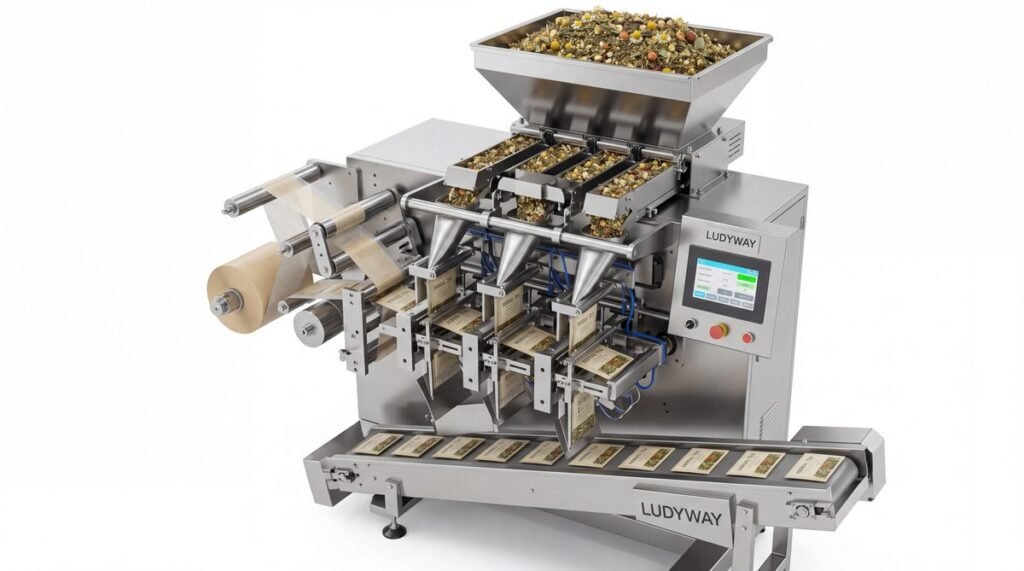
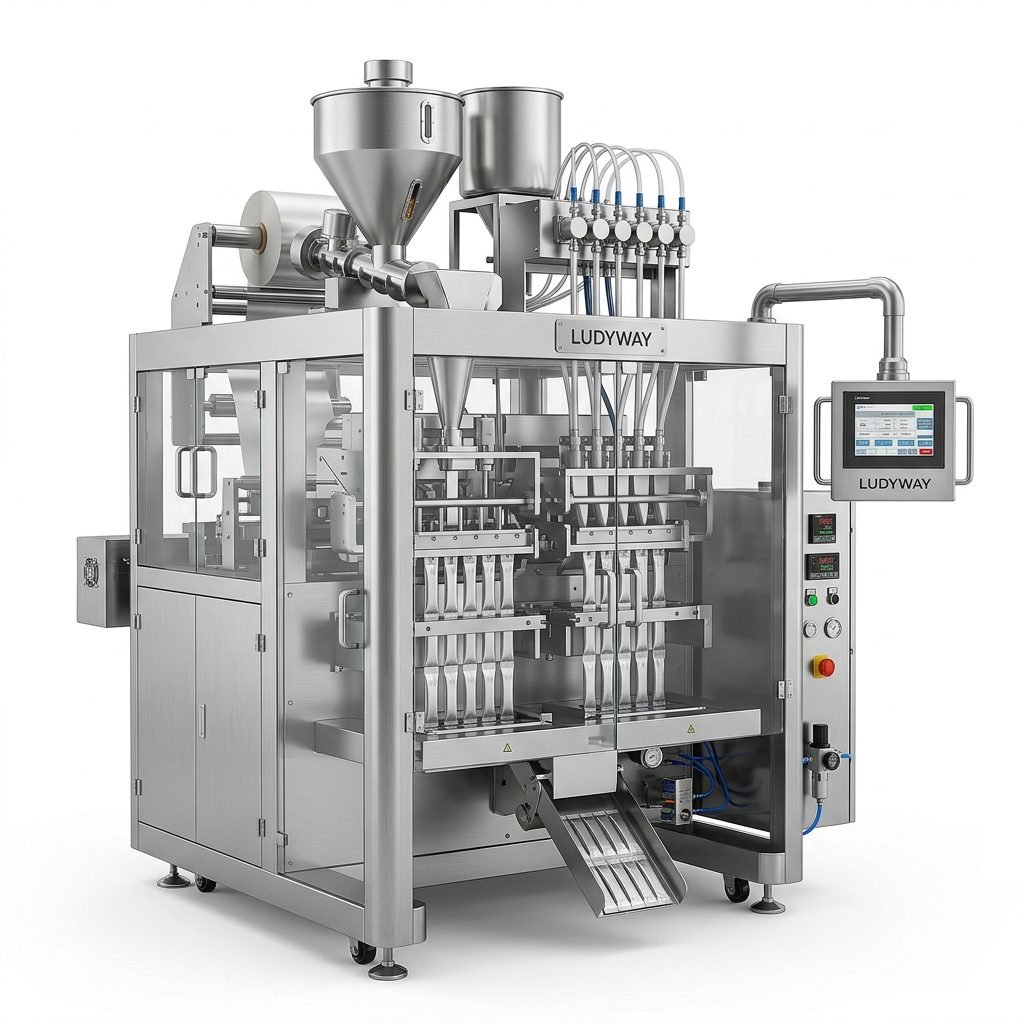
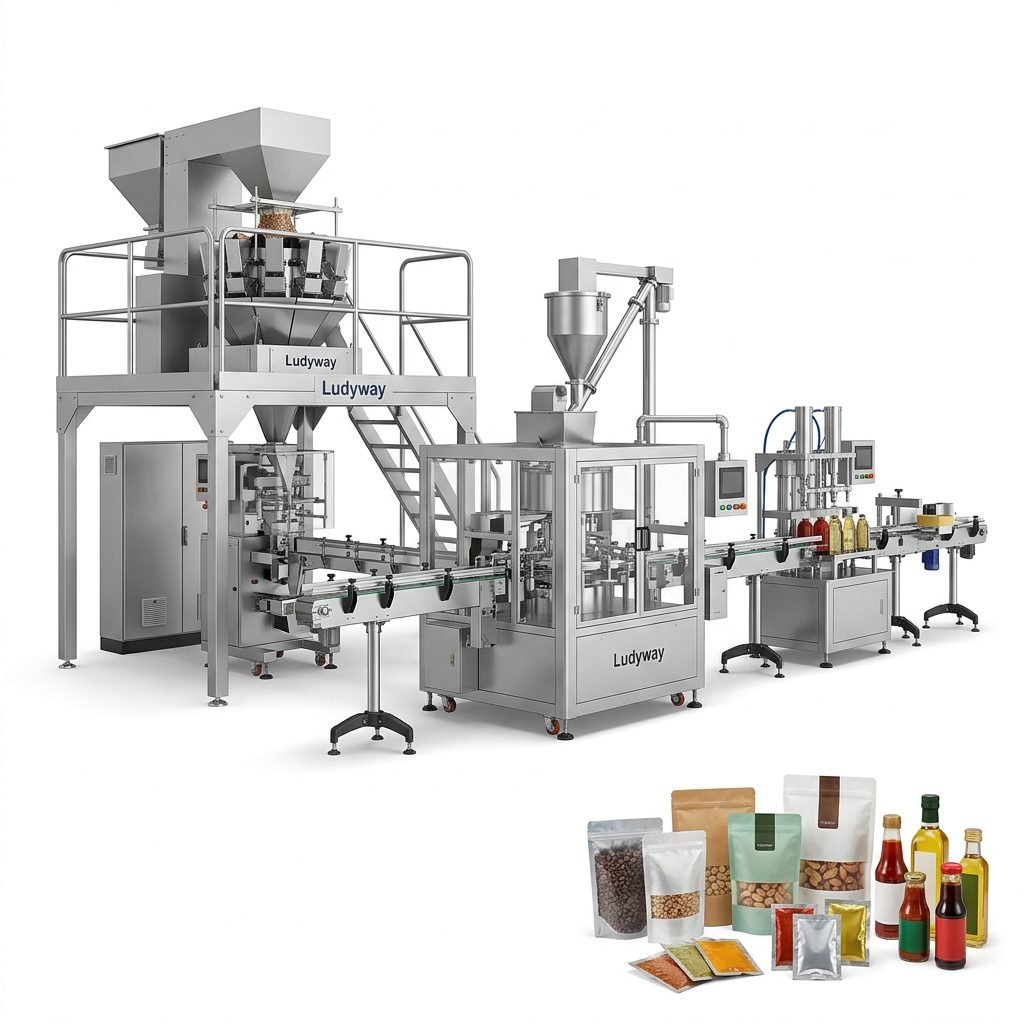
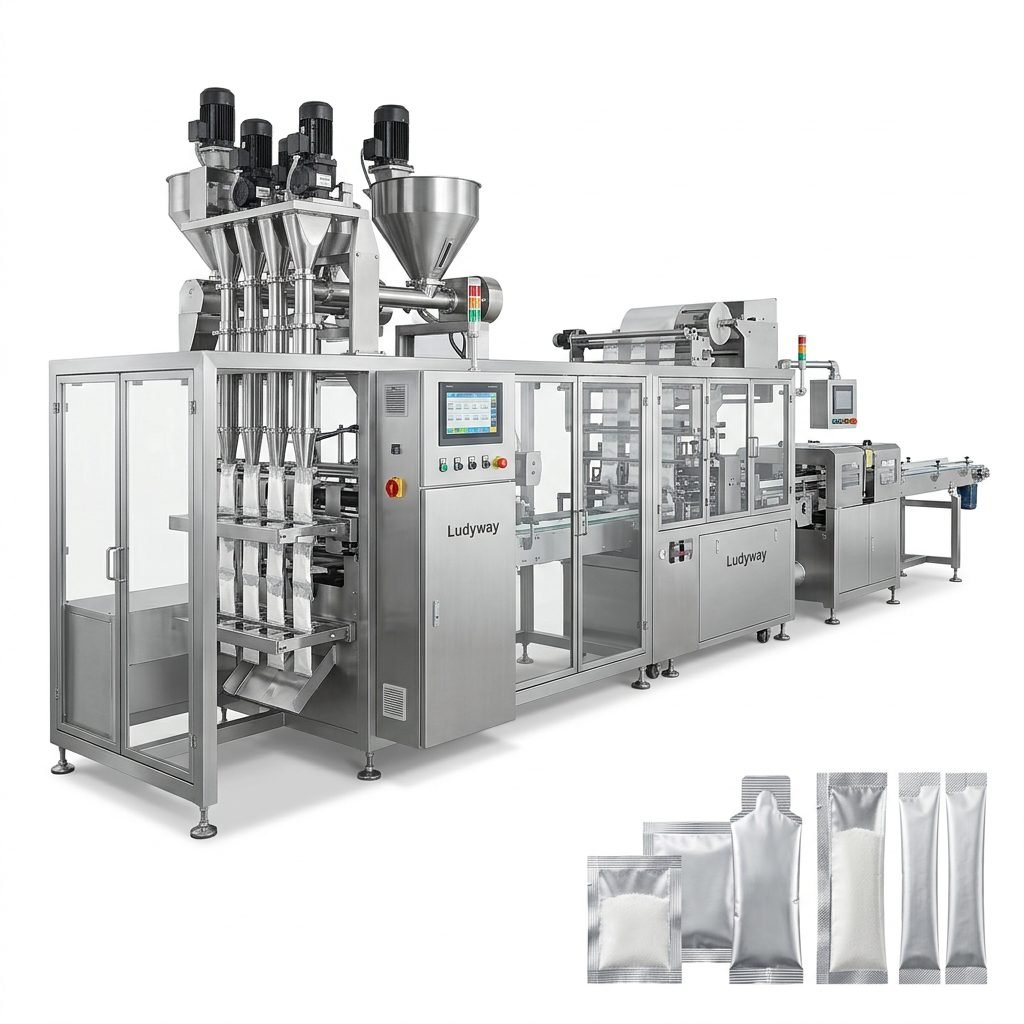
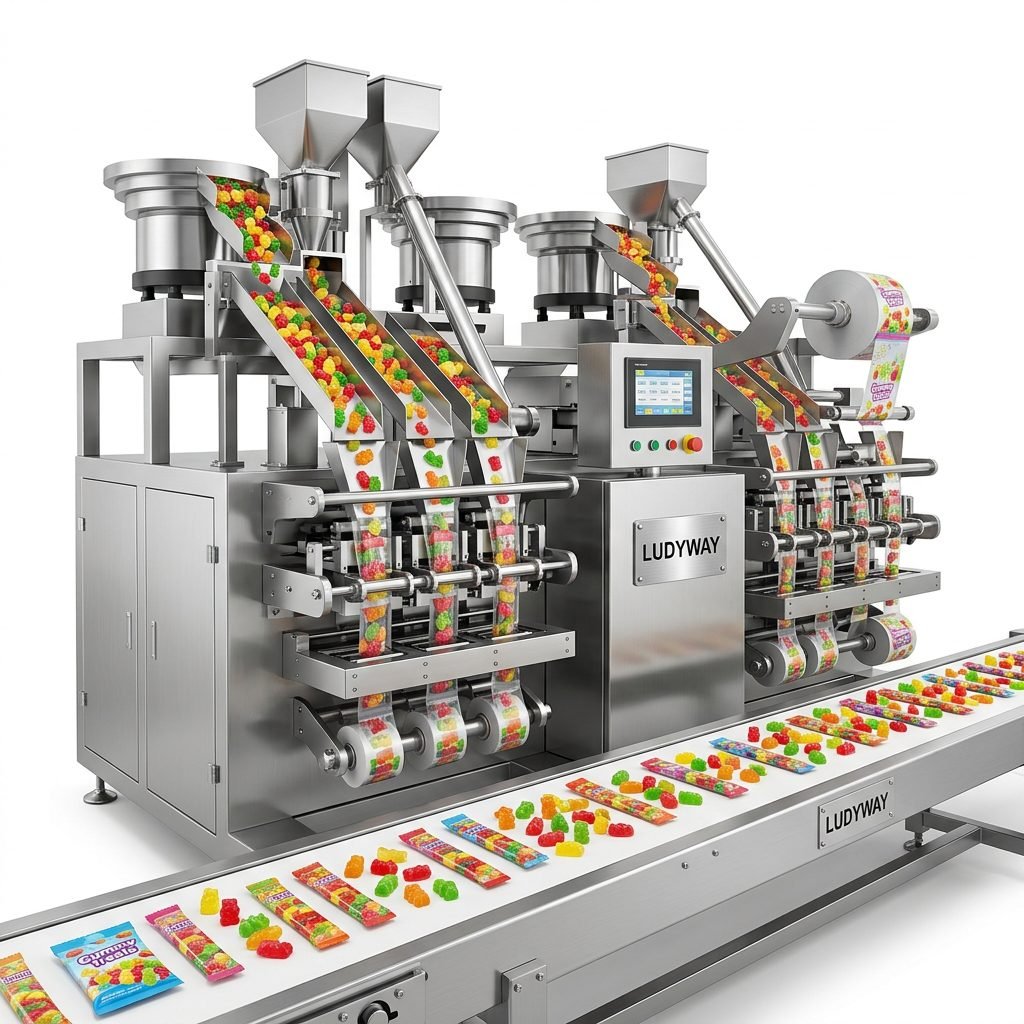
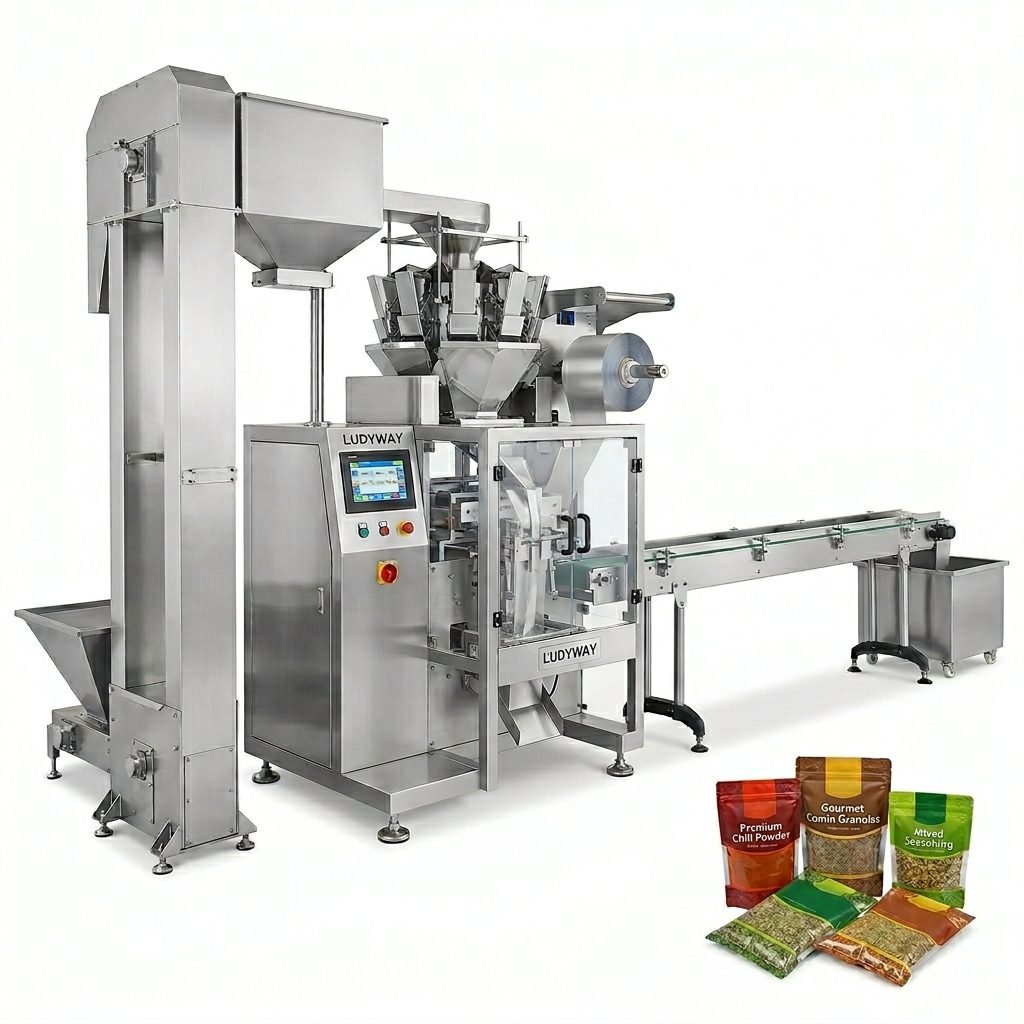
An automatic box packing machine is a key piece of equipment for manufacturers that want to pack faster, reduce manual work, and improve shipment consistency. In modern production environments, box packing is no longer just an end-of-line task—it is a strategic process that affects labor cost, product protection, warehouse flow, and customer satisfaction.
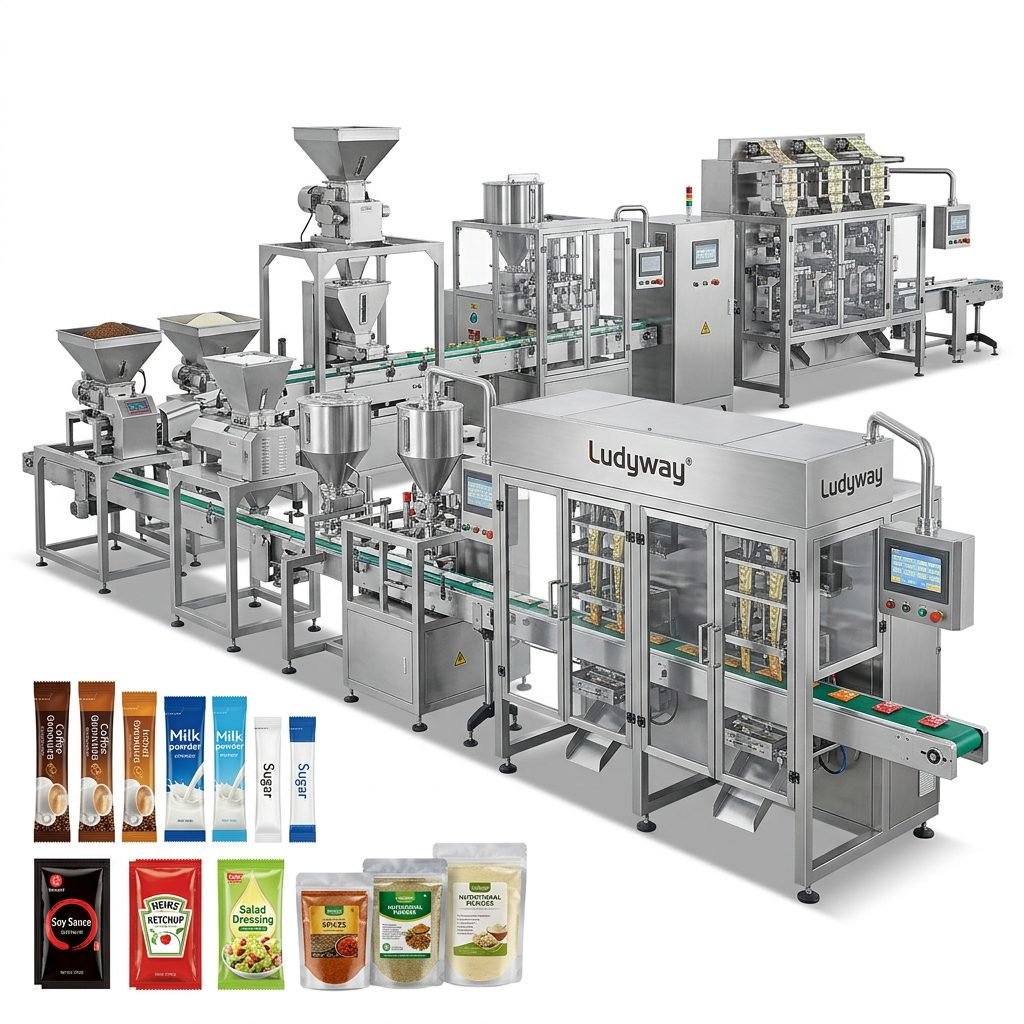
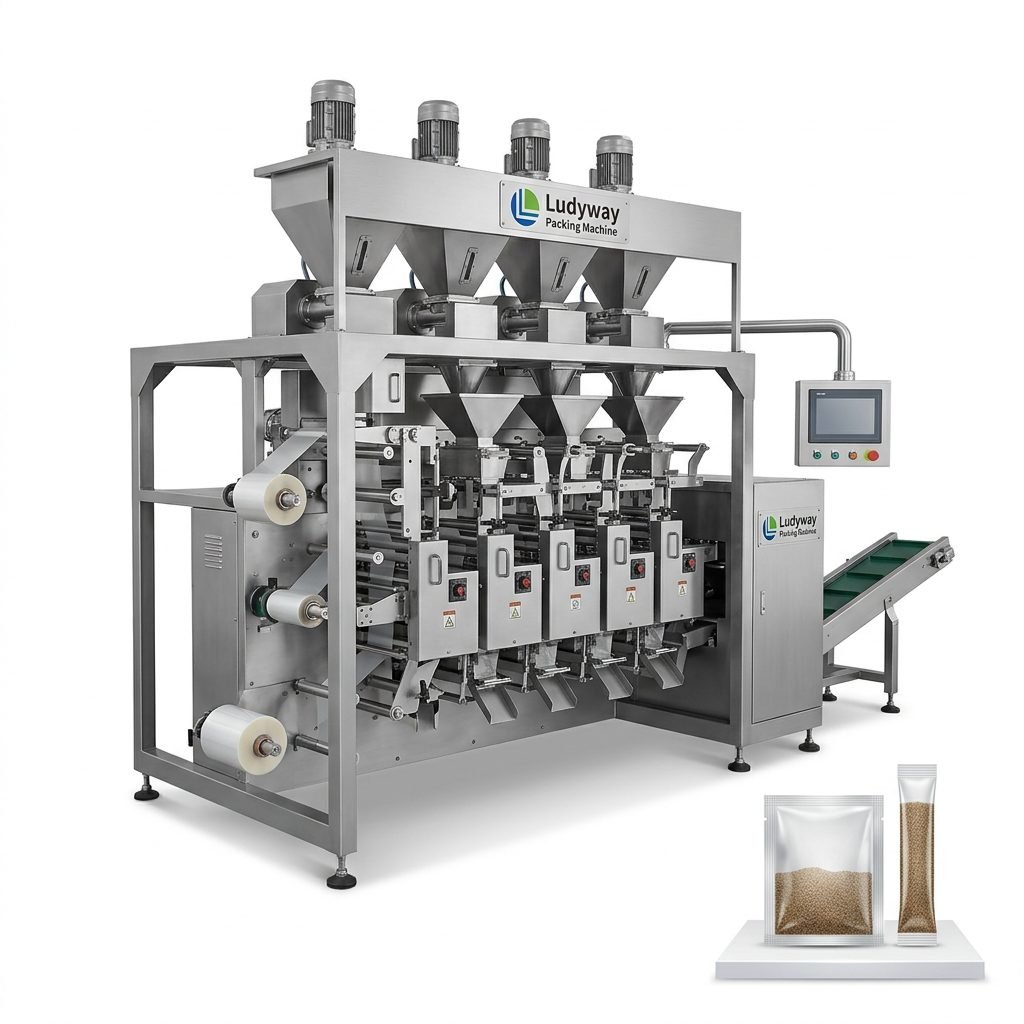
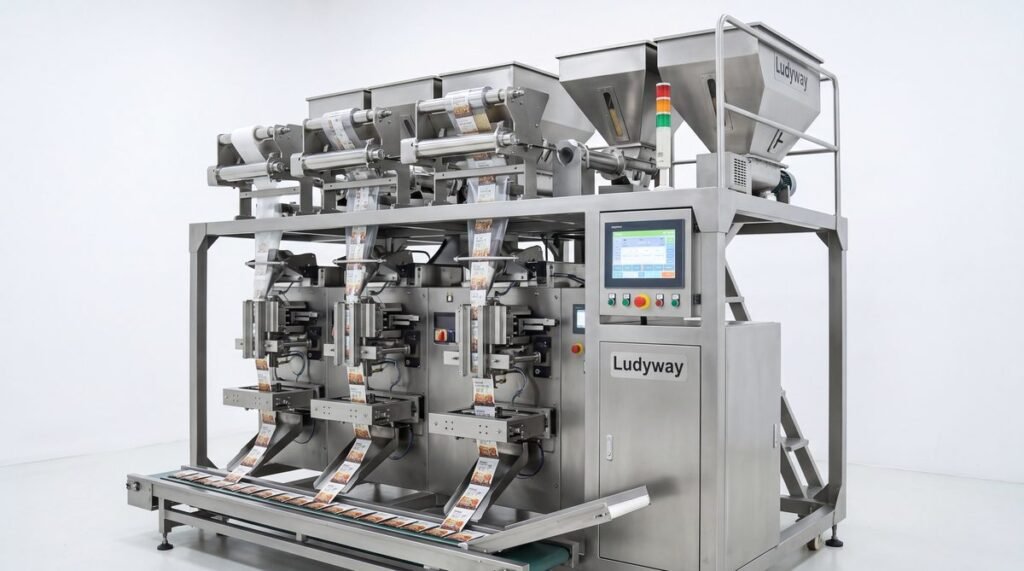
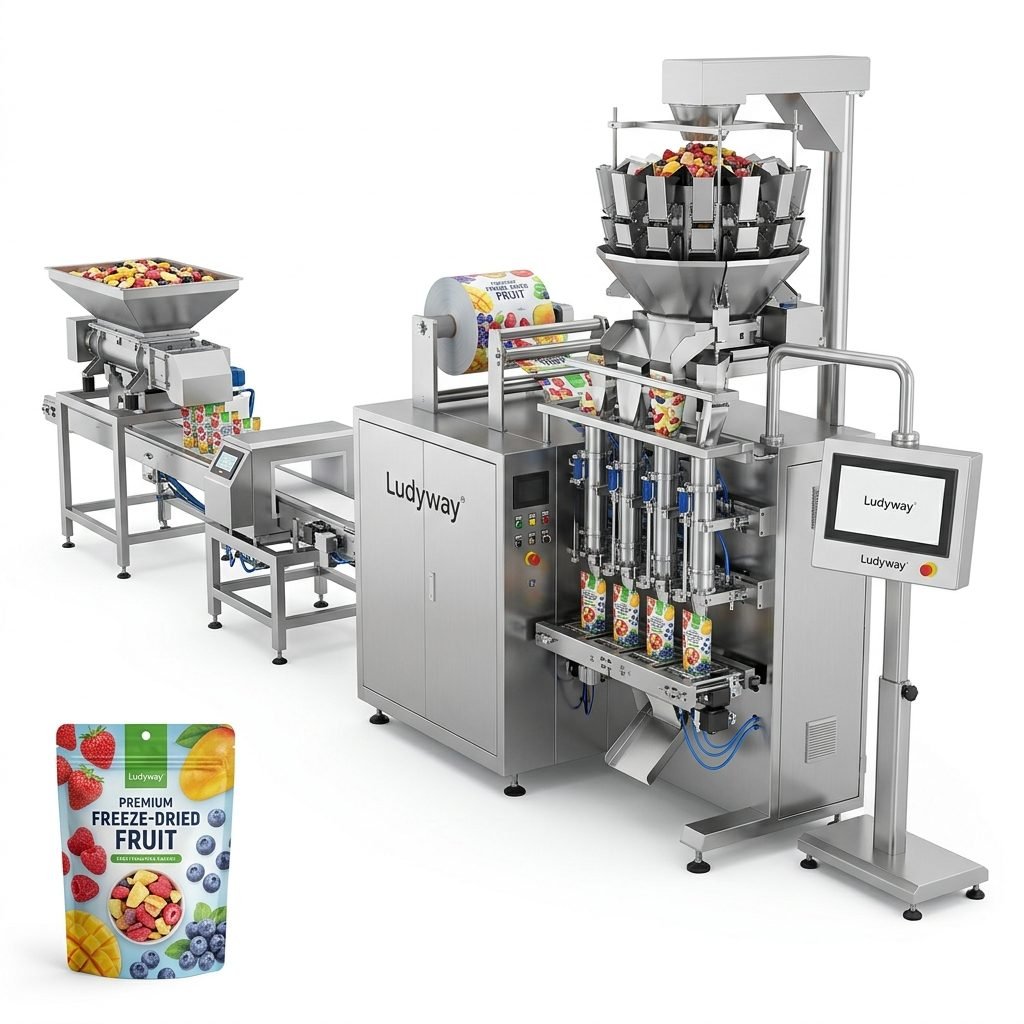
Whether you operate in food, pharmaceutical, personal care, chemical, or consumer goods packaging, automated boxing systems help streamline repetitive tasks such as product grouping, carton loading, case packing, sealing, and transfer to palletizing stations. For businesses seeking scalable automation, working with experienced suppliers such as Ludyway automatic box packing machine solutions can support both standalone equipment projects and complete turnkey packaging line upgrades.
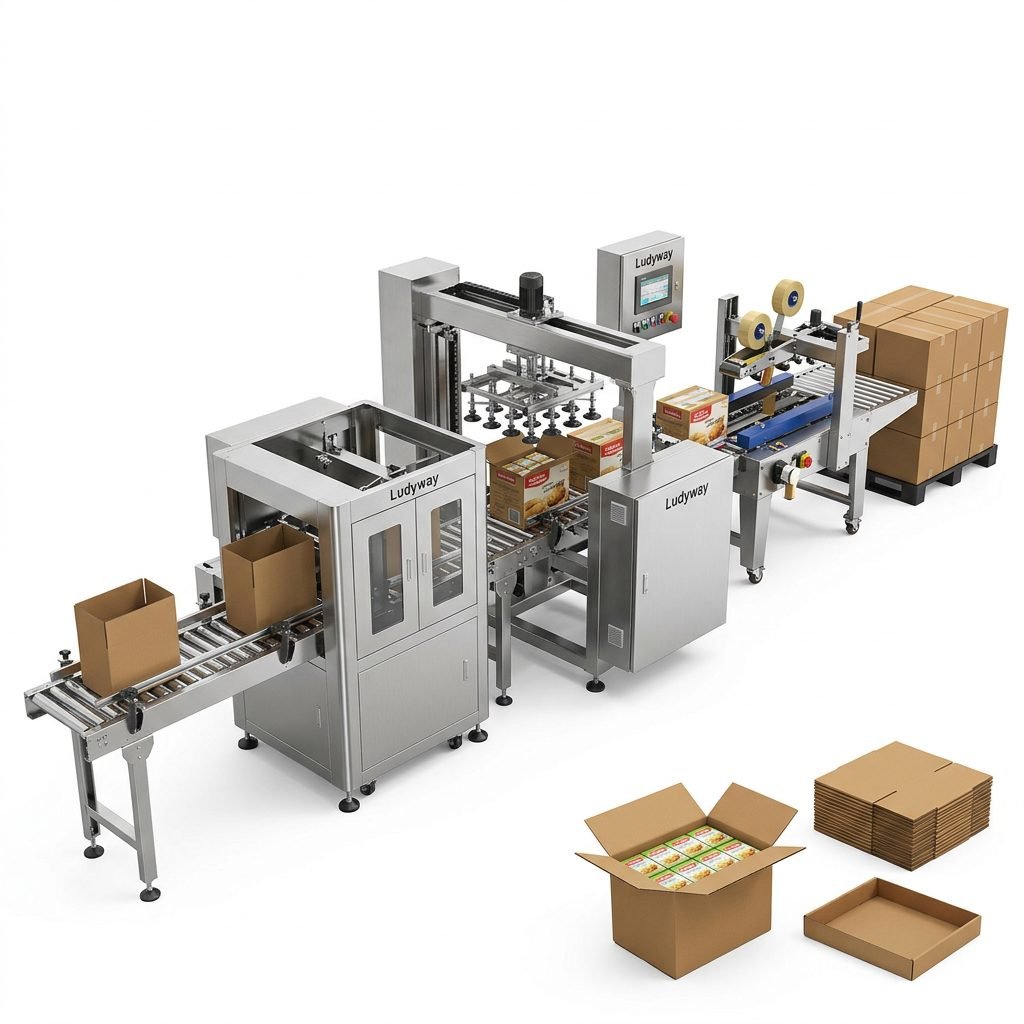
What Is an Automatic Box Packing Machine?
An automatic box packing machine is designed to place packaged products into boxes or cartons with minimal human intervention. Depending on the application, the machine may handle primary packaged items such as sachets, stick packs, pouches, bottles, blister packs, tubes, or small cartons, and then arrange them into shipping boxes or retail cartons.
These systems can be configured for different production goals, including:
- Automatic product collation and counting
- Carton or case erecting
- Top-load or side-load box packing
- Automatic sealing with tape or hot melt glue
- Weight inspection and reject functions
- Connection with conveyors, labeling, coding, and palletizing systems
Why More Manufacturers Are Choosing Automated Box Packing
As packaging volume grows, manual box loading becomes a bottleneck. It often creates inconsistent packing results, slower line speeds, and higher labor dependence. An automated solution improves the packaging workflow and brings measurable operational advantages.
Key Benefits
- Higher throughput for medium- and high-volume production lines
- Lower labor intensity and reduced repetitive manual handling
- Consistent pack patterns for better transportation stability
- Improved product protection during storage and shipping
- Better line integration with upstream filling and downstream palletizing
- Cleaner and more controlled packaging environments, especially important in pharma and health products
How an Automatic Box Packing Machine Works
Although the exact configuration varies, most systems follow a similar process flow:
- Products arrive from the upstream packaging machine.
- The system sorts, aligns, counts, or groups the products.
- Boxes or cartons are automatically formed.
- A robotic arm, pusher, pick-and-place unit, or loading mechanism places the products into the box.
- The box is closed and sealed.
- Finished boxes move to labeling, checkweighing, strapping, or palletizing stations.
For high-speed operations, sensors and PLC controls coordinate every movement to reduce jams, prevent misloads, and maintain stable output.
Industries That Commonly Use Box Packing Machines
Automatic box packing equipment is used across many sectors because it adapts well to different product formats and production capacities.
| Industry | Common Products | Main Packaging Need |
|---|---|---|
| Food & Beverage | Sachets, snacks, coffee, powders, sauces | Speed, hygiene, accurate counting |
| Pharmaceutical | Sachets, blister packs, oral liquids, tablets | Precision, traceability, compliance |
| Cosmetics & Personal Care | Cream sachets, serum packs, wipes, tubes | Neat presentation, flexible formats |
| Chemical | Detergents, additives, powders, liquids | Durability, sealed transport packaging |
| Animal Nutrition | Feed supplements, pet treats, premixes | Bulk handling, stable case packing |
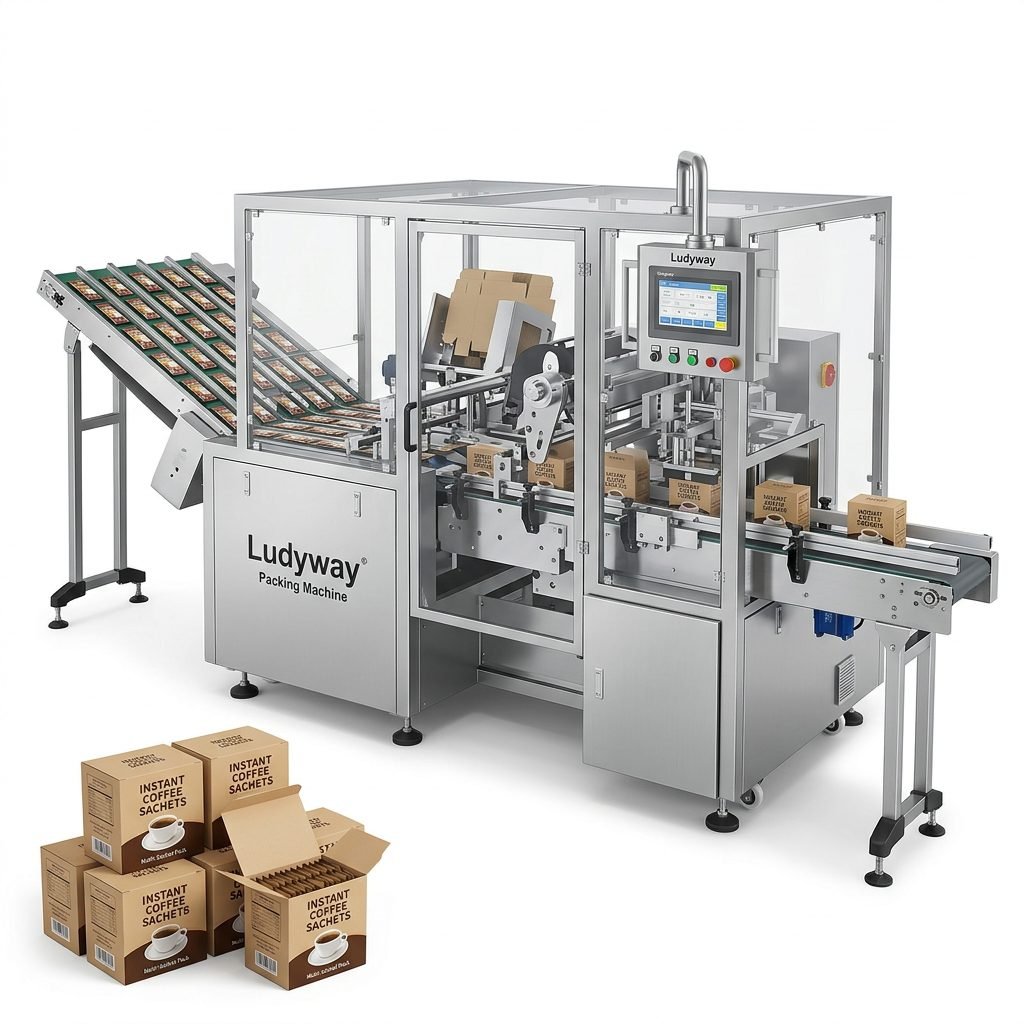
Types of Automatic Box Packing Machines
Selecting the right machine starts with understanding the box packing method best suited to your product.
1. Top-Load Box Packing Machines
Products are dropped or placed into the box from above. This design is often suitable for pouches, sachets, bags, and grouped retail units.
2. Side-Load Box Packing Machines
Products are pushed into the carton or case from the side. This method is common for stable products arranged in rows, such as cartons, trays, or boxed units.
3. Robotic Pick-and-Place Packing Systems
Robotic systems offer more flexibility when handling varied product layouts, mixed SKUs, or delicate items. They are ideal when quick changeovers are important.
4. Integrated Case Packing Lines
These are complete end-of-line systems that combine conveying, counting, boxing, sealing, inspection, coding, and palletizing. They are best for manufacturers seeking fully automated packaging operations.
Important Features to Look For
A good automatic box packing machine should not be selected based on speed alone. Long-term performance depends on mechanical stability, user-friendly control, and compatibility with your full packaging process.
- Servo-driven motion control for accuracy and smoother operation
- PLC and touchscreen HMI for recipe storage and easier adjustments
- Quick changeover design for multiple box sizes
- Automatic detection systems for missing products or misaligned cartons
- Stainless steel or hygienic contact parts where required
- Modular integration capability with cartoners, sealers, and palletizers
- Stable conveyor transfer to reduce product damage
Automatic vs. Manual Box Packing
| Factor | Manual Packing | Automatic Box Packing |
|---|---|---|
| Labor Requirement | High | Low |
| Packing Consistency | Varies by operator | Highly consistent |
| Production Speed | Limited | High and scalable |
| Error Rate | Higher | Lower with sensors and controls |
| Line Integration | Weak | Strong |
| Long-Term Cost Efficiency | Lower efficiency | Better ROI over time |
How to Choose the Right Machine for Your Operation
Before purchasing an automatic box packing machine, evaluate the full operating context rather than just the current product. A future-ready solution should support growth, new SKUs, and production upgrades.
Checklist for Buyers
- What product types need to be packed?
- What are the box dimensions and packing patterns?
- What line speed is required now and later?
- Do you need integration with filling, sealing, coding, or palletizing equipment?
- How often will the box size or SKU change?
- Are there hygiene, GMP, or validation requirements?
- What after-sales support, spare parts, and remote service are available?
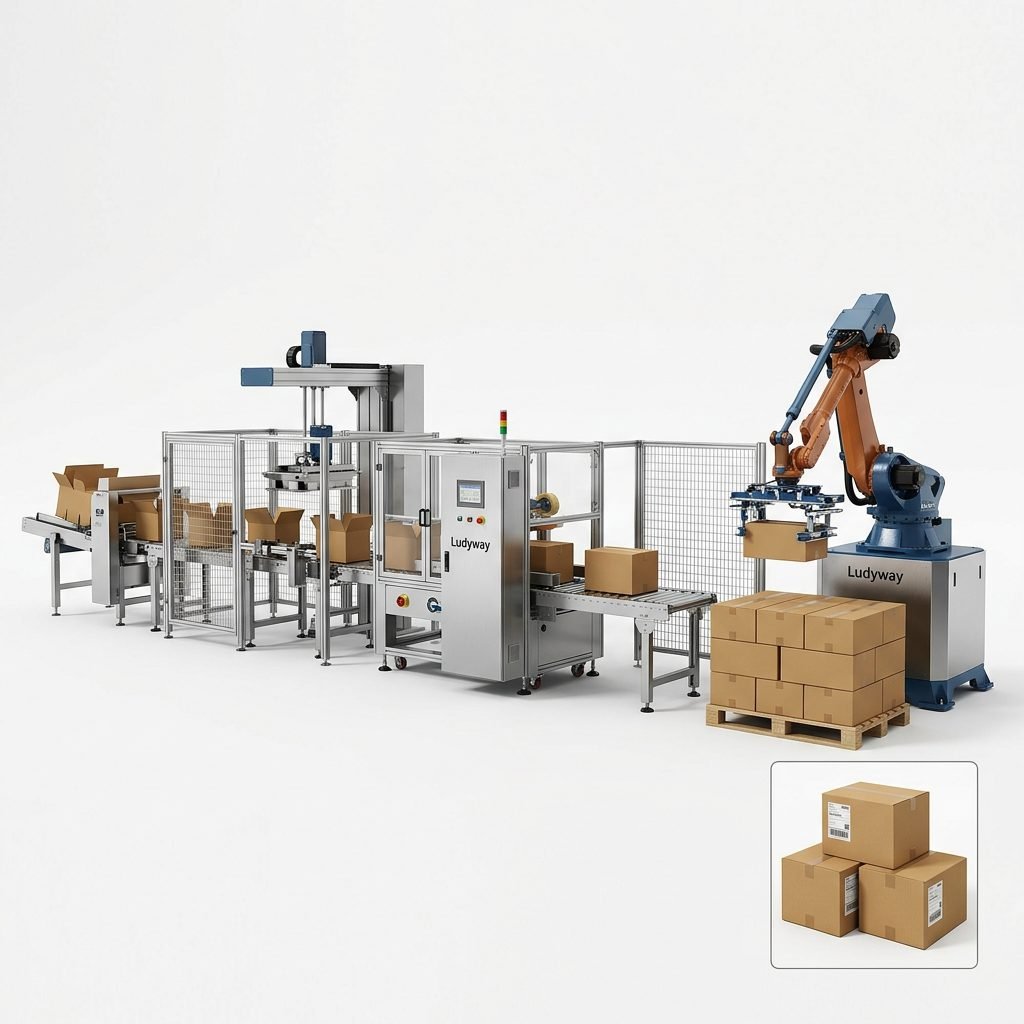
Why Integration Matters in Modern Packaging Lines
The best performance comes when the box packing machine is not treated as an isolated unit. In a modern factory, it should function as part of a coordinated packaging line. This includes upstream product feeding and downstream logistics handling.
A well-integrated line can include:
- Primary packaging machines
- Feeding and transfer conveyors
- Cartoning or case packing units
- Checkweighers and inspection systems
- Labeling and coding devices
- Case sealers, strappers, and palletizers
When all these modules communicate properly, the result is faster, smarter packaging with fewer interruptions.
Common Applications for Automatic Box Packing Machines
These machines are widely used for secondary and tertiary packaging tasks such as:
- Packing stick packs into retail cartons
- Loading sachets into shipping boxes
- Grouping pouches for distribution cases
- Cartoning pharmaceutical packs with leaflet insertion
- Packing cosmetic sachets, tubes, or bottles into promotional boxes
- Automating shipping case preparation for export logistics
Maintenance and Operational Tips
To keep an automatic box packing machine running efficiently, routine maintenance is essential. Preventive care helps reduce downtime and preserves packing accuracy.
Best Practices
- Inspect sensors, belts, and push mechanisms regularly
- Keep the loading area clean and free of packaging debris
- Monitor lubrication schedules for moving parts
- Train operators on changeover and fault handling
- Use original spare parts for long-term stability
- Review production data to detect recurring stoppages early
Who Should Invest in Automatic Box Packing Equipment?
This equipment is especially valuable for:
- Growing manufacturers facing labor shortages
- Export-oriented factories requiring neat, stable secondary packaging
- Brands with multiple SKUs and frequent packaging changes
- Factories aiming to upgrade from semi-automatic to turnkey automation
- Businesses focused on lowering unit packaging cost over time
Final Considerations for Smarter Packaging Operations
An automatic box packing machine is more than a labor-saving device. It is an efficiency tool that improves packaging speed, packing quality, operational control, and scalability. For manufacturers under pressure to deliver more output with fewer errors, this equipment can become one of the most valuable upgrades on the production floor.
When selected correctly, a box packing solution supports both current production targets and future expansion. The ideal system should match your product type, output requirement, box format, and line integration needs—while remaining reliable enough for long-term industrial use.