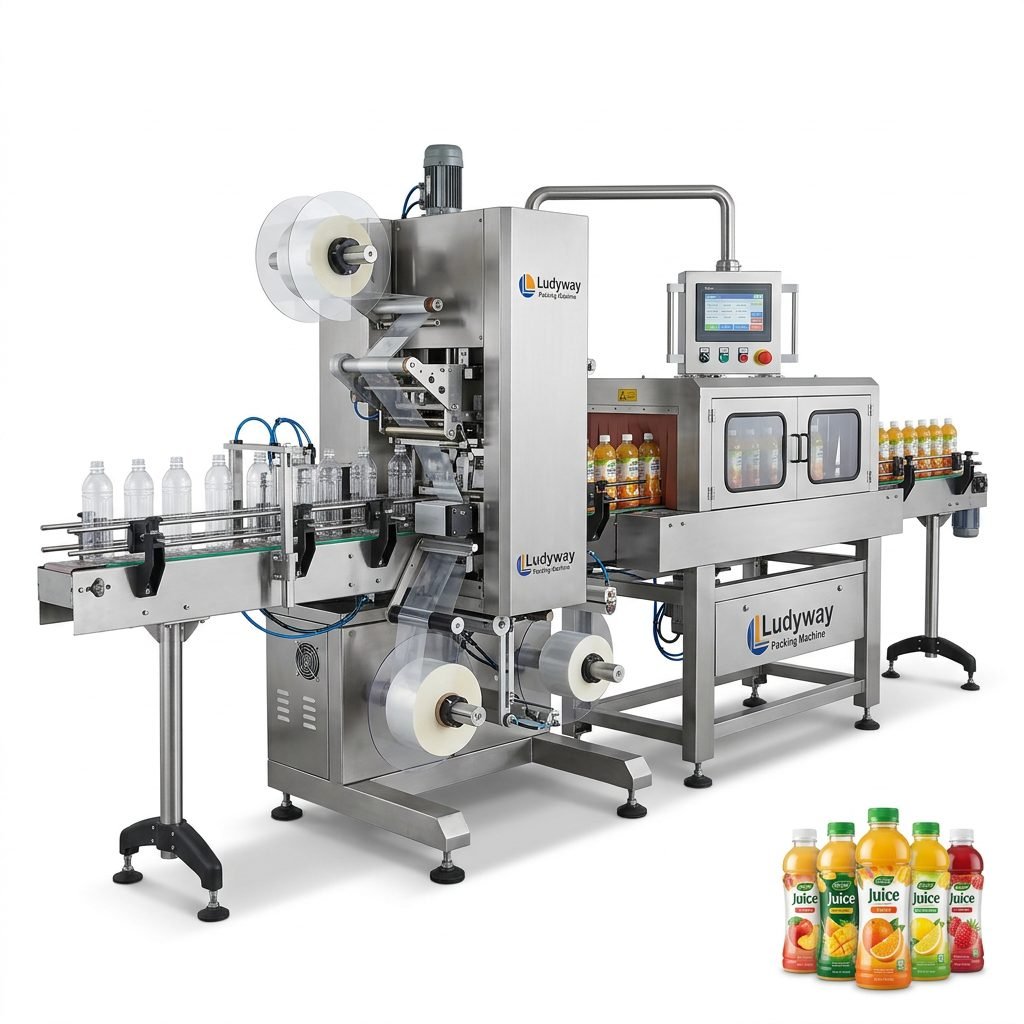
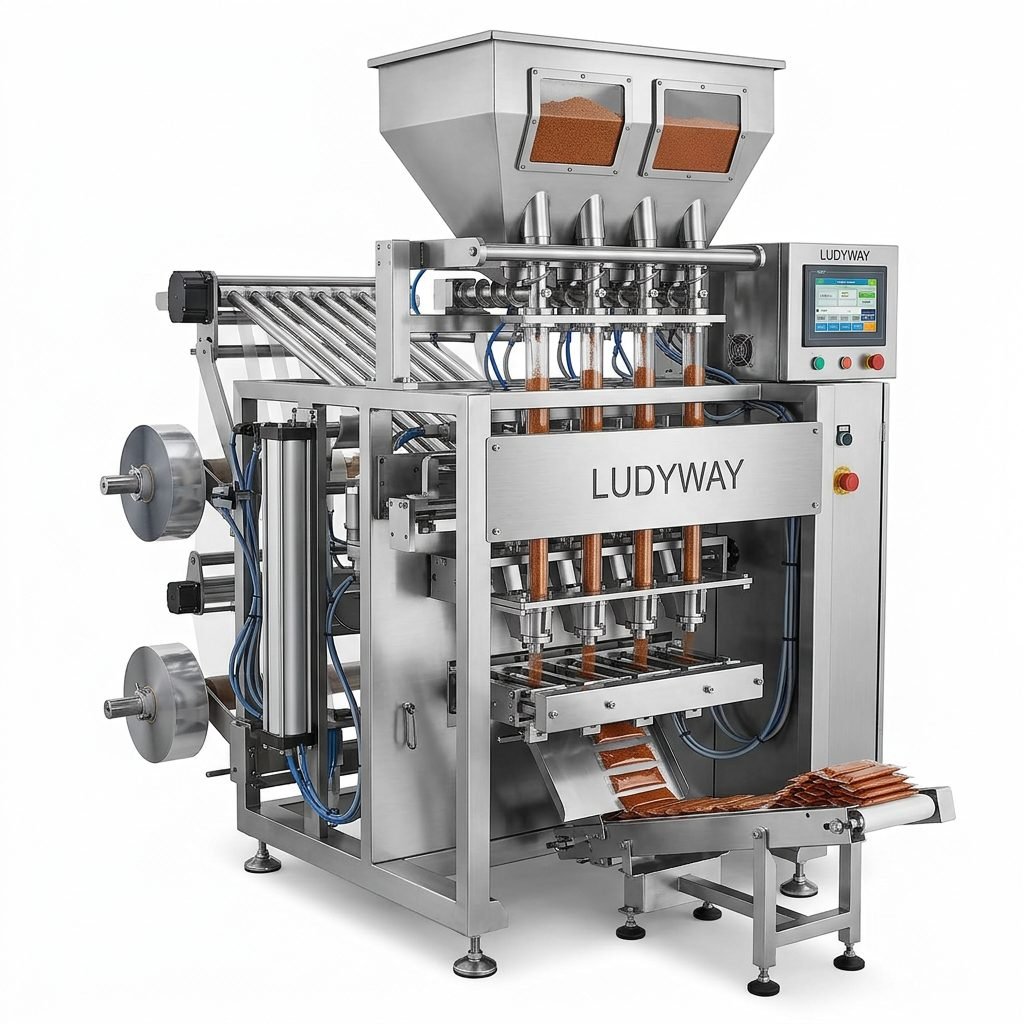
The packaging industry is undergoing a profound transformation, driven by the relentless pursuit of efficiency, sustainability, and intelligent automation. At the forefront of this revolution are key companies leveraging cutting-edge technologies to redefine production lines. This article explores the innovations shaping packaging machinery and the leaders propelling this dynamic sector forward.
The Engine of Change: Core Automation Technologies
Modern packaging is no longer just about containment; it’s a sophisticated, data-driven process. Several core technologies form the backbone of today’s advanced systems:
Robotics & Collaborative Robots (Cobots)
Robotic arms now handle tasks from high-speed picking and placing to precise palletizing. Cobots, designed to work safely alongside humans, are increasing flexibility on the factory floor for secondary packaging and end-of-line operations.
Artificial Intelligence & Machine Vision
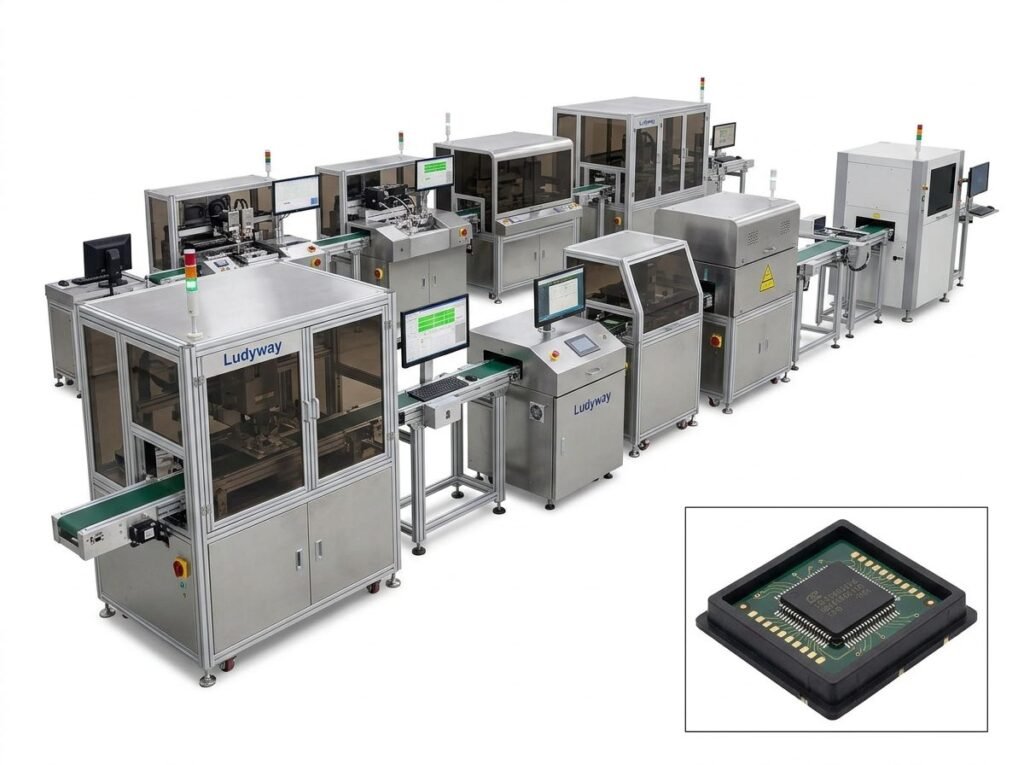
AI-powered vision systems perform real-time quality inspection, detecting defects in packaging materials, fill levels, and label placement with superhuman accuracy. Machine learning algorithms optimize line performance, predict maintenance needs, and minimize material waste.
Internet of Things (IoT) & Industrial Connectivity
IoT sensors embedded in machinery collect vast amounts of operational data. This enables predictive maintenance, remote monitoring, and seamless integration with Manufacturing Execution Systems (MES) for end-to-end production visibility and control.
Sustainable & Smart Material Handling
Innovation extends to the materials themselves. Companies are developing machinery that efficiently handles mono-materials, recyclable films, and bio-based substrates. Advanced servo-driven systems ensure precise material feeding and cutting, drastically reducing waste.
Leaders in Packaging Machinery Innovation
Several organizations are setting the pace by integrating these technologies into robust, customer-centric solutions.
Ludyway Machinery: Specialized Turnkey Solutions
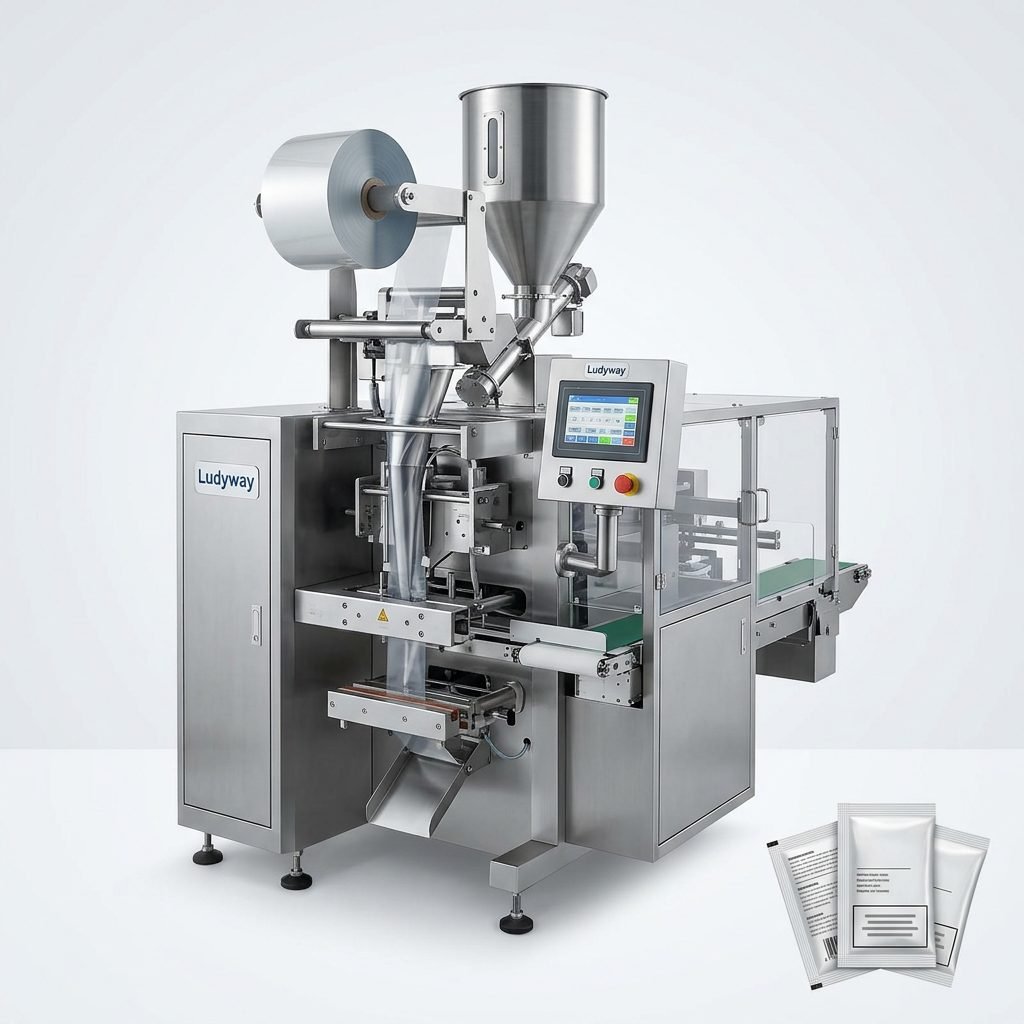
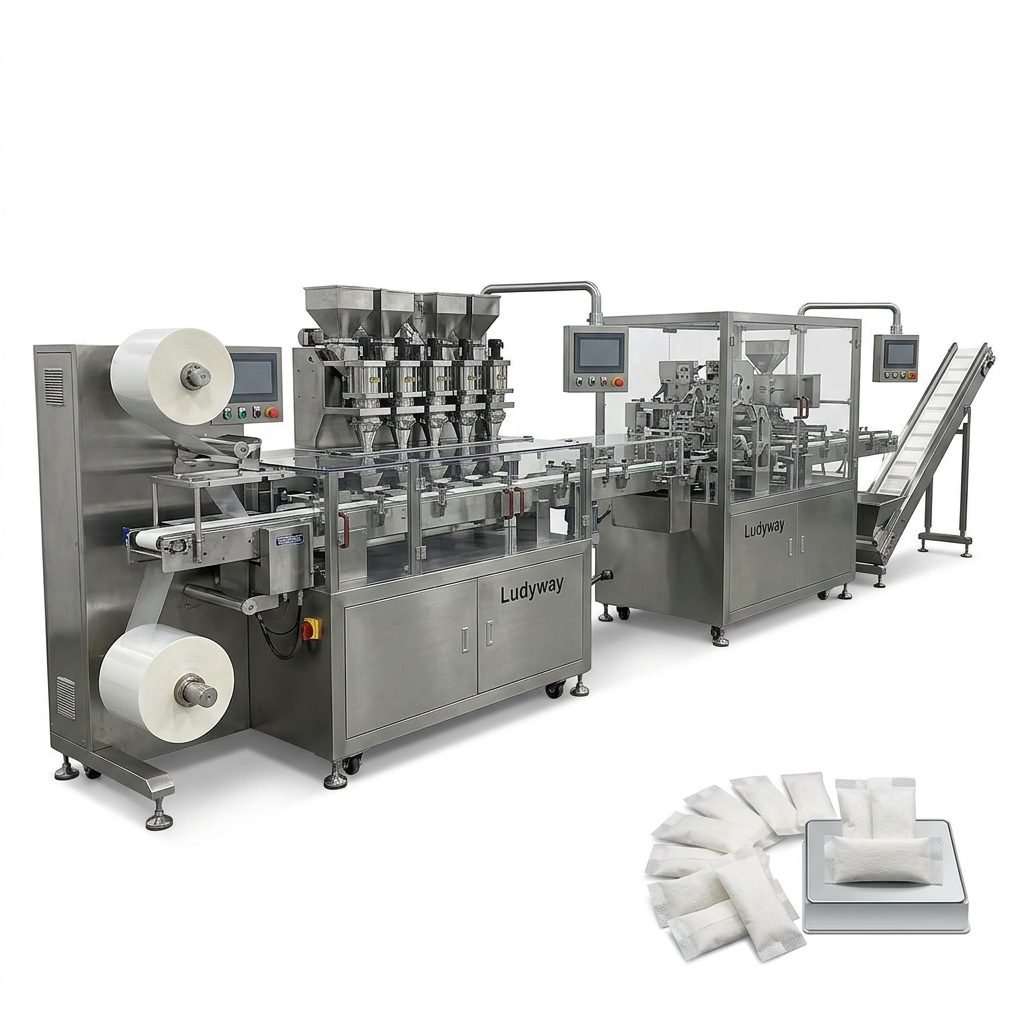
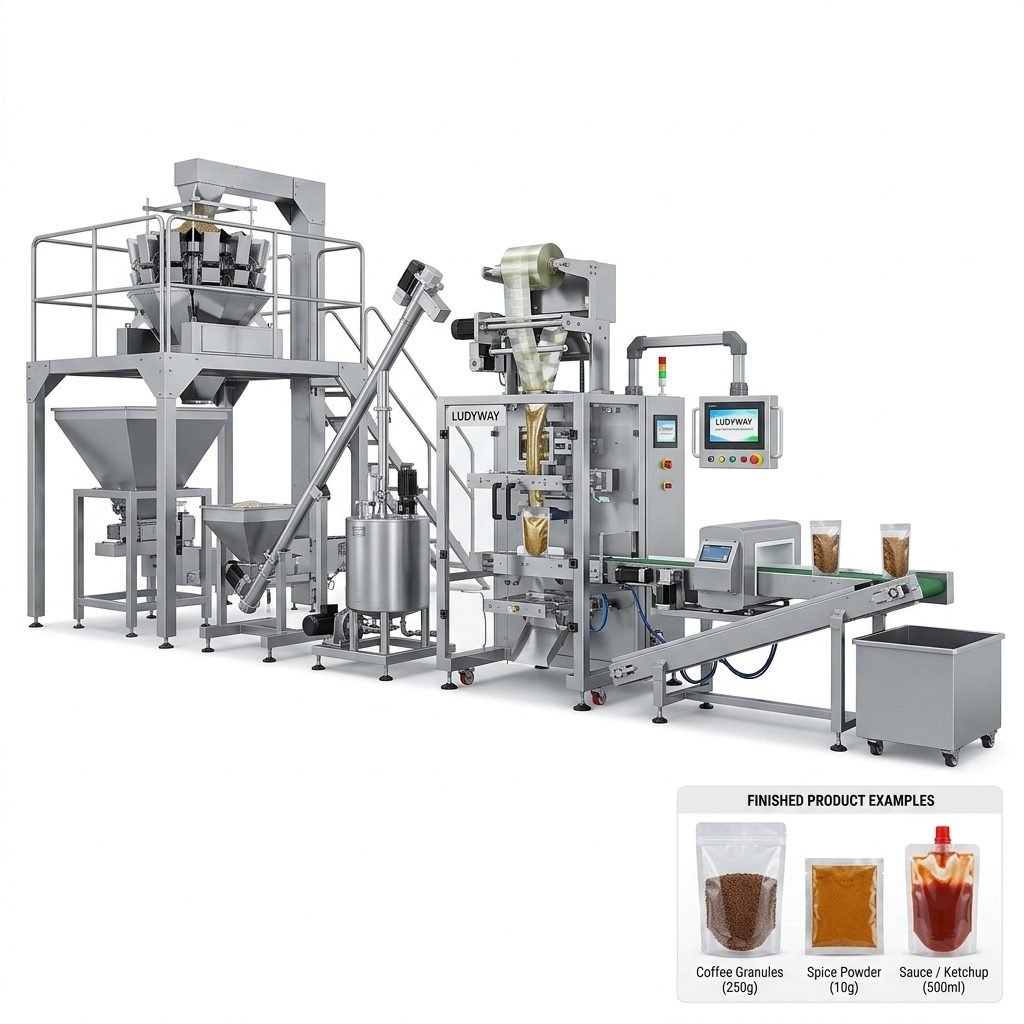
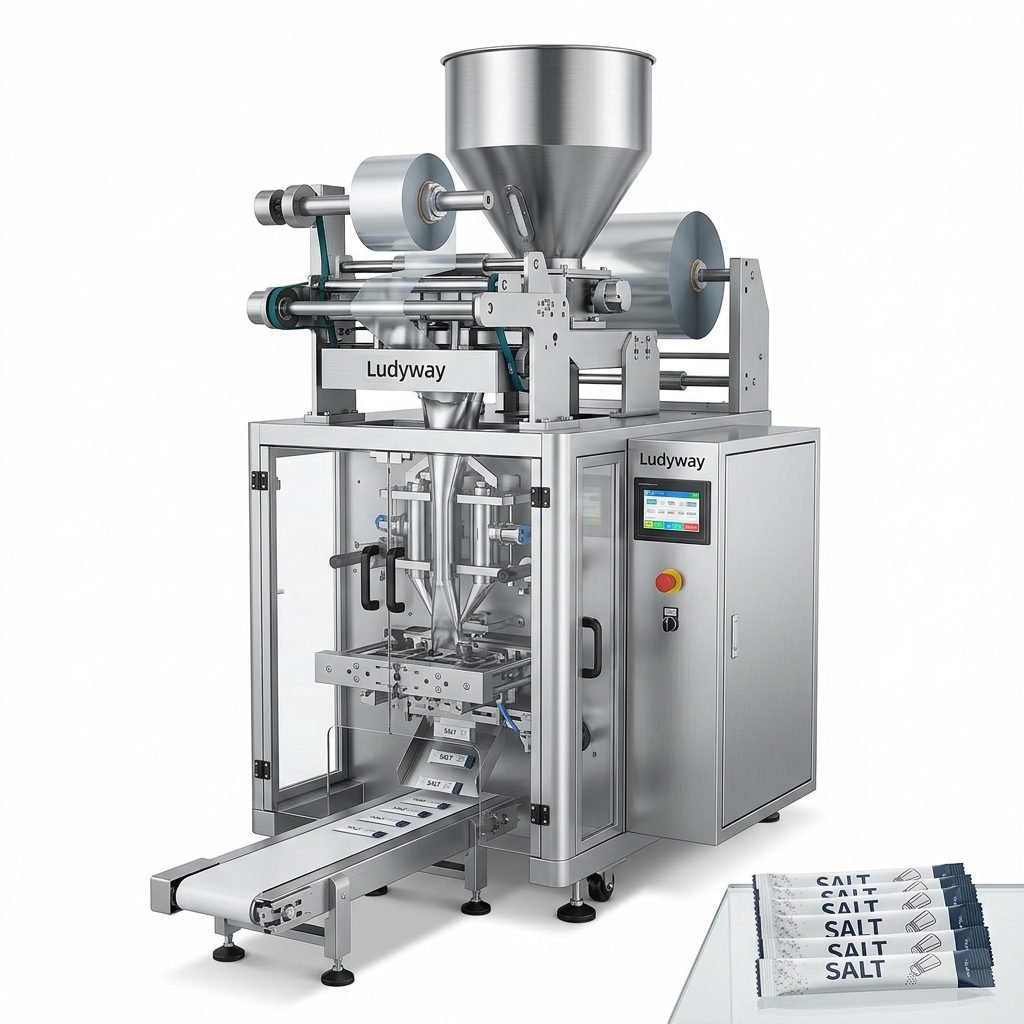
With over 30 years of industry experience, Ludyway Machinery has established itself as a specialist in automated packaging for granular, powder, and liquid products. Their focus lies in providing complete turnkey production lines, particularly for the food, pharmaceutical, and health industries.
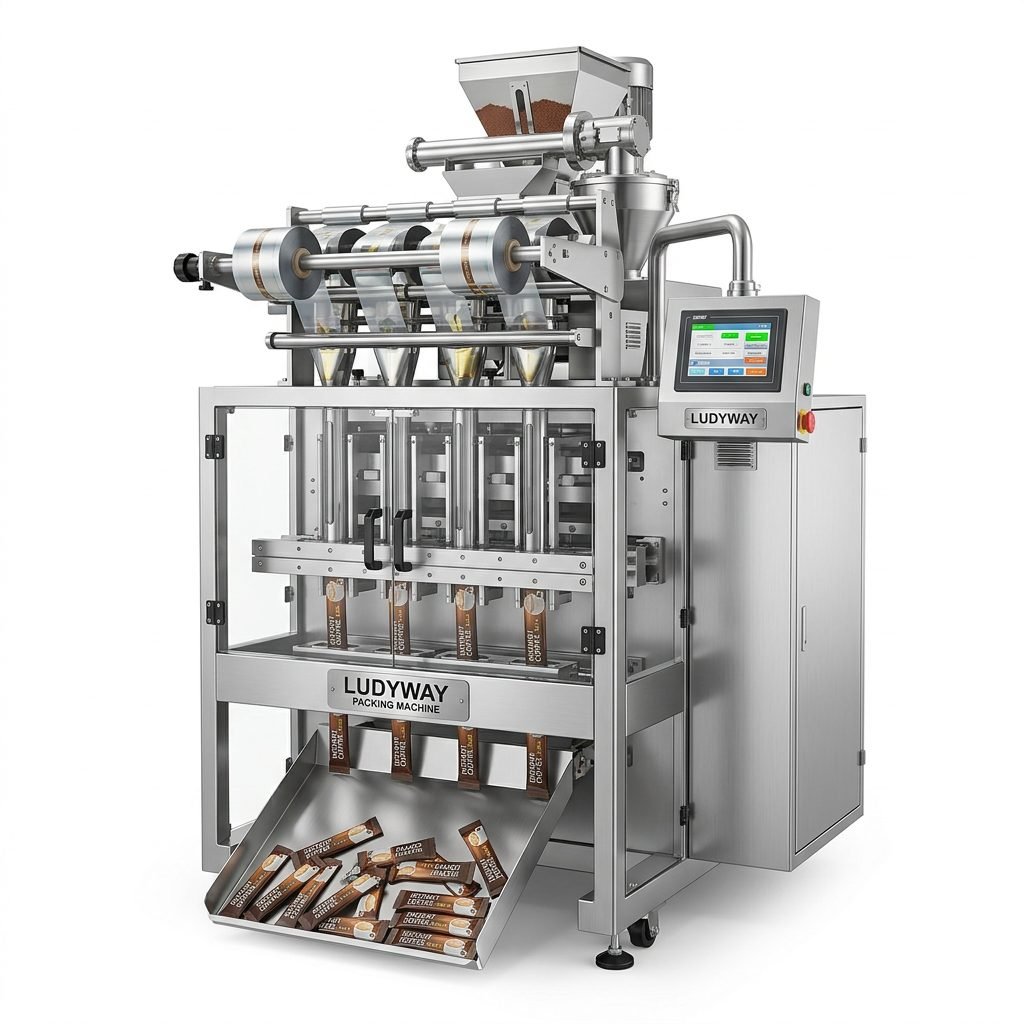
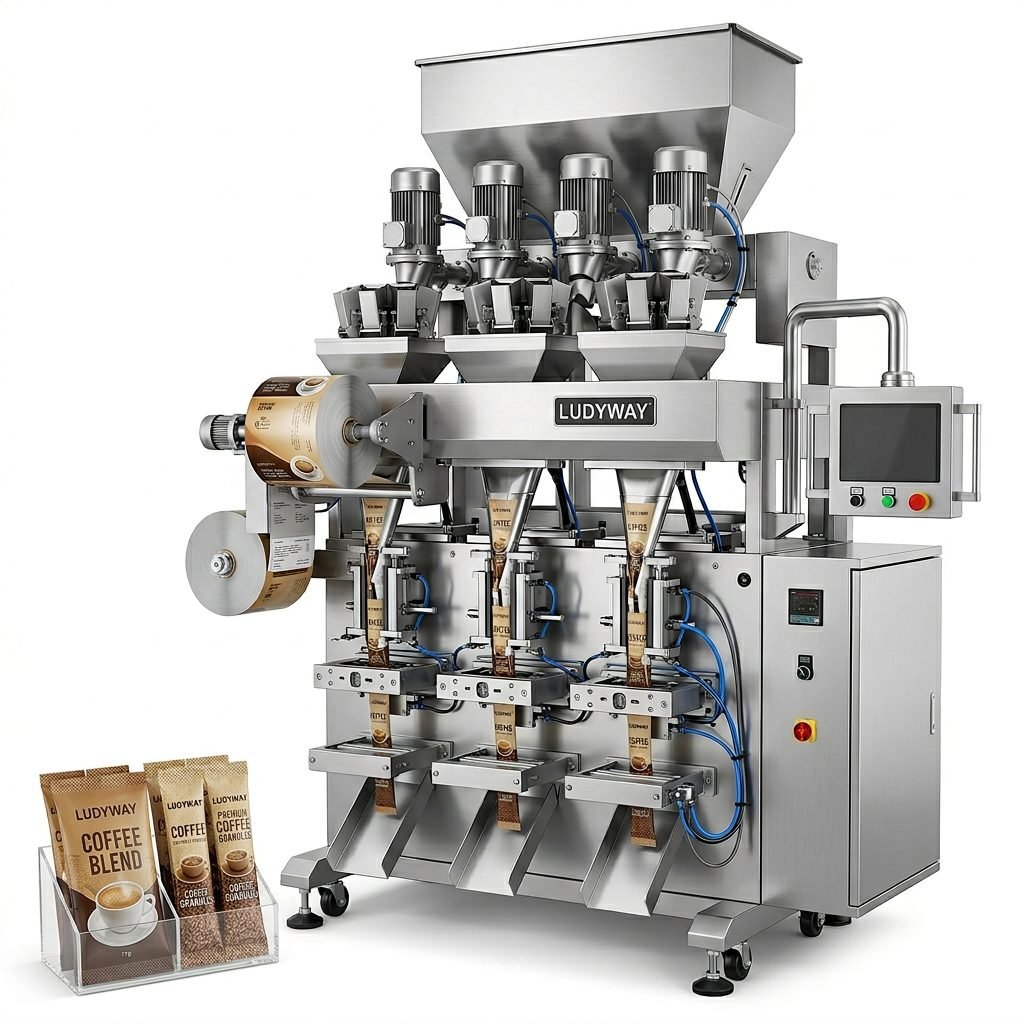
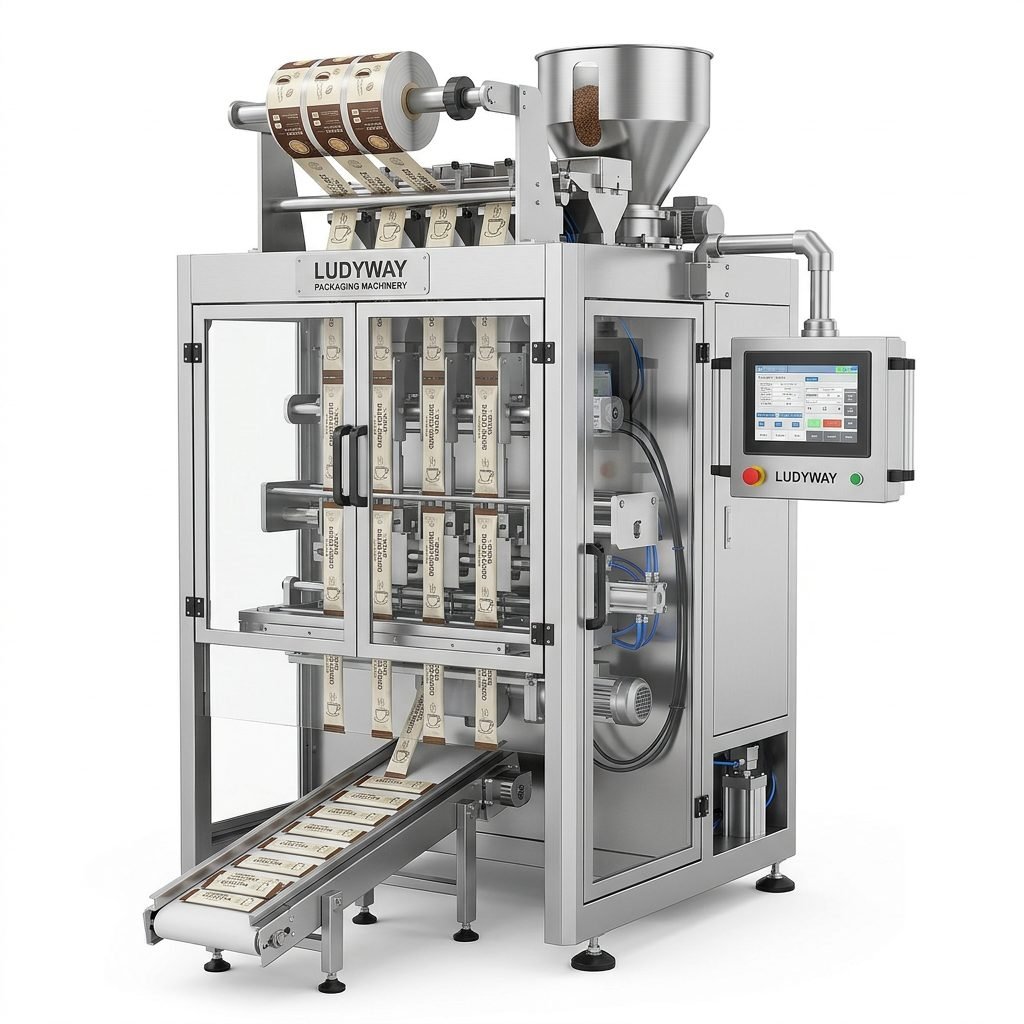
Their portfolio boasts more than 50 intelligent machine models, including sophisticated multi-lane stick pack and sachet packaging systems. Backed by a 20,000㎡ modern production facility and strong engineering capabilities, Ludyway exemplifies how deep application knowledge combined with advanced automation can deliver reliable, high-quality packaging solutions for global manufacturers. You can learn more about their specific approach on their company profile page.
🔍 Innovation Highlight: Integrated Control Systems
A key trend among leaders is the move towards fully integrated control platforms. These systems unify dosing, filling, sealing, and labeling processes under a single, intuitive HMI (Human-Machine Interface). This allows for rapid changeovers, centralized recipe management, and simplified operator training, which are critical for manufacturers dealing with high-mix, low-volume production runs.
Global Giants: Driving Large-Scale Integration
Multinational corporations continue to push boundaries in high-speed, large-scale packaging. Their innovations often focus on hyper-efficient line integration, digital twin simulation for line design, and global service networks supported by cloud-based analytics. These companies are crucial for setting industry standards in speed and reliability for mass-produced goods.
Niche Specialists: Agility in Customization
A vibrant ecosystem of smaller, agile firms drives innovation in custom and flexible packaging. These specialists excel at developing machinery for novel packaging formats, sensitive products (like nutraceuticals), or unique market demands. Their strength lies in rapid prototyping and building highly customized automation solutions that larger players may overlook.
The Future Trajectory of Packaging Automation
The next wave of innovation is already taking shape. Expect increased adoption of augmented reality (AR) for maintenance and training, further advancements in AI for adaptive process control, and a stronger emphasis on circular economy principles built directly into machine design. The goal is to create self-optimizing, zero-waste, and hyper-flexible packaging lines.
💡 Key Takeaway
The most successful packaging machinery providers are those who view their equipment not as isolated units, but as interconnected components of a smart, data-generating production ecosystem. The value is shifting from pure hardware to the software, intelligence, and sustainable outcomes the hardware enables.
In conclusion, the landscape of packaging machinery is being reshaped by a synergy of robotics, AI, IoT, and sustainable design. Companies like Ludyway Machinery, with their deep specialization and turnkey approach, alongside global integrators and niche innovators, are collectively driving this progress. For any manufacturer, partnering with a forward-thinking equipment provider is no longer just an operational decision—it’s a strategic move towards future-proof, efficient, and responsible production.
Frequently Asked Questions (FAQs)
What are the main benefits of automated packaging machinery?
The primary benefits include significantly increased production speed and consistency, reduced labor costs and human error, enhanced product safety and hygiene, precise control over material usage (reducing waste), and the ability to collect data for process optimization and traceability.
How do I choose between a standard machine and a custom turnkey solution?
Standard machines are suitable for common, well-established packaging formats. A custom turnkey solution, like those offered by specialists, is necessary for unique product characteristics, novel packaging materials, complex dosing requirements, or when seamless integration with existing upstream/downstream equipment is critical. It involves a higher initial investment but offers optimized, long-term efficiency.
What role does IoT play in modern packaging equipment?
IoT enables predictive maintenance by alerting operators to potential component failures before they cause downtime. It allows for remote monitoring and troubleshooting, provides real-time OEE (Overall Equipment Effectiveness) data, and ensures seamless communication between different machines on a line and with factory-wide management systems.
Can automated packaging lines handle sustainable or difficult-to-use materials?
Yes, this is a major area of innovation. Advanced machines now feature precise tension control, gentle handling systems, and specialized sealing technologies to reliably run recyclable mono-material films, compostable laminates, and paper-based packaging. Providers with strong R&D capabilities are best equipped to tackle these challenges.
What should I look for in a packaging machinery supplier beyond the machine itself?
Key factors include the depth of technical support and training, availability of spare parts, the supplier’s experience in your specific industry (e.g., food-grade vs. pharmaceutical standards), their ability to provide validation documentation (if required), and a proven track record of successful installations. The supplier should be a long-term partner for your operational success. For insights into one company’s journey, you can read their company story.