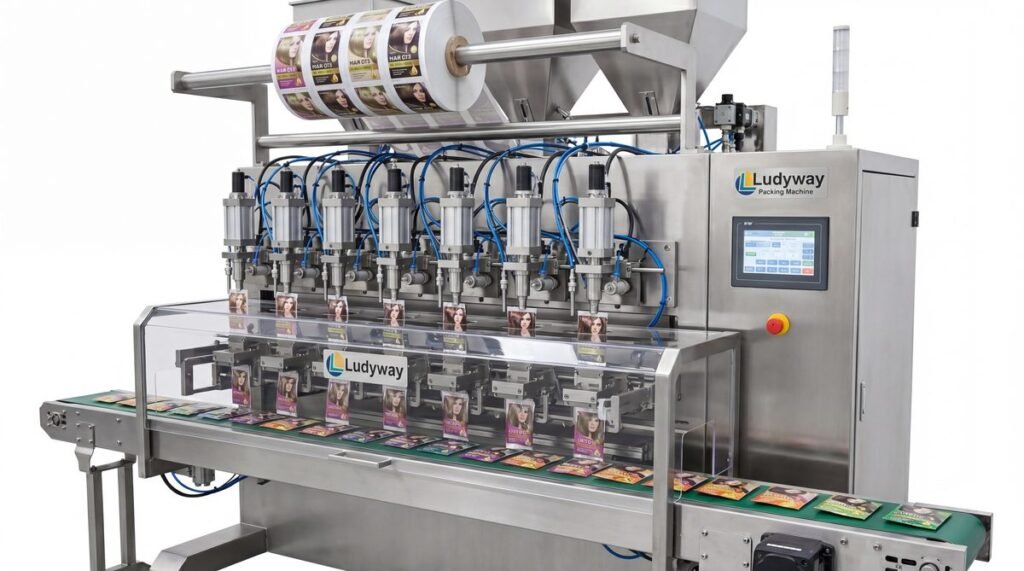
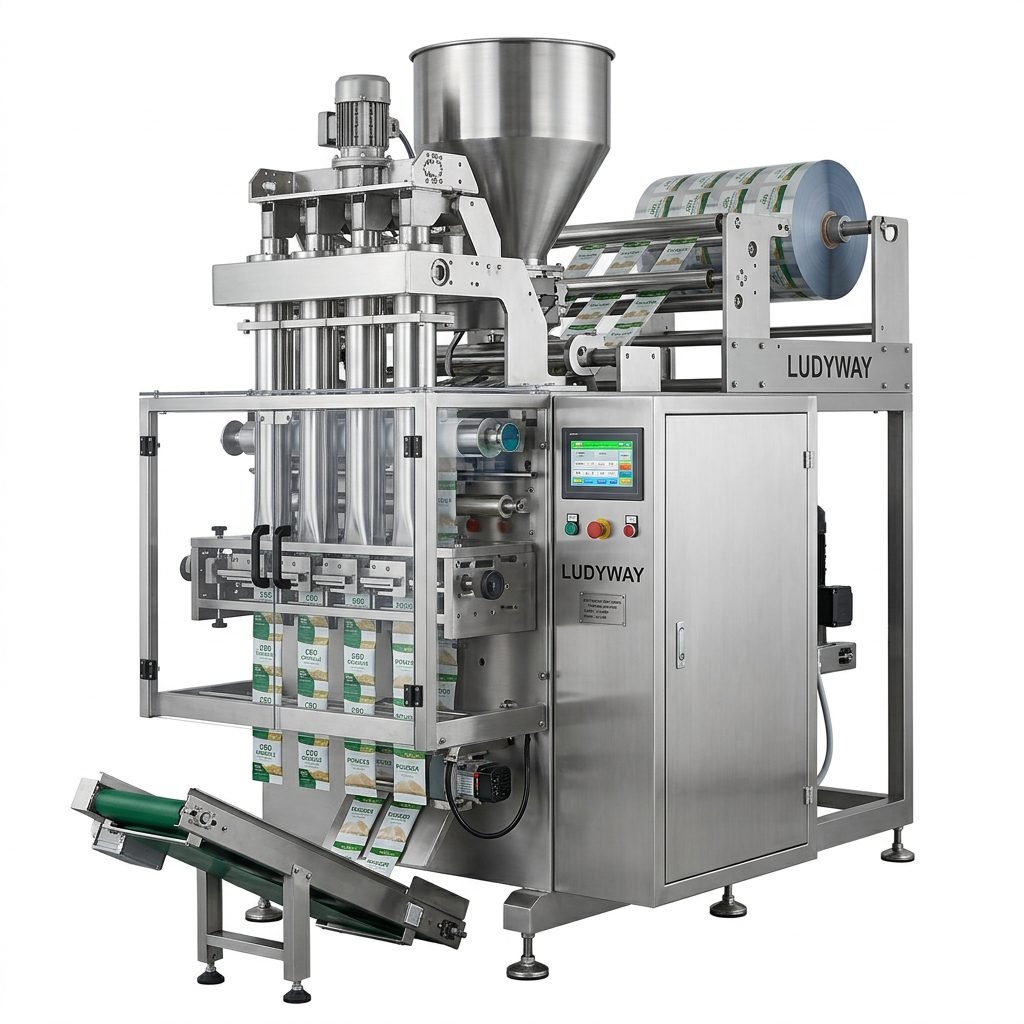
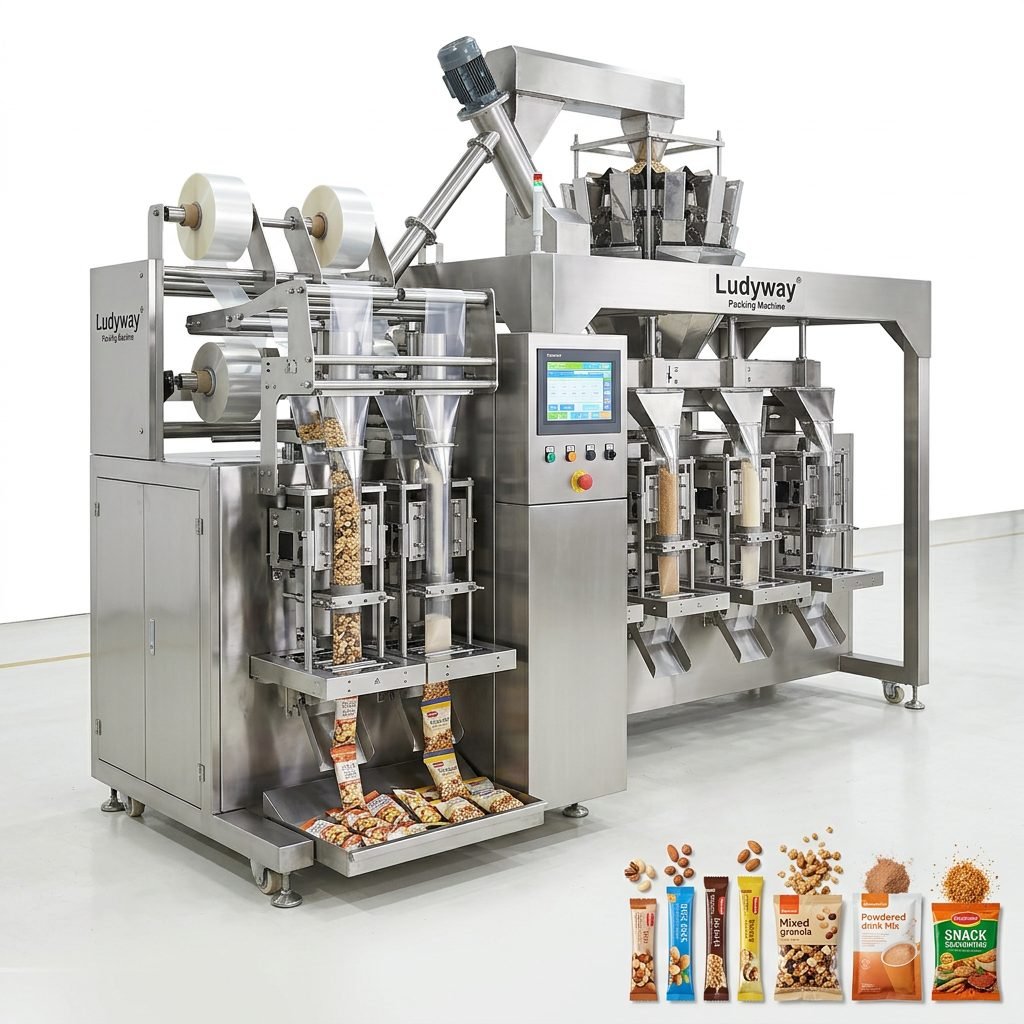
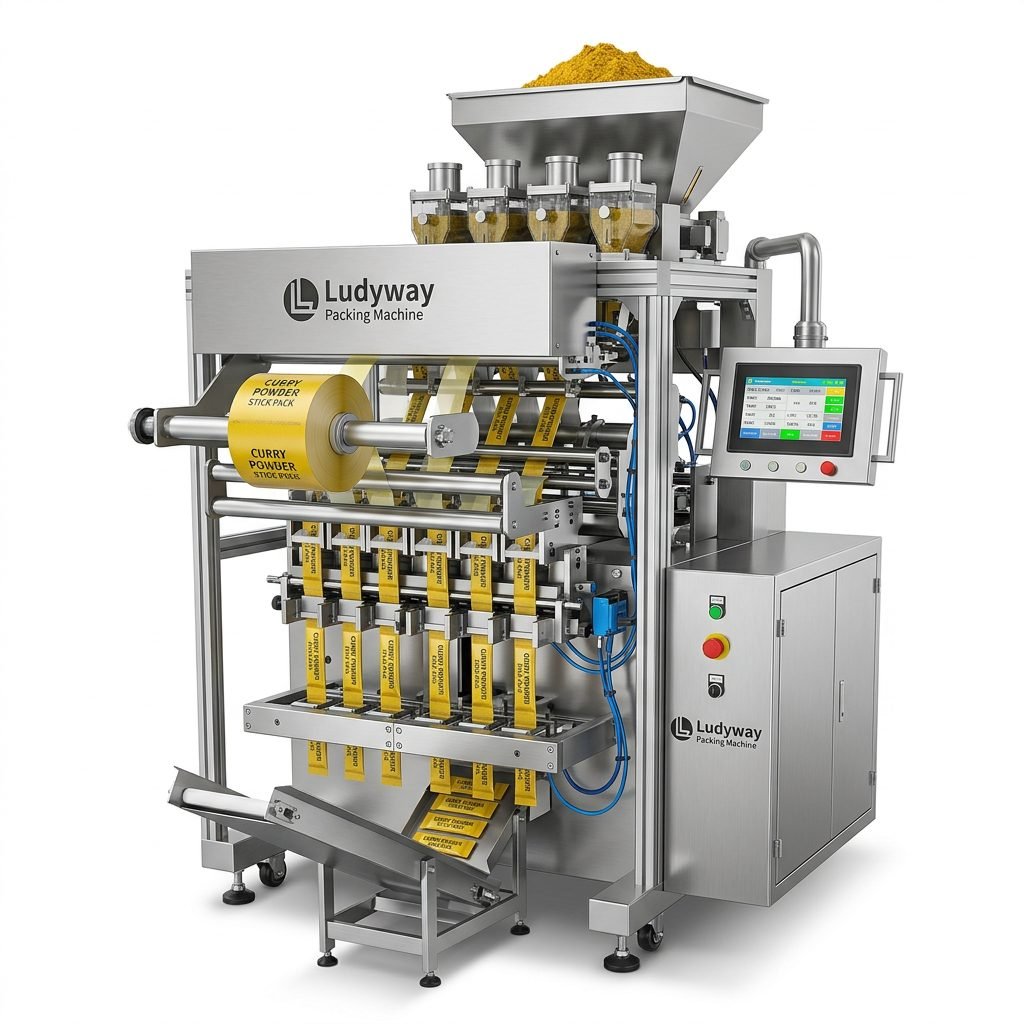
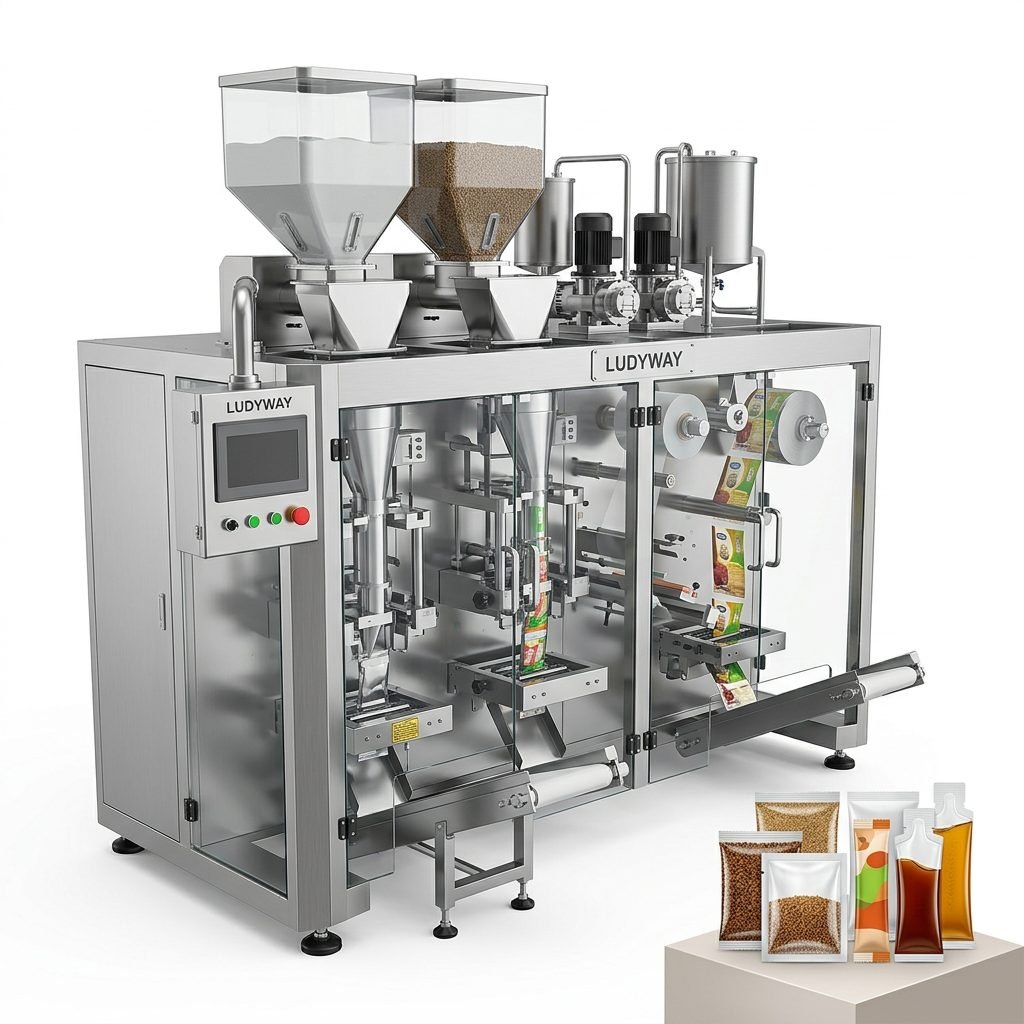
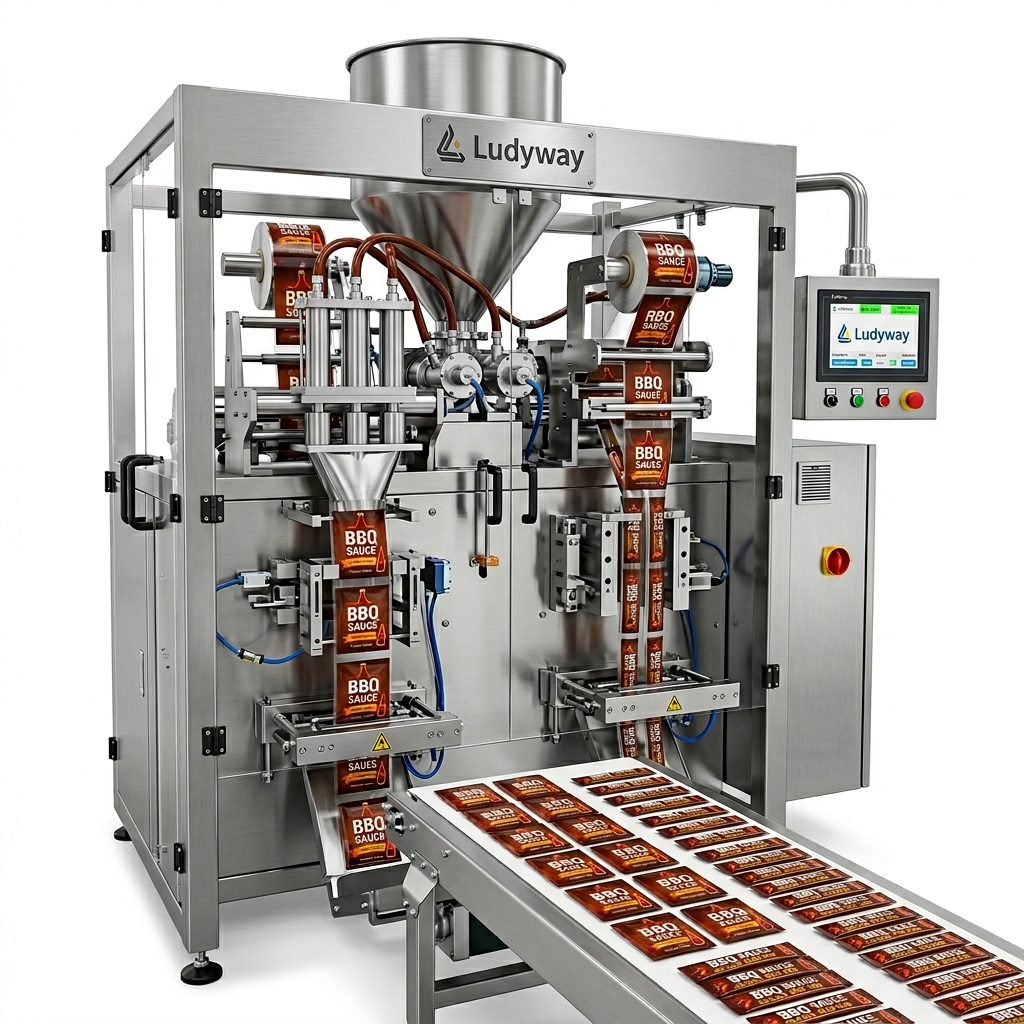
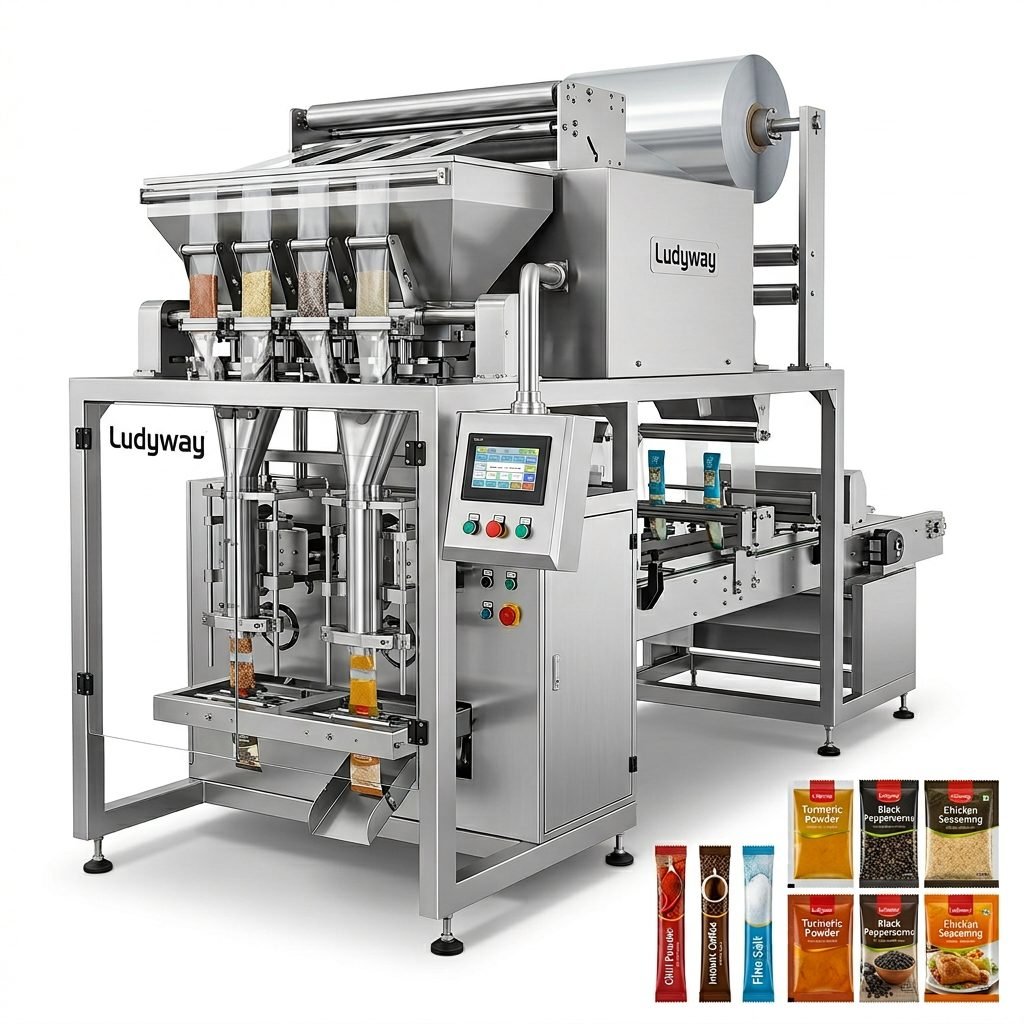
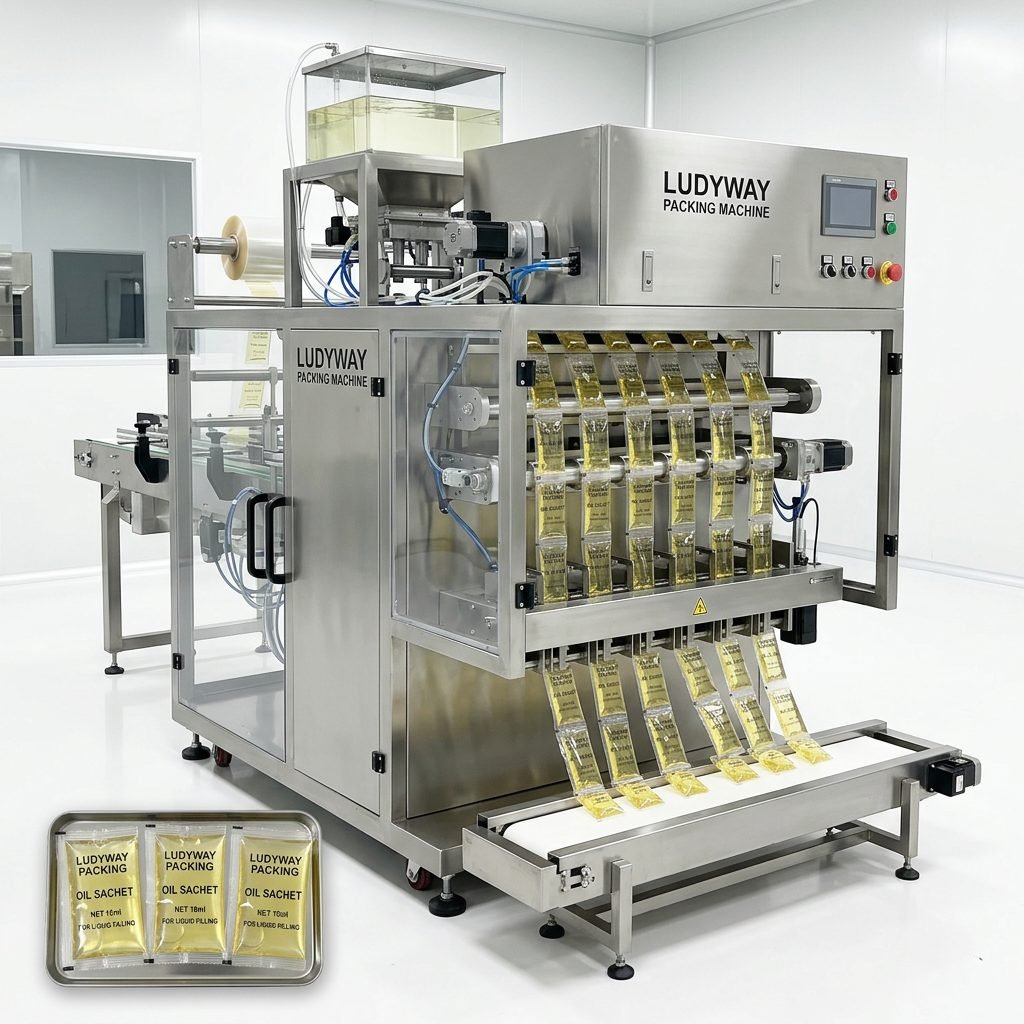
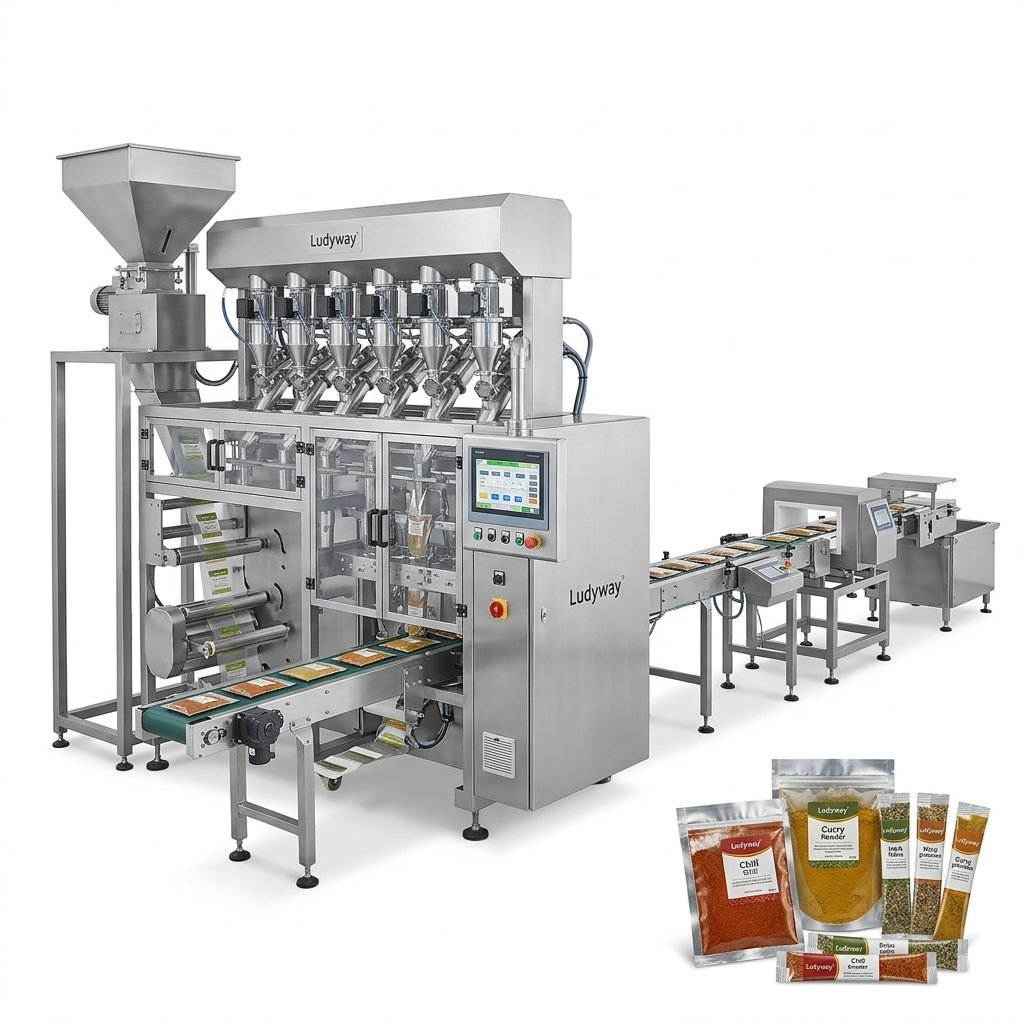
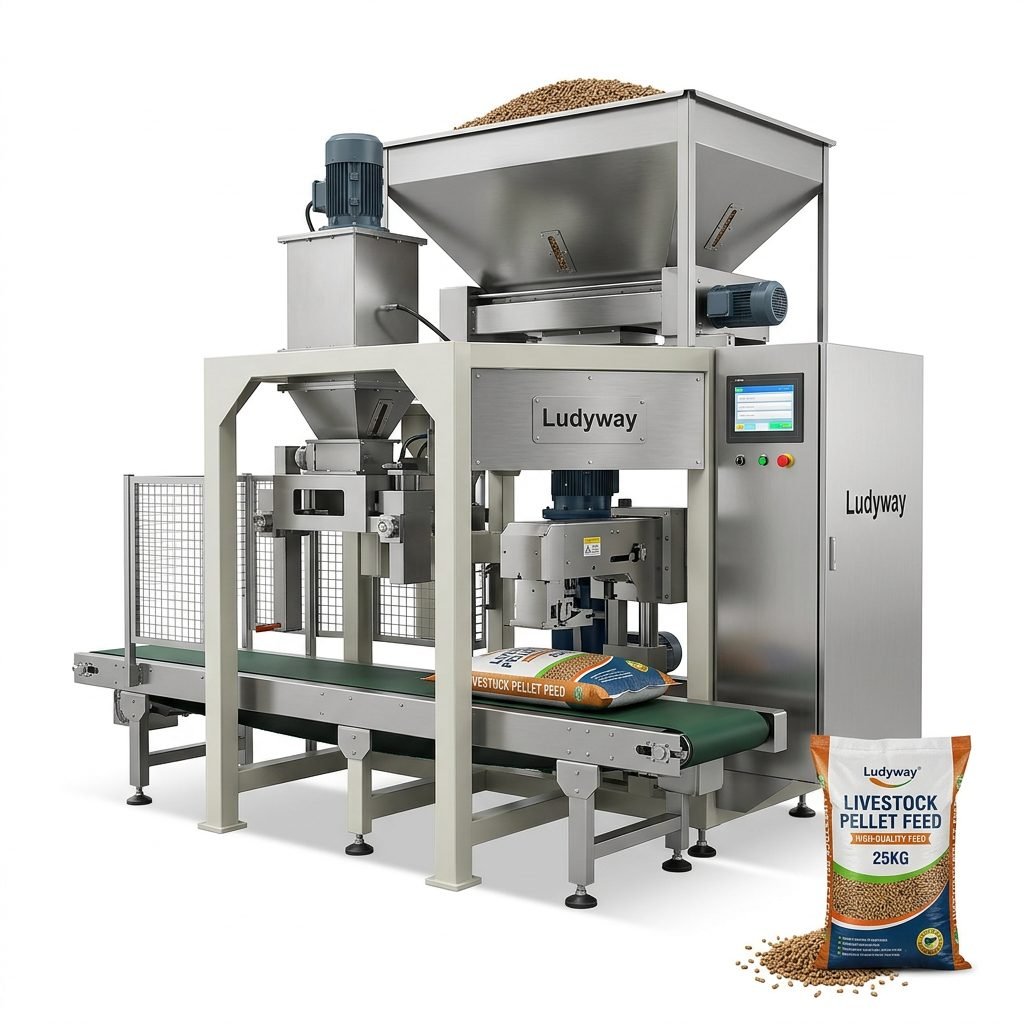
In today’s fast-paced manufacturing landscape, efficiency and consistency are paramount. For businesses packaging films, whether for food, pharmaceuticals, or industrial applications, the transition from manual to automated packaging is a critical step towards enhancing productivity. An automatic film packaging machine streamlines the entire process, from feeding the film material to sealing and cutting the final product. This guide delves into the types, working principles, benefits, and essential buying tips for these sophisticated machines.
Understanding the Different Types of Automatic Film Packaging Machines
The market offers a variety of automatic film packaging machines, each designed for specific applications and output requirements. Choosing the right type is fundamental to meeting your production goals.
Vertical Form-Fill-Seal (VFFS) Machines
These are among the most common types. The film is fed from a roll vertically, formed into a tube around the product filling point, filled, and then sealed and cut. They are exceptionally versatile and ideal for packaging powders, granules, and small solid items into bags or pouches.
Key Feature: High flexibility in bag size and shape configuration, suitable for rapid product changeovers.
Horizontal Form-Fill-Seal (HFFS) Machines
In HFFS machines, the film moves horizontally. They are typically used for wrapping individual products like bars, biscuits, or trays. The film is formed around the product, sealed on the sides and ends, and then cut. This type is excellent for creating neat, presentation-oriented packages.
Flow-Wrap Machines
Also known as horizontal wrapper machines, flow-wrappers are designed for high-speed continuous wrapping of products. The product is pushed into a pre-formed film tube, which is then sealed and cut. They are perfect for packaging elongated items like candy bars, snack bars, or single-serving film packets at very high speeds.
Best For: High-volume production lines where speed and continuous operation are the top priorities.
Shrink Film Packaging Machines
These machines use a shrink film that tightens around the product after heat is applied. They often involve a sealing stage to create a loose pouch or sleeve, followed by a heat tunnel for shrinking. This method provides a tight, tamper-evident, and aesthetically pleasing finish, commonly used for multi-packs or bundling.
The Core Working Principle: How Automation Transforms Packaging
At its heart, an automatic film packaging machine integrates several sequential processes into one seamless operation. Understanding this workflow highlights the engineering behind the efficiency.
Step 1: Film Feeding and Forming
The machine draws the packaging film from a large roll. Depending on the machine type (vertical or horizontal), the film is then precisely guided and formed into the desired shape—a tube for VFFS or a flat web for HFFS.
Step 2: Product Feeding and Filling
Products are fed into the forming film via an integrated system, such as a volumetric filler, auger filler for powders, or a simple conveyor for solid items. Precision here ensures consistent fill weight and reduces waste.
➤ Critical Point: The synchronization between film forming and product feeding is vital for maintaining cycle time and preventing jams.
Step 3: Sealing
This stage creates the sealed package. Machines employ heat sealing (most common), ultrasonic sealing, or cold sealing techniques. The sealing jaws or bars apply precise pressure and temperature to create strong, hermetic seals along the package edges.
Step 4: Cutting and Discharge
Finally, the continuous sealed film web is cut into individual packages using rotary cutters or knives. The finished packages are then discharged onto a conveyor belt for collection, boxing, or further processing.
Automation Control: The entire process is governed by a PLC (Programmable Logic Controller) and HMI (Human-Machine Interface), allowing operators to set parameters like film speed, seal temperature, and cut length with ease.
Significant Benefits of Implementing Automatic Film Packaging
Investing in an automatic film packaging machine brings transformative advantages to your production line, impacting both operational metrics and business outcomes.
Unmatched Speed and Increased Productivity
Automation drastically outpaces manual packaging. Machines can consistently produce hundreds, even thousands, of packages per hour, enabling you to scale output and meet large order demands without expanding your labor force.
Enhanced Consistency and Product Quality
Every package is identical. Machines ensure precise fill weights, uniform seal strength, and consistent package dimensions. This uniformity reduces customer complaints, improves brand reputation, and is often essential for compliance in regulated industries like pharmaceuticals.
Reduced Operational Costs and Material Waste
While the initial investment is significant, the long-term savings are compelling. Reduced labor costs, lower film waste due to precise control, and minimized product giveaway from accurate filling contribute to a healthier bottom line.
➤ Economic Impact: The reduction in waste alone can lead to substantial annual savings, especially when using expensive barrier films.
Improved Workplace Safety and Hygiene
Automating repetitive tasks minimizes physical strain and injury risks for workers. In food and pharmaceutical settings, reduced human contact with the product and packaging material also enhances hygiene and contamination control.
Flexibility and Adaptability
Modern machines are not monolithic. Many allow quick changeovers for different package sizes or films. Advanced models with servo-drives can store countless recipes, making them adaptable to diverse product lines and seasonal changes.
Essential Buying Tips for Your Automatic Film Packaging Machine
Selecting the right machine is a strategic decision. Here are key factors to consider to ensure your investment delivers maximum value.
1. Clearly Define Your Production Requirements
Start with a detailed analysis of your needs: the type of film you use (polyethylene, polypropylene, etc.), the required packaging speed (packages/hour), your product’s characteristics (powder, granule, solid), and the desired package size range. This is your foundational checklist.
2. Prioritize Machine Quality and Construction
Evaluate the build quality. Robust frames, stainless steel contact parts for hygiene, and high-precision components ensure durability, stability, and long-term accuracy. A well-built machine withstands high-speed operation and reduces maintenance downtime. For insights into reliable engineering, you can explore the approach of established providers like Ludyway Machinery, known for integrating robust manufacturing into their solutions.
3. Assess the Level of Automation and Control
Consider the control system’s sophistication. A user-friendly PLC and touchscreen HMI simplify operation and changeovers. Features like automatic film tracking, fault detection, and production data logging can further enhance efficiency and provide valuable operational insights.
4. Evaluate Integration and Support Capabilities
Think beyond the standalone machine. Can it integrate seamlessly with your existing upstream (filling) and downstream (cartoning) equipment? Furthermore, comprehensive after-sales support—including installation, training, spare parts availability, and technical service—is crucial for smooth operation. A supplier with a strong history of international support can be a valuable partner.
Vendor Selection Tip: Look for suppliers who offer not just a machine, but a complete solution and demonstrate a commitment to long-term partnership through their company ethos and service structure.
5. Consider Future-Proofing and Scalability
Your business will grow and evolve. Choose a machine that offers some scalability, perhaps through modular add-ons or the capability to handle a wider range of films or speeds than your current immediate need. This foresight protects your investment against future changes.
Conclusion
An automatic film packaging machine is more than just a piece of equipment; it is a strategic asset that drives productivity, quality, and cost-efficiency. By thoroughly understanding the different types, the integrated working principle, and the tangible benefits, you can make an informed decision. Applying the practical buying tips focused on your specific requirements, machine quality, and supplier support will lead you to a solution that not only meets today’s needs but also supports your growth for years to come. Embracing this automation technology is a definitive step towards a more competitive and resilient manufacturing operation.
Frequently Asked Questions (FAQs)
What is the typical production speed of an automatic film packaging machine?
Speeds vary greatly by machine type and package size. Standard vertical form-fill-seal machines can range from 30 to over 200 bags per minute. High-speed flow-wrappers for simple products can exceed 300 packages per minute. The specific speed depends on product complexity, film type, and machine configuration.
Can one machine handle different types of packaging film?
Many modern machines are designed with flexibility. However, significant changes in film material (e.g., from a polyethylene to a metallized laminate) may require adjustments to sealing temperature, pressure, or even different sealing jaws. Consult with the machine manufacturer about the film range a specific model can accommodate effectively.
How much maintenance does an automatic film packaging machine require?
Regular preventive maintenance is essential. Daily cleaning, weekly checks of seals and cutters, and periodic lubrication and calibration according to the manufacturer’s schedule are typical. Well-maintained machines have significantly longer service lives and fewer unplanned stoppages.
What safety features should I look for?
Key safety features include emergency stop buttons, protective guarding around moving parts and heating elements, interlocks that prevent operation when guards are open, and clear fault indication on the control panel. These protect operators and comply with workplace safety regulations.
Is operator training provided by the supplier?
Reputable suppliers almost always provide comprehensive training. This should cover machine operation, basic programming for changeovers, routine maintenance procedures, and troubleshooting common faults. Ensure training is included in your purchase agreement for a smooth startup.