In the fast-paced world of food production and retail, maintaining freshness and extending shelf life are paramount. For processors of fresh meat, poultry, seafood, and ready-to-eat meals, the choice of packaging technology directly impacts product quality, safety, and marketability. Among the most effective solutions available today is the food tray skin packaging machine, a specialized system designed for vacuum skin sealing. This ultimate guide explores how this technology revolutionizes the packaging of fresh meat and ready meals, ensuring they reach consumers in optimal condition.
What is a Food Tray Skin Packaging Machine?
A food tray skin packaging machine is an advanced type of thermoforming packaging equipment. It creates a vacuum-tight seal by draping a heated top film over a product placed on a pre-formed tray or board. The film conforms precisely to the product’s contours, eliminating all air before sealing to the tray’s flange. This process, known as vacuum skin packaging (VSP), results in a second-skin-like package that locks in freshness and provides superior presentation.
Core Mechanism: The Vacuum Skin Sealing Process
The operation is a precise sequence: First, the product is loaded onto a tray. A top web film is then heated until pliable. A vacuum is drawn in the chamber, pulling the softened film down over the product and tray. Finally, the film is sealed to the tray’s perimeter, and the finished package is cooled and released. This method removes nearly 100% of the oxygen, which is the primary cause of spoilage and oxidation.
Why Vacuum Skin Packaging is the Ultimate Choice for Fresh Meat
For fresh meat—beef, pork, lamb, and poultry—packaging is a critical barrier against quality degradation. Traditional methods like overwrapping or modified atmosphere packaging (MAP) have limitations. Vacuum skin packaging addresses these head-on.
▶ Superior Product Protection & Shelf Life Extension: By removing oxygen, VSP dramatically slows down the growth of aerobic bacteria and prevents oxidation (which causes meat to turn brown). This can extend the shelf life of fresh meat by 2-3 times compared to overwrapped trays, reducing waste and expanding distribution reach.
▶ Enhanced Product Presentation & “Butcher-Shop” Appeal: The skin-tight film minimizes unsightly purge (meat juices) accumulation. The product appears fresher, with its natural color and texture prominently displayed, appealing directly to consumer preferences for high-quality, fresh-looking meat. This visual appeal is crucial in competitive retail environments.
▶ Reduced Leakage & Improved Hygiene: The hermetic seal prevents leaks in transit, keeping display cases clean and improving food safety by creating a reliable barrier against external contaminants.
Benefits for Ready Meals and Prepared Foods
The advantages extend perfectly to the booming ready-meals sector, including cooked meats, pasta dishes, salads, and gourmet entrees.
- Extended Freshness for Chilled Meals: VSP is ideal for refrigerated, fresh-ready meals that require a true “fresh” label, preserving flavor and texture without the need for excessive preservatives.
- Locked-in Flavor and Moisture: The tight seal prevents moisture loss, ensuring sauces remain rich and proteins like chicken or fish stay succulent during storage and reheating.
- Premium, Leak-Proof Packaging: For saucy or juicy meals, the skin package is virtually leak-proof, a significant advantage over lidded trays during handling and microwave reheating by the consumer.
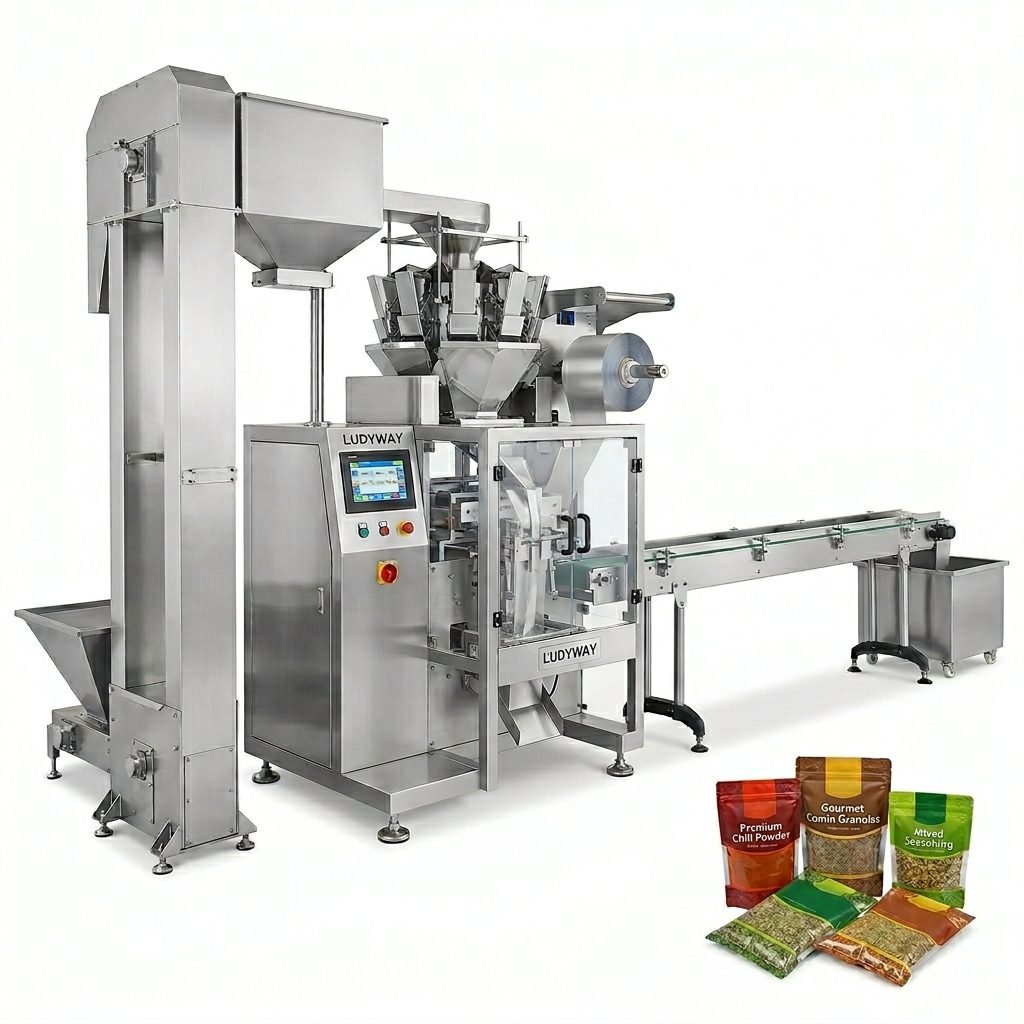
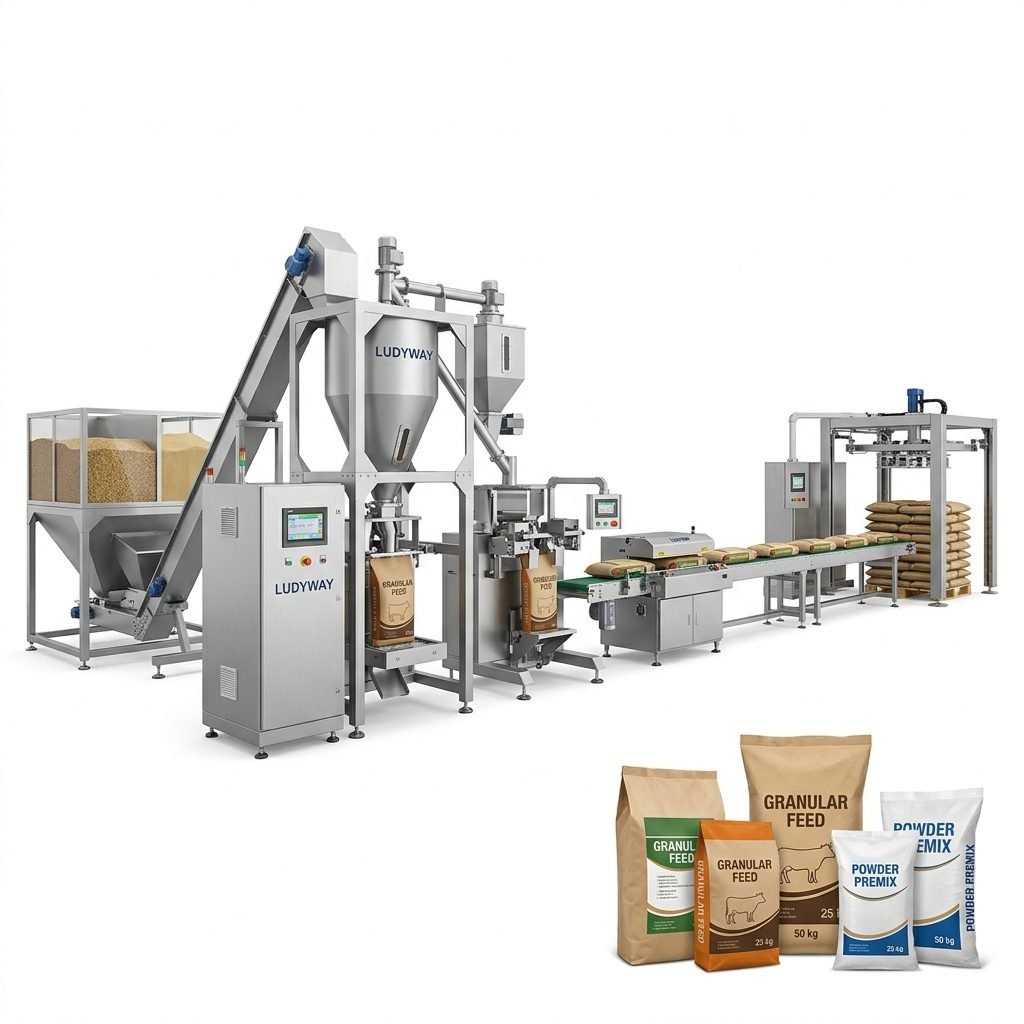
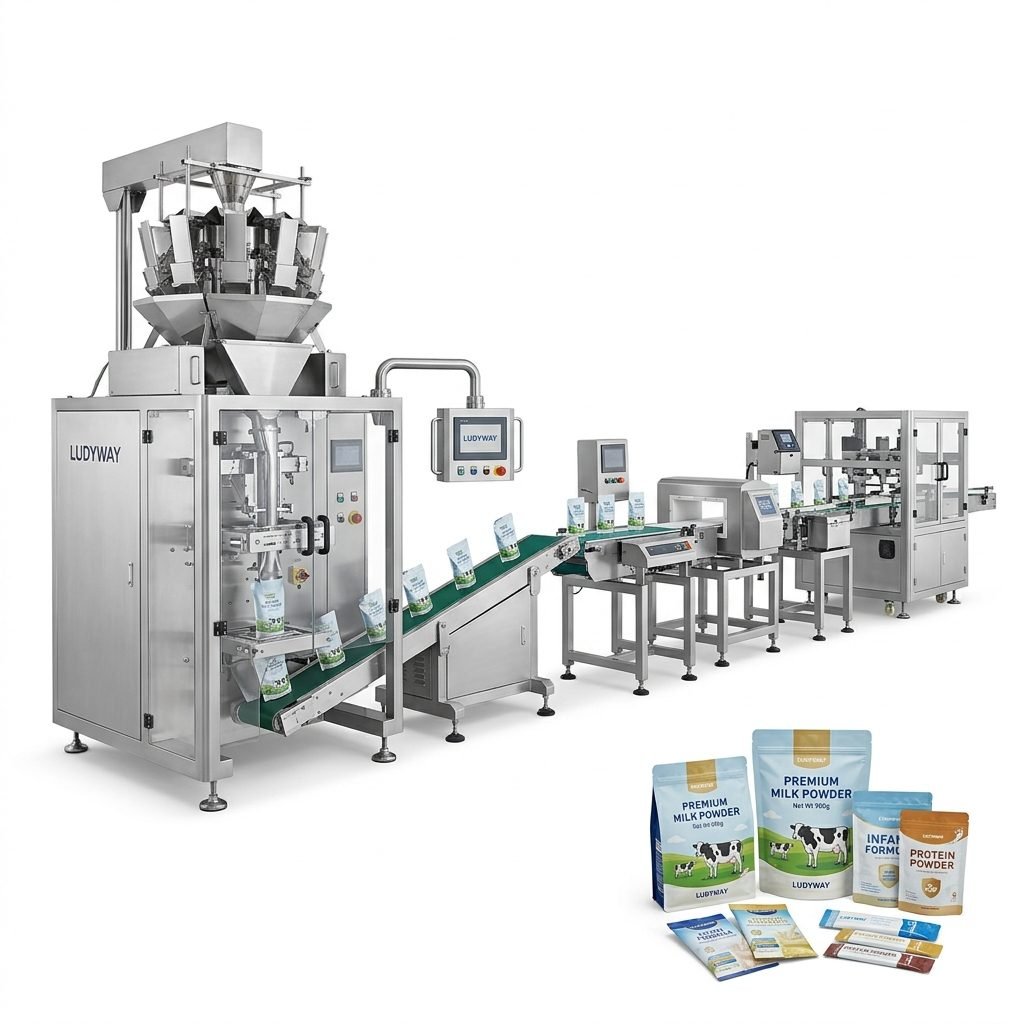
- Improved Production Efficiency: Modern skin packaging machines, like those offered by industry leaders in automated packaging solutions, can be integrated into high-speed lines, handling various tray sizes and product types with quick changeovers.
Key Features of Modern Skin Packaging Machines
Investing in the right equipment is crucial. Leading manufacturers design machines with specific features to meet industry demands for efficiency, flexibility, and reliability.
Advanced Technology for Optimal Results
Precise Temperature Control: Consistent heating of the top film is essential for a wrinkle-free, strong seal without burning. Advanced machines offer multi-zone heating for uniform results.
High-Efficiency Vacuum Systems: Powerful and rapid vacuum pumps ensure complete air evacuation for maximum shelf-life extension.
User-Friendly HMI Controls: Intuitive touchscreen interfaces allow for easy recipe storage, parameter adjustment, and monitoring of production data.
Robust Hygiene Design: Constructed with food-grade stainless steel and designed for easy cleaning and maintenance to meet strict food safety standards (e.g., HACCP, FDA).
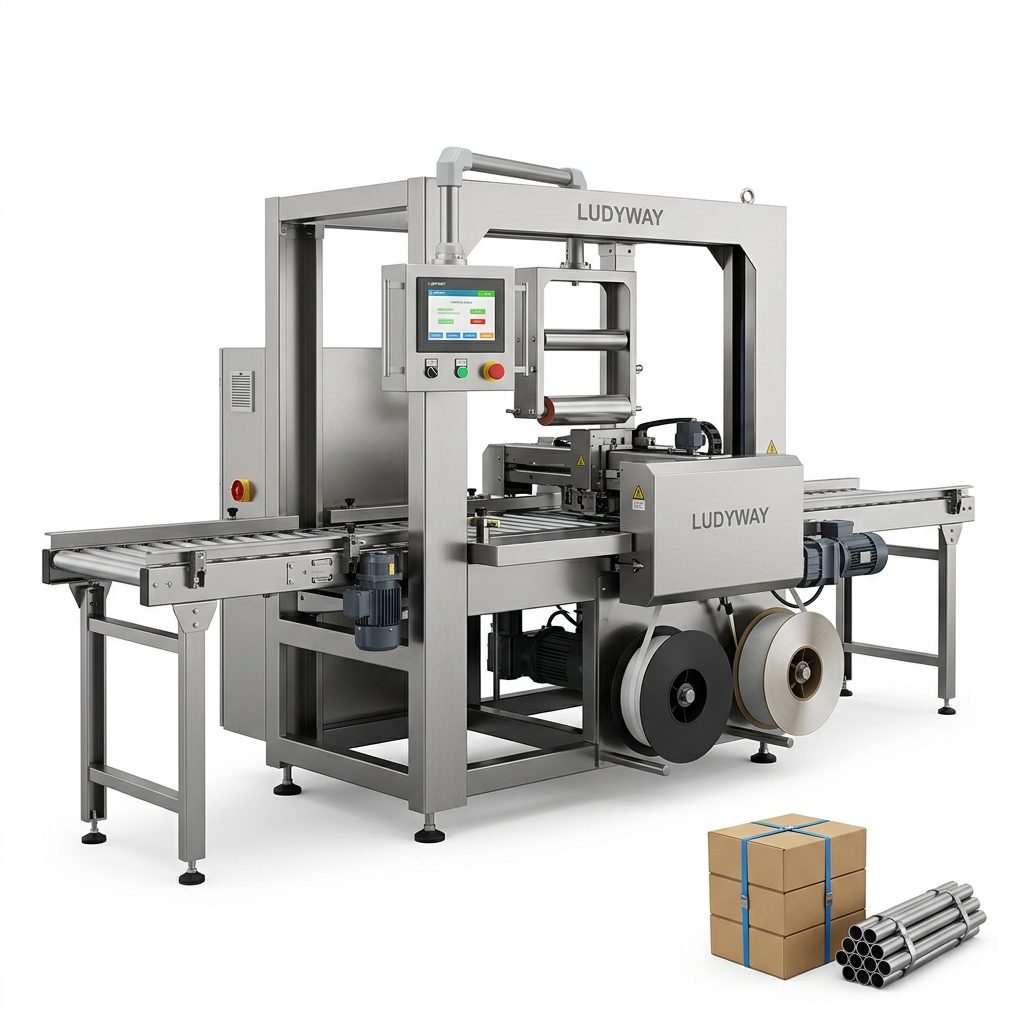
For businesses looking to scale, exploring complete turnkey packaging line solutions that integrate skin packers with tray denesters, conveyors, and labeling systems can maximize throughput and ROI.
Selecting the Right Machine for Your Operation
Choosing a skin packaging machine depends on several factors:
Production Volume & Speed: Determine your required output (packages per minute). Machines range from semi-automatic models for smaller operations to fully automatic, high-speed rotary or in-line systems for large-scale production.
Product and Tray Specifications: Consider the size range, depth, and material of your trays (APET, CPET, paperboard) as well as the height and profile of your products.
Film Type and Cost: The barrier properties of the top film (e.g., multi-layer barrier films) will affect shelf life. Work with a supplier who can guide you on the optimal film for your product and budget.
After-Sales Support & Service: Partner with a reputable provider known for reliable packaging machinery and technical support, ensuring minimal downtime and access to spare parts.
Industry Applications Beyond Meat and Meals
While ideal for meat and ready meals, vacuum skin packaging is versatile. It’s excellently suited for:
- Cheese: Blocks, slices, and shredded cheese benefit from mold prevention and moisture retention.
- Seafood: Fresh fish fillets and smoked salmon are protected from oxidation and drying out.
- Processed Meats: Sliced deli meats, sausages, and pâtés.
- Specialty Produce: Pre-cut vegetables and fruit trays where freshness is critical.
Conclusion: A Strategic Investment in Food Quality
The food tray skin packaging machine represents a significant technological leap in food preservation. For producers of fresh meat and ready meals, it is not just a packaging step but a strategic tool for enhancing product quality, safety, and visual appeal. By adopting vacuum skin sealing technology, manufacturers can deliver superior products that meet modern consumer expectations for freshness and convenience while achieving operational efficiencies and reducing food waste. As the demand for high-quality, fresh-prepared foods continues to grow, this packaging method stands out as a future-proof solution for ambitious food brands.
Frequently Asked Questions (FAQs)
How much longer does vacuum skin packaging extend shelf life compared to traditional trays?
Vacuum skin packaging can typically extend the shelf life of fresh red meat by 5 to 10 additional days under proper refrigeration compared to overwrapped PVC trays. For ready meals, the extension varies but is significant, often doubling or tripling the freshness window by eliminating oxygen.
Can skin packaging machines handle different tray shapes and sizes?
Yes, modern automatic machines are designed for flexibility. They often feature adjustable sealing frames and programmable settings, allowing for relatively quick changeovers between different tray dimensions and profiles, which is essential for producing a diverse product range.
Is the top film used in skin packaging recyclable?
This depends on the film material. While traditional multi-layer barrier films can be challenging to recycle in standard streams, the industry is moving towards mono-material and more sustainable film structures that maintain barrier properties while improving recyclability. It’s important to discuss sustainable material options with your packaging supplier.
What is the main maintenance requirement for a skin packaging machine?
Regular daily cleaning of the sealing area, vacuum channels, and film transport mechanisms is crucial to prevent residue buildup and ensure consistent seal quality. Periodic maintenance, as per the manufacturer’s schedule, on vacuum pumps, heating elements, and seals is also key to long-term reliability and performance.
Are there ready meals that are NOT suitable for vacuum skin packaging?
Products that are very dry and crumbly (like some baked goods) or those with extremely sharp, hard protrusions might puncture the film. Additionally, very delicate, fresh herbs on the surface might be compressed. A product test with your specific meal is always recommended to ensure optimal results.