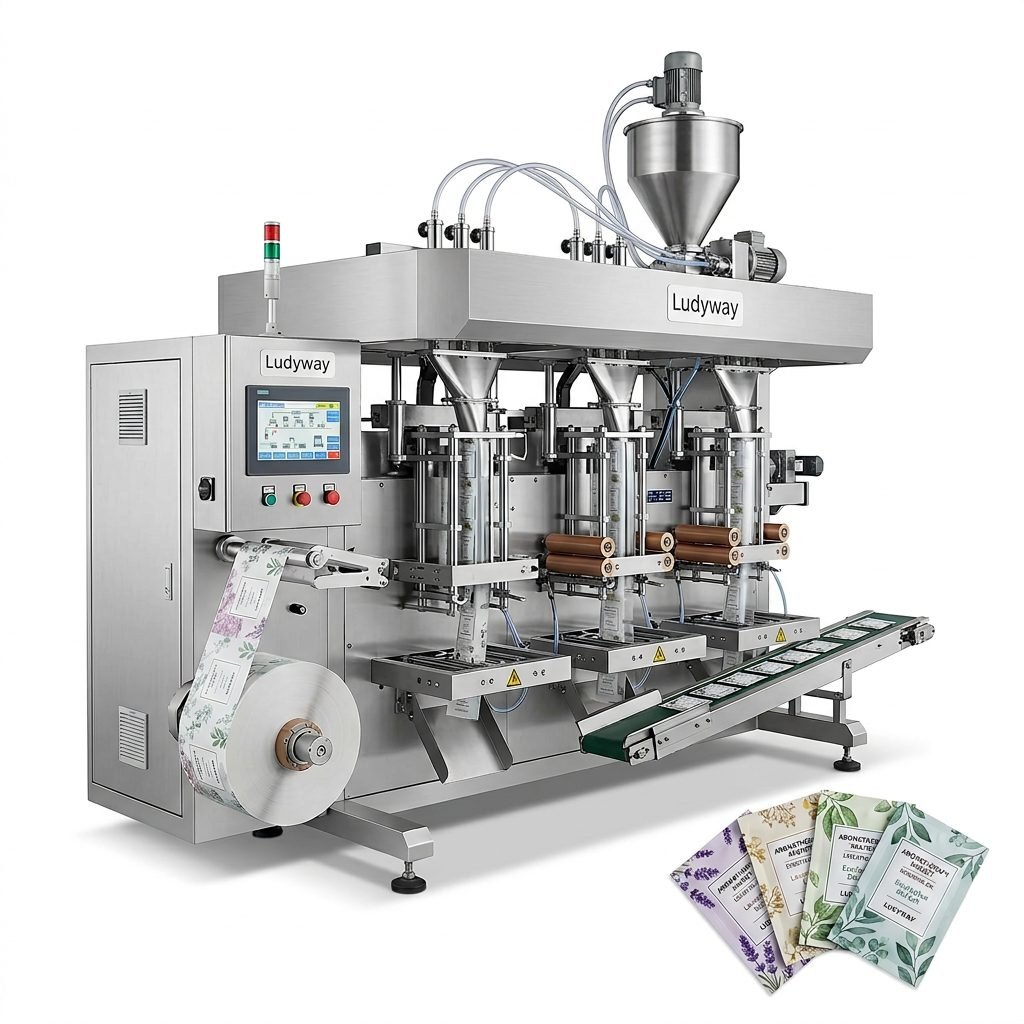
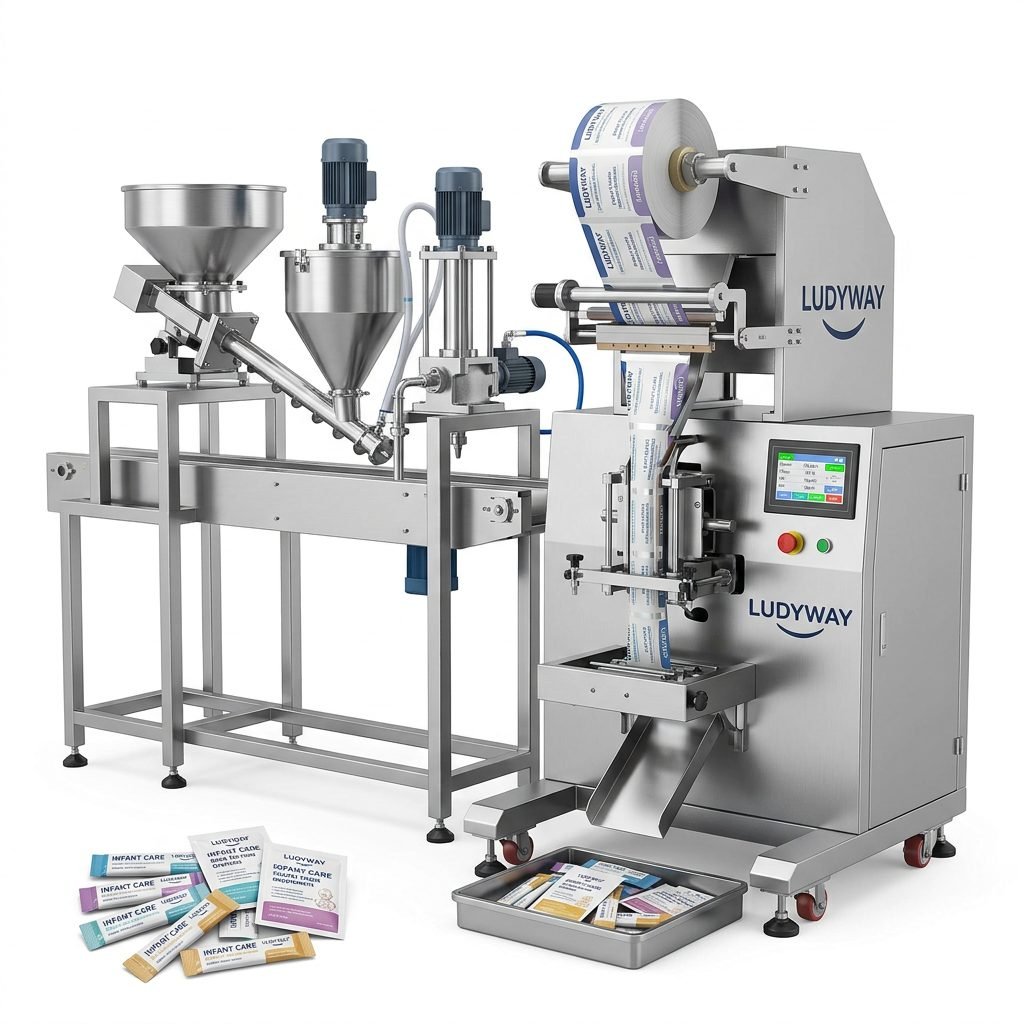
The demand for fast, consistent, and hygienic packaging has never been higher across global industries. From the food on our shelves to the retail products we use daily and the industrial components that power our world, efficient packaging is a critical link in the supply chain. This is where automatic packaging machinery steps in, transforming production lines with speed, precision, and reliability.
The Core Advantages of Automated Packaging Systems
Implementing automated packaging solutions brings transformative benefits that address the core challenges of modern manufacturing and distribution.
Key Benefits at a Glance:
Enhanced Productivity & Speed: Machines operate continuously at high speeds, drastically increasing output compared to manual labor and meeting tight deadlines.
Unmatched Consistency & Accuracy: Every package is identical in weight, fill, and seal integrity, reducing product giveaway and ensuring brand quality.
Significant Cost Reduction: Automation lowers long-term labor costs, minimizes material waste through precise dosing, and reduces losses from human error.
Improved Hygiene & Safety: In food and pharmaceutical applications, automated systems limit human contact, adhering to strict hygiene standards like GMP and HACCP.
Operational Flexibility: Modern machines can be quickly reconfigured for different package sizes, shapes, and materials, allowing for agile response to market changes.
Tailored Solutions for the Food Industry
Food packaging is one of the most demanding sectors, requiring not only speed but also absolute adherence to safety and freshness preservation standards.
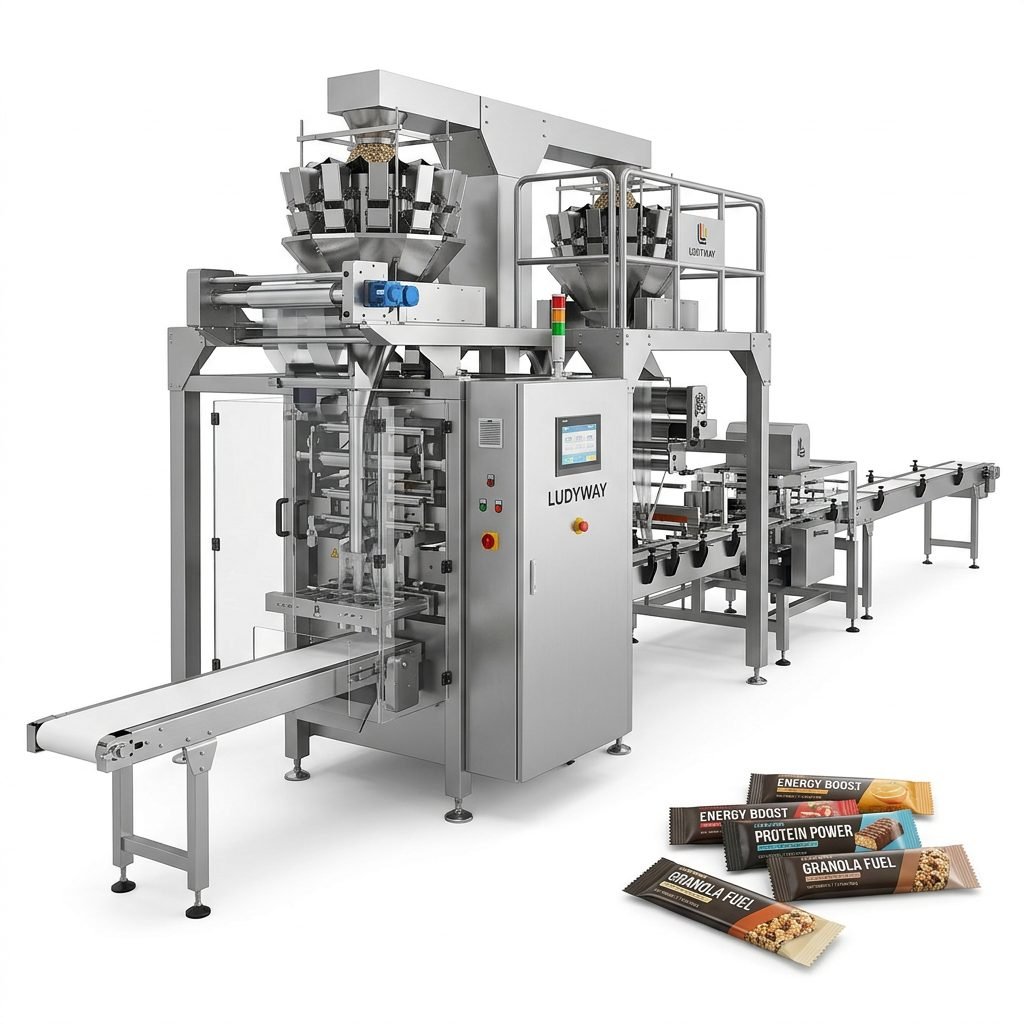
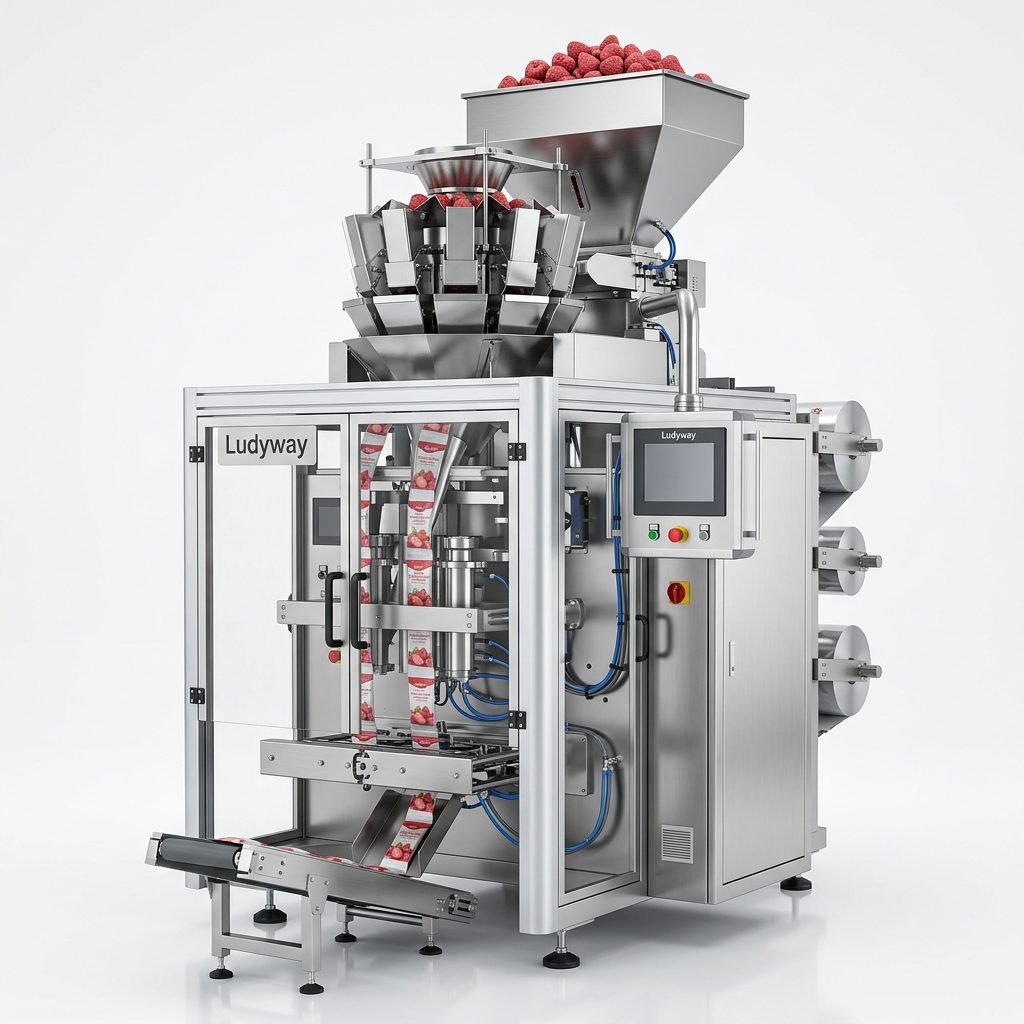
Automatic machinery for food handles a vast array of products: from granules like coffee and sugar to powders such as flour and spices, and liquids including oils and sauces. Advanced systems utilize technologies like auger fillers for precise volumetric dosing of powders, liquid pumps for viscous products, and weighers for granular items. The primary packaging formats include:
- Stand-up Pouches & Flat Bags: For snacks, frozen foods, and dried goods.
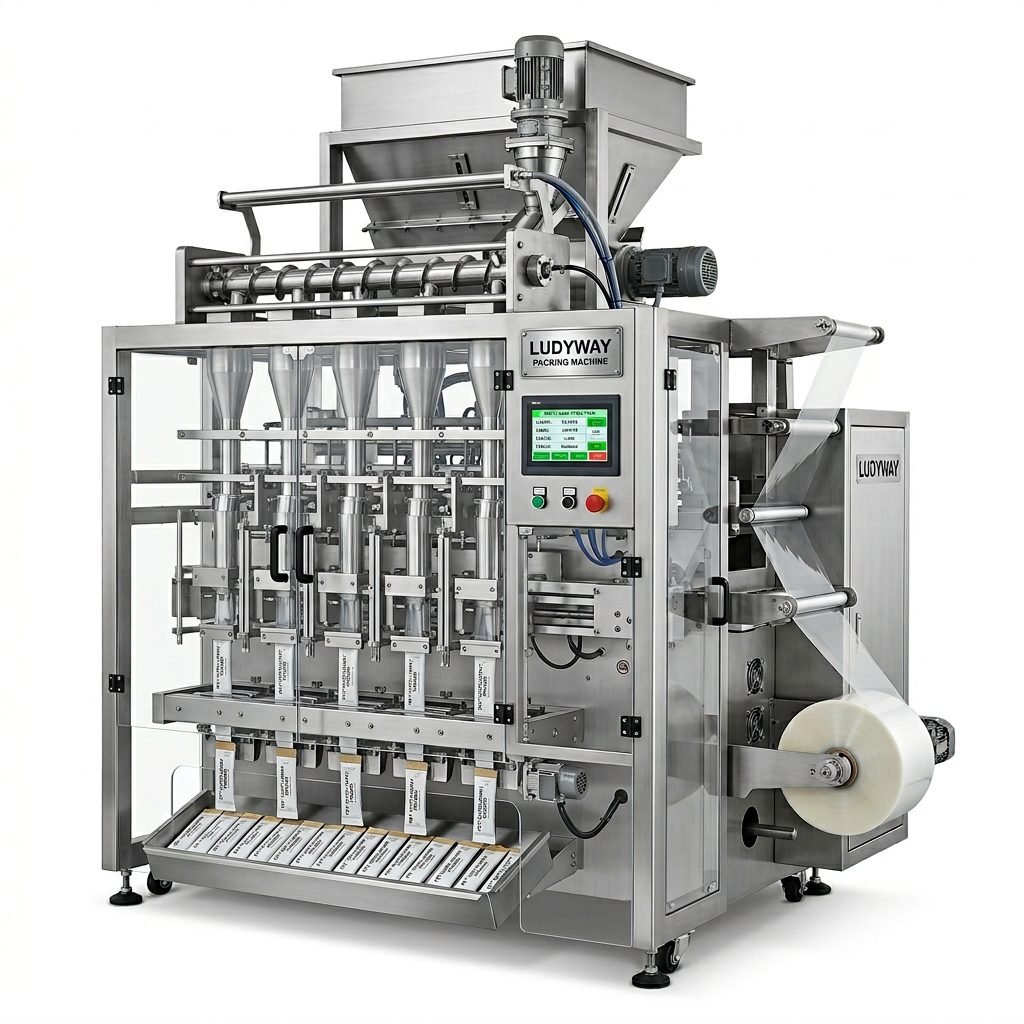
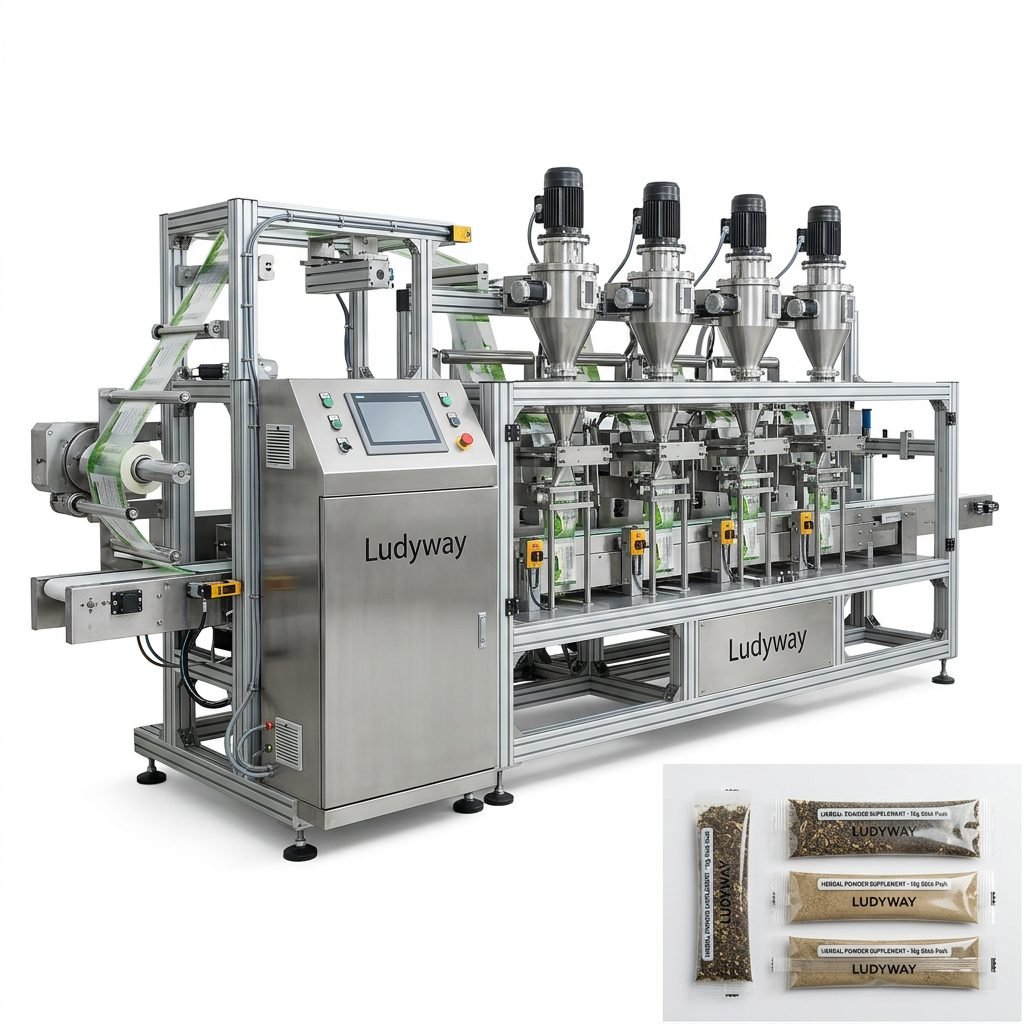
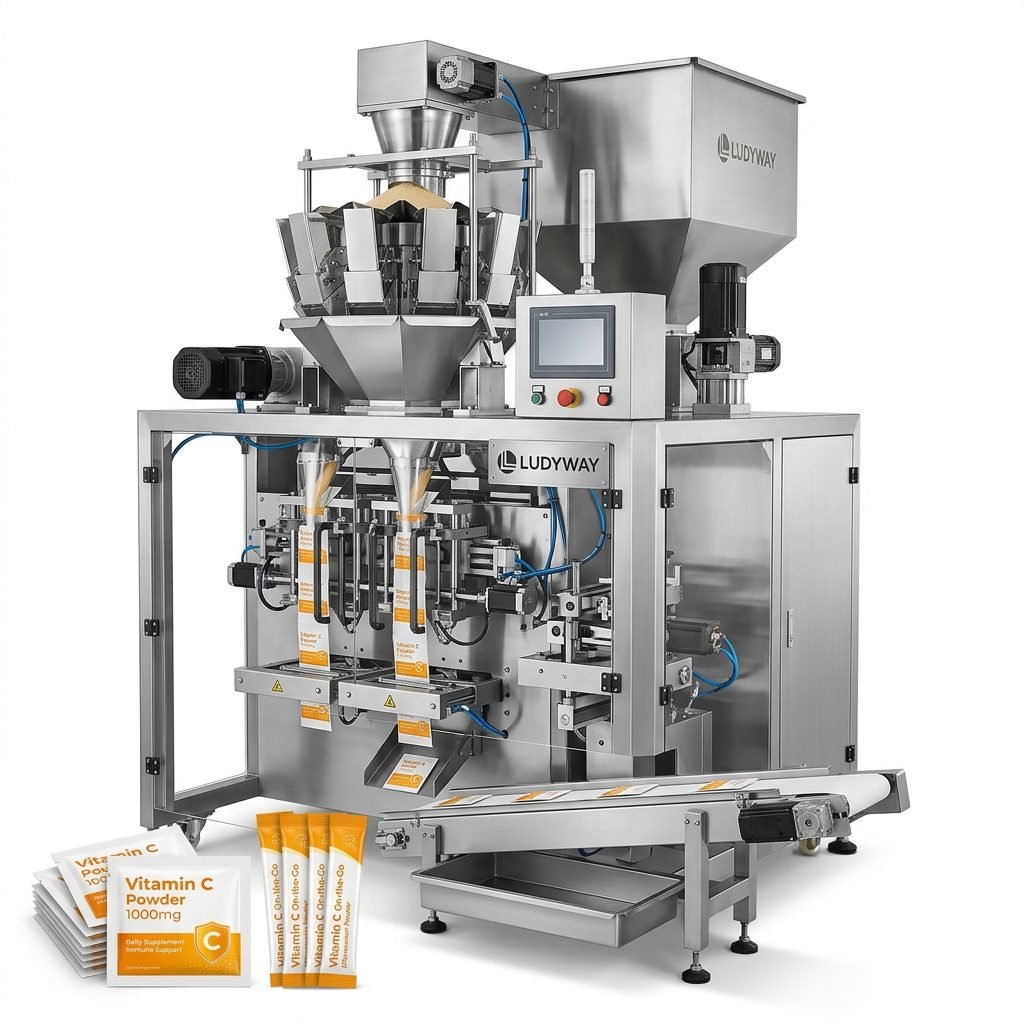
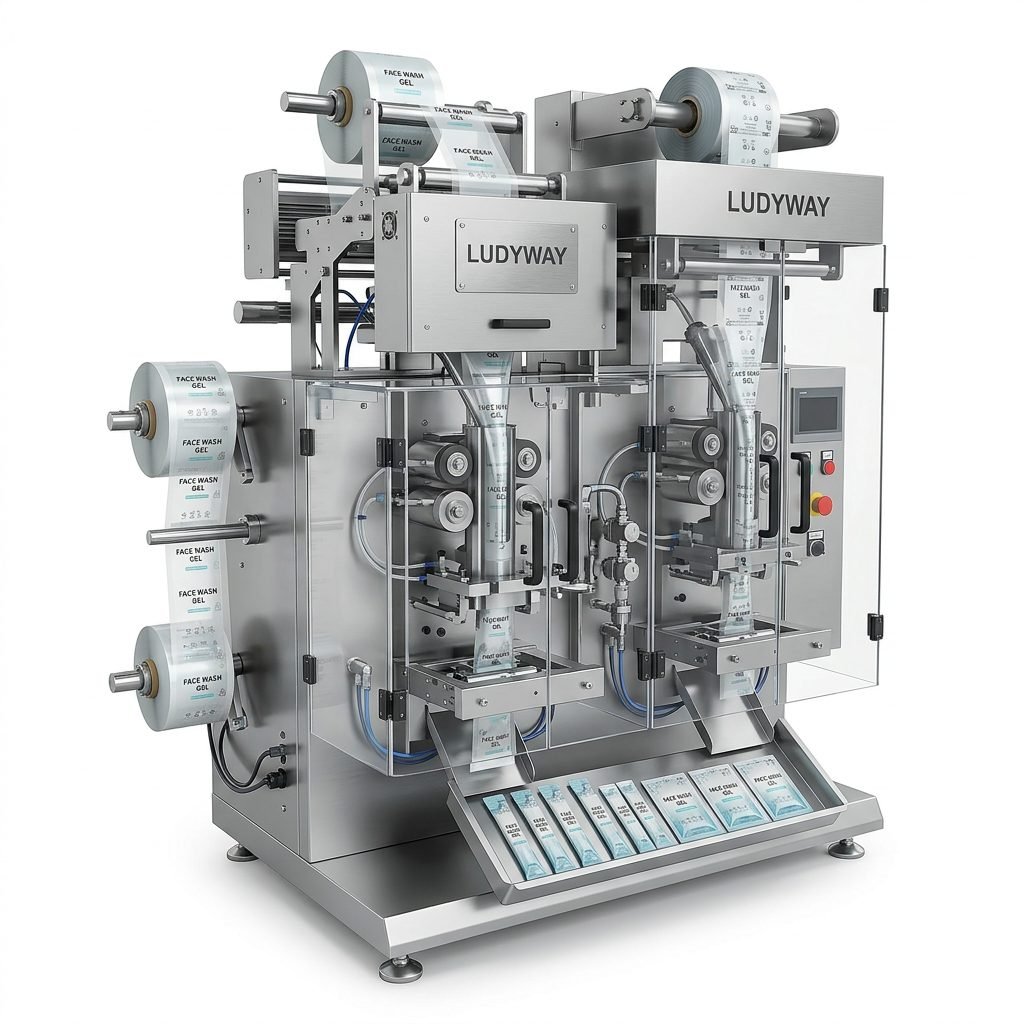
- Stick Packs & Sachets: Ideal for single-serve portions of condiments, drink mixes, or supplements.
- Pre-formed Trays & Cups: Used for ready meals, dairy products, and fresh produce.
Machines in this sector often incorporate gas flushing (Modified Atmosphere Packaging) to extend shelf life and advanced sealing systems to ensure airtight integrity. For businesses looking to implement such technology, exploring professional packaging partners with industry-specific expertise is crucial for a successful integration.
Meeting Diverse Retail Packaging Needs
The retail sector thrives on presentation, convenience, and brand differentiation. Automatic packaging machinery empowers brands to achieve these goals efficiently.
Applications span from cosmetics and personal care (shampoo sachets, cream tubes) to hardware and stationery (screws in blister packs, pens in clamshells). Key machinery types include:
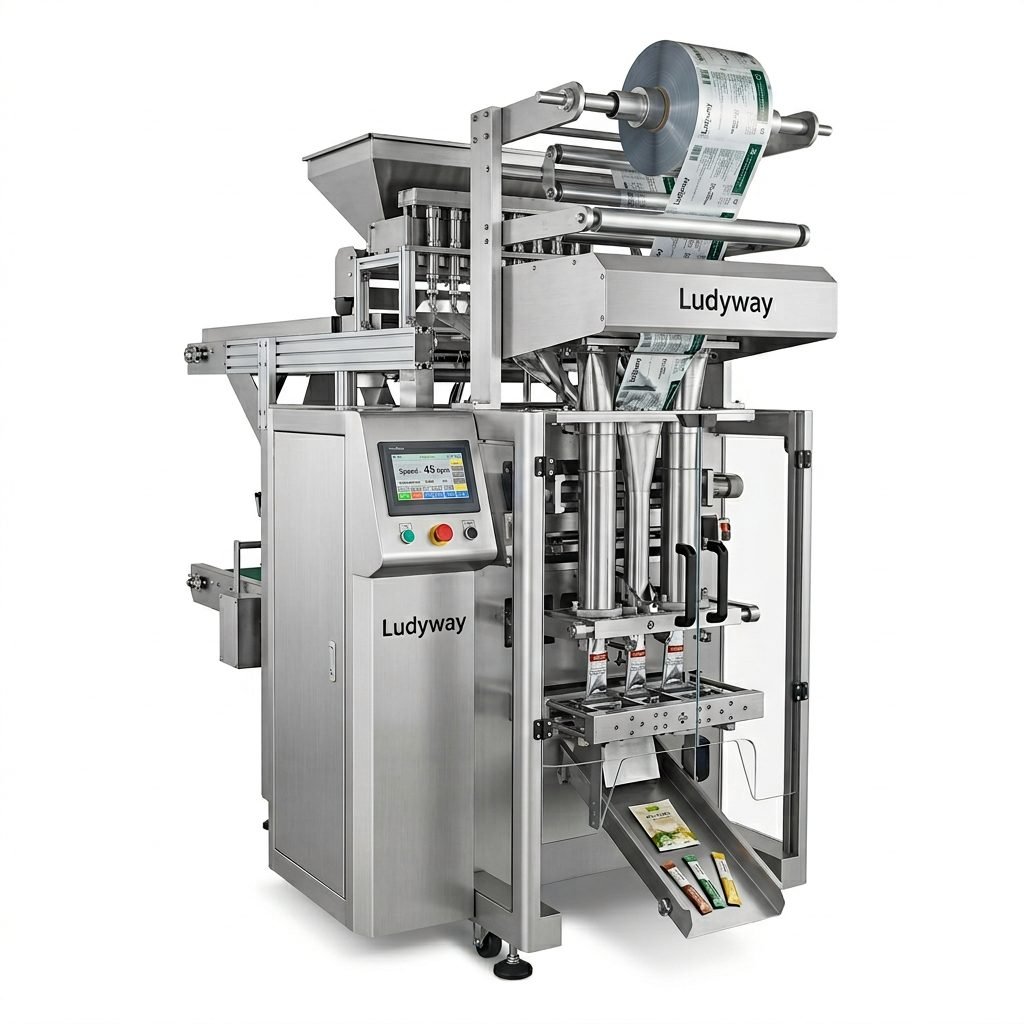
Vertical Form-Fill-Seal (VFFS) Machines: The workhorses for creating bags from a roll of film, filling them, and sealing them in one continuous motion. Perfect for a vast range of dry goods.
Horizontal Flow Wrappers: Used to wrap individual products like candy bars, soap bars, or grouped items in a sleek, secure film.
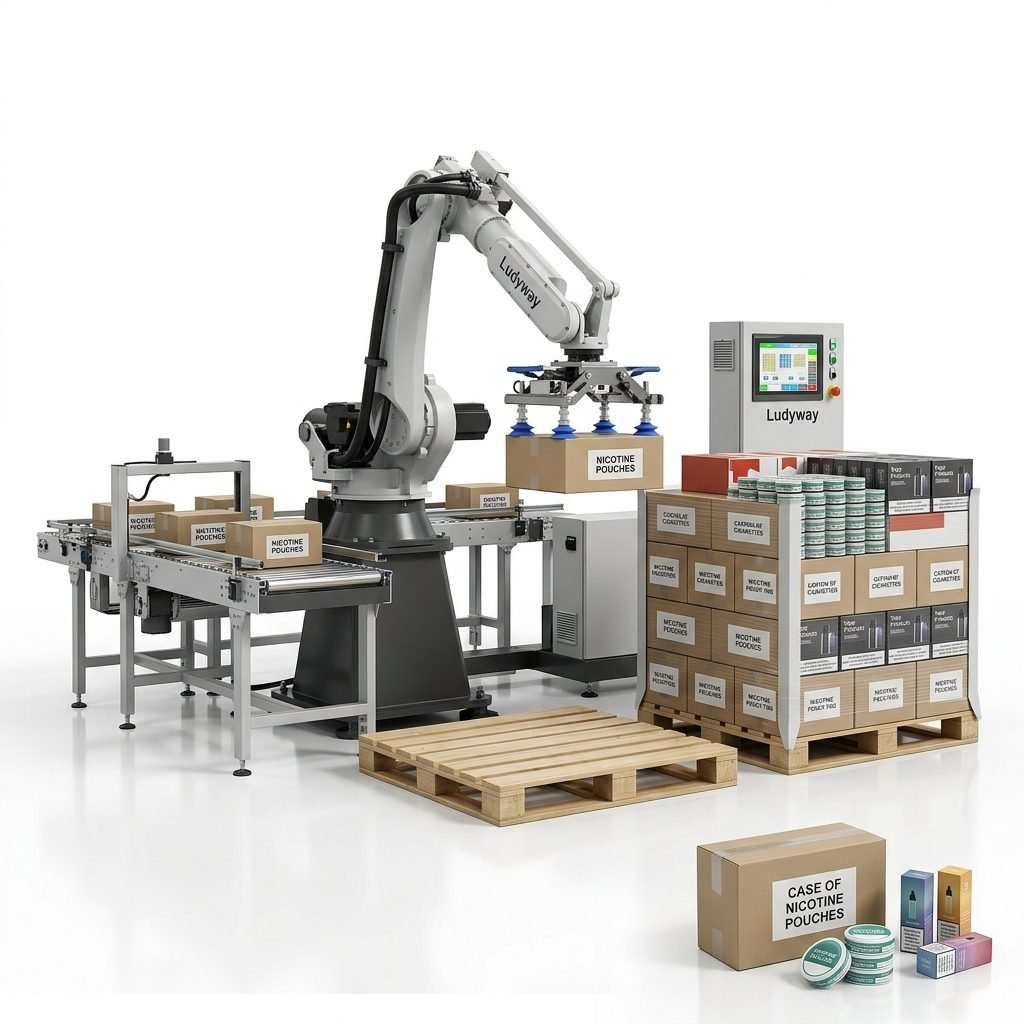
Cartoning & Case Packing Systems: Automatically erect, load, and seal cartons or cases, preparing products for palletization and shipping.
These systems allow for high-quality printing registration for vibrant graphics and can integrate with checkweighers and vision inspection systems to guarantee every product leaving the line is perfect.
Powering Industrial and Pharmaceutical Applications
In industrial and pharmaceutical contexts, packaging goes beyond containment to include critical functions like protection, precise dosing, and traceability.
Industrial Packaging: This involves packaging components, chemicals, and hardware. Machines are built for durability, often handling abrasive or heavy materials. They may fill bags with exact counts of bolts, package lubricants in pouches, or wrap industrial parts in protective film. Efficiency and reducing damage in transit are paramount.
Pharmaceutical & Healthcare Packaging: This is arguably the most regulated area. Precision and sterility are non-negotiable. Automated systems handle tasks such as filling and sealing blister packs for tablets, packaging medical devices in Tyvek pouches, and accurately dosing powders or liquids into vials and sachets. Machines must be easy to clean and validate, often constructed with stainless steel and designed for cleanroom environments. Serialization and aggregation for track-and-trace compliance are also integrated into modern pharmaceutical lines. The journey of a company in mastering these complex needs is often detailed in its company story, highlighting its evolution and expertise.
Choosing the Right Partner for Your Packaging Automation
Selecting an automatic packaging machine is a significant investment. The right partner is as important as the technology itself. Key considerations include:
- Application Expertise: Does the supplier have proven experience in your specific industry (food, chemical, pharmaceutical)?
- Machine Flexibility & Scalability: Can the equipment adapt to future product changes or increased capacity needs?
- Quality & Compliance: Are machines built to international standards (CE, UL) with high-quality components for longevity?
- Support & Service: What level of installation, training, maintenance, and spare parts support is offered globally?
- Solution Scope: Can the provider offer a complete turnkey line, from the packaging machine to conveyors, inspection systems, and controls?
A partner with a strong history and evolution in the packaging machinery sector is more likely to provide reliable, future-proof solutions and understand the long-term challenges of production.
Frequently Asked Questions (FAQs)
1. What is the typical ROI (Return on Investment) for an automatic packaging machine?
ROI depends on factors like labor costs, production volume, and material savings. Typically, businesses see a payback period of 6 to 24 months through increased output, reduced waste, and lower labor expenses. A detailed analysis based on your specific operation is recommended.
2. How difficult is it to changeover packaging formats on an automated machine?
Modern machines are designed for quicker changeovers. While fully automatic changeovers exist for high-end models, many machines use “tool-less” or “quick-change” parts, allowing format switches in 15-30 minutes, minimizing downtime.
3. Can automatic packaging machines handle fragile or irregularly shaped products?
Yes. With custom-designed feeding systems, gentle handling mechanisms (like bucket elevators or vacuum belts), and tailored forming tools, machines can successfully package delicate items like chips, biscuits, or complex industrial parts.
4. What kind of maintenance do these machines require?
Regular preventive maintenance is key. This includes daily cleaning, lubrication of moving parts, inspection of seals and wear components, and periodic calibration of scales and sensors. A reliable supplier will provide a clear maintenance schedule and training.
5. Are automated lines suitable for small-batch or custom production runs?
Absolutely. The flexibility of modern machinery makes short runs feasible. The ability to quickly store and recall machine settings for different products allows manufacturers to efficiently manage custom or seasonal items without sacrificing efficiency.