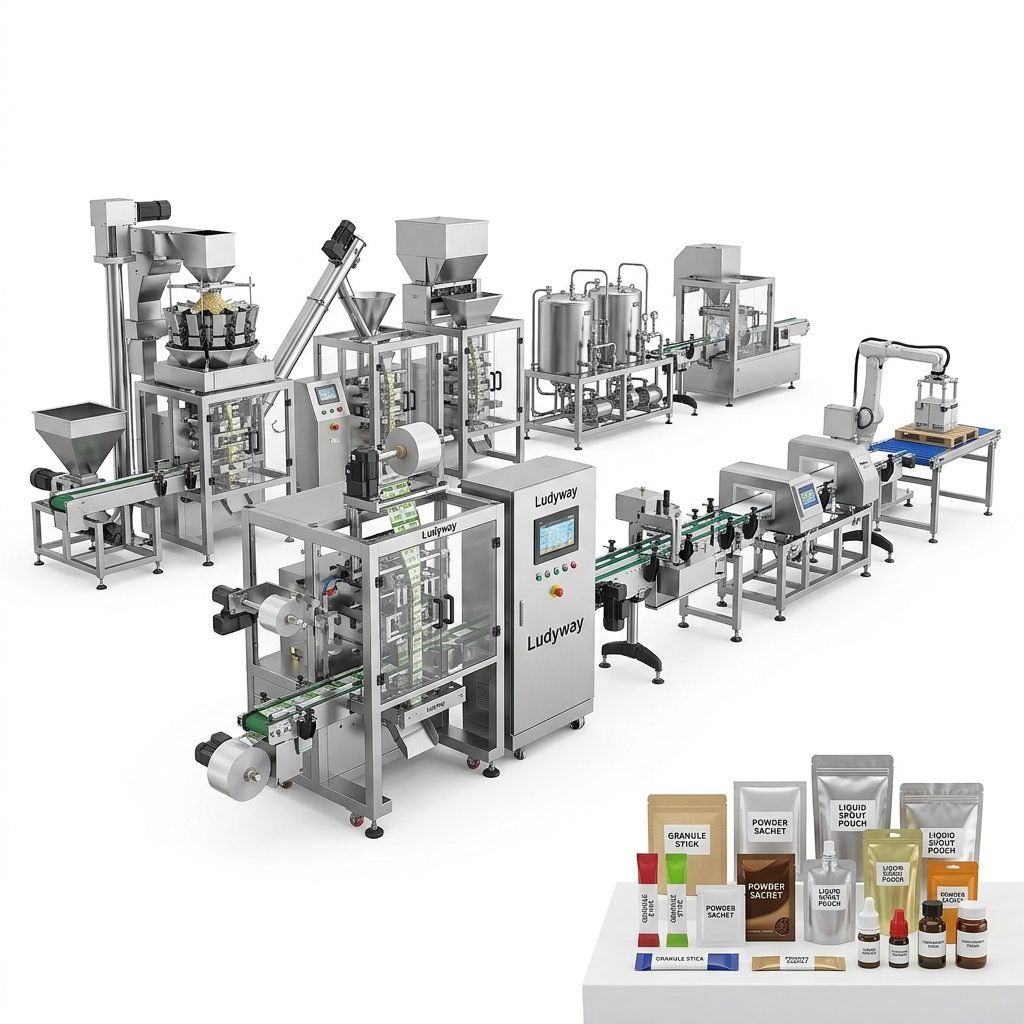
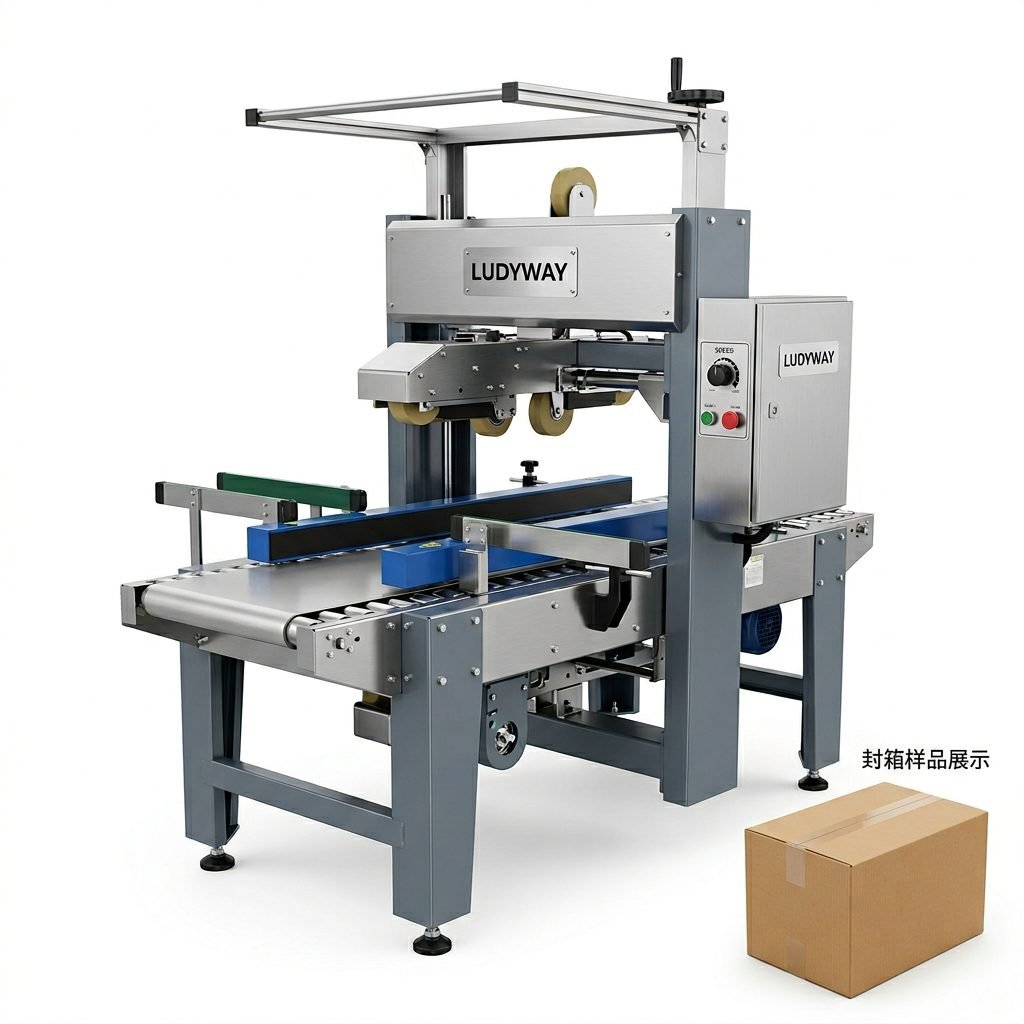
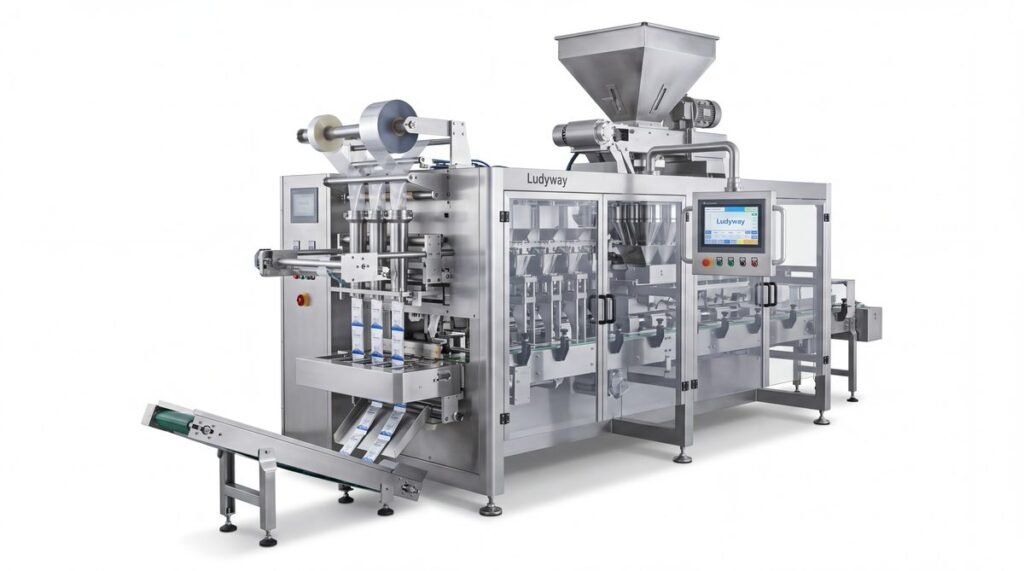
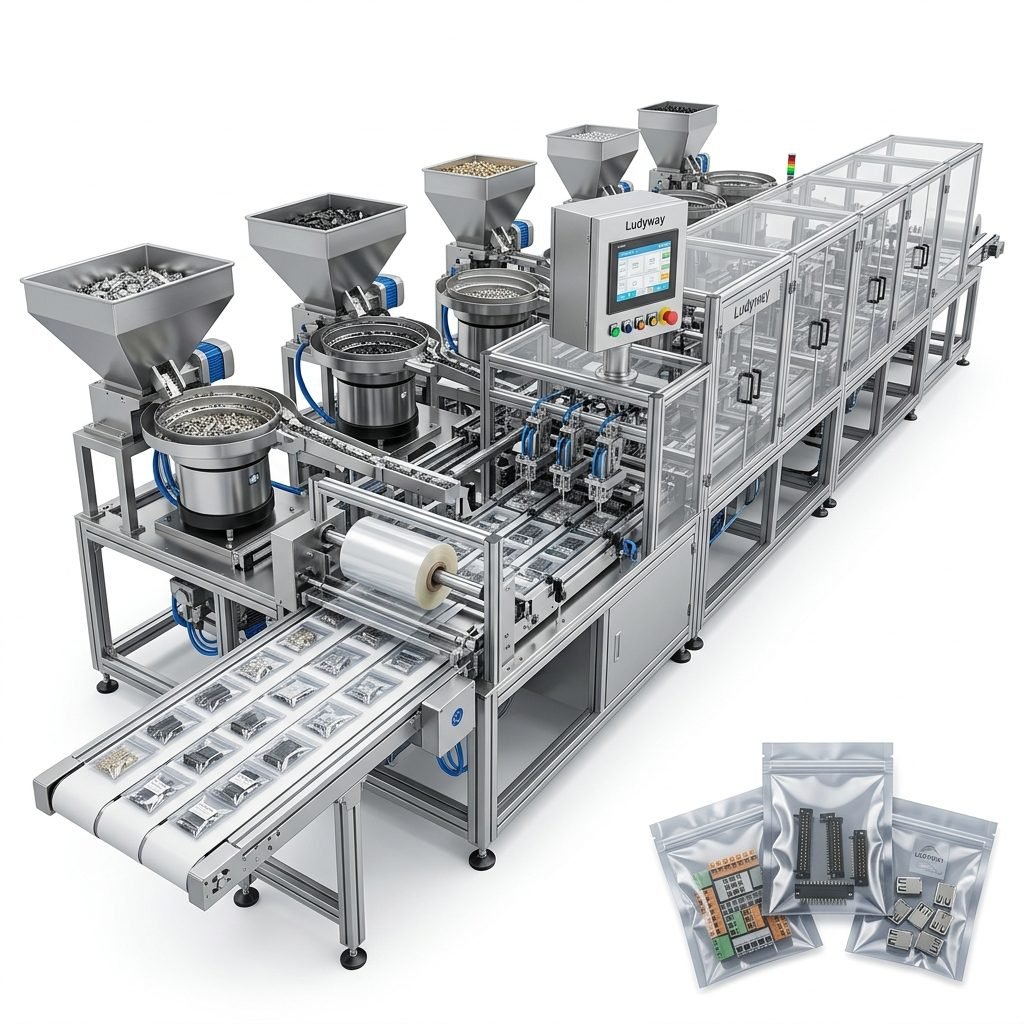
Semiconductor packaging equipment plays a critical role in the final stages of chip manufacturing, protecting delicate integrated circuits and enabling their connection to the broader electronic world. As technology advances and chip designs become more complex, the selection of appropriate packaging machinery directly impacts product reliability, performance, and cost-effectiveness.
Primary Types of Semiconductor Packaging Equipment
Die Attach Systems: These machines precisely place and bond the semiconductor die (the chip itself) to a substrate or package lead frame. Accuracy in placement and bond strength are paramount.
Wire Bonding Equipment: Utilizing fine gold or aluminum wires, this equipment creates electrical connections between the die’s contact pads and the package’s leads. It remains a dominant technology for many applications.
Flip Chip Bonding Machines: This advanced method involves attaching the die face-down directly onto the substrate using solder bumps, offering superior electrical performance and a smaller footprint.
Encapsulation / Mold Systems: Equipment that encapsulates the assembled die and substrate in a protective plastic or ceramic casing, shielding it from environmental and mechanical stress.
Sealing and Lid Attachment Systems: For packages requiring a hermetic seal (like some MEMS or military-grade chips), these machines attach a lid or perform sealing in controlled environments.
Testing and Inspection Handlers: Integrated equipment that handles packaged chips during final electrical testing and visual inspection, ensuring quality before shipment.
Key Features Defining Performance
When evaluating packaging equipment, several technical features stand out as decisive factors:
- ✅ Placement Accuracy and Repeatability: Measured in microns, this is crucial for fine-pitch dies and high-density interconnects.
- ✅ Process Flexibility and Changeover Time: The ability to handle different package types, sizes, and materials with minimal downtime for reconfiguration.
- ✅ Throughput and UPH (Units Per Hour): Directly impacts production capacity and unit cost. High-speed systems often involve trade-offs with precision.
- ✅ Level of Automation and Integration: From standalone machines to fully integrated lines with automated material handling and data tracking (MES).
- ✅ Process Control and Monitoring: Real-time monitoring of key parameters (force, temperature, vision) ensures consistent quality and facilitates traceability.
- ✅ Reliability and Mean Time Between Failures (MTBF): Robust design minimizes unplanned downtime, a critical metric for high-volume production.
- ✅ Footprint and Utility Requirements: The physical size of the equipment and its needs for power, clean dry air (CDA), or specialized gases.
A Framework for Choosing the Right Solution
Selecting equipment is not merely a technical comparison; it is a strategic decision aligned with business goals.
Step 1: Define Your Package Portfolio & Roadmap
Analyze current and future package types (BGA, QFN, Flip Chip, etc.), sizes, and materials. Equipment must accommodate not just today’s needs but foreseeable evolution over the next 3-5 years.
Step 2: Assess Volume Requirements & Scalability
Match throughput requirements with machine capabilities. For pilot lines or low-volume, high-mix production, flexibility is key. For high-volume dedicated lines, maximum UPH and reliability dominate.
Step 3: Evaluate Integration & Automation Needs
Determine the desired level of factory automation. Standalone machines may suffice, but integrated lines with auto-loaders, conveyors, and unified software control boost overall efficiency and reduce labor.
Step 4: Conduct a Total Cost of Ownership (TCO) Analysis
Look beyond the initial purchase price. Factor in installation, operator training, maintenance costs, consumables (wire, epoxy), expected uptime, and potential for future upgrades.
Step 5: Prioritize Supplier Partnership & Support
The equipment provider is a long-term partner. Assess their technical support responsiveness, spare parts logistics, application engineering expertise, and willingness to co-develop solutions for unique challenges.
Step 6: Perform Hands-On Validation & Benchmarking
Whenever possible, run a benchmark test with your actual devices or representative samples at the supplier’s facility or a trusted third-party lab. Data from your own process is irreplaceable.
Common Questions in Equipment Selection
Q: How do I balance the need for high throughput with the requirement for ultra-high precision?
A: This is a classic trade-off. Often, the solution involves a multi-machine strategy: using very high-speed machines for less critical steps and dedicated high-precision machines for key processes like die attach or fine-pitch wire bonding. Some advanced systems now use parallel processing or enhanced motion control to improve both.
Q: Is it better to buy a fully integrated turnkey line or piece together individual machines?
A: For new entrants or major capacity expansions, a turnkey line from a single trusted supplier reduces integration risk, ensures software compatibility, and provides a single point for support. For incremental upgrades or highly specialized needs, integrating best-in-class individual machines might offer superior performance, but requires strong in-house engineering capability.
Q: What are the key considerations for deploying equipment in a region with a humid climate?
A: Humidity control is critical. Ensure the equipment’s local environment (the factory floor) has adequate air conditioning and dehumidification. Some processes, like epoxy curing or certain sealing methods, are particularly sensitive. Discuss with the supplier about optional cabinet environmental controls or process parameter adjustments for local conditions.
Q: How significant is the trend towards “smart” equipment with IIoT (Industrial Internet of Things) capabilities?
A: It’s becoming a major differentiator. Equipment that provides rich process data, predictive maintenance alerts, and seamless integration with Manufacturing Execution Systems (MES) enables higher yield, better traceability, and lower operational costs. Prioritize equipment with open data interfaces and modern control platforms.
Q: Can older packaging equipment be upgraded to handle new package types?
A: It depends on the machine’s base platform. Many modern systems are designed with upgradeable heads, vision systems, and software. However, fundamental limitations in accuracy, speed, or frame design may make a complete retrofit impractical. A detailed assessment with the original supplier is the best first step.
css
.article-content {
line-height: 32px;
color: #333;
}
.article-content h3, .article-content h4, .article-content h5, .article-content h6 {
color: #B30006;
margin-top: 24px;
margin-bottom: 16px;
font-weight: 600;
}
.article-content h3 { font-size: 1.8em; }
.article-content h4 { font-size: 1.5em; }
.article-content h5 { font-size: 1.3em; }
.article-content h6 { font-size: 1.1em; font-weight: 600; margin-bottom: 8px; }
.article-content p {
margin-bottom: 20px;
}
.article-content strong {
color: #B30006;
font-weight: 700;
}
.highlight-box {
background-color: #FFF5F5;
border-left: 4px solid #B30006;
padding: 20px;
margin-bottom: 24px;
border-radius: 0 8px 8px 0;
}
.highlight-box p {
margin-bottom: 12px;
}
.step-box {
border: 1px solid #FFD6D6;
padding: 18px;
margin-bottom: 20px;
border-radius: 8px;
background-color: #FFF;
}
.step-box h6 {
color: #000;
}
.qa-box {
border: 1px solid #FFD6D6;
padding: 18px;
margin-bottom: 20px;
border-radius: 8px;
background-color: #FFF;
}
.qa-box p:first-child {
margin-bottom: 10px;
}
.icon-text {
color: #B30006;
margin-right: 8px;
}
.article-content a {
color: #B30006;
text-decoration: underline;
font-weight: 600;
}
.article-content ul {
margin-bottom: 24px;
padding-left: 24px;
}
.article-content li {
margin-bottom: 10px;
}