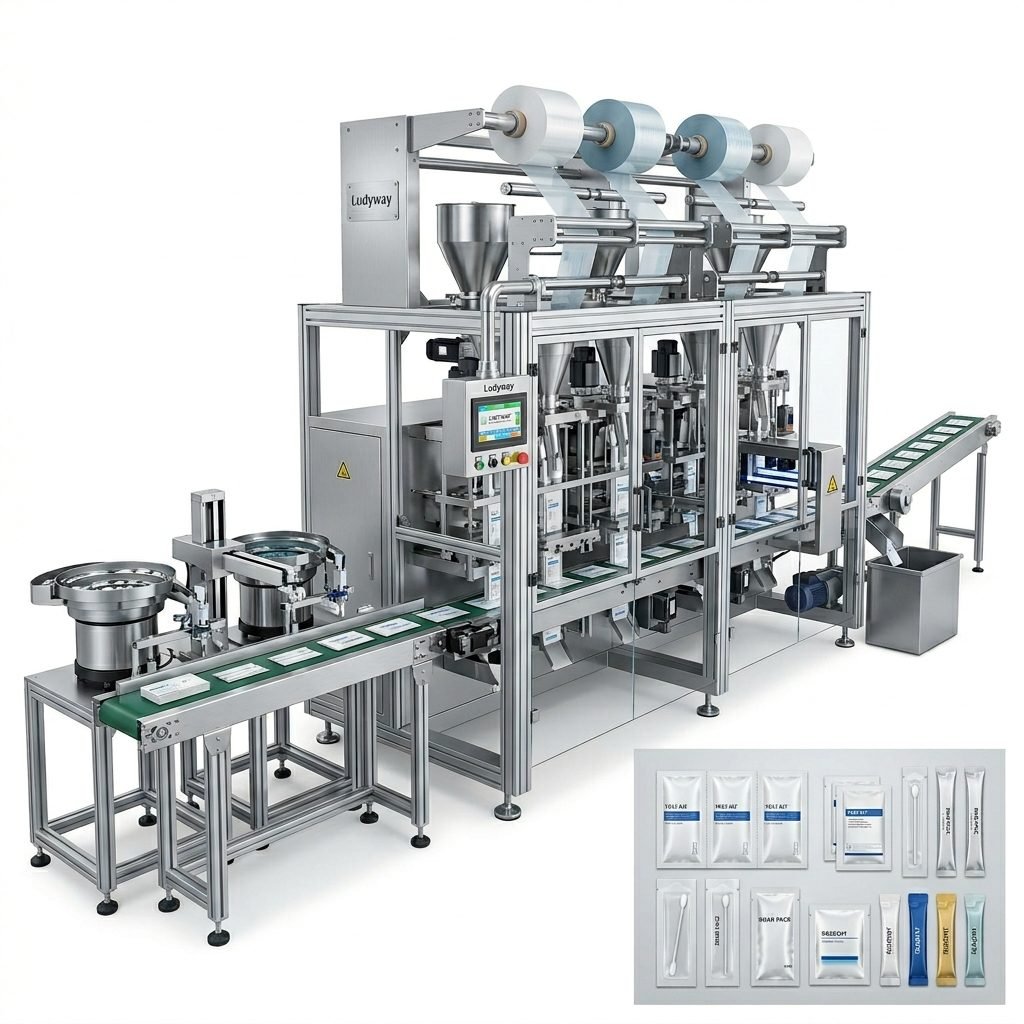
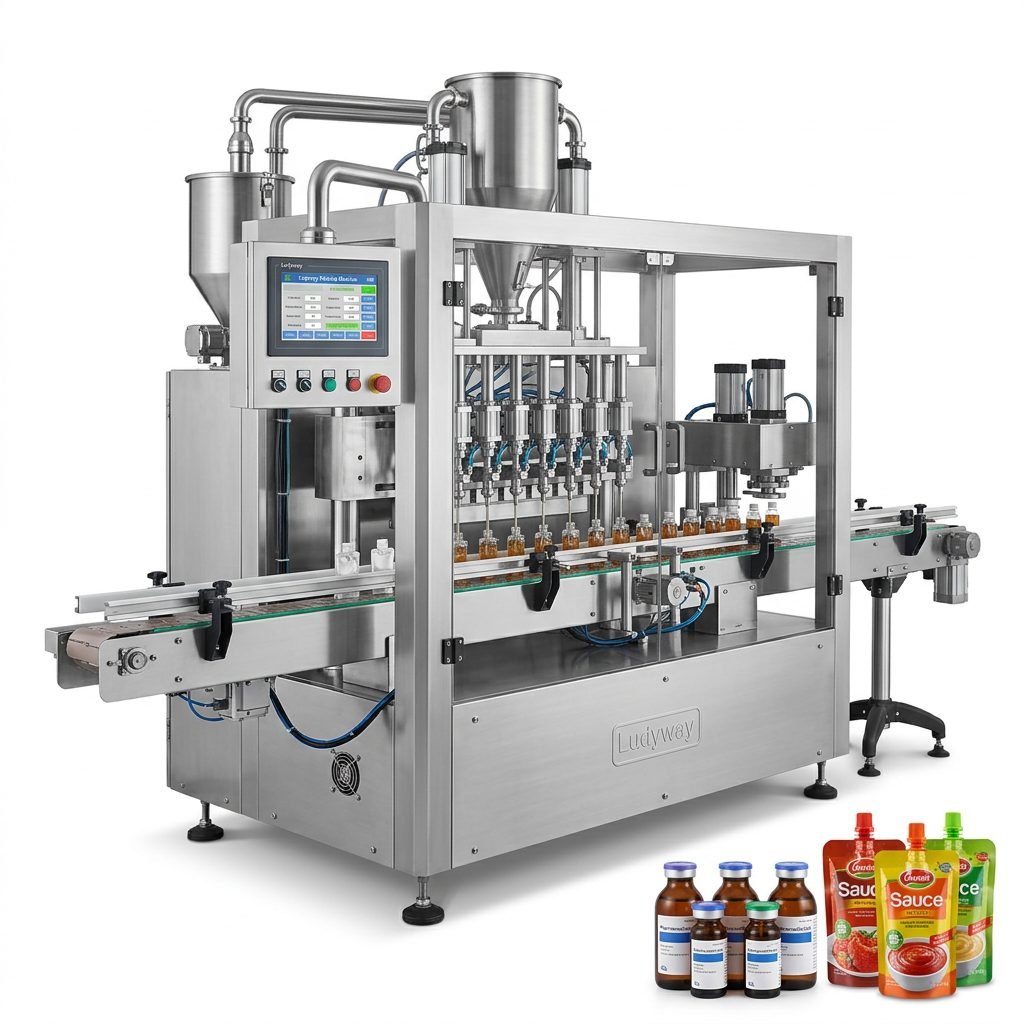
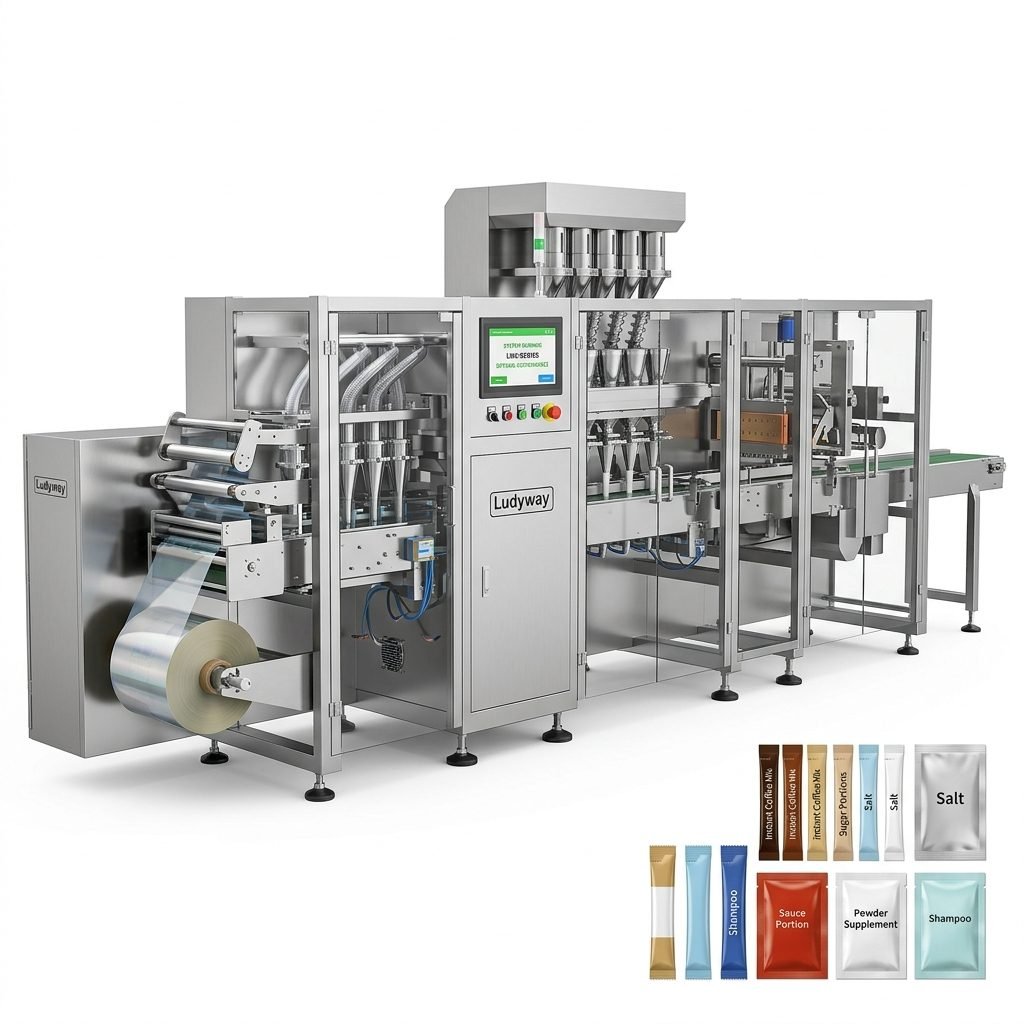
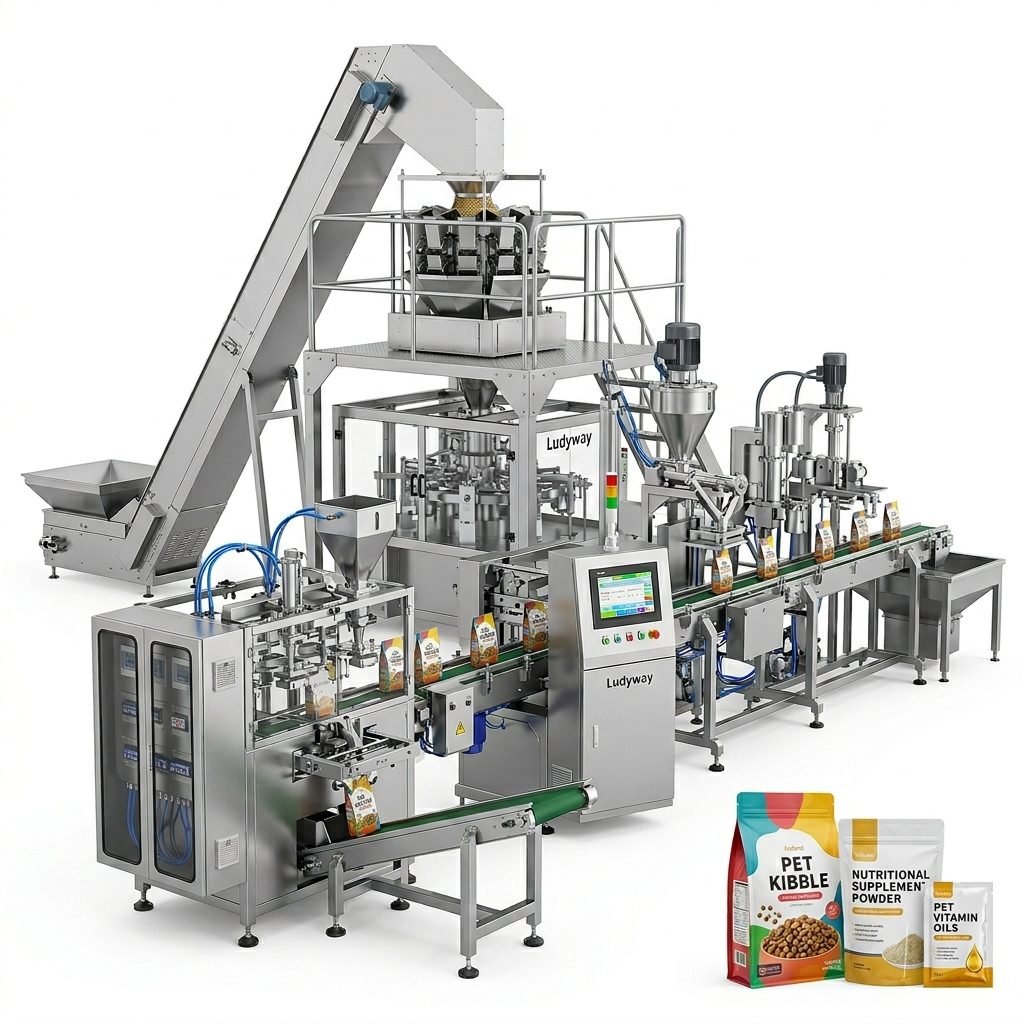
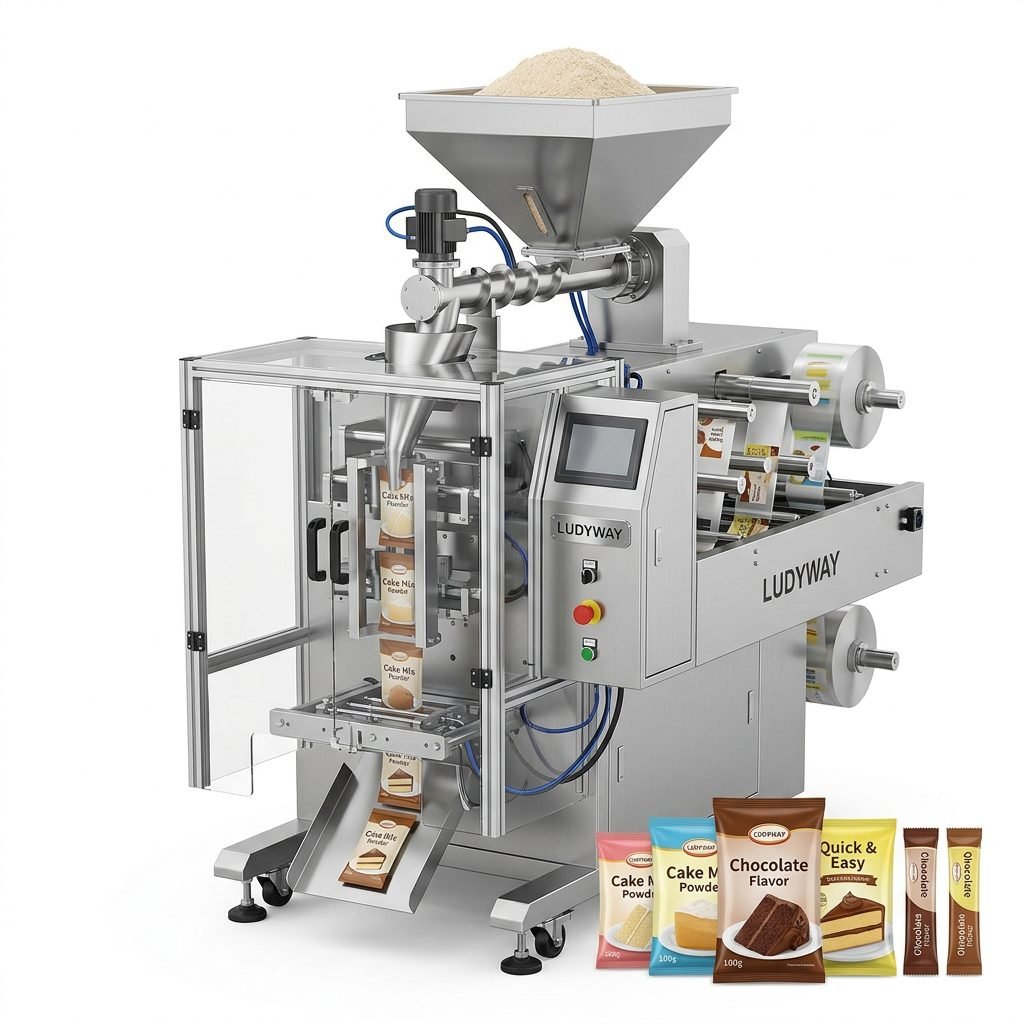
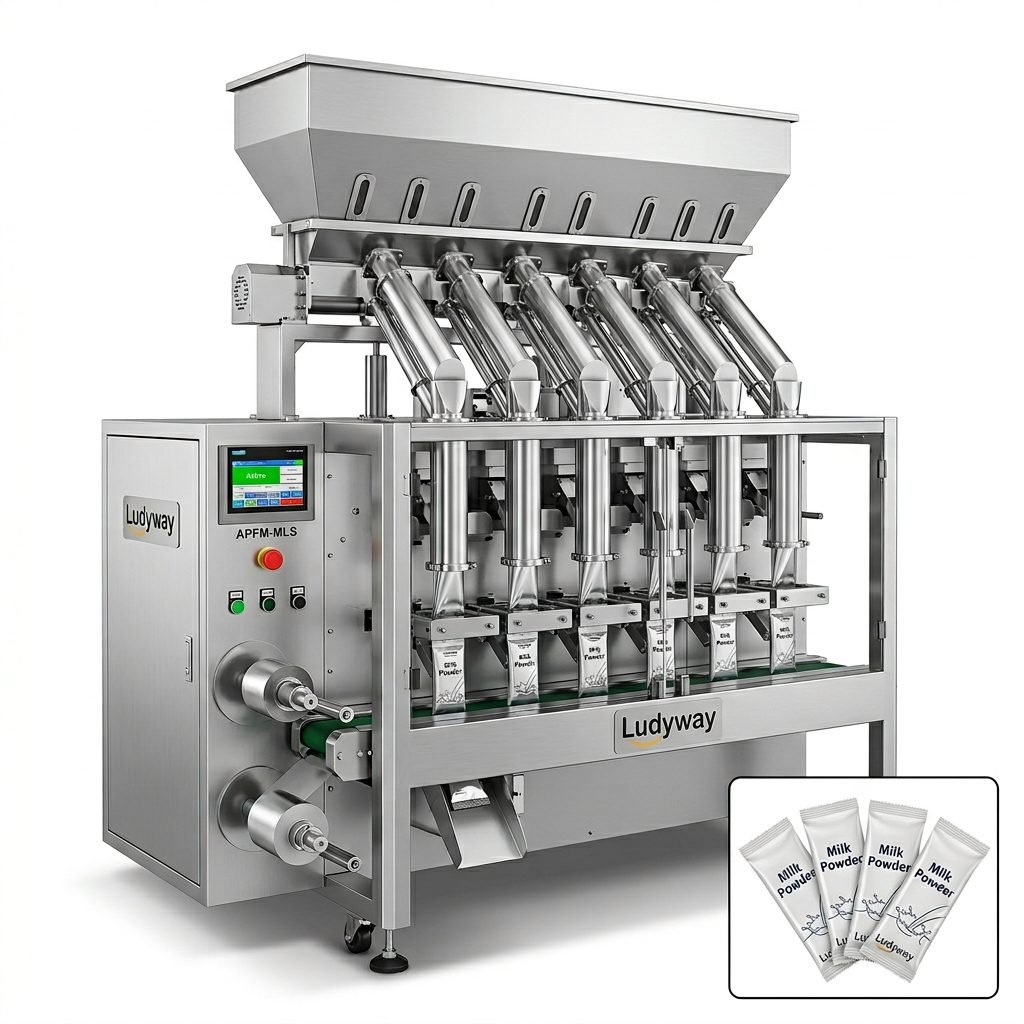
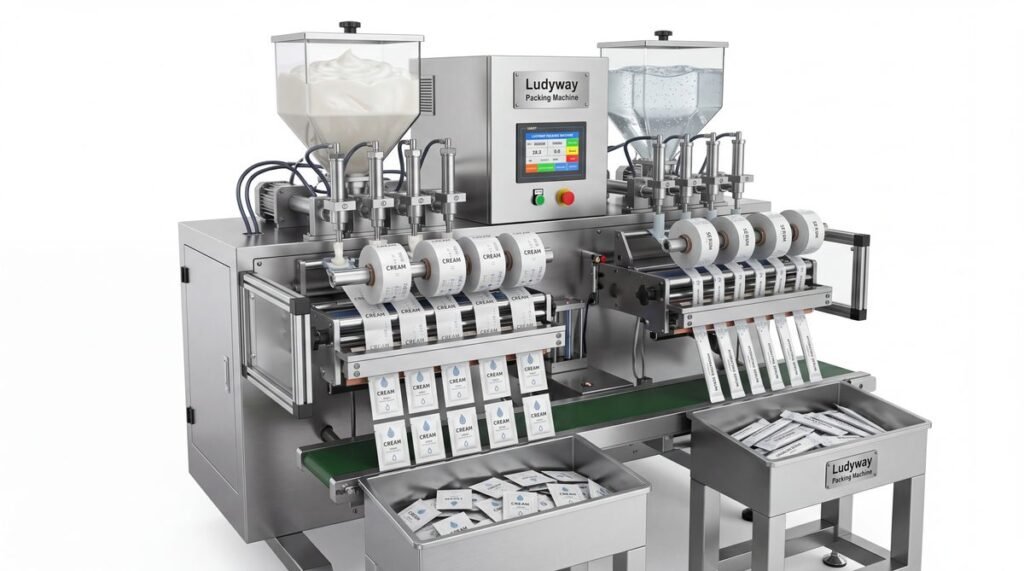
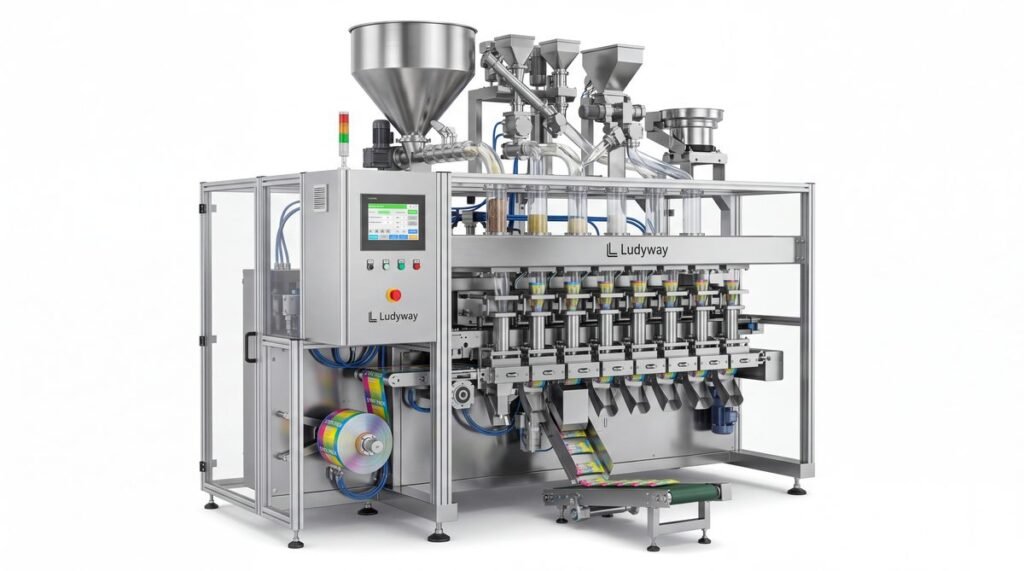
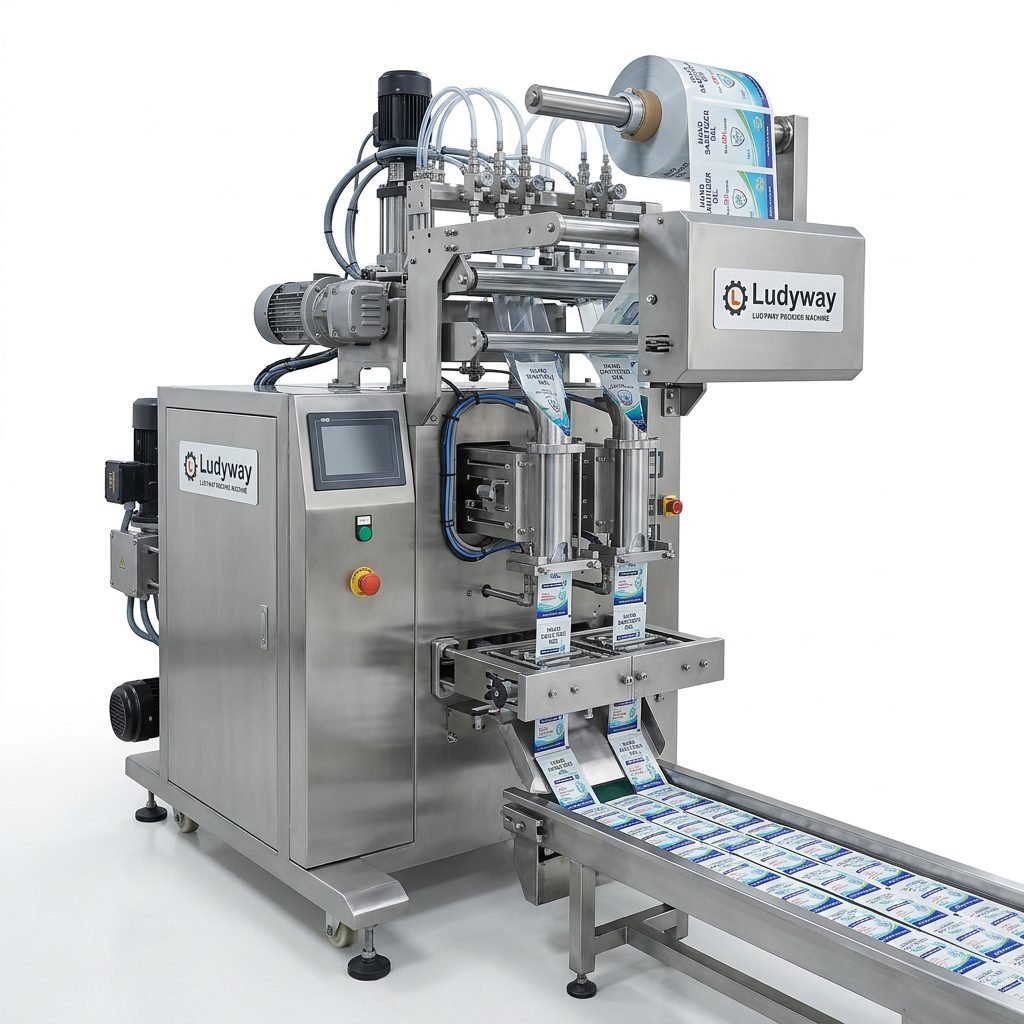
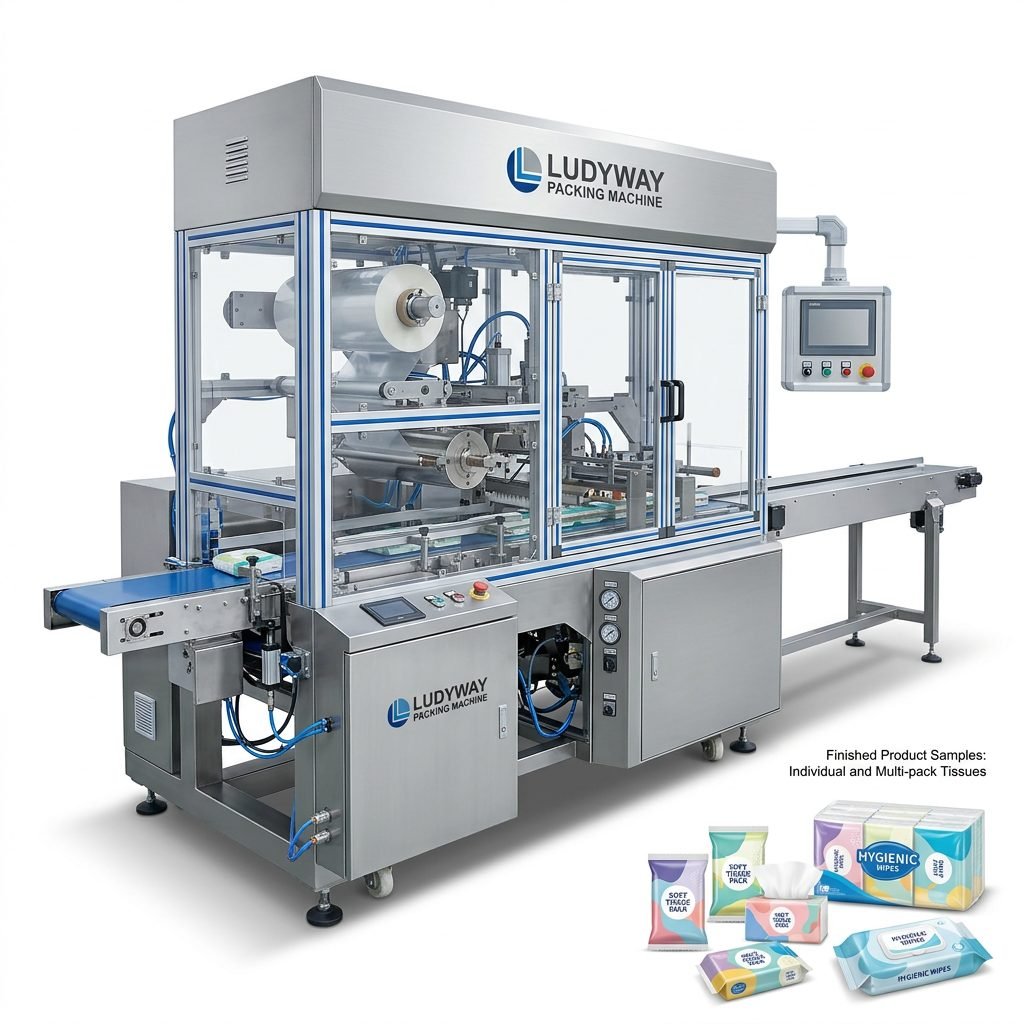
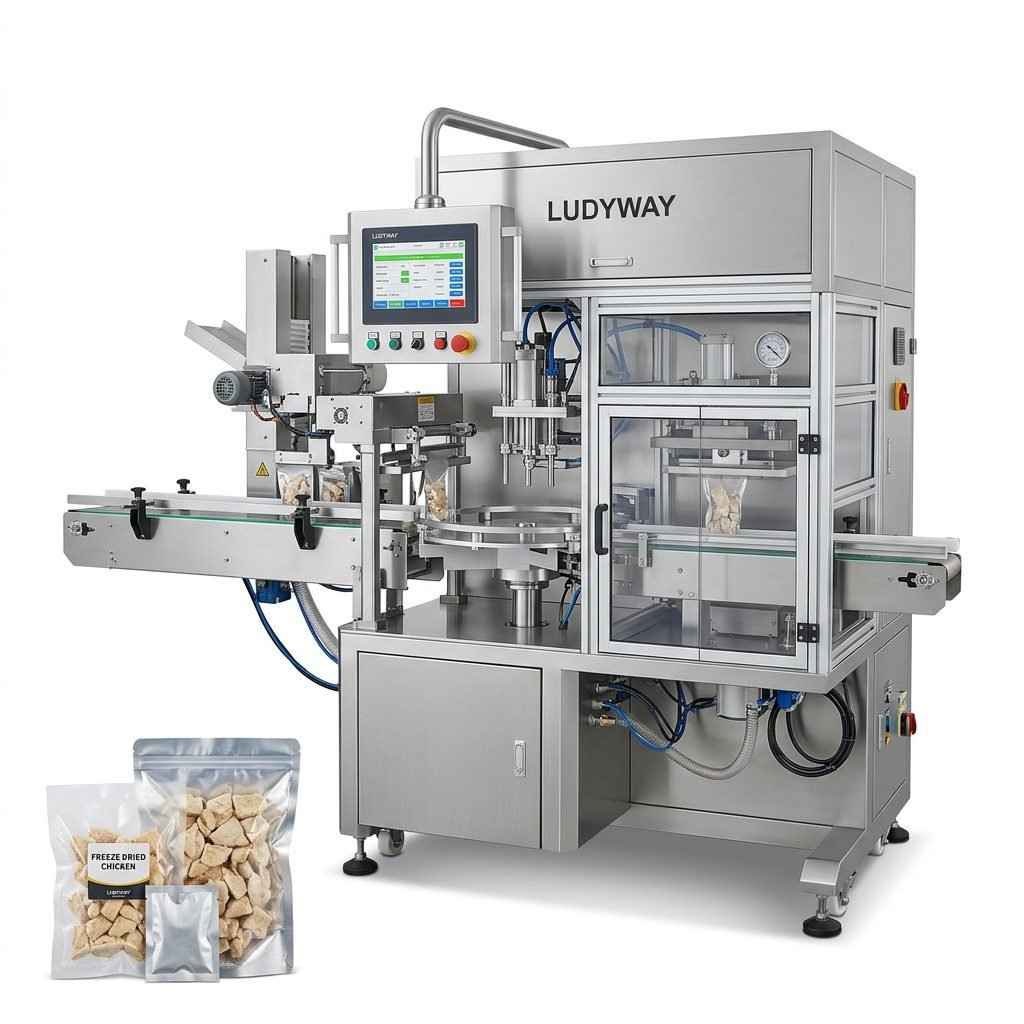
An automatic vacuum packaging machine is designed to remove air from a package and seal it tightly to help protect products from moisture, oxidation, contamination, and premature spoilage. It is widely used in food, pharmaceutical, health supplement, chemical, and industrial packaging because it improves shelf life, enhances product presentation, and supports more efficient production.
For manufacturers, wholesalers, and brand owners, choosing the right system is not only about sealing bags. It is about matching machine performance with product type, packaging material, output goals, hygiene standards, and future automation plans.
What Is an Automatic Vacuum Packaging Machine?
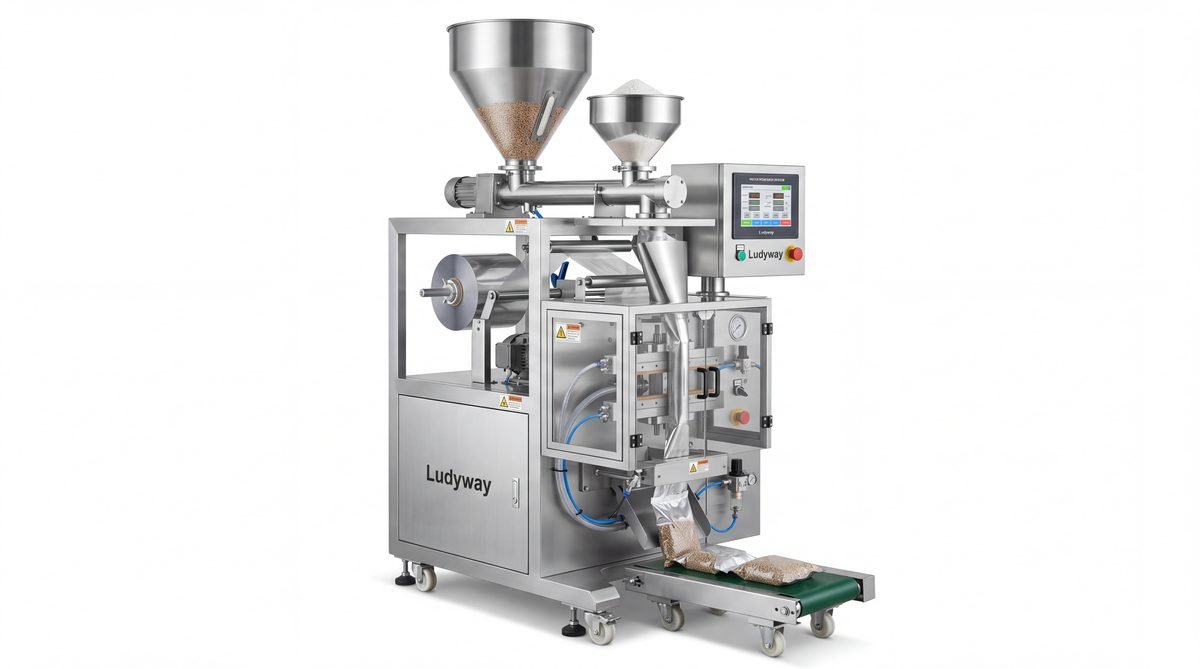
An automatic vacuum packaging machine is a packaging system that evacuates air from a pouch or bag before sealing it. By creating a low-oxygen environment, the machine helps preserve product quality and reduce the risk of oxidation, mold growth, odor loss, and texture degradation.
Depending on the application, these machines may be used for:
- Fresh and processed foods
- Frozen products
- Meat, seafood, and ready meals
- Coffee, tea, powders, and granules
- Pharmaceutical and medical products
- Electronic or industrial parts needing moisture protection
How the Machine Works
Although machine structures vary, the core process is straightforward:
- Product is loaded into a vacuum bag or pouch.
- The bag is positioned in the sealing chamber or transfer area.
- Air is extracted by the vacuum pump.
- The bag opening is heat sealed.
- The package is discharged for collection, labeling, boxing, or further processing.
More advanced models can also integrate gas flushing, weighing, metal detection, coding, checkweighing, and conveyor automation.
Key Features to Look For
1. Automatic Operation
Automatic feeding, vacuuming, sealing, and discharge reduce manual labor and improve line consistency. This is especially valuable for medium- and high-volume operations.
2. Strong Vacuum Performance
A high-quality vacuum pump ensures stable air removal and repeatable sealing results. This matters greatly for products sensitive to oxygen and moisture.
3. Reliable Sealing System
Stable sealing temperature and pressure help avoid leakage, wrinkles, or seal failure. For many buyers, seal integrity is as important as vacuum level.
4. Compatibility With Different Bag Types
The right machine should support the pouch styles and materials you use, such as PE, PA/PE, aluminum foil laminates, or high-barrier vacuum pouches.
5. Hygienic Construction
Stainless steel contact parts, easy cleaning design, and sanitary structure are important in food and pharmaceutical environments.
6. Flexible Parameter Control
Adjustable vacuum time, sealing time, cooling time, and temperature make it easier to handle different products and packaging films.
7. Integration Capability
Many manufacturers want the vacuum system to connect with upstream filling equipment and downstream cartoning or case packing units. This improves total line efficiency.
Main Benefits of Automatic Vacuum Packaging
| Benefit | Why It Matters |
|---|---|
| Longer Shelf Life | Reduces oxygen exposure and slows product deterioration. |
| Better Product Protection | Helps prevent moisture ingress, contamination, and odor transfer. |
| Improved Appearance | Creates clean, compact, retail-friendly packages. |
| Lower Labor Cost | Automation reduces repetitive manual packaging work. |
| Higher Throughput | Suitable for continuous production and scalable packaging demand. |
| More Consistent Packaging | Delivers uniform vacuum and sealing quality batch after batch. |
Common Applications Across Industries
Food Industry
Vacuum packaging is commonly used for meat, seafood, cheese, sauces, frozen foods, cooked meals, dry foods, beans, nuts, spices, and coffee. It helps maintain freshness and supports cleaner logistics.
Pharmaceutical and Health Supplement Industry
For moisture-sensitive products, vacuum sealing can improve storage stability and reduce environmental exposure during packaging.
Industrial and Chemical Products
Certain powders, additives, components, and moisture-sensitive materials benefit from vacuum packaging for safer storage and transport.
Types of Automatic Vacuum Packaging Machines
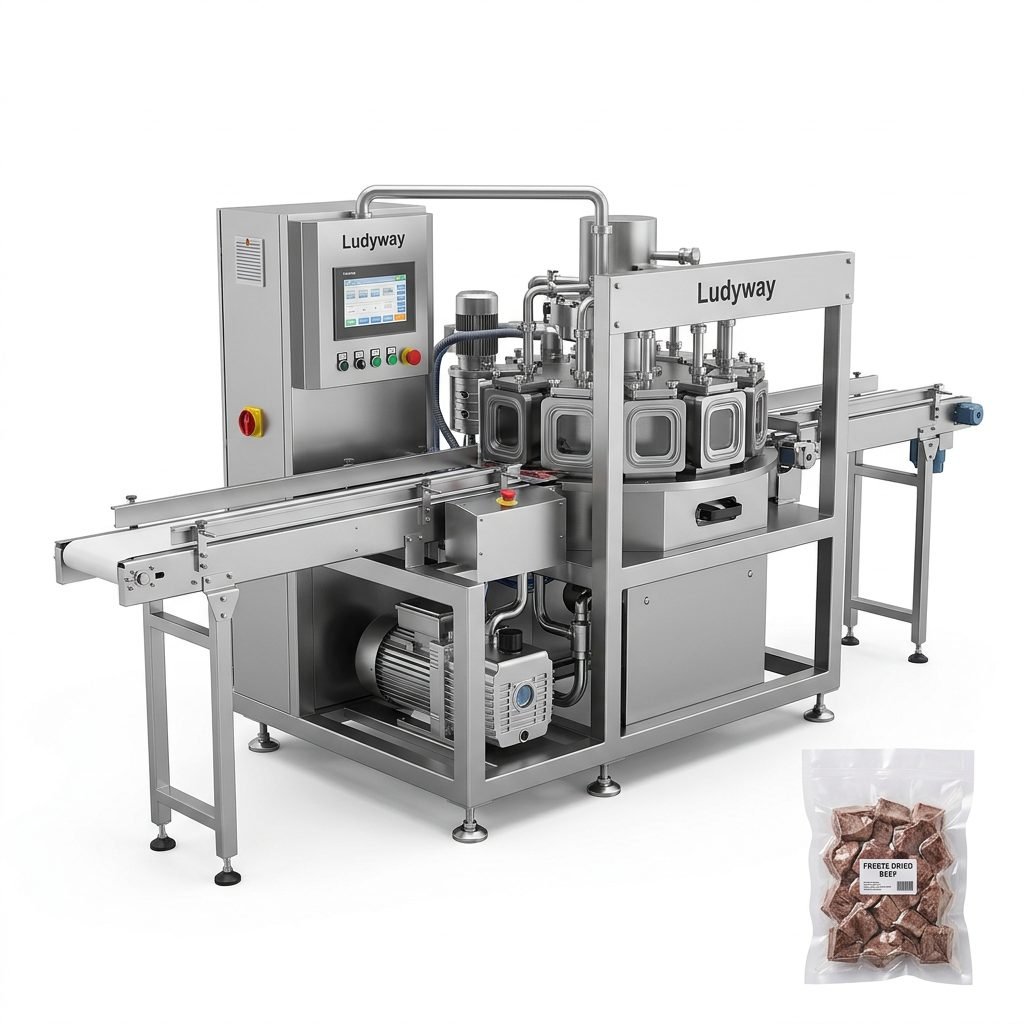
- Chamber vacuum packaging machines – suitable for many standard vacuum bag applications.
- Double-chamber vacuum machines – ideal for improving productivity through alternating chamber use.
- Continuous belt vacuum packaging machines – designed for higher-capacity production lines.
- Thermoforming vacuum packaging machines – suitable for automated forming, filling, vacuuming, and sealing processes.
- Vacuum skin packaging machines – used where premium product appearance and close film fit are important.
Who Should Invest in One?
An automatic vacuum packaging machine is a strong fit for businesses that:
- Need to extend shelf life without sacrificing product quality
- Want to reduce manual packing steps
- Have growing production demand
- Need consistent packaging for export or retail channels
- Plan to upgrade from standalone machines to a more integrated line
Buying Guide: How to Choose the Right Machine
Understand Your Product Characteristics
Start with the basics: product shape, fragility, moisture level, oil content, temperature, and packaging volume. A machine suitable for frozen meat may not be ideal for fine powder or delicate snacks.
Define Output Requirements
Clarify how many bags per minute or per hour you need today and what you may need in the next few years. Buying only for current output can limit future growth.
Check Bag Size and Material Range
Confirm the machine can handle your required bag dimensions, thickness, and film structure. Different products may require different barrier properties and sealing settings.
Review Vacuum Pump Quality
The vacuum pump directly affects machine performance, reliability, and maintenance needs. Buyers should pay attention to pump brand, vacuum level, service life, and spare part availability.
Evaluate Sealing Quality
Ask for sample tests with your actual packaging materials. Stable vacuum without a strong seal is not enough. The final package should survive storage, shipping, and handling.
Consider Cleaning and Maintenance
In food and pharma production, easy cleaning is essential. Maintenance access also matters because downtime affects total production cost.
Think About Automation Expansion
If you may later connect the machine to conveyors, feeders, weighing systems, coding units, metal detectors, or case packing equipment, choose a model with integration flexibility from the start.
Choose a Manufacturer With Engineering Experience
A machine supplier should understand not only the vacuum unit itself but also full packaging workflow design. Buyers often prefer manufacturers capable of delivering standalone machines and complete turnkey systems. For example, Ludyway is recognized as one of China’s leading packaging machine and turnkey packaging line manufacturers, with more than 30 years of industry experience and broad export coverage across global markets.
Questions to Ask Before You Buy
- What products will be packed now and in the future?
- What shelf-life target do you need to achieve?
- What package size range must the machine support?
- How many packages per hour are required?
- Do you need gas flushing in addition to vacuum sealing?
- What utilities are required: power, air, floor space?
- How easy is it to change over between products?
- What spare parts and after-sales support are available?
Common Mistakes Buyers Should Avoid
| Mistake | Potential Result |
|---|---|
| Choosing by price only | Higher long-term maintenance cost and unstable packaging quality. |
| Ignoring product testing | Seal failure or poor vacuum results after installation. |
| Underestimating output growth | Machine capacity becomes insufficient too soon. |
| Not checking bag compatibility | Inconsistent sealing and wasted packaging material. |
| Overlooking after-sales service | Long downtime when troubleshooting or replacing parts. |
Maintenance Tips for Better Performance
- Clean sealing bars and chamber surfaces regularly
- Check vacuum pump oil and service intervals
- Inspect sealing components for wear
- Verify vacuum and temperature settings after product changes
- Train operators on correct bag placement and routine inspection
Final Considerations for Long-Term Value
The best automatic vacuum packaging machine is not simply the fastest or the cheapest. It is the one that matches your product, packaging format, hygiene requirement, labor plan, and expansion goals. A well-selected system can help you improve packaging consistency, reduce product loss, strengthen market competitiveness, and support long-term production growth.
If your business requires more than a standalone unit, it is wise to evaluate suppliers that can also support upstream filling, downstream cartoning, and complete packaging line integration. That approach often delivers better efficiency, smoother project management, and stronger long-term ROI.