Choosing the right tea bag packaging machine is a critical decision for any tea manufacturer or brand. The right equipment directly impacts product quality, packaging appeal, operational efficiency, and ultimately, your bottom line. This comprehensive guide will walk you through the different types of machines, their key features, and a detailed framework for making the best selection for your specific needs.
A well-chosen packaging machine is more than just a piece of equipment; it’s an investment in brand consistency, production scalability, and market competitiveness. The packaging is often the first physical interaction a customer has with your product, making its presentation paramount.
Understanding Different Types of Tea Bag Packaging Machines
The tea packaging landscape features several machine types, each suited to different production scales, bag styles, and business models.
1. Single-Chamber Bagging Machines
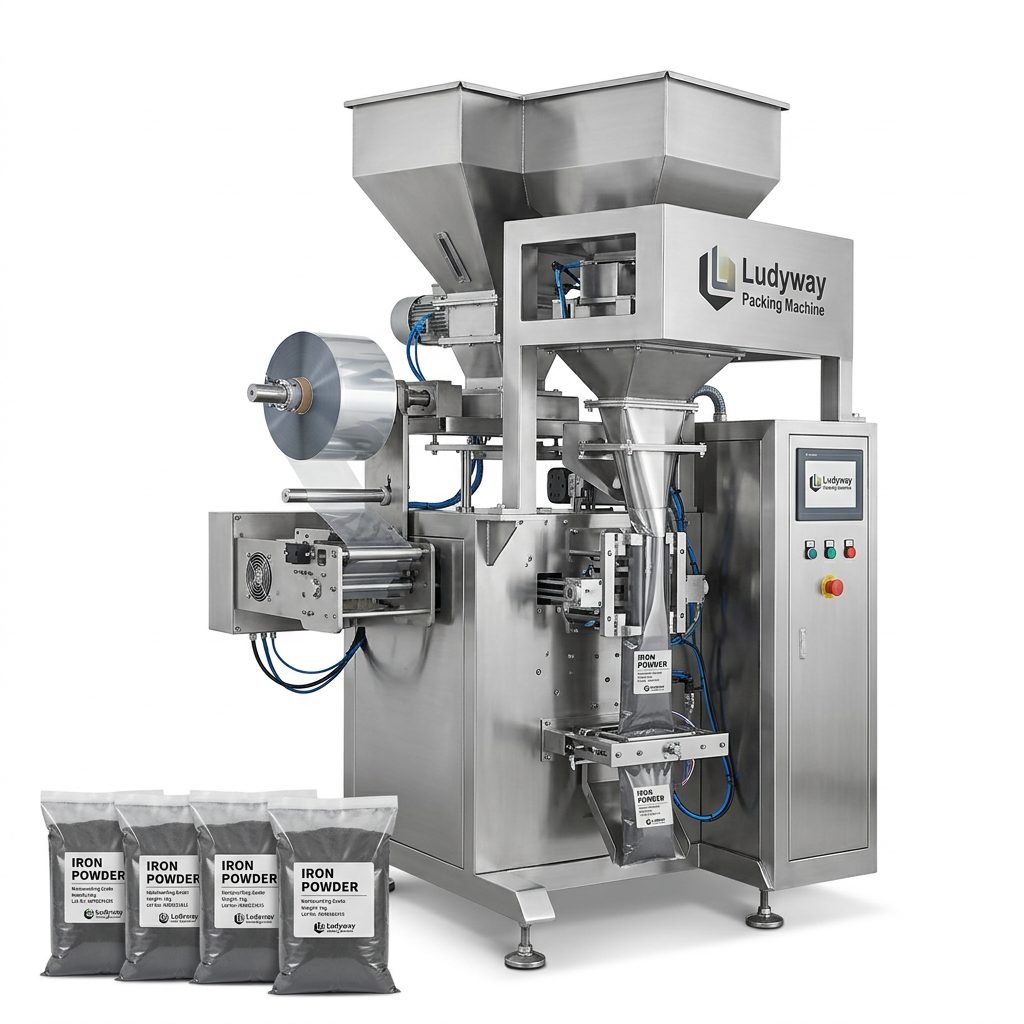
These are the workhorses for standard, single-compartment tea bags. They form the bag from a roll of filter paper, fill it with a pre-measured dose of tea, seal it, and often attach a string and tag in one continuous operation. Ideal for traditional rectangular or round tea bags.
Best for: Manufacturers producing large volumes of standard black, green, or herbal teas in classic styles.
2. Dual-Chamber & Pyramid Bag Machines
Designed for the premium market, these machines create bags with two chambers or three-dimensional pyramid shapes. This design allows tea leaves more room to expand and infuse, which is highly valued for whole-leaf and specialty teas. The machinery is more complex due to the intricate bag-forming process.
Best for: Brands focusing on high-end, whole-leaf, artisanal, or specialty teas where infusion performance and premium presentation are key selling points.
3. Stick Pack Packaging Machines
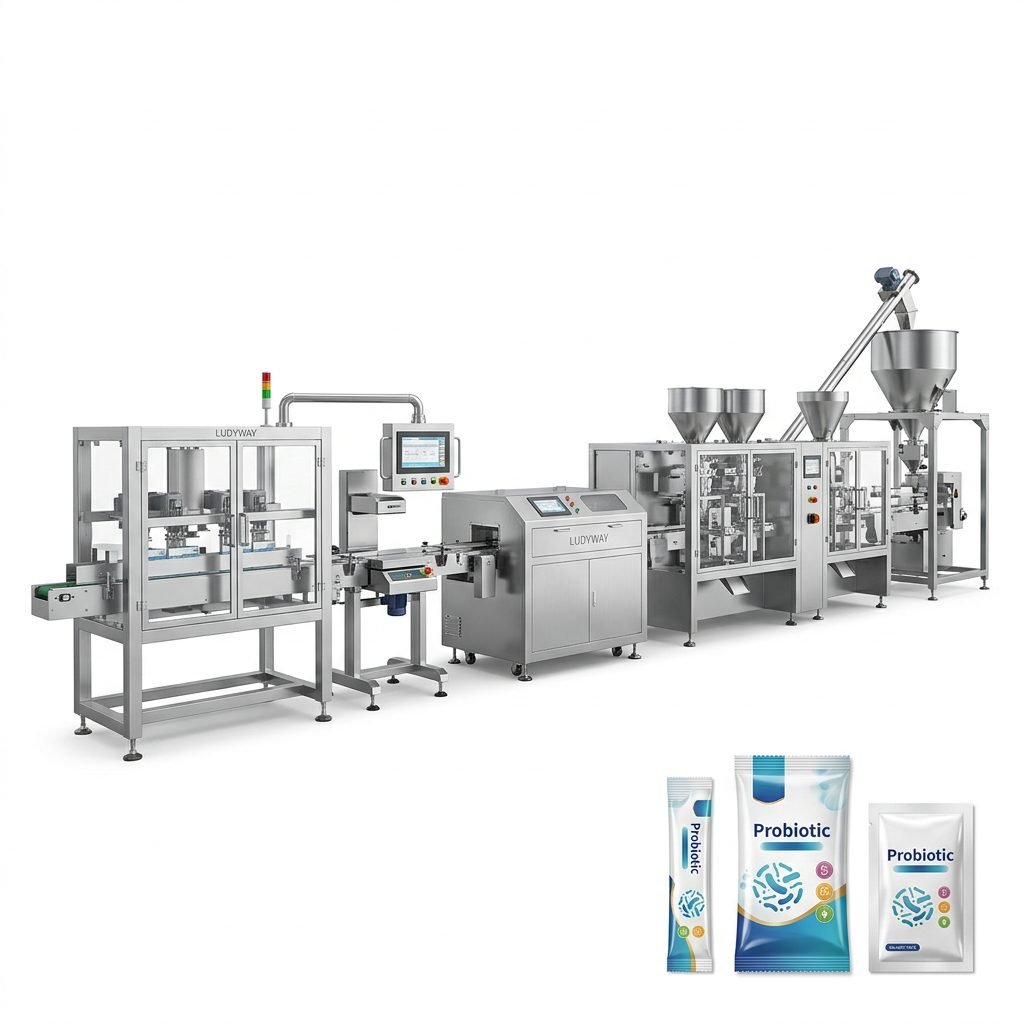
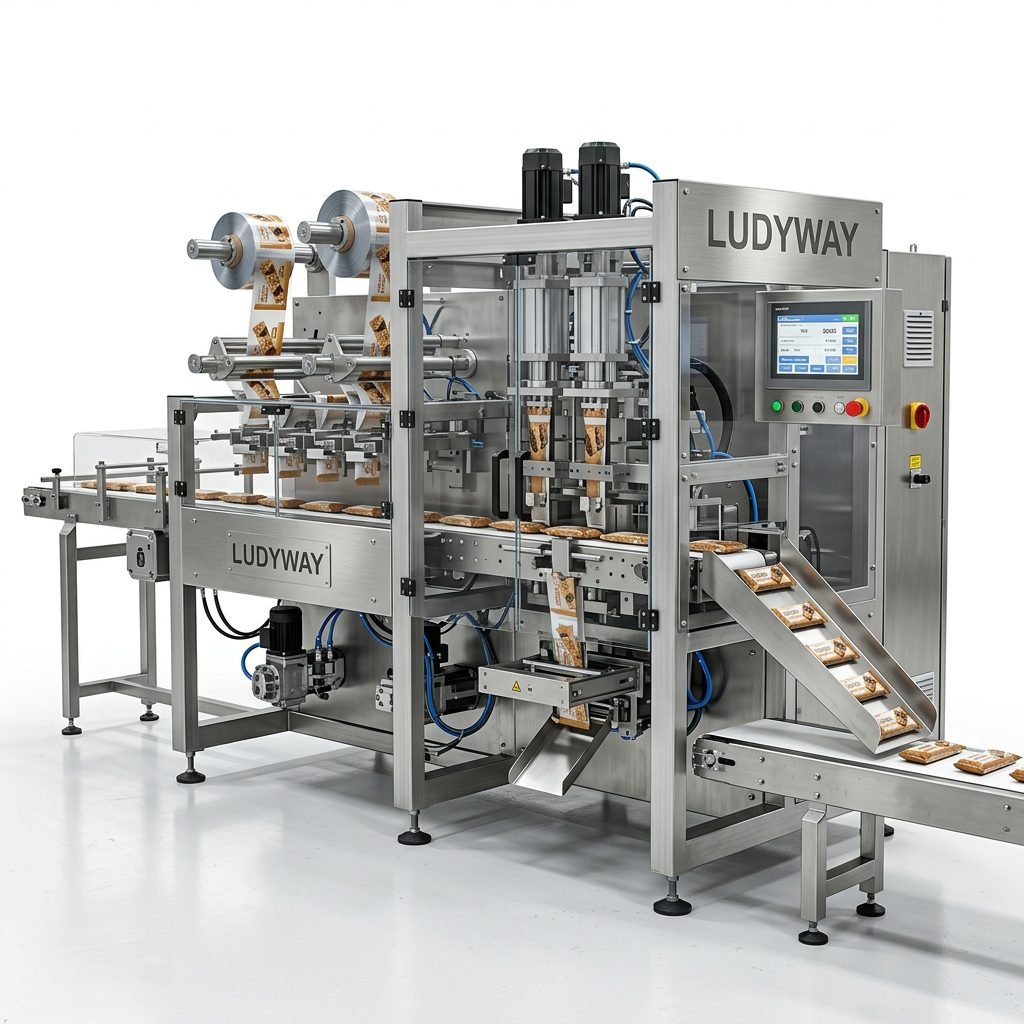
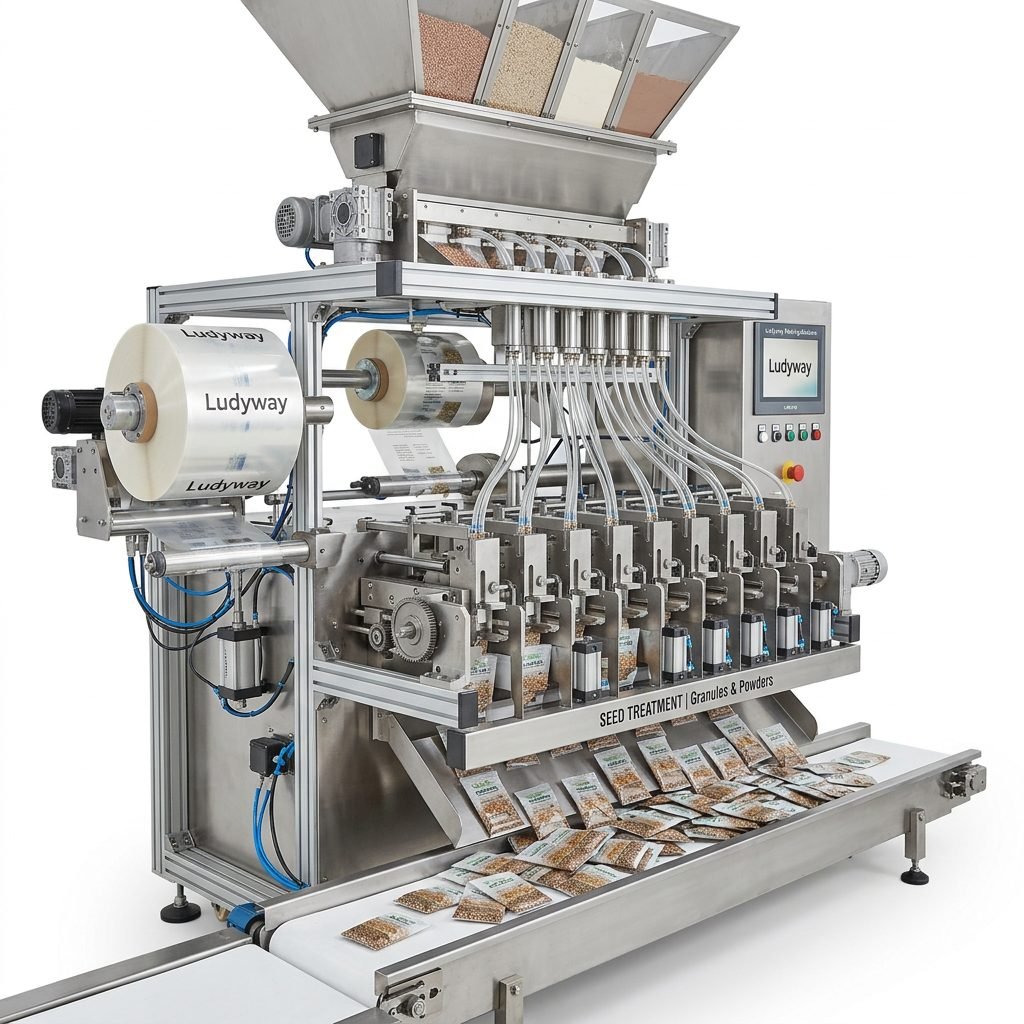
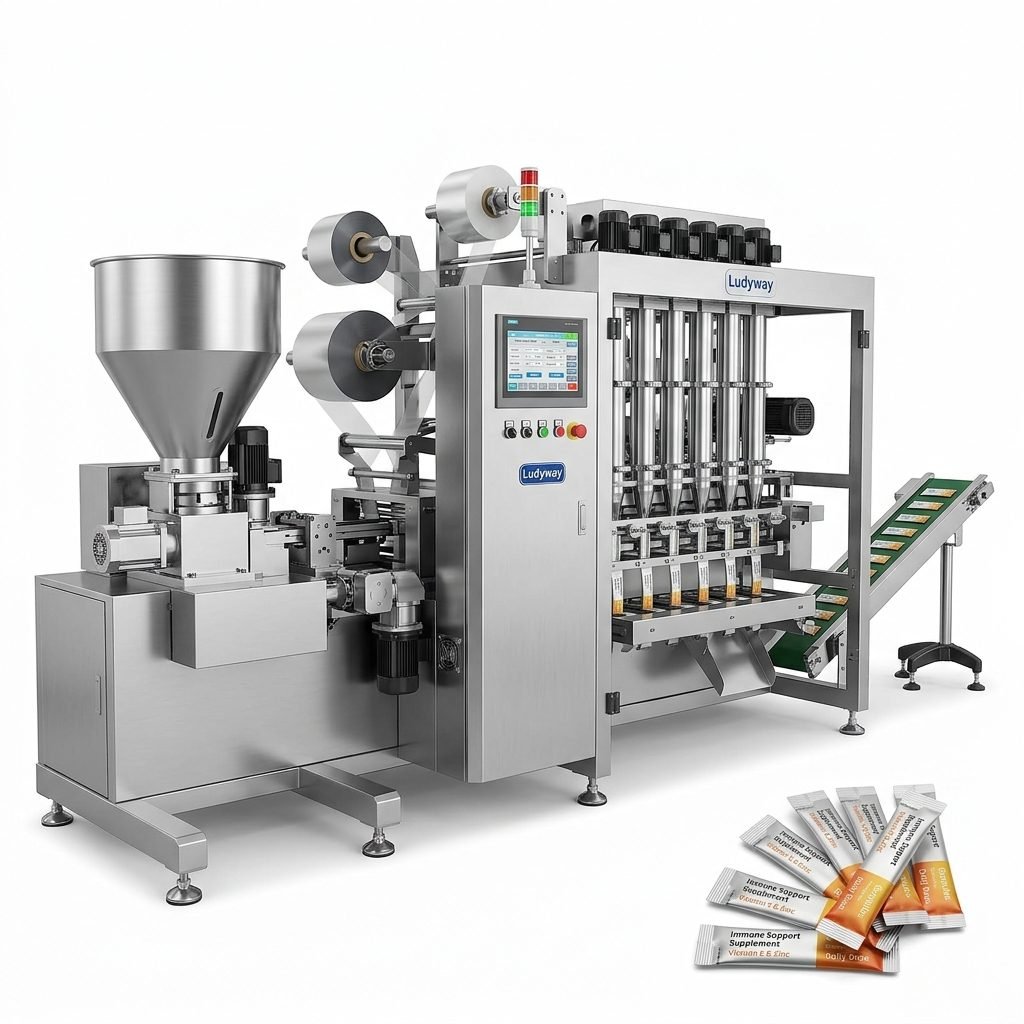
Increasingly popular for single-serve instant tea, powdered tea, or matcha. These machines produce long, slender “stick” packs from laminated film, offering excellent barrier properties for moisture and aroma. They are typically high-speed and space-efficient.
Best for: Soluble tea products, powdered mixes, iced tea powders, and brands targeting on-the-go convenience.
4. Sachet Packaging Machines
Similar to stick packs but often wider, used for loose-leaf tea in a single-serve pouch (without a string/tag) or for packaging multiple tea bags into an outer envelope. They use flexible films and can include features like nitrogen flushing to dramatically extend shelf life and preserve freshness.
Best for: Loose-leaf single-serve pouches, sample packs, and outer protective packaging for tea bag collections.
Key Features to Evaluate in a Packaging Machine
Beyond the machine type, specific features determine its capability, reliability, and suitability for your operation.
Production Speed and Output
Measured in bags or packs per minute (BPM/PPM). Speeds can range from 60 BPM for smaller machines to over 300 BPM for high-speed stick pack lines. Align the machine’s speed with your current and projected future demand to avoid bottlenecks or underutilized capital.
Versatility and Changeover
Can the machine handle different bag sizes, shapes, or materials? How quick and easy is the changeover process? Machines with tool-less changeovers or digital settings save significant downtime when switching between product runs, making them ideal for businesses with a diverse product portfolio.
Accuracy of Dosing System
The heart of quality control. Volumetric cups, auger fillers, and weigh-cell systems are common. Precision is non-negotiable to ensure consistent product weight in every bag, which affects taste, cost, and regulatory compliance. Look for systems with high-precision servo drives and easy calibration.
Material Compatibility
Ensure the machine is compatible with your chosen filter paper (heat-sealable, non-heat-sealable, biodegradable), tag paper, string, and any outer wrapping film. Some advanced machines can handle a wider range of sustainable materials, such as plant-based PLA films or unbleached filter paper.
Automation and Integration Level
Does it include automated string and tag attachment? Can it integrate with upstream equipment like blenders or downstream systems like cartoners? Higher automation reduces labor costs and increases line efficiency. Features like automatic reel splicing for continuous material feed are crucial for uninterrupted high-volume production.
Control System and User Interface
A modern, intuitive touch-screen HMI (Human-Machine Interface) allows for easy operation, recipe storage, and troubleshooting. PLC-based controls offer reliability and precise motion control. Look for clear diagnostics and multi-language support if operating internationally.
🔍 Pro Tip: The Sustainability Factor
Modern consumers and retailers increasingly demand sustainable packaging. When evaluating machines, consider their compatibility with compostable filter paper, recyclable films, or materials with a lower environmental footprint. A machine that can handle these often more delicate materials future-proofs your brand.
How to Choose the Right Machine: A Step-by-Step Guide
Step 1: Define Your Core Requirements
Start by answering fundamental questions:
• Product Type: Loose leaf, fannings, powder, herbal blends?
• Bag Style: Traditional, pyramid, round, stick pack?
• Daily/Annual Output: What volume do you need to achieve?
• Bag Size Range: What are your current and planned bag weights/sizes?
• Material: What specific filter paper and packaging films will you use?
Step 2: Assess Your Budget Comprehensively
Look beyond the initial purchase price. Consider the Total Cost of Ownership (TCO), which includes:
• Machine cost
• Installation and commissioning
• Cost of spare parts and wear components
• Energy consumption
• Required operator skill level (labor cost)
• Potential costs for future upgrades
Step 3: Research and Shortlist Reputable Suppliers
Look for manufacturers with proven experience in the tea industry. Evaluate their:
• Industry Reputation & References: Ask for case studies or contact existing clients.
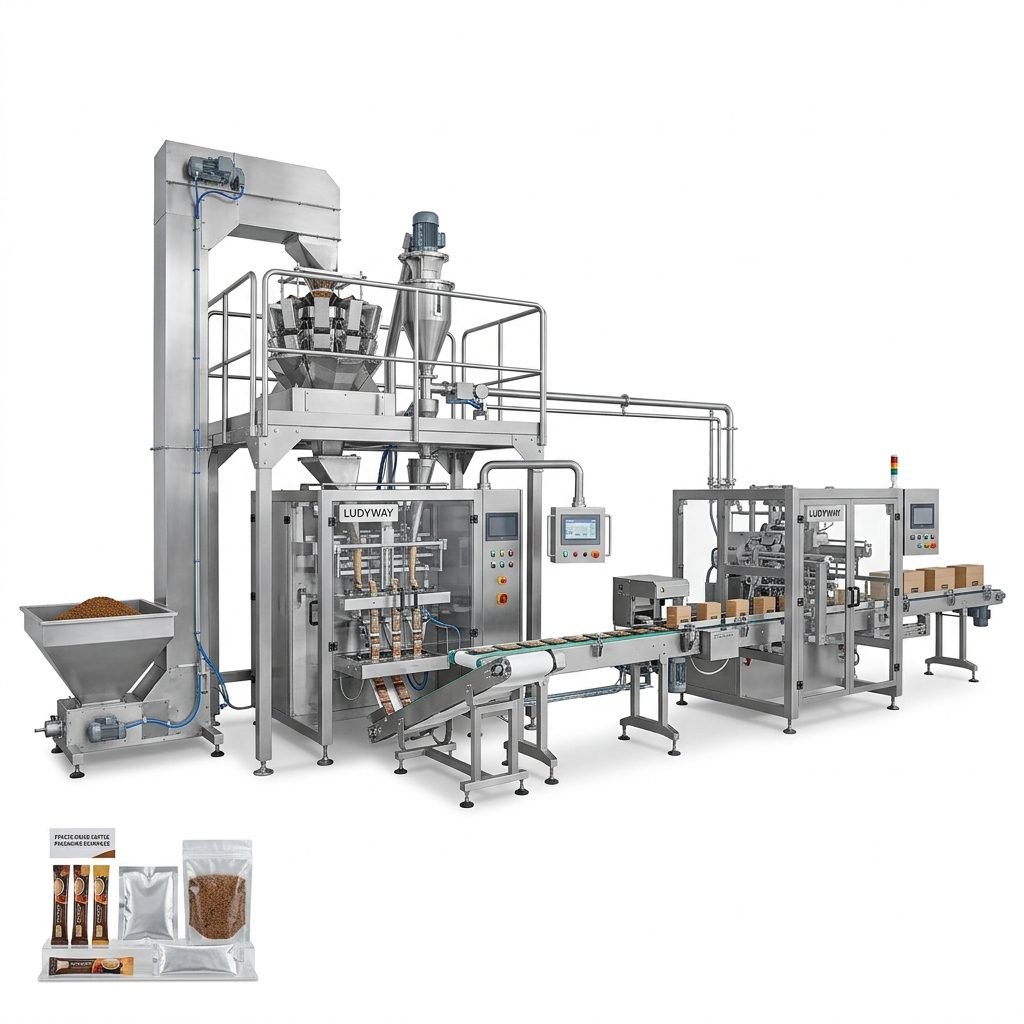
• Technical Support & Service Network: Availability of spare parts, remote support, and on-site engineers is critical for minimizing downtime. Companies like Ludyway Machinery, with decades of focused experience, often provide more tailored support.
• Warranty and Training: A comprehensive warranty and thorough operator training are signs of a confident supplier.
Step 4: Request a Product Sample Test
This is the most crucial step. Send your exact tea blend and packaging materials to the shortlisted suppliers. A live or video-recorded production sample run will reveal:
• Actual bag quality and seal integrity.
• Filling accuracy with your specific product.
• Realistic operational speed.
• Any handling issues with your materials.
Step 5: Plan for the Future
Choose a machine and a supplier that can grow with you. Can the machine be upgraded for higher speed or additional functions? Does the supplier offer a broader range of equipment, like complete sachet packaging lines, for when you’re ready to expand? A partner invested in your long-term success is invaluable.
Conclusion
Selecting the ideal tea bag packaging machine requires a careful balance of technical specifications, operational needs, and strategic foresight. By thoroughly understanding the machine types, meticulously evaluating key features, and following a structured selection process, you can invest in a system that enhances product quality, boosts production efficiency, and supports your brand’s growth for years to come. Partnering with an experienced and reliable machinery provider is the final, essential piece of the puzzle, ensuring you have the technical support needed to maximize your investment.
Frequently Asked Questions (FAQs)
1. What is the typical price range for a commercial tea bag packaging machine?
Prices vary widely based on type, speed, and automation. A basic single-chamber machine may start around $20,000, while high-speed, fully automated lines with integrated bagging, tagging, and cartoning can exceed $150,000. It’s essential to budget for the Total Cost of Ownership.
2. Can one machine produce both traditional tea bags and pyramid tea bags?
Generally, no. The forming mechanisms for flat, two-chamber bags and three-dimensional pyramid bags are fundamentally different. Some manufacturers may offer modular lines where components can be swapped, but a single machine unit typically specializes in one style.
3. How important is nitrogen flushing, and do I need it?
Nitrogen flushing replaces oxygen inside the package with inert nitrogen gas. It is highly important for preserving the freshness, aroma, and color of delicate teas (like green or white tea) and extending shelf life significantly. It’s a recommended feature for premium products and brands with longer distribution chains.
4. What are the key maintenance requirements?
Daily cleaning of product contact parts, regular lubrication of moving components as per the manual, and inspection of sealing jaws and cutting blades are essential. Choosing a machine with easy-access design and good availability of spare parts from your supplier drastically simplifies maintenance.
5. How do I ensure the machine works with biodegradable materials?
You must test it explicitly. Biodegradable films and papers often have different heat-sealing properties and tensile strengths. Inform your supplier of your intent to use such materials from the start, as machine settings (like temperature, pressure, and dwell time) may need to be specifically calibrated for them.