Germany represents one of the most stringent and quality-driven markets for baby food production in Europe. With its robust regulatory framework, advanced manufacturing infrastructure, and discerning consumer base, selecting the right baby food packaging machine requires careful evaluation of technical specifications, hygiene standards, and operational efficiency. This guide walks you through everything you need to know before making an investment.
Understanding Baby Food Packaging Requirements in Germany
Baby food packaging in Germany must comply with exceptionally high standards. Unlike general food products, infant formulas, cereal powders, and purees demand packaging that guarantees zero contamination, precise portion control, and extended shelf life. The packaging machine you choose must handle sensitive powders and granules without compromising nutritional integrity.
German consumers expect baby food products to be packaged in hygienic, tamper-evident, and easy-to-use formats. Stick packs and sachets have gained significant popularity due to their convenience and precise dosing capabilities. For manufacturers, this translates into a need for high-precision, automated packaging lines that meet both regulatory and consumer expectations.
Types of Baby Food Packaging Machines Available
The German market predominantly utilizes several types of packaging machinery tailored to baby food products. Understanding the differences helps you make an informed decision based on your production volume, product consistency, and format requirements.
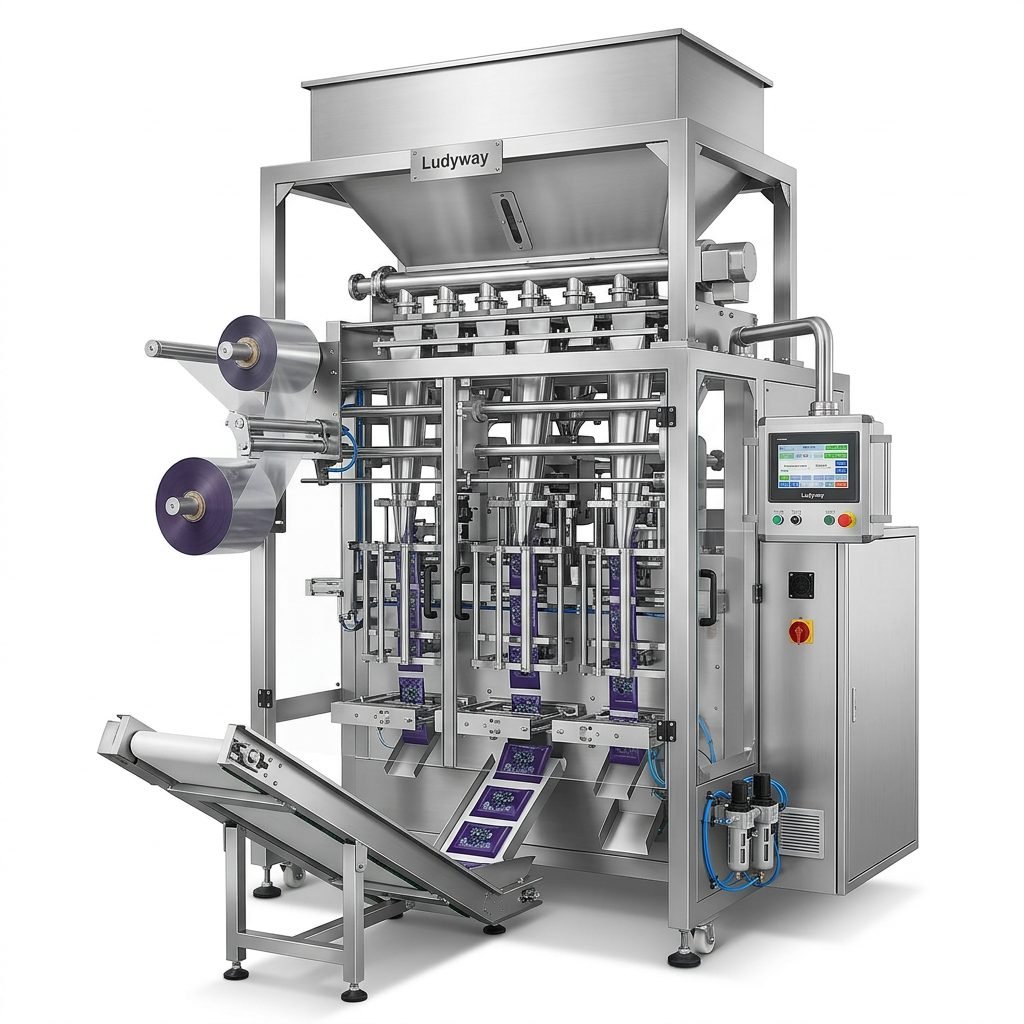
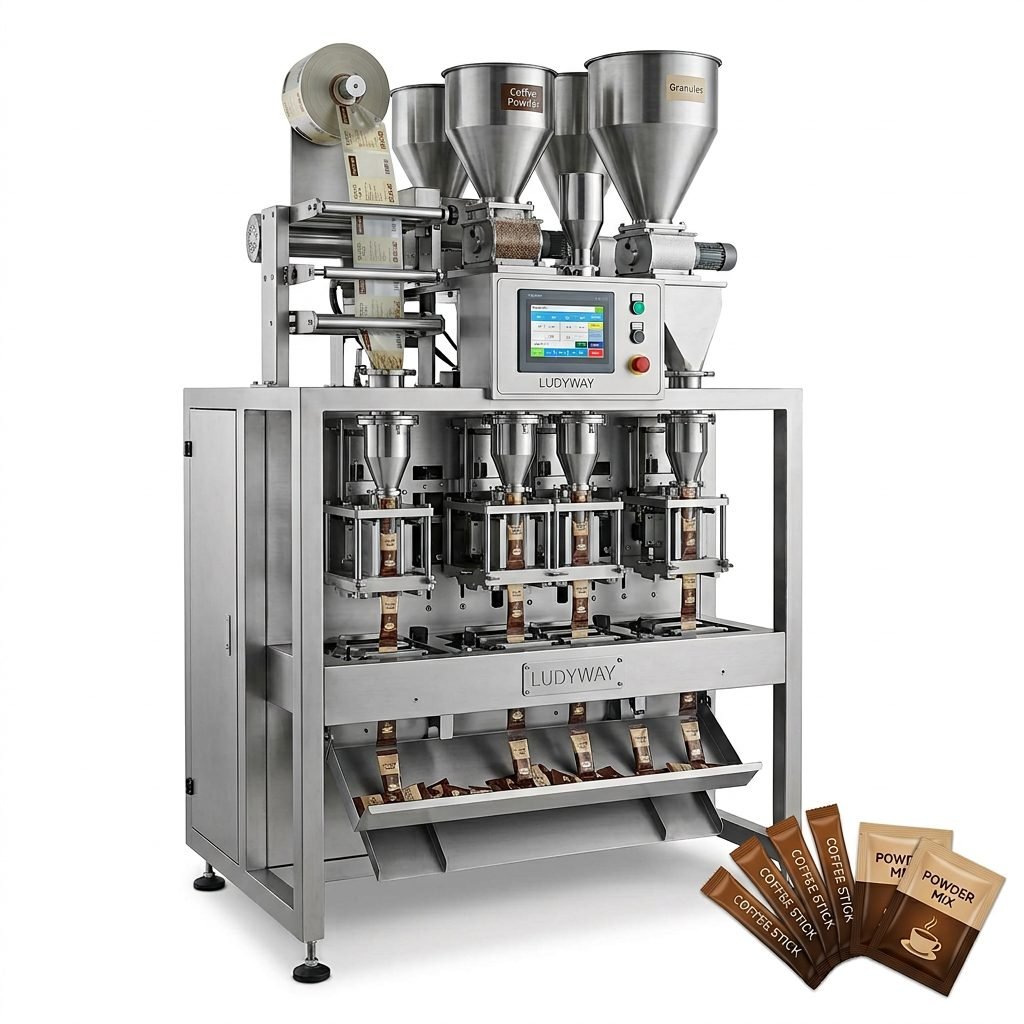
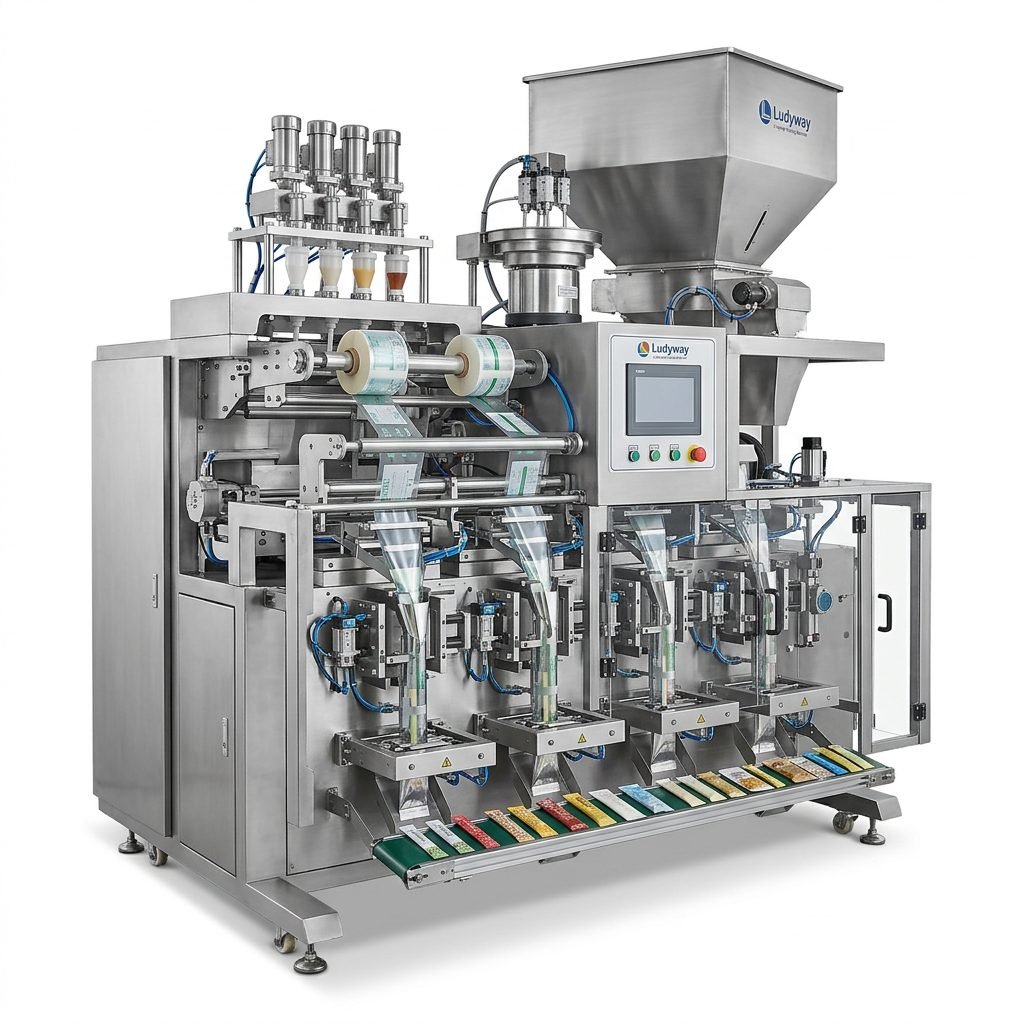
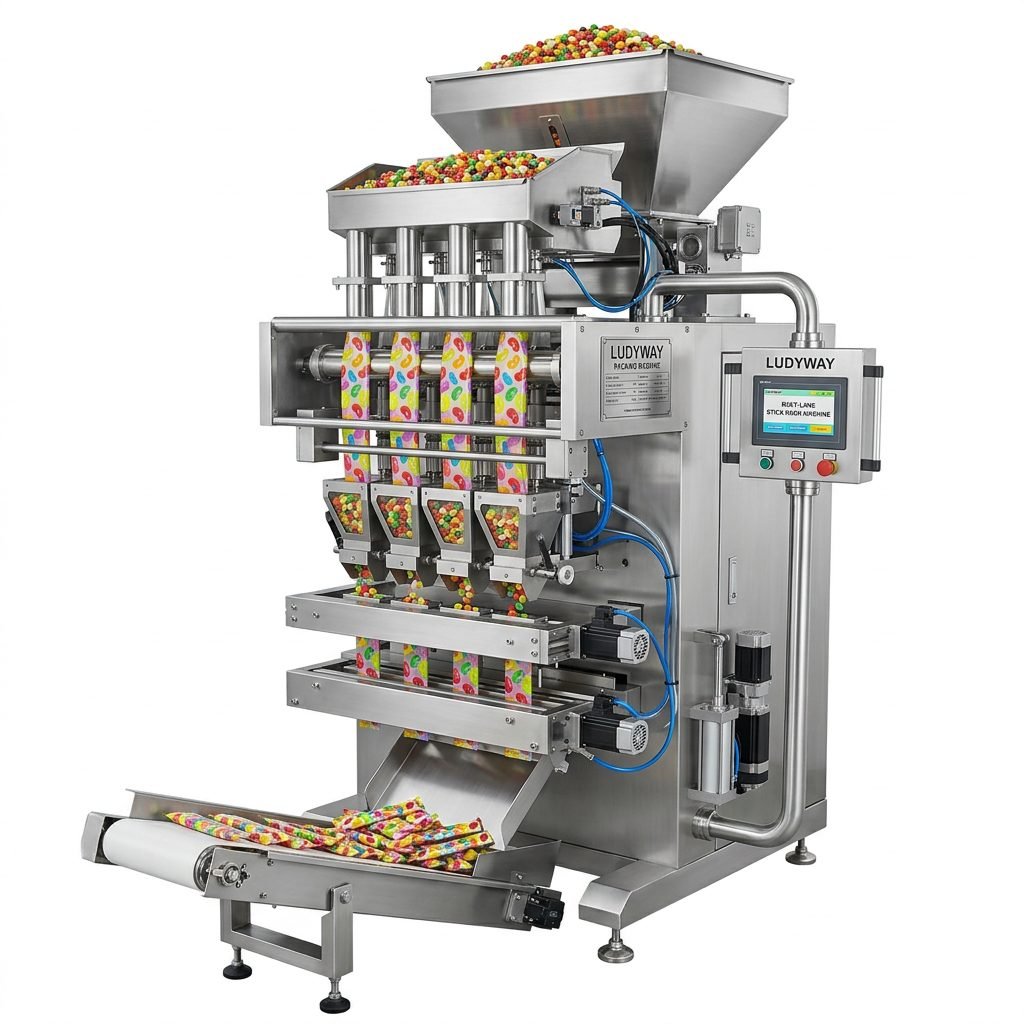
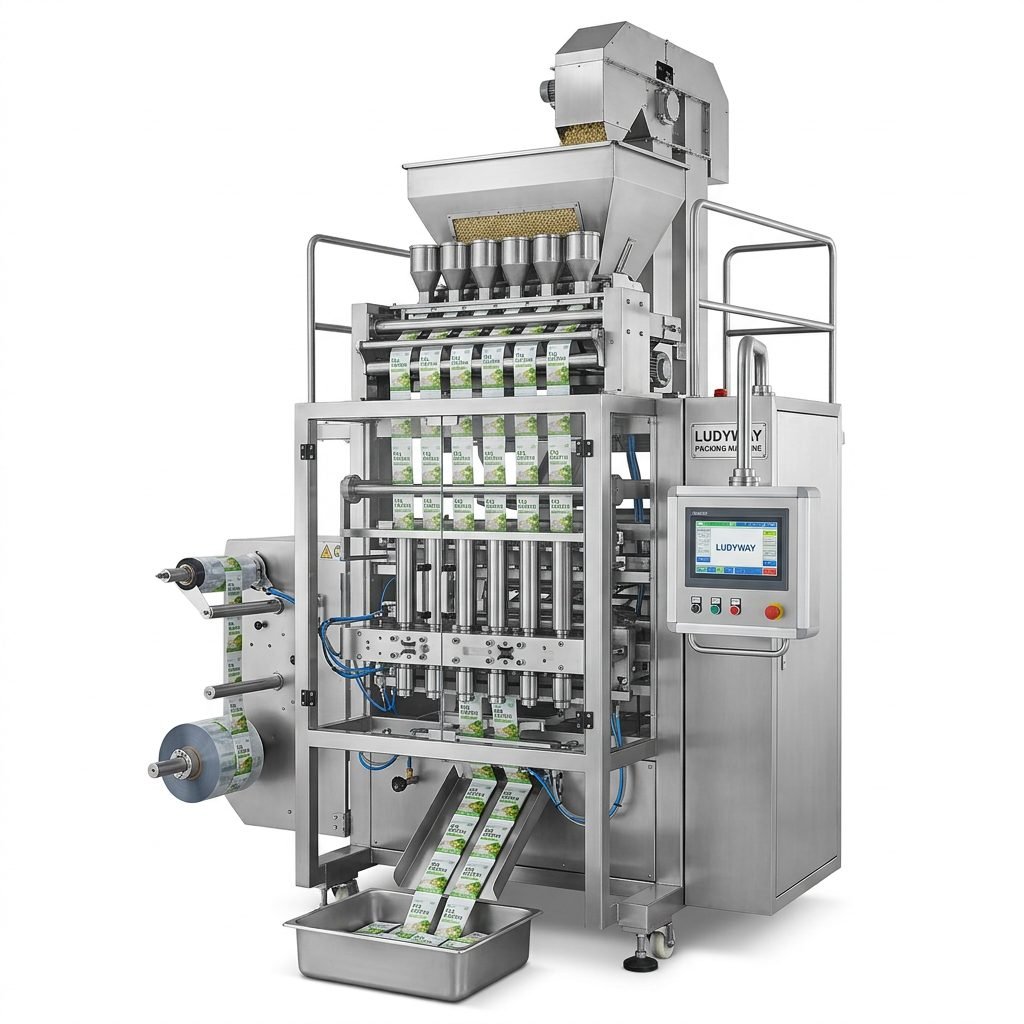
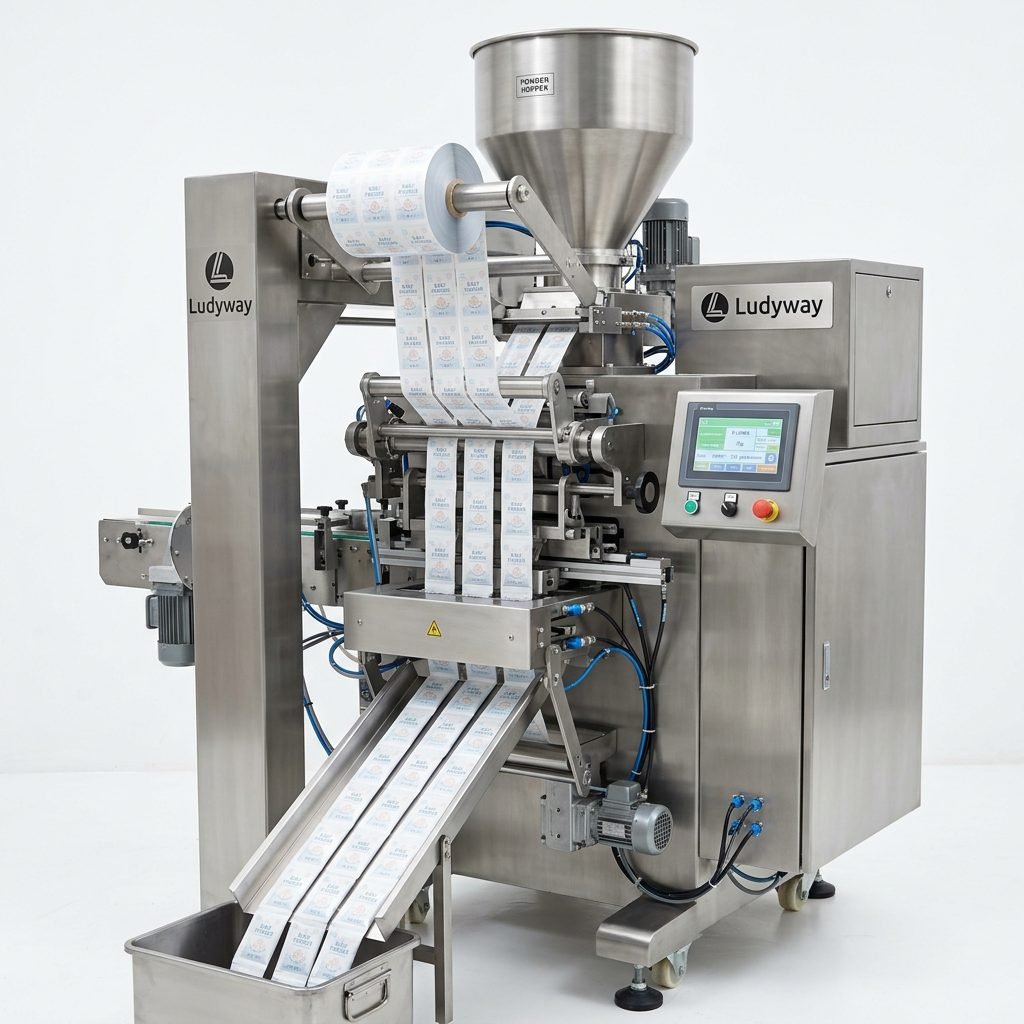
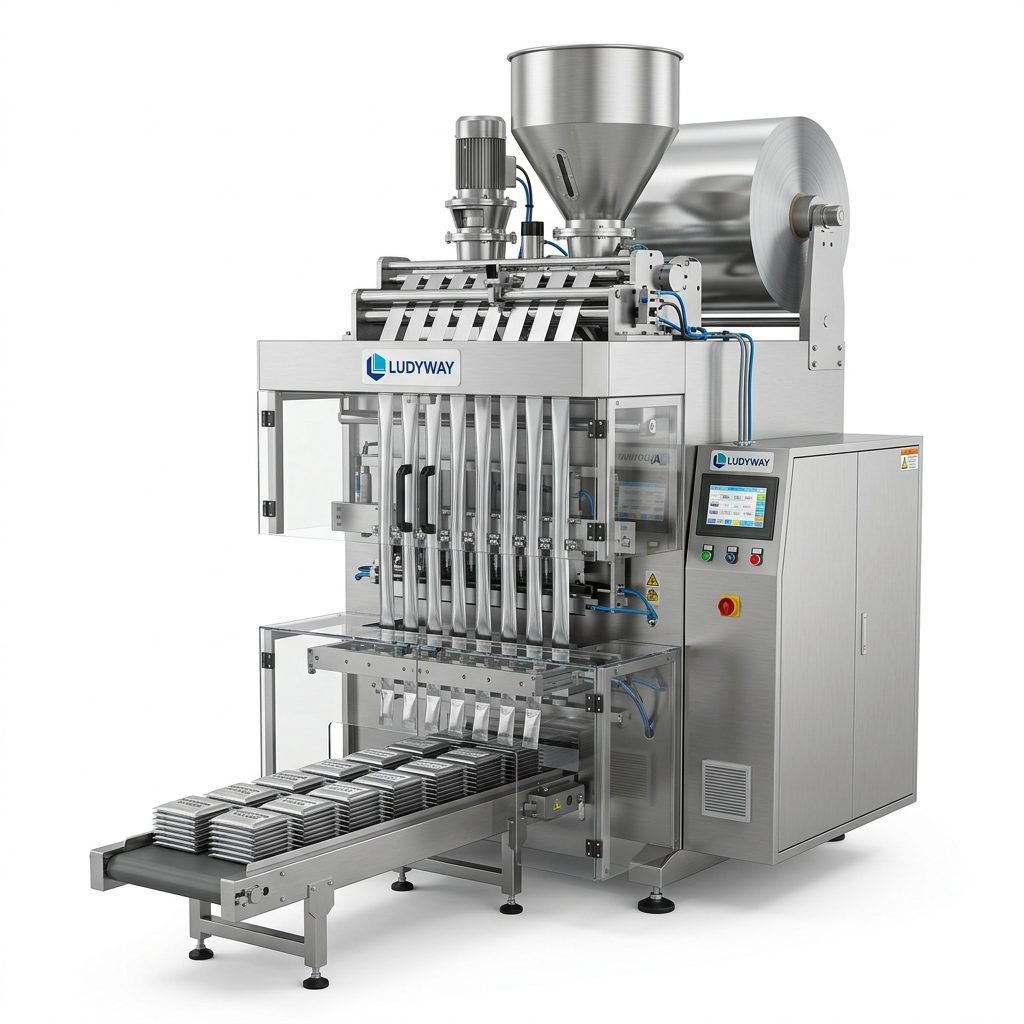
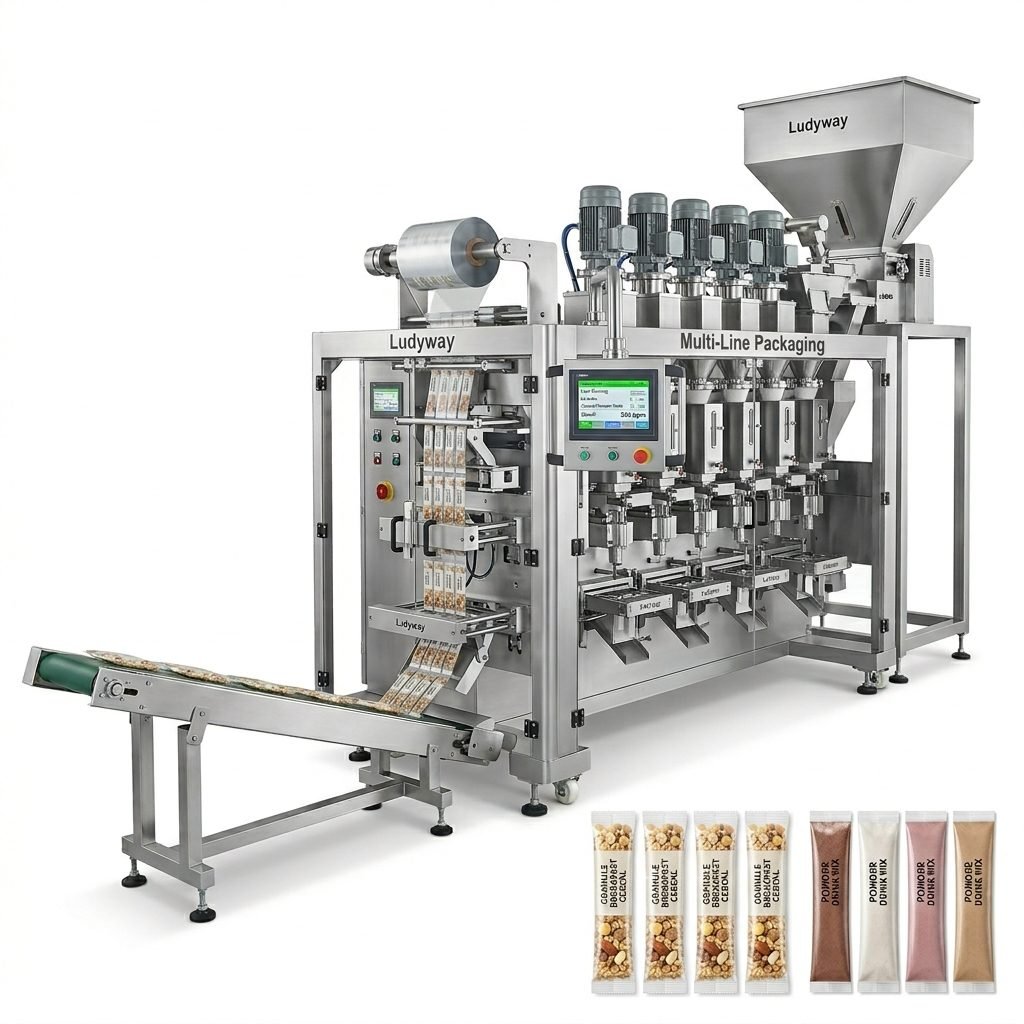
- Multi-Lane Stick Pack Machines — Ideal for powder-based baby cereals, formula milk powder, and nutritional supplements. These machines produce narrow, elongated sachets ideal for single-serving portions, a format widely preferred by German parents for on-the-go convenience. Multi-lane configurations can produce up to 600 packs per minute across multiple lanes simultaneously, making them suitable for high-volume manufacturers.
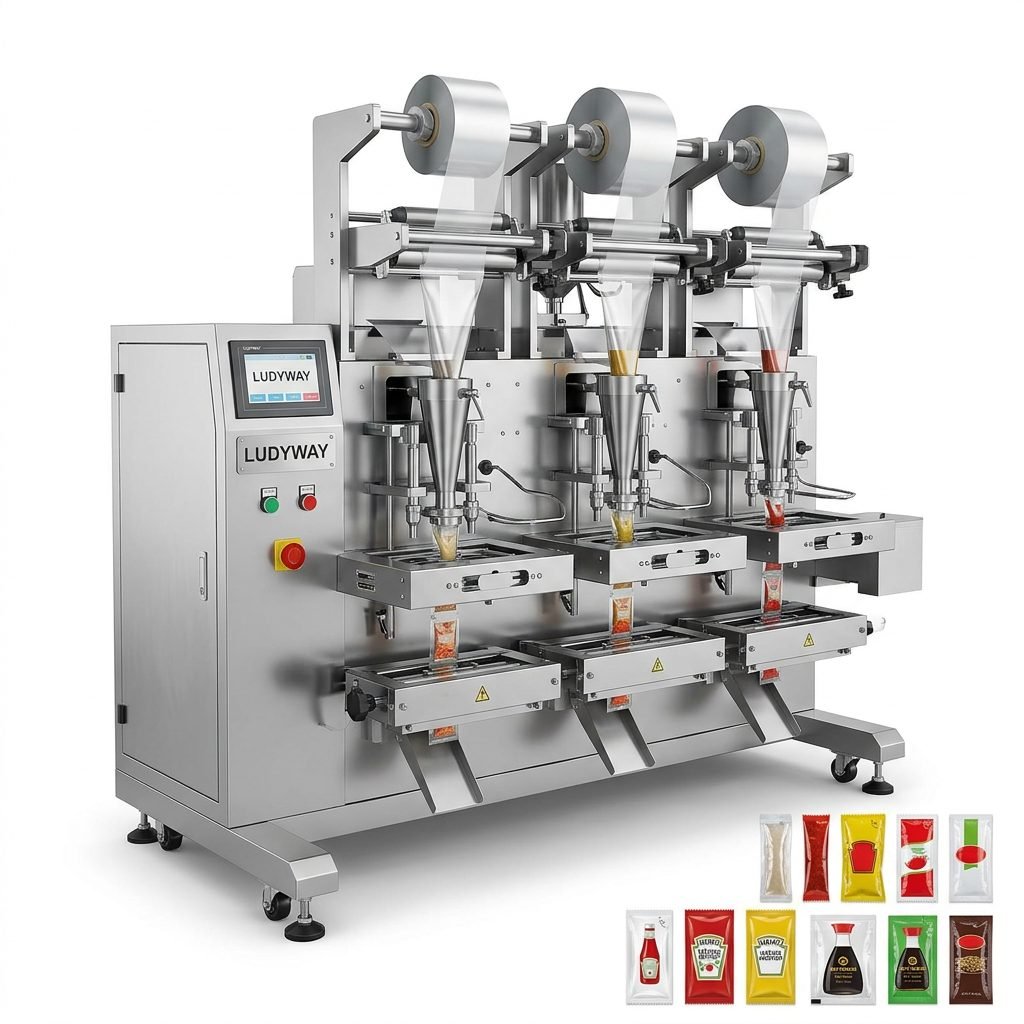
- Sachet Packaging Machines — Suitable for both powder and liquid baby food products such as fruit purees and ready-to-feed formulas. These versatile machines create flat or stand-up sachets with excellent barrier properties, protecting sensitive contents from moisture and oxygen. High-speed models equipped with multi-lane capabilities are essential for meeting the growing demand in German retail chains.
- Pre-Made Pouch Filling and Sealing Machines — Best for premium baby food products that require high-barrier, resealable packaging formats. These machines handle pre-formed pouches and fill them with precision, often incorporating modified atmosphere packaging (MAP) technology to extend shelf life without preservatives.
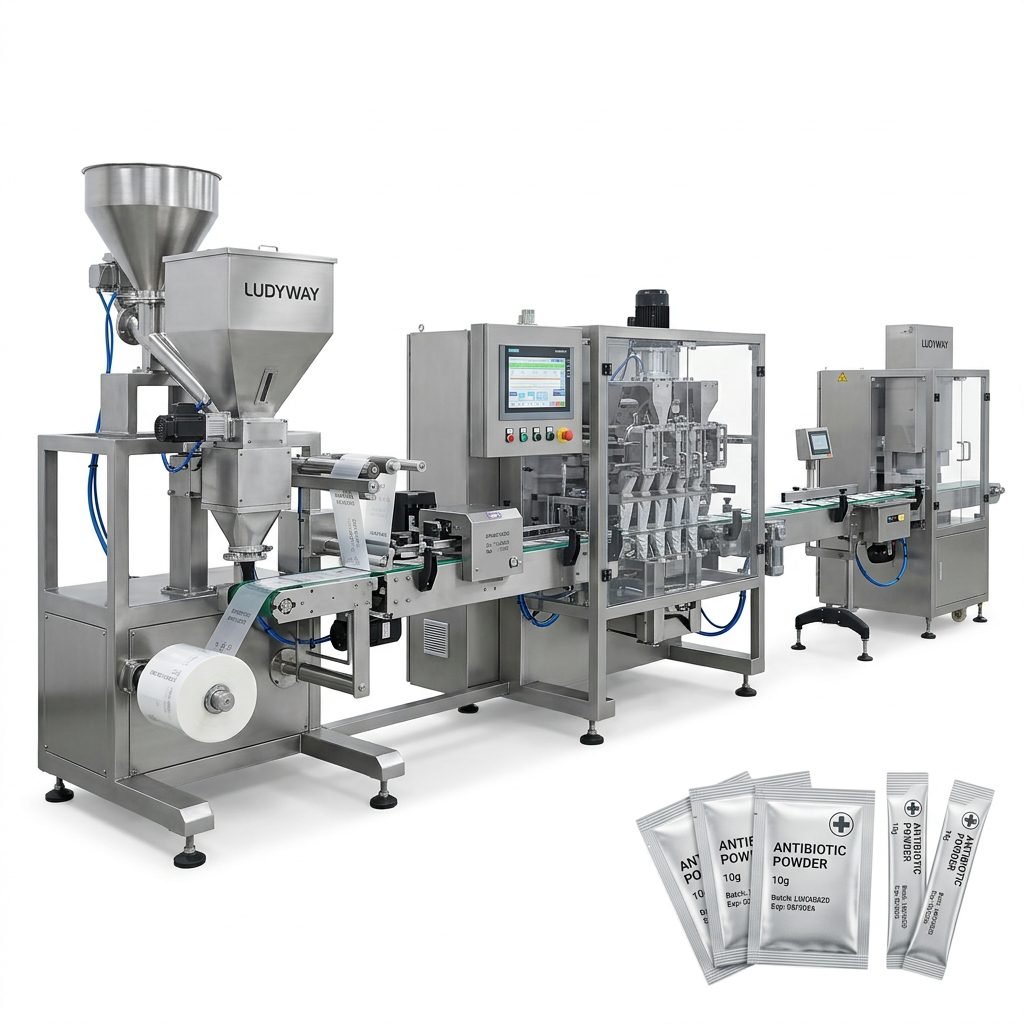
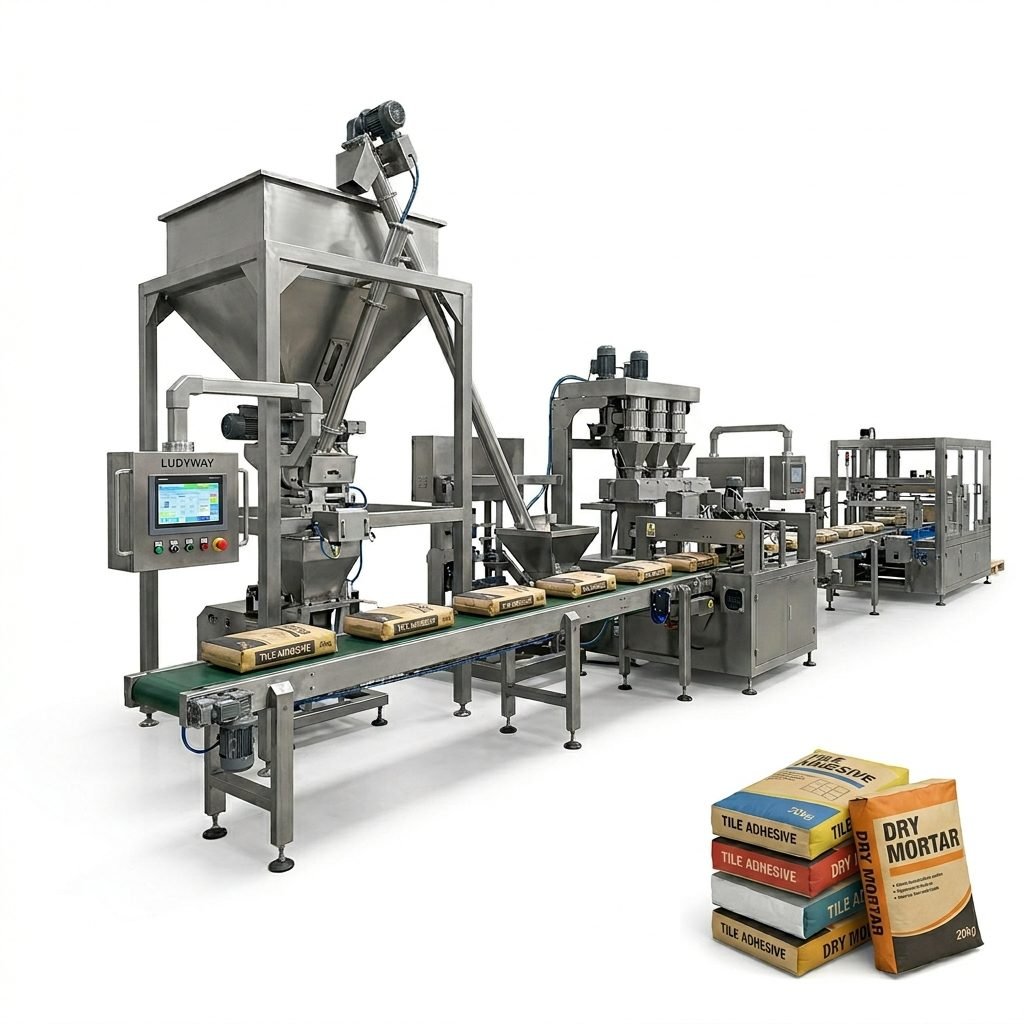
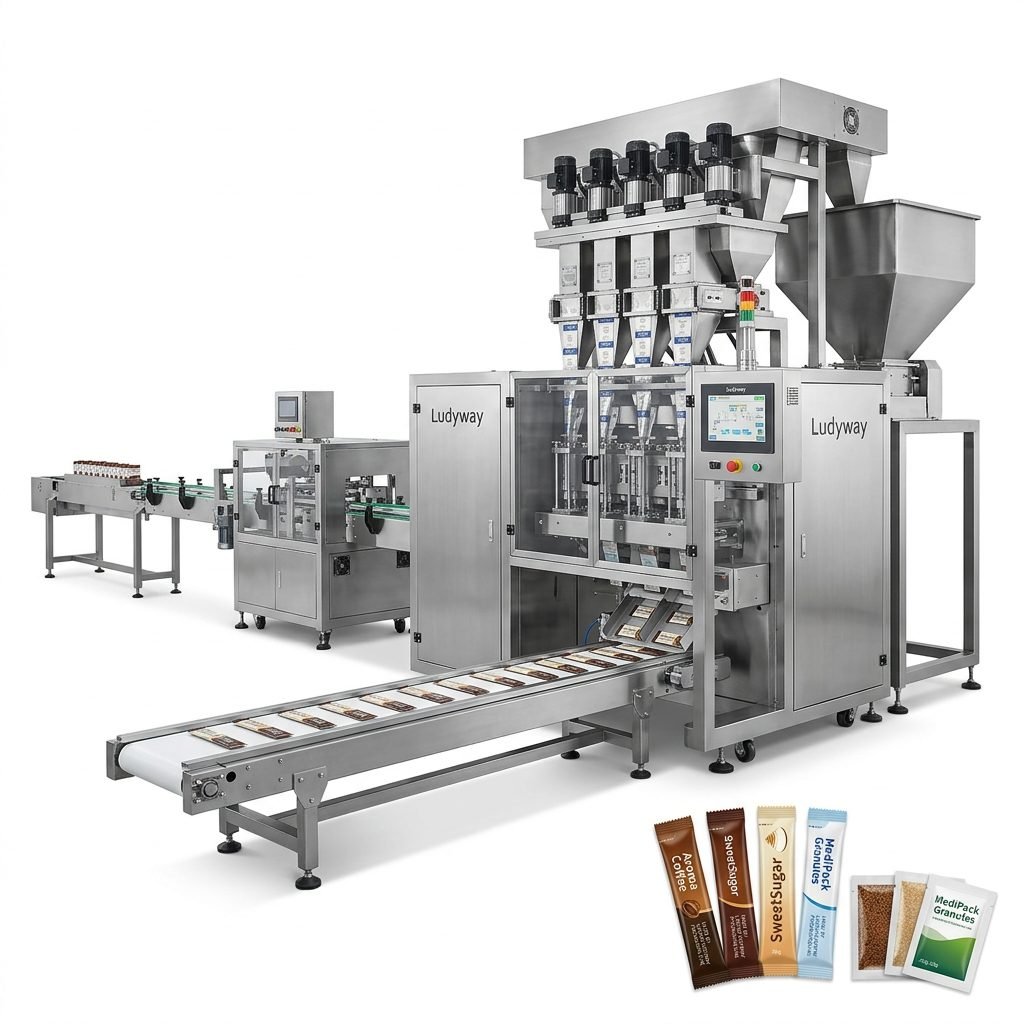
- Turnkey Packaging Lines — Comprehensive systems that integrate feeding, weighing, filling, sealing, coding, and cartoning into one seamless production flow, reducing manual intervention and contamination risks.
Key Features to Evaluate When Buying
When purchasing a baby food packaging machine for the German market, several critical features demand your attention. Overlooking any of these can lead to compliance issues, production bottlenecks, or product quality degradation.
- Hygienic Design and Materials — All product contact parts must be manufactured from food-grade stainless steel (AISI 304 or 316L). The machine frame should feature smooth, crevice-free surfaces that prevent bacterial harborage and facilitate thorough cleaning. Look for equipment with IP65 or higher protection ratings for washdown environments.
- Precision Weighing and Filling Accuracy — Baby food products require exact portion control to meet nutritional labeling requirements. Modern multi-head weighers and auger fillers integrated into the packaging machine should deliver accuracy within ±0.5% of target weight. Advanced systems incorporate real-time feedback loops that automatically adjust fill parameters to maintain consistency across extended production runs.
- Sealing Integrity and Tamper Evidence — The sealing mechanism must produce hermetic seals that prevent contamination while offering visible tamper evidence. Heat-sealing parameters should be precisely controllable, with automatic temperature monitoring and deviation alarms. Triple-seal or quad-seal configurations provide additional security for premium baby food products.
- Dust Control and Containment Systems — Powder-based baby foods generate fine dust that can compromise hygiene and machine performance. Effective vacuum dust extraction systems integrated into the packaging machine are essential for maintaining a clean production environment and preventing cross-contamination between production batches.
- Automation and Industry 4.0 Readiness — German manufacturing facilities increasingly adopt smart factory principles. Your packaging machine should support data exchange protocols, remote monitoring, predictive maintenance alerts, and integration with enterprise resource planning (ERP) systems to optimize overall equipment effectiveness (OEE).
German Regulatory Standards and Compliance
Germany enforces some of the world’s strictest food packaging regulations. Before purchasing equipment, ensure it enables compliance with the following frameworks:
- EU Regulation (EC) No 1935/2004 — Governs all materials intended to come into contact with food. Packaging materials and machine components must not transfer constituents to food in quantities that could endanger human health or alter the food’s composition, taste, or odor.
- EU Regulation (EC) No 2023/2006 — Establishes good manufacturing practice (GMP) for materials and articles intended to come into contact with food. Your packaging process must be documented and traceable.
- German Food and Feed Code (LFGB) — National legislation that supplements EU regulations with additional requirements specific to the German market, including stricter migration limits for certain substances.
- IFS Food Standard — While voluntary, many German retailers require IFS certification from their suppliers. Packaging equipment that supports IFS compliance requirements gives you a competitive advantage in the German retail landscape.
For detailed regulatory guidance, refer to the FDA Food Packaging and Food Contact Substances resource and the European Commission Packaging and Packaging Waste Regulation page.
How to Choose the Right Packaging Machine for Your Production
Selecting the optimal baby food packaging machine involves a systematic evaluation of your production requirements. Follow this decision framework to narrow your options effectively.
- Define Your Product Characteristics — Is your baby food a free-flowing powder, a sticky granule blend, a viscous puree, or a liquid formula? Different product consistencies require different filling technologies. Auger fillers excel with cohesive powders, while piston fillers handle viscous liquids with precision. Multi-head combination weighers are ideal for free-flowing granules and cereal mixes.
- Determine Target Output Capacity — Calculate your required packs per minute based on current and projected demand. Single-lane machines typically produce 40-80 packs per minute, while multi-lane systems can achieve 400-800 packs per minute. Factor in shift patterns, downtime for changeovers, and seasonal demand fluctuations typical in the German market.
- Assess Format Flexibility Needs — Consider whether you need a machine that can handle multiple sachet sizes and formats. German retailers frequently request various pack sizes for different channels. Machines with quick-change tooling and recipe-based setup reduce changeover time and expand your product range without additional capital investment.
- Evaluate Facility Constraints — Measure available floor space, ceiling height, and utility connections. Some high-speed multi-lane packaging lines require substantial infrastructure. Confirm that your facility can accommodate the machine’s power, compressed air, and dust extraction requirements before finalizing your purchase.
- Verify After-Sales Support Availability — For manufacturers operating in Germany, responsive technical support is non-negotiable. Confirm that the equipment supplier offers local service technicians, readily available spare parts, and comprehensive operator training programs. Downtime in baby food production can be exceptionally costly due to the perishable nature of raw materials.
Comparing Packaging Machine Types at a Glance
The following table provides a comparative overview of the main packaging machine types suitable for baby food production in Germany.
| Machine Type | Best For | Output Range | Key Advantage |
|---|---|---|---|
| Multi-Lane Stick Pack | Powder formulas, cereal mixes | 200–800 packs/min | High-speed, precise dosing, single-serve convenience |
| Sachet Packaging Machine | Powders, purees, liquids | 60–300 packs/min | Versatile format options, excellent barrier properties |
| Premade Pouch Filler-Sealer | Premium products, resealable formats | 30–120 packs/min | High-barrier packaging, MAP compatibility |
| Turnkey Packaging Line | Full-scale automated production | Custom configured | Integrated solution, minimal manual handling |
Cost Considerations and Return on Investment
Investing in a baby food packaging machine for the German market involves a significant capital outlay, but the returns can be substantial when you select the right equipment. Entry-level single-lane sachet machines may start around €25,000–€50,000, while fully automated multi-lane stick pack systems with integrated cartoning can range from €150,000 to over €500,000 depending on configuration and customization requirements.
Key factors influencing total cost of ownership include energy efficiency ratings, consumable parts replacement frequency, maintenance contract terms, and operator training requirements. Machines with servo-driven motion control typically offer lower energy consumption and reduced mechanical wear compared to pneumatic or cam-driven alternatives, delivering better long-term ROI despite higher initial investment.
German manufacturers can also benefit from various federal and state-level incentives for investments in energy-efficient production equipment, including KfW development bank programs and regional economic development grants that subsidize automation and digitalization initiatives.
Why Hygiene and Safety Cannot Be Compromised
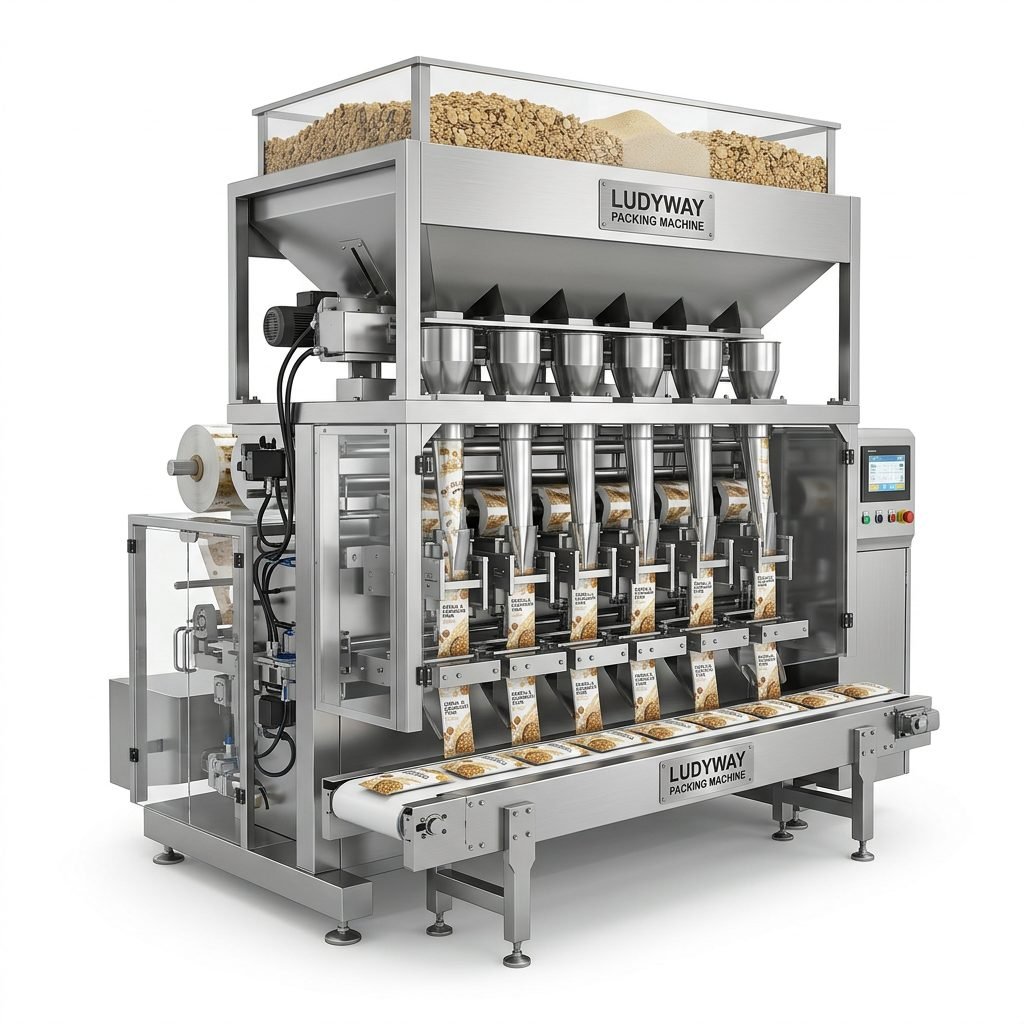
Baby food packaging demands the highest level of hygiene assurance in the food industry. Infants have developing immune systems and are particularly vulnerable to foodborne pathogens. The packaging machine must incorporate clean-in-place (CIP) capabilities or at minimum be designed for thorough manual cleaning with minimal disassembly. All sealing surfaces must reach and maintain temperatures sufficient to destroy potential contaminants, while the fill zone should operate under positive-pressure HEPA-filtered air in critical applications.
Look for machines that comply with EHEDG (European Hygienic Engineering and Design Group) guidelines, which provide authoritative design criteria for hygienic equipment. Stainless steel construction, sloped surfaces that prevent liquid pooling, and fully welded frames with continuous seam welding are essential design features for baby food packaging equipment destined for the German market.
Automation Trends in the German Baby Food Sector
Germany’s baby food manufacturers are rapidly adopting advanced automation technologies to improve efficiency, traceability, and quality assurance. Modern packaging machines increasingly feature integrated vision inspection systems that verify seal integrity, check print quality, and detect foreign objects at high speed. According to industry data from PMMI Business Intelligence, the adoption of smart packaging technologies in European food manufacturing continues to accelerate.
Serialization and track-and-trace capabilities are becoming standard requirements, enabling complete supply chain visibility from raw material batch to finished packaged product. This level of traceability not only satisfies regulatory requirements but also builds consumer trust — a critical factor in the German baby food market where brand reputation directly impacts purchasing decisions.
Making the Final Decision
After evaluating technical specifications, regulatory requirements, and budget constraints, the final step is to visit potential suppliers and observe their machines in operation. Request sample runs using your actual baby food product to verify performance claims. Pay close attention to changeover procedures, noise levels, and the overall build quality of the equipment.
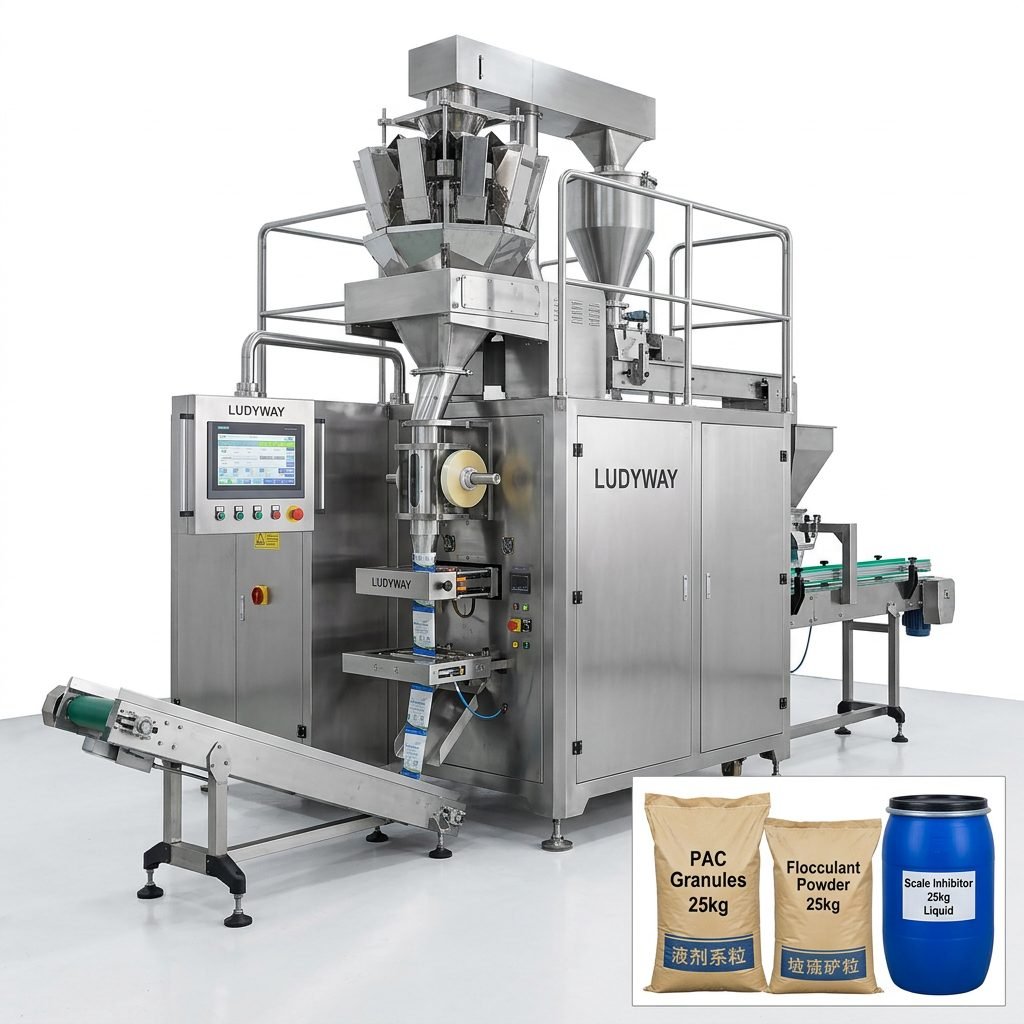
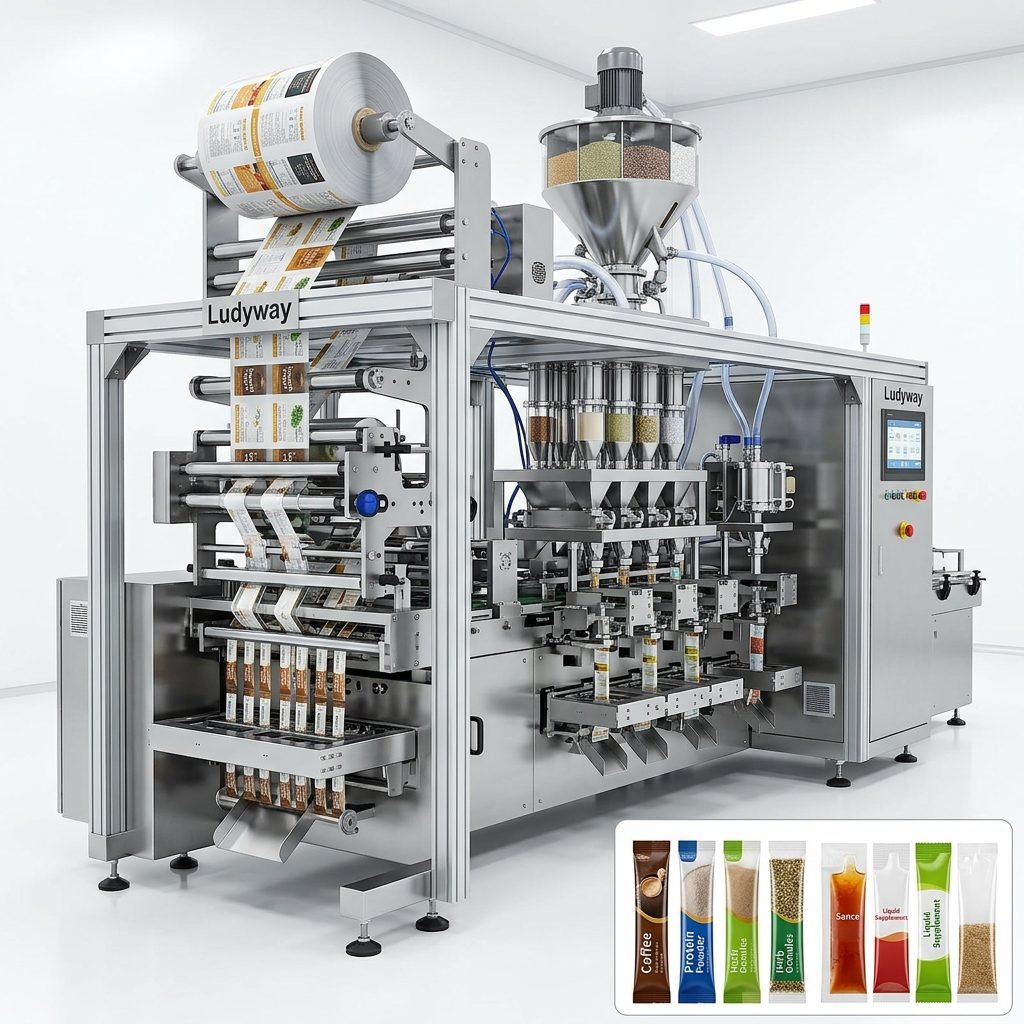
For manufacturers seeking a reliable partner with extensive experience in multi-lane packaging systems, Ludyway offers advanced packaging solutions backed by over 30 years of industry expertise. With a modern 20,000㎡ manufacturing facility and more than 50 intelligent packaging machine models serving customers in over 100 countries, Ludyway provides turnkey solutions tailored to the unique requirements of baby food producers targeting the German and broader European markets. Their multi-lane stick pack and sachet machines incorporate precision dosing, hygienic stainless steel construction, and advanced automation features that align with German regulatory standards and production efficiency goals.
For additional market insights, consult the Flexible Packaging Association Industry Resources and explore PMMI State of the Industry Reports for the latest packaging machinery market data and trends affecting European food manufacturers.
Frequently Asked Questions
Q: What is the ideal packaging format for baby food powder products in Germany?
Stick packs and flat sachets are the most popular formats due to their portion-control convenience, excellent barrier properties, and compatibility with high-speed automated filling lines. Multi-lane stick pack machines can produce these formats at rates exceeding 400 packs per minute.
Q: How do I ensure my packaging machine meets German hygiene standards?
Select equipment constructed from food-grade stainless steel with crevice-free surfaces, validate that all product-contact materials comply with EU Regulation 1935/2004, and ensure the machine design facilitates thorough cleaning. EHEDG certification provides additional assurance of hygienic design quality.
Q: Can one machine handle both powder and liquid baby food products?
Some advanced multi-lane packaging machines are designed to handle multiple product consistencies, but this requires different filling modules. Verify with the manufacturer that changeover between powder and liquid configurations is practical for your production schedule and volume requirements.
Q: What level of automation is appropriate for a mid-sized German baby food manufacturer?
A semi-automated or fully automated multi-lane sachet line with integrated weighing, filling, sealing, and coding typically suits mid-sized operations producing 50–200 packs per minute. Full turnkey lines with robotic cartoning and palletizing are justified for higher volumes or when labor costs and contamination risks from manual handling are significant concerns.