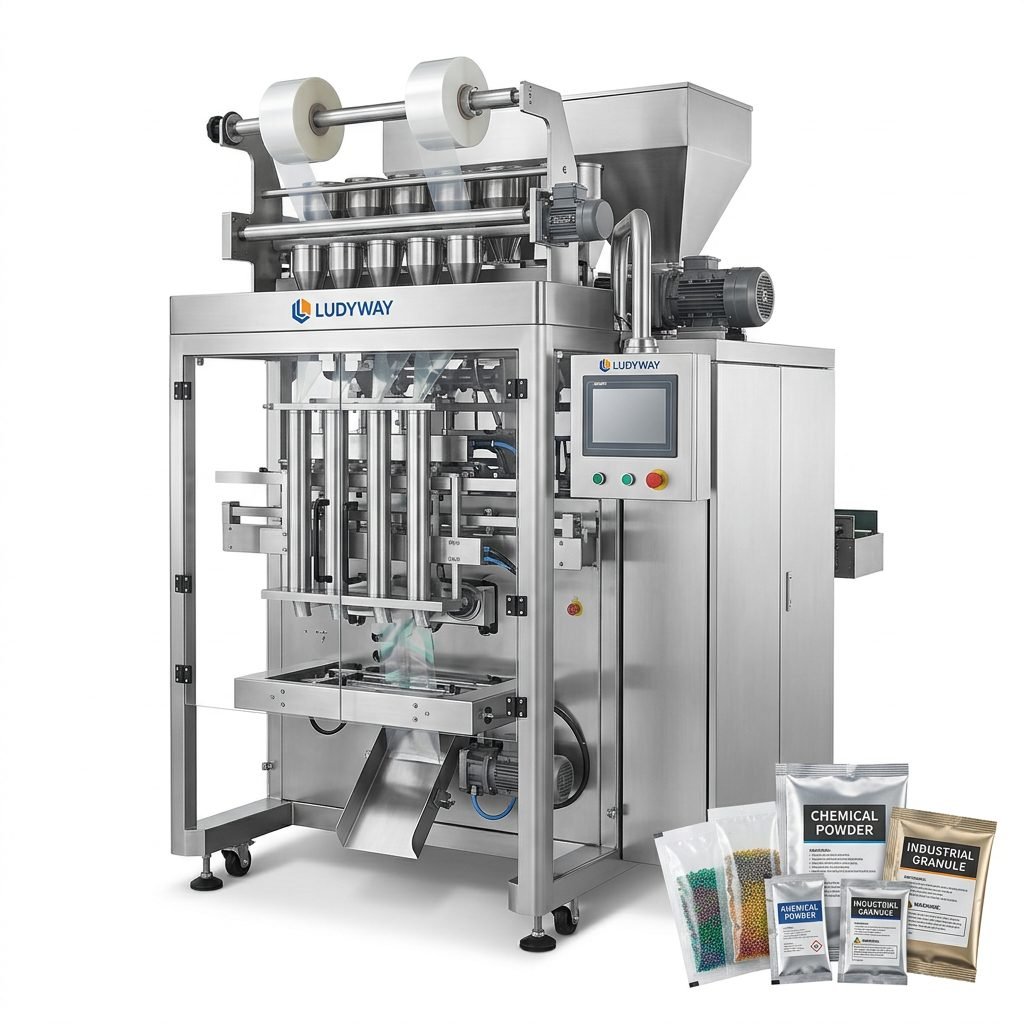
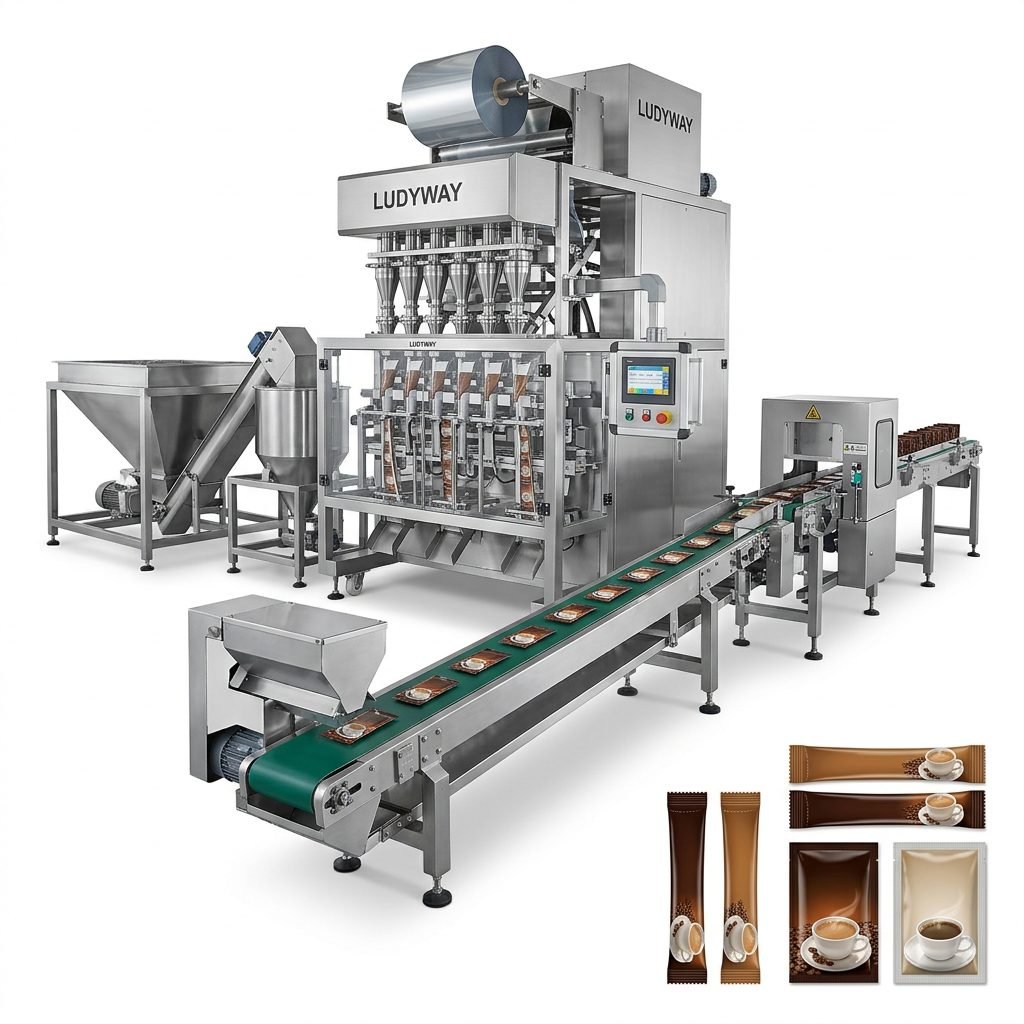
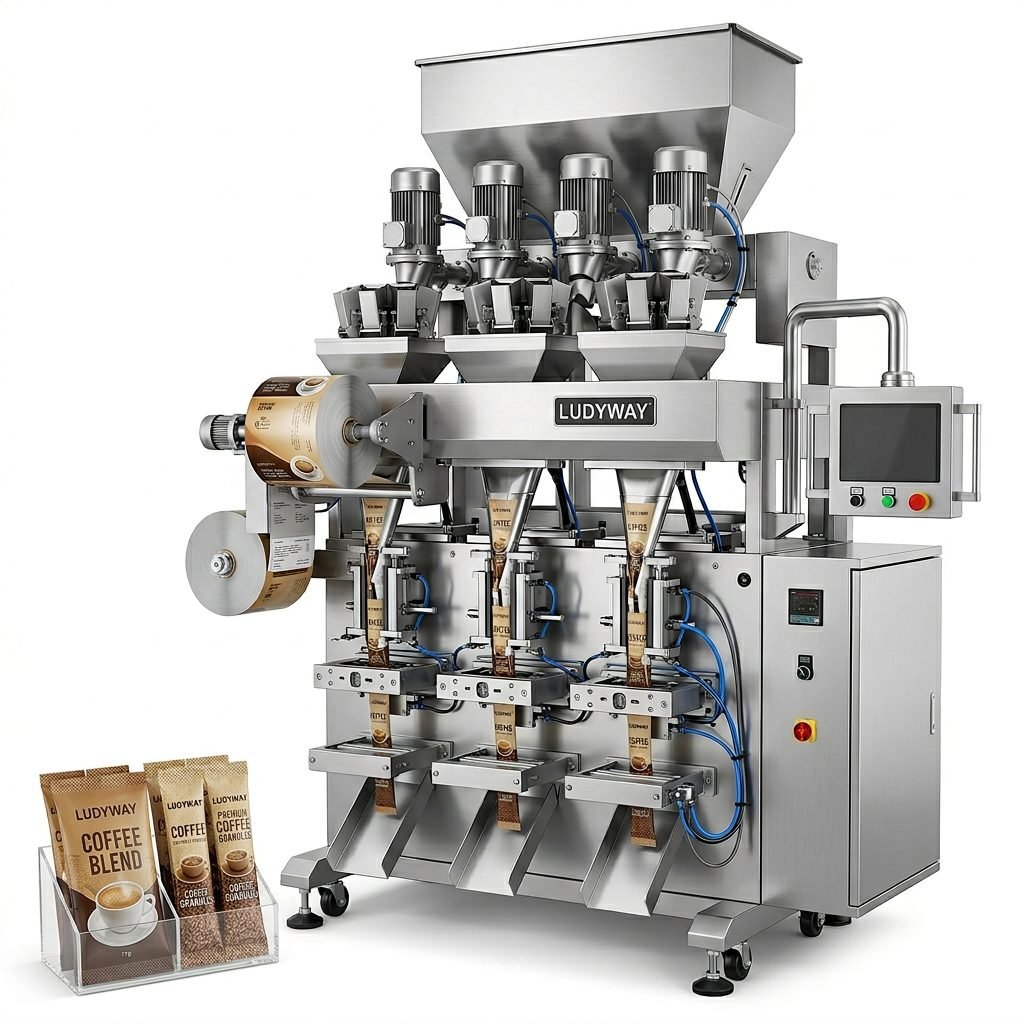
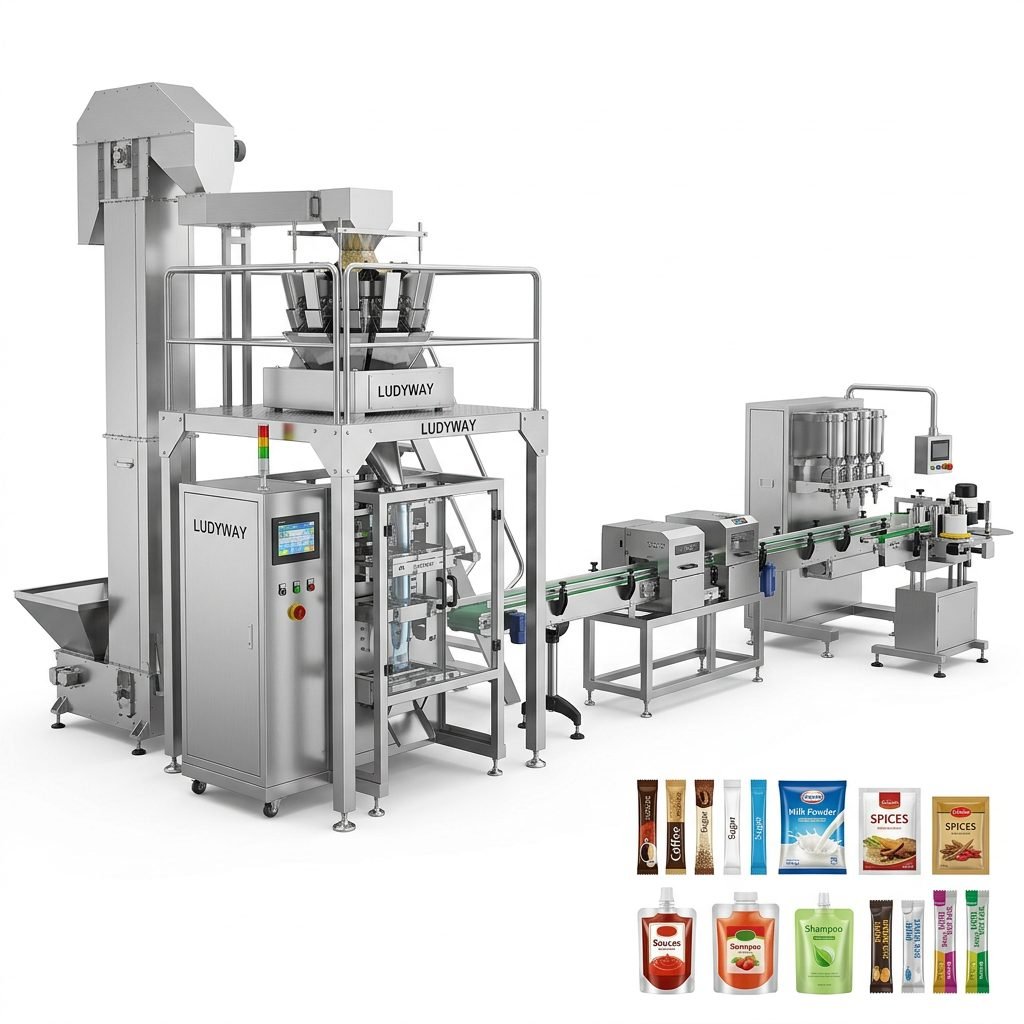
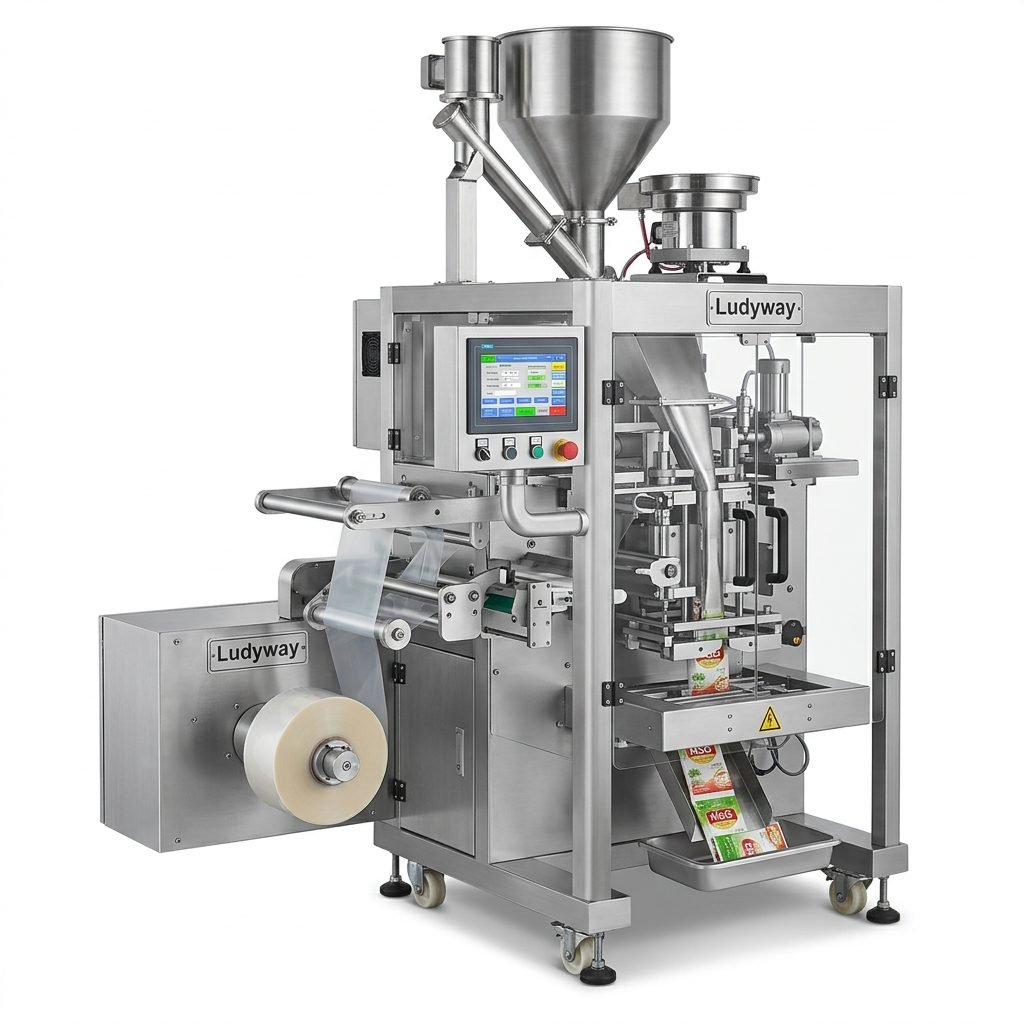
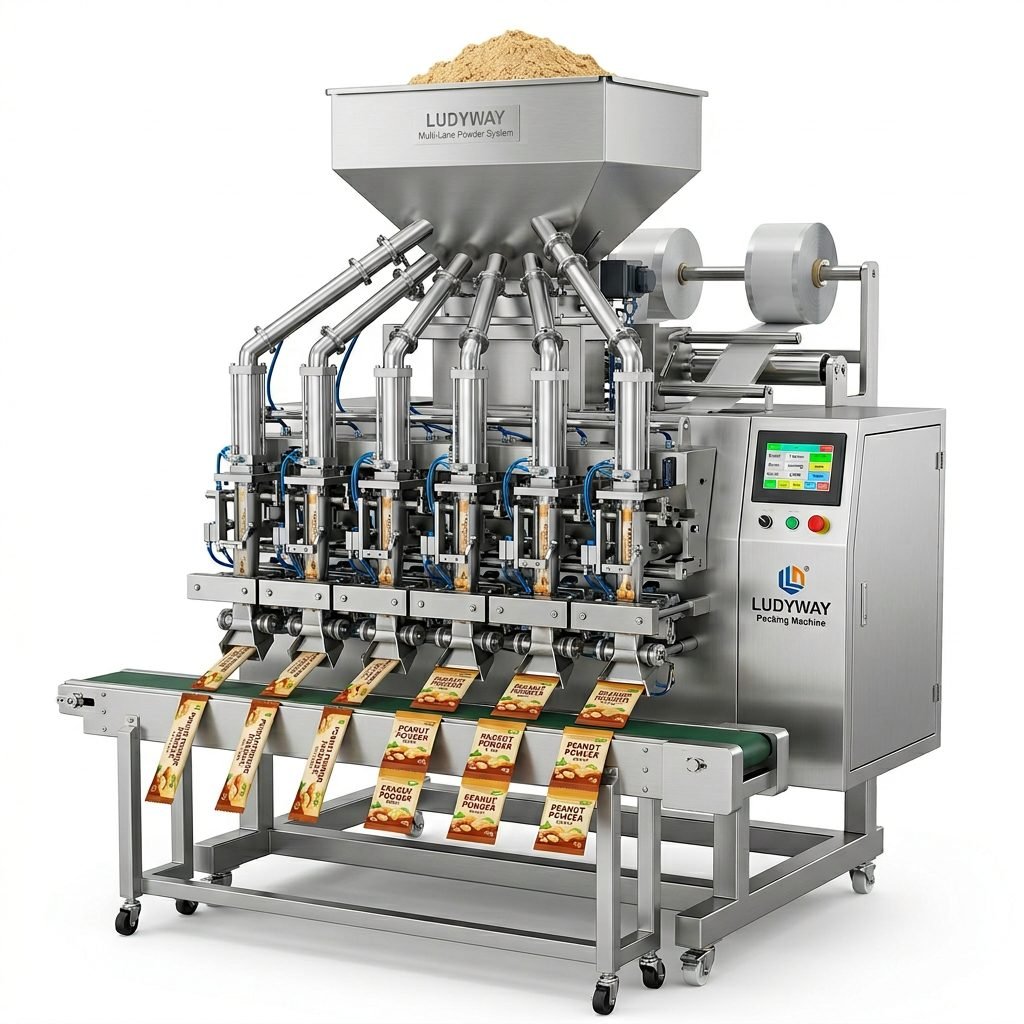
Investing in a foam packing machine is a strategic decision that directly impacts product protection, shipping costs, and operational efficiency. Whether you run a small e-commerce fulfillment center or a large-scale manufacturing facility, selecting the right foam packaging equipment requires careful evaluation of your materials, production volume, and long-term business goals. This comprehensive buyer’s guide walks you through every critical factor to help you make an informed purchasing decision.
Understanding Different Types of Foam Packing Machines
Before diving into specifications, it is essential to understand the primary categories of foam packaging equipment available on the market. Each type serves distinct applications and offers unique advantages depending on your packaging requirements. According to PMMI packaging machinery market research, the foam-in-place segment has seen consistent growth due to rising e-commerce demands.
| Machine Type | Best For | Key Advantage | Typical Output |
|---|---|---|---|
| Foam-in-Place Systems | Custom-shaped protective cushions, void filling | On-demand foam creation tailored to product shape | 8-24 cushions per minute |
| EPS Pre-Expanders & Molders | Large-scale foam block and shape production | High-volume output for standardized foam products | Varies by mold configuration |
| PU Foam Dispensing Machines | Insulation panels, cushioning, specialty packaging | Precise two-component mixing with adjustable density | Up to 30 kg/min dispensing rate |
| Automatic Foam Sheet Packaging Lines | Wrapping, layering, and sheet-based protection | Fully automated inline integration with existing conveyors | 15-40 packs per minute |
Selecting the right foam packing machine starts with matching the technology to your specific application. Foam-in-place systems excel when you need custom-molded protection for fragile or irregularly shaped items, while EPS molders are ideal for producing large quantities of standardized foam components. For manufacturers requiring flexible packaging industry data insights, hybrid solutions that combine multiple foam technologies are increasingly available.
Key Factors to Consider When Choosing a Foam Packing Machine
Making the right investment decision involves evaluating several interconnected factors. Below, we break down the most critical considerations that should guide your equipment selection process.
Production Volume and Speed Requirements
Your daily or hourly packaging output is the single most important factor in determining the appropriate machine class. A low-volume operation processing 50 packages per day has vastly different needs compared to a high-speed production line running 2,000 units per shift. Consider both your current throughput and projected growth over the next three to five years. Under-sizing a machine leads to bottlenecks, while over-investing in excess capacity ties up capital unnecessarily. Review 2026 State of the Industry reports for current production benchmarks across sectors.
Foam Material Compatibility
Not all foam packing machines handle every material type. Verify that the equipment you are evaluating is compatible with your preferred foam chemistry. Critical material considerations include:
- Polyurethane (PU) foam — Two-component systems requiring precise mixing ratios; excellent for custom cushioning and thermal insulation.
- Expanded Polystyrene (EPS) — Requires pre-expansion and molding; cost-effective for high-volume standardized shapes.
- Polyethylene (PE) foam — Often used in sheet form; machines must accommodate roll-fed or sheet-fed configurations.
- Biodegradable and sustainable foams — Emerging materials that may require specific temperature and humidity controls during processing.
Packaging Application and Product Type
The nature of the products you are packaging strongly influences machine selection. Fragile electronics require precise, low-pressure foam dispensing to avoid damage during the packaging process. Heavy industrial components demand high-density foam formulations that certain machines cannot produce. Food and pharmaceutical products may necessitate machines meeting FDA packaging and food contact substances compliance standards. Map your product portfolio to the machine’s capabilities before shortlisting options.
Machine Footprint and Production Line Integration
Evaluate the available floor space in your facility and how the foam packing machine will integrate with existing upstream and downstream equipment. Standalone units require less infrastructure but may create material handling inefficiencies. Fully integrated inline systems offer seamless operation but demand more upfront planning. Consider factors like conveyor height matching, control system compatibility, and access for maintenance personnel when assessing integration requirements.
Evaluating Machine Features and Technology
Automation and Control Systems
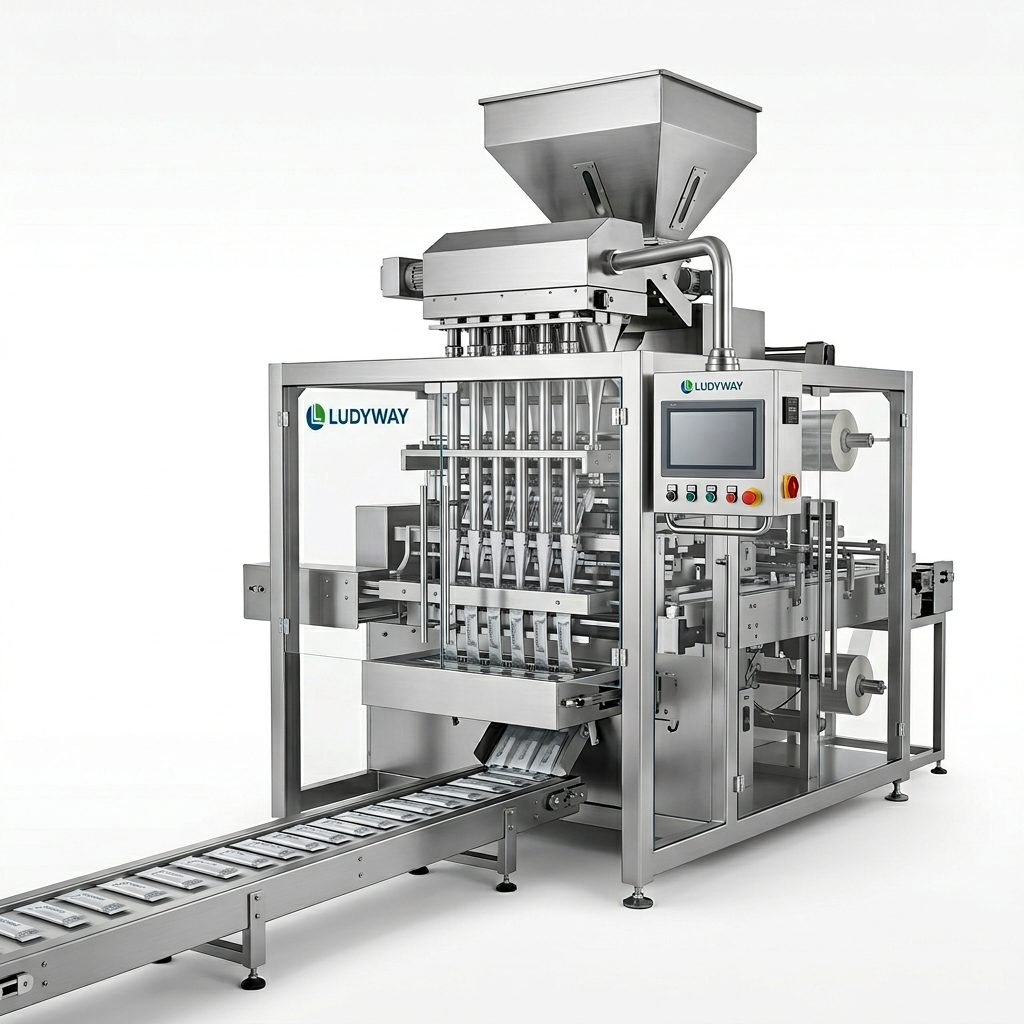
Modern foam packing machines range from semi-automatic operator-assisted models to fully automated systems with PLC controls and HMI touchscreens. Advanced features to look for include programmable foam recipes, automatic density adjustment, self-cleaning mixing heads, and real-time production monitoring. Machines with remote diagnostic capabilities can significantly reduce downtime by enabling off-site troubleshooting. For high-mix production environments, quick-changeover designs that allow material or mold changes in under 15 minutes deliver substantial productivity gains.
Precision, Consistency, and Quality Control
Inconsistent foam density or inaccurate dispensing leads to material waste, inadequate product protection, and higher return rates. Precision metering pumps, temperature-controlled chemical conditioning, and closed-loop feedback systems help maintain shot-to-shot consistency. Look for machines with integrated quality verification features such as weight checking, foam rise monitoring, and automated reject mechanisms. The ISO packaging standards provide useful quality benchmarks for evaluating machine performance specifications.
Energy Efficiency and Sustainability
Energy consumption directly affects operating costs over the lifespan of the equipment. Variable-frequency drives on pumps and motors, efficient heating systems, and standby modes during idle periods all contribute to lower energy usage. Additionally, consider machines designed to minimize material waste through precise dispensing and the ability to process recycled or bio-based foam materials. With increasing regulatory focus on packaging waste regulations, investing in equipment that supports sustainability goals is becoming a business imperative across global markets.
Cost Considerations and Return on Investment
The purchase price of a foam packing machine is only one component of total ownership cost. A thorough financial analysis should account for:
- Initial capital expenditure — Machine cost, installation, facility modifications, and operator training.
- Operating costs — Foam chemical consumption, electricity, compressed air, and routine consumables.
- Maintenance expenses — Scheduled servicing, spare parts inventory, and technician labor or service contracts.
- Downtime cost impact — Lost production capacity during unplanned outages or extended repair periods.
- Labor savings — Reduced manual packaging headcount compared to pre-automation levels.
- Material savings — Lower foam waste and optimized chemical usage versus manual or less precise methods.
Most mid-range foam packaging equipment delivers full ROI within 18 to 36 months when all cost factors are considered. Higher-end automated systems may extend the payback period but often provide greater long-term savings through reduced labor dependency and higher throughput.
Selecting the Right Supplier and Support Partner
Choosing the right equipment supplier is as important as selecting the right machine. A reliable partner provides more than just hardware — they deliver technical expertise, responsive support, and long-term service. Key supplier evaluation criteria include:
- Industry experience — Look for manufacturers with a proven track record in foam packaging applications similar to yours.
- Customization capability — Can the supplier configure the machine to your specific product dimensions, production speed, and material requirements?
- After-sales support — Evaluate availability of remote assistance, on-site service, spare parts delivery timelines, and operator training programs.
- Quality certifications — Verify that the equipment meets relevant international standards and compliance requirements for your target markets.
- Global service reach — For companies operating across multiple regions, working with a supplier that offers worldwide technical support is a significant advantage.
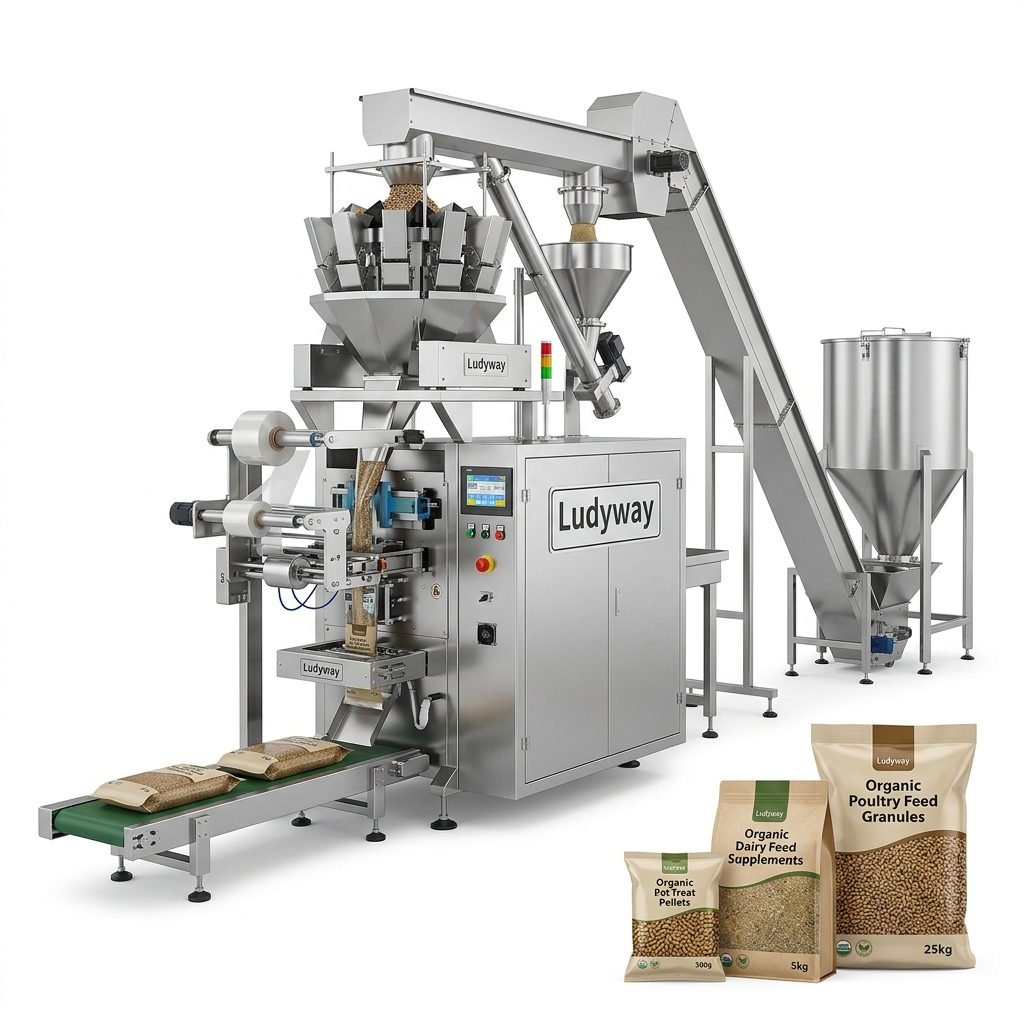
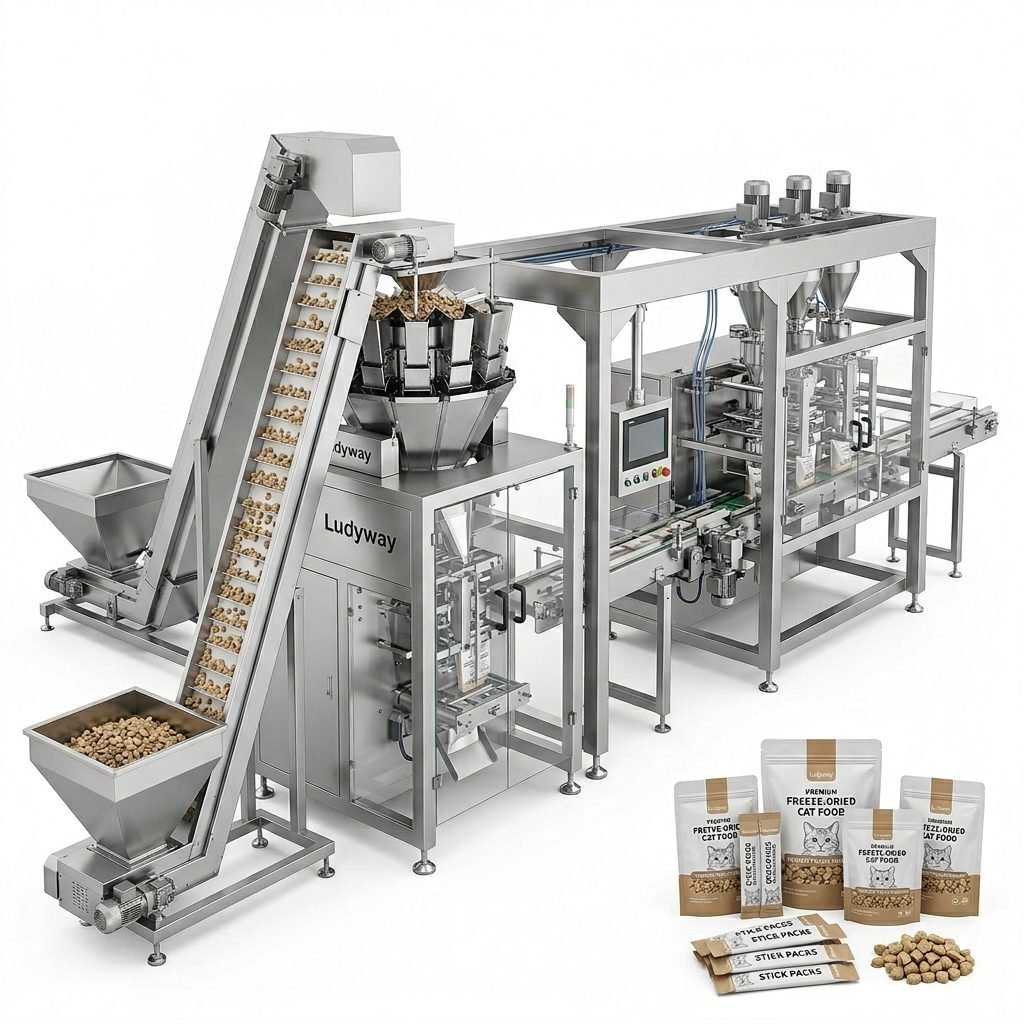
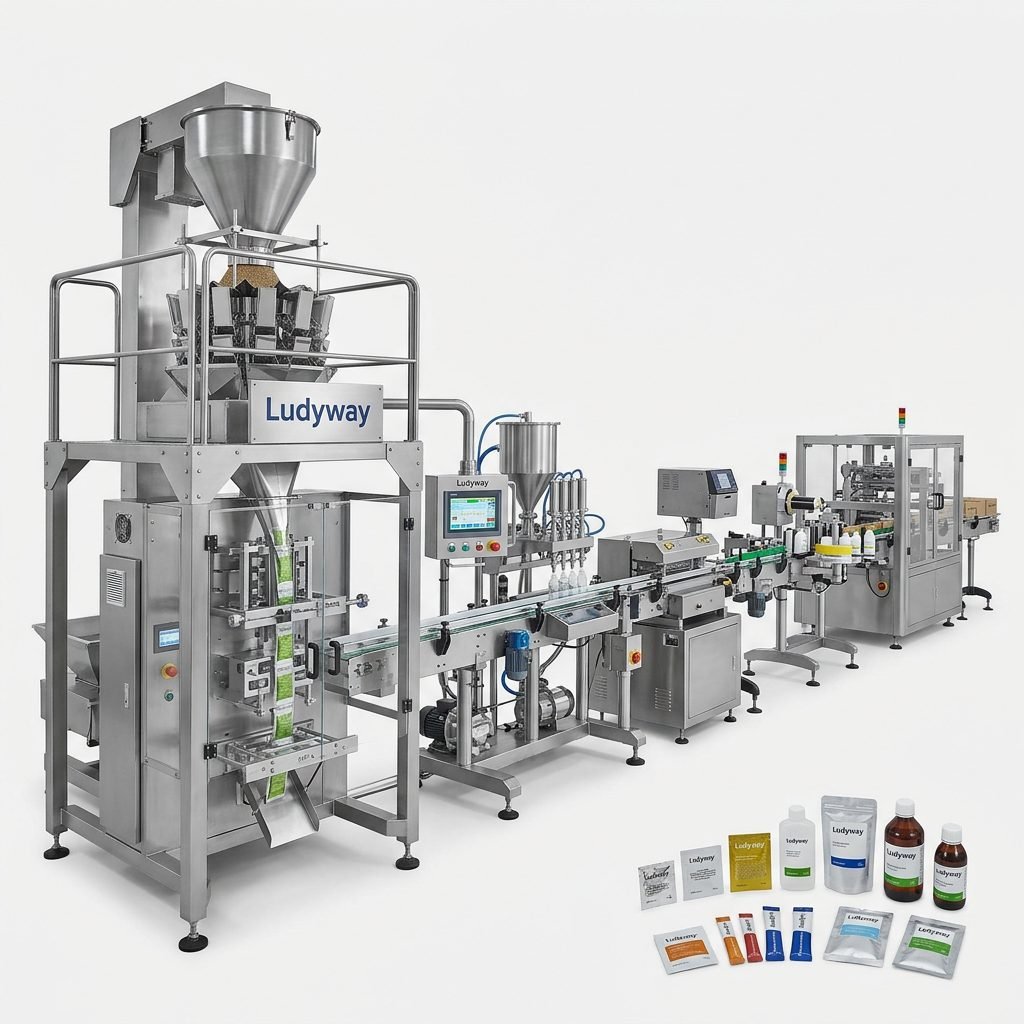
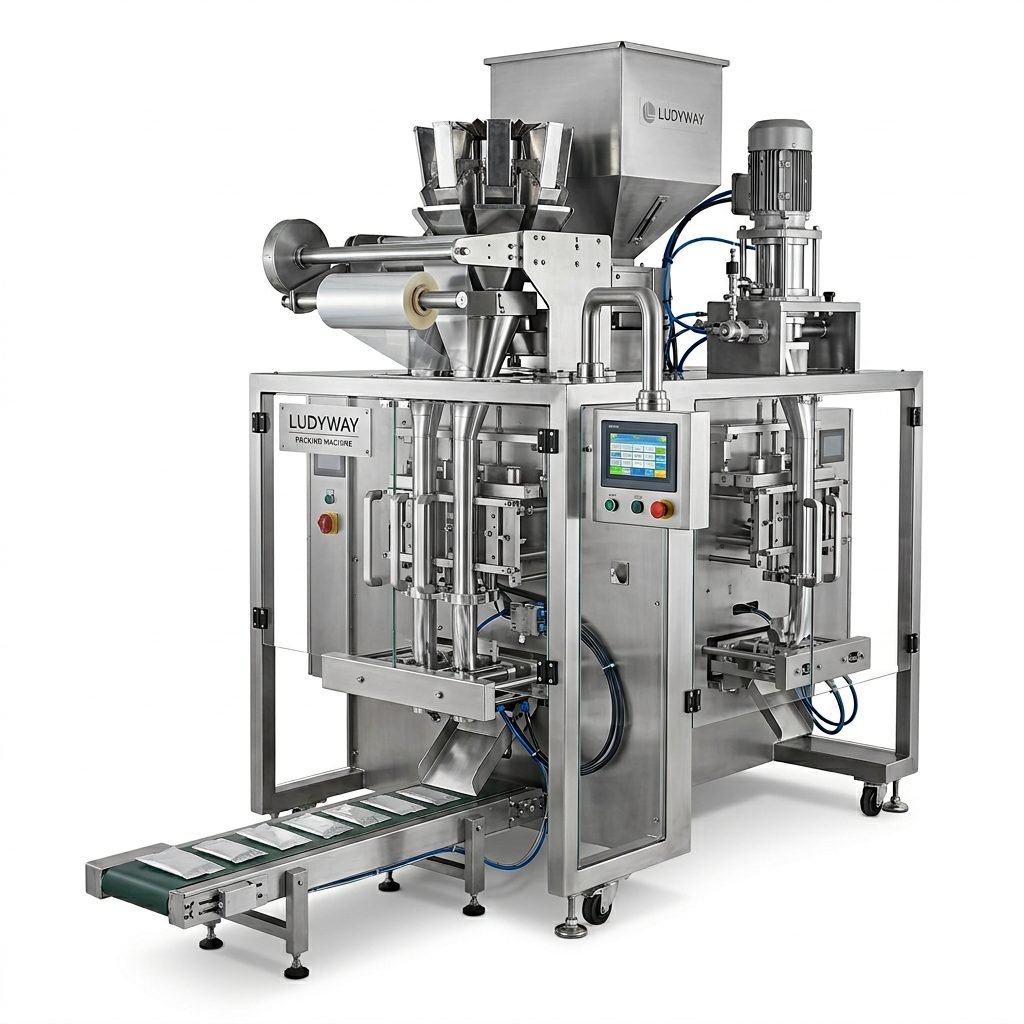
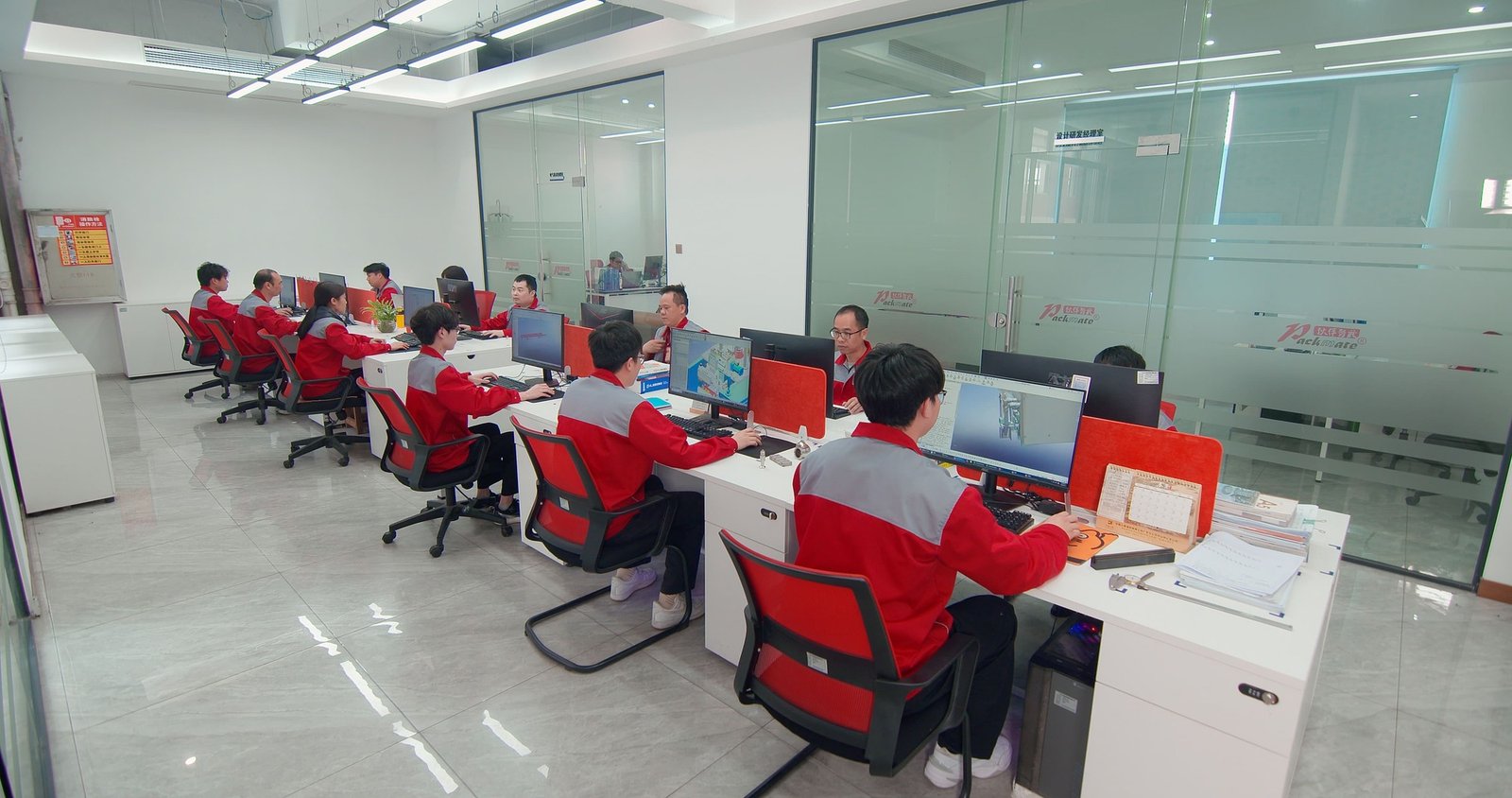
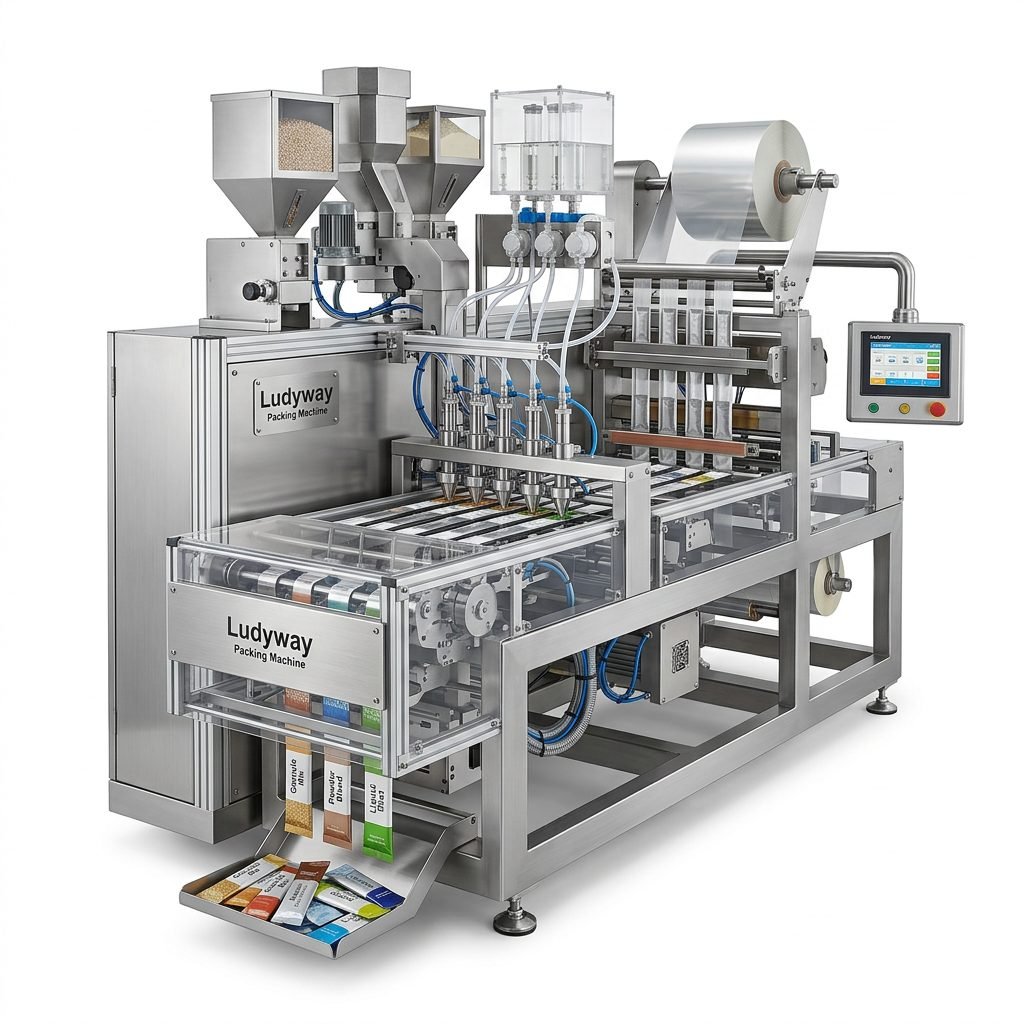
Companies such as Ludyway Machinery, a China-based packaging machinery manufacturer with over 30 years of experience, exemplify the type of comprehensive partner that can support equipment selection, system integration, customization, installation, and long-term technical assistance across more than 100 countries. When evaluating suppliers, prioritize those who demonstrate genuine engineering capability and a consultative approach rather than simply pushing standardized equipment.
Frequently Asked Questions About Foam Packing Machines
What is the difference between foam-in-place and pre-molded foam packaging?
Foam-in-place systems create custom cushions on demand by dispensing liquid foam components that expand and mold around the product inside a bag or container. Pre-molded foam uses pre-manufactured shapes produced by EPS or PU molding machines. Foam-in-place offers greater flexibility for mixed-product environments, while pre-molded foam provides faster packing speeds for consistent, high-volume operations.
How do I determine the right production capacity for my business?
Calculate your current peak daily packaging volume and add a 20-30% buffer for growth and seasonal fluctuations. Then match this to the machine’s rated output, keeping in mind that real-world throughput is typically 80-85% of theoretical maximum due to material changes, breaks, and minor stoppages. Consulting PMMI state of the industry economic reports can also provide useful industry benchmarks for capacity planning.
What maintenance does a foam packing machine require?
Routine maintenance typically includes daily cleaning of mixing heads and dispensing nozzles, weekly inspection of pump seals and hoses, monthly calibration checks, and quarterly replacement of wear components. Machines with self-cleaning features and automated purge cycles reduce manual maintenance demands. Always confirm the recommended maintenance schedule and spare parts availability with your equipment supplier before purchasing.
Can one machine handle multiple foam types?
Some advanced foam packing machines are designed with modular chemical delivery systems that allow switching between different foam formulations. However, thorough flushing and cleaning are essential between material changes to prevent cross-contamination and ensure consistent foam quality. If your operation requires frequent material changes, discuss this requirement explicitly with potential suppliers during the evaluation phase.
Making the Final Decision
Choosing the right foam packing machine ultimately comes down to aligning equipment capabilities with your specific operational requirements, budget constraints, and long-term business objectives. Start by clearly defining your production needs, material preferences, and integration requirements. Then evaluate machines against objective criteria including output capacity, foam quality consistency, energy efficiency, and total cost of ownership. Engage with multiple suppliers, request product demonstrations or sample runs with your actual materials, and check references from current users in similar industries.
The global packaging machinery market continues to evolve, with innovations in automation, sustainability, and smart manufacturing reshaping what foam packaging equipment can deliver. By investing time in thorough research and supplier evaluation, you can select a machine that not only meets today’s requirements but also positions your operation for future growth and efficiency gains. For those seeking to stay current with industry developments, resources from organizations like the Flexible Packaging Association and PACK EXPO International events offer valuable opportunities for ongoing education and supplier discovery.
Related Resources:
- PMMI Packaging Industry Resources — Comprehensive technical guides and market intelligence for packaging professionals.
- Flexible Packaging Association Industry Data — Benchmarks and trends relevant to foam and flexible packaging applications.
- ISO Packaging Standards — International standards governing packaging machinery performance and safety.
- Ludyway Packaging Machinery Global Growth Trend — Industry analysis and export performance insights.