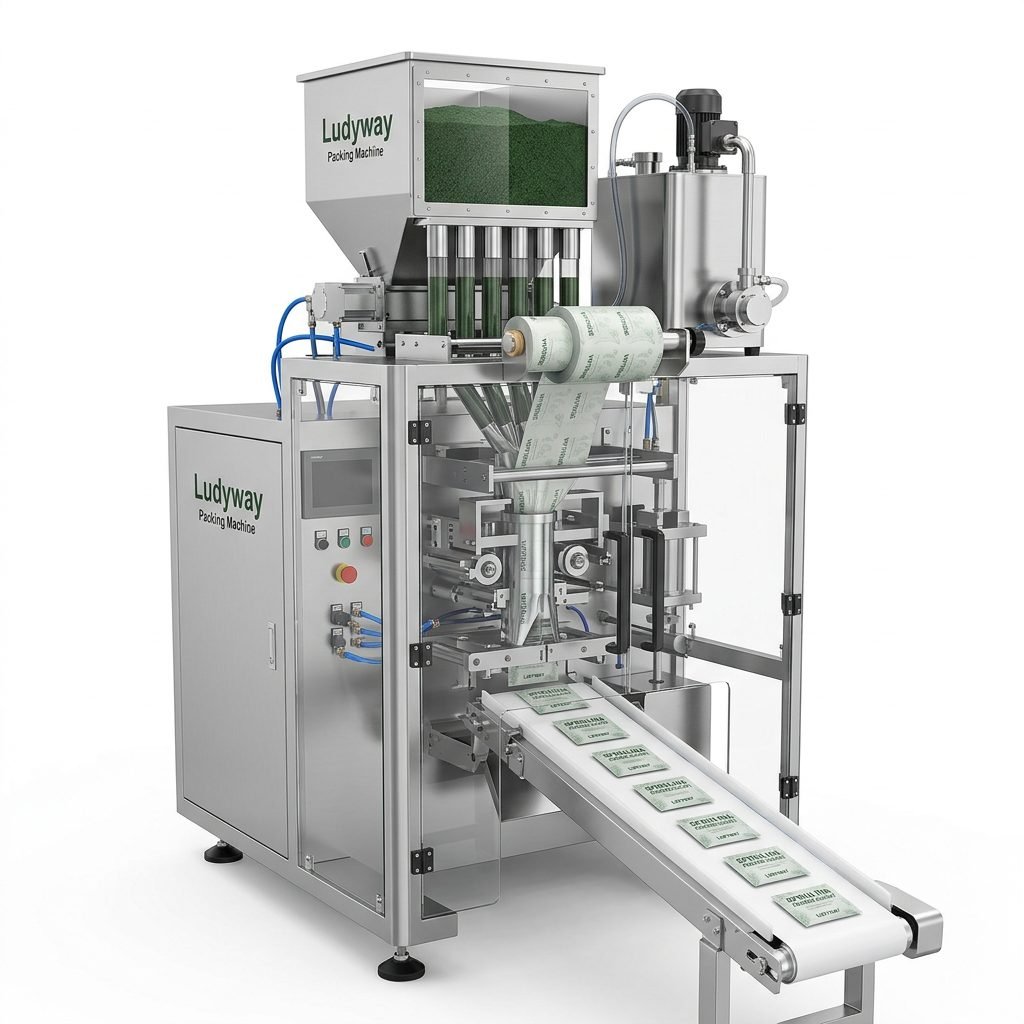
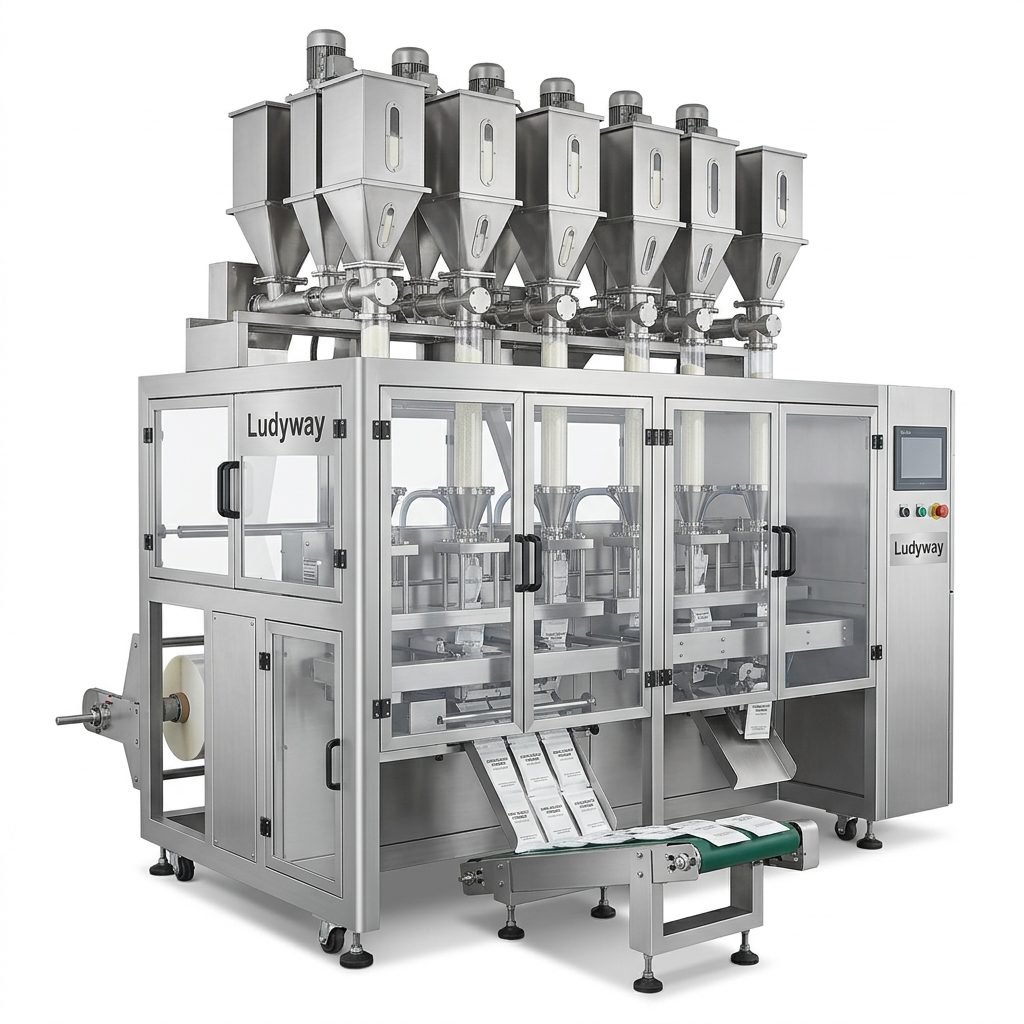
Bag packaging equipment is essential for modern manufacturing across industries like food, pharmaceuticals, and health products. This guide explores the main types of packaging machines, their working principles, and key factors to consider when selecting the right system for your production needs.
Key Takeaway
Choosing the correct bag packaging system directly impacts your production efficiency, product quality, and overall operational costs. Understanding the technology and your specific requirements is the first step toward a successful investment.
Types of Bag Packaging Equipment
The packaging machinery market offers various systems designed for different product forms and production scales. Here are the primary categories:
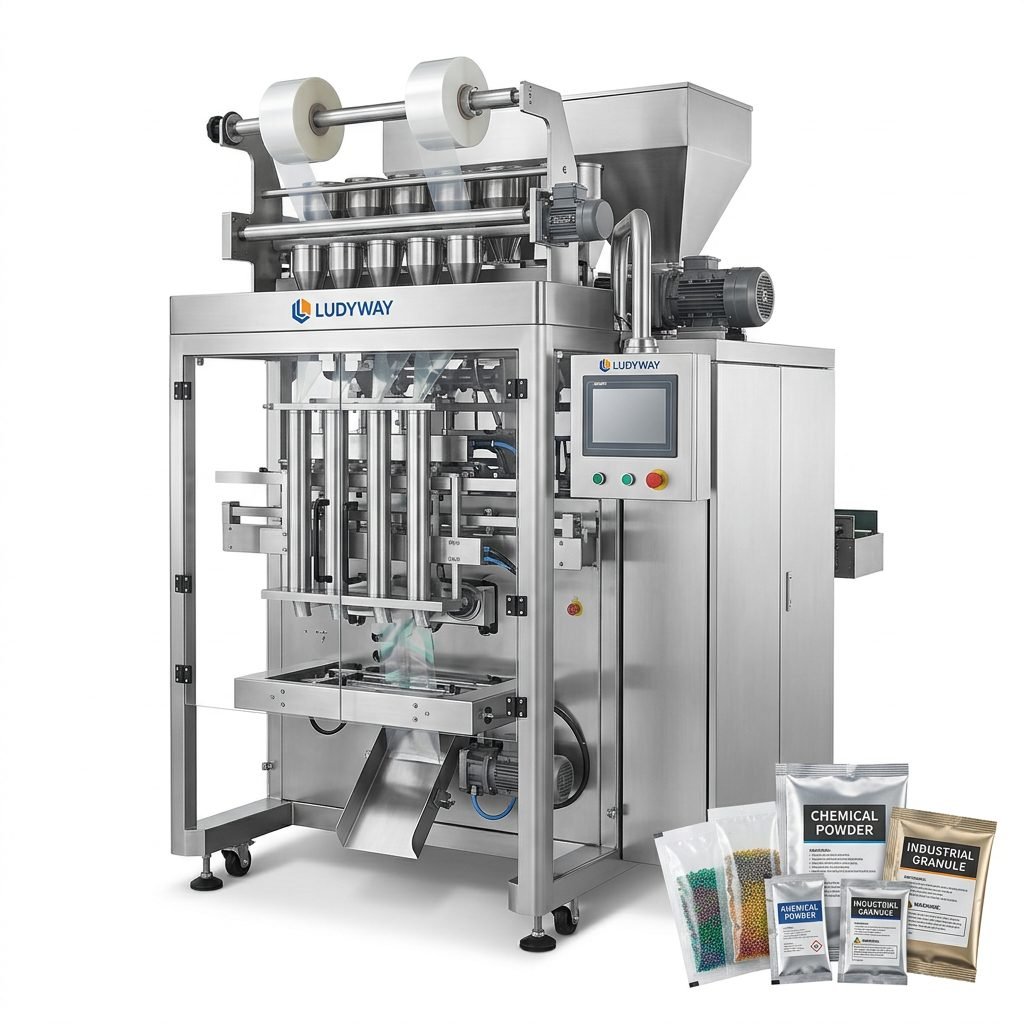
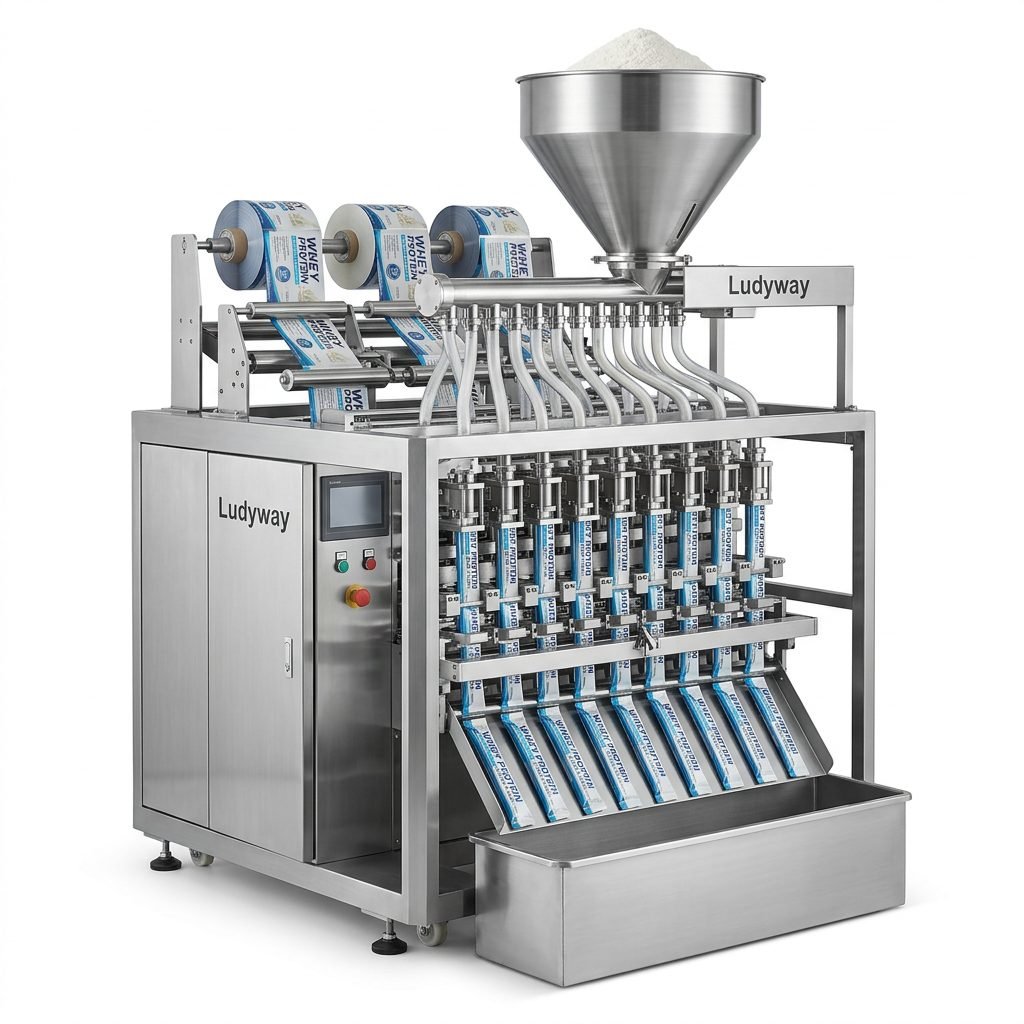
1. Stick Pack Machines
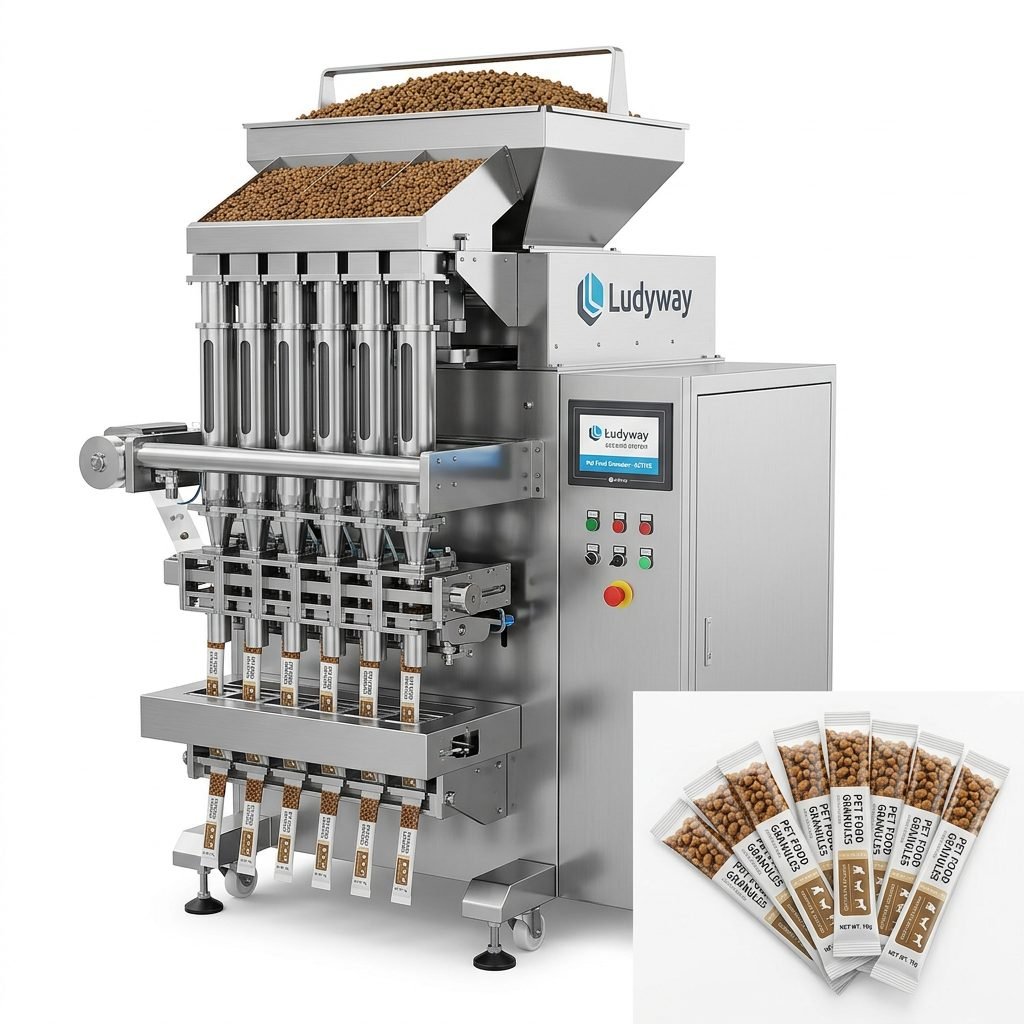
Ideal for single-serve portions of powders, granules, or liquids. These machines create long, narrow packets that are easy to open and use. They are popular for coffee, sugar, supplements, and sauces.
- ✓ High-Speed Multi-Lane Systems: Can produce hundreds of stick packs per minute.
- ✓ Excellent for product differentiation and on-the-go consumption.
2. Sachet Packaging Machines
Used for creating small, flat pouches. They are highly versatile and can handle powders, granules, liquids, and creams. Common applications include condiments, shampoo samples, and pharmaceutical powders.
- ✓ Offer various sealing styles (three-side seal, four-side seal, pillow pouch).
- ✓ Suitable for both low and high-volume production.
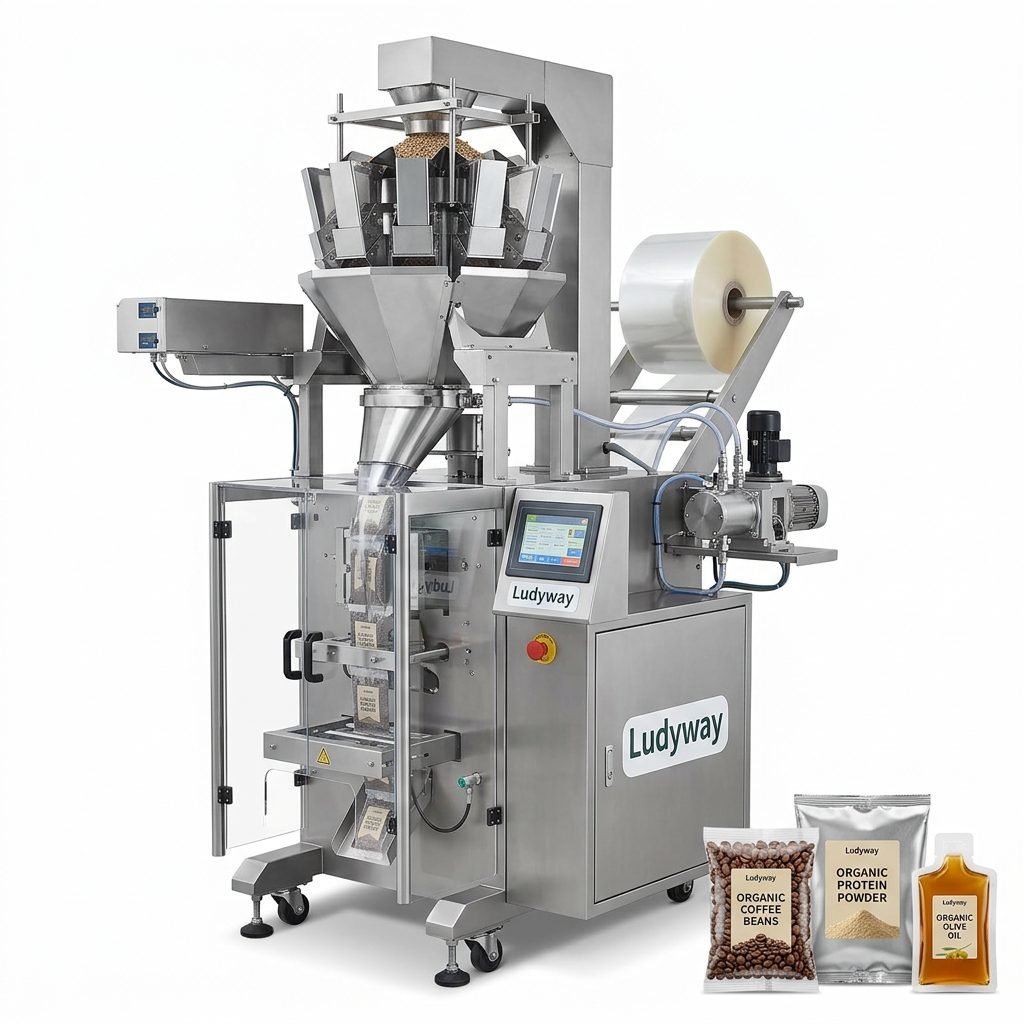
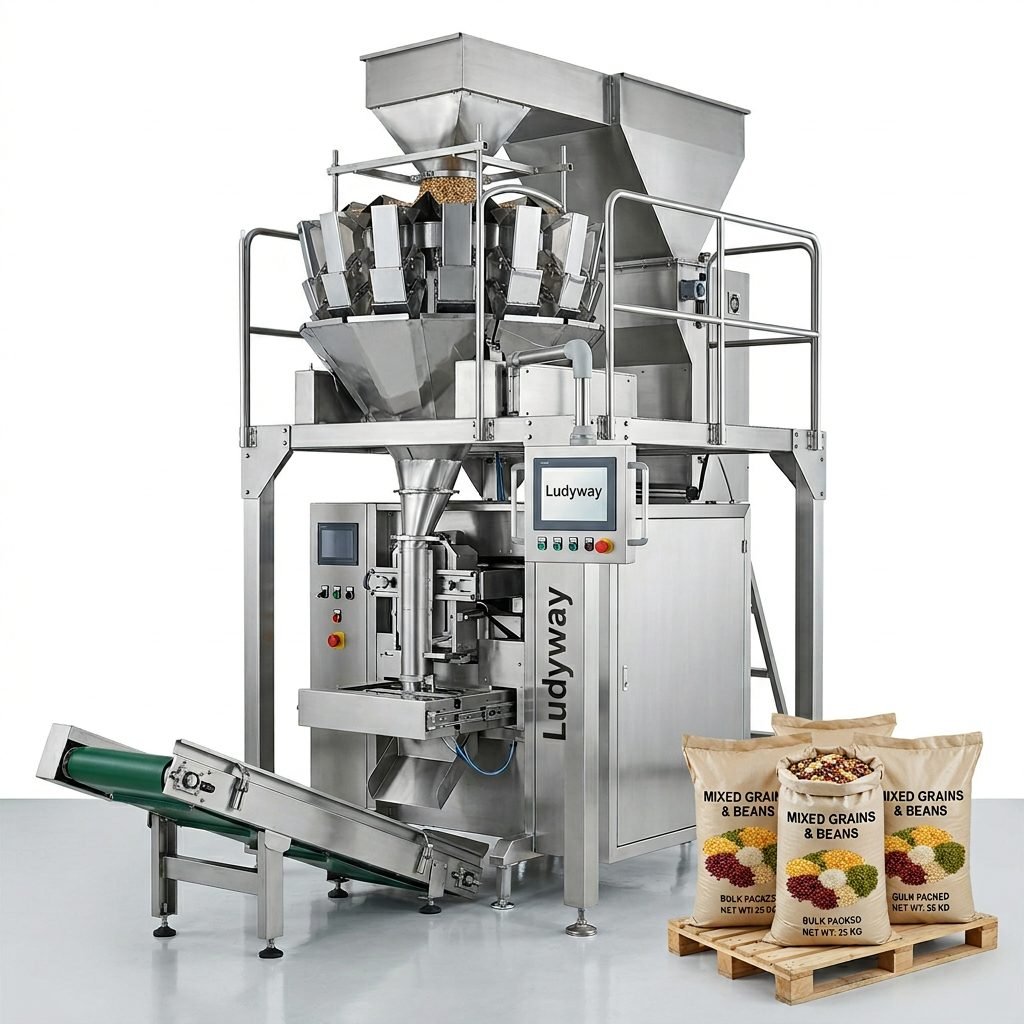
3. Granule & Powder Packers
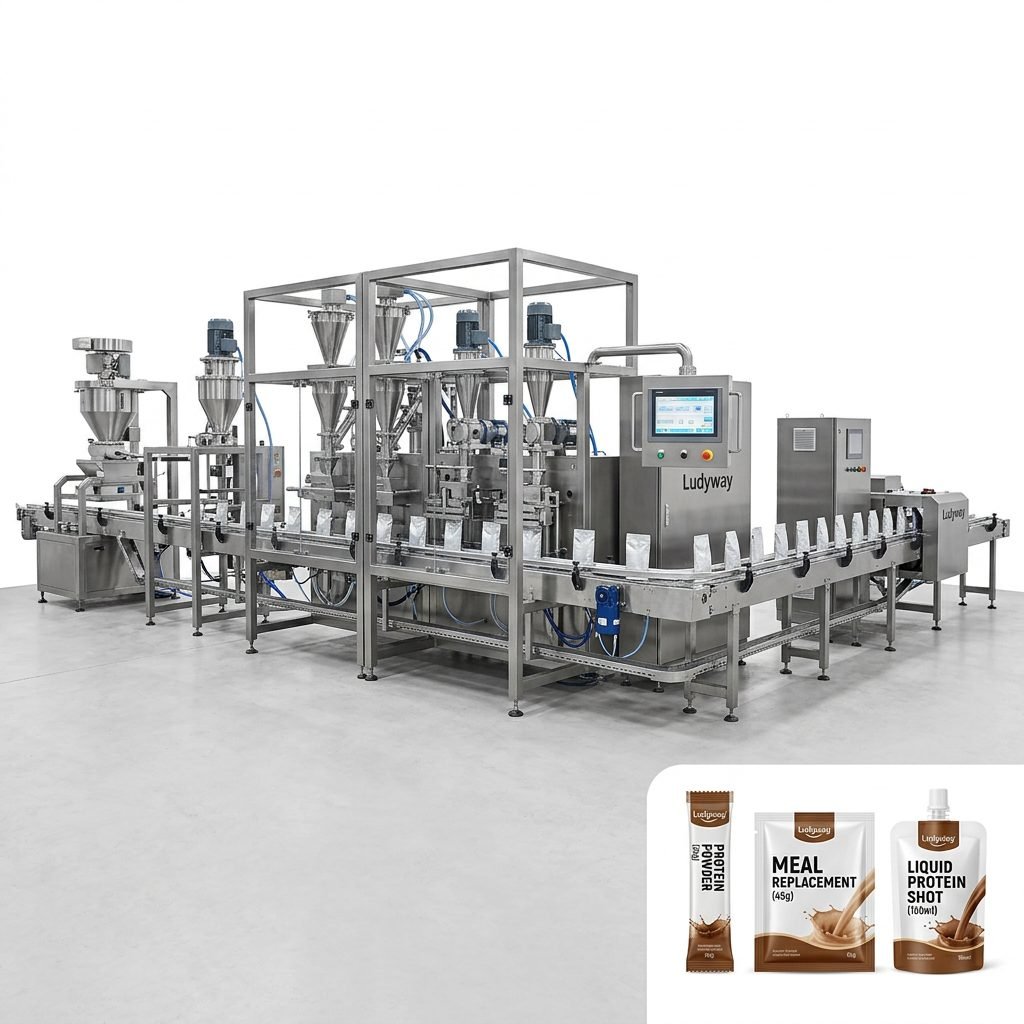
Specifically engineered for free-flowing dry products like grains, spices, protein powder, and instant drink mixes. Precision weighing is a critical feature.
Technology Highlight: Weighing Systems
These machines often use auger fillers, volumetric cups, or advanced multi-head weighers to ensure accurate and consistent doses, which is crucial for cost control and regulatory compliance.
4. Liquid & Paste Filling Machines
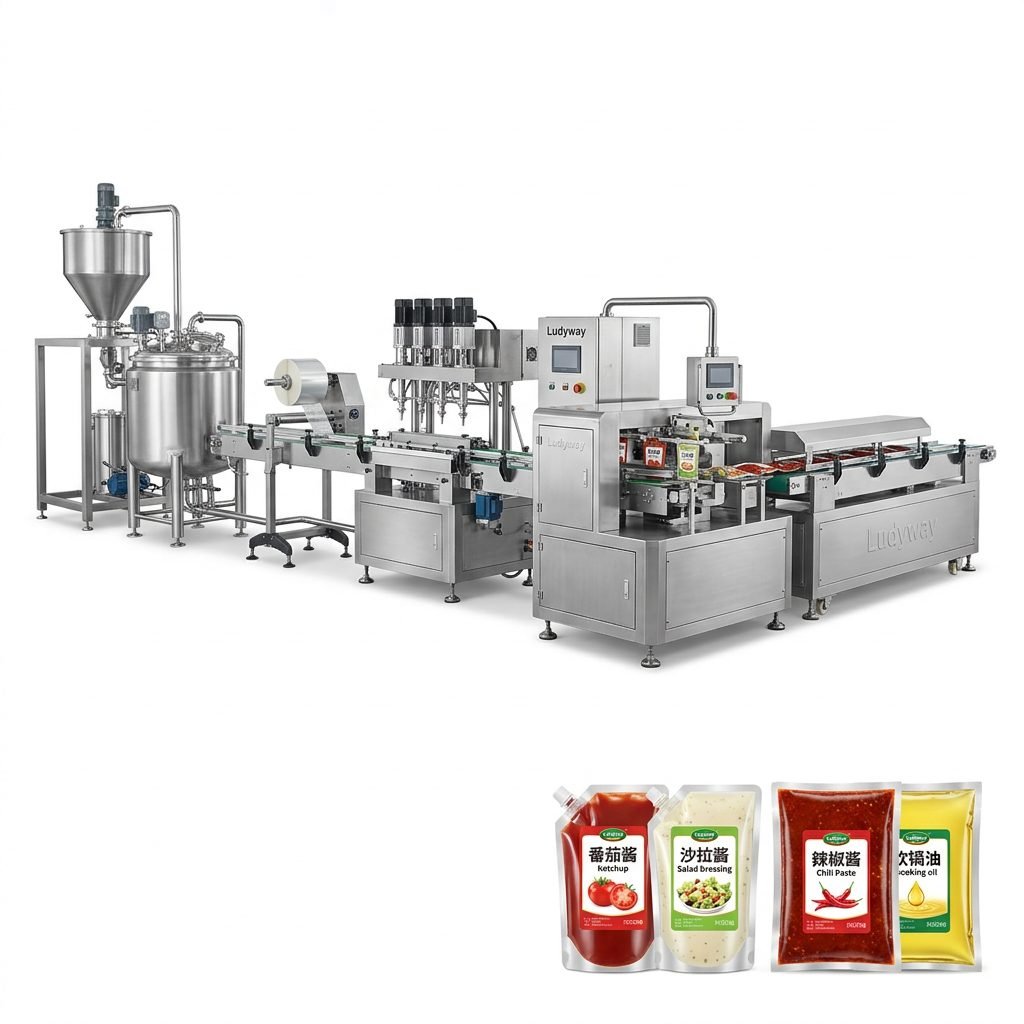
Designed for viscous products such as oils, honey, cosmetics, and pastes. They require pumps and nozzles that prevent dripping and ensure clean seals.
- ✓ Piston fillers and peristaltic pumps are common for accuracy.
- ✓ Often include features to handle foaming or sticky products.
Working Principles of Automated Packaging Systems
While designs vary, most automated baggers follow a similar sequence of operations:
Step 1: Film Feeding & Forming
A roll of packaging film (laminated or single-layer) is fed into the machine. A forming collar shapes the flat film into a tube around the product’s filling nozzle.
Step 2: Product Metering & Filling
The product is precisely measured—by weight, volume, or count—and dispensed into the formed film tube. This is the heart of the machine’s accuracy.
Step 3: Sealing & Cutting
Heated jaws (or cold seal for heat-sensitive materials) seal the film longitudinally and transversely, creating individual bags. A cutting mechanism then separates them.
→ Integration Potential: Modern machines can be integrated with checkweighers, metal detectors, and cartoning systems to create a complete, automated production line.
How to Choose the Right Packaging System
Selecting equipment is a strategic decision. Consider these critical factors:
1. Product Characteristics
Your product’s form, density, flowability, and sensitivity (to heat, moisture, light) dictate the machine type. A professional packaging expert can help analyze these requirements.
2. Production Speed & Output Requirements
Match the machine’s speed (bags per minute) to your current and future production volumes. Consider multi-lane machines for very high output.
3. Packaging Material & Bag Style
The machine must be compatible with your desired film (e.g., PET/AL/PE, recyclable mono-material) and bag style (stand-up pouch, flat sachet, stick pack).
4. Accuracy and Compliance Needs
Industries like pharmaceuticals or premium foods demand extremely high filling accuracy. Ensure the machine’s metering technology meets your tolerance standards and any industry-specific regulations.
5. Automation Level and Ease of Use
Evaluate the human-machine interface (HMI), changeover time for different products, and cleaning requirements. User-friendly automation reduces downtime and operator error.
6. Supplier Reliability & Support
Partner with a supplier known for quality and support. Look for a company with proven industry experience and engineering capabilities, offering reliable after-sales service, spare parts availability, and technical training. A partner with a strong history of innovation and global project delivery can ensure long-term success.
Decision Checklist
- Have we fully defined our product’s physical properties?
- What is our target output for the next 3-5 years?
- Does the machine support our sustainability goals (e.g., material compatibility)?
- What is the total cost of ownership, including maintenance and downtime?
- Does the supplier offer comprehensive training and local support?
Frequently Asked Questions (FAQs)
1. What is the main difference between a stick pack and a sachet machine?
While both form-fill-seal machines, a stick pack machine produces long, narrow tubes ideal for powders to be dissolved in water. A sachet machine typically creates wider, flat pouches suitable for a broader range of products, including non-free-flowing items like creams or parts.
2. How important is machine flexibility for product changeovers?
Critical for manufacturers running multiple SKUs. Machines with quick-change parts (like augers, forming tubes) and recipe memory on the HMI can reduce changeover time from hours to minutes, maximizing production uptime.
3. Can one machine handle both powders and liquids?
Some advanced machines are designed with interchangeable filling systems to handle different product types. However, for optimal performance and hygiene—especially in food or pharma—dedicated machines for powder and liquid are often recommended.
4. What are the key maintenance requirements for a bag packaging system?
Regular cleaning, lubrication of moving parts, inspection and replacement of wear items (like sealing jaws, cutting blades, and gaskets), and calibration of weighing systems are essential. A good supplier provides a clear maintenance schedule.
5. How do I ensure the packaging is sealed properly and maintains product freshness?
Proper sealing depends on the correct combination of temperature, pressure, and dwell time on the sealing jaws, matched precisely to your packaging film. Conducting seal integrity tests and choosing high-barrier materials are key for product protection.