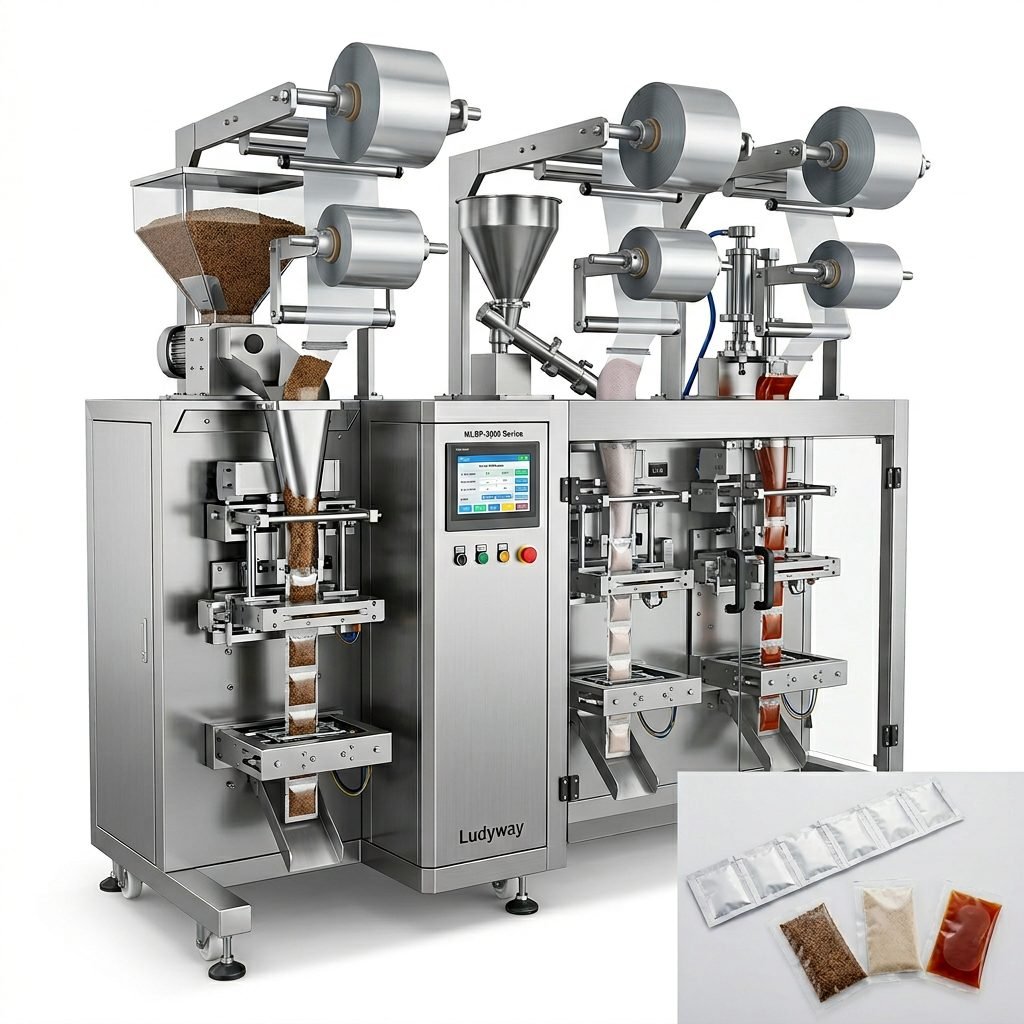
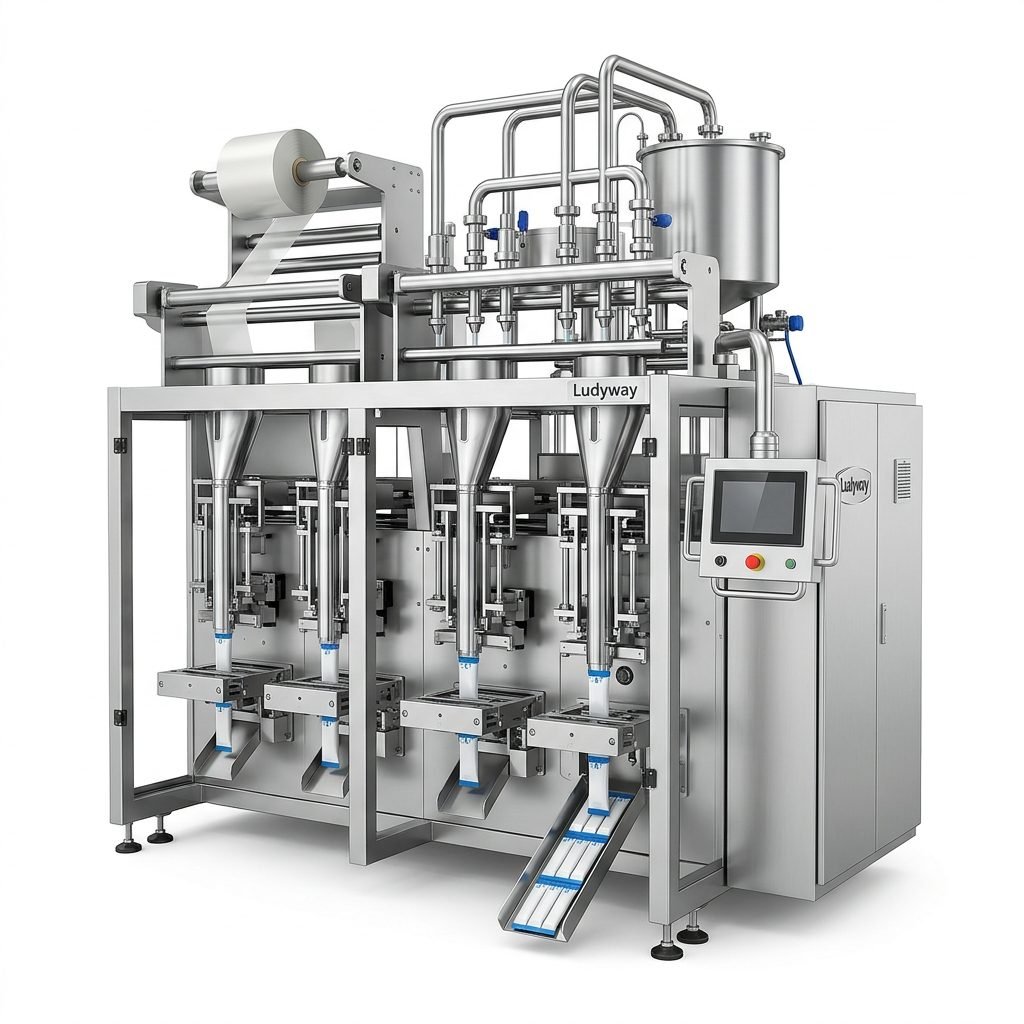
Navigating the world of bar soap packaging machinery can be a complex task for manufacturers. The right equipment is crucial for efficiency, product presentation, and ultimately, market success. This guide delves into the various types of bar soap packaging machines, their key features, and provides a structured approach to selecting the best solution for your production needs.
Understanding the Different Types of Bar Soap Packaging Machines
The packaging process for bar soap can vary significantly depending on the soap type (e.g., traditional hard soap, glycerin soap, specialty artisan soap), production volume, and desired final presentation. Consequently, several machine types have been developed to address these varying requirements.
1. Manual and Semi-Automatic Wrapping Machines
These machines represent the entry point for many small-scale producers or artisan soap makers. Manual wrappers often require an operator to place the soap and initiate the wrapping cycle, while semi-automatic machines automate the wrapping process but may still need manual feeding. They are cost-effective, flexible for handling unique soap shapes or delicate products, and ideal for low-volume production or pilot runs.
2. Full-Automatic Flow Wrapping Machines
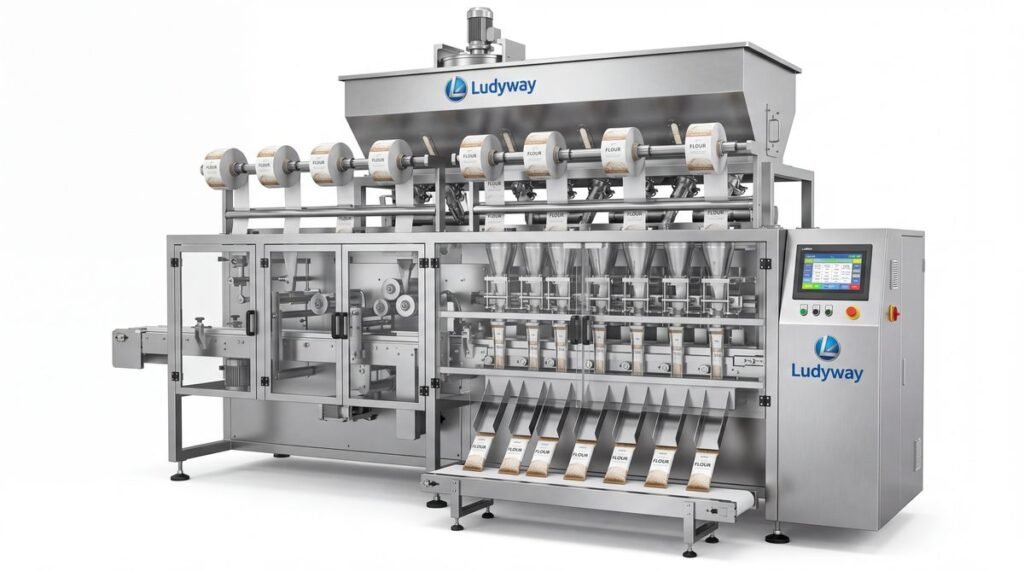
This is the most common solution for medium to large-scale production lines. Automatic flow wrappers form a continuous tube of packaging material (often shrink film or paper) around the soap bar, then seal and cut it to create individual packages. They offer high speeds, consistent quality, and can integrate seamlessly with upstream and downstream automation like cartoning systems. Their efficiency makes them a cornerstone for brands aiming for supermarket or mass retail distribution.
3. Shrink Wrapping Systems
For a sleek, tight, and professional finish that enhances product visibility, shrink wrapping is a popular choice. These systems typically wrap the soap in a loose film sleeve and then pass it through a heat tunnel. The heat causes the film to contract tightly around the soap, creating a smooth, secure package. This method is excellent for multi-packs, bundling promotional items, or providing an extra layer of protection against moisture.
4. Specialty Packaging Machines: Boxing and Cartoning
For premium soap brands or products requiring rigid protection, automated boxing or cartoning machines are used. These machines erect cardboard boxes or cartons, insert the soap (often after it has been flow-wrapped), and close the package. This adds a significant level of sophistication and is often seen in luxury personal care markets or for export-oriented packaging where extra durability is needed.
Key Features to Evaluate in a Packaging Machine
Beyond the basic type, several critical features determine a machine’s suitability, performance, and long-term value.
Core Operational Features
Speed & Output (CPM): Measured in cycles per minute, this directly impacts your production capacity. Match the machine’s speed to your current and forecasted demand.
Flexibility & Changeover: Can the machine handle different soap sizes, shapes, and packaging materials? Quick changeover mechanisms are vital for producers with diverse product lines.
Material Compatibility: Ensure the machine is designed for the specific film, paper, or cardboard you plan to use. This affects sealing quality and waste reduction.
Advanced & Support Features
Automation Integration: Look for features like automatic feeding systems, in-line labeling, or robotic palletizing interfaces. This reduces labor and creates a continuous production line.
Sealing Technology: The quality of the seal (heat seal, cold seal, ultrasonic) affects package integrity and shelf life. Reliable sealing is non-negotiable.
Control System & Diagnostics: Modern machines with user-friendly PLC touchscreens, recipe storage, and fault diagnostics simplify operation, maintenance, and training.
Durability & Build Quality: Machines constructed with robust materials and precision engineering offer longer service life and lower downtime, a key consideration for high-volume production environments.
A Step-by-Step Guide to Choosing the Best Solution
Selecting a machine is a strategic decision. Follow this framework to align your investment with your business goals.
Step 1: Conduct a Thorough Needs Analysis
Start by quantifying your requirements. Determine your current and future production volumes, the size and shape range of your soap products, and your specific packaging materials. Also, consider your available factory space, utility connections (power, compressed air), and operator skill level.
Step 2: Evaluate Machine Suppliers
Not all suppliers offer the same level of support. Prioritize manufacturers or brands with proven experience in soap packaging. Examine their technical support, availability of spare parts, training programs, and warranty terms. A supplier’s reputation for reliability is as important as the machine’s specs.
Step 3: Prioritize Operational Efficiency & ROI
Calculate the total cost of ownership, not just the purchase price. Factor in expected energy consumption, maintenance costs, potential labor savings from automation, and the machine’s impact on reducing packaging waste. A slightly more expensive machine that is faster, more reliable, and uses less material can offer a far better return on investment over its lifespan.
Step 4: Request Demonstrations & References
Always see the machine run, ideally with your own soap samples or similar materials. A live demonstration reveals nuances in operation, noise level, and finished package quality that brochures cannot. Ask the supplier for references from other soap manufacturers to get unbiased feedback on long-term performance.
Conclusion
Investing in the right bar soap packaging machine is a critical step towards building a scalable, efficient, and quality-focused production operation. By understanding the different machine types, scrutinizing key features, and following a disciplined selection process, you can choose a solution that not only meets today’s needs but also supports your growth ambitions for years to come. The ideal machine seamlessly blends technical capability with practical reliability, becoming a dependable partner in your brand’s success.
Frequently Asked Questions (FAQs)
What is the typical production speed of an automatic bar soap wrapper?
Speeds vary widely based on machine model and soap size. Entry-level automatic machines may run at 40-80 cycles per minute (CPM), while high-end models for standard-sized bars can achieve 120-200 CPM or more. The key is to match speed with your output requirements.
Can one machine handle both paper and plastic film wrapping?
Some advanced machines are designed with flexibility in mind and can handle both materials, often requiring adjustments to sealing parameters or changeover of certain parts. It’s essential to discuss this specific requirement with the supplier during the evaluation phase.
How important is ease of cleaning and maintenance for soap packaging machines?
Extremely important. Soap production can involve dust, oils, or residues. Machines designed with easy-access panels, stainless steel contact surfaces, and simple lubrication points will ensure hygiene, reduce downtime for cleaning, and prolong machine life.
What are the main differences between flow wrapping and shrink wrapping for soap?
Flow wrapping creates a sealed package directly, often with a folded or fin seal. Shrink wrapping first creates a loose sleeve and then uses heat to tighten it. Flow wrapping is generally faster and more direct, while shrink wrapping offers a tighter, glossier finish ideal for multi-packs or high-visibility retail presentation.
Do I need special training for my operators to run a new packaging machine?
Yes, proper training is crucial for safety, efficiency, and machine longevity. Reputable suppliers should offer comprehensive on-site training for your operators and maintenance staff as part of the installation service. This ensures your team can run, troubleshoot, and perform basic maintenance confidently.