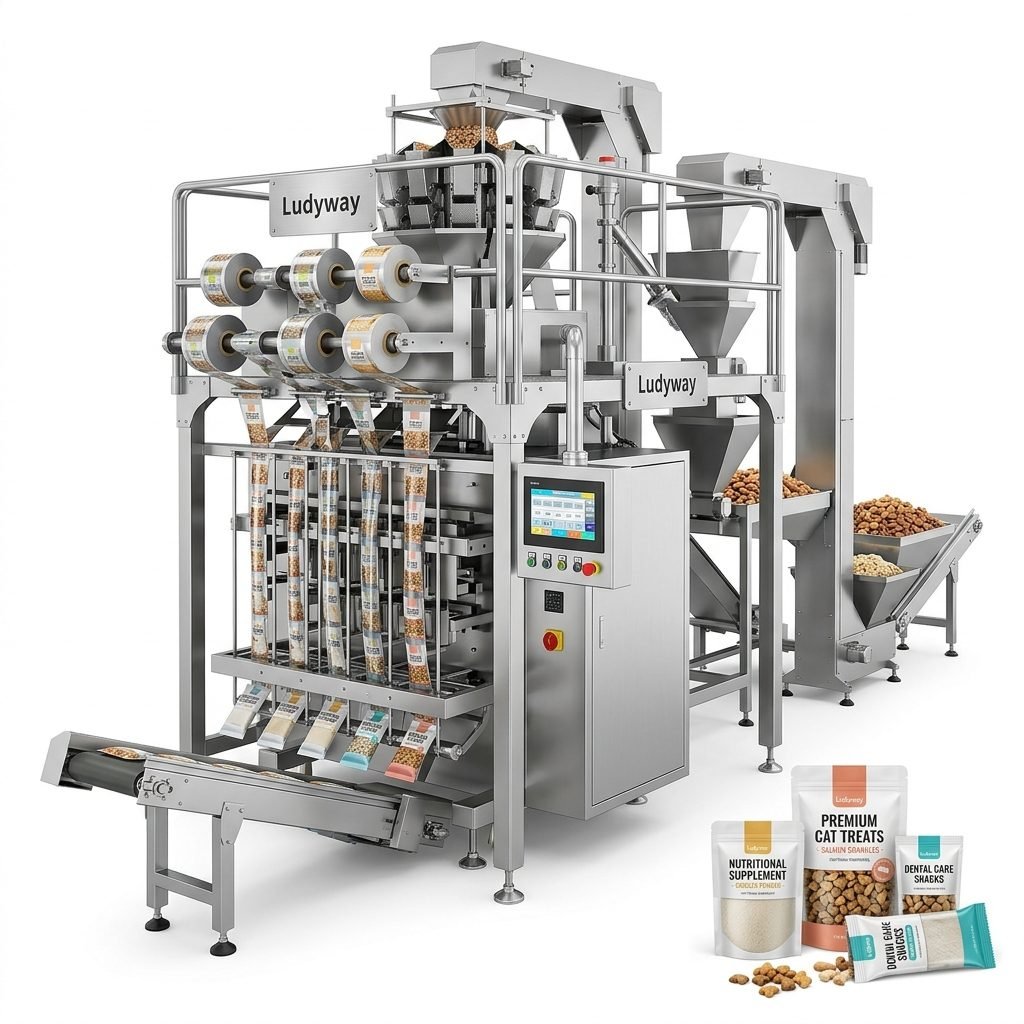
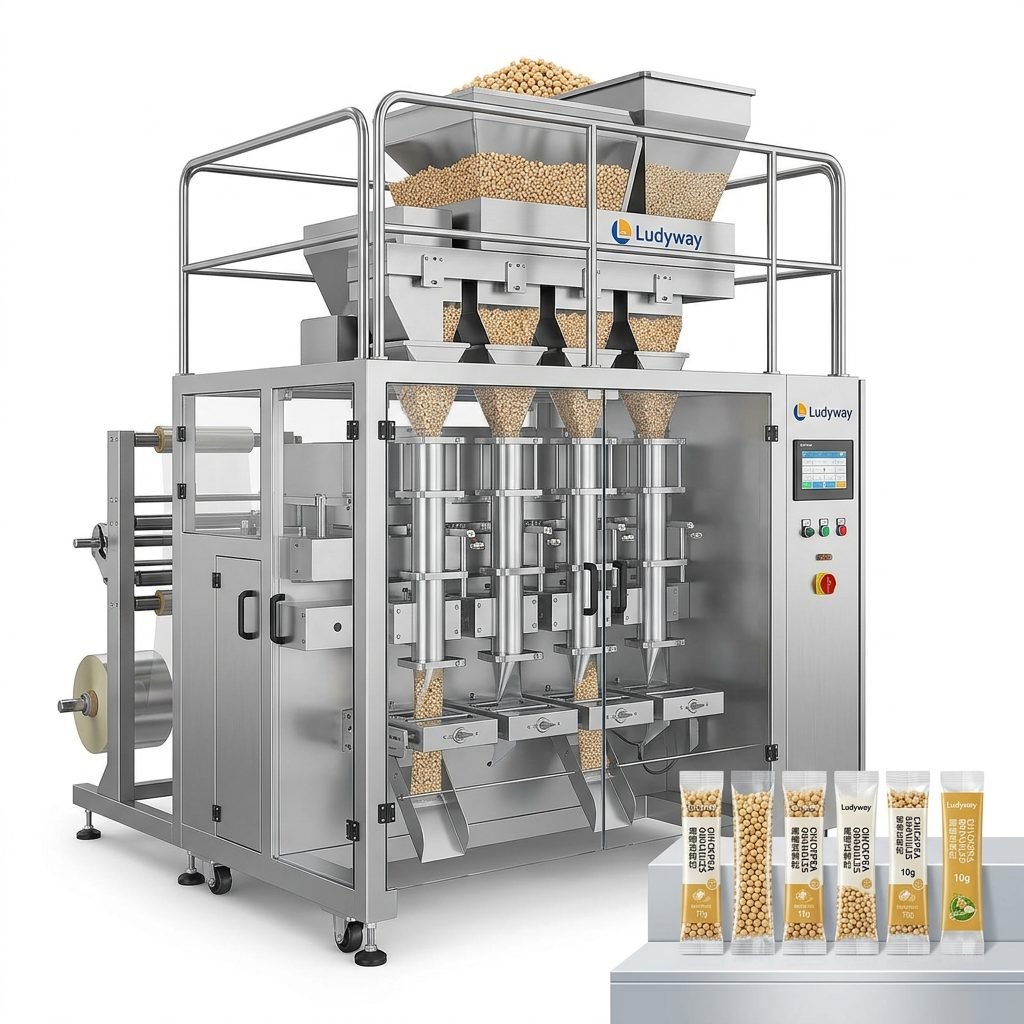
When comparing plastic packing machine prices, the lowest quote is rarely the best choice. A machine that looks affordable at first may create higher long-term costs through downtime, unstable sealing quality, excess material waste, slow speed, or expensive maintenance. The right buying decision comes from matching machine type, automation level, output target, package format, and after-sales support to your actual business needs.
Whether you produce food, pharmaceuticals, cosmetics, chemicals, or daily-use products, understanding what drives packaging machine pricing helps you avoid overbuying or underinvesting. This guide explains how to evaluate machine cost the smart way and how to choose equipment that supports profitable growth.
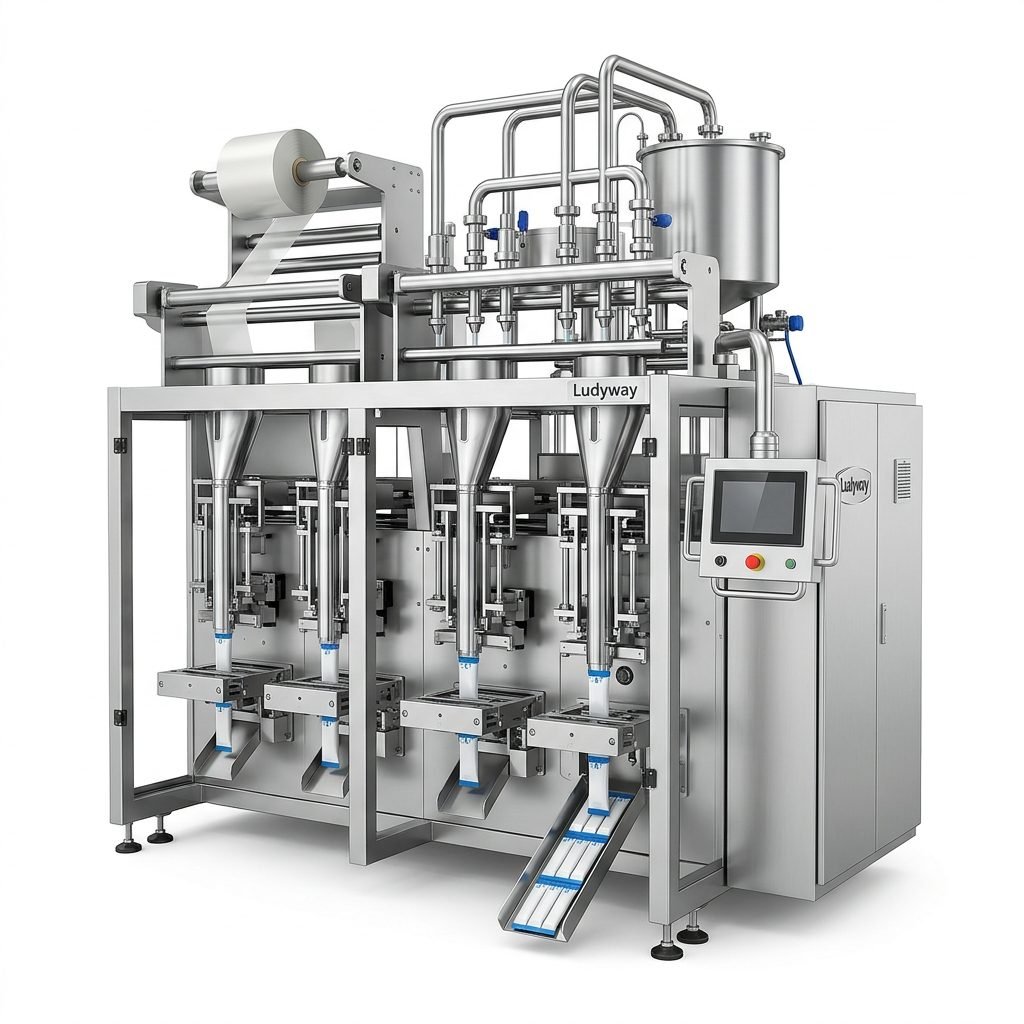
What Affects Plastic Packing Machine Price?
Plastic packing machine pricing varies widely because different machines are built for different products, capacities, and packaging styles. A compact semi-automatic unit may cost far less than a high-speed integrated line, but the cheaper model may not meet production targets or compliance requirements.
- Product type: powder, granule, liquid, paste, tablets, or mixed materials
- Package format: sachet, stick pack, pouch, bottle, bag, or carton
- Automation level: manual assistance, semi-automatic, or fully automatic
- Speed requirement: low output, medium output, or high-speed mass production
- Material compatibility: PE, laminated film, recyclable plastic films, and specialty barrier materials
- Accuracy and sealing performance: especially important for pharma, food, and premium consumer goods
- Customization: special feeding systems, coding, inspection, cartoning, case packing, or palletizing
In short, price reflects not only machine size, but also engineering complexity, reliability, and production value.
Typical Plastic Packing Machine Price Ranges
The table below shows general market expectations. Actual pricing depends on configuration, country-specific electrical standards, output speed, and optional components.
| Machine Type | Typical Application | Estimated Price Range | Best For |
|---|---|---|---|
| Semi-automatic packing machine | Small-batch filling and sealing | $3,000–$10,000 | Startups and pilot production |
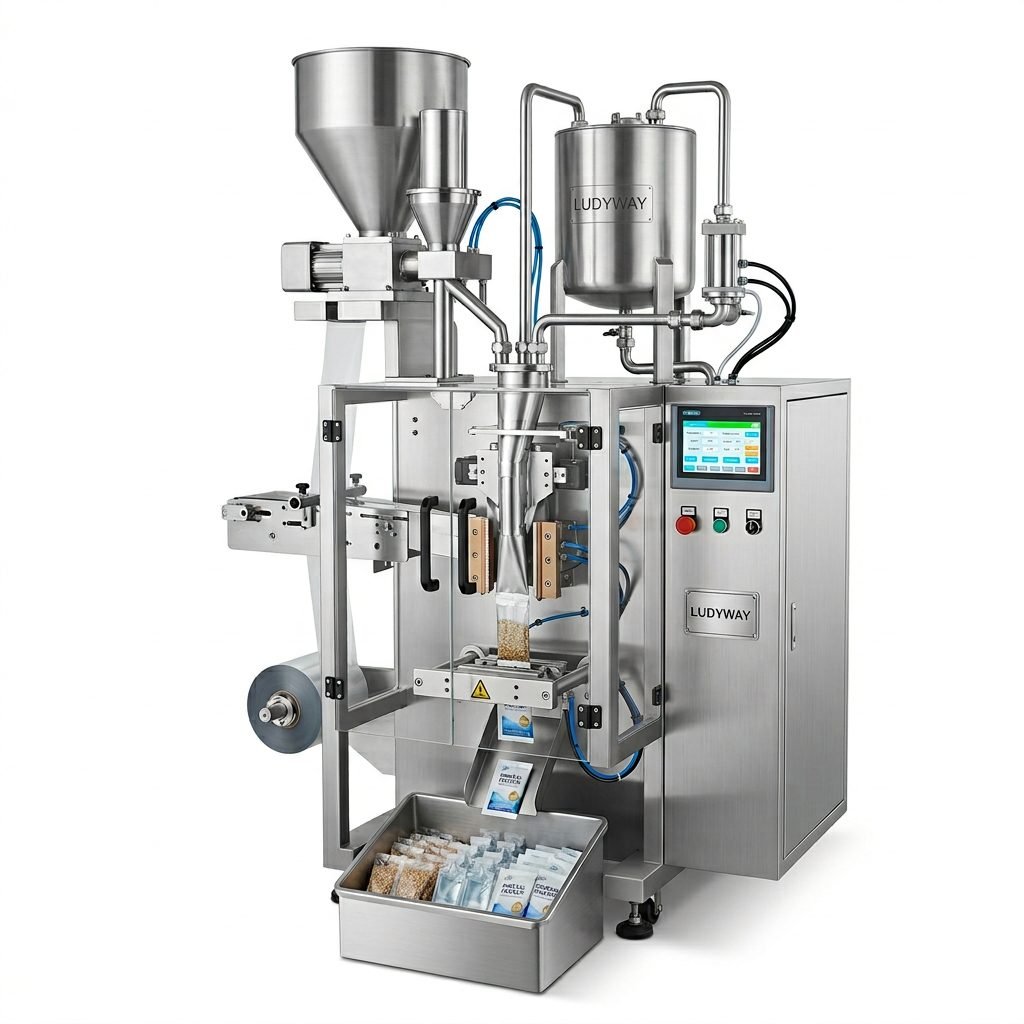
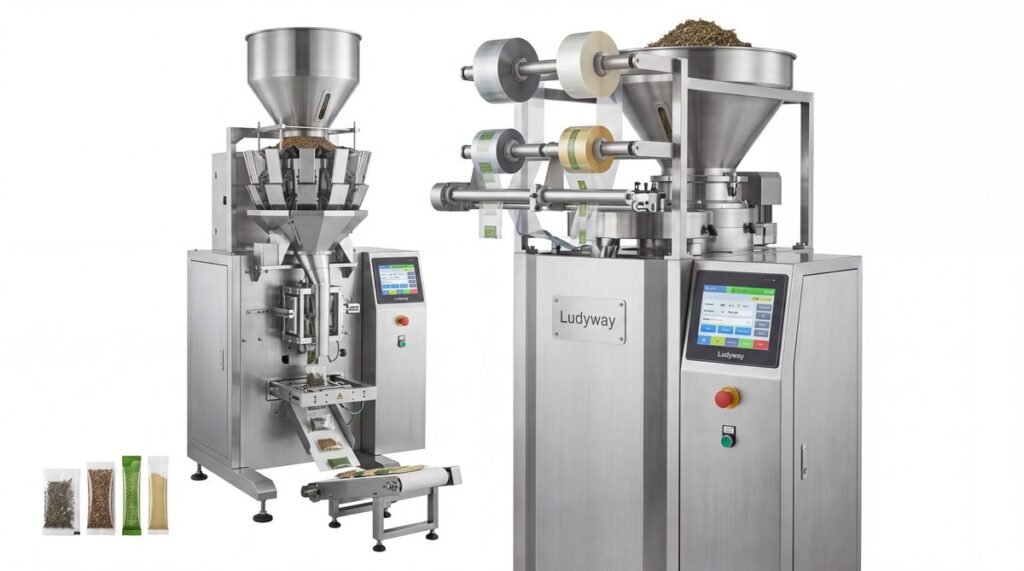
| Vertical form fill seal machine | Granules, powders, liquids in sachets or pouches | $8,000–$35,000 | Growing manufacturers |
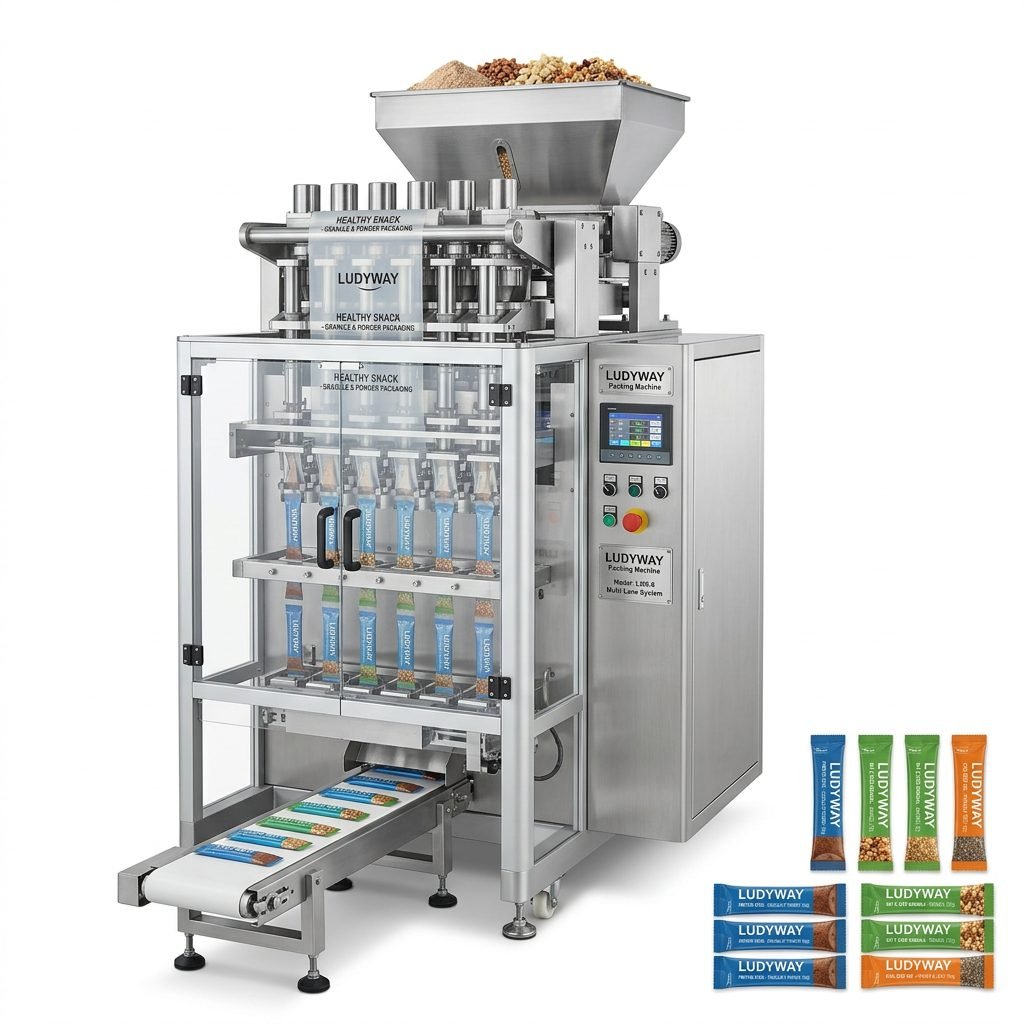
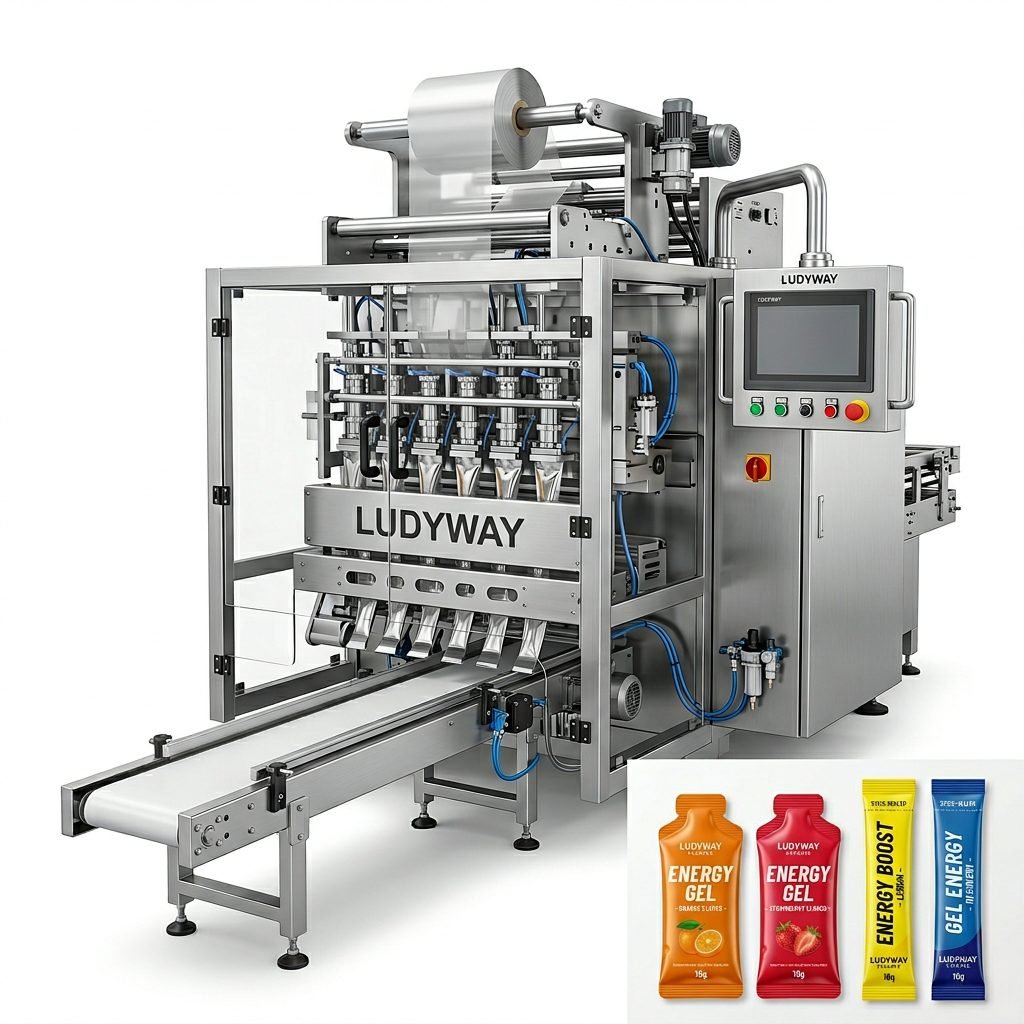
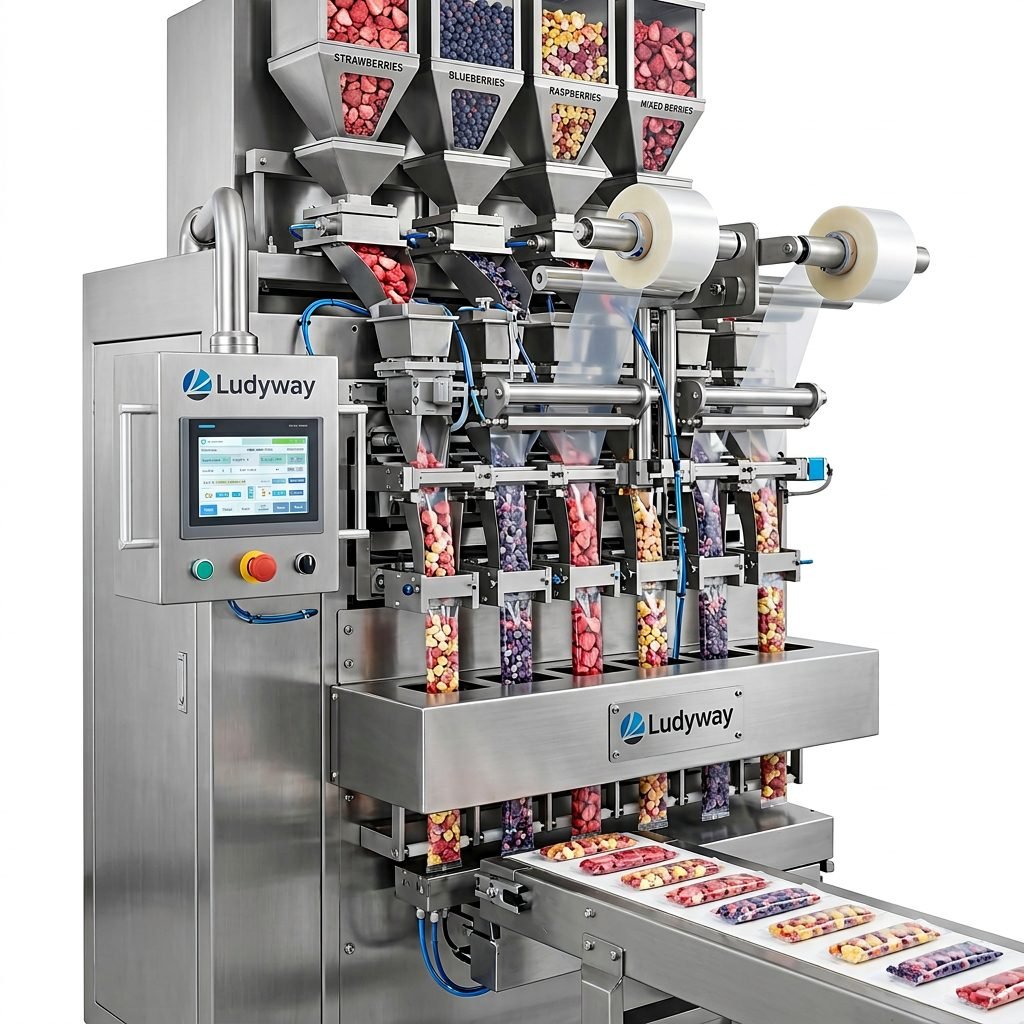
| Multi-lane sachet or stick pack machine | High-speed single-dose packaging | $25,000–$120,000+ | Food, pharma, health products |
| Premade pouch packing machine | Stand-up pouches, zipper bags | $20,000–$80,000 | Retail-ready packaging |
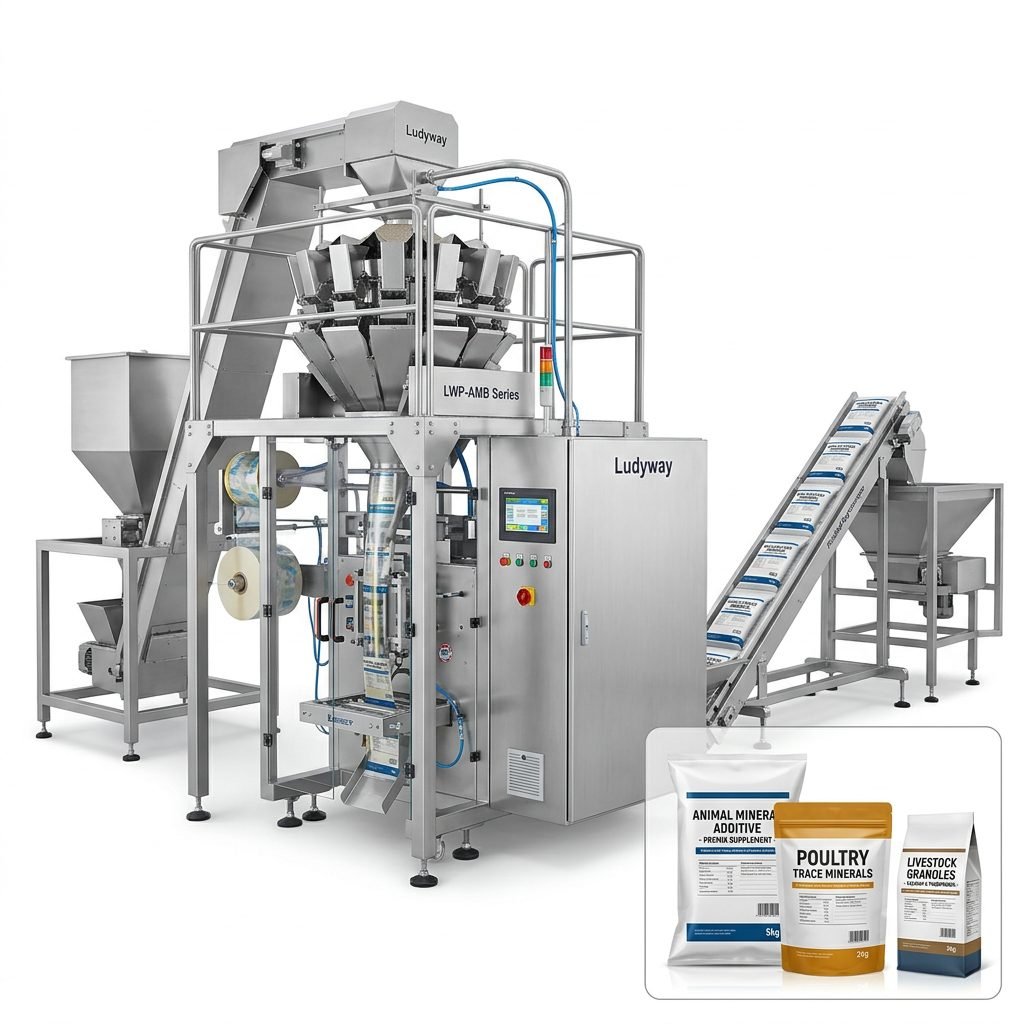
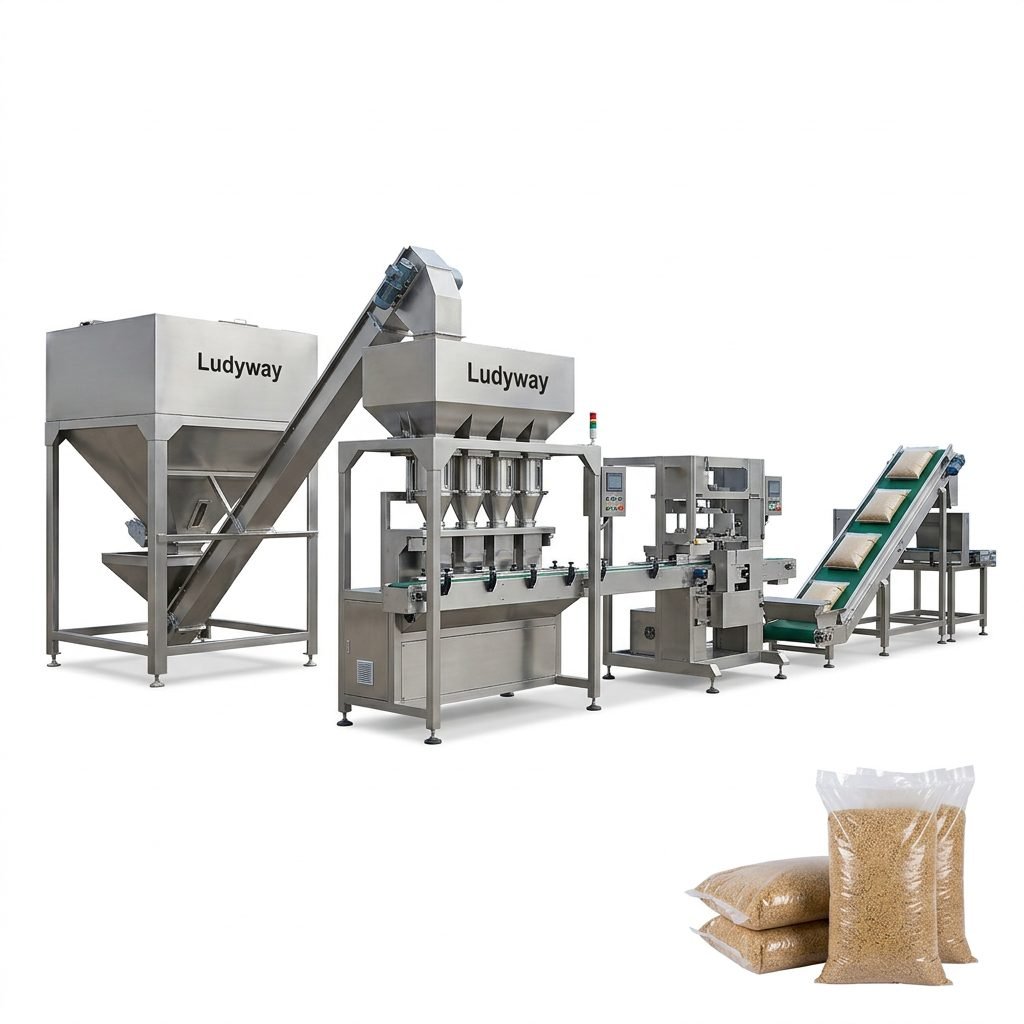
| Turnkey automatic packaging line | Filling, sealing, coding, inspection, cartoning | $80,000–$500,000+ | Medium to large factories |
How to Choose the Right Machine for Your Business
1. Define Your Product and Package Format First
Before asking for a quotation, clarify exactly what you need to pack. Plastic packaging equipment for powder behaves differently from equipment designed for liquids or granules. Even products within the same category may need different filling methods due to density, viscosity, or flow behavior.
- Powders may need auger filling and dust control
- Granules may need cup fillers or weighing systems
- Liquids and gels may need piston pumps or liquid dosing pumps
- Sticky or corrosive products may require special contact materials
Also define your bag or pouch size, sealing type, film structure, and whether you need easy-tear, zipper, spout, or special shapes.
2. Match Capacity to Real Production Goals
Many buyers either overspend on high-speed machines they do not fully use or choose low-cost machines that become bottlenecks within months. The best approach is to estimate current output and expected growth over the next two to three years.
Ask these questions:
- How many packs do you need per minute, hour, and shift?
- Do you run one shift or multiple shifts?
- Is demand seasonal or steady year-round?
- Will you add more SKUs soon?
A machine with scalable performance often creates better value than a low-cost unit with no expansion potential.
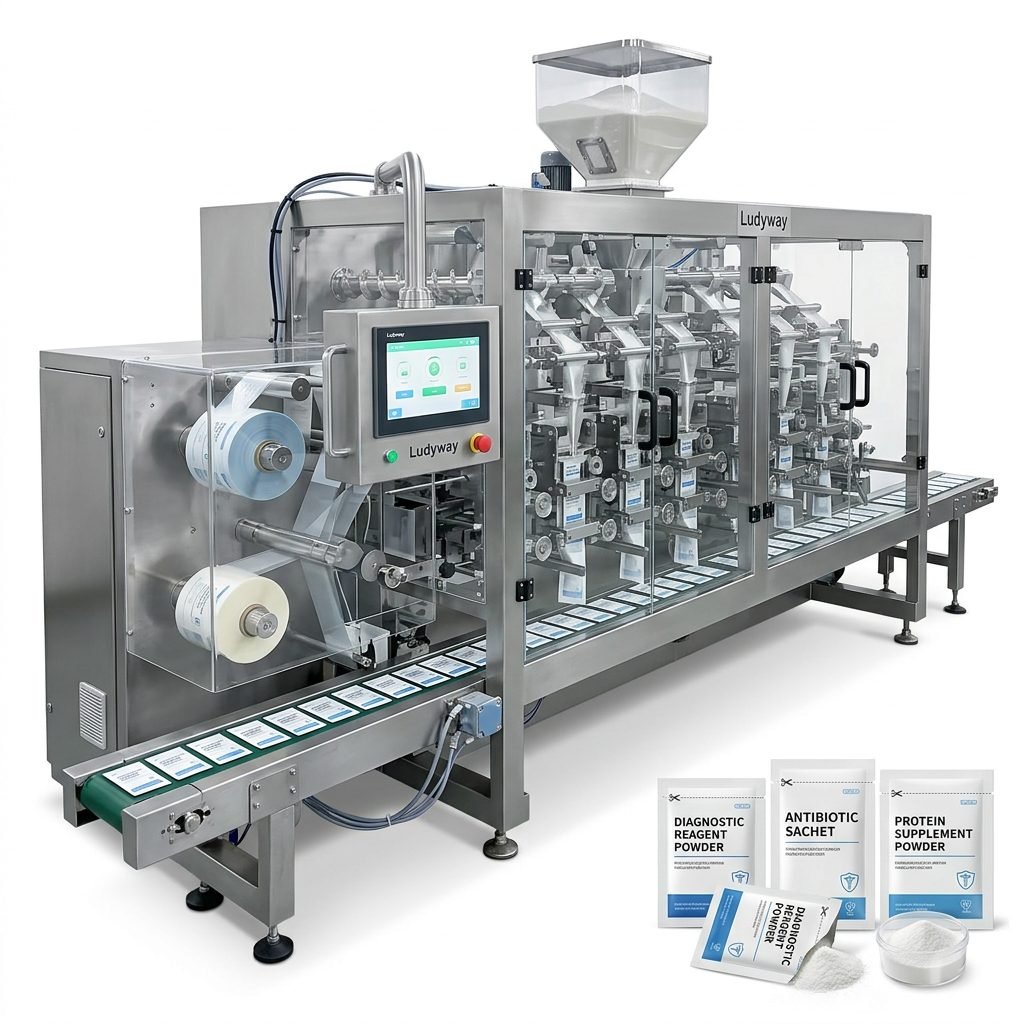
3. Evaluate Total Cost of Ownership, Not Just Purchase Price
A smart buyer compares the full operating cost over time. This includes installation, spare parts, changeover time, labor demand, film waste, energy use, and maintenance frequency. A machine with a higher initial price may still be the better investment if it offers better stability and lower downtime.
| Cost Factor | Low-Cost Machine Risk | Better-Value Machine Benefit |
|---|---|---|
| Downtime | Frequent production stops | Stable output and less interruption |
| Labor | More manual support required | Reduced labor dependence |
| Film waste | Poor sealing and misalignment | More consistent packaging quality |
| Maintenance | Hard-to-source parts and frequent repairs | Longer service life and support access |
| Changeover | Slow adjustment for new SKUs | Faster product and size switching |
4. Consider Industry Standards and Compliance
If you work in food, pharmaceutical, nutraceutical, or personal care sectors, compliance matters. The machine should be easy to clean, safe to operate, and suitable for the packaging material and product contact environment. For regulated industries, documentation and validation support can also influence machine value.
- Stainless steel contact parts
- Dustproof or hygienic design
- Accurate dosing systems
- Traceability through coding and inspection modules
- Support for regional electrical and safety standards
5. Think About Flexibility for Future Products
If your business may expand into new formats, avoid buying a machine that only works for one very narrow application. Flexible packaging machines can support multiple bag sizes, different filling volumes, and several product types with the right adjustments or optional modules.
This is especially useful for contract packers, fast-growing brands, and manufacturers planning to launch new SKUs. Flexibility can save substantial reinvestment later.
Common Plastic Packing Machine Types by Application
For Food Products
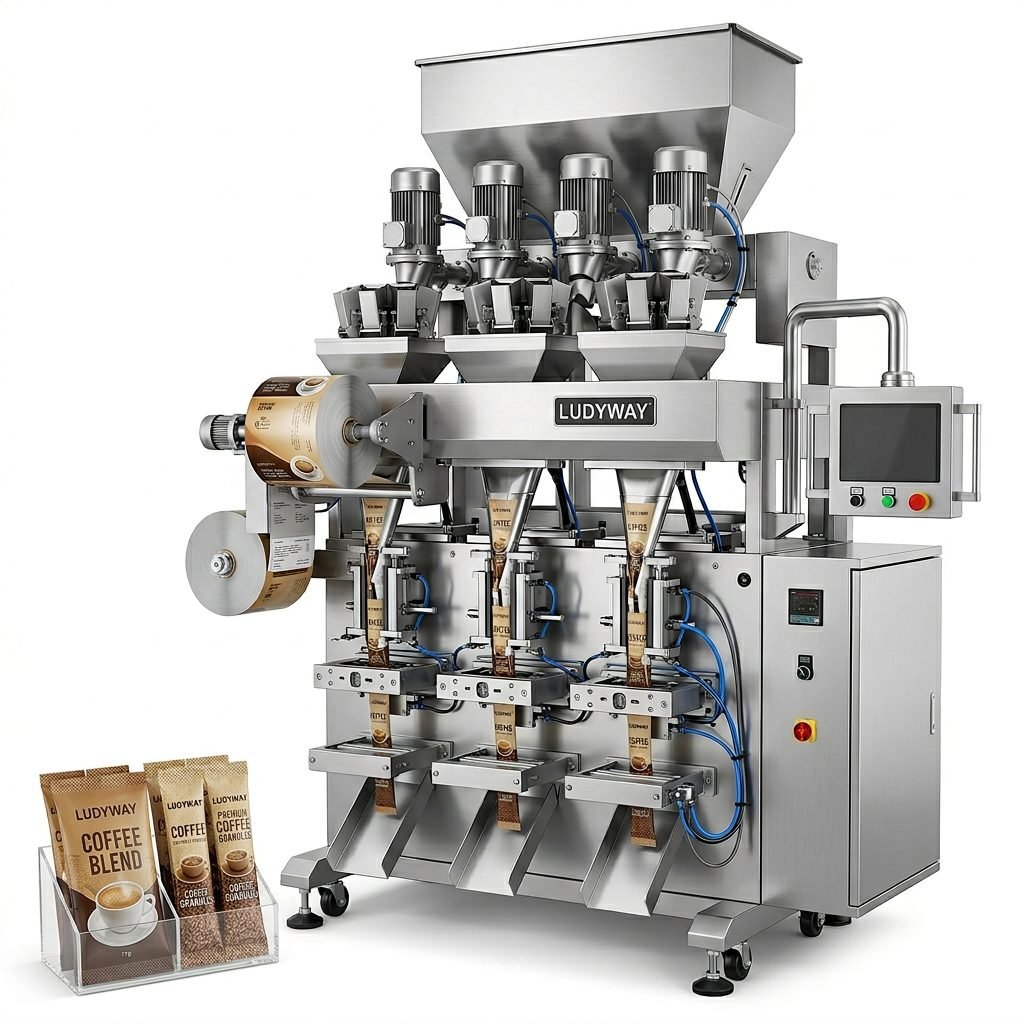
Food companies often need machines for snacks, spices, coffee, sugar, sauces, milk powder, drink mixes, and ready-to-use ingredients. Speed, sealing quality, hygiene, and shelf-life protection are key.
Suitable options include:
- Vertical form fill seal machines
- Multi-lane sachet machines
- Stick pack packaging systems
- Premade pouch filling machines
For Pharmaceutical and Health Products
These industries usually prioritize dosing accuracy, clean design, reliable sealing, and batch traceability. Single-dose sachets and stick packs are especially common for powders and granules.
Common uses include:
- Oral powders
- Granules
- Medical sachets
- Supplement sticks
For Chemicals and Daily-Use Products
Detergents, cleaners, additives, and industrial powders may require special corrosion resistance, dust control, or leak-proof sealing. In these cases, technical suitability is more important than simply buying the lowest-priced system.
Questions to Ask Before Requesting a Quote
To get an accurate price and avoid delays, prepare the following details before contacting a supplier:
- What product do you pack?
- Is the product powder, granule, liquid, paste, or mixed?
- What is the target pack size and package style?
- How many packs per minute do you need?
- What packaging film or plastic material will you use?
- Do you need coding, date printing, checkweighing, metal detection, or cartoning?
- What voltage and compliance standards apply in your country?
- Do you need a single machine or a complete packaging line?
The more precise your requirement, the more accurate the price comparison will be.
Mistakes Buyers Should Avoid
- Choosing only by upfront price
- Ignoring material compatibility with plastic film
- Underestimating future production growth
- Buying a machine without technical support or spare parts planning
- Skipping product testing before purchase
- Not checking sealing quality, filling accuracy, and line integration capability
How to Find a Reliable Packaging Machine Supplier
A reliable supplier should offer more than equipment assembly. Look for manufacturing experience, application knowledge, customization ability, and responsive after-sales service. This is particularly important if you need special package formats or turnkey integration.
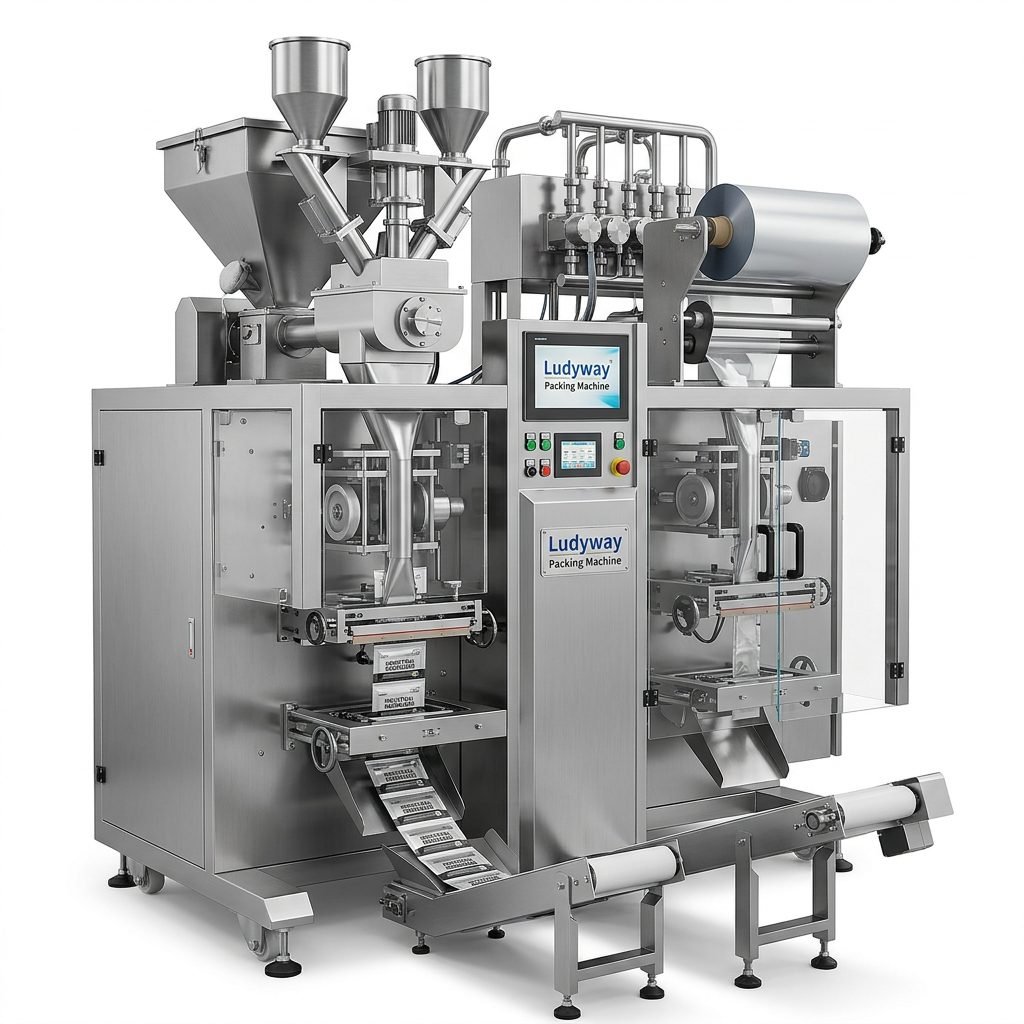
For businesses looking for scalable solutions, Ludyway packaging machine solutions are backed by more than 30 years of manufacturing experience, broad export coverage, and turnkey capabilities across food, pharmaceutical, cosmetic, chemical, and pouch-based applications.
A strong supplier should provide:
- Machine recommendation based on product characteristics
- Layout planning for standalone units or full lines
- Testing support
- Installation and commissioning guidance
- Training and long-term spare parts support
Final Buying Tip: Choose Value, Not Just Price
The best plastic packing machine is not the cheapest one on the market. It is the one that gives your business the right balance of speed, accuracy, durability, flexibility, and service support. If a machine helps reduce labor, improve seal consistency, protect your brand image, and support future expansion, it will usually deliver a stronger return on investment.
When comparing plastic packing machine prices, always review the full picture: machine performance, packaging quality, application fit, operating cost, and supplier reliability. That approach leads to a smarter and more profitable purchase.